
Training Your Adopted Bird: Basic Commands and Positive Reinforcement

Welcome to PetCareWorld, your ultimate guide to a happier, healthier life for your beloved pet! Are you ready to build a stronger bond with your newly adopted feathered friend? Discover how to successfully train your adopted bird basic commands using positive reinforcement techniques in our comprehensive guide. Learn the secrets to effective communication and unlock a world of joyful interaction with your avian companion. Dive in and start building that special connection today!
- Understanding Your Adopted Bird's Personality and Needs
- Establishing a Foundation: Building Trust and Bond
- Teaching Basic Commands to Your Adopted Bird
- Advanced Training Techniques for Adopted Birds
- Maintaining Consistency and Positive Reinforcement
- Addressing Specific Behavioral Issues in Adopted Birds
- Long-Term Training and Enrichment for Your Adopted Bird
- Frequently Asked Questions
- Final Reflection: The Enduring Bond: Training and Trust with Your Adopted Bird
- Unleash Your Bird's Potential: Start Training Today!
Understanding Your Adopted Bird's Personality and Needs
Bringing a rescued or adopted bird into your home is a rewarding experience, but it also requires understanding and patience. Successfully training your adopted bird hinges on recognizing its individual personality and adapting your training methods accordingly. This article will guide you through the process of training your adopted bird to respond to basic commands using positive reinforcement techniques. We'll explore how to assess your bird's temperament, identify its learning style, and create a safe and enriching environment conducive to successful training.
Remember, every bird is unique, and what works for one may not work for another. The key is patience, consistency, and a deep understanding of your feathered friend's needs. This approach will not only enhance your bond but also ensure a happier, healthier life for your adopted bird. Let's embark on this journey together and discover the joys of training your new companion!
Assessing Your Bird's Temperament and Previous Experiences
Before you even begin thinking about commands, take the time to observe your adopted bird. Understanding its temperament is crucial for effective training. Was your bird previously neglected or abused? This could significantly impact its response to training. A bird with a traumatic past might be fearful or hesitant, requiring a gentler, more gradual approach.
Observe its behavior in various situations: How does it react to new people? To new sounds? To being handled? Does it readily accept treats? Keep a detailed journal of your observations.
Note any signs of fear, aggression, or anxiety. This information will inform your training strategies and help you tailor your approach to your bird's specific needs. For example, a shy bird might respond better to quiet, low-key training sessions, while a more confident bird might thrive on more interactive and stimulating activities. Remember, building trust is paramount. Patience and positive reinforcement are key to overcoming any past trauma and fostering a strong bond.
Identifying Your Bird's Learning Style and Preferences
Just as humans have different learning styles, so do birds! Some birds are visual learners, responding well to demonstrations. Others are auditory learners, picking up commands more easily through verbal cues. Still others might be kinesthetic learners, learning best through physical interaction and touch. Pay close attention to how your bird responds to different training methods.
Does it learn faster through visual cues, such as hand gestures? Or does it respond better to verbal commands? Does it seem to enjoy physical interactions during training, such as gentle stroking? Experiment with various techniques to identify your bird's preferred learning style.
Understanding this preference is essential for maximizing your training effectiveness and minimizing frustration for both you and your bird. For instance, if your bird is a visual learner, use clear and consistent hand signals alongside verbal commands. If it's an auditory learner, focus on clear and consistent verbal cues. Adapting to your bird's learning style makes the training process far more enjoyable and productive.
Creating a Safe and Stimulating Training Environment
A safe and stimulating environment is crucial for successful bird training. Your bird needs a space where it feels secure and comfortable. This should be a designated area free from distractions and potential hazards. Ensure the area is clean and appropriately sized for your bird's species.
Provide plenty of toys and enrichment activities to keep your bird mentally and physically stimulated. A bored bird is less likely to cooperate during training sessions. The training area itself should be quiet and free from distractions such as loud noises or other pets. Creating a positive and predictable routine will help your bird feel safe and secure, making it more receptive to training.
Remember, a comfortable and enriching environment significantly contributes to a successful and positive training experience for both you and your bird. A calm and predictable routine establishes trust and reduces stress, leading to better learning outcomes. Think of it as setting the stage for success!
Establishing a Foundation: Building Trust and Bond
Before you even think about teaching your adopted bird basic commands like "step up" or "come," it's crucial to establish a strong foundation of trust and a positive bond. This initial phase is the cornerstone of successful bird training, and rushing it can lead to frustration for both you and your feathered friend. Remember, training an adopted bird requires patience and understanding, especially given their potentially uncertain past. The goal isn't just obedience, but a happy, confident bird who enjoys interacting with you. This section will focus on building that essential foundation, emphasizing positive reinforcement techniques and gentle handling.
Importance of Positive Reinforcement in Bird Training
Positive reinforcement is paramount when training an adopted bird. Unlike punishment-based methods, which can create fear and anxiety, positive reinforcement focuses on rewarding desired behaviors. This approach builds confidence and encourages your bird to actively participate in the training process. Rewards can range from verbal praise ("Good bird!") and physical affection (gentle head scratches) to small, healthy treats like millet sprays or seed mixes. The key is consistency: rewarding the desired behavior immediately reinforces its association with the positive outcome. Inconsistency, on the other hand, can confuse your bird and hinder progress. Think of it this way: you're teaching your bird that interacting with you is a positive experience, making them more receptive to future training sessions. This is especially important for adopted birds who may have had negative experiences in the past. By consistently employing positive reinforcement, you'll foster a trusting relationship built on mutual respect and positive associations.
Techniques for Building a Strong Bird-Owner Bond
Building a strong bond with your adopted bird requires consistent effort and understanding. Consider the following techniques:
- Spend Quality Time: Dedicate specific times each day for interaction, even if it's just sitting quietly near the cage and talking softly. Observe your bird's behavior and learn its preferences.
- Offer Enriching Activities: Provide a variety of toys and activities to keep your bird mentally stimulated. This reduces boredom and promotes positive behavior. Rotate toys regularly to prevent them from becoming predictable and unengaging.
- Create a Safe and Comfortable Environment: Ensure your bird's cage is in a quiet, safe location away from drafts and excessive noise. A secure environment promotes relaxation and reduces stress levels.
- Respect Your Bird's Space: Avoid sudden movements or loud noises that could frighten your bird. Approach the cage slowly and calmly, allowing your bird to initiate interaction.
- Observe Body Language: Learn to recognize your bird's body language. Understanding signs of stress, fear, or happiness is vital for effective interaction and training. A ruffled crest, closed eyes, or tucked-in tail often signify discomfort.
Handling and Interaction: Gentle Approaches for Trust Building
Gentle handling is critical, particularly with an adopted bird that might be wary of human contact. Avoid sudden movements or loud noises. Always approach calmly and slowly, allowing your bird to see and smell you before making any physical contact.
- Introduce Your Hand Gradually: Start by placing your hand near the cage, letting your bird investigate at its own pace. Once comfortable, try gently offering a treat from your hand.
- Target Training: This technique uses a target stick (a dowel or chopstick) to guide your bird's movement. It's a non-invasive way to encourage stepping onto your hand or other surfaces.
- Positive Reinforcement During Handling: Reward calm behavior during handling sessions with verbal praise, gentle head scratches, or small treats.
- Respect Boundaries: If your bird shows signs of discomfort, immediately stop the interaction and give it space. Forcing interaction will only damage the trust you're trying to build. Remember, building trust takes time. Be patient and consistent, and your adopted bird will eventually come to associate you with positive experiences. Patience is key! 🐦
Remember, training is a journey, not a race. Focus on building a strong bond before moving on to formal training sessions. This foundation of trust will greatly enhance your success in teaching your adopted bird basic commands and will ultimately lead to a happier and healthier relationship between you and your feathered companion.
Teaching Basic Commands to Your Adopted Bird
This section delves into the practical application of training basic commands to your newly adopted bird. Remember, patience and positive reinforcement are key to success. The process requires consistency and understanding of your bird's individual personality and learning style. Training your adopted bird not only strengthens your bond but also ensures a safer and more enriching environment for both of you. Successfully training your adopted bird on basic commands contributes significantly to their overall well-being and reduces the likelihood of behavioral issues.
Starting with Simple Commands: Step-by-Step Guide
Begin with the easiest commands. Avoid overwhelming your bird with too much too soon. Start with one command, master it, then move on to the next. A good starting point is associating a specific word with a desirable behavior your bird already exhibits. For example, if your bird frequently steps onto your finger, you can start associating the word "up" with this action.
Here's a step-by-step guide:
- Choose a quiet, distraction-free environment. Minimize noise and visual stimuli to maximize your bird's focus.
- Select a single, short, and clear command word. "Up," "Down," and "Step" are excellent choices. Avoid using multiple words or phrases.
- Use positive reinforcement. Reward desired behaviors immediately with treats, praise, or gentle head scratches. Consistency is crucial; always reward the correct response.
- Keep training sessions short and frequent. Aim for several short sessions (5-10 minutes) throughout the day rather than one long session. Birds have short attention spans.
- Be patient and understanding. Every bird learns at its own pace. Don't get discouraged if your bird doesn't grasp the command immediately. Celebrate small victories!
- End on a positive note. Always finish the training session with a successful repetition of the command and a generous reward. This leaves your bird with a positive association with the training experience.
A well-structured training plan incorporating these steps significantly improves the chances of success in teaching your adopted bird basic commands. Remember to tailor your approach to your bird's individual temperament and learning style. Some birds are quick learners, while others may require more time and patience.
"Step Up" Command: A Crucial First Step
The "step up" command is fundamental for safe handling and building trust. It teaches your bird to willingly step onto your finger or a perch. This is crucial for vet visits, nail trims, and general handling. This command is especially important when dealing with rescue birds who might be fearful or hesitant to approach.
To teach the "step up" command:
- Hold your finger or perch close to your bird's foot. Use a gentle, inviting gesture.
- Say "Step up" clearly and calmly. Repeat the command as you bring your finger closer.
- Reward immediately when your bird steps onto your finger or perch. Use a favorite treat or verbal praise.
- Repeat this process multiple times a day. Short, frequent sessions are more effective than long, infrequent ones.
- Gradually increase the distance between your bird and your finger or perch as they become more comfortable with the command.
Remember, consistency and patience are essential. Some birds might take longer than others to understand and respond to the "step up" command. Never force your bird; gentle encouragement and positive reinforcement are always the best approach. The "step up" command is a cornerstone of bird training, fostering a safe and positive interaction between you and your feathered companion.
"Step Down" Command: Ensuring Safe Handling
Once your bird masters the "step up" command, it's equally important to teach the "step down" command. This ensures safe and controlled handling, preventing accidental falls or escapes. Teaching this command alongside "step up" creates a complete and secure system for interaction.
Teaching the "step down" command involves a slightly different approach:
- Hold your bird securely, but gently. Ensure a firm grip without causing discomfort.
- Place your other hand or a perch close to where your bird is standing. This provides a clear alternative landing spot.
- Say "Step down" clearly and calmly. As you say the command, gently guide your bird towards the alternative landing spot.
- Reward immediately when your bird successfully steps down. Positive reinforcement is key to success.
- Repeat this process many times a day. Consistent practice is crucial for your bird to associate the command with the desired action.
- Gradually increase the distance between the bird and the alternative landing spot as they master the command.
Mastering the "step down" command along with "step up" significantly improves the safety and ease of handling your adopted bird. This simple command empowers you to manage your bird more effectively and confidently, contributing to a harmonious relationship built on trust and understanding. This also minimizes the risk of accidents and promotes a safer environment for both you and your bird.
"Come" Command: Recalling Your Bird Safely
Teaching your adopted bird the "come" command is crucial for safety and strengthens your bond. It's not about forcing your bird; instead, it's about associating coming to you with positive reinforcement. Start in a small, enclosed space like a bird-safe room or a large cage. Hold a favorite treat, such as a small piece of fruit or a seed your bird particularly enjoys, near your hand and say "Come!" in a cheerful, encouraging tone. Initially, your bird might be hesitant. Be patient! If your bird doesn't immediately come, gently move your hand closer to it, still holding the treat.
Once your bird approaches, enthusiastically praise it with words like "Good bird!" or "Yes!" and immediately give it the treat. Repeat this process multiple times during the day, keeping the sessions short (around 5-10 minutes) to avoid overwhelming your bird. Gradually increase the distance between you and your bird as it becomes more responsive to the command. Remember, consistency is key. The more frequently you practice, the quicker your bird will learn. Always end the training session on a positive note, even if your bird hasn't fully mastered the command yet.
Positive reinforcement is far more effective than punishment. Never chase or force your bird to come; this will create fear and anxiety, hindering the learning process. As your bird progresses, you can try the command in larger areas, but always supervise it closely. This ensures its safety and prevents escape. Consider using a specific verbal cue, like a whistle or a clicker, in conjunction with the word "Come," to further enhance the training. This will help your bird easily associate the sound with the action, speeding up the learning process. Remember to keep it fun and rewarding for your feathered friend! 🎉
Targeting: Using a Training Stick or Target
Targeting is a fantastic method for training birds, particularly adopted ones who may be less confident or have had negative past experiences. It involves teaching your bird to touch a target object—a training stick (a dowel or chopstick works well) or a designated target—with its beak. This simple action can be used as a bridge to teach more complex behaviors. Begin by holding the target close to your bird’s beak. Many birds are naturally curious and will instinctively peck at it. The moment your bird touches the target, immediately praise it with enthusiastic verbal praise and give it a small treat. Repeat this several times, keeping the sessions short and positive.
Once your bird reliably touches the target on command, you can start moving the target slowly in different directions, always rewarding the contact. Gradually increase the distance and complexity of the movements. You can use the target to guide your bird into specific positions, such as stepping onto a perch or moving to a different location. This is particularly helpful for teaching "come" and other directional commands. For instance, you can hold the target near your hand while saying "Come," guiding your bird towards you. The target provides a clear visual cue, making the learning process easier and more engaging for your bird. Remember to use a variety of treats and praise to keep your bird motivated and excited about training.
Always end the session on a positive note, reinforcing the positive association with the target and the training process. It's important to note that some birds might take longer to grasp the concept than others. Patience and persistence are crucial for success. The rewards will be well worth the effort once your bird readily responds to the target and you can use it for more advanced training. The use of a target also provides a safe and non-threatening way to interact with your bird, especially useful when dealing with a bird that may be fearful or skittish. This method of training fosters trust and builds a stronger bond between you and your adopted bird. 🐦
Advanced Training Techniques for Adopted Birds
This section delves into more sophisticated training methods to further enhance your bond with your adopted bird and expand its capabilities beyond basic commands. Remember, patience and positive reinforcement remain crucial throughout this process. Adopting a bird is a rewarding experience, but training requires dedication and understanding of avian behavior. Successfully training your adopted bird builds trust and strengthens your relationship.
Teaching Tricks: Expanding Your Bird's Repertoire
Once your bird masters basic commands like "step up" and "come," you can introduce more complex tricks. This not only provides mental stimulation but also strengthens your bond. Start with simple tricks, gradually increasing the difficulty. For example, you could teach your bird to:
- Fetch: Start by tossing a small, safe toy within easy reach. Reward your bird immediately when it picks it up. Gradually increase the distance and complexity.
- Dance: Associate a specific word or phrase with a desired movement, such as swaying or stepping to the rhythm of music. Reward even the slightest attempts.
- Bow: This can be taught through shaping, rewarding successive approximations of the desired behavior (see below).
- Target Training: Use a target stick or your finger to guide your bird into performing specific actions, such as stepping onto a perch or going into its cage.
Remember to keep training sessions short and fun. If your bird shows signs of frustration or disinterest, end the session and try again later. Positive reinforcement, using treats and praise, is essential for success. A consistent routine and predictable environment will make the training process smoother. Consider using a clicker for more precise timing of rewards. The clicker marks the exact moment the bird performs the desired behavior, making the association between action and reward clearer.
Shaping Behavior: Gradually Guiding Your Bird
Shaping is a powerful technique that involves rewarding successive approximations of the desired behavior. Instead of waiting for your bird to perform the complete trick, you reward any behavior that moves it closer to the goal. For example, to teach your bird to bow, you might initially reward it for lowering its head slightly. Then, you only reward a lower bow. Gradually, you increase the standard until your bird performs a full bow. This method is particularly useful for teaching complex behaviors that your bird wouldn't naturally perform.
It requires patience and careful observation of your bird's actions. Remember to break down complex behaviors into smaller, manageable steps. This makes the process less overwhelming for both you and your bird. Celebrate small victories along the way and maintain a positive and encouraging atmosphere. This approach fosters trust and confidence in your feathered friend.
Troubleshooting Common Training Challenges
Training an adopted bird can present unique challenges. Some birds may be fearful or have had negative past experiences that make them hesitant to interact. Others may have learned undesirable behaviors that need to be redirected.
- Fear and Anxiety: If your bird is fearful, start with short, low-pressure training sessions in a quiet, safe environment. Focus on building trust before introducing commands. Providing a secure and comfortable space is crucial.
- Previous Negative Experiences: Be patient and understanding. Positive reinforcement is key to overcoming past traumas and building trust. Avoid forceful methods, as these will only worsen the situation. Focus on positive interactions and gradually introduce training.
- Lack of Motivation: If your bird seems uninterested, try different types of rewards. Experiment with various treats, praise, or toys to find what motivates your bird the most. Varying the training activities can also help maintain engagement. Make sure the training sessions are short and fun.
- Inconsistent Behavior: Maintain consistency in your commands and rewards. Use the same words and gestures each time. A consistent approach helps your bird understand what is expected of it. Inconsistent training can lead to confusion and frustration.
Remember, every bird is an individual. What works for one bird may not work for another. Be flexible, patient, and persistent. With time and effort, you can successfully train your adopted bird and enjoy a strong, rewarding relationship. Consider consulting with an avian veterinarian or a certified avian behaviorist if you encounter significant challenges. Professional guidance can provide valuable insights and tailored strategies for your specific situation.
Maintaining Consistency and Positive Reinforcement
Training your adopted bird requires patience and consistency. Think of it as building a relationship based on trust and mutual understanding. Inconsistent training will only confuse your feathered friend, hindering progress and potentially damaging your bond. This is especially crucial when working with a bird who may have experienced previous trauma or neglect. The key is to establish a routine and stick to it.
Even short, 10-15 minute sessions several times a day are more effective than one long, stressful session. This allows your bird to focus better and prevents them from becoming overwhelmed. Remember, positive reinforcement is paramount. Avoid punishment-based methods; they're counterproductive and can severely damage your bird's trust in you.
Instead, focus on rewarding desired behaviors immediately. This helps your bird understand what they are doing correctly and encourages them to repeat those actions. Consider using a clicker for precise timing of rewards, pairing the click with a treat to create a strong association. Consistency is the cornerstone of successful bird training; it builds predictability and trust, leading to a happier, more well-behaved companion.
The Importance of Regular Training Sessions
Regular training sessions are vital for several reasons. First, they reinforce learned behaviors. Just like humans, birds need regular practice to solidify new skills. Think of it like this: if you only practiced playing the piano once a month, you wouldn't expect to become a concert pianist. Similarly, sporadic training sessions won't yield the desired results with your bird.
Second, regular sessions help maintain a positive training environment. Short, frequent sessions prevent your bird from becoming bored or frustrated, keeping them engaged and motivated. Third, consistent training builds a stronger bond between you and your bird. These interactions create opportunities for positive reinforcement and deepen your connection. Consider establishing a daily schedule, perhaps incorporating training into your bird's feeding routine.
This helps integrate training into your daily interactions, making it a natural part of your bird's life. Remember, consistency is key to success in bird training. The more frequently you train, the better the results. Aim for at least two short sessions per day, even if it's just for five to ten minutes each. This commitment will significantly improve your chances of success.
Rewarding Desired Behaviors: Treats and Praise
Positive reinforcement is the cornerstone of successful bird training. Rewarding desired behaviors immediately is crucial for your bird to associate the action with a positive outcome. This can be done through various methods, but the most effective are usually treats and praise. For treats, offer small, healthy, and appealing pieces of food your bird particularly enjoys. This could include small pieces of fruits, vegetables, or bird-specific treats.
Remember to vary the treats to keep things interesting and prevent your bird from becoming bored. Along with treats, vocal praise plays a significant role. Use enthusiastic and positive tones, such as "Good bird!" or "That's a good step!". Your bird will learn to associate your positive tone with rewarding actions.
The timing of rewards is critical; give the reward immediately after the desired behavior to reinforce the connection. This immediate positive feedback helps your bird understand what they are doing correctly. Experiment to find out what motivates your bird the most; some birds are more motivated by treats, while others respond better to praise and attention. The key is to tailor your approach to your bird's individual personality and preferences. This personalized approach enhances the effectiveness of your training and strengthens your bond.
Handling Setbacks and Addressing Frustration
Training setbacks are inevitable, especially when working with an adopted bird who might have had a challenging past. Frustration is a natural part of the process for both you and your bird. If your bird isn't responding well, don't get discouraged. Take a break, reassess your approach, and try a different technique. Perhaps your bird is overwhelmed, tired, or simply not in the mood. Respect their cues and try again later.
If frustration builds, it's crucial to take a step back. End the training session and resume later with a fresh perspective. Remember, forcing your bird to participate will only create negative associations. Consistency and patience are paramount. Focus on the small victories and celebrate progress, no matter how small.
Celebrate every step forward, no matter how insignificant it may seem. This positive reinforcement will help keep both you and your bird motivated. Keep in mind that each bird learns at its own pace, and some might require more time and patience than others. Be understanding, patient, and consistently positive, and you will see progress over time. Remember, building trust is key to a successful training experience.
Recognizing Signs of Stress and Adjusting Training
Recognizing stress in your adopted bird is crucial for successful training and their overall well-being. Birds, being highly sensitive creatures, can exhibit subtle signs of distress that might go unnoticed by inexperienced owners. These signs can manifest physically and behaviorally.
Physically, you might observe ruffled feathers, excessive preening, changes in appetite (either increased or decreased), or even droppings that differ in consistency or color from their normal pattern. Behavioral indicators are equally important and include increased vocalizations (often shrill or repetitive), hiding behavior, self-mutilation (plucking feathers), or aggression. A significant drop in activity levels, where your usually energetic bird is lethargic and withdrawn, should also raise a red flag.
It’s vital to remember that each bird is an individual, and what constitutes stress for one might not be the same for another. Therefore, paying close attention to your bird's baseline behavior is essential. Establish a regular routine of observation, noting their typical behaviors, so that any deviations become readily apparent. Keep a detailed journal or log to track your bird's daily activities, food intake, and any noticeable changes in their demeanor. This detailed record will serve as an invaluable tool in identifying potential stress triggers and adjusting your training approach accordingly.
If you notice any signs of stress during a training session, immediately cease the activity. Pushing a stressed bird will likely worsen the situation, potentially leading to fear and anxiety that will hinder future training efforts. Instead, try to create a calm and relaxing environment. Offer your bird their favorite treats, provide quiet time in their cage, or gently interact with them through soft talking or gentle stroking (if they tolerate it). Remember that building trust is paramount, and forcing interaction will only damage that bond.
Once your bird seems relaxed and comfortable, you can attempt to resume training, but at a slower pace and with shorter sessions. Always prioritize your bird's well-being over achieving training goals. A stressed bird is a bird that isn't learning. Patience and understanding are key components of successful avian training.
Addressing Specific Behavioral Issues in Adopted Birds
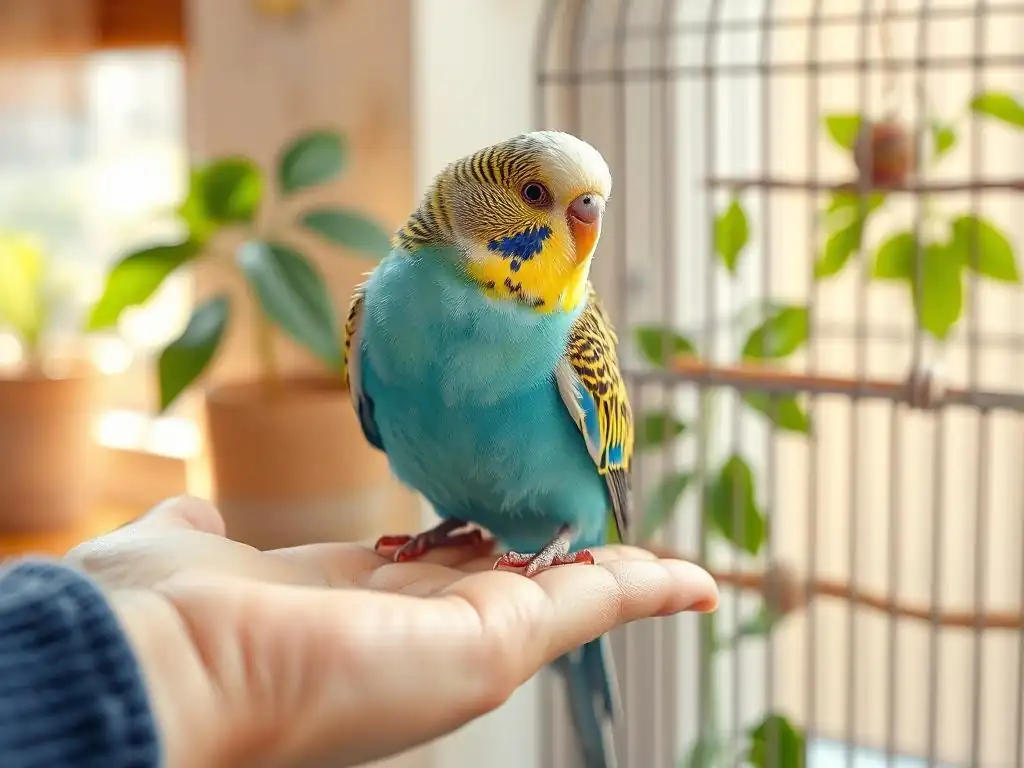
Adopted birds, especially those with a history of neglect or trauma, often present unique behavioral challenges. Understanding these issues and employing appropriate training techniques is crucial for building a strong bond and ensuring your feathered friend's well-being. Successfully training an adopted bird requires patience, consistency, and a deep understanding of avian behavior. Remember, positive reinforcement is key – punishment is ineffective and can severely damage your bird's trust.
The goal is to create a safe, stimulating environment where your bird feels secure and confident enough to learn. This section focuses on common behavioral problems and provides practical strategies for addressing them using positive reinforcement methods. This approach helps you effectively train your adopted bird basic commands while fostering a healthy relationship.
Dealing with Fear and Anxiety in Adopted Birds
Many adopted birds arrive with a history of fear and anxiety. This can manifest in various ways, including hiding, hissing, biting, or excessive vocalization. The key to helping an anxious bird is to create a safe and predictable environment. This means providing a spacious cage with plenty of perches, toys, and hiding places. Avoid sudden movements or loud noises. Instead, approach your bird slowly and calmly, speaking in a soft, soothing voice.
- Desensitization and Counter-Conditioning: Gradually expose your bird to things that trigger its fear. Start with minimal exposure at a safe distance, rewarding calm behavior with treats and praise. Slowly decrease the distance over time as your bird becomes more comfortable. For example, if your bird is afraid of hands, start by simply placing your hand near the cage. Gradually move it closer over several days or weeks, rewarding calmness with a favorite treat.
- Enrichment Activities: Provide plenty of stimulating activities to keep your bird occupied and reduce anxiety. This could include foraging toys, puzzle feeders, and opportunities for interaction. A bored bird is more likely to exhibit anxious behaviors.
- Consistency is Crucial: Maintaining a consistent routine helps your bird feel secure and predictable. Feed, interact, and clean the cage at roughly the same times each day.
Overcoming Feather Plucking and Self-Mutilation
Feather plucking and self-mutilation are serious behavioral problems that can indicate underlying medical or psychological issues. While training alone may not solve the problem, it can be a valuable part of a comprehensive approach. This often requires veterinary intervention to rule out any underlying medical conditions. Once medical causes are ruled out, focus on addressing the root cause of the behavior. This might involve environmental changes, dietary adjustments, or addressing underlying anxieties.
- Environmental Enrichment: A stimulating environment can significantly reduce feather plucking. Provide a variety of toys, perches, and foraging opportunities. A well-stimulated bird is less likely to engage in self-destructive behaviors.
- Dietary Changes: Ensure your bird is receiving a balanced diet that meets its nutritional needs. Deficiencies in certain vitamins and minerals can contribute to feather plucking.
- Veterinary Care: It is crucial to consult with an avian veterinarian to rule out any underlying medical conditions. They can help identify any potential health issues contributing to the problem. They may also recommend bloodwork to check for nutritional deficiencies.
Correcting Aggressive Behaviors
Aggression in birds can range from mild nipping to severe biting. Understanding the reasons behind the aggression is crucial for effective intervention. Aggression can stem from fear, territoriality, hormonal imbalances, or even inadequate socialization. Positive reinforcement techniques can be used to redirect aggressive behaviors.
- Identify Triggers: Keep a detailed log of when and why your bird displays aggressive behavior. This will help you identify triggers and develop strategies to address them.
- Positive Reinforcement: Reward calm and appropriate behaviors with treats and praise. Ignore or redirect aggressive behaviors. Never punish your bird, as this will only worsen the problem. For example, if your bird bites when you reach into the cage, try offering a treat from outside the cage first.
- Training with Targets: Using a target stick can help redirect your bird's attention and teach it to respond to commands. This can help establish control and reduce aggressive tendencies. Reward your bird for touching the target stick.
- Veterinary Consultation: If aggression is severe or persistent, consult an avian veterinarian. Hormonal imbalances or other underlying medical conditions could be contributing factors. They can also provide professional guidance on managing the behavior. Hormonal issues, especially in sexually mature birds, can sometimes trigger increased aggression.
Managing Biting and Nipping
Biting and nipping are common behavioral issues in adopted birds, particularly those with uncertain pasts. Understanding the root cause is crucial for effective management. Often, biting stems from fear, insecurity, or a lack of proper socialization. A bird who has experienced neglect or abuse may resort to biting as a defense mechanism. Even birds with seemingly positive histories might nip out of excitement, hormonal surges, or simply because they haven't learned appropriate interaction. It's vital to remember that never should punishment be used; this will only worsen the problem and damage your bond.
Addressing biting requires patience and a consistent approach. First, observe your bird's behavior closely. Identify triggers: Does your bird bite when startled, approached unexpectedly, or during specific activities like handling or feeding? Keeping a detailed log of biting incidents, noting the time, circumstances, and your bird's body language, can be incredibly helpful in identifying patterns. This data will inform your training strategy. For instance, if biting occurs during handling, you'll need to focus on desensitization and counter-conditioning techniques.
Positive reinforcement is key. When your bird behaves appropriately – remaining calm and gentle – immediately reward them with a favorite treat, praise, or a brief petting session (if they tolerate it). This reinforces the desired behavior. If your bird nips, calmly remove your hand and ignore the behavior. Avoid yelling or punishing; this can increase fear and anxiety, leading to more biting. Instead, try to distract your bird with a toy or a treat.
Consider providing your bird with ample opportunities to chew on appropriate materials, such as safe wooden toys or foraging items. This can help redirect their biting instincts onto acceptable objects. If the biting persists despite your efforts, consulting an avian veterinarian or a certified avian behaviorist is recommended. They can help rule out underlying medical conditions and provide tailored guidance based on your bird's specific needs and history. Remember, consistency and patience are paramount; rehabilitating a bird with biting issues takes time and dedication, but the rewards of a trusting bond are immeasurable. 🎉
Long-Term Training and Enrichment for Your Adopted Bird
Training your adopted bird isn't a one-time event; it's an ongoing process that strengthens your bond and ensures a happy, well-adjusted feathered friend. Think of training as a marathon, not a sprint. Consistency and patience are key to long-term success in teaching your bird basic commands and fostering a positive relationship. Remember, every bird learns at its own pace, and understanding your bird's individual personality and learning style is crucial.
Maintaining Training Consistency for Long-Term Success
Consistency is paramount in bird training. Regular, short training sessions (5-10 minutes, several times a day) are far more effective than infrequent, lengthy ones. This approach prevents your bird from becoming overwhelmed or bored. Establish a consistent routine, perhaps incorporating training into your daily schedule. This predictability helps your bird understand what to expect and makes the training process more effective.
Consider using a visual cue, such as a specific word or a hand gesture, to signal the start of training. This helps your bird associate the cue with the upcoming activity. Positive reinforcement, such as rewarding with a favorite treat or praise, should immediately follow correct responses. Inconsistency in rewarding can confuse your bird and hinder progress.
It's also important to remain patient and understanding. There will be days when your bird seems less receptive to training. Don't get discouraged! Simply end the session and try again later. Celebrate even the smallest successes, rewarding any progress made, no matter how incremental. This positive reinforcement will build your bird's confidence and encourage continued participation. Remember, building trust is just as important as teaching commands.
Enrichment Activities to Keep Your Bird Engaged and Happy
Beyond basic commands, enriching your bird's environment is crucial for its mental and physical well-being. A bored bird is more likely to exhibit undesirable behaviors, such as feather plucking or excessive screaming. Enrichment activities stimulate your bird's natural instincts and provide opportunities for exploration and problem-solving.
Here are some ideas for enrichment activities:
- Foraging Toys: These toys encourage your bird to work for its food, mimicking its natural foraging behavior. You can create simple foraging toys by hiding treats in puzzle feeders or scattering food throughout its cage.
- Interactive Toys: Provide a variety of toys that stimulate your bird’s curiosity and encourage play. Rotate toys regularly to prevent boredom. Consider toys that involve chewing, shredding, or manipulating objects.
- Environmental Enrichment: Change the arrangement of perches and toys in your bird’s cage regularly to provide a stimulating environment. Adding branches of different sizes and textures can also provide valuable enrichment.
- Social Interaction: Spend quality time interacting with your bird outside of training sessions. Talk to it, sing to it, and provide gentle petting (if your bird enjoys it).
Remember to supervise your bird during playtime to ensure its safety and prevent it from ingesting harmful materials. Observe your bird's preferences and adjust enrichment activities accordingly. The goal is to provide a stimulating and engaging environment that promotes a happy and healthy bird. This is a key aspect of successfully integrating your adopted bird into your life.
Continuing Education and Resources for Bird Owners
Even after mastering basic commands, your learning journey with your adopted bird continues. Staying informed about bird care, behavior, and training techniques is essential for ensuring your bird's well-being and strengthening your bond.
There are many resources available to help you continue your education:
- Books: Numerous books provide in-depth information on bird care, behavior, and training.
- Online Forums and Communities: Connect with other bird owners to share experiences, ask questions, and learn from others.
- Veterinarians: Regular check-ups with an avian veterinarian are crucial for maintaining your bird's health.
- Bird Training Classes: Consider enrolling in bird training classes to learn advanced training techniques and problem-solving strategies.
Staying engaged with the bird-owning community and continuously seeking knowledge will help you become a more informed and responsible bird owner, ensuring your bird thrives for many years to come. This proactive approach contributes significantly to the long-term success of your bird training journey and overall well-being. Remember, a well-trained and happy bird is a testament to the dedication and effort you invest in its care.
Frequently Asked Questions
How can I start training my adopted bird basic commands?
Begin with short, consistent training sessions. Focus on one command at a time, using positive reinforcement like treats and praise. Keep sessions fun and engaging to maintain your bird's interest.
What are some basic commands I can teach my adopted bird?
Start with simple commands like "step up," "step down," and "come." These build a foundation for more complex training later. Remember to use clear verbal cues and hand signals.
My adopted bird is fearful. How can I approach training?
Build trust first. Spend time interacting positively, offering treats, and avoiding forceful actions. Introduce commands gradually, using lots of positive reinforcement and ending sessions before your bird becomes stressed.
What type of treats are best for training my adopted bird?
Use small, healthy treats your bird enjoys, like millet sprays or small pieces of fruit. Avoid sugary or processed foods. Variety keeps your bird engaged and motivated.
How long does it take to train a bird basic commands?
Training time varies depending on the bird's age, personality, and past experiences. Some birds learn quickly, while others may require more patience and time. Consistency is key to success.
Final Reflection: The Enduring Bond: Training and Trust with Your Adopted Bird
Successfully training your adopted bird isn't just about mastering basic commands; it's about forging a deep and lasting connection built on mutual respect and understanding. The ability to communicate effectively with your feathered friend, through positive reinforcement and consistent training, unlocks a world of enrichment and joy for both of you. This isn't a fleeting trend; it's a fundamental aspect of responsible bird ownership.
The impact of positive reinforcement training extends far beyond simple obedience. It fosters trust, reduces stress, and strengthens the bond between you and your bird. It's a testament to the power of patience and understanding in interspecies communication. The best things in life are not things, but relationships.
This holds true even for the unique and rewarding relationship we build with our adopted avian companions. The journey of training is, in itself, a journey of connection, revealing the individual personality and needs of your bird.
Now, consider your own relationship with your adopted bird. What small steps can you take today to further strengthen your bond? Perhaps it's dedicating just fifteen minutes to a training session, focusing on positive reinforcement and rewarding even the smallest successes. Or maybe it's simply spending more quality time observing your bird's behavior, learning their cues, and understanding their unique communication style. Embrace the journey, celebrate the small victories, and remember that the most rewarding aspect of training your adopted bird is the enduring love and companionship you cultivate along the way.
Unleash Your Bird's Potential: Start Training Today!
Thank you for learning about training your adopted bird! We hope you found the information on positive reinforcement valuable. Now, let's put that knowledge into practice and strengthen your bond with your feathered friend.
- Start with a single, simple command: Begin with an easy command like "step up" and practice daily, even for just a few minutes. Consistency is crucial for success.
- Share your training progress: Tell us about your experience—which commands are you working on, and what training methods are working best? Your insights can inspire other bird owners.
- Experiment with different rewards: Try offering a variety of healthy treats beyond seeds to find out what motivates your bird. You might be surprised by their favorite rewards!
Ready to see the amazing results of consistent training? What command will you teach your bird first, and what delicious treat will you use to reward its progress?