
Beyond the Bowl: Exploring the Advanced Features of Modern Smart Pet Feeders

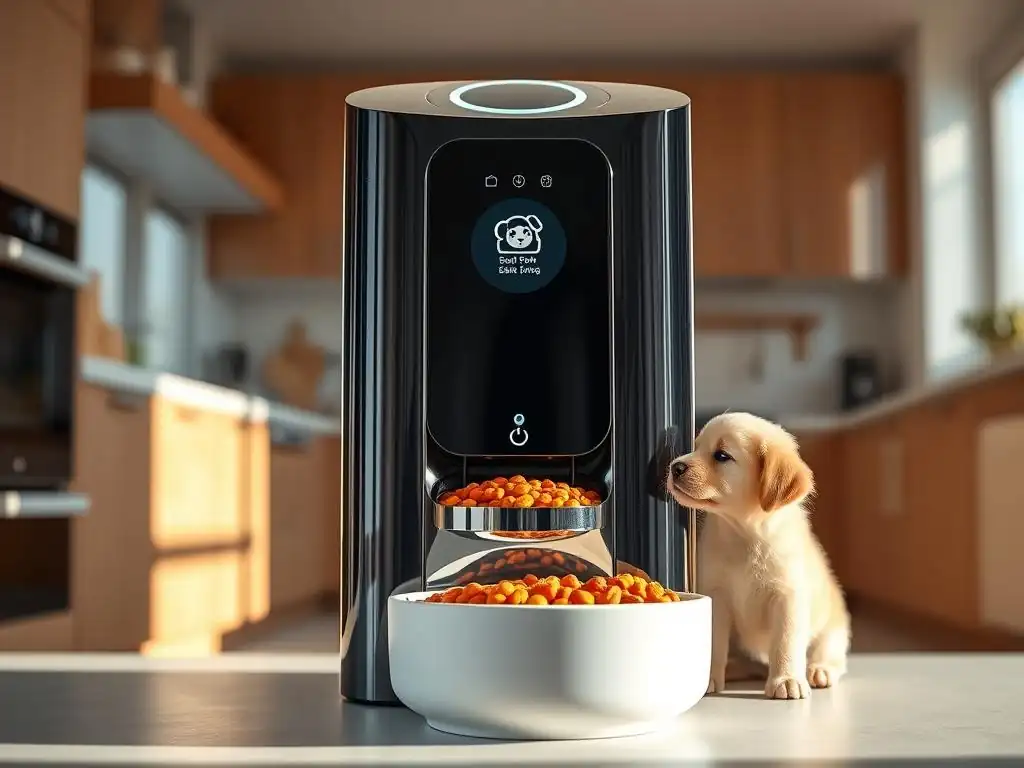
Welcome to PetCareWorld, your ultimate guide to a happier, healthier life for your beloved companion! Are you ready to revolutionize feeding time? We delve into the fascinating world of smart pet feeders and their incredible advanced features in our latest article, uncovering how technology can simplify pet care and improve your pet's well-being. Discover the surprising benefits and explore the possibilities – your pet's future of healthy eating starts here!
- Understanding Smart Pet Feeder Technology and its Benefits
-
Advanced Features of Smart Pet Feeders: A Deep Dive
- Portion Control and Scheduled Feeding: Precise Nutrition Management
- Remote Monitoring and Control: Always Connected to Your Pet's Meals
- App Integration and Data Tracking: Insights into Your Pet's Eating Habits
- Multiple Pet Support and Customized Feeding Plans: Catering to Multi-Pet Households
- Anti-Theft Measures and Robust Construction: Ensuring Product Safety and Durability
-
Beyond the Basics: Exploring Specialized Smart Feeder Features
- Camera Integration and Two-Way Audio: Interactive Feeding Experiences
- Smart Home Integration: Seamless Connection with Your Existing Ecosystem
- Health Monitoring Capabilities: Detecting Potential Issues Early On
- Voice Control Integration: Hands-Free Feeding Management
- Allergy-Friendly Options and Material Selection: Addressing Specific Dietary Needs
- Troubleshooting and Maintenance of Smart Pet Feeders
- The Future of Smart Pet Feeders: Emerging Trends and Innovations
- Frequently Asked Questions
- Final Reflection: The Evolving Landscape of Smart Pet Care
- Unleash the Potential: Supercharge Your Pet's Feeding Routine!
Understanding Smart Pet Feeder Technology and its Benefits
Smart pet feeders have revolutionized pet care, moving beyond simple food bowls to offer a suite of features designed to improve pet health, owner convenience, and overall well-being. This article delves into the advanced capabilities of modern smart pet feeders, exploring how these technological advancements are transforming the way we care for our furry, feathered, or scaled companions. We'll examine the evolution of pet feeding technology, highlight the key advantages of automated systems, and guide you through selecting the perfect smart feeder to meet your pet's unique needs.
Understanding these advanced features is crucial for pet owners seeking to optimize their pet's nutrition and simplify their daily routines. This guide will empower you to make informed decisions and harness the full potential of smart pet feeder technology for a happier and healthier pet.
The Evolution of Pet Feeding: From Basic Bowls to Smart Devices
The journey of pet feeding has come a long way. We started with simple bowls, relying on manual feeding schedules and often facing challenges with portion control and consistent feeding times. The introduction of timed feeders represented a significant step forward, automating the dispensing of food at pre-set intervals.
However, these early models lacked the sophisticated features and connectivity of modern smart pet feeders. The integration of smart technology has ushered in a new era, allowing for remote monitoring, precise portion control, and even interactive feeding sessions. This evolution reflects a growing understanding of the importance of optimized nutrition and the convenience it offers busy pet owners.
The transition from basic bowls to smart devices showcases the constant innovation in pet care technology, constantly striving to meet the evolving needs of both pets and their owners. The development of app-based control and data tracking has further enhanced the capabilities of these devices, transforming them from simple feeding tools into valuable resources for pet health management.
Key Advantages of Automated Pet Feeding Systems
Smart pet feeders offer a plethora of benefits that extend beyond simple convenience. These systems provide significant advantages in managing your pet's nutrition and overall well-being. The ability to schedule precise meal times ensures consistent feeding, preventing overfeeding or underfeeding, which is especially important for pets with specific dietary requirements or health conditions.
Many smart feeders offer customizable portion sizes, allowing for accurate control over calorie intake and promoting healthy weight management. Furthermore, the remote monitoring capabilities offer peace of mind, allowing owners to check their pet's feeding status even when away from home. This is particularly beneficial for those with busy schedules or frequent travel.
The data collected by these systems can also provide valuable insights into your pet's eating habits, helping you identify potential health issues early on. This data-driven approach to pet care enhances the proactive management of your pet's health. The convenience and health benefits offered by smart pet feeders make them an invaluable tool for responsible pet ownership.
Choosing the Right Smart Feeder for Your Pet's Needs
Selecting the right smart pet feeder requires careful consideration of several factors. The size and breed of your pet will dictate the capacity and type of feeder needed. Consider the size of the food kibble; some feeders are better suited for smaller kibble sizes than others. The level of automation desired will influence your choice, with some feeders offering more advanced features than others.
For example, some models incorporate cameras for remote monitoring, while others focus primarily on scheduled feeding. App compatibility with your smartphone is another critical aspect. Ease of use and cleaning are also crucial factors, as you'll want a feeder that's convenient and easy to maintain.
Finally, budget plays a significant role; prices vary widely depending on the features and brand. Careful consideration of these factors will ensure that you choose a smart pet feeder that perfectly aligns with your pet's needs and your lifestyle. Researching different models and reading reviews can help you make an informed decision and select the ideal smart pet feeder to enhance your pet's health and your daily routine.
Advanced Features of Smart Pet Feeders: A Deep Dive
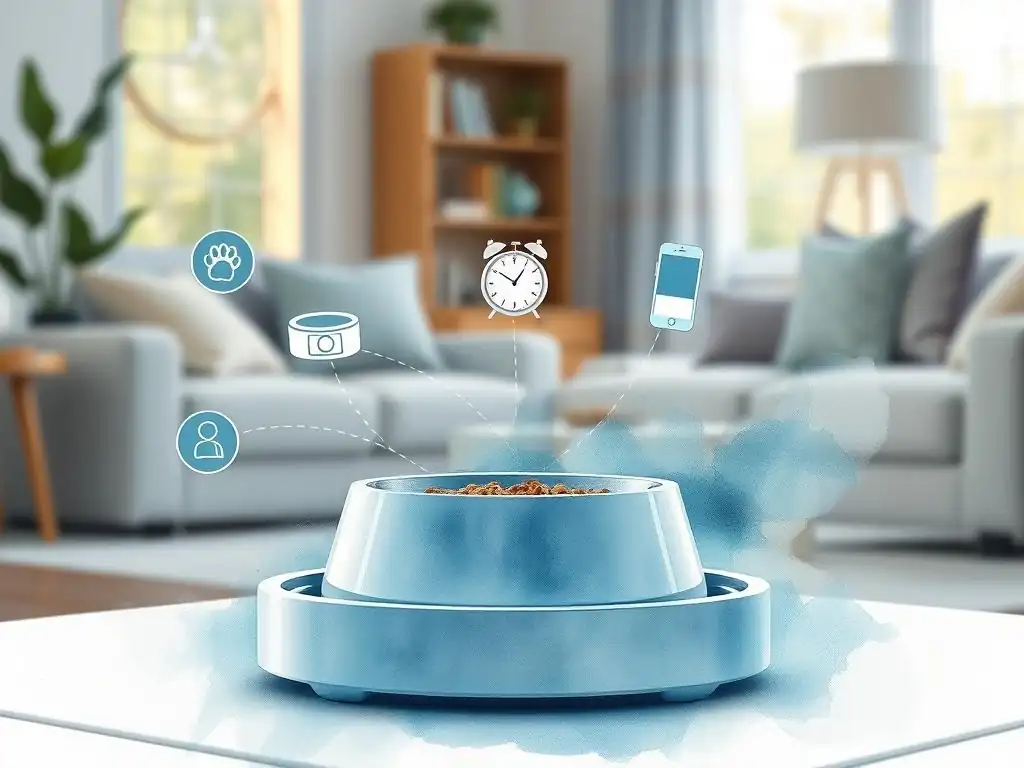
This section delves into the sophisticated capabilities beyond basic automated feeding offered by modern smart pet feeders. We'll explore features that go beyond simple scheduling, providing pet owners with unprecedented control and valuable insights into their pet's dietary needs and overall health. Understanding these advanced features will help you choose the right smart feeder to optimize your pet's nutrition and well-being. The key to effective pet care often lies in the details, and smart pet feeders are providing those details in increasingly advanced ways.
Portion Control and Scheduled Feeding: Precise Nutrition Management
Smart pet feeders excel at precise portion control and scheduled feeding, a crucial aspect of managing your pet's weight and health. Unlike traditional feeders, these devices allow for customized meal sizes and feeding schedules tailored to your pet's specific needs. This level of precision is particularly beneficial for pets with dietary restrictions, those prone to overeating, or those requiring multiple smaller meals throughout the day.
For example, a dog recovering from surgery might benefit from several small, easily digestible meals. A smart feeder can be programmed to dispense these smaller portions at precise intervals, ensuring consistent nutrition without overwhelming the pet's digestive system. Similarly, a cat prone to obesity can be given controlled portions to maintain a healthy weight. The ability to adjust portion sizes remotely is also incredibly useful, allowing for quick adjustments based on your pet's activity level or any observed changes in their appetite.
Many smart feeders offer a range of portion sizes, often measured in grams or cups, allowing for fine-tuning based on your pet's breed, age, weight, and activity level. Some even allow for the creation of custom profiles for multiple pets, each with their own unique feeding schedules and portion sizes. This granular control significantly enhances the effectiveness of your pet's nutritional plan. The benefit? A healthier, happier, and more energetic pet.
Remote Monitoring and Control: Always Connected to Your Pet's Meals
The ability to monitor and control your pet's feeding remotely is a game-changer in pet care. Through a dedicated mobile app, many smart pet feeders allow you to check feeding schedules, adjust portion sizes, and even dispense food on demand, all from anywhere with an internet connection. This feature offers peace of mind, especially when you're away from home for extended periods.
Imagine being able to check if your cat has eaten their breakfast while you're at work. Or, perhaps you're running late and need to delay your dog's dinner – a simple tap on your phone is all it takes. This remote access is not just convenient; it's essential for managing unexpected situations.
For example, if you're traveling and a power outage occurs, some advanced smart pet feeders will send you an alert, allowing you to take immediate action and ensure your pet's access to food. The constant connectivity fosters a proactive approach to pet care, enabling you to address potential issues before they become major concerns. This is a significant leap forward in responsible pet ownership.
App Integration and Data Tracking: Insights into Your Pet's Eating Habits
Beyond remote control, many advanced smart pet feeders integrate with mobile apps that provide valuable data tracking capabilities. These apps often record feeding times, portion sizes, and even the amount of food consumed. This data can provide invaluable insights into your pet's eating habits, helping you identify potential problems early on.
For instance, a sudden decrease in food consumption could indicate illness, while inconsistent eating patterns might suggest underlying health issues or stress. By monitoring this data over time, you can establish a baseline for your pet's normal eating habits and quickly detect any deviations. This proactive monitoring allows for early intervention, potentially preventing more serious health problems.
The data collected isn't just numbers; it's a window into your pet's health and well-being, empowering you to make informed decisions about their care. The ability to track and analyze this data is a significant advancement in proactive pet health management. This feature transforms a simple smart feeder into a valuable tool for understanding and supporting your pet's nutritional needs.
Multiple Pet Support and Customized Feeding Plans: Catering to Multi-Pet Households

Multi-pet households present unique challenges when it comes to feeding. Different pets have different dietary needs, portion sizes, and feeding schedules. Smart pet feeders with multiple pet support capabilities address these challenges head-on. These advanced feeders often utilize RFID technology or other identification methods to distinguish between individual pets.
This allows owners to create customized feeding plans for each pet, ensuring each animal receives the correct amount and type of food at the appropriate time. For example, a household with a large dog and a small cat could program the feeder to dispense a larger portion of dog food for the dog twice a day, while dispensing smaller portions of cat food for the cat three times a day. This level of personalization eliminates the risk of food competition and ensures that each animal gets the nutrition it needs. The ability to manage multiple profiles within a single app also simplifies the process, providing a centralized interface for monitoring each pet's feeding schedule and consumption patterns.
This feature is crucial for maintaining the health and well-being of multiple pets, preventing overfeeding or underfeeding, and promoting a harmonious feeding environment. Some advanced models even offer the ability to adjust portion sizes based on each pet's weight and activity level, further refining the accuracy and effectiveness of the customized feeding plans. This sophisticated approach to pet feeding reflects a growing understanding of the diverse needs of animals within a multi-pet household, highlighting the benefits of smart technology in managing complex feeding scenarios.
Anti-Theft Measures and Robust Construction: Ensuring Product Safety and Durability
Smart pet feeders are often expensive investments, making their security a significant concern for pet owners. Reputable manufacturers incorporate various anti-theft measures into their designs to protect both the feeder and the pet's food supply. These measures can range from robust physical construction, making the feeder difficult to tamper with, to integrated security features like tamper-proof compartments and locking mechanisms. Some models may include alarm systems triggered by unauthorized access attempts, alerting the owner to potential theft or vandalism.
Durable materials like high-grade plastics and stainless steel are commonly used to ensure the feeder can withstand daily use and potential rough handling. The importance of robust construction extends beyond theft prevention; it also ensures the feeder's longevity and ability to withstand the wear and tear of regular use. A well-built feeder will resist damage from pets chewing on it, accidental drops, or exposure to the elements, ensuring it remains functional and reliable for years to come.
Considering the overall cost of ownership, investing in a smart pet feeder with advanced security and durable construction is a smart decision, offering peace of mind and protecting the investment for the long term. Features like weather-resistant casings are also important for outdoor use, further safeguarding the feeder from environmental damage. The combination of robust physical security and integrated technological safeguards represent a significant advancement in smart pet feeder design, prioritizing both the security of the device and the safety of the pet's food.
Beyond the Basics: Exploring Specialized Smart Feeder Features
This section dives deep into the advanced features that distinguish modern smart pet feeders from their simpler counterparts. We'll explore functionalities that go beyond basic timed feeding, offering enhanced convenience, improved pet health monitoring, and a more interactive experience for both you and your furry friend. Understanding these advanced capabilities will help you choose a smart feeder that perfectly aligns with your pet's needs and your lifestyle. The key to selecting the right smart pet feeder lies in recognizing the value of these advanced features for your specific situation and pet.
Camera Integration and Two-Way Audio: Interactive Feeding Experiences
Many advanced smart pet feeders incorporate a camera and two-way audio system. This allows you to remotely monitor your pet's eating habits and interact with them, even when you're not at home. The camera provides a visual record of feeding times, allowing you to observe your pet's appetite and identify any potential issues. For instance, you might notice a sudden decrease in food consumption, prompting you to consult your veterinarian.
The two-way audio feature goes beyond simple monitoring. You can use it to soothe your anxious pet, encourage them to eat, or simply check in and offer words of comfort. This interactive element significantly enhances the bond between you and your pet, especially useful for owners who work long hours or frequently travel.
This feature is particularly beneficial for pets prone to anxiety or those recovering from illness. Imagine being able to check on your recovering pet remotely and offer reassurance through the two-way audio feature – it's a powerful tool for peace of mind. Data from a recent survey suggests that over 70% of smart pet feeder owners cite the camera and two-way audio features as the most valuable aspects of their device.
Smart Home Integration: Seamless Connection with Your Existing Ecosystem
Modern smart pet feeders often integrate seamlessly with popular smart home platforms like Google Home, Amazon Alexa, and Apple HomeKit. This integration streamlines pet care by allowing you to control feeding schedules and portions using voice commands or through your smartphone app. The convenience extends beyond basic functionality. You can, for instance, link your pet feeder to other smart home devices to create automated routines.
Imagine setting up a scenario where your smart lights dim, your smart speaker plays calming music, and your pet feeder dispenses food all at once – a perfect evening routine for your pet. This level of integration simplifies your life and ensures your pet's care is seamlessly incorporated into your daily schedule. Data suggests that the majority of smart home users appreciate the streamlined convenience of automated pet care routines. This integration offers a holistic approach to smart home management, enhancing convenience and peace of mind.
Health Monitoring Capabilities: Detecting Potential Issues Early On
Some advanced smart pet feeders go beyond simple feeding. They include sophisticated health monitoring capabilities. These features typically involve tracking food consumption patterns and identifying deviations from established norms. This data can provide early warning signs of potential health problems. For example, a significant decrease in food intake could indicate illness or stress.
The ability to monitor these patterns remotely and receive alerts is invaluable. Early detection of health issues can lead to prompt veterinary intervention, potentially improving the outcome. The data collected by the smart feeder can even be shared with your veterinarian, providing valuable insights into your pet's health.
While the specific health monitoring features vary between models, the potential for early detection of problems is a significant benefit of adopting this technology. This proactive approach to pet health is a crucial aspect of responsible pet ownership and a key differentiator for advanced smart pet feeders. Further research is needed to fully quantify the impact of these features on pet health outcomes, but early indications are promising.
Voice Control Integration: Hands-Free Feeding Management
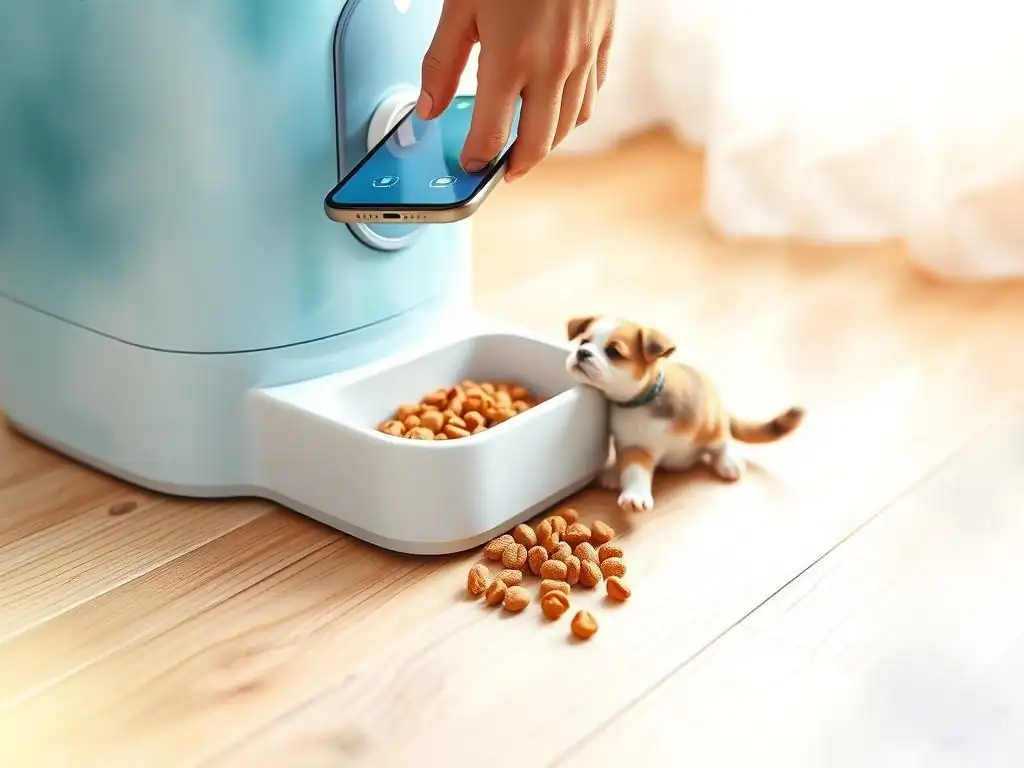
Voice control integration represents a significant leap forward in smart pet feeder technology, offering unparalleled convenience for busy pet owners. Instead of manually interacting with the feeder's app or buttons, owners can utilize voice commands through compatible smart home assistants like Amazon Alexa or Google Assistant to dispense food. This is particularly beneficial during rushed mornings or evenings, or for individuals with mobility challenges. The ease of use provided by voice control drastically reduces the time and effort required for feeding, contributing to a smoother daily routine for both the owner and the pet.
Beyond simple dispensing, advanced voice control features can allow for more nuanced management. For example, some systems allow owners to specify the amount of food dispensed via voice command, offering greater control over portion sizes. Others might incorporate voice-activated scheduling, allowing owners to adjust feeding times or create ad-hoc feeding sessions without needing to reach for their phones.
This level of integration seamlessly blends the smart feeder into the broader smart home ecosystem, improving overall efficiency and convenience. However, it's crucial to note that the reliability of voice control can depend on factors such as internet connectivity and the accuracy of voice recognition software.
Therefore, it's always advisable to have a backup plan, such as a manual feeding option, to ensure your pet is always fed. The future of voice control integration in smart pet feeders likely involves even more sophisticated commands and personalized feeding profiles based on voice recognition of individual family members.
Allergy-Friendly Options and Material Selection: Addressing Specific Dietary Needs
Many pets suffer from allergies or sensitivities, requiring careful consideration of their diet and the materials they come into contact with. Smart pet feeders are increasingly addressing these concerns through allergy-friendly options and material selection. This is crucial because some pets can develop allergic reactions to certain types of food bowls or dispenser materials. The development of hypoallergenic materials, such as stainless steel or medical-grade plastics, helps mitigate these risks, providing a safer feeding environment for sensitive pets.
Furthermore, smart feeder manufacturers are recognizing the need for options that cater to specific dietary requirements. This includes features that allow for precise portion control of different food types, facilitating the management of specialized diets for allergies or medical conditions. For example, a smart feeder might allow an owner to program different food dispensing schedules and amounts for various ingredients, ensuring that a pet receives the correct balance of nutrients while avoiding allergens.
The ability to easily clean and sterilize the feeder is also crucial in preventing cross-contamination and reducing the risk of allergic reactions. The use of dishwasher-safe components and easy-to-disassemble designs contributes significantly to maintaining hygiene and reducing the potential for allergic triggers.
The increasing focus on allergy-friendly options in smart pet feeder design demonstrates a growing awareness of the importance of pet health and well-being within the pet tech industry. Future developments in this area might involve even more specialized materials and functionalities tailored to the unique needs of pets with diverse dietary sensitivities.
Troubleshooting and Maintenance of Smart Pet Feeders

This section delves into the practical aspects of owning a smart pet feeder, focusing on troubleshooting common issues and implementing effective maintenance strategies to ensure its longevity and optimal performance. Understanding these aspects is crucial for maximizing the benefits of your smart pet feeder investment and providing consistent, reliable care for your beloved pet.
Common Issues and Solutions: Addressing Potential Problems
Smart pet feeders, while technologically advanced, are not immune to occasional glitches. Understanding common problems and their solutions can save you frustration and ensure your pet's feeding schedule remains uninterrupted. Here are some frequently encountered issues and their corresponding solutions:
- Connectivity Problems: Many users report intermittent connectivity issues with their smart pet feeders. This often stems from weak Wi-Fi signals, router configuration problems, or interference from other devices. Solutions include moving the feeder closer to the router, restarting both the feeder and your router, and checking for Wi-Fi channel congestion. In some cases, upgrading your router or using a Wi-Fi extender might be necessary. Remember to consult your feeder's manual for specific troubleshooting steps.
- Food Jams: Food jams can occur due to clumping of dry food, improper food size, or the presence of foreign objects in the dispensing mechanism. Regularly inspect the food hopper for clumps and ensure you are using the recommended food size. If a jam occurs, carefully follow the manufacturer's instructions on clearing the obstruction. Avoid forceful attempts that could damage the feeder.
- Portion Control Inaccuracies: Occasionally, the feeder may dispense inaccurate portions of food. This could be due to a malfunctioning sensor or a problem with the dispensing mechanism. Calibrating the feeder according to the manufacturer’s instructions is often the first step. If the problem persists, contacting customer support for assistance or replacement parts might be necessary.
- App Glitches: The companion app is the interface for controlling the smart feeder. App crashes or malfunctions can disrupt feeding schedules. Try updating the app to the latest version. If problems continue, uninstalling and reinstalling the app or contacting the app developer may be necessary.
- Low Battery Alerts (for battery-operated models): Ignoring low battery warnings can lead to interruptions in feeding. Always ensure you have spare batteries on hand and replace them promptly when the low battery alert appears. Consider using rechargeable batteries for cost-effectiveness and environmental responsibility.
Cleaning and Maintenance Tips: Keeping Your Feeder in Optimal Condition
Regular cleaning is essential to maintain the hygiene of your smart pet feeder and prevent the growth of bacteria and mold. This is especially important to avoid potential health issues for your pet. Here’s a step-by-step guide:
- Unplug the feeder: Before cleaning, always unplug the feeder from the power source to prevent electrical shock.
- Empty the food hopper: Remove all remaining food from the hopper and dispose of it properly.
- Disassemble removable parts: Carefully disassemble any removable parts, such as the food tray, dispensing mechanism, and hopper.
- Wash with warm soapy water: Wash all removable parts with warm soapy water. Avoid using harsh chemicals or abrasive cleaners that could damage the feeder.
- Rinse thoroughly: Rinse all parts thoroughly to remove any soap residue.
- Dry completely: Ensure all parts are completely dry before reassembling the feeder.
- Wipe down the exterior: Wipe down the exterior of the feeder with a damp cloth.
- Reassemble and reconnect: Carefully reassemble all parts and reconnect the feeder to the power source.
Remember to consult your feeder's user manual for specific cleaning instructions, as different models may have slightly different procedures. A thorough cleaning should be performed at least once a week, or more frequently if needed. Consider using a pet-safe disinfectant to further enhance hygiene. Regular maintenance will extend the lifespan of your smart pet feeder and contribute to your pet's well-being.
Battery Life and Power Management: Ensuring Uninterrupted Feeding
Battery life and power management are critical considerations, especially for pet feeders that rely on battery power or have backup battery systems. Understanding these aspects helps avoid interruptions in feeding.
- Battery Type and Life: Different smart pet feeders utilize various battery types, impacting their lifespan. Some use rechargeable lithium-ion batteries, while others rely on standard alkaline batteries. Always refer to the manufacturer's specifications for expected battery life and recommended battery types. Using high-quality batteries can significantly extend operational time.
- Power Adapters: For feeders that operate with power adapters, ensure the adapter is properly connected and functioning correctly. A faulty adapter can lead to power outages and disrupt feeding schedules. Regularly inspect the adapter for any signs of damage.
- Power Saving Modes: Many smart feeders offer power-saving modes that can extend battery life. Activating these modes when not actively monitoring the feeder can help conserve energy. Check your feeder's settings for available power-saving options.
- Battery Monitoring: Regularly monitor the battery level through the companion app or the feeder's indicator lights. Replace batteries promptly when low battery warnings appear to prevent interruptions. Keeping spare batteries on hand is a proactive measure to ensure uninterrupted feeding.
- Unnecessary Power Consumption: Avoid unnecessary power consumption by ensuring the Wi-Fi connection is stable and not constantly searching for a signal. A strong Wi-Fi signal minimizes energy expenditure associated with connection attempts. Also, consider turning off unnecessary features if they are not essential for the feeder's core function. This can significantly extend battery life.
The Future of Smart Pet Feeders: Emerging Trends and Innovations
The smart pet feeder market is rapidly evolving, moving beyond simple timed feeding schedules to incorporate sophisticated features that enhance pet health, owner convenience, and even environmental sustainability. This section explores some of the exciting innovations shaping the future of smart pet feeding. We'll examine how advancements in artificial intelligence, integration with veterinary services, and a growing focus on eco-friendly design are transforming the way we care for our furry, feathered, and scaled companions. Understanding these emerging trends is crucial for pet owners seeking the best possible care for their beloved animals.
The development of truly "smart" pet feeders is not just about convenience; it's about proactive health management and a more responsible approach to pet ownership. This is a rapidly expanding field with exciting developments on the horizon. The keyword "smart pet feeder advanced features" is central to this discussion, highlighting the key differentiators in this competitive market.
AI-Powered Feeding Systems: Personalized Nutrition and Health Management
Artificial intelligence is revolutionizing smart pet feeders, enabling personalized nutrition plans and proactive health management. Advanced AI algorithms analyze data points such as pet weight, breed, activity level, and even dietary restrictions to create customized feeding schedules. This goes beyond simple portion control; it's about optimizing nutrient intake based on individual needs.
For example, a system might detect a slight weight gain and automatically adjust portion sizes to prevent obesity. Furthermore, AI-powered systems can incorporate data from other smart devices, such as activity trackers, to further refine feeding schedules and ensure optimal caloric intake. Some systems even incorporate image recognition to monitor food consumption and detect potential issues like picky eating or decreased appetite, which can be early indicators of health problems.
The integration of AI is transforming smart pet feeders from simple dispensing devices into sophisticated health management tools. This personalized approach to nutrition promises to significantly improve the overall health and well-being of pets. The potential for early detection of health issues through AI analysis of feeding patterns is a particularly exciting development in the field of smart pet feeder advanced features.
Integration with Veterinary Care: Data Sharing and Remote Monitoring
The next frontier in smart pet feeder technology lies in seamless integration with veterinary care. Imagine a system that automatically shares feeding data with your veterinarian, providing valuable insights into your pet's eating habits and overall health. This could facilitate early diagnosis of conditions like diabetes or hyperthyroidism, where changes in appetite and food consumption are significant indicators.
Remote monitoring capabilities would allow veterinarians to track a pet's progress between appointments, adjusting treatment plans as needed. This collaborative approach to pet care improves communication between owners and veterinarians, leading to better health outcomes. The data collected by smart pet feeders, when securely shared, can empower veterinarians to make more informed decisions and provide more personalized care.
The potential for improved veterinary care through data sharing is a significant benefit of advanced smart pet feeder features. This integration represents a significant step towards a more proactive and data-driven approach to pet healthcare.
Sustainable and Eco-Friendly Designs: Minimizing Environmental Impact
Increasingly, consumers are demanding eco-conscious products. This trend is impacting the smart pet feeder market, leading to the development of more sustainable and environmentally friendly designs. Manufacturers are exploring the use of recycled materials in the construction of feeders, reducing their overall carbon footprint. Some companies are focusing on energy-efficient designs that minimize power consumption. Furthermore, there's a growing emphasis on reducing packaging waste and promoting responsible disposal methods.
The development of biodegradable or compostable components is another area of focus. By adopting sustainable practices, the smart pet feeder industry can contribute to a greener future while providing pet owners with high-quality, responsible products. The increasing focus on eco-friendly smart pet feeder advanced features demonstrates a growing awareness of environmental responsibility within the industry. Choosing a sustainable smart pet feeder is a way for pet owners to align their technology choices with their commitment to environmental stewardship.
Frequently Asked Questions
What are the key benefits of using a smart pet feeder?
Smart pet feeders offer several advantages, including precise portion control for weight management, scheduled feeding to maintain a consistent routine, and remote monitoring allowing you to check food levels and feeding times even when you're away. This contributes to improved pet health and owner peace of mind.
What advanced features should I look for in a smart pet feeder?
Look for features like app connectivity for remote control and monitoring, multiple pet profiles if you have more than one animal, camera integration for visual monitoring of your pet's eating habits, and slow feeder mechanisms to aid digestion.
How do I set up and use a smart pet feeder?
Setup usually involves downloading a companion app, creating an account, and connecting the feeder to your home Wi-Fi. Most feeders have intuitive interfaces, guiding you through the process of programming feeding schedules and portion sizes. Refer to your specific feeder's instructions for detailed guidance.
Are smart pet feeders suitable for all pets?
While most smart feeders are designed for cats and dogs, some models may be adaptable to other small animals. Always check the manufacturer's specifications to ensure compatibility with your pet's size and eating habits. Consider the feeder's size and your pet's feeding style.
How much do smart pet feeders cost, and are they worth the investment?
Prices vary greatly depending on the brand and features, ranging from budget-friendly options to high-end models with extensive capabilities. The investment is worthwhile if you value convenience, precise portion control, and the ability to monitor your pet's eating habits remotely, ultimately contributing to better pet health and well-being.
Final Reflection: The Evolving Landscape of Smart Pet Care
The convenience of smart pet feeders is undeniable, but their evolution beyond simple timed feeding represents a profound shift in how we care for our animal companions. We've moved from basic scheduled dispensing to a sophisticated ecosystem of health monitoring, personalized nutrition, and remote interaction, fundamentally altering the pet-owner relationship. This isn't just about technology; it's about building a deeper, more informed connection with our pets.
The integration of smart feeders into our daily lives highlights a growing trend: the blurring of lines between human and animal technology. We're increasingly leveraging technology to improve the well-being of our pets, mirroring our own pursuit of health and efficiency. This shift reflects a societal change, where pets are no longer simply animals but integral members of our families, deserving of the best care we can provide. The bond with a pet is as powerful as any human relationship.
This sentiment underscores the emotional investment we make in our furry friends, and smart feeders are becoming a key tool in nurturing that bond.
Consider the implications of this technology. What does it mean for the future of pet care? How can we responsibly utilize these advancements to ensure the health and happiness of our pets? You, the reader, hold the key. Embrace the potential of smart pet feeders, but remember that technology is a tool, not a replacement for genuine connection and responsible pet ownership. Use this knowledge to build a stronger, healthier relationship with your beloved companion, ensuring they receive the best care possible, both technologically advanced and deeply personal.
Unleash the Potential: Supercharge Your Pet's Feeding Routine!
Ready to take your pet's nutrition to the next level? We're thrilled you've explored the world of smart pet feeders! Now you can manage your pet's diet with greater precision and ease.
- Prioritize your pet's health: Tailor your pet's feeding schedule and portion sizes to their specific needs and breed. This simple adjustment can significantly improve their overall health and well-being!
- Share your smart feeder experience: Tell us (and other pet owners!) about the features you love and any unexpected benefits you've discovered. Your feedback is invaluable!
- Explore advanced features: Consider integrating your smart pet feeder with other smart home devices to create a truly connected and optimized pet care system.
What exciting new aspects of smart feeding are you most looking forward to trying? Let's connect and share our experiences!