
How to Choose the Perfect Spot for Your Bird's Cage: A RoombyRoom Guide

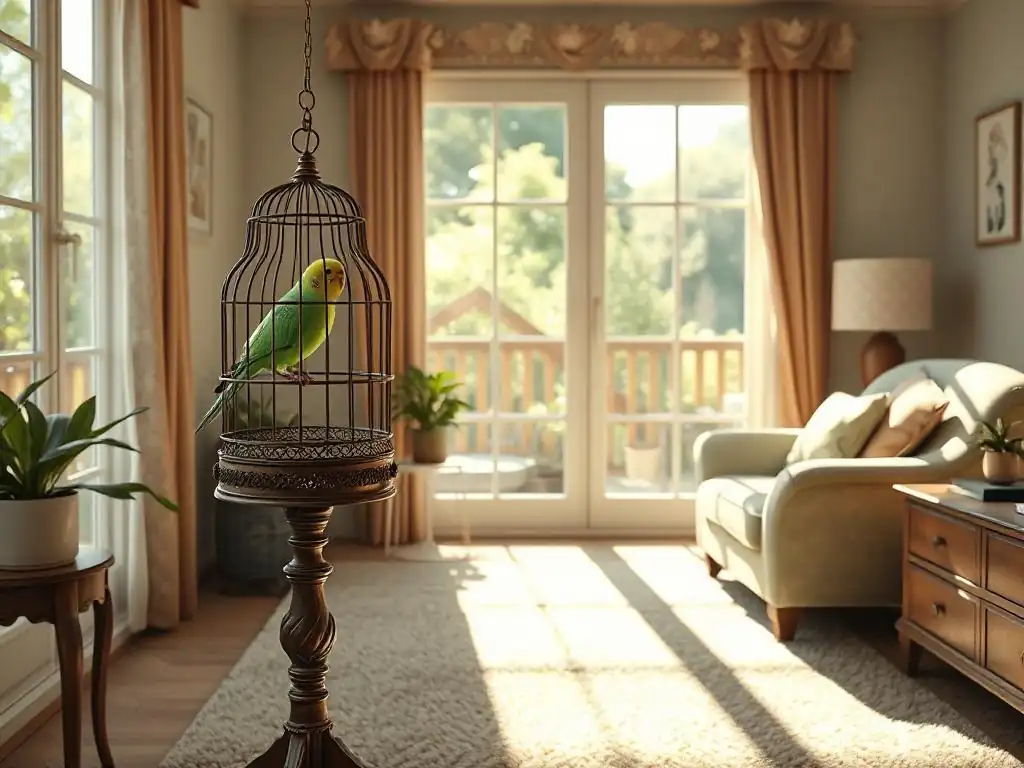
Welcome to PetCareWorld, your ultimate guide to a happier, healthier life for your beloved pets! Are you ready to unlock the secrets to creating the perfect environment for your feathered friend? Discover the surprising impact of room placement on your bird's well-being in our comprehensive guide on "Best bird cage room placement." Learn how to choose the ideal spot for your bird's cage, ensuring a thriving and joyful life for your avian companion. Let's dive in and explore the perfect placement for your bird's happy home!
- Best Bird Cage Room Placement: Considering Your Bird's Needs
- Living Room Bird Cage Placement: Pros and Cons
- Kitchen Bird Cage Placement: A Careful Consideration
- Bedroom Bird Cage Placement: Sleep Considerations for Birds and Owners
- Bathroom Bird Cage Placement: A Generally Less Ideal Option
- Other Room Considerations: Hallways, Offices, and More
- Choosing the Best Bird Cage Placement: A Summary Guide
- Frequently Asked Questions
- Final Reflection: Finding Harmony: Your Bird, Your Home, Your Perfect Perch
- Unleash Your Feathered Friend's Best Life!
Best Bird Cage Room Placement: Considering Your Bird's Needs
Finding the perfect spot for your bird's cage is crucial for their well-being. A poorly chosen location can lead to stress, illness, and even a shorter lifespan for your feathered friend. This comprehensive guide will walk you through a room-by-room analysis, helping you identify the ideal spot in your home that promotes your bird's physical and mental health.
We'll explore key factors like temperature, humidity, sunlight exposure, and noise levels to ensure your bird thrives in its environment. Choosing the best bird cage room placement is about more than just convenience; it's about creating a safe, stimulating, and enriching habitat that caters to your bird's specific needs and ensures a long, happy life together. This guide will help you navigate the process and make an informed decision that benefits both you and your beloved pet.
Ideal Bird Cage Location: Factors to Consider Before Placement
Before placing your bird's cage, several crucial factors must be considered. The ideal location minimizes stress and promotes your bird’s health. These factors include:
- Noise Levels: Birds are sensitive to loud noises. Avoid placing the cage near loud appliances (washing machines, dryers), frequently used doors, or areas with high foot traffic. A quieter area of the home, perhaps a dedicated bird room or a less-used area of a family room, is best. Consider the overall noise level of your household and choose accordingly.
- Family Interaction: While birds enjoy interaction, constant loud activity or children's boisterous play can be stressful. A location that allows for interaction but also provides periods of quiet and calm is paramount.
- Air Quality: Ensure good air circulation, but avoid drafts or areas with strong smells (cleaning products, cooking fumes). Birds are highly sensitive to air quality, and poor air can lead to respiratory problems.
- Visual Stimulation: Birds need visual stimulation. A cage placed near a window (but out of direct sunlight!) can provide interesting sights and sounds. However, avoid placing it near reflective surfaces that could startle your bird.
Temperature and Humidity Control for Optimal Bird Health
Maintaining the correct temperature and humidity is vital for your bird's respiratory health and overall well-being. Different bird species have varying needs, so research your specific bird's requirements. Generally, however, it's best to avoid extreme temperatures.
- Temperature Range: Most birds thrive in a temperature range of approximately 65-75°F (18-24°C). Avoid placing the cage near heating or cooling vents, fireplaces, or direct sunlight, all of which can cause drastic temperature fluctuations. Monitor the temperature regularly, especially during seasonal changes.
- Humidity Levels: Many birds need higher humidity levels than typically found in homes, especially during dry winter months. You may need to use a humidifier, particularly for species originating from tropical climates. Conversely, overly humid environments can also be detrimental. A hygrometer will help monitor humidity levels.
Avoiding Direct Sunlight and Drafts: Protecting Your Feathered Friend
Direct sunlight and drafts are two of the biggest threats to a bird's health. Both can lead to overheating, chilling, or even illness.
- Direct Sunlight: Never place a birdcage in direct sunlight. This can rapidly increase the cage temperature, leading to heatstroke. Even on cloudy days, the sun's rays can be intense enough to cause problems. Indirect sunlight is fine, however, and can provide beneficial UV rays.
- Drafts: Drafts are another major concern. Avoid placing the cage near open windows, doors, or air conditioning vents. A consistent, stable temperature is vital for your bird's health. A cold draft can lead to respiratory problems, while a warm draft can cause overheating. Pay close attention to airflow within your home, especially near windows and doors.
Remember, careful consideration of these factors will contribute significantly to your bird's happiness and health, making your home a safe and enriching haven for your feathered companion. Choosing the best bird cage room placement is an investment in your bird's long-term well-being. 🐦🏡
Living Room Bird Cage Placement: Pros and Cons
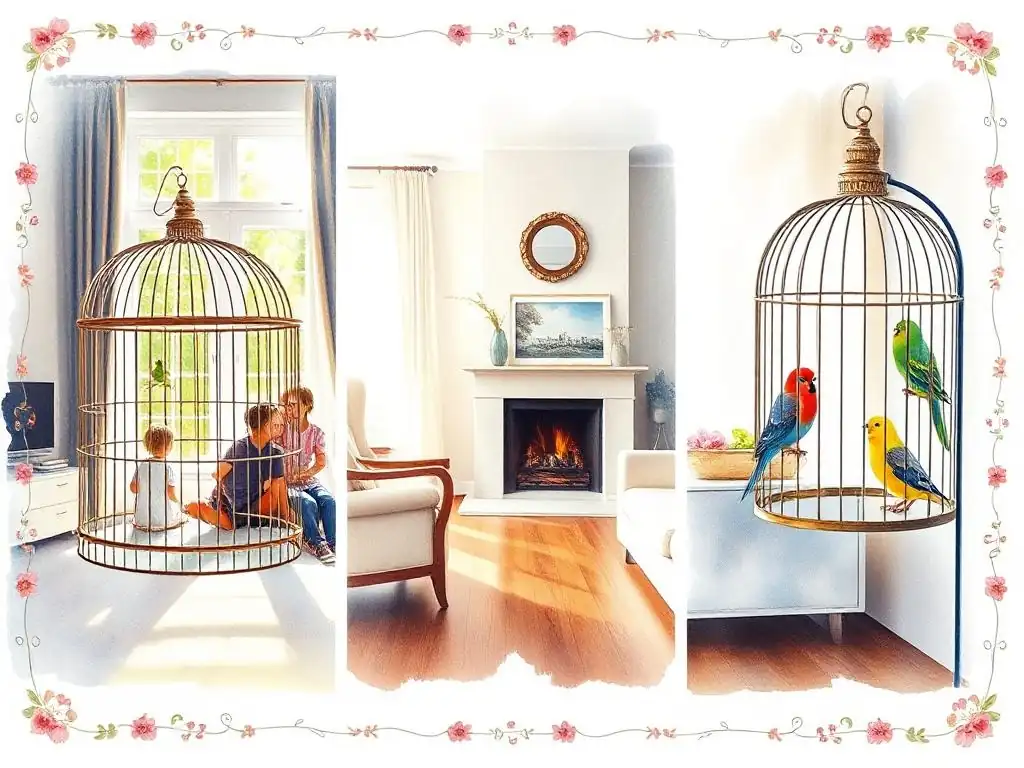
The living room, often the heart of the home, presents a unique set of advantages and disadvantages for bird cage placement. Careful consideration of these factors is crucial for ensuring both your bird's well-being and the harmony of your household. Finding the best bird cage room placement often involves balancing the benefits of increased interaction with the potential drawbacks of a busy environment.
Placing your bird's cage in the living room offers unparalleled opportunities for socialization. Birds are intelligent and social creatures, thriving on interaction with their human companions. A living room placement allows for frequent interaction throughout the day, strengthening the bond between you and your feathered friend. This increased interaction can lead to a happier, healthier bird, exhibiting more vibrant plumage and engaging in playful behaviors. Consider these strategies to maximize the positive aspects:
- Strategically positioned cage: Place the cage in a high-traffic area of the living room, but avoid placing it directly in the path of foot traffic to prevent accidental collisions.
- Interactive playtime: Dedicate specific times each day for interactive playtime outside the cage, fostering trust and strengthening your bond.
- Enrichment activities: Provide a variety of stimulating toys and activities to keep your bird mentally and physically engaged while in the living room. This minimizes boredom and promotes positive behavior.
- Visual stimulation: Ensure the cage is positioned to provide your bird with interesting views of the room's activity, but avoid overwhelming stimuli such as constantly flickering TV screens.
While the living room offers benefits, it's also a space with potential hazards and disturbances for your bird. Loud noises, such as televisions, music players, and conversations, can stress your bird and negatively impact its health. Furthermore, the presence of children and other pets requires careful consideration. Here's how to mitigate these risks:
- Noise reduction: Identify noisy periods and relocate your bird to a quieter area during these times, or use sound-dampening measures to buffer the noise. Consider a dedicated quiet zone within the living room.
- Child safety: Educate children on how to interact respectfully with the bird, emphasizing gentle handling and avoiding sudden movements that could frighten it. Keep the cage out of reach of small children to prevent accidental damage or injury.
- Pet safety: If you have other pets, ensure the bird's cage is securely placed, out of reach of curious cats or dogs. Supervise interactions to prevent any accidents. A bird's cage should always be a safe haven.
- Toxic substance awareness: Keep all toxic substances, such as cleaning products, out of reach of your bird. Birds are sensitive to fumes and can easily ingest dangerous materials. Regular cleaning and careful placement of household chemicals are paramount.
The living room can be an ideal location for your bird's cage, but careful planning and attention to detail are essential for creating a safe and stimulating environment. By carefully considering the pros and cons and implementing preventative measures, you can ensure your bird thrives in this central area of your home. Remember, the best bird cage room placement is one that prioritizes your bird's safety and well-being while allowing for meaningful interaction.
Kitchen Bird Cage Placement: A Careful Consideration
Placing your bird's cage in the kitchen requires careful consideration due to the inherent risks associated with this high-traffic area of the home. While convenient for quick feedings and water changes, the kitchen presents several potential dangers that could compromise your feathered friend's health and well-being. Optimizing for "best bird cage room placement" means carefully weighing the pros and cons of each room. The kitchen, despite its accessibility, often falls short in this regard. Let's delve into the specifics.
Avoiding Fumes and Cooking Hazards: Keeping Your Bird Safe
The kitchen is a hub of potential toxins for birds. Non-stick cookware, when heated to high temperatures, releases fumes that are extremely harmful. These fumes can cause severe respiratory problems, leading to illness and even death in birds. Similarly, strong cleaning products, commonly used in the kitchen, release volatile organic compounds (VOCs) that can irritate your bird's sensitive respiratory system. Even seemingly harmless scents from cooking, such as strong spices or fumes from burning food, can be irritating or even toxic.
Remember, a bird's respiratory system is far more delicate than a human's. What might be a mild inconvenience to you could be a serious health hazard for your pet. To mitigate these risks, consider investing in a high-quality air purifier specifically designed for pet owners. These purifiers can help filter out many harmful particles and gases. Furthermore, always ensure adequate ventilation when cooking and avoid using non-stick cookware whenever possible. Opt for stainless steel or cast iron alternatives for a safer cooking environment. A thorough cleaning regimen using bird-safe cleaning products is also crucial.
Here's a table summarizing the key kitchen hazards for birds:
| Hazard | Impact on Bird | Mitigation Strategy |
|---|---|---|
| Non-stick cookware fumes | Respiratory illness, death | Avoid non-stick cookware; use stainless steel or cast iron |
| Strong cleaning products | Respiratory irritation, illness | Use bird-safe cleaning products; ensure good ventilation |
| Cooking fumes (spices, etc.) | Respiratory irritation, discomfort | Ensure good ventilation; cook with windows open |
| Oven cleaner fumes | Severe respiratory distress, death | Avoid using oven cleaner near the bird's cage |
Noise Levels and Potential Distractions in the Kitchen
The kitchen is often a noisy environment. The clatter of dishes, running appliances (like blenders and food processors), and the general hustle and bustle of food preparation can all be stressful for your bird. Constant noise can lead to anxiety, behavioral problems, and even feather plucking. Furthermore, the activity in the kitchen can be distracting and prevent your bird from resting adequately.
Birds need quiet periods for sleep and relaxation, which can be difficult to guarantee in a busy kitchen. Consider the overall noise level and activity of your kitchen before deciding if it's the best location for your bird's cage. A quieter area of your home might be a better choice for ensuring your bird's peace and tranquility.
Remember, a calm and peaceful environment contributes significantly to your bird's overall well-being. Prioritizing a quiet space for your bird's cage is crucial for their mental health and happiness. This is a key consideration when aiming for the "best bird cage room placement".
Bedroom Bird Cage Placement: Sleep Considerations for Birds and Owners
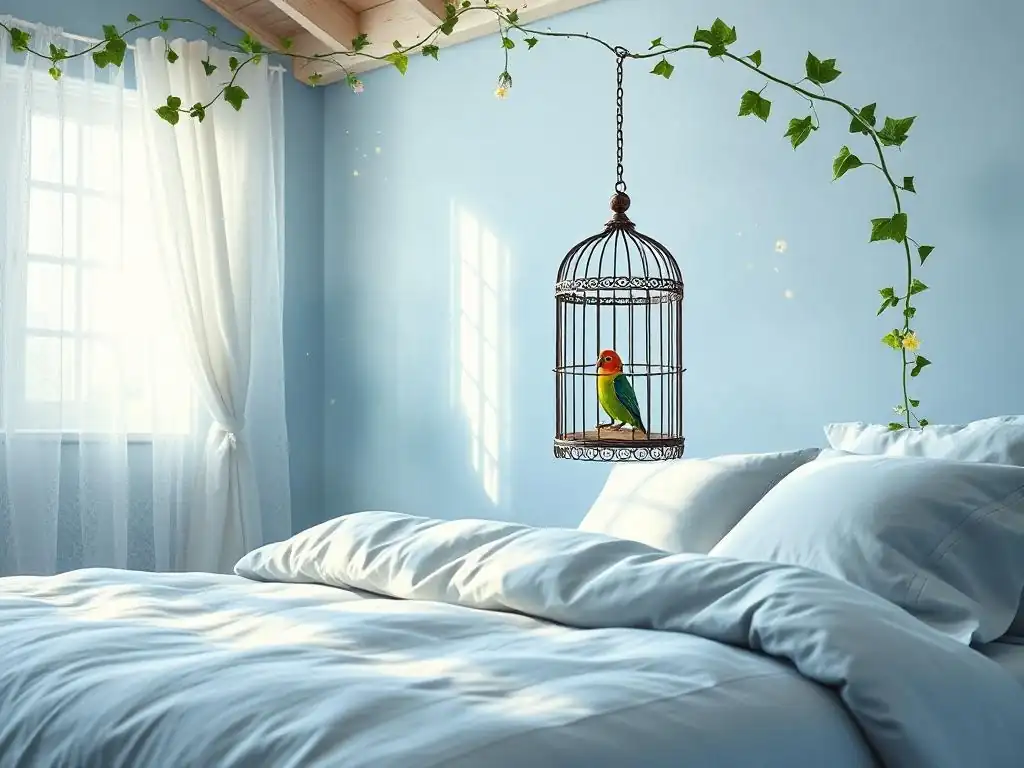
Placing a bird cage in a bedroom requires careful consideration of both the bird's and the owner's sleep needs. Birds, like humans, require adequate rest for optimal health and well-being. However, their sleep patterns and environmental sensitivities differ significantly. Finding the best bird cage room placement within the bedroom necessitates understanding these differences to ensure a peaceful co-existence. This section explores the crucial factors impacting sleep quality for both you and your feathered friend.
Noise Levels and Light Sensitivity: Impact on Bird and Human Sleep
Noise pollution is a major disruptor of sleep for both birds and humans. A bedroom, while often quieter than other areas of the home, can still experience disturbances from various sources: snoring partners, traffic noise filtering through windows, or even the ticking of a clock. For birds, even seemingly minor noises can be amplified, causing stress and sleep disruption. Similarly, light sensitivity is a key consideration. Birds are highly sensitive to changes in light levels, and artificial light from electronics or streetlights can interfere with their natural sleep-wake cycle.
To mitigate these issues, strategic placement of the cage is crucial. Consider positioning the cage away from windows to minimize external noise and light intrusion. Employing noise-reducing curtains or blinds can further enhance the bedroom's acoustic and light environment. Minimizing electronic devices near the cage, especially those emitting blue light, is equally important. A consistent, dark sleep environment is vital for both your bird and you. The ideal scenario involves a quiet corner away from traffic flow, ensuring both parties enjoy a restorative night's sleep.
Maintaining a Calming and Restful Environment for Your Bird
Creating a calming and restful environment in the bedroom for your bird is paramount for their well-being. This goes beyond simply minimizing noise and light. The overall atmosphere should promote relaxation and reduce stress. Consider these factors:
- Temperature Regulation: Birds are sensitive to temperature fluctuations. Ensure the bedroom maintains a comfortable temperature range suitable for your specific bird species. Avoid placing the cage near heating or cooling vents, which can cause drastic temperature changes.
- Air Quality: Good air circulation is essential. However, avoid placing the cage in drafty areas. Ensure the room is well-ventilated, but free from strong air currents that could chill your bird.
- Cage Placement: Choose a spot that allows your bird a clear view of the room but avoids placing it directly in your line of sight while sleeping. This can prevent the bird from feeling overly observed and stressed, contributing to better sleep for both you and the bird.
- Nighttime Routine: Establish a consistent bedtime routine for your bird, including dimming the lights gradually and minimizing stimulation before bedtime. This helps regulate their circadian rhythm and promotes better sleep.
By carefully considering these factors and implementing suitable strategies, you can optimize the bedroom environment to create a peaceful and restorative sleep experience for both you and your avian companion. Remember, a well-rested bird is a happy bird, and a happy bird contributes to a harmonious home environment. Finding the best bird cage room placement is a process of careful observation and adaptation to ensure a comfortable sleep for everyone.
Bathroom Bird Cage Placement: A Generally Less Ideal Option
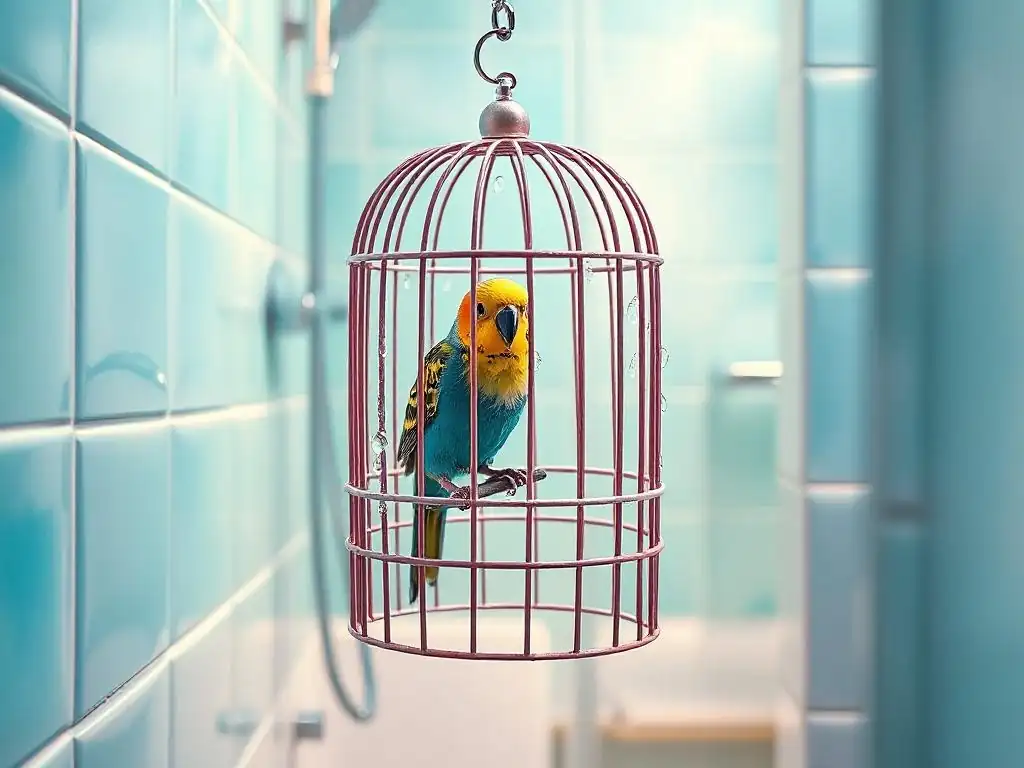
The bathroom, while convenient for some aspects of pet care, presents several challenges as a prime location for a bird cage. While some might consider the bathroom's relative seclusion a plus, the potential drawbacks often outweigh the benefits when considering the best bird cage room placement. Let's delve into the specific concerns.
Humidity and Temperature Fluctuations: Potential Risks
Bathrooms are notorious for fluctuating humidity and temperature levels. A hot shower can dramatically increase the humidity, creating a breeding ground for mold and mildew, which can be extremely detrimental to a bird's respiratory system. Conversely, a poorly ventilated bathroom can become cold and drafty, especially during colder months.
These unpredictable environmental shifts can weaken your bird's immune system, making it more susceptible to illness. Consistent temperature and humidity are crucial for avian health; therefore, the bathroom is typically not an optimal choice for long-term bird cage placement. Maintaining a stable environment requires careful monitoring and often involves additional equipment like humidifiers or dehumidifiers, increasing complexity and cost.
For example, a cockatiel, known for its sensitivity to temperature changes, could experience respiratory issues in a bathroom prone to temperature swings. Data shows that even small fluctuations outside of the ideal range for a particular species can negatively impact their health and longevity.
Limited Space and Potential for Accidents
Bathrooms often lack the spaciousness necessary to provide a bird with adequate flight and exercise opportunities. Confining a bird to a small cage in a cramped environment can lead to behavioral problems like feather plucking or aggression. Furthermore, the presence of potentially hazardous materials in bathrooms – cleaning supplies, medications, and toiletries – poses a significant risk.
Even seemingly innocuous items like scented candles or air fresheners can release toxic fumes harmful to birds. A single accidental ingestion of a cleaning product could have fatal consequences. The hard surfaces in a bathroom also increase the risk of injury if your bird were to fall from its cage.
Consider the increased risk of broken bones or head trauma compared to a carpeted room. Therefore, prioritizing a larger, safer room with minimal hazards should be paramount when deciding on the best bird cage room placement. A well-ventilated, spacious bedroom or living room generally provides a much safer and more stimulating environment for your feathered friend.
Other Room Considerations: Hallways, Offices, and More
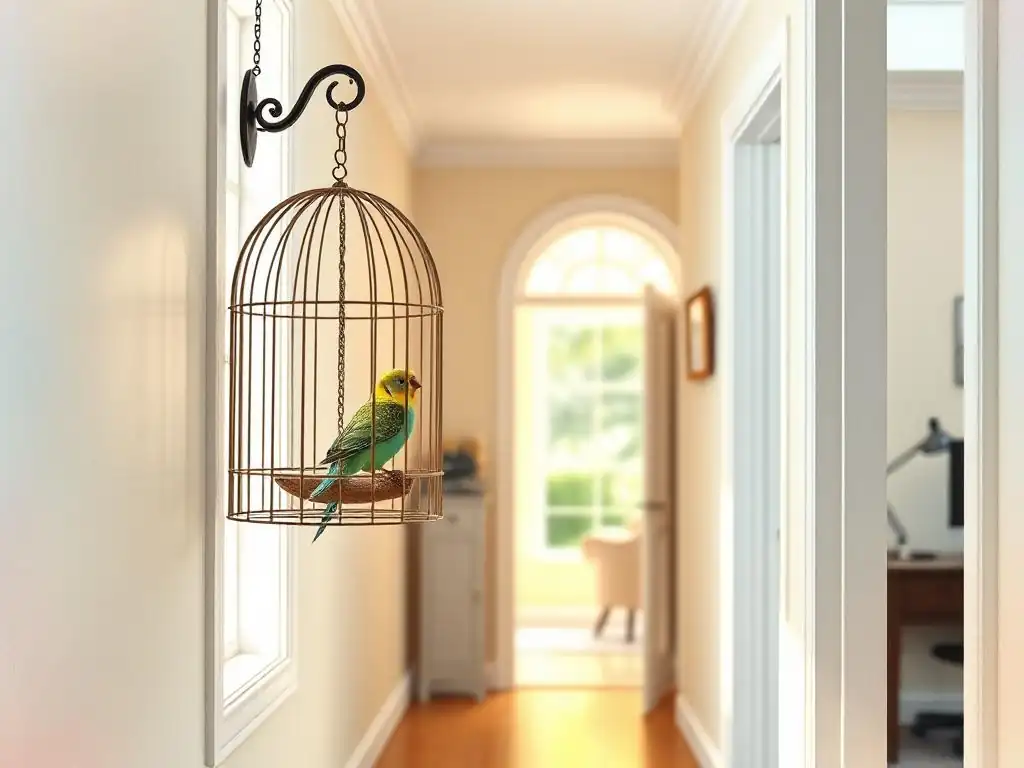
Finding the best bird cage room placement isn't always limited to the obvious choices like living rooms or bedrooms. Let's explore some less traditional spaces and how to assess their suitability for your feathered friend. Hallways, home offices, and even sunrooms can potentially work, but careful consideration is key. Remember, your bird's well-being and safety should always be the top priority. The ideal location minimizes stress and maximizes comfort.
Evaluating Noise Levels, Traffic, and Safety Factors
Before placing your bird's cage in any area outside of the typical "pet-friendly" rooms, carefully evaluate these crucial factors:
- Noise Levels: Hallways, especially in busy households, can be surprisingly noisy. Constant foot traffic, door slams, and conversations can significantly stress your bird. High noise levels can lead to behavioral issues, including feather plucking and increased vocalization. Consider the typical daily noise levels in the potential location. A quieter hallway, perhaps one rarely used, might be acceptable, but a busy thoroughfare is a definite no-go.
- Traffic Flow: High traffic areas pose safety risks. A carelessly opened door could allow your bird to escape, and accidental collisions are a real possibility. The constant movement and presence of people can also be overly stimulating and stressful for your bird. The ideal location minimizes human interaction unless it is intentional interaction time.
- Safety Hazards: Hallways often contain items that could pose a danger to your bird. Electrical cords, cleaning supplies, and sharp objects should be kept well out of reach. Additionally, consider the height of the cage; a dropped object could injure your bird if the cage is positioned too low. Thoroughly assess the area for potential hazards before committing to placement.
- Temperature Fluctuations: Hallways can be subject to temperature fluctuations, particularly near exterior doors. Extreme temperatures can be harmful to birds, so ensure that the temperature remains within a safe and comfortable range for your bird's species. This is especially true for hallways that receive a lot of drafts.
Creating a Quiet and Secure Sanctuary for Your Bird
Even if a hallway, office, or other less-conventional room seems suitable based on the above factors, creating a quiet and secure environment is crucial. Consider these tips:
- Strategic Cage Placement: Position the cage away from doors, windows, and high-traffic areas. A corner, if space allows, provides a sense of security and reduces exposure to noise and movement. If you must place the cage in a high-traffic area, consider using a cage cover to help reduce stimulation during periods of high activity.
- Environmental Enrichment: Provide ample opportunities for your bird to engage in natural behaviors. This includes toys, perches, and foraging opportunities. A stimulating environment helps reduce stress and boredom, especially in areas that might otherwise be less ideal.
- Regular Monitoring: Pay close attention to your bird's behavior after placing the cage in a new location. Signs of stress, such as excessive vocalization, feather plucking, or lethargy, may indicate that the location is unsuitable. Be prepared to move the cage if necessary. Remember, a happy and healthy bird is a priority. Regular monitoring is key to ensuring your bird thrives in its environment.
- Species-Specific Needs: Remember that different bird species have unique needs. Some species are more tolerant of noise and activity than others, while others require a more secluded and quiet environment. Research your bird's specific needs to ensure you provide the most appropriate environment. Consider factors such as the bird's natural habitat and its typical behaviors. A quiet, secure environment is essential for all birds, but some species will require more of this than others.
Choosing the Best Bird Cage Placement: A Summary Guide
Finding the best bird cage room placement is crucial for your feathered friend's health and happiness. This isn't just about aesthetics; it's about creating a safe, stimulating, and comfortable environment that minimizes stress and promotes well-being. The ideal location considers factors ranging from noise levels and temperature fluctuations to the bird's exposure to sunlight and potential dangers. Neglecting these factors can lead to behavioral problems, health issues, and a diminished quality of life for your bird. Let's delve into the specifics.
Prioritizing Your Bird's Safety, Comfort, and Well-being
Your bird's safety is paramount. Avoid placing the cage in areas with high traffic, where it could be bumped or knocked over. Keep it away from open windows and doors to prevent escape attempts and drafts. Similarly, avoid placing the cage near heating or cooling vents, as extreme temperature fluctuations can be detrimental to your bird's health. Think of it like this: you wouldn't want to live in a drafty, noisy apartment – neither does your bird.
Consider the following safety checklist:
- ✅ Secure Placement: The cage should be on a stable surface, away from potential hazards like falling objects.
- ✅ Escape Prevention: Ensure all doors and windows are securely closed, and consider using cage covers at night.
- ✅ Temperature Regulation: Monitor the temperature around the cage and avoid extreme fluctuations. A thermometer is a valuable tool.
- ✅ Predator Protection: Keep cats and dogs away from the cage, as they can cause significant stress and even injury.
- ✅ Toxic Substance Avoidance: Keep cleaning products, cooking sprays, and other toxic substances far away from the cage.
Furthermore, consider your bird's comfort. A quiet area away from loud noises, such as televisions or stereos, is ideal. Birds are sensitive to sound and excessive noise can cause stress and anxiety. A dimly lit corner might be preferable to a brightly lit area, especially for species that prefer a more subdued environment. Remember, a comfortable bird is a happy bird! Provide ample perches of varying sizes and textures to allow your bird to exercise its natural climbing instincts.
Regularly Assessing Your Bird's Environment for Optimal Health
Regularly evaluating your bird's environment is key to maintaining its health and happiness. This involves more than just a quick glance; it requires mindful observation and proactive adjustments. Changes in behavior, such as increased lethargy or feather plucking, could signal environmental discomfort. Similarly, changes in appetite or droppings can indicate underlying health problems, possibly linked to the cage's location.
Here's a schedule for environmental checks:
| Day | Check | Action |
|---|---|---|
| Daily | Temperature, noise levels, cage security | Adjust as needed; address any potential hazards. |
| Weekly | Cleanliness, fresh food and water, perch condition | Clean the cage thoroughly; replace food and water; check perch wear. |
| Monthly | Overall environmental assessment | Evaluate the lighting, ventilation, and overall suitability of the location. |
Consider adding some enrichment to the environment. Provide toys that stimulate your bird's mental and physical abilities. Rotate these toys regularly to keep your bird engaged. Think of it as "environmental enrichment" – just like humans need variety in their environment, so do birds. Observe your bird's interaction with its environment and adjust accordingly.
A happy, healthy bird is an active and engaged bird. Remember, even small changes can have a significant impact on your bird's quality of life. By consistently prioritizing your bird's safety, comfort, and well-being, you'll ensure it thrives in its environment. This proactive approach contributes significantly to achieving the best bird cage room placement for your beloved pet.
Frequently Asked Questions
What is the best room in the house for a bird cage?
The ideal room is a quiet, well-ventilated space away from direct sunlight, drafts, and kitchen fumes. A living room or dedicated home office often works well. Avoid placing the cage near loud appliances.
Should I keep my bird's cage near a window?
While some sunlight is beneficial, direct sunlight can overheat your bird and cause discomfort. A location with indirect, filtered sunlight is preferable. Consider using a window covering to manage the amount of sunlight.
How far away from other pets should I place my bird's cage?
Keep the cage away from other pets, especially cats and dogs, to prevent stress and potential harm to your bird. Supervision is key, even if your other pets are generally well-behaved.
What is the ideal temperature and humidity for my bird's cage?
The optimal temperature range is typically between 65-75°F (18-24°C). Humidity should be moderate; avoid excessively dry or humid environments. A humidifier may be necessary in dry climates.
How high should I place my bird's cage?
Position the cage at a comfortable height for interaction but high enough to prevent your bird from feeling vulnerable. Consider your bird's species and size when deciding on the optimal height.
Final Reflection: Finding Harmony: Your Bird, Your Home, Your Perfect Perch
The placement of a bird's cage is far more than a simple logistical decision; it's a crucial step in ensuring your feathered friend thrives. A well-chosen location directly impacts your bird's health, happiness, and longevity, transforming your home into a truly welcoming sanctuary. Ignoring this seemingly small detail can have significant consequences, underscoring the importance of careful consideration.
The impact of a bird's environment on its well-being is profound and often underestimated. We've explored the nuances of each room, weighing the pros and cons of various locations, but the underlying message remains consistent: creating a safe, stimulating, and enriching environment is paramount. A happy bird is a healthy bird,
a common saying among avian enthusiasts, perfectly encapsulates the core principle of this guide. This isn't just about finding a spot for a cage; it's about building a relationship built on mutual respect and understanding.
Now, consider your own home. Reflect on the spaces you've created and the environments you inhabit. Take a moment to view your home through the eyes of your feathered companion. Does your chosen location truly reflect their needs? Is it a place where they can feel safe, secure, and stimulated? Make the necessary adjustments, and watch as your bond deepens, strengthened by a shared space that nurtures both your lives. The perfect spot for your bird's cage is not just a location; it's a testament to the love and care you share.
Unleash Your Feathered Friend's Best Life!
Thank you for learning how to create the perfect avian sanctuary! We hope this guide helped you understand the importance of choosing the right location for your bird's cage. Now it's time to put that knowledge into practice.
- Prioritize your bird's happiness: Carefully consider your home environment, including noise levels, sunlight, and drafts, to select the ideal spot for your bird's cage. Their comfort and well-being should be your top priority.
- Share your perfect spot! Show us pictures on our PetCareWorld social media channels using #BirdRoomBliss – we'd love to see where your bird is thriving!
- Thoroughly bird-proof your chosen area: Once you've found the perfect location, carefully examine the surroundings to identify and remove any potential hazards for your bird.
What small improvement will you make today to enhance your bird’s living space?