
Is Your Cat Scratching Due to Anxiety? Explore Deterrents and Calming Techniques


Welcome to PetCareWorld, your ultimate guide to a happier, healthier life for your beloved companions! Are you concerned about your cat's excessive scratching? Discover how understanding the root cause, like anxiety, can be the key to finding effective solutions. Dive into our expert advice on cat scratching anxiety solutions and learn practical techniques to soothe your feline friend and protect your furniture. Let's unlock the secrets to a more peaceful coexistence!
- Understanding Cat Scratching Behavior and Anxiety
- Identifying the Root Cause of Your Cat's Anxiety
- Effective Deterrents for Anxiety-Related Scratching
- Calming Techniques to Soothe an Anxious Cat
- Natural Remedies and Supplements for Cat Anxiety
- When to Seek Professional Help for Cat Anxiety
- Preventing Future Anxiety-Related Scratching in Cats
- Cat Scratching Anxiety Solutions: A Holistic Approach
-
Frequently Asked Questions
- What are the common signs of anxiety in cats related to scratching?
- How can I tell if my cat's scratching is due to anxiety or another issue?
- What are some effective deterrents to stop my anxious cat from scratching furniture?
- Are there calming techniques that can help reduce my cat's scratching behavior?
- When should I seek professional help for my cat's anxiety-related scratching?
- Final Reflection: Understanding Feline Anxiety—A Path to Peaceful Coexistence
- Unleash Your Cat's Calm: Practical Steps to Peaceful Coexistence
Understanding Cat Scratching Behavior and Anxiety
Cats scratching is a natural behavior, often misunderstood by their human companions. It's crucial to understand that scratching isn't simply destructive behavior; it serves several important feline functions. From sharpening claws to marking territory and stretching their muscles, scratching is an integral part of a cat's physical and emotional well-being.
However, excessive or seemingly inappropriate scratching can be a significant indicator of underlying anxiety. This article will delve into the connection between cat scratching and anxiety, exploring how to identify anxiety-related scratching, differentiate it from other causes, and ultimately, discover effective deterrents and calming techniques to alleviate your cat's stress and protect your furniture. We'll equip you with the knowledge to address this common problem, ensuring a harmonious coexistence with your feline friend.
Learning to interpret your cat's scratching behavior is key to providing the best possible care and fostering a strong, loving bond. Understanding the root cause, whether it's anxiety or a simple need for claw maintenance, is the first step towards finding effective and humane solutions.
Identifying anxiety-related scratching requires careful observation of your cat's behavior. While a healthy cat might scratch a scratching post several times a day, a cat exhibiting anxiety-related scratching will often display a different pattern. This might include:
- Increased frequency: A significant increase in the number of scratching sessions, even if they are short.
- Inappropriate locations: Scratching furniture, walls, or other areas outside designated scratching posts.
- Intense scratching: Vigorous scratching that seems driven by a need to relieve stress, rather than a casual claw sharpening.
- Scratching at unusual times: Increased scratching during periods of stress, such as when alone, or when guests are present.
It's important to note that the intensity and frequency of scratching can vary greatly between cats. Some cats may exhibit subtle signs of anxiety through increased scratching, while others might engage in more destructive behavior. Keeping a detailed record of your cat's scratching habits—including the time of day, location, and intensity—can be invaluable in identifying patterns and seeking veterinary advice. Consider using a journal or a simple spreadsheet to track this data.
Differentiating Anxiety Scratching from Other Causes
Distinguishing anxiety-related scratching from other causes is crucial for effective treatment. Several factors can contribute to excessive scratching, including:
- Medical conditions: Underlying health issues, such as arthritis, allergies, or skin infections, can cause discomfort and lead to increased scratching. A veterinary check-up is essential to rule out any physical problems.
- Boredom and lack of enrichment: Cats that lack sufficient mental and physical stimulation may resort to scratching as a way to alleviate boredom. Providing plenty of toys, climbing structures, and interactive play sessions can significantly reduce this behavior.
- Insufficient scratching posts: If your cat doesn't have enough scratching posts, or if the posts aren't appealing to them (wrong material, height, or placement), they might resort to your furniture. Experiment with different types of scratching posts to find what your cat prefers.
A thorough examination by a veterinarian is crucial to rule out any underlying medical conditions. Once physical causes are excluded, you can focus on addressing potential behavioral issues, such as anxiety or boredom, through appropriate environmental enrichment and training techniques.
Common Signs of Anxiety in Cats Beyond Scratching
Anxiety in cats often manifests in a variety of ways, and scratching is just one symptom. Observing other behavioral changes can help confirm whether anxiety is a contributing factor to your cat's scratching. These signs include:
- Changes in appetite: Increased or decreased appetite, or changes in food preferences.
- Changes in litter box habits: Urinating or defecating outside the litter box.
- Increased vocalization: Excessive meowing, yowling, or chattering.
- Hiding or avoidance: Spending more time hiding, or avoiding interaction with people or other pets.
- Aggression: Increased hissing, growling, or swatting.
- Grooming changes: Excessive grooming or neglect of grooming.
Recognizing these additional signs alongside excessive scratching can provide a more complete picture of your cat's emotional state and guide you towards appropriate interventions. Remember, a happy and healthy cat is less likely to exhibit anxiety-related behaviors. By addressing the underlying causes of anxiety, you can create a more peaceful and enriching environment for your feline companion. Consulting a veterinary behaviorist can provide valuable support and guidance in managing your cat's anxiety.
Identifying the Root Cause of Your Cat's Anxiety

Understanding why your cat is scratching excessively is crucial before implementing any solutions. While many cats scratch for normal reasons like sharpening claws or marking territory, excessive scratching can often be a sign of underlying anxiety. This section explores potential causes, helping you determine if anxiety is the culprit behind your feline friend's behavior. Successfully addressing cat scratching anxiety solutions requires a thorough understanding of the root cause. Let's delve into the key factors.
Environmental Stressors and Their Impact on Scratching
Environmental changes are significant contributors to feline anxiety and subsequent scratching. New pets, renovations in the home, loud noises (like fireworks or thunderstorms), or even a change in furniture arrangement can trigger stress. Cats are creatures of habit, and disruption to their established routines and familiar surroundings can manifest as increased scratching. The severity of the scratching often correlates with the intensity and duration of the stressor.
For instance, introducing a new dog into a household where a cat has lived alone for years can dramatically increase the cat's scratching behavior. The cat may feel threatened, insecure, or overwhelmed by the new presence. Similarly, moving to a new home, even if it's an upgrade, can lead to increased scratching as the cat adapts to unfamiliar smells, sounds, and spaces. The cat may be trying to re-establish a sense of security and control in its environment through scent marking (a common function of scratching).
Consider this example: A family renovating their home experienced a significant increase in their cat's scratching. The constant noise, disruption to their cat's usual sleeping areas, and the presence of unfamiliar workers created a stressful environment. Once the renovation was complete and the cat's routine was restored, the scratching gradually decreased. This highlights the direct link between environmental stress and scratching behavior. Careful observation of your cat's environment and any recent changes is essential for effective anxiety management.
Changes in Routine and Their Effect on Cat Behavior
Cats thrive on routine and predictability. Any disruption to their established patterns, even seemingly minor ones, can trigger anxiety and lead to increased scratching. This could include changes in feeding times, playtime schedules, or even the absence of a regular human companion. The cat's innate need for security and stability is compromised, leading to behavioral changes such as excessive scratching.
A shift in your work schedule, for example, can upset your cat's routine. If you used to spend a lot of time interacting with your cat in the evenings, and now you're working late, the cat may experience a sense of neglect and insecurity. This lack of attention can manifest itself as increased scratching, especially on furniture that was previously less targeted. Similarly, changes in the family's daily activities, such as the addition of a new baby or a change in sleep patterns, can also disrupt a cat’s routine and trigger anxiety.
Think of it this way: Cats communicate their stress through their behavior. Increased scratching could be their way of saying, "Something is wrong, and I need reassurance!" Understanding this crucial aspect of feline communication is key to providing effective cat scratching anxiety solutions. Observing patterns in scratching behavior alongside changes in routine can provide valuable insights into the root cause.
It's crucial to rule out any underlying medical conditions before attributing excessive scratching solely to anxiety. Certain health problems can cause discomfort or pain, leading to increased scratching. Arthritis, skin allergies, or infections can all mimic the symptoms of anxiety-related scratching. Therefore, a veterinary examination is vital to eliminate these possibilities.
For example, a cat experiencing joint pain due to arthritis might scratch more frequently to relieve discomfort. The scratching may seem random, but the underlying cause is physical, not psychological. Similarly, skin allergies or infections can cause intense itching, prompting the cat to scratch excessively. Ignoring these underlying medical issues and focusing solely on behavioral modification techniques may not be effective and could even worsen the condition.
A comprehensive veterinary check-up, including blood tests and potentially a skin scraping, can help diagnose any potential medical issues. This is a critical step in developing a comprehensive and effective cat scratching anxiety solution. Treating the underlying medical condition is often the first step towards reducing scratching behavior. Remember, a healthy cat is less likely to exhibit stress-related behaviors. Addressing any potential medical issues will improve your chances of successfully managing your cat's anxiety and reducing excessive scratching.
Addressing cat scratching stemming from anxiety requires a multi-pronged approach. Simply punishing the behavior is rarely effective and can worsen the underlying anxiety. Instead, focus on providing alternatives, calming the cat, and redirecting their scratching impulses. This section details effective deterrents specifically designed to manage anxiety-driven scratching in cats. Understanding the root cause – anxiety – is crucial for successful management of this common feline behavior problem. Ignoring the anxiety and only addressing the scratching itself will likely lead to a recurrence of the problem.
Providing Alternative Scratching Posts and Surfaces
Cats scratch for several reasons: to sharpen their claws, to mark territory, and to stretch their bodies. Anxiety can exacerbate these natural behaviors. Therefore, offering a variety of appealing scratching posts and surfaces is paramount to diverting them from unsuitable targets. Consider these factors when selecting alternatives:
- Material: Cats have preferences! Some adore sisal, others carpet, and some even cardboard. Experiment to discover your cat's favorite texture. A good starting point is to observe what your cat is currently scratching; mimicking that texture is a great strategy.
- Height and Angle: Cats enjoy vertical scratching. Provide posts of varying heights, including some that allow for a full body stretch. Consider angled scratching boards as well, which mirror the natural way cats scratch trees.
- Location: Place scratching posts strategically near areas your cat frequents, such as near their favorite sleeping spot or by windows. Avoid placing them near food or water bowls.
- Stability: Ensure the scratching post is sturdy and won't topple over easily. A wobbly post is not only frustrating for the cat but also potentially dangerous.
- Variety: Offer a range of scratching options – vertical posts, horizontal boards, and even cardboard scratchers – to cater to different moods and scratching styles.
For example, a cat who consistently scratches the sofa might find a tall sisal scratching post more appealing, especially if positioned near a sunny window. A cat who prefers horizontal scratching might benefit from a sturdy cardboard scratcher placed on the floor. Experimentation is key to finding the perfect combination.
Using Catnip and Pheromone Diffusers to Reduce Anxiety
Calming your anxious cat is crucial in managing anxiety-related scratching. Catnip and pheromone diffusers can be valuable tools in this process.
- Catnip: While not every cat responds to catnip, for those that do, it can provide a temporary distraction and relaxation. Sprinkling a small amount on a scratching post can encourage its use. However, overuse can lead to desensitization.
- Pheromone Diffusers (Feliway): These diffusers release synthetic feline facial pheromones, which mimic the calming scents cats naturally produce. They can significantly reduce stress and anxiety in cats, leading to a decrease in undesirable behaviors, including excessive scratching. Place the diffuser in the room where the cat spends the most time, ensuring it's plugged in consistently. The effects are often gradual, becoming noticeable over several days or weeks. It's important to note that not all cats respond equally to pheromones; some might require additional calming strategies.
Consider a combined approach: combine a pheromone diffuser with a catnip-treated scratching post for a synergistic effect. This layered approach aims to create a calming atmosphere and simultaneously redirect scratching behavior toward an appropriate target. Remember to consult your veterinarian if anxiety persists despite these efforts.
Training Techniques to Redirect Scratching Behavior
Redirecting unwanted scratching behavior requires patience and consistency. Positive reinforcement is far more effective than punishment.
- Positive Reinforcement: When you catch your cat scratching an approved surface, immediately reward them with praise, a treat, or a favorite toy. This positive association will make the appropriate scratching behavior more appealing.
- Gentle Deterrence: If you catch your cat scratching a forbidden item, make a firm but gentle “psst” sound or clap your hands softly to startle them. Immediately redirect them to an appropriate scratching post. Never use harsh punishments; this will only increase their anxiety and make the problem worse.
- Make Unwanted Surfaces Unattractive: Cover furniture with protective covers or use double-sided tape (cats dislike the sticky feeling) to deter scratching. However, remember to always supervise your cat around these deterrents to ensure their safety.
- Consistency: Consistency is key. Every time your cat scratches something inappropriate, redirect them and reward them for scratching in the right places. This consistent approach will teach them what is acceptable and unacceptable scratching behavior. Be patient; it may take time and effort, but with consistent reinforcement, your cat will learn to associate appropriate scratching with positive rewards. Remember, addressing the underlying anxiety is crucial for long-term success in managing this behavior.
Calming Techniques to Soothe an Anxious Cat
Addressing cat scratching stemming from anxiety requires a multi-pronged approach. Simply deterring the scratching behavior isn't enough; you must also address the underlying anxiety. This section focuses on calming techniques to help your feline friend feel more secure and relaxed, ultimately reducing their urge to scratch excessively. Remember, patience and consistency are key to success in managing cat scratching anxiety solutions.
Creating a Safe and Secure Environment for Your Cat
A secure environment is paramount for a cat experiencing anxiety. Cats are naturally predisposed to seeking safe spaces, and providing these can significantly reduce stress levels and, consequently, scratching behaviors. This involves creating areas where your cat feels protected and comfortable.
Consider these steps:
- Designated Safe Spaces: Create several "safe havens" throughout your home. These could be cat trees, enclosed beds, or even cardboard boxes strategically placed in quiet corners. Ensure these spaces are easily accessible and away from high-traffic areas. Think about your cat's personality; some prefer high perches, while others prefer enclosed spaces.
- Vertical Territory: Cats are naturally arboreal, loving to climb and survey their surroundings from elevated positions. Providing cat trees or shelves allows them to feel secure and in control of their environment, reducing their anxiety.
- Reducing Sensory Overload: Minimize loud noises and sudden movements. Keep your home relatively calm and predictable. This is especially important for cats sensitive to sound or sudden changes. For instance, consider using calming music specifically designed for cats.
- Consistent Routine: Cats thrive on routine. Maintaining a consistent feeding schedule, playtime, and grooming routine can provide a sense of security and predictability, decreasing anxiety levels.
Enrichment Activities to Reduce Boredom and Stress
Boredom is a significant contributor to anxiety in cats. An enriched environment provides mental and physical stimulation, reducing stress and channeling their energy into positive behaviors.
Here are some enrichment ideas:
- Puzzle Feeders: These interactive feeders challenge your cat to work for their food, stimulating their minds and providing a sense of accomplishment. This is a fantastic way to combat boredom and channel their energy constructively. Different puzzle feeders cater to varying skill levels.
- Rotating Toys: Keep your cat engaged by rotating their toys regularly. This prevents boredom and maintains their interest. Introduce new toys periodically to further stimulate their play instincts.
- Scratching Posts: Providing appropriate scratching posts is crucial. These are not just deterrents; they are also enriching activities that satisfy their natural scratching instinct. Experiment with different materials and designs to find what your cat prefers. Vertical scratching posts are often favored.
- Window Perches: Cats love observing the world outside. Providing a window perch allows them to satisfy their natural curiosity and engage in environmental enrichment.
Interactive Play Sessions to Burn Energy and Reduce Anxiety
Interactive play sessions are essential for burning excess energy and reducing anxiety. These sessions should mimic natural hunting behaviors, engaging your cat's predatory instincts. This is far more effective than simply leaving toys lying around.
Here's how to make the most of playtime:
- Targeted Play: Use toys that mimic prey—like feather wands or laser pointers—to encourage stalking, chasing, and pouncing. These activities are crucial for satisfying their natural hunting instincts.
- Regular Sessions: Aim for multiple short play sessions throughout the day, rather than one long session. This helps maintain their energy levels and prevents boredom.
- Appropriate Toys: Choose toys that are safe, durable, and appropriate for your cat's age and abilities. Avoid toys that could pose a choking hazard.
- Positive Reinforcement: Reward your cat with praise and treats during play sessions. This positive reinforcement strengthens the positive association with playtime and helps build a strong bond.
By implementing these calming techniques alongside deterrents, you'll create a more holistic approach to managing your cat's scratching behavior, leading to a happier, healthier, and less anxious feline companion. Remember, consistency and patience are key when addressing "cat scratching anxiety solutions".
Natural Remedies and Supplements for Cat Anxiety
Addressing cat scratching stemming from anxiety often involves a multifaceted approach. While deterrents can prevent unwanted scratching behavior, calming the underlying anxiety is crucial for long-term success. Natural remedies and supplements offer a gentler path towards anxiety reduction, complementing behavioral modifications and environmental enrichment. These options can be particularly appealing to pet owners seeking less intrusive methods compared to pharmaceutical interventions. However, it's vital to remember that these should be considered supplementary to, not replacements for, professional veterinary advice.
Exploring Calming Herbs and Supplements for Cats
Several herbs and supplements are known for their potential calming effects on cats. These include:
- Catnip: While known for its stimulating effects in some cats, catnip can have a calming effect on others, reducing stress and promoting relaxation. Always introduce catnip gradually and observe your cat's reaction. Some cats may become more playful rather than relaxed.
- Valerian Root: This herb has been used for centuries to promote relaxation and sleep in humans and animals. It's important to note that the effects can vary greatly between cats, and some may show no response. Always consult your vet before introducing valerian root, especially if your cat is on other medications.
- Chamomile: Known for its soothing properties, chamomile tea (decaffeinated) can be offered in small amounts to cats. Never give your cat chamomile essential oil, as it can be toxic. Always dilute chamomile tea significantly and ensure it's completely cool before offering it to your cat.
- L-Theanine: This amino acid is found naturally in green tea and is known for its calming effects without causing drowsiness. It's often available as a supplement specifically formulated for cats. Look for products that are veterinarian-approved and contain high-quality ingredients.
It is crucial to emphasize that the effectiveness of these herbs and supplements varies significantly between individual cats. What works wonders for one cat might have no effect on another. Careful observation and gradual introduction are key, and consulting a veterinarian before introducing any new supplement is always recommended. They can help determine the appropriate dosage and ensure there are no potential interactions with other medications your cat might be taking. Always prioritize safety and monitor your cat closely for any adverse reactions.
The Role of Diet in Managing Cat Anxiety
Nutritional deficiencies can sometimes exacerbate anxiety in cats. A balanced diet rich in essential nutrients plays a vital role in overall well-being, which directly impacts behavior. While no specific diet guarantees anxiety relief, focusing on high-quality ingredients can make a difference.
- Omega-3 Fatty Acids: These fatty acids are crucial for brain health and can help regulate mood and behavior. Foods rich in Omega-3s, or supplements containing these fatty acids, might help reduce anxiety symptoms. However, always consult your vet before adding supplements to your cat's diet.
- Protein Sources: Cats are obligate carnivores, requiring high protein diets. Ensure your cat's food contains high-quality protein sources such as chicken, fish, or turkey. Avoid fillers and artificial ingredients which can negatively impact their digestive system and overall health.
- Avoid Artificial Additives and Preservatives: These can irritate the digestive tract and potentially contribute to behavioral problems. Look for cat food with minimal processing and natural ingredients.
Remember that dietary changes should be gradual to avoid digestive upset. Introducing a new food slowly, mixing it with the old food over several days, is crucial. Consulting a veterinary nutritionist can provide personalized dietary recommendations based on your cat's specific needs and health condition. A balanced diet is a foundational element of holistic cat care, and contributes significantly to their overall well-being, including emotional stability.
Consulting a Veterinarian for Anxiety Management
While natural remedies and dietary adjustments can be helpful, it's crucial to consult a veterinarian if your cat's scratching persists despite these efforts. A vet can rule out underlying medical conditions that might be contributing to the anxiety, such as hyperthyroidism or cognitive dysfunction. They can also assess the severity of the anxiety and recommend appropriate treatment options, including medication if necessary.
Ignoring the problem could lead to more serious issues, so professional veterinary intervention is paramount for comprehensive anxiety management in cats. Don't hesitate to seek professional help – your veterinarian is your best resource for ensuring your cat's health and happiness. Early intervention is key to effective cat scratching anxiety solutions.
When to Seek Professional Help for Cat Anxiety
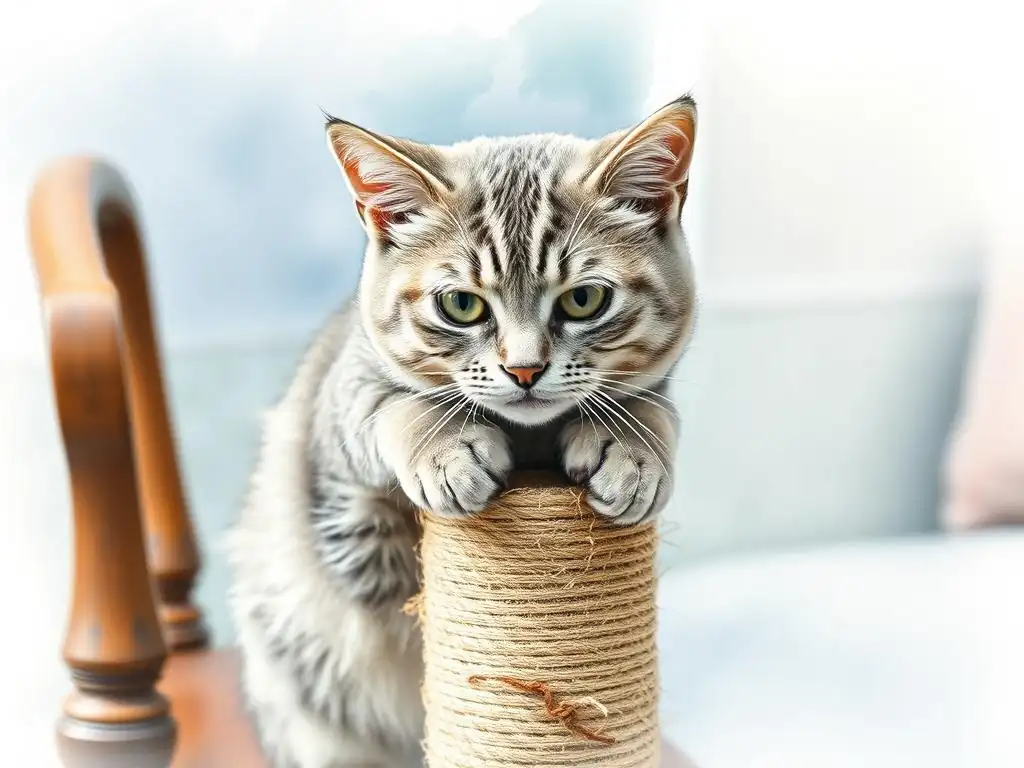
Understanding when your cat's scratching, stemming from anxiety, requires more than home remedies is crucial for their well-being. While many scratching issues can be managed with environmental modifications and calming techniques, some situations demand professional intervention. Ignoring persistent anxiety can lead to further behavioral problems and negatively impact your cat's quality of life. This section will guide you in recognizing the signs that it's time to seek professional help for your feline friend's anxiety-related scratching. Effective cat scratching anxiety solutions often involve a multi-pronged approach, and sometimes that requires expert assistance.
Recognizing When Home Remedies Aren't Enough
Persistent scratching despite implementing various deterrents and calming techniques should raise a red flag. Consider these indicators:
- Destructive scratching: If your cat is causing significant damage to furniture, walls, or other valuable items, despite your best efforts to redirect their scratching behavior, professional help is warranted. This suggests the anxiety is severe and requires more targeted intervention.
- Self-harm: Excessive scratching leading to wounds or skin irritations signals a serious issue. This could be a sign of underlying medical conditions or extreme anxiety requiring veterinary care.
- Unresponsiveness to calming techniques: If you've tried pheromone diffusers, calming treats, interactive play sessions, and environmental enrichment, yet your cat's scratching persists, it's time to consult a professional. Their expertise can help identify underlying triggers and develop a tailored plan.
- Increased aggression or fear: Anxiety can manifest as aggression or fear. If your cat's scratching is accompanied by hissing, growling, biting, or excessive hiding, seeking professional help is essential. These behaviors indicate a deeper-seated anxiety problem needing specialized treatment.
- Lack of improvement after several weeks: If you've consistently implemented various home remedies for several weeks without seeing any significant improvement in your cat's scratching behavior, it's a clear indication that a professional assessment is needed. The underlying cause might be more complex than initially anticipated.
Finding a Qualified Veterinarian or Animal Behaviorist
Locating a qualified professional is a critical step. Not all veterinarians have expertise in feline behavior, so searching for a veterinarian specializing in animal behavior or a certified veterinary behaviorist (Dip ACVB) is recommended. Similarly, a board-certified veterinary behaviorist (DACVB) possesses advanced training in animal behavior and can provide in-depth assessments and treatment plans. Consider asking your primary veterinarian for referrals.
Online directories may also list professionals in your area with expertise in feline anxiety and scratching behaviors. Thoroughly researching potential professionals is crucial to ensure you find the best care for your cat. Remember, effective cat scratching anxiety solutions often come from a team approach.
Treatment Options for Severe Cat Anxiety: Medication and Therapy
For severe cases of cat anxiety causing destructive scratching, medication may be part of the solution. Veterinarians can prescribe anti-anxiety medications to help manage your cat's anxiety levels. These medications should always be used under veterinary supervision, as they can have side effects. The medication often works in conjunction with behavioral modification techniques.
Behavioral modification therapy, guided by a veterinary behaviorist or certified professional, involves identifying and addressing the root causes of your cat's anxiety. This may include:
- Desensitization and counter-conditioning: Gradually exposing your cat to anxiety-provoking stimuli (e.g., loud noises, strangers) in a controlled manner while pairing it with positive reinforcement.
- Environmental enrichment: Creating a stimulating and safe environment for your cat, providing plenty of climbing opportunities, scratching posts, and hiding places.
- Training and positive reinforcement: Using positive reinforcement techniques to teach your cat appropriate scratching behaviors and rewarding desirable actions.
Remember, a holistic approach combining medication, if necessary, and behavioral modification techniques, is often the most effective cat scratching anxiety solution for severe cases. Patience and consistency are vital throughout the treatment process. The goal is to help your cat manage their anxiety and reduce destructive scratching behaviors, leading to a happier and healthier life for both you and your feline companion. 😻
Understanding the root cause of your cat's scratching behavior is crucial, especially when anxiety is suspected. Addressing the underlying anxiety is key to preventing future scratching incidents. Simply deterring the scratching without addressing the anxiety will likely lead to a recurrence of the problem. This section focuses on proactive measures to minimize anxiety and, consequently, reduce destructive scratching. We'll delve into establishing consistent routines, providing enriching environments, and the importance of early intervention, particularly with kittens. These preventative measures are vital components of holistic cat scratching anxiety solutions.
Maintaining a Consistent Routine for Your Cat
Felines thrive on predictability. A consistent daily routine significantly reduces anxiety. This includes regular feeding times, playtime sessions, and grooming. Unexpected changes in routine can trigger stress and lead to increased scratching.
Consider the following schedule example:
| Time of Day | Activity | Notes |
|---|---|---|
| 7:00 AM | Feeding | Provide a balanced, high-quality diet. |
| 8:00 AM - 8:30 AM | Playtime | Interactive play using wand toys or puzzle feeders. |
| 12:00 PM | Feeding (smaller portion) | Maintain consistent feeding intervals. |
| 6:00 PM | Playtime/Grooming | Combine playtime with gentle brushing. |
| 9:00 PM | Bedtime | Ensure a quiet and comfortable sleeping area. |
Sticking to a similar schedule, even on weekends, reduces uncertainty and provides your cat with a sense of security. Remember, consistency is paramount in reducing anxiety-related behaviors. Even small, seemingly insignificant changes to your cat’s routine can sometimes have a big impact on their behavior. 😻
Providing Ample Enrichment and Mental Stimulation
A bored cat is more likely to be an anxious cat. Enrichment activities are vital in reducing stress and preventing destructive behaviors like excessive scratching. Providing adequate mental and physical stimulation can significantly reduce anxiety-driven scratching. This includes:
- Interactive Play: Engage your cat in active play sessions multiple times a day using toys like feather wands, laser pointers (used responsibly), or puzzle feeders.
- Environmental Enrichment: Offer a variety of climbing structures, scratching posts, and hiding places to provide a stimulating and engaging environment. Consider cat trees, shelves, or window perches.
- Puzzle Feeders: These feeders challenge your cat mentally and provide a sense of accomplishment, reducing boredom and stress.
- Rotation of Toys: Introduce new toys regularly to keep your cat engaged and prevent boredom. Rotate older toys back in after a period to maintain novelty.
Remember to observe your cat's preferences and adjust the enrichment accordingly. Some cats prefer interactive play, while others might find more solace in exploring their environment. The goal is to find a balance that keeps your cat engaged and happy. A well-stimulated cat is a less anxious cat.
Early Intervention for Anxiety Symptoms in Kittens
Early socialization and habituation are crucial for preventing anxiety in kittens. Kittens who experience positive interactions and a stable environment from a young age are less likely to develop anxiety-related issues later in life. Introducing kittens to various sights, sounds, and textures early on helps them adapt to their surroundings more easily, reducing the likelihood of developing anxieties.
This includes:
- Gentle Handling: Regularly handle your kitten to accustom them to human touch.
- Positive Reinforcement: Reward positive behaviors with treats or praise.
- Exposure to New Stimuli: Gradually introduce your kitten to new environments, people, and animals in a controlled and positive manner.
- Consistent Routine: Establish a consistent routine from the start, providing a sense of security and predictability.
Ignoring early signs of anxiety can lead to more significant problems later. Early intervention can prevent anxiety from escalating into severe behavioral issues, including excessive scratching. A well-adjusted kitten is far less likely to exhibit anxiety-related scratching in adulthood. Proactive measures taken in kittenhood can significantly reduce the need for anxiety-related scratching solutions later on.
Cat Scratching Anxiety Solutions: A Holistic Approach
Addressing cat scratching stemming from anxiety requires a multi-pronged approach. Simply deterring the scratching behavior isn't enough; you need to tackle the underlying anxiety to achieve lasting results. This holistic approach combines effective deterrents with calming techniques and, in some cases, professional veterinary behavioral help. Think of it as a three-legged stool: remove the temptation, offer soothing alternatives, and address the root cause.
This integrated strategy is crucial for managing cat scratching anxiety solutions effectively. For instance, using a cat scratching post alone might not be sufficient if your cat's scratching is fueled by underlying stress or fear. Similarly, solely focusing on calming techniques without addressing the undesirable scratching behavior may not yield the desired outcome. The combination of deterrents, such as strategically placed deterrents, and calming aids, like pheromone diffusers, creates a synergistic effect, leading to better results.
Consider this example: a cat consistently scratches the sofa because of separation anxiety. Simply covering the sofa with a deterrent spray will only temporarily mask the problem. The cat will likely find another outlet for its anxiety. A more effective strategy would involve combining the deterrent with a calming pheromone diffuser, enriching its environment with interactive toys, and potentially consulting a veterinarian behaviorist for personalized anxiety management techniques. This comprehensive approach addresses both the behavior and the underlying emotional state, providing a more sustainable solution. Remember, patience and consistency are key.
Long-Term Strategies for Managing Cat Anxiety and Scratching
Successfully managing cat scratching anxiety requires a long-term commitment to consistent strategies. It's not a quick fix; it's a process of understanding your cat's behavior, adapting your approach as needed, and building a calm and secure environment. This long-term perspective is vital for achieving lasting results and preventing the scratching behavior from recurring.
One key aspect is environmental enrichment. Cats need mental and physical stimulation to stay happy and healthy. Providing plenty of toys, climbing structures, and scratching posts can significantly reduce anxiety-related scratching. Regular playtime, interactive games, and puzzle feeders can help divert your cat's attention and energy away from destructive scratching.
Another crucial element is creating a predictable routine. Cats thrive on routine and predictability; a consistent daily schedule can reduce stress and anxiety. This includes consistent feeding times, playtime, and grooming sessions. A stable routine provides a sense of security and control, which can significantly alleviate anxiety-related behaviors. Consider also creating safe spaces where your cat can retreat when feeling overwhelmed or stressed.
Monitoring Your Cat's Behavior and Adjusting Strategies as Needed
Effective cat scratching anxiety solutions require ongoing monitoring and adaptation. What works today might not work tomorrow, as your cat's needs and anxieties can evolve. Regular observation of your cat's behavior is crucial for identifying triggers and adjusting your strategies accordingly.
Keep a detailed behavioral log. Note down when the scratching occurs, what might have triggered it, and the effectiveness of your current strategies. This log will help you identify patterns and refine your approach. For instance, you might notice increased scratching during specific times of the day or after particular events. This information allows you to tailor your interventions more effectively.
Don't hesitate to seek professional help. If your strategies aren't yielding results, or if the anxiety seems severe, consult a veterinarian or a certified cat behaviorist. They can provide a personalized assessment, identify underlying medical or behavioral issues, and recommend tailored solutions. Remember, seeking professional help is a sign of responsible pet ownership, not a failure.
A veterinarian can rule out any underlying medical conditions contributing to the anxiety and scratching. The earlier you address the problem, the better the chances of successful long-term management. This proactive approach is essential for maintaining your cat's well-being and preventing further behavioral issues.
Frequently Asked Questions
Cats experiencing anxiety might scratch excessively, even on inappropriate surfaces. They may also exhibit other signs like restlessness, hiding, or changes in appetite. Consult your vet if you suspect anxiety.
How can I tell if my cat's scratching is due to anxiety or another issue?
Differentiating anxiety-related scratching from other causes requires observing your cat's overall behavior. Excessive scratching combined with other anxiety symptoms points towards anxiety. A vet can rule out medical issues.
What are some effective deterrents to stop my anxious cat from scratching furniture?
Provide ample scratching posts of various textures and heights. Use pheromone diffusers to create a calming environment. Positive reinforcement with treats when using the scratching post is vital.
Are there calming techniques that can help reduce my cat's scratching behavior?
Regular playtime and environmental enrichment can reduce stress. Consider interactive toys and puzzle feeders to keep your cat mentally stimulated. A calming environment is key.
If scratching persists despite implementing deterrents and calming techniques, or if your cat exhibits severe anxiety symptoms, seek veterinary advice. A vet can assess your cat and recommend further strategies or medication if needed.
Final Reflection: Understanding Feline Anxiety—A Path to Peaceful Coexistence
The silent struggles of our feline companions often go unnoticed, yet understanding their anxieties is crucial for fostering a harmonious home. Untreated anxiety in cats can lead to destructive scratching, impacting both the cat's well-being and the integrity of our homes. This article has explored the multifaceted nature of cat scratching stemming from anxiety, highlighting the importance of identifying the root cause and implementing effective solutions.
The journey to understanding feline anxiety is a continuous one, demanding patience, empathy, and a willingness to adapt our approach to each cat's unique personality. The impact of a stressed cat extends beyond damaged furniture; it affects the overall dynamic of the household and the bond between pet and owner. A cat's behavior is a reflection of its environment and emotional state.
This simple truth underscores the need for proactive measures to create a safe and enriching environment for our feline friends. Ignoring their anxieties only perpetuates the problem, potentially leading to more severe behavioral issues.
You, the reader, now possess a deeper understanding of the connection between cat scratching and anxiety. Consider the information presented here—the importance of environmental enrichment, the role of pheromone diffusers, and the potential benefits of interactive play—and reflect on your own cat's behavior. Are there subtle signs of anxiety you may have overlooked? Take the time to observe your cat, understand their needs, and implement the strategies discussed to create a more peaceful and loving home for both of you. The journey to a calmer, happier cat begins with understanding and compassion.
Unleash Your Cat's Calm: Practical Steps to Peaceful Coexistence
Thank you for learning about cat scratching and anxiety! We hope you've gained valuable insights into your feline friend's behavior. Now let's put that knowledge into action. Here are a few ways to help your cat feel safer and more secure:
- Prioritize playtime and enrichment: Dedicate at least 15 minutes daily to interactive play, stimulating your cat's natural hunting instincts. This can significantly reduce anxiety-related scratching. For example, try using a feather wand or a laser pointer to encourage chasing and pouncing.
- Use calming pheromone diffusers or sprays: These can create a more relaxed atmosphere in your home, complementing other anxiety-reducing strategies. Feliway diffusers are a popular and effective option.
- Share your success (or challenges!): We'd love to hear about your experience using these techniques. Share your story and tips in the comments below – you might help another cat owner!
Have you noticed a reduction in scratching behavior since incorporating more playtime into your cat's routine? Let's discuss!