
Tire Jump Training for Dogs: Mastering This Tricky Agility Obstacle

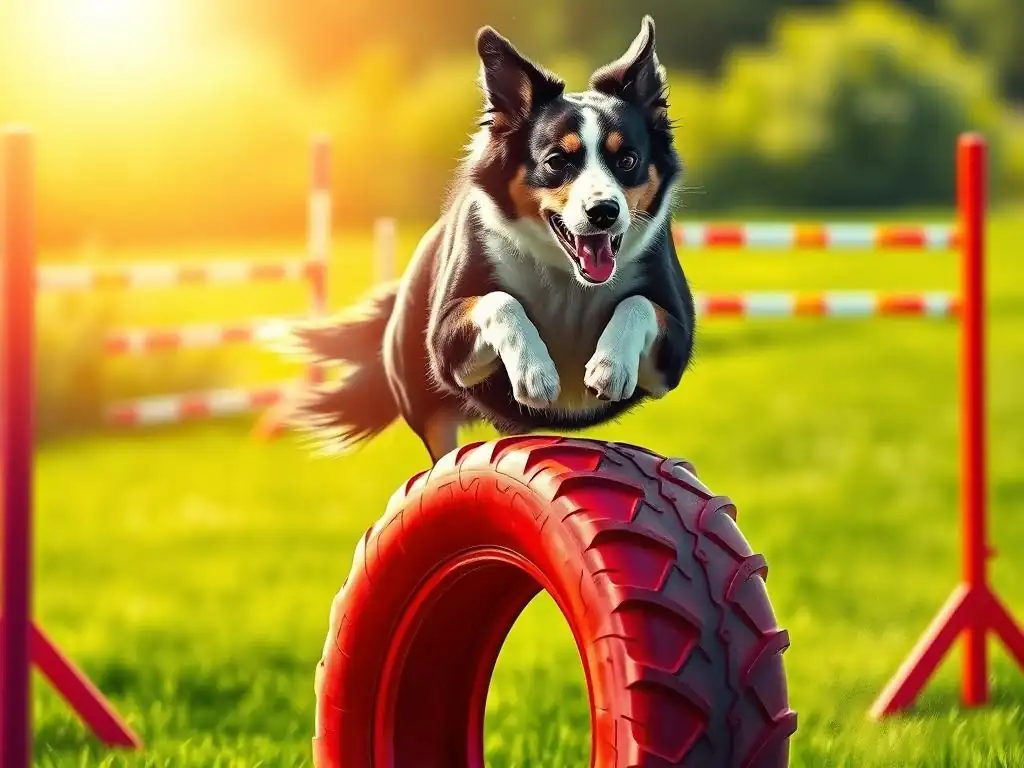
Welcome to PetCareWorld, your ultimate guide to a happier, healthier life for your beloved pets! Are you ready to unlock your dog's athletic potential? Our expert Dog Tire Jump Training Guide will equip you with the knowledge and techniques to master this challenging yet rewarding agility obstacle. Discover the secrets to successful tire jump training and watch your canine companion soar to new heights – read on to begin your journey!
- Understanding the Tire Jump: A Crucial Agility Obstacle for Dogs
-
Step-by-Step Dog Tire Jump Training Guide: From Beginner to Advanced
- Introducing Your Dog to the Tire Jump: Building Confidence and Familiarity
- Teaching the Approach: Guiding Your Dog to the Correct Entry Point
- Mastering the Jump: Refining Technique and Speed
- Adding Distance and Height: Gradual Progression in Tire Jump Training
- Troubleshooting Common Problems in Tire Jump Training
- Positive Reinforcement Techniques for Tire Jump Success
- Advanced Tire Jump Training Techniques for Dog Agility
- Maintaining Your Dog's Interest and Motivation in Tire Jump Training
- Safety Considerations in Dog Tire Jump Training
- Resources and Further Learning: Dog Tire Jump Training
- Frequently Asked Questions
- Final Reflection: The Enduring Power of Play in Canine Agility
- Unlock Your Dog's Inner Olympian: Take the Leap!
Understanding the Tire Jump: A Crucial Agility Obstacle for Dogs
Tire jumps represent a unique and challenging obstacle in dog agility, demanding a combination of speed, coordination, and precise body control from your canine companion. This comprehensive guide will walk you through the process of successfully training your dog to master this tricky yet rewarding agility element. We'll cover everything from assessing your dog's readiness and selecting the appropriate equipment to implementing effective training techniques and troubleshooting common issues.
Mastering the tire jump not only enhances your dog's agility skills but also strengthens the bond between you and your furry friend through collaborative training and positive reinforcement. This guide focuses on providing a practical, step-by-step approach to tire jump training, making it accessible to dog owners of all experience levels.
We'll delve into the importance of tire jumps in agility competitions, the physical and mental benefits for your dog, and the essential steps to ensure a safe and successful training journey. This "Dog tire jump training guide" is designed to empower you with the knowledge and tools to help your dog confidently navigate this exciting obstacle.
Why Tire Jumps Are Important in Dog Agility
Tire jumps are a fantastic addition to any dog agility training program for several key reasons. They challenge dogs in ways that other obstacles don't, demanding more than just speed and jumping ability. Successfully navigating a tire jump requires:
- Precise Footwork: Dogs need to carefully place their paws to maintain balance and momentum while entering and exiting the tire. This improves their coordination and proprioception (awareness of their body in space).
- Body Control: The confined space of the tire demands precise body control and agility. Dogs learn to adjust their posture and movements to fit through the opening, enhancing their overall body awareness.
- Confidence Building: Successfully completing a tire jump significantly boosts a dog's confidence. Overcoming this challenge strengthens their self-assurance and encourages them to tackle more difficult obstacles.
- Mental Stimulation: Tire jump training engages a dog's cognitive abilities, requiring them to learn a specific sequence of movements and actions. This mental stimulation is crucial for a well-rounded training program.
- Improved Stamina: Repeated practice strengthens their leg muscles and improves their cardiovascular fitness, contributing to overall health and well-being.
The inclusion of tire jumps in agility competitions adds an element of excitement and complexity, rewarding both the dog's athleticism and the handler's training prowess. It's a visually appealing obstacle that captivates both spectators and participants, making it a highlight of many agility events.
Assessing Your Dog's Readiness for Tire Jump Training
Before you begin tire jump training, it's crucial to assess your dog's physical and mental readiness. Jumping into this advanced obstacle too soon can lead to frustration, injury, and a negative training experience. Here's a checklist to guide your assessment:
- Age and Breed: Puppies and very young dogs should not be introduced to tire jumps until their bones and joints are fully developed. Certain breeds with pre-existing joint issues might be unsuitable for this type of training. Consult your veterinarian for personalized advice.
- Basic Obedience: Your dog needs a solid foundation in basic obedience commands such as "sit," "stay," "come," and "leave it." This ensures they respond reliably during training sessions.
- Jumping Proficiency: Your dog should be comfortable and confident jumping over standard hurdles of appropriate height. They should demonstrate consistent form and landing technique.
- Physical Fitness: Ensure your dog is physically fit and healthy enough to handle the demands of tire jump training. Regular exercise and a balanced diet are essential.
- Temperament: A confident and enthusiastic dog will be more receptive to tire jump training. Dogs with anxiety or fear might require a more gradual and patient approach.
If your dog doesn't meet these criteria, focus on building a solid foundation in basic obedience and jumping before introducing the tire jump. Patience and a positive training approach are key to success.
Choosing the Right Tire Jump for Your Dog's Size and Breed
Selecting the appropriate tire jump is critical for your dog's safety and success. The size of the tire should be proportional to your dog's size and breed. Using an incorrectly sized tire can lead to injury or discourage your dog from attempting the obstacle. Consider the following factors:
- Tire Diameter: The diameter of the tire should allow your dog to comfortably pass through without forcing them to squeeze or contort their body. Larger breeds will naturally require larger tires.
- Tire Material: Choose a durable and safe material that can withstand regular use. Avoid tires with sharp edges or protruding parts that could injure your dog.
- Stability: The tire jump should be stable and secure, preventing it from tipping over during use. A sturdy base is essential to ensure your dog's safety.
- Adjustability: Some tire jumps offer adjustable features, allowing you to alter the height and size to accommodate your dog's growth and development. This is particularly beneficial for puppies or young dogs.
- Accessibility: Consider the ease of setup and storage. A lightweight and easily portable tire jump can make training more convenient.
Remember, safety is paramount. Always supervise your dog during tire jump training and ensure the equipment is in good condition before each session. Prioritize your dog's well-being and choose a tire jump that meets their specific needs.
Step-by-Step Dog Tire Jump Training Guide: From Beginner to Advanced
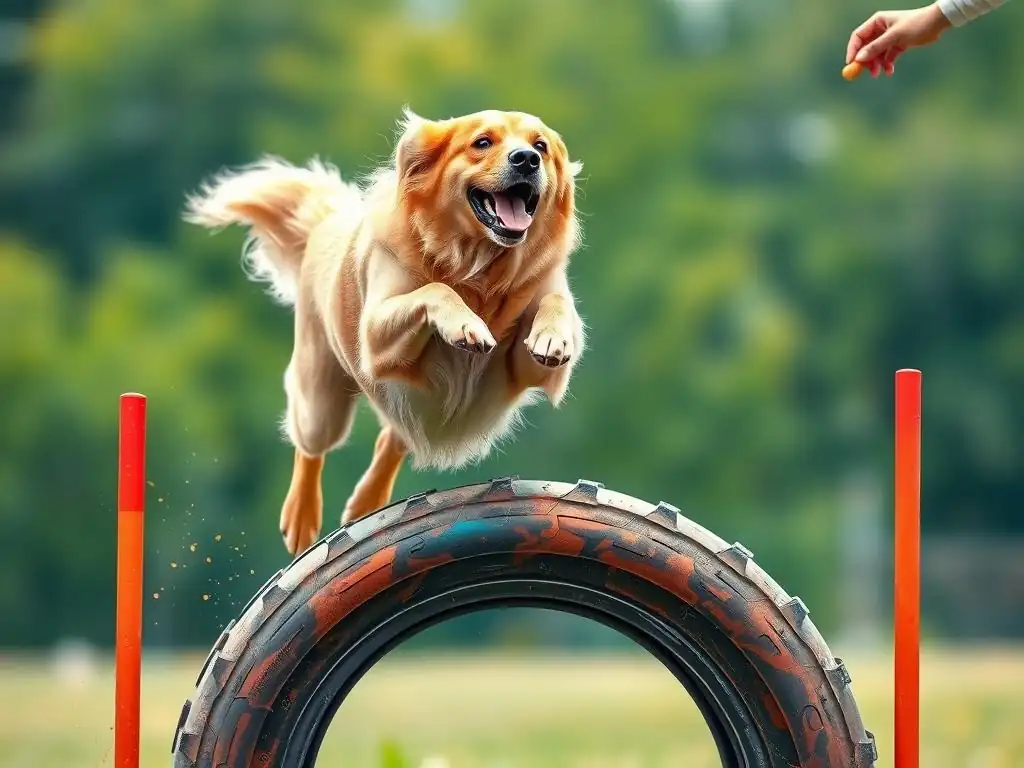
This section provides a comprehensive guide to dog tire jump training, progressing from initial introductions to mastering the technique. We'll cover building confidence, perfecting the approach, and ultimately refining speed and accuracy. Remember, patience and positive reinforcement are key throughout this process. This detailed dog tire jump training guide will help you and your canine companion achieve agility success.
Introducing Your Dog to the Tire Jump: Building Confidence and Familiarity
Before attempting any jumps, desensitization is crucial. Start by simply having your dog sniff and explore the tire. Use high-value treats and praise liberally. Let them investigate at their own pace; forcing interaction will likely result in fear and resistance. Gradually increase the duration of their interaction with the tire.
Next, introduce your dog to the tire's height. Begin with the tire laid flat on the ground. Reward your dog for approaching and interacting with it. Once comfortable, gradually raise the tire a few inches at a time, always rewarding calm behavior and successful interactions. This slow, incremental approach builds confidence and eliminates anxiety. Remember to use a variety of positive reinforcement techniques, including verbal praise, petting, and high-value treats.
It's vital to monitor your dog's body language carefully. Signs of stress or discomfort, such as tucked tail, flattened ears, or yawning, indicate you need to slow down the process and go back to a lower height or a less demanding interaction. Prioritize your dog's comfort and well-being above all else. This careful introduction sets the foundation for successful dog tire jump training.
Teaching the Approach: Guiding Your Dog to the Correct Entry Point
Once your dog is comfortable around the tire, it's time to teach them the correct approach. Start with the tire at a low height, ideally just a few inches off the ground. Use a lure – a treat or toy – to guide your dog towards the center of the tire's opening. The goal is to encourage a straight, confident approach, avoiding hesitation or sideways movement.
We recommend using a clear verbal cue, such as "Jump!" or "Over! ", consistently paired with your lure. This creates an association between the cue and the desired behavior. As your dog successfully navigates the approach and clears the tire, lavish them with praise and rewards. Gradually increase the distance from your starting point to the tire, ensuring your dog maintains a straight and confident approach. Avoid using harsh corrections or punishment; focus solely on positive reinforcement.
If your dog hesitates or takes a wrong approach, gently guide them back to the correct starting position and try again. Patience and consistency are key to teaching this crucial aspect of tire jumping. Remember to adjust the height of the tire based on your dog's progress and confidence levels. The gradual increase in difficulty ensures a positive learning experience for your dog.
Mastering the Jump: Refining Technique and Speed
With a solid approach established, focus on refining your dog's technique and increasing speed. Gradually increase the tire's height in small increments, always rewarding successful jumps. Observe your dog's jumping style; some dogs naturally have a more powerful jump than others.
Pay attention to their body positioning during the jump. They should maintain a balanced posture, avoiding awkward landings or excessive strain. If you notice any inconsistencies, adjust your training accordingly. You might need to reinforce the approach, focusing on a straighter line or a more powerful initial push. Consider using different types of positive reinforcement to keep your dog engaged and motivated, such as varying the types of treats or incorporating interactive games.
As your dog's confidence and skill increase, you can introduce distractions to help them perform under pressure. This could involve introducing other dogs, people, or noisy environments. Always ensure a safe and controlled training environment. Consistent training sessions, combined with positive reinforcement and patience, will help your dog master the tire jump and become a confident agility competitor. Remember to celebrate every milestone achieved, making the training process fun and rewarding for both of you. 🐶
Adding Distance and Height: Gradual Progression in Tire Jump Training
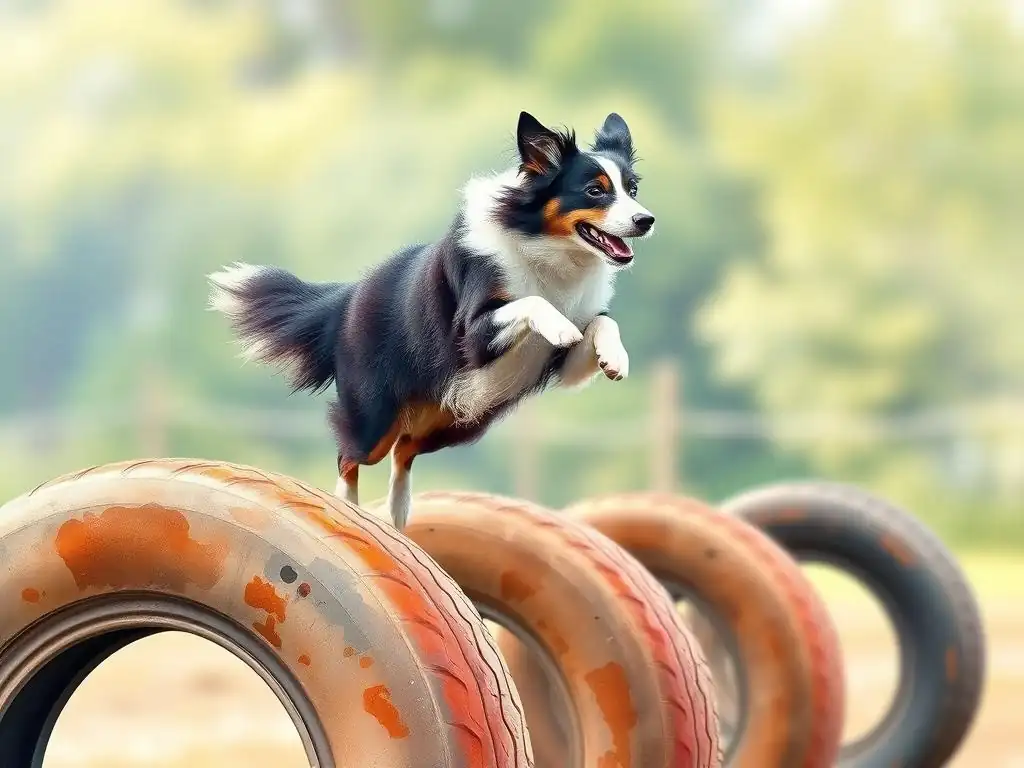
Once your dog has mastered the basic tire jump technique at a low height and short distance, it's time to gradually increase the challenge. This gradual progression is crucial to prevent frustration and injury. Start by increasing the distance between the approach and the tire by just a few inches at a time. Observe your dog's performance closely; if they hesitate or struggle, revert to the previous distance and try again later. Don't rush this process. Consistency and patience are key to successful tire jump training.
After your dog consistently clears the shorter distance, you can begin to increase the height of the tire. Again, this should be done incrementally. A small increase of an inch or two is sufficient. You might notice your dog adjusting their jumping technique as the height increases. This is normal. They'll need to learn to generate more power and adjust their body position to clear the higher obstacle.
Always prioritize your dog's comfort and safety. If they seem hesitant or uncomfortable at a particular height, reduce it slightly and continue working on their confidence at that level before attempting to increase the height again. Remember to always praise and reward even small improvements. Celebrate their successes! A well-trained dog is a happy dog, and a happy dog is a successful dog!
Troubleshooting Common Problems in Tire Jump Training
Even with careful planning and positive reinforcement, you might encounter some challenges during your dog's tire jump training. One common problem is the dog refusing to approach the tire. This could stem from fear, lack of confidence, or a previous negative experience. In such cases, desensitization is crucial. Start by simply having your dog approach the tire without jumping. Reward them for even getting close. Gradually increase the proximity until they're comfortable standing right next to it. Then, introduce the jump again with low height and short distance.
Another common issue is dogs running under or around the tire instead of jumping over it. This often indicates a lack of understanding of the desired behavior. Ensure you're using clear and consistent cues, and break down the jump into smaller, manageable steps. You might need to reinforce the "jump" cue with hand signals or lure them over the tire with a treat to guide them through the correct movement.
Furthermore, ensure the tire is securely placed and stable to avoid any accidents that could negatively impact your dog's confidence. Always keep training sessions positive and fun to maintain their enthusiasm for learning. Remember, persistence and patience are essential.
A third common problem is your dog landing awkwardly or seeming unbalanced after the jump. This often suggests that the dog needs more practice with their jumping technique, potentially requiring adjustments to the approach distance or tire height. You might also need to work on strengthening their core muscles. Incorporate exercises like walking on a balance beam or other agility exercises to improve their balance and coordination. Remember, safety is paramount, so always prioritize a gradual and controlled progression in training.
Positive Reinforcement Techniques for Tire Jump Success
Positive reinforcement is the cornerstone of successful dog agility training, including tire jump training. This method focuses on rewarding desired behaviors rather than punishing unwanted ones. The most effective rewards are those highly valued by your individual dog. This could be high-value treats, enthusiastic praise, or even favorite toys. Timing is crucial; reward your dog immediately after they successfully complete the jump. This creates a positive association between the action and the reward, reinforcing the desired behavior.
Using a clicker can significantly enhance the effectiveness of positive reinforcement. The clicker provides a precise marker that signals the exact moment the dog performed the desired behavior. This clear signal, followed immediately by a reward, strengthens the learning process. Consistency is key. Always use the same cues and rewards consistently throughout the training sessions. Avoid inconsistent commands or rewards as this can confuse your dog and hinder their progress.
Furthermore, consider incorporating a variety of rewards to keep your dog engaged and motivated. Mix high-value treats with praise and playtime. Vary the training environment to help your dog generalize the learned behavior to different settings. Remember to keep training sessions short, fun, and positive. A happy, motivated dog is a successful learner, and a successful learner will master the tire jump with ease! Always end on a positive note, even if the training session didn't go perfectly as planned.
Advanced Tire Jump Training Techniques for Dog Agility
This section delves into advanced techniques for mastering the tire jump, a challenging yet rewarding agility obstacle for dogs. We'll move beyond the basics, assuming your dog already understands the fundamental concept of navigating the tire. This guide focuses on refining technique, improving speed, and enhancing communication between you and your canine athlete. Remember, patience and positive reinforcement are key throughout this advanced training.
Incorporating Tire Jumps into Agility Courses
Successfully incorporating tire jumps into a complete agility course requires strategic planning and careful consideration of your dog's abilities. Don't just randomly place the tire; think about the flow and rhythm of the course. For example, placing a tire jump immediately after a challenging obstacle like a teeter-totter might be too demanding, potentially leading to frustration and decreased performance. Instead, consider placing it after a simpler obstacle, allowing your dog to build momentum and confidence.
Here's a sample course sequence incorporating a tire jump:
- Start with a tunnel. This allows your dog to build speed and momentum.
- Follow with a weave poles section. This encourages precision and control.
- Then, introduce the tire jump. The dog should enter the tire with speed and agility.
- Finally, end with a simple jump to allow for a controlled finish.
Consider varying the placement of the tire within the course. Sometimes, place it as a transition between obstacles. Other times, make it the focal point of a challenging sequence. This variety helps prevent boredom and keeps training engaging for both you and your dog. Remember to always prioritize your dog's safety and well-being. If they seem hesitant or stressed, adjust the course accordingly. Analyzing video recordings of your dog's performance can be invaluable in identifying areas for improvement and refining your course design.
Increasing Speed and Efficiency: Advanced Tire Jump Drills
Improving speed and efficiency on the tire jump isn't just about running faster; it's about optimizing your dog's technique. Several drills can help achieve this.
- Close-Distance Jumps: Start with the tire very close to the entry point. Gradually increase the distance as your dog masters the jump. This helps build confidence and quick reflexes. Start with distances of only a few feet and incrementally add more distance.
- Multiple Tire Jumps: Create a sequence of two or three tire jumps in a row. This drill helps your dog maintain momentum and rhythm throughout the course. Focus on smooth transitions between each tire.
- Tire Jump Variations: Introduce variations in the tire's placement and angle. This helps your dog adapt to different situations and develop a more versatile jumping technique.
- Rewarding Speed: Don't just reward successful completion; reward speed and efficiency. If your dog completes the jump quickly and cleanly, provide enthusiastic praise and a high-value reward immediately.
Remember to monitor your dog for signs of fatigue or stress. Always prioritize their well-being over speed. Regular breaks and plenty of water are essential, especially during intense training sessions. The goal is to build speed gradually, ensuring your dog maintains correct form and avoids injury. Consistent and patient training are key to achieving optimal performance.
Hand Signals and Verbal Cues for Tire Jump Training
Effective communication is crucial for successful tire jump training. While your dog might initially rely on visual cues (the tire itself), refining hand signals and verbal cues enhances precision and control, especially at higher speeds.
- Hand Signals: A clear hand signal, such as pointing towards the tire, can guide your dog's approach and entry. Consistency is key; always use the same signal.
- Verbal Cues: Combine hand signals with concise verbal cues, such as "tire" or "jump." Keep the cues short and easily understood.
- Combining Cues: Practice combining hand signals and verbal cues to create a clear and consistent communication system. The goal is seamless communication between you and your dog.
- Positive Reinforcement: Always reward your dog with enthusiastic praise and treats for correct responses, reinforcing the association between the cues and the desired behavior.
Remember to start with simple cues and gradually introduce more complex combinations as your dog progresses. Adjust your communication style based on your dog's learning pace and individual preferences. Some dogs respond better to visual cues, while others might thrive with verbal instructions. Observe your dog's reactions and adapt your approach accordingly. Consistent training and clear communication are the cornerstones of successful tire jump training. The process should be fun and rewarding for both of you!
Dealing with Fear and Hesitation: Overcoming Challenges in Tire Jump Training
Fear and hesitation are common hurdles in dog agility training, especially with the tire jump. A dog might be hesitant due to the unusual shape of the tire, the height, or a previous negative experience. Understanding the root cause is crucial to addressing the issue effectively.
Some dogs are naturally cautious, while others might have developed a fear due to a forceful or poorly managed training approach. For example, a dog that was pushed too hard early on, or one that experienced a fall or injury near a tire, may develop a lasting aversion. Patience and positive reinforcement are paramount in these situations.
Addressing fear requires a gradual desensitization process. Start by simply introducing your dog to the tire, letting them sniff and explore it at their own pace. Reward calm behavior with treats and praise. Gradually increase the proximity to the tire, rewarding any positive interaction.
Never force your dog to jump or approach the tire if they show signs of fear; this will only worsen the problem. Instead, focus on building their confidence through positive associations. This might involve placing treats inside the tire, encouraging them to enter it for a reward. Remember, the goal is to make the tire a safe and enjoyable place for your dog.
If your dog displays significant fear or anxiety, consider consulting a certified professional dog trainer or veterinary behaviorist. They can assess your dog's specific needs and develop a tailored desensitization plan. They might suggest using counter-conditioning techniques, where you pair the tire with positive experiences, such as playing games or offering high-value treats. They may also recommend desensitization and counter-conditioning exercises to gradually reduce the dog's fear response.
Professional guidance can be invaluable in overcoming severe cases of fear and ensuring your dog's safety and well-being throughout the training process. Remember, a fearful dog is unlikely to perform well, and forcing them will only damage the bond between you and your canine companion. A slow, patient approach, focused on building trust and confidence, is always the most effective method.
Maintaining Your Dog's Interest and Motivation in Tire Jump Training
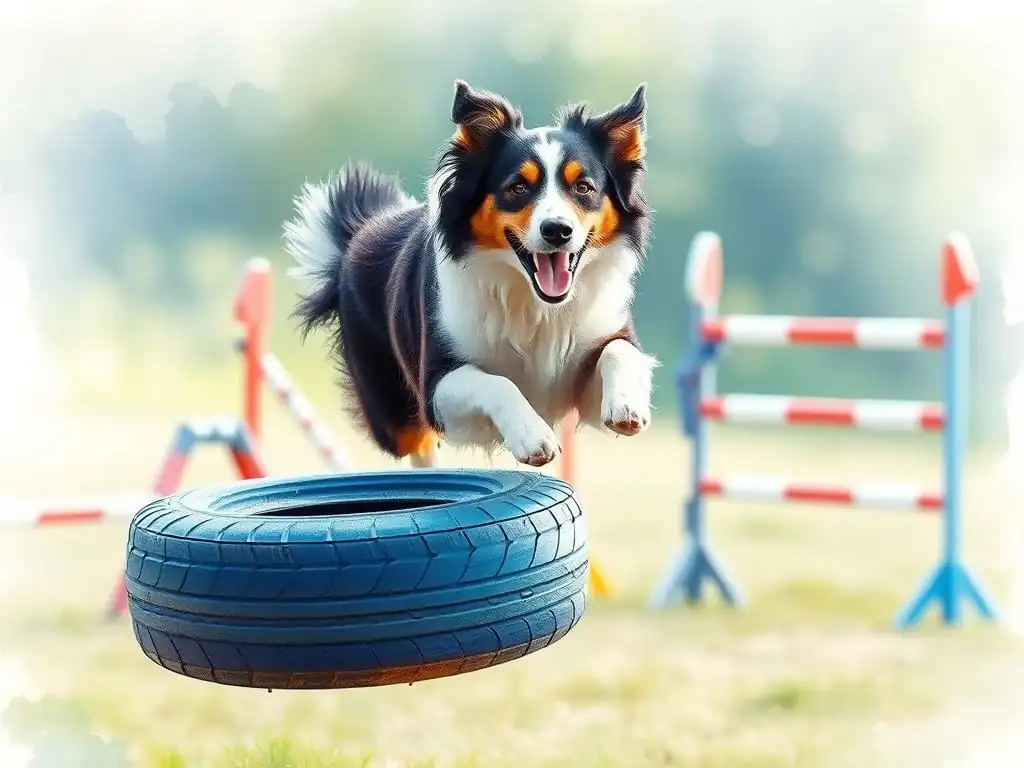
Maintaining your canine companion's enthusiasm throughout tire jump training is crucial for success. A bored or frustrated dog will likely refuse to cooperate, hindering progress and potentially creating negative associations with the training process. Therefore, keeping your dog engaged and motivated requires a multifaceted approach. This section delves into practical strategies to ensure your dog remains excited and eager to learn.
Varying Training Methods and Exercises to Avoid Boredom
Monotony is the enemy of successful dog training. Repeating the same exercises day after day will quickly lead to boredom and decreased engagement. To combat this, incorporate variety into your training sessions. This could involve alternating between different tire jump heights, changing the approach angle to the tire, or introducing variations in the surrounding environment. For instance, one day you might practice jumping from a short distance, focusing on speed and accuracy.
The next, you could focus on a longer approach, emphasizing a smooth, controlled run-up. You can also incorporate other agility elements, such as tunnels or weave poles, into your training sessions to provide a more holistic and engaging experience. Remember to always end the training session on a positive note, even if your dog hasn't mastered a particular skill. 🎉
A structured approach is key:
| Day | Focus | Variation | Reward System |
|---|---|---|---|
| 1 | Approach and Jump | Varying distances to the tire jump | High-value treats |
| 2 | Height Variation | Increasing/decreasing tire jump height | Praise and toys |
| 3 | Speed and Accuracy | Focusing on quick, clean jumps | Clicker training |
| 4 | Combining with Tunnels | Integrating tunnel runs before the tire jump | Food and petting |
| 5 | Rest and Play | Off-leash playtime and relaxation | N/A |
Remember to adjust the training plan based on your dog's breed, age, physical condition, and individual learning style. Observe your dog closely for signs of fatigue or frustration. If your dog seems disinterested or stressed, take a break and try again later.
Reward System Strategies for Consistent Progress in Tire Jump Training
A well-designed reward system is paramount to maintaining your dog's motivation during tire jump training. It's not just about providing treats; it's about creating positive associations with the tire jump and reinforcing desired behaviors. A combination of reward types works best.
High-value rewards, such as small pieces of cooked chicken or cheese, should be reserved for successful jumps. Praise and petting should be used liberally throughout the session to maintain a positive atmosphere. Consider using a clicker to mark the exact moment of a successful jump, immediately followed by a reward. This precise timing helps your dog understand exactly what behavior is being rewarded.
Consider implementing a variable ratio reinforcement schedule. This means rewarding your dog intermittently, rather than after every successful jump. This keeps your dog engaged and anticipating the reward, preventing them from becoming complacent.
Remember to adjust the type and frequency of rewards based on your dog’s response. Some dogs are highly motivated by food, while others prefer praise and playtime. Experiment to find what works best for your individual canine companion. Keep in mind that consistency is key; a reliable reward system will significantly improve your success in tire jump training.
Maintaining Physical Fitness for Tire Jump Success
Tire jumping, while exciting, places significant demands on a dog's physical fitness. Ignoring this aspect can lead to injuries and decreased performance. Therefore, ensuring your dog is physically prepared is essential for both safety and success in tire jump training.
A well-rounded fitness plan should include cardiovascular exercise, such as regular walks or runs, and strength training exercises. Strength training doesn't necessarily mean heavy weights; it can involve activities like fetch, tug-of-war (using proper technique to avoid strain), and obstacle courses (excluding the tire jump during this phase).
Before starting tire jump training, ensure your dog is properly warmed up with gentle stretching exercises. Pay close attention to your dog's body language. Any signs of limping, stiffness, or reluctance to jump should be treated immediately. Always consult your veterinarian before starting any new training program, especially if your dog has any pre-existing health conditions.
A healthy, fit dog will be better equipped to handle the physical demands of tire jump training, leading to a safer, more successful, and enjoyable experience for both of you. Remember to gradually increase the intensity and duration of the training sessions to avoid overexertion. 🐕🦺
Recognizing Signs of Fatigue or Injury During Tire Jump Training
Recognizing the subtle signs of fatigue and injury in your dog during tire jump training is crucial for their safety and well-being. Pushing a tired or injured dog can lead to serious problems, hindering their progress and potentially causing long-term damage. Therefore, attentive observation is paramount. Early detection allows for timely intervention, preventing escalation and ensuring your canine companion enjoys a positive training experience.
One of the most obvious signs of fatigue is a noticeable decrease in your dog's energy levels and enthusiasm. Instead of their usual eagerness to jump, they might hesitate, slow down considerably, or even refuse to attempt the tire jump. Their movements may become sluggish and less precise, with a lack of the usual crispness and fluidity. Observe their body language carefully; drooping ears, a tucked tail, and a generally subdued demeanor can all indicate fatigue. A panting dog is normal after exercise, but excessive panting, particularly if accompanied by other signs of fatigue, should be a warning signal.
Injuries, on the other hand, can manifest in more specific ways. Limping, stiffness, or reluctance to put weight on a particular leg are clear indicators of potential injury. Observe your dog's gait; any unusual swaying, stumbling, or unevenness in their stride could suggest a problem. Swelling, redness, or heat around joints or muscles should also prompt immediate concern.
Vocalizations such as whimpering or yelping, even after a seemingly minor jump, are never to be ignored. These could signal pain or discomfort, possibly stemming from a strain, sprain, or more serious injury. Even subtle changes in your dog's behavior, such as increased irritability or changes in appetite, warrant attention.
Remember, a dog's well-being should always be prioritized over training progress. If you notice any of these signs, immediately cease the training session. Allow your dog ample rest and reassess their condition. If you suspect an injury, consult your veterinarian as soon as possible for a proper diagnosis and treatment plan.
Prevention is key; ensuring proper warm-up and cool-down routines, as well as gradually increasing the intensity and duration of training sessions, significantly reduces the risk of both fatigue and injury. Remember, patience and careful observation are essential components of responsible dog tire jump training. A healthy and happy dog is always the ultimate goal.
Safety Considerations in Dog Tire Jump Training
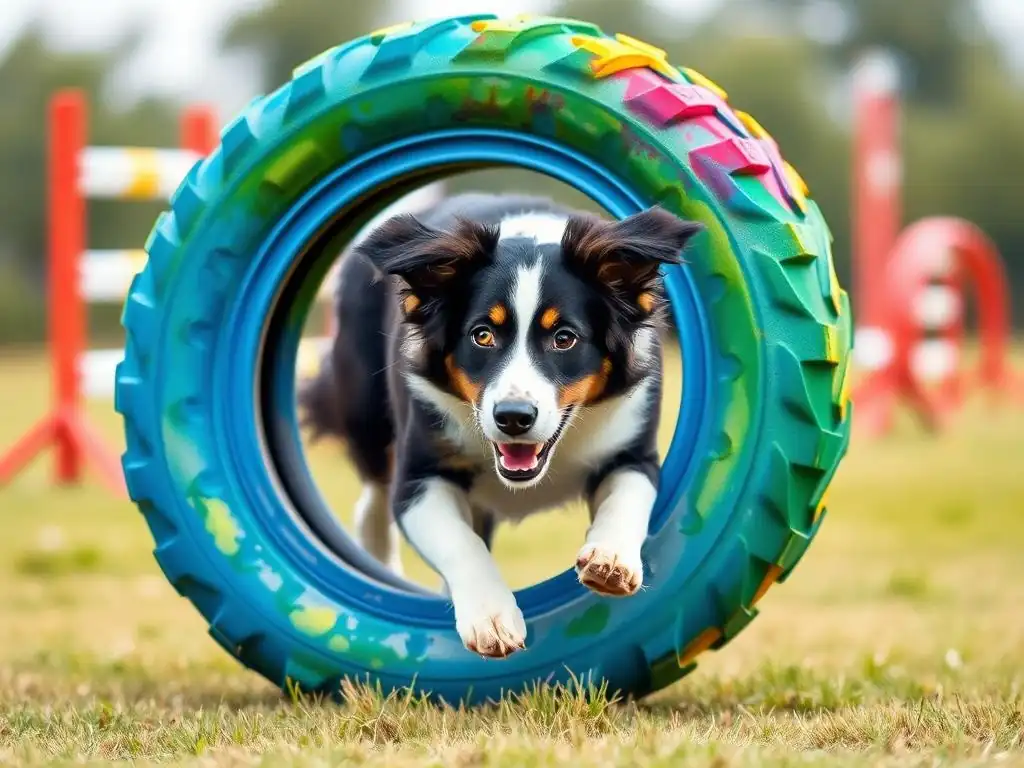
Training your dog to conquer the tire jump is an exciting journey, but safety should always be the top priority. A well-planned approach minimizes risks and ensures a positive experience for both you and your canine companion. This section details crucial safety measures to integrate into your dog tire jump training regimen. Remember, responsible training leads to a happy and healthy dog.
Choosing a Safe Training Environment for Tire Jumps
The location you choose for tire jump training significantly impacts safety. Avoid uneven or slippery surfaces which could lead to slips, falls, and injuries. Opt for a level, soft surface such as grass or a well-maintained, padded agility course. Hard surfaces like concrete or asphalt dramatically increase the risk of injury.
Furthermore, ensure the training area is free from obstacles that could cause trips or collisions, such as rocks, holes, or low-hanging branches. A clear, spacious area allows for safe movement and prevents accidental contact with other objects during jumps. Consider the surrounding environment as well; is it sufficiently enclosed to prevent your dog from running off? A securely fenced area is ideal. Finally, ensure the area is free of distractions like other animals or people to maintain your dog's focus on the training.
Preventing Injuries: Proper Setup and Supervision
Correct tire jump setup is paramount. The tire should be securely positioned and stable, preventing it from tipping or shifting during use. The height of the tire should be appropriate for your dog's size and abilities, starting low and gradually increasing the height as your dog gains confidence and skill. Never force your dog to jump a height they're uncomfortable with.
Constant supervision is non-negotiable. Never leave your dog unattended near the tire jump, especially during the initial stages of training. Be vigilant and ready to intervene if your dog shows signs of hesitation, discomfort, or struggles with the jump. Your presence provides reassurance and a safety net, preventing potential falls or injuries. Consider using a spotter, especially when working with higher jumps or more challenging exercises.
Monitoring Your Dog's Physical Condition During Training
Regularly assessing your dog's physical condition is crucial to prevent overexertion and injury. Before each training session, check for any signs of lameness, stiffness, or discomfort. Observe your dog's behavior during training; signs of fatigue, such as panting excessively or slowing down significantly, indicate a need for a break or the end of the session.
Avoid training on consecutive days, allowing your dog ample time for rest and recovery. Incorporate regular veterinary checkups into your dog's routine, ensuring they are healthy and fit enough for agility training. Remember, a tired or injured dog is more prone to accidents. A sensible training schedule which prioritizes your dog's well-being is essential for long-term success and injury prevention. Pay close attention to your dog's body language – they will often signal when they need a rest. Listen to them and adjust your training accordingly. Remember, a healthy and happy dog is a successful agility dog! 🐕🦺
Resources and Further Learning: Dog Tire Jump Training
This section provides valuable resources to help you continue your dog's tire jump training journey. We'll cover essential equipment, helpful online communities, and the benefits of professional instruction. Remember, patience and positive reinforcement are key to success in dog agility training, and these resources can significantly aid your progress. This guide focuses on enhancing your understanding of dog tire jump training, allowing you to refine your techniques and achieve optimal results with your canine companion.
Recommended Equipment for Dog Tire Jump Training
Investing in high-quality equipment is crucial for both your dog's safety and the effectiveness of your training. Poorly constructed equipment can lead to injuries and discourage your dog from participating. Here's a breakdown of essential items:
- Tire Jumps: Look for tire jumps specifically designed for dog agility. These are typically made from durable materials like reinforced rubber or sturdy plastic. Consider the size of your dog; you'll need a tire jump appropriately sized to avoid injury. Smaller dogs will need smaller tires, while larger breeds will require larger ones. The height adjustability is a significant plus, allowing you to gradually increase the challenge as your dog progresses.
- Agility Poles: While not directly part of the tire jump, agility poles are valuable for teaching your dog the approach and exit paths for the tire jump. They help establish a clear course and improve your dog's focus and coordination. These poles should be lightweight yet sturdy, easily planted in the ground or weighted down for stability.
- Reward System: Positive reinforcement is paramount. Have plenty of high-value treats readily available. A variety of treats keeps your dog engaged. Also, consider a clicker for precise timing and clear communication of desired behaviors. This enhances the learning process and builds a positive association with the tire jump.
- Safety Equipment: While not always necessary for every training session, consider a safety harness or lead for added control, especially during initial training phases. This helps prevent injuries and enables you to guide your dog effectively.
| Equipment Item | Importance | Considerations |
|---|---|---|
| Tire Jumps | Essential – provides the training obstacle. | Size, material durability, height adjustability. |
| Agility Poles | Highly recommended – aids in course navigation. | Lightweight, sturdy, easy to set up and store. |
| High-Value Treats | Crucial – positive reinforcement is key. | Variety, small size for easy consumption during training. |
| Clicker (Optional) | Recommended – for precise marking of good behavior. | Easy to use, good sound quality. |
| Safety Harness/Lead (Optional) | Recommended, especially for beginners. | Secure fit, comfortable for your dog. |
Remember to always prioritize your dog's safety. Regularly inspect your equipment for wear and tear and replace any damaged components immediately.
Online Resources and Dog Agility Communities
The internet offers a wealth of information and support for dog agility enthusiasts. Numerous websites, forums, and social media groups dedicated to dog agility can provide valuable insights, tips, and connect you with other passionate owners. These communities often share training videos, discuss techniques, and offer support to help you overcome challenges.
Searching for terms like "dog agility forums," "dog tire jump training videos," or "dog agility community" can lead you to many helpful resources. Engaging with these online communities can help you learn from experienced trainers and find answers to specific questions you may have about your dog's progress. Remember to always critically evaluate the information you find online and consult with a qualified professional for personalized advice.
Finding a Qualified Dog Agility Instructor
While online resources are helpful, the guidance of a qualified dog agility instructor can significantly accelerate your dog's progress and ensure safe training practices. A professional instructor can assess your dog's abilities, identify any potential issues, and tailor a training plan to suit your dog's individual needs and temperament. Look for instructors with certifications from reputable organizations and experience in teaching dogs to navigate tire jumps. A good instructor will emphasize positive reinforcement methods and prioritize your dog's well-being throughout the training process.
The investment in professional guidance can prove invaluable in achieving your dog agility goals. Consider asking for references and observing a training session before committing to an instructor. The right instructor can make all the difference in your dog's agility journey.
Frequently Asked Questions
What is tire jump training?
Tire jump training is a fun and challenging agility obstacle for dogs. It involves teaching your dog to jump through a tire suspended in the air, improving their coordination and confidence. It's a great way to bond with your pet and provide mental stimulation.
What equipment do I need for tire jump training?
You'll need a tire (the right size for your dog), durable stands to hold the tire, and plenty of high-value treats and positive reinforcement tools. Consider starting with a smaller tire and gradually increasing the size.
How do I start training my dog for tire jumps?
Begin with basic obedience commands like "stay" and "come." Then, introduce the tire on the ground, rewarding your dog for approaching and sniffing it. Gradually raise the tire's height, always rewarding success and making adjustments as needed.
What are some common mistakes to avoid during tire jump training?
Avoid forcing your dog through the tire. Use positive reinforcement only. Also, ensure the tire is securely placed to prevent accidents. Gradually increase the difficulty; patience is key.
Is tire jump training suitable for all dogs?
Tire jump training is generally suitable for most dogs, but it's important to consider your dog's breed, age, and physical condition. Consult your vet if you have concerns. Start slowly and focus on your dog's comfort and enjoyment.
Final Reflection: The Enduring Power of Play in Canine Agility
Mastering the tire jump isn't just about conquering an obstacle; it's about forging a deeper bond with your canine companion and celebrating the joy of shared achievement. The seemingly simple act of guiding your dog through a tire jump reveals a profound connection between training, trust, and the unwavering spirit of a dog eager to please. This skill, once mastered, opens doors to a world of advanced agility challenges and strengthens the human-animal bond in ways that extend far beyond the training field.
The impact of positive reinforcement training methods, as highlighted throughout this guide, resonates far beyond the realm of dog agility. It's a testament to the power of understanding canine communication and building a relationship based on mutual respect and understanding. The best dog trainers are those who can communicate effectively with their dogs and build a strong bond of trust.
This quote encapsulates the true essence of successful dog training, and the tire jump, with its inherent challenges, serves as a perfect microcosm of this principle. It's a journey of patience, persistence, and the undeniable magic that unfolds when human and canine work together in harmony.
Now, consider your own dog. Think about the moments of shared joy, the challenges overcome, and the unwavering loyalty you've witnessed. Take what you've learned here – the importance of positive reinforcement, clear communication, and celebrating small victories – and apply it to all aspects of your relationship with your dog. Embrace the journey, celebrate the progress, and remember that the greatest rewards in dog training are not just the mastered skills, but the strengthened bond and the shared adventures that await you and your furry friend.
Unlock Your Dog's Inner Olympian: Take the Leap!
Thanks for exploring tire jump training with us! We hope you've learned how to help your canine companion conquer this exciting agility challenge. Ready to put your new skills into practice?
- Start with small, manageable goals: Begin by practicing the approach and landing techniques, gradually increasing the tire's height as your dog builds confidence. Celebrate each small success!
- Share your dog's progress: We'd love to see your pup's triumphant tire jumps! Post a picture or video on PetCareWorld’s social media using #TireJumpTriumph.
- Join our online community: Connect with other dog owners who are working on agility training and share tips, tricks, and encouragement.
So, what's the first step your dog will take towards mastering the tire jump today?