
Protect Your Pet's Pearly Whites: A Deep Dive into Dental Health

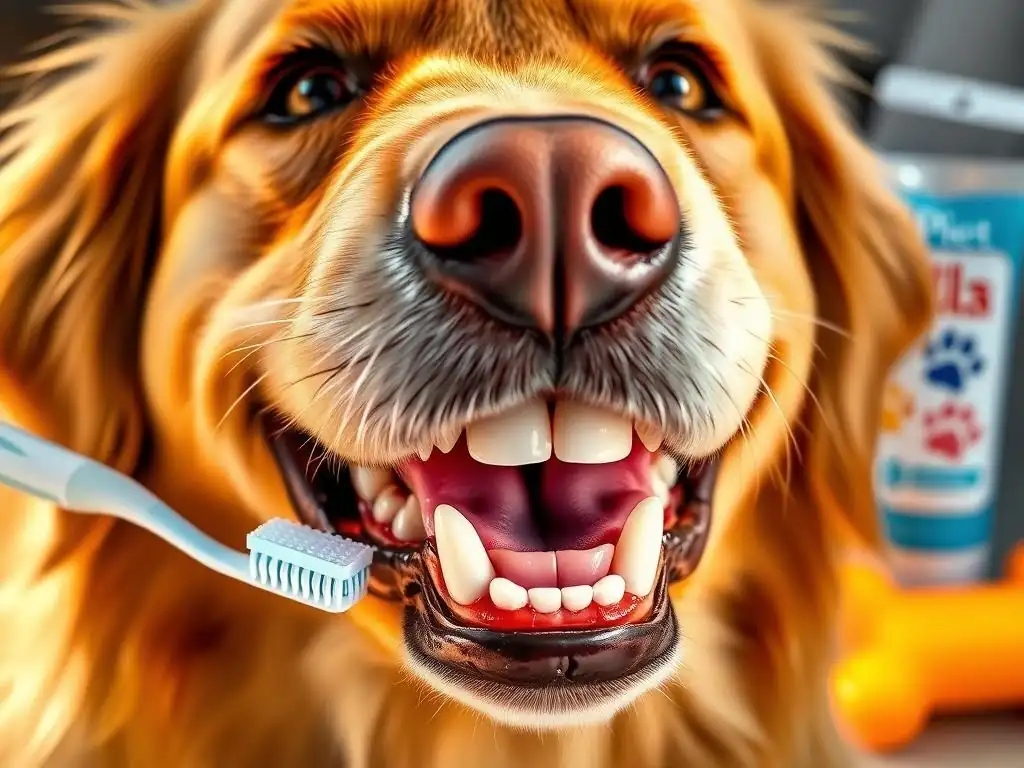
Welcome to PetCareWorld, your ultimate guide to a happier, healthier life for your beloved companion! Are you ready to unlock the secrets to a sparkling smile for your furry friend? Our comprehensive Dog Teeth Cleaning Guide, found within our Pet Health & Nutrition section, reveals everything you need to know about maintaining optimal dental hygiene for your canine companion. Discover essential tips and techniques to prevent costly vet visits and ensure your dog enjoys a long and healthy life. Dive in and learn how to keep those pearly whites shining bright!
- Understanding Canine Dental Disease: A Comprehensive Guide
- Dog Teeth Cleaning Guide: Essential Steps for Home Care
- Professional Dental Care for Dogs: When to Seek Veterinary Assistance
- Nutritional Strategies for Canine Oral Health
- Preventing Dental Problems in Dogs: Proactive Measures
-
Myths and Realities of Dog Dental Care: Debunking Common Misconceptions
- Myth 1: Dry food cleans teeth effectively. Reality 1: Dry food offers some benefit, but brushing remains crucial.
- Myth 2: My dog's bad breath is normal. Reality 2: Halitosis often signals underlying dental issues.
- Myth 3: Only older dogs need dental care. Reality 3: Dental hygiene should begin in puppyhood.
- Frequently Asked Questions
- Final Reflection: A Healthy Smile, A Happy Life
- Unlock Your Pet's Sparkling Smile: Take Action Now!
Understanding Canine Dental Disease: A Comprehensive Guide
Maintaining your canine companion's dental hygiene is crucial for their overall health and well-being. This comprehensive guide delves into the intricacies of canine dental disease, providing pet owners with the knowledge and tools to effectively care for their dog's pearly whites. We'll explore common dental problems, the telltale signs of oral health issues, and the significant impact poor oral hygiene can have on your dog's overall health.
This guide serves as an essential resource for responsible pet owners seeking to prevent and manage dental problems in their beloved furry friends, ultimately extending their lifespan and improving their quality of life. This guide focuses specifically on practical advice and actionable steps you can take to implement a successful dog teeth cleaning guide, ensuring your canine companion enjoys a healthy and happy life. Remember, proactive dental care is an investment in your dog's long-term health and happiness.
Common Dental Problems in Dogs: From Plaque to Periodontal Disease
Dental disease in dogs is incredibly prevalent, affecting a significant portion of the canine population. The most common problems stem from a buildup of plaque and tartar. Plaque, a sticky film of bacteria, constantly forms on teeth. If not removed regularly, it hardens into tartar, a dark, mineralized deposit that clings firmly to the tooth surface. This tartar buildup provides a breeding ground for harmful bacteria, leading to a cascade of oral health issues.
Here's a breakdown of common canine dental problems:
- Gingivitis: This is the initial stage of periodontal disease, characterized by inflammation and redness of the gums. It often presents with bleeding gums upon brushing or chewing.
- Periodontal Disease: As gingivitis progresses, it can lead to periodontal disease, a more serious condition. Bacteria invade the gum tissue, causing damage to the supporting structures of the teeth—the gums, ligaments, and bone. This can result in tooth loss.
- Dental Abscesses: These are pockets of pus that form around the roots of infected teeth. They can be extremely painful and lead to systemic infections if left untreated.
- Fractured Teeth: Dogs can easily fracture their teeth, especially those with a predisposition to chewing on hard objects. Fractured teeth are susceptible to infection.
- Dental Tumors: While less common, oral tumors can occur in dogs. Early detection is crucial for successful treatment.
Understanding these common problems allows for early intervention and prevention, significantly improving your dog's oral health prognosis. Regular brushing and professional dental cleanings are paramount in preventing these issues.
Recognizing the Signs of Dog Dental Issues: Early Detection is Key
Early detection of dental problems is crucial for effective treatment and preventing more severe complications. While regular veterinary check-ups are essential, learning to recognize the signs of dental issues at home can save valuable time and potentially your dog's health. Look out for these warning signs:
- Bad Breath (Halitosis): Persistent bad breath is a significant indicator of underlying dental problems. While some breath odor is normal, a consistently foul odor should raise concerns.
- Red or Swollen Gums: Inflammation of the gums is a clear sign of gingivitis, the first stage of periodontal disease.
- Bleeding Gums: Bleeding gums during chewing or brushing are indicative of gum inflammation and potential periodontal disease.
- Loose Teeth: Loose teeth are a serious sign of advanced periodontal disease and require immediate veterinary attention.
- Difficulty Chewing or Eating: Pain from dental issues can make it difficult for dogs to eat comfortably.
- Pawing at the Mouth: Your dog might paw at their mouth in an attempt to alleviate discomfort.
- Excessive Drooling: Unusual drooling can be a sign of oral pain or infection.
- Changes in Behavior: Lethargy, irritability, or other behavioral changes can be associated with dental pain.
Addressing these symptoms promptly can prevent minor issues from escalating into major health concerns. Remember, early intervention is key to maintaining your dog's oral health.
The Impact of Poor Oral Hygiene on Your Dog's Overall Health
Neglecting your dog's dental hygiene has far-reaching consequences that extend beyond the mouth. Bacteria from infected teeth and gums can enter the bloodstream, leading to systemic infections affecting various organs. This can manifest in several ways:
- Kidney Disease: Bacteria from the mouth can damage the kidneys.
- Liver Disease: Similar to kidney disease, liver damage can result from bacterial spread.
- Heart Disease: Bacteria can travel to the heart, causing endocarditis (inflammation of the heart lining).
- Respiratory Infections: Bacteria can spread to the lungs, leading to respiratory infections.
The severity of these systemic effects depends on the extent and duration of the dental disease. Therefore, maintaining good oral hygiene is not merely about preventing bad breath; it's about protecting your dog's overall health and longevity. A proactive approach to dental care is an investment in your dog's well-being and a testament to responsible pet ownership. 🐶
Dog Teeth Cleaning Guide: Essential Steps for Home Care

This section provides a comprehensive guide on how to effectively clean your dog's teeth at home. Regular dental care is crucial for preventing periodontal disease, a common and painful condition affecting many dogs. This guide will equip you with the knowledge and techniques to maintain your canine companion's pearly whites. Remember, even with diligent home care, regular professional veterinary cleanings are still recommended. This guide focuses on the practical aspects of at-home dog teeth cleaning, supplementing professional care, not replacing it.
Brushing Your Dog's Teeth: Techniques and Tools for Success
Brushing your dog's teeth might seem daunting at first, but with patience and the right approach, it can become a routine part of your pet's care. The key is to start early and make the experience positive. For puppies, begin by gently rubbing their gums and teeth with a finger or a soft cloth. Gradually introduce a pet toothbrush and toothpaste.
Several types of dog toothbrushes are available, including finger brushes, small-headed brushes, and even toothbrush-like chew toys. Choose a brush with soft bristles to avoid irritating your dog's gums. Avoid using human toothbrushes, as the bristle firmness and size aren't suitable for canine teeth.
The process itself should be gentle and gradual. Start with short sessions (15-30 seconds) and gradually increase the duration as your dog becomes more comfortable. Lift your dog's lip and gently brush the outer surfaces of the teeth using small, circular motions. Focus on the gum line where plaque builds up most readily. Positive reinforcement with treats and praise is essential throughout the process.
Remember, consistency is key! Aim to brush your dog's teeth at least two to three times a week, ideally daily, for optimal results. Regular brushing significantly reduces the accumulation of plaque and tartar, minimizing the risk of dental disease. 🐕🦺
Choosing the Right Toothpaste for Your Dog: Avoiding Human Products
Using human toothpaste on your dog is extremely dangerous. Human toothpaste contains ingredients, such as xylitol, that are highly toxic to dogs, even in small amounts. Xylitol can cause a rapid drop in blood sugar, leading to liver failure and even death. Therefore, always use toothpaste specifically formulated for dogs.
Dog toothpastes are available in various flavors, such as chicken, beef, or peanut butter, designed to make brushing more palatable for your furry friend. Look for enzymatic toothpastes that help break down plaque and tartar. These toothpastes are often formulated to be palatable even if your dog swallows a small amount. Avoid toothpastes containing artificial sweeteners or harsh abrasives.
When selecting a toothpaste, always check the label carefully to ensure it's specifically designed for dogs and doesn't contain any harmful ingredients. Many pet stores and veterinary clinics carry a wide range of dog toothpastes to suit different preferences and needs. The investment in a suitable dog toothpaste is a small price to pay for your pet's dental health and well-being.
Establishing a Regular Dental Care Routine: Consistency is Crucial
Creating a consistent dental care routine for your dog is paramount to maintaining their oral health. This involves more than just brushing; it's about incorporating various strategies into your pet's daily or weekly schedule. Think of it as a holistic approach to canine dental hygiene.
A regular routine might include:
- Daily brushing: As previously discussed, this is the cornerstone of effective dental care.
- Dental chews: These can help scrape away plaque and massage the gums. Choose chews specifically designed for dental health, and supervise your dog while they are chewing.
- Dental toys: These toys provide similar benefits to dental chews, offering a fun way to promote oral hygiene.
- Regular veterinary checkups: Professional cleanings are essential to remove tartar buildup that home care alone cannot address. Your vet can also identify any underlying dental issues early on.
Creating this routine requires patience and consistency. Start slowly, gradually introducing new elements, and reward your dog for their cooperation. Positive reinforcement is crucial for building a positive association with dental care. Remember, a healthy mouth contributes to your dog's overall health and well-being. The effort you put into establishing and maintaining a consistent dental care routine will significantly benefit your furry friend for years to come. 🐶
Dealing with Dog Dental Anxiety: Tips and Tricks for a Smooth Brushing Experience
Many dogs exhibit anxiety or fear during teeth brushing, making the process challenging for both pet and owner. This anxiety can manifest in various ways, from mild resistance to outright aggression. Understanding the root cause and employing the right techniques is crucial for a successful cleaning routine. Some dogs might associate the toothbrush with negative experiences, while others simply dislike the sensation in their mouths. Patience and positive reinforcement are key to overcoming this hurdle.
One effective strategy is to introduce the toothbrush gradually. Start by letting your dog sniff and investigate the toothbrush without touching their teeth. Reward them with treats and praise for positive interactions. Gradually move towards gently touching their lips and gums with the brush, again rewarding calm behavior. This desensitization process can take several days or even weeks, depending on your dog's temperament and level of anxiety. Remember to always use positive reinforcement; never force the brush into their mouth.
Another helpful tactic is to create a positive association with the brushing process. Pair the toothbrush with something your dog loves, such as their favorite treat or toy. Before you begin brushing, give them a small treat. During the brushing, offer frequent rewards for remaining calm and cooperative. After the cleaning, reward them generously. This conditioning helps them associate the toothbrush with positive experiences, reducing their anxiety.
Consider using different types of toothbrushes designed for dogs. Some dogs are more receptive to finger brushes, which allow for gentler cleaning and more control. Others might prefer softer-bristled brushes that are less abrasive. Experiment to find what your dog tolerates best. The size and shape of the toothbrush also matter; a smaller brush might be more comfortable for smaller breeds.
If your dog's anxiety is severe, consider consulting a veterinarian or a certified professional dog trainer. They can offer guidance on behavior modification techniques and might even recommend pheromone diffusers or calming aids to alleviate stress during brushing. In some cases, sedation might be necessary for particularly anxious dogs to ensure safe and effective dental cleaning. Remember, a relaxed dog is more likely to cooperate during teeth brushing, leading to better dental hygiene and overall health. Prioritizing your dog's comfort is paramount in establishing a successful dental care routine.
Professional Dental Care for Dogs: When to Seek Veterinary Assistance
Professional veterinary care is crucial for maintaining your dog's oral health. While home care is essential, regular veterinary checkups and professional cleanings are indispensable for preventing and addressing more serious dental problems. Ignoring dental issues can lead to significant health complications, impacting your dog's overall well-being. This section details when and why you should seek professional veterinary assistance for your canine companion's dental needs. Understanding the signs of dental disease and the benefits of professional care will empower you to make informed decisions about your dog's health.
Regular Veterinary Checkups: Importance of Professional Dental Examinations
Regular veterinary checkups are not just about vaccinations and parasite prevention; they are a cornerstone of preventative dental care. During these examinations, your veterinarian will conduct a thorough oral assessment, evaluating your dog's teeth, gums, and surrounding tissues. This includes checking for:
- Plaque and Tartar Buildup: Early detection of plaque and tartar is vital, as these are the precursors to periodontal disease. Your vet can assess the severity and recommend appropriate treatment.
- Gingivitis and Periodontal Disease: Inflammation of the gums (gingivitis) and more advanced periodontal disease (affecting the gums, supporting bone, and ligaments) can be identified through visual examination and probing.
- Dental Abnormalities: Congenital defects, fractured teeth, malocclusion (misalignment of teeth), and other abnormalities can be detected and addressed early.
- Oral Tumors: Veterinarians can identify potential oral tumors during routine examinations, allowing for early intervention and improving the prognosis.
The frequency of these checkups depends on your dog's breed, age, and overall health, but generally, annual checkups are recommended. Early detection and intervention are key to preventing minor dental issues from escalating into costly and painful problems. Think of it as an investment in your dog's long-term health and comfort. Regular dental exams are a crucial part of a comprehensive dog teeth cleaning guide.
Professional Teeth Cleaning for Dogs: Procedures and Benefits
Professional teeth cleaning by a veterinarian or veterinary technician goes far beyond what you can achieve at home. It involves a more thorough cleaning process using specialized tools and techniques to remove plaque and tartar that has accumulated below the gum line. The procedure typically includes:
- Anesthesia: To ensure your dog's comfort and safety, professional cleanings are usually performed under general anesthesia. This allows for a complete and thorough cleaning without causing undue stress or discomfort to your pet.
- Ultrasonic Scaling: Ultrasonic scalers are used to effectively remove hardened tartar from the tooth surfaces, both above and below the gum line. This is far more effective than manual cleaning.
- Polishing: After scaling, the teeth are polished to create a smooth surface that is less likely to attract plaque and tartar in the future.
- Fluoride Treatment (optional): A fluoride treatment can help strengthen tooth enamel and further prevent future decay.
- Radiographs (X-rays): In some cases, X-rays may be necessary to evaluate the extent of periodontal disease and identify any hidden problems.
The benefits of professional teeth cleaning are numerous: It helps prevent periodontal disease, reduces bad breath, improves your dog's overall health, and can extend their lifespan. It's a significant component of any effective dog teeth cleaning guide.
Advanced Dental Procedures for Dogs: Addressing Severe Dental Issues
In cases of advanced periodontal disease or other significant dental problems, more advanced procedures may be necessary. These can include:
- Tooth Extraction: In situations where a tooth is severely damaged, infected, or causing significant pain, extraction may be the best option. This prevents further infection and discomfort.
- Root Canal Therapy: Similar to human dentistry, root canal therapy can save a severely damaged tooth by removing the infected pulp and sealing the root canal.
- Dental Implants: In some cases, dental implants can be used to replace missing teeth, restoring function and improving aesthetics.
- Oral Surgery: More extensive oral surgery may be necessary to address complex issues such as cysts, tumors, or jaw fractures.
These advanced procedures are typically more involved and expensive than routine cleanings, but they are crucial for addressing severe dental issues and preventing further complications. The decision to pursue these procedures will be made in consultation with your veterinarian based on your dog's individual needs and the severity of their condition. A comprehensive dog teeth cleaning guide should always advise seeking professional veterinary attention when faced with advanced dental problems.
Nutritional Strategies for Canine Oral Health

Maintaining optimal canine oral health isn't solely about brushing; nutrition plays a crucial role. A balanced diet, supplemented with appropriate chews and treats, significantly impacts the health of your dog's teeth and gums. This section delves into the dietary aspects of effective dog teeth cleaning, offering practical strategies to minimize plaque buildup and prevent periodontal disease. Remember, a proactive approach to canine dental care is key to preventing costly and painful veterinary interventions later in life.
Diet's Role in Preventing Dog Dental Problems: Choosing the Right Food
The foundation of good canine dental health is a high-quality, balanced diet. Commercial dog foods specifically formulated for dental health often contain ingredients designed to reduce plaque and tartar buildup. Look for kibble that's larger and harder; the chewing action helps to naturally scrub the teeth. These kibbles are often advertised as "dental" or "oral care" formulas. Avoid foods that are overly soft or processed, as these tend to stick to the teeth and promote bacterial growth.
Choosing the right food involves careful consideration of several factors. For example, the kibble size and texture are paramount. Larger kibble pieces require more chewing, acting like a natural toothbrush. The ingredient list should be scrutinized; high-quality protein sources are essential for overall health, including oral health. Avoid foods with high levels of sugar, which contribute to plaque formation.
Here's a table summarizing key considerations when selecting dog food for dental health:
| Feature | Description | Importance |
|---|---|---|
| Kibble Size | Larger kibble encourages more chewing. | Mechanical cleaning of teeth |
| Kibble Texture | Harder kibble helps to scrape away plaque. | Abrasive action removes surface debris |
| Protein Source | High-quality protein sources are crucial for overall health, including teeth. | Strengthens enamel and supports gum health |
| Added Ingredients | Look for added ingredients that support dental health (e.g., enzymes, fibers). | Active contribution to plaque reduction |
| Sugar Content | Minimize sugar content to prevent bacterial growth. | Reduced risk of plaque and tartar buildup |
Remember to consult your veterinarian for personalized dietary recommendations based on your dog's breed, age, and overall health. They can provide expert advice tailored to your dog's specific needs.
Dental Chews and Treats: Effective Options for Cleaning Teeth
Dental chews and treats offer a supplementary approach to maintaining canine oral hygiene. These products are designed with textures and ingredients that help to scrape away plaque and tartar. However, not all dental chews are created equal. Choose those made with durable materials that will withstand your dog's chewing, and always supervise your dog while they are chewing on these treats to prevent choking hazards.
Several types of dental chews are available, each with its own benefits:
- Rawhide Alternatives: Many safer alternatives to traditional rawhide exist, such as bully sticks or dental chews made from collagen or other natural materials. These options are often more digestible and less likely to cause digestive upset.
- Dental Sticks: These sticks are specifically designed with textures that help to clean teeth. Look for sticks that are firm enough to withstand chewing but not so hard that they could damage teeth.
- Dental Biscuits: These treats are often formulated with ingredients that help to control plaque and tartar buildup. They are a good option for dogs who don't enjoy chewing on hard treats.
Remember to select chews appropriate for your dog's size and chewing habits. Always monitor your dog while they are chewing to prevent choking or ingestion of large pieces. Too-frequent giving of soft treats can negate the benefits of other oral health strategies.
Water's Importance in Maintaining Oral Health
Often overlooked, water plays a vital role in maintaining oral health. Sufficient water intake helps to rinse away food particles and bacteria, reducing the risk of plaque and tartar buildup. Dehydration can lead to dry mouth, creating an environment conducive to bacterial growth. Ensure your dog always has access to fresh, clean water.
Consider providing multiple water bowls, especially for larger dogs or those prone to dehydration. The frequency of water consumption is also important; encouraging frequent drinking throughout the day helps to naturally cleanse the mouth. Monitor your dog's water intake; reduced water consumption could indicate an underlying health problem requiring veterinary attention. A healthy hydration routine is an often-underestimated part of a complete dog teeth cleaning guide.
Preventing Dental Problems in Dogs: Proactive Measures
Preventing dental disease in dogs is crucial for their overall health and well-being. A proactive approach, starting from puppyhood and continuing throughout their lives, significantly reduces the risk of costly and painful dental issues later on. This involves a multi-pronged strategy encompassing regular brushing, diet, and veterinary check-ups. Ignoring canine dental hygiene can lead to periodontal disease, which can affect the heart, kidneys, and liver. Early intervention is key to maintaining your dog's pearly whites and ensuring a long, healthy life.
Puppy Dental Care: Establishing Good Habits Early On
Introducing dental care routines early in a puppy's life is paramount. Just like with human children, getting them accustomed to having their mouths touched and cleaned from a young age makes the process much easier later on. Start by gently rubbing their gums and teeth with a finger or a soft cloth, gradually introducing a pet-specific toothbrush and toothpaste designed for puppies (avoid human toothpaste, as it's toxic to dogs).
Make the experience positive by associating it with treats and praise. Consistency is key; aim for daily brushing, even if it's just for a short period. Consider introducing dental chews specifically designed to help remove plaque and tartar from young teeth.
These chews often contain enzymes or abrasive textures that aid in cleaning. Regular veterinary check-ups from an early age allow for early detection of any potential dental problems. Remember, establishing good dental hygiene habits in your puppy sets the stage for a lifetime of healthy teeth.
As dogs age, their teeth become more susceptible to periodontal disease and other dental problems. Senior dogs often experience gum recession, tooth loss, and increased plaque and tartar buildup. Their immune system may also be weaker, making them more vulnerable to infections. Therefore, senior dog dental care requires a more focused and attentive approach.
Daily brushing remains crucial, but you might need to adapt your technique to accommodate any sensitivity or discomfort your dog may experience. Consider using a softer toothbrush or finger brush. Regular veterinary check-ups are even more important for senior dogs, as early intervention can prevent more serious complications. Your vet may recommend professional dental cleaning under anesthesia to address existing tartar buildup and assess the overall health of your dog's teeth and gums.
Providing senior dogs with softer food options can also help minimize further dental damage. Monitoring their eating habits and looking for signs of discomfort during chewing is also essential. A holistic approach that combines regular brushing, appropriate diet, and veterinary care is essential for maintaining the oral health of your aging canine companion.
Breed-Specific Considerations for Dog Dental Health: Addressing Predispositions
Certain dog breeds are predisposed to specific dental problems. Brachycephalic breeds (dogs with short noses, such as Bulldogs and Pugs), for example, often have crowded teeth, making them more prone to plaque and tartar buildup. Smaller breeds might have smaller mouths, making thorough brushing more challenging. Larger breeds, on the other hand, may have more significant tartar buildup due to their larger teeth.
Understanding your dog's breed-specific predispositions allows you to tailor your dental care routine accordingly. For example, brachycephalic breeds might benefit from more frequent professional cleanings, while small breeds might require specialized toothbrushes or finger brushes. Regular veterinary check-ups are critical for all breeds, but especially for those with known dental predispositions.
Your veterinarian can provide personalized advice based on your dog's breed, age, and overall health. Early detection and proactive care are crucial in minimizing the risk of serious dental complications in dogs of all breeds. Remember to discuss any breed-specific concerns with your veterinarian to develop a comprehensive dental care plan.
Myths and Realities of Dog Dental Care: Debunking Common Misconceptions
This section tackles prevalent misconceptions surrounding canine dental hygiene, offering a realistic perspective on effective tooth cleaning practices for your furry friend. Understanding these myths and their realities is crucial for maintaining optimal oral health in your dog, preventing costly veterinary interventions down the line, and ensuring a longer, happier life for your beloved companion. This guide focuses specifically on practical steps for dog teeth cleaning and dispels common misunderstandings.
Myth 1: Dry food cleans teeth effectively. Reality 1: Dry food offers some benefit, but brushing remains crucial.
Many pet owners believe that feeding their dogs dry kibble is sufficient for maintaining clean teeth. While dry food does offer some abrasive action that can help to dislodge some plaque, it's far from a complete solution. Think of it as a minor contribution to overall oral hygiene, not a replacement for proper brushing. The texture of kibble, even specifically formulated "dental" kibble, simply isn't abrasive enough to remove the sticky biofilm (plaque) that builds up and eventually hardens into tartar. Tartar, in turn, leads to gingivitis, periodontal disease, and a host of other dental problems.
Studies show that even with regular dry food consumption, significant plaque accumulation still occurs within a matter of days. To effectively combat this, regular brushing – ideally daily – remains essential. This is because brushing physically removes plaque before it hardens into tartar, preventing the development of more serious dental issues. Therefore, while dry food plays a small role in your dog teeth cleaning routine, it should not be considered a primary method of dental care. Consider it a supplementary measure, not a replacement for proper brushing.
Myth 2: My dog's bad breath is normal. Reality 2: Halitosis often signals underlying dental issues.
Many people accept bad breath in dogs as a normal occurrence. However, persistent halitosis (bad breath) is often a strong indicator of underlying dental problems. While some dogs may have naturally stronger breath than others, a consistently foul odor is rarely benign. This unpleasant smell usually stems from the bacteria accumulating in plaque and tartar buildup. These bacteria produce volatile sulfur compounds, responsible for that characteristic "doggy breath."
The severity of the odor often correlates with the extent of the dental disease. A mild, occasional bad breath might be manageable with improved dental hygiene, but a persistent, strong odor warrants a veterinary checkup. Ignoring persistent bad breath can lead to more serious complications, including gum disease, tooth loss, and even systemic infections. Early detection and intervention are vital in mitigating potential health risks.
Myth 3: Only older dogs need dental care. Reality 3: Dental hygiene should begin in puppyhood.
A common misconception is that dental care is only necessary for senior dogs. In reality, establishing good dental hygiene habits from puppyhood is crucial for preventing future problems. Just like in humans, a dog's teeth and gums are susceptible to bacterial buildup from a young age.
Introducing a consistent dental care routine early on will help your dog adjust to the process and minimize the risk of developing dental problems later in life. Starting with gentle finger brushing and gradually transitioning to using pet-specific toothbrushes and toothpaste will pave the way for a lifetime of healthy teeth and gums. Early intervention significantly reduces the likelihood of needing extensive and potentially expensive dental procedures later.
Think of it as preventative care; a small investment of time and effort early on can save significant expense and discomfort for your dog in the long run. Moreover, establishing this routine early helps your dog become accustomed to the process, making it easier to maintain throughout their life. 🐶
Frequently Asked Questions
How often should I brush my dog's teeth?
Ideally, you should brush your dog's teeth daily. However, aiming for at least 2-3 times a week is a good starting point. Consistency is key!
What kind of toothpaste should I use for my dog?
Never use human toothpaste! Use only dog-specific toothpaste, as human toothpaste can be toxic to dogs. Look for enzymatic toothpastes for best results.
My dog has bad breath; what could be the cause?
Bad breath in dogs can indicate dental disease, such as gingivitis or periodontal disease. It can also be a sign of other underlying health issues. Consult your vet.
What are the signs of dental problems in dogs?
Look out for red or swollen gums, loose teeth, excessive drooling, bad breath, and difficulty eating. Addressing these issues early is crucial.
Are there any alternatives to brushing my dog's teeth?
Yes! Dental chews, dental wipes, and professional dental cleanings are all helpful alternatives or supplements to brushing. Discuss options with your vet.
Final Reflection: A Healthy Smile, A Happy Life
The health of our canine companions is intrinsically linked to their overall well-being, and a crucial, often overlooked, aspect of this is dental hygiene. Neglecting your dog's teeth isn't just about bad breath; it can lead to serious health complications, impacting their quality of life and longevity. This is a reality facing millions of pet owners today, highlighting the urgent need for proactive dental care.
The impact of proper dental care extends far beyond the immediate benefit of a cleaner mouth. It's about fostering a stronger bond with our furry friends, ensuring their comfort and happiness for years to come. The simple act of brushing your dog's teeth becomes a moment of connection, a small act of love that speaks volumes. As the saying goes, A dog is the only thing on earth that loves you more than he loves himself.
This love deserves our commitment to their health, including their dental health.
Now, consider the information presented in this guide. Take a moment to reflect on your own dog's dental routine. Is it sufficient? Are you providing the best possible care? Don't wait for problems to arise; be proactive. Start small, perhaps with a simple dental chew, and gradually incorporate more thorough cleaning into your routine. Your dog will thank you for it, not just with a wagging tail, but with a healthier, happier life.
Unlock Your Pet's Sparkling Smile: Take Action Now!
Thank you for learning about the importance of your pet's dental health! We hope this article has provided you with valuable information to keep their teeth healthy. Now it's time to put that knowledge into practice!
- Schedule a dental checkup for your pet today. This is the most crucial step in preventing future problems and ensuring their long-term well-being. Consider it an investment in many happy, healthy years to come!
- Incorporate dental chews or toys into their routine. This simple addition can significantly improve their oral hygiene between professional cleanings.
- Share this article with other pet owners – spread the word about preventative dental care and help other pets live happier, healthier lives!
Ready to give your pet the gift of a lifetime of healthy smiles? What will you do today to prioritize your pet's dental health?