
Top 10 MustHave Bird Toys to Banish Boredom

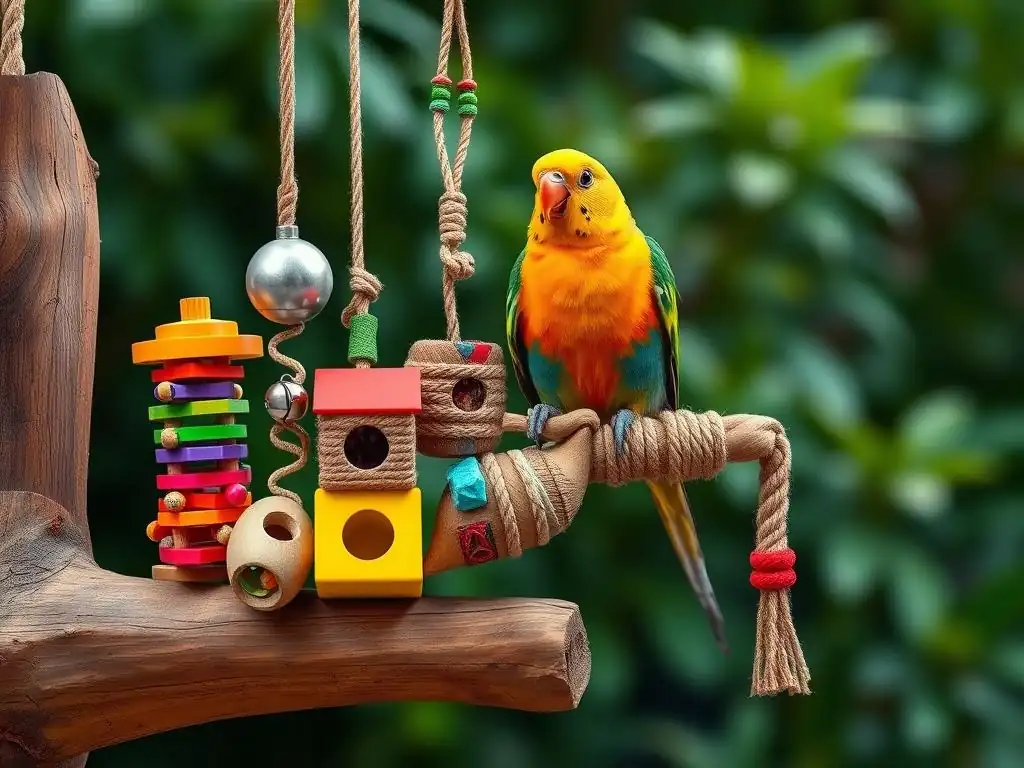
Welcome to PetCareWorld, your ultimate guide to a happier, healthier life for your beloved animal companions! Are you ready to unlock the secret to keeping your feathered friend entertained and engaged? Discover our Top 10 MustHave Bird Toys to Banish Boredom, and learn how to prevent the devastating effects of boredom in your pet bird. Dive in and explore our expert recommendations – your bird's happiness awaits!
- Understanding Bird Boredom: Why Enrichment is Crucial for Your Feathered Friend
- Top 10 Best Bird Toys to Prevent Boredom in 2024
- Choosing the Right Bird Toys: Factors to Consider
- Maintaining Your Bird's Toys: Cleaning and Replacement
- Frequently Asked Questions About Bird Toys
- Frequently Asked Questions
- Final Reflection: Unlocking Joy: The Enduring Power of Play for Our Feathered Friends
- Unleash Your Bird's Inner Playful Genius!
Understanding Bird Boredom: Why Enrichment is Crucial for Your Feathered Friend
Bird boredom is a serious issue often overlooked by pet owners. Unlike a dog that can be easily entertained with a walk or a cat that can chase a laser pointer, birds require a more nuanced approach to prevent boredom and ensure their well-being. A bored bird is not just a sad bird; it's a bird at risk of developing behavioral problems, health issues, and a significantly reduced lifespan.
This article explores the crucial role of environmental enrichment in combating boredom and ensuring your feathered friend thrives. We'll examine the signs of boredom, discuss the importance of mental stimulation, and present a holistic approach to enrichment, culminating in our top 10 recommendations for toys that will keep your bird engaged and happy. Choosing the best bird toys to prevent boredom is an investment in your bird's physical and mental health, ensuring a longer, healthier, and happier life together.
Recognizing Signs of Boredom in Birds
Recognizing the signs of boredom in your bird is the first step towards preventing it. While subtle, these signs can significantly impact your bird's overall health and happiness. Look out for these key indicators:
- Feather plucking: Excessive preening or feather plucking can be a clear sign of stress and boredom.
- Lethargy and inactivity: A bird that spends most of its time perched, inactive, and showing little interest in its surroundings is likely bored.
- Aggressive behavior: Boredom can manifest as increased aggression towards you or other birds.
- Self-mutilation: In extreme cases, birds may resort to self-mutilation as a coping mechanism for boredom and stress.
- Repetitive behaviors: This includes repetitive movements like swaying, rocking, or pacing.
- Decreased appetite: A lack of interest in food can also indicate underlying boredom and stress.
- Vocalizations: Excessive screaming or other unusual vocalizations can be a sign of distress.
It's important to note that some of these behaviors can also indicate underlying health problems. If you notice any of these signs, consult an avian veterinarian to rule out any medical issues. Early intervention is key to preventing more serious problems.
The Importance of Mental Stimulation for Bird Health and Happiness
Mental stimulation is just as crucial as physical activity for your bird's overall well-being. A stimulating environment helps prevent boredom and promotes a happier, healthier bird. The benefits of mental enrichment are numerous:
- Reduced stress and anxiety: Engaging toys and activities provide mental stimulation, reducing stress and anxiety levels.
- Improved cognitive function: Mental stimulation keeps your bird's mind sharp and improves cognitive function.
- Enhanced physical health: A mentally stimulated bird is more likely to be physically active, contributing to better overall health.
- Stronger bond with owner: Interactive toys and playtime strengthen the bond between you and your bird.
- Prevents destructive behaviors: A bored bird is more likely to engage in destructive behaviors, such as chewing on furniture or cages. Enrichment provides an outlet for natural behaviors.
Providing a variety of toys and activities tailored to your bird's species and personality is vital for maintaining optimal mental and physical health. Remember that what works for one bird might not work for another. Observation and experimentation are key to finding the perfect enrichment strategy.
Preventing Boredom: A Holistic Approach to Bird Enrichment
Preventing boredom requires a holistic approach that encompasses various aspects of your bird's environment and daily routine. It's not just about providing toys; it's about creating a stimulating and engaging environment. This includes:
- Variety of toys: Rotate toys regularly to keep things interesting. Offer a mix of foraging toys, puzzle toys, and destructive toys.
- Cage design: Ensure the cage is spacious enough to allow for movement and exploration. Provide different perches and climbing opportunities.
- Social interaction: Spend quality time with your bird, interacting and playing with it regularly.
- Environmental enrichment: Change the location of toys and perches regularly to create a sense of novelty.
- Foraging opportunities: Hide food in toys or around the cage to encourage natural foraging behaviors.
- Out-of-cage time: Allow your bird supervised time outside of its cage to explore and interact with its surroundings. This provides valuable mental and physical exercise.
By implementing these strategies, you can create an environment that keeps your bird mentally stimulated, physically active, and ultimately, happier and healthier. Remember, a happy bird is a healthy bird!
Top 10 Best Bird Toys to Prevent Boredom in 2024
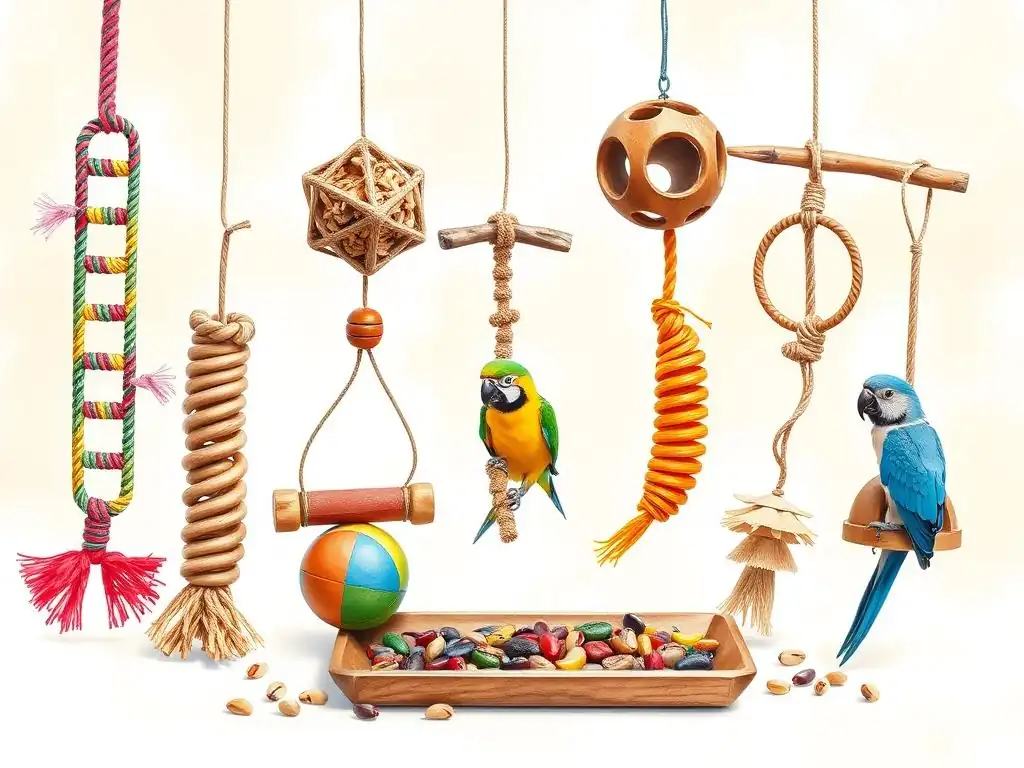
This section dives into the top ten bird toys designed to combat boredom and stimulate your feathered friend's mind. We've carefully selected toys offering diverse enrichment opportunities, catering to different bird species and preferences. Preventing boredom is crucial for a happy and healthy bird; these toys are key to achieving that goal. Remember to always supervise your bird during playtime and replace any damaged toys immediately to ensure safety.
1. Prevue Pet Products 50505 Flight Cage Bird Toy
This popular choice offers a great blend of chewing, foraging, and climbing opportunities, making it a versatile option for many bird species. The Prevue Pet Products 50505 Flight Cage Bird Toy is known for its durability and engaging design. Its construction includes a variety of materials, textures, and colors, stimulating your bird's natural instincts.
Features and Benefits of the Prevue Pet Products Toy
- Variety of textures: The toy incorporates natural wood, colorful plastic beads, and durable ropes, providing a multi-sensory experience. This variety keeps birds engaged and prevents them from becoming bored with a single type of material.
- Multiple activity options: Birds can chew on the wood, swing from the ropes, and manipulate the beads, providing both physical and mental stimulation. This comprehensive approach to play addresses different aspects of avian behavior.
- Durable construction: The toy is built to withstand vigorous chewing and play, ensuring it lasts longer than many cheaper alternatives. This translates to better value for your money in the long run.
- Easy to hang: The Prevue 50505 comes with convenient hanging clips, making it simple to attach to various cage types and sizes. This ease of use is a significant advantage for busy pet owners.
- Suitable for various bird sizes: While specific dimensions should be checked, this toy is generally suitable for a range of bird sizes, from small parakeets to larger cockatoos (though larger birds might need more robust options).
Pros and Cons
| Pros | Cons |
|---|---|
| Durable and long-lasting | Some parts may become detached with heavy use |
| Offers multiple activities | May not be suitable for all bird species |
| Easy to hang and install | Can be relatively expensive compared to simpler toys |
| Stimulates chewing, foraging, and climbing | Requires regular cleaning |
2. Kaytee Foraging Toys
Kaytee offers a wide variety of foraging toys, providing excellent mental stimulation for birds. Foraging is a natural behavior for birds, and these toys tap into this instinct, encouraging problem-solving skills and preventing boredom. The diverse range ensures there’s a Kaytee toy suitable for birds of all sizes and abilities.
Kaytee Foraging Toys: Different Types and Their Benefits
Kaytee offers several types of foraging toys, each designed to challenge birds in different ways. These include:
- Puzzle feeders: These toys require birds to manipulate levers, buttons, or other mechanisms to access their food. This stimulates problem-solving skills and provides a rewarding experience.
- Treat balls: These toys contain treats inside a ball that the bird must roll or manipulate to release the food. This encourages physical activity and mental engagement.
- Foraging cups: These cups have small openings that birds must work to access the treats inside, promoting natural foraging behaviors.
- Wooden foraging toys: These toys often incorporate natural wood and other safe materials, providing chewing opportunities in addition to foraging challenges.
Choosing the Right Kaytee Toy
Selecting the appropriate Kaytee foraging toy depends on your bird's size, species, and experience level. Smaller birds might benefit from simpler puzzle feeders, while larger, more experienced birds could enjoy more complex challenges. Always supervise your bird while it plays with a new toy to ensure safety and to gauge its engagement level.
Consider rotating toys regularly to prevent your bird from becoming bored with a single item. A diverse collection of Kaytee foraging toys will provide continuous mental stimulation and keep your bird happy and engaged. Remember to always check for any small parts that could pose a choking hazard.
3. Planet Pleasures Bird Toy
Planet Pleasures offers a diverse range of bird toys designed to stimulate both physical and mental activity. Their toys are known for their vibrant colors, engaging textures, and creative designs that keep birds entertained for hours. They cater to a wide variety of bird species, considering size, beak strength, and preferred play styles.
From intricate foraging toys that challenge problem-solving skills to brightly colored swing sets that encourage physical activity, Planet Pleasures provides options to address different aspects of avian enrichment. Their commitment to using safe and non-toxic materials is also a key factor in their popularity among bird owners. The company frequently updates its toy line with innovative designs, ensuring there's always something new to capture a bird's attention and prevent boredom.
Planet Pleasures' Innovative Toy Designs
Planet Pleasures distinguishes itself through its commitment to innovative toy design. Instead of simply offering variations on standard toy types, they regularly introduce unique concepts. For example, their "Puzzle Perch" combines foraging challenges with a comfortable resting spot, cleverly integrating play and rest. Other designs incorporate natural materials like wood, sisal rope, and even small, safe bells to create multi-sensory experiences.
The company often collaborates with avian behaviorists to ensure their designs are stimulating and appropriate for various bird species and ages. This collaborative approach reflects a genuine dedication to avian well-being and enrichment, a crucial factor in preventing boredom and promoting a healthy lifestyle for pet birds. Their toys are not just entertaining, but thoughtfully designed to mimic natural foraging and exploration behaviors.
Durability and Safety
Durability and safety are paramount concerns when choosing bird toys, and Planet Pleasures excels in both areas. Their toys are constructed from high-quality, non-toxic materials that can withstand even the most enthusiastic chewers. Regular quality control checks ensure that potential hazards are minimized. The company clearly labels its products with appropriate size recommendations for different bird species, preventing accidental ingestion of small parts.
Furthermore, Planet Pleasures actively engages with customer feedback to continually improve the safety and durability of its products. This commitment to safety and responsible manufacturing makes Planet Pleasures a trusted brand among discerning bird owners who prioritize their feathered friends' well-being. They understand that a durable toy is not only cost-effective but also crucial for preventing injuries and ensuring long-lasting enjoyment.
4. Avian Fashions Wooden Bird Toys
Avian Fashions specializes in handcrafted wooden bird toys, focusing on natural materials and stimulating designs. Wooden toys offer a unique advantage: they provide a safe and enriching chewing experience, satisfying a bird's natural instinct to gnaw and shred. The texture and scent of natural wood also contribute to a more stimulating and engaging playtime. Avian Fashions' range includes various designs, from simple wooden blocks and ladders to more complex puzzles and foraging toys.
The company emphasizes sustainability, sourcing wood from responsibly managed forests. This commitment to environmental responsibility adds another layer of appeal for eco-conscious bird owners. The variety of designs ensures that there is a suitable toy for birds of all sizes and species.
The Benefits of Wooden Bird Toys for Enrichment
Wooden bird toys offer several key benefits for avian enrichment and boredom prevention. Firstly, the act of chewing on wood helps to naturally trim a bird's beak, preventing overgrowth which can lead to health issues. Secondly, the varied textures and shapes of wooden toys stimulate tactile exploration, engaging multiple senses. The natural scent of the wood can also be stimulating and comforting for birds.
More complex wooden toys, such as those with hidden treats or intricate pathways, provide mental stimulation by challenging problem-solving skills. This cognitive enrichment is vital for preventing boredom and promoting a happy, healthy bird. Wooden toys are also generally safer than toys made from plastic or other potentially toxic materials, reducing the risk of ingestion of harmful substances. The durability of well-made wooden toys also ensures longevity, providing long-term value and entertainment for your feathered companion.
Choosing Safe and Non-Toxic Wooden Toys
When selecting wooden bird toys, it is crucial to prioritize safety and ensure the wood is non-toxic and free from harmful treatments. Look for toys made from untreated, sustainably sourced wood, ideally hardwoods known for their durability. Avoid toys with small, detachable parts that could pose a choking hazard. Check for splinters or sharp edges that could injure your bird.
Always supervise your bird while it plays with any new toy, and inspect it regularly for signs of wear and tear. Reputable brands, like Avian Fashions, often provide information about the wood types used and the manufacturing processes, ensuring transparency and peace of mind. Remember, choosing the right wooden toy is an investment in your bird's health, happiness, and overall well-being, contributing significantly to preventing boredom and promoting a stimulating environment.
5. GoGo Bird Toys
GoGo Bird Toys: Variety and Interactive Features
GoGo Bird Toys offers a diverse range of bird toys designed to stimulate both physical activity and mental engagement. Their product line includes toys crafted from various materials, such as natural wood, durable plastics, and even recycled materials, catering to different bird species and preferences. Many GoGo toys incorporate interactive elements, such as bells, mirrors, and foraging components, which encourage playful exploration and problem-solving skills.
This variety is crucial for preventing boredom, as birds, like any other animal, can become quickly disinterested in repetitive activities or unchanging environments. The design often incorporates vibrant colors and interesting textures to further capture a bird's attention and stimulate their natural curiosity.
Examples include their "Rainbow Ring" toy, a colorful and durable ring that birds can swing and chew on, and the "Foraging Fun" toy, a puzzle-style toy requiring birds to manipulate parts to access treats. The interactive nature of these toys keeps birds mentally stimulated, preventing the onset of boredom-related behaviors such as feather plucking or excessive vocalization.
Pros and Cons: Durability and Cleaning
One of the key advantages of GoGo Bird Toys is their focus on durability. Many of their toys are constructed from robust materials designed to withstand even the most enthusiastic chewers. This longevity translates to cost-effectiveness for pet owners, as replacements are less frequent.
However, the durability of certain materials can make cleaning more challenging. While most GoGo toys can be wiped down with a damp cloth, some intricate designs may require more thorough cleaning methods. This is particularly important to prevent the buildup of bacteria or harmful substances.
The manufacturer's instructions should always be followed carefully to maintain hygiene and ensure the toy's longevity. It's also important to regularly inspect toys for any signs of wear and tear and replace them promptly if damage is detected to prevent potential hazards. GoGo's commitment to using safer materials is a positive aspect, minimizing risks associated with ingestion of small parts or toxic substances.
6. JW Pet Company Bird Toys
JW Pet Company's Range of Bird Toys
JW Pet Company is a well-established brand known for its commitment to providing high-quality and safe pet products. Their bird toy line features a variety of designs, catering to different bird sizes and species. Their toys often incorporate natural materials alongside durable, non-toxic plastics. A significant focus is placed on creating toys that encourage foraging behavior, a natural instinct for many birds.
This is achieved through puzzle-style designs that require birds to work for their rewards, stimulating their minds and preventing boredom. They offer a range from simple chew toys made from durable wood to complex puzzle feeders that challenge even the most intelligent birds. The variety in their collection allows pet owners to rotate toys regularly, preventing monotony and maintaining a stimulating environment for their feathered friends. This constant rotation of novel toys is crucial for keeping birds engaged and happy.
Safety and Longevity of JW Pet Products
JW Pet Company prioritizes safety in their product design. They use non-toxic materials and rigorous quality control measures to ensure their bird toys are safe for avian companions. The company is transparent about the materials used in their products, making it easier for pet owners to make informed decisions.
Many of their toys are designed with durability in mind, able to withstand the strong beaks and claws of various bird species. However, as with any bird toy, regular inspection is vital. While JW Pet toys are generally long-lasting, continuous chewing can eventually lead to wear and tear.
Promptly replacing damaged toys is crucial to prevent potential hazards such as ingestion of small pieces or injuries from sharp edges. The longevity of their toys, coupled with their commitment to safety, makes JW Pet Company a reliable choice for pet owners seeking durable and safe enrichment options for their birds. This contributes significantly to the overall well-being and happiness of the bird, preventing boredom-related behavioral issues.
7. Crazy Bird Toys
Crazy Bird Toys: Unique Features and Designs
Crazy Bird Toys stand out for their innovative and often whimsical designs. They frequently incorporate bright colors, unusual textures, and interactive elements to stimulate a bird's natural curiosity and play instincts. Many Crazy Bird Toys feature intricate puzzles, requiring birds to manipulate parts to access treats or toys hidden inside. This encourages problem-solving skills and keeps them mentally engaged for extended periods.
Some designs mimic natural foraging environments, incorporating elements like woven vines, natural wood pieces, and foraging cups. The brand often uses durable, non-toxic materials, ensuring the safety of your feathered friend. Their commitment to creativity results in toys that are not only stimulating but also visually appealing, adding a splash of color and fun to any bird cage. The unique designs often incorporate bells, mirrors, and other elements that provide auditory and visual stimulation, further enhancing the play experience.
Suitability for Different Bird Species
Crazy Bird Toys offers a range of products suitable for various bird species, considering size and beak strength. Smaller birds, like finches and canaries, might benefit from smaller, simpler toys with easy-to-manipulate components. Larger birds, such as parrots, can handle more complex puzzles and durable toys with robust construction. The brand often labels their toys with recommended bird sizes, ensuring a safe and appropriate play experience for each species.
For example, a small parakeet might be perfectly challenged by a foraging toy with small openings, while a larger macaw would need a sturdier toy with larger components to prevent accidental damage or ingestion of small parts. It's crucial to always supervise your bird during playtime and choose toys appropriate for their size and abilities. Remember to regularly inspect toys for any signs of wear and tear and replace them as needed.
8. Living World Bird Toys
Living World Bird Toys: A Budget-Friendly Choice
Living World Bird Toys provide a cost-effective option for pet owners seeking engaging toys for their birds. They offer a diverse range of toys, from simple chew toys made from natural materials to more complex puzzles and foraging toys. The affordability makes them accessible to a wider range of bird owners, allowing everyone to enrich their bird's environment without breaking the bank.
The brand often uses a combination of natural materials, such as wood and sisal, and recycled materials, making them a more environmentally conscious choice. This budget-friendly approach does not compromise on the importance of providing mental and physical stimulation for your bird. Their designs often incorporate bright colors and interesting textures to capture a bird's attention, ensuring they remain engaged and entertained.
Pros and Cons: Durability and Variety
Pros: Living World toys offer a significant advantage in affordability. Their variety ensures options for different bird sizes and preferences. Many designs incorporate natural materials, appealing to birds' natural instincts to forage and chew. The range includes both simple and more complex toys, catering to various levels of bird engagement.
Cons: While generally durable, some Living World toys may not withstand the rigorous chewing of larger or more powerful birds as long as higher-end brands. The durability can vary depending on the specific toy and material used. The variety, while broad, might not be as extensive as some premium brands, potentially limiting choices for birds with highly specific preferences. Regular inspection and replacement are still crucial to ensure safety and prevent potential hazards. Despite being a budget-friendly option, it's important to prioritize safety and select toys appropriate for your bird's size and strength.
9. Rio Parrot Toys
Rio Parrot Toys: Premium Materials and Craftsmanship
Rio Parrot Toys are renowned for their commitment to using premium, durable materials. Unlike some cheaper alternatives that may use flimsy wood or potentially toxic paints, Rio prioritizes safety and longevity. Their toys often feature natural wood, carefully sanded and finished to prevent splintering. They also incorporate a variety of safe, non-toxic ropes, fabrics, and other components designed to withstand even the most enthusiastic chewers.
The craftsmanship is evident in the detailed construction; many toys are intricately designed to provide multiple points of engagement and stimulation for your feathered friend. This attention to detail translates to toys that last longer, providing better value for your money in the long run. The company frequently updates its designs, incorporating feedback from bird owners and avian veterinarians to ensure continued safety and appeal. This dedication to quality makes Rio Parrot Toys a strong contender among the best bird toys to prevent boredom.
Suitability for Large and Small Birds
Rio Parrot Toys offers a diverse range of products catering to birds of all sizes. Smaller birds, such as budgies and cockatiels, will find suitable toys within their smaller, more delicate designs. These toys often incorporate smaller bells, beads, and foraging elements that are appropriately sized for smaller beaks and claws.
Larger birds, such as macaws and African greys, can benefit from the sturdier, larger-scale toys designed to withstand their powerful beaks and more robust chewing habits. These larger toys often incorporate thicker ropes, stronger wood, and larger foraging elements to provide a more substantial and engaging experience.
The variety of sizes and designs offered by Rio ensures that there's a perfect toy for almost any bird species, making them a versatile and valuable addition to your bird's enrichment program. The company's website provides detailed specifications for each toy, including recommended bird sizes, making it easy to choose the right option for your pet.
10. My Safe Bird Toys
My Safe Bird Toys: Sustainable and Non-Toxic Materials
My Safe Bird Toys distinguishes itself through its commitment to sustainability and the use of non-toxic materials. In a market often saturated with mass-produced toys of questionable origin, My Safe Bird Toys provides a refreshing alternative. They prioritize the use of sustainably sourced wood and natural fibers, minimizing their environmental impact.
The dyes and paints used are rigorously tested to ensure they are non-toxic and safe for birds to interact with, even if ingested accidentally (though ingestion should always be monitored). This focus on eco-consciousness extends beyond the materials themselves; their packaging is often minimal and recyclable, further minimizing their environmental footprint.
For owners concerned about the health and well-being of their birds, as well as the planet, My Safe Bird Toys offers a responsible and ethical choice. This commitment to safety and sustainability makes them a top choice for environmentally conscious pet owners seeking the best bird toys to prevent boredom.
Pros and Cons: Price and Availability
One of the main advantages of My Safe Bird Toys is their commitment to quality and safety, but this often translates to a slightly higher price point compared to mass-produced alternatives. While the initial investment may seem higher, the durability and longevity of these toys often offset the cost in the long run, as they are less likely to need replacement due to damage.
However, the higher price point, combined with a smaller production scale, may sometimes result in limited availability. Finding My Safe Bird Toys in local pet stores can be challenging; online purchasing is often the most reliable option.
Despite the potential challenges in terms of price and availability, many bird owners consider the superior quality, safety, and ethical sourcing of My Safe Bird Toys to be worth the investment, making them a strong contender for a place among the best bird toys to prevent boredom. The superior quality and peace of mind they offer frequently outweigh the minor drawbacks.
Choosing the Right Bird Toys: Factors to Consider
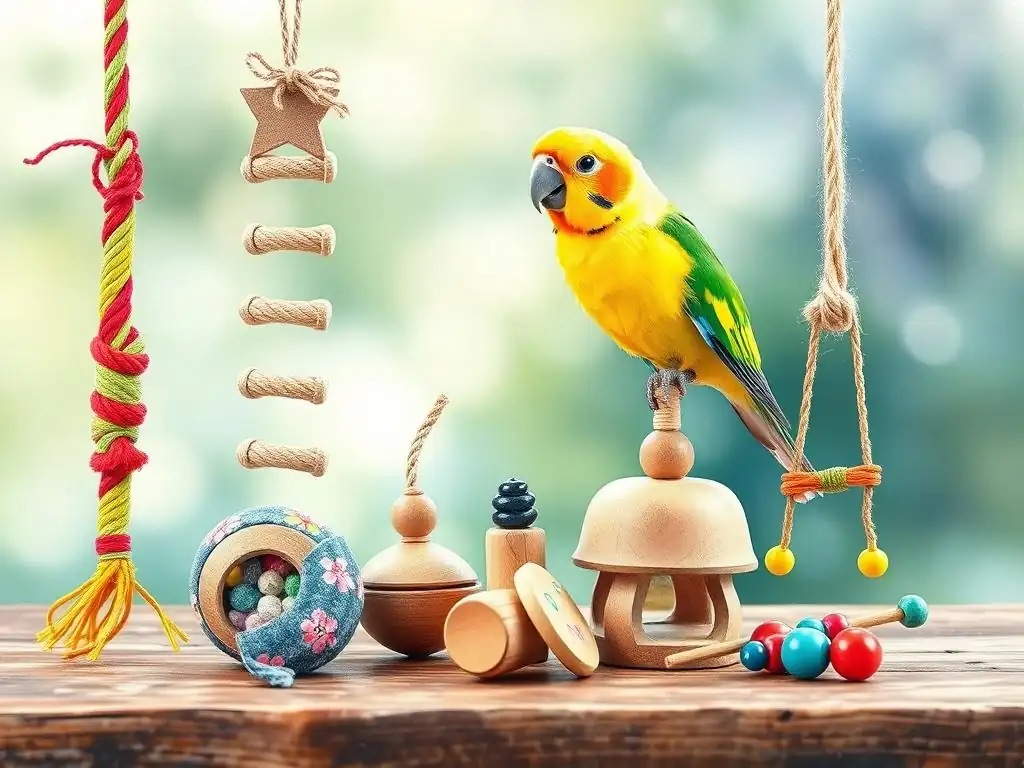
Selecting the best bird toys to prevent boredom requires careful consideration of several key factors. A toy that's perfect for a large macaw might be entirely unsuitable, and even dangerous, for a small finch. Similarly, a toy made from a toxic material could pose a serious health risk. This section will guide you through the essential aspects to ensure you choose bird toys that are both engaging and safe.
Bird Species and Size
The type of bird you own significantly influences your toy selection. A large parrot, like an African Grey or Amazon, needs robust, challenging toys that can withstand strong beaks and claws. Smaller birds, such as canaries or budgies, require smaller, less destructive toys. Consider these examples:
- Large Parrots (Macaws, Amazons, African Greys): These birds benefit from large, wooden toys with intricate designs, foraging puzzles, and toys with multiple textures and components. They need toys that provide a significant challenge to their powerful beaks. Think heavy-duty rope ladders, large foraging balls filled with nuts and seeds, and destructible wood blocks.
- Medium-Sized Parrots (Conures, Cockatiels): These birds appreciate a variety of toys, including smaller foraging toys, bells, swings, and chew toys made from safe, durable materials like natural wood and sisal rope. Avoid toys with small, detachable parts that could be swallowed.
- Small Birds (Canaries, Finches, Budgies): Small birds need toys scaled appropriately to their size. Small bells, swings, and simple foraging toys are ideal. Prioritize toys made from non-toxic materials and ensure there are no small parts that could pose a choking hazard.
| Bird Size Category | Suitable Toy Types | Unsuitable Toy Types |
|---|---|---|
| Large | Large foraging toys, heavy-duty ropes, destructible wood | Small, easily destroyed toys |
| Medium | Smaller foraging toys, bells, swings | Toys with small, detachable parts |
| Small | Tiny bells, simple foraging toys | Large, complex toys, anything easily destructible |
Remember, even within a species, individual birds have preferences. Observe your bird's interaction with different toys to determine what they enjoy most. Providing a variety of toys is crucial for preventing boredom and stimulating natural behaviors. 🎉
Material Safety and Durability
The materials used in bird toys are paramount to your bird's safety and well-being. Avoid toys containing toxic paints, dyes, or small, easily ingested parts. Prioritize toys made from natural, non-toxic materials such as:
- Natural Wood: Provides excellent chewing opportunities and is generally safe, though always ensure it's untreated and free from harmful chemicals.
- Sisal Rope: Durable and provides a good chewing surface.
- Cotton Rope: Soft and pliable, ideal for smaller birds.
- Stainless Steel: Durable and safe for chewing, often found in foraging toys and bells.
Avoid: Toys made from plastic, especially if they are brightly colored or have a strong odor, as these may contain harmful chemicals. Also avoid toys with small bells or beads that could easily be swallowed. Regularly inspect toys for damage and replace any worn or broken components immediately to prevent potential hazards. A thorough inspection is vital for maintaining your bird's safety and well-being.
Introducing New Toys Gradually
Introducing new toys gradually is essential to prevent overwhelming your bird. Start with one or two new toys at a time and observe your bird's reaction. Some birds may be hesitant to approach new objects, while others may immediately start exploring. If your bird seems fearful or ignores the new toys, try placing them in different locations or introducing them at different times of day. Consider these steps:
- Introduce a single new toy and observe your bird's reaction for a day or two.
- If the bird shows interest, introduce a second new toy.
- Rotate toys regularly to keep your bird engaged and prevent boredom. This keeps things fresh and prevents the bird from becoming too attached to a single toy.
- Remove any toys that are significantly damaged or show signs of wear and tear.
Remember, providing a stimulating environment is crucial for your bird's mental and physical health. By carefully selecting and introducing new toys, you can help your feathered friend stay happy, healthy, and engaged. Providing a varied and stimulating environment is key to preventing boredom and enriching your bird's life. 🦜
Rotating Toys Regularly
Regularly rotating your bird's toys is crucial for maintaining their interest and preventing boredom. Think of it like a child's toy box – if they only ever have access to the same few toys, they'll quickly lose interest. Birds, similarly, thrive on novelty and stimulation. By rotating toys, you introduce fresh challenges and encourage exploration, keeping their minds sharp and active.
A good strategy is to have a collection of toys, perhaps 10-15, and rotate them on a weekly or bi-weekly basis. Put away a few toys and bring out some fresh ones. This simple act can significantly impact your bird's engagement and overall well-being.
The benefits extend beyond just preventing boredom. Rotating toys also helps to prevent the development of destructive behaviors stemming from frustration or lack of stimulation. A bored bird might start chewing on its cage bars, furniture, or even itself out of sheer lack of things to do. Providing a variety of toys ensures they have appropriate outlets for their natural instincts, such as chewing, foraging, and climbing.
You'll notice a happier, more content bird when they have a constantly evolving play area. Remember to clean the toys thoroughly before rotating them to maintain hygiene and prevent the spread of bacteria or disease. A clean toy rotation system is an essential part of responsible bird ownership.
Material Safety and Durability
The safety and durability of your bird's toys are paramount. Birds are naturally curious and will often test the limits of their toys, chewing, pecking, and shredding materials. Therefore, choosing toys made from non-toxic, durable materials is essential to prevent ingestion of harmful substances or injuries from broken pieces. Avoid toys with small parts that could easily be swallowed, posing a serious choking hazard. Always check the toy's construction and ensure there are no loose threads, sharp edges, or potentially dangerous components.
Look for toys made from natural materials like wood, sisal, and cotton rope, which are generally safe and durable. However, even these materials should be inspected regularly for wear and tear. Avoid toys made from painted wood or plastic that could contain lead or other harmful chemicals. Always opt for toys specifically designed for birds, as these are typically manufactured with safety in mind.
Consider the size and strength of your bird when selecting toys. A larger, stronger bird will need more robust toys than a smaller, more delicate one. Regularly inspect all toys for any signs of damage and promptly replace any that show signs of wear or breakage. Prioritizing safety ensures a healthy and enriching environment for your feathered friend.
Considering Your Bird's Species and Size
Different bird species have different needs and preferences when it comes to toys. A large macaw will require significantly different toys than a small finch. Consider your bird's natural behaviors and instincts when selecting toys. For example, parrots are known for their intelligence and love of problem-solving, so puzzle toys are ideal for them. Smaller birds might prefer simpler toys that allow for easy access to treats or provide opportunities for climbing and swinging.
The size of your bird is also crucial. A toy that is too small could be easily swallowed, while a toy that is too large might be cumbersome or even dangerous. Ensure that the toys you select are appropriately sized for your bird, allowing for comfortable interaction and play. Research your specific bird species to learn about their typical behaviors and preferences.
Online resources and avian specialists can provide valuable insights into the types of toys that will best suit your bird's needs. Remember, providing appropriate toys tailored to your bird's species and size contributes significantly to their physical and mental well-being. A happy bird is a healthy bird, and choosing the right toys is a key step in ensuring their happiness.
Maintaining Your Bird's Toys: Cleaning and Replacement
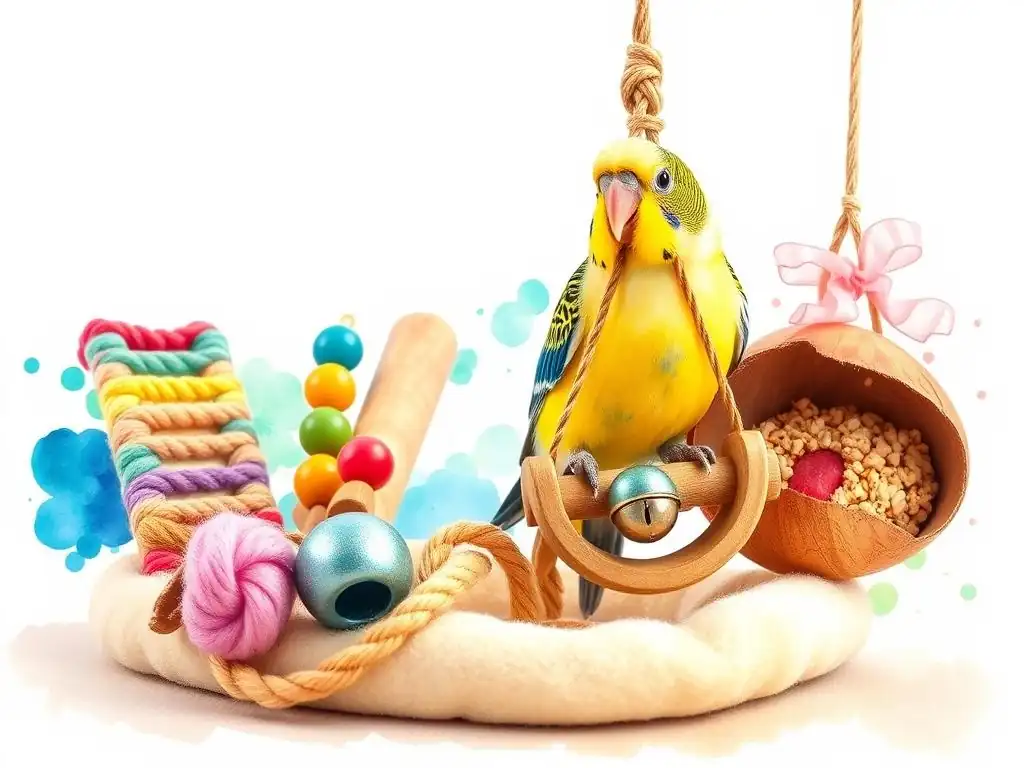
Keeping your feathered friend happy and healthy isn't just about providing the best bird toys to prevent boredom; it's also about maintaining them properly. Neglecting hygiene can lead to bacterial growth and potential health risks for your bird. Regular cleaning and timely replacement are crucial aspects of responsible bird ownership. Let's delve into the specifics of maintaining your bird's playthings.
Regular Cleaning to Prevent Bacterial Growth
Regular cleaning of bird toys is paramount to preventing the spread of bacteria and maintaining a hygienic environment for your pet. Birds are naturally curious and will often interact with their toys extensively, leaving behind droppings, food remnants, and saliva. These organic materials create a breeding ground for harmful bacteria and fungi.
Here's a practical cleaning schedule and guidelines:
- Daily Spot Cleaning: Remove any large pieces of debris, soiled areas, or food scraps from toys daily. This quick clean-up prevents the build-up of mess and makes more thorough cleaning easier.
- Weekly Deep Cleaning: Once a week, thoroughly clean all toys using a bird-safe disinfectant. Avoid harsh chemicals and opt for diluted white vinegar or a commercially available pet-safe cleaner. Always rinse the toys thoroughly with clean water before returning them to the cage. Allow them to air dry completely before reintroducing them to your bird.
- Material Considerations: The cleaning method will vary depending on the toy's material. Wooden toys might require more gentle cleaning to prevent damage, while plastic toys can tolerate more robust scrubbing. Always check the manufacturer's instructions for specific cleaning guidelines.
- Toy Rotation: Rotate toys regularly to keep your bird engaged and prevent excessive wear and tear on any single item. Having a variety of toys ensures that you'll always have clean and stimulating options available.
Remember, a clean environment is a healthy environment. Consistent cleaning of your bird's toys directly contributes to their overall well-being and prevents potential health issues. Think of it as an investment in your bird's health and happiness!
Recognizing When to Replace Old or Damaged Toys
Even with regular cleaning, bird toys eventually wear out or become damaged. Recognizing when it's time for replacement is crucial for ensuring your bird's safety and continued enjoyment. Look for the following signs:
- Significant Wear and Tear: Excessive chewing, fraying, or broken parts indicate that a toy is nearing the end of its lifespan. These damaged pieces could pose a choking hazard or cause injury to your bird.
- Loss of Structural Integrity: If a toy is no longer holding its shape or its components are separating, it's time to replace it. A structurally compromised toy might collapse or break, causing frustration or even injury to your bird.
- Loss of Interest: If your bird has consistently lost interest in a particular toy, it may be time for a replacement. Birds can get bored with the same toys, and providing new stimulation is essential for their mental and physical well-being. Observe your bird's interaction with its toys. A lack of engagement might be a signal that they need something new and exciting.
- Presence of Toxic Materials: Inspect toys for any signs of paint chipping or material degradation that could expose your bird to toxic substances. This is especially important for older toys or those made from questionable materials.
Replacing old or damaged toys is not merely about providing new entertainment; it's about prioritizing your bird's safety and well-being. A proactive approach to toy maintenance ensures a safe and stimulating environment for your avian companion. Consider it a crucial part of responsible pet ownership.
Creating a Stimulating and Enriching Environment Beyond Toys
While the best bird toys to prevent boredom are essential, a truly enriching environment extends beyond just toys. Consider these additional ways to keep your bird mentally and physically stimulated:
- Cage Enrichment: Provide a variety of perches of different sizes and textures to encourage natural climbing and foraging behaviors. Include branches from safe, untreated trees for added texture and variety.
- Foraging Opportunities: Hide food in puzzle feeders or around the cage to encourage natural foraging instincts. This mental stimulation is crucial for preventing boredom and promoting problem-solving skills.
- Social Interaction: Spend quality time interacting with your bird daily. Talk to them, sing to them, and engage in play sessions. Social interaction is vital for a bird's emotional well-being and helps prevent loneliness and boredom.
- Environmental Changes: Occasionally rearrange the cage layout to provide a novel environment. This simple change can significantly boost your bird's engagement and prevent monotony.
Remember, a happy and healthy bird is an active bird. By combining a variety of stimulating toys with a rich and engaging environment, you can ensure that your feathered friend remains happy, healthy, and entertained for years to come. This holistic approach to bird care is key to preventing boredom and promoting a fulfilling life for your pet.
Frequently Asked Questions About Bird Toys
This section addresses common queries regarding bird toy selection and maintenance, helping you ensure your feathered friend remains stimulated and entertained. Choosing the right toys and understanding their lifespan is crucial for preventing boredom and promoting your bird's well-being. Remember, a happy bird is a healthy bird!
How often should I replace my bird's toys?
Toy replacement frequency depends on several factors, including the bird's species, chewing habits, and the toy's material. A good rule of thumb is to rotate toys regularly, aiming for a complete replacement every 2-4 weeks. However, some toys might need replacing sooner.
- Signs of wear and tear: Look for frayed ropes, broken parts, splintering wood, or excessive wear. These indicate the toy is no longer safe and needs immediate replacement. A damaged toy can present a choking hazard or cause injury.
- Loss of interest: If your bird consistently ignores a particular toy, it might be time to replace it with something new and exciting. Birds, like humans, can get bored with the same old things. Introducing novel toys keeps them mentally stimulated.
- Material degradation: Some materials degrade faster than others. For instance, soft toys might become soiled or ripped more quickly than durable wooden toys. Regular cleaning can prolong a toy's life, but eventually, replacement is necessary.
Consider creating a toy rotation schedule. Store some toys away and bring them out periodically to maintain novelty and excitement. This simple strategy can significantly extend the lifespan of your bird's toys and prevent them from becoming monotonous. A diverse collection of toys is key to preventing boredom in your avian companion.
What are the signs that my bird is bored?
A bored bird can exhibit several behavioral changes. Recognizing these signs early is crucial to preventing behavioral problems and ensuring your pet's happiness. Signs of boredom can manifest in various ways, and understanding these subtle clues is vital for providing adequate enrichment.
Identifying boredom is essential for maintaining your bird's mental and physical health. Here's what to look out for:
- Excessive preening: While preening is a normal bird behavior, excessive preening can indicate stress or boredom. Observe the frequency and intensity of preening sessions.
- Feather plucking: This is a serious sign of distress and often linked to boredom or underlying health issues. If you notice feather plucking, consult an avian veterinarian immediately.
- Restlessness and pacing: Constant pacing or repetitive movements within the cage suggest a lack of stimulation. Your bird may be seeking something to occupy its time.
- Decreased vocalizations: Some birds become less vocal when bored, while others might exhibit increased vocalizations – often repetitive or shrill calls. Observe changes in your bird's typical vocal patterns.
- Aggression or self-mutilation: In severe cases, boredom can lead to aggressive behavior or self-harm. These are serious signs requiring immediate veterinary attention.
- Loss of appetite: A sudden decrease in food intake can be a sign of various health problems, including stress and boredom.
Remember, prompt intervention is key. Provide a variety of engaging toys and activities to keep your bird mentally and physically stimulated. Consult an avian veterinarian if you are concerned about your bird's behavior. Early intervention can often prevent more serious problems.
What types of toys are best for specific bird species?
The ideal bird toy depends heavily on the bird's species, size, and beak strength. Small birds require smaller, less robust toys, while larger birds can handle more substantial and complex toys. Some birds are notorious chewers, requiring toys made from durable, non-toxic materials.
Here's a general guideline, but always research the specific needs of your bird's species:
| Bird Species | Recommended Toy Types | Materials to Avoid |
|---|---|---|
| Small Parakeets | Small bells, foraging toys, soft chew toys | Small beads, anything easily swallowed |
| Larger Parakeets | Larger foraging toys, wooden puzzles, shredding toys | Toxic paints, untreated wood |
| Cockatiels | Wooden blocks, foraging toys, bells, mirrors (use sparingly) | Small, easily swallowed items, toxic materials |
| Conures | Sturdy wooden toys, foraging toys, metal bells | Soft toys, anything easily destroyed |
| Amazons | Very sturdy wooden toys, foraging toys, metal toys | Soft toys, anything easily broken or swallowed |
| Macaws | Extremely strong wooden toys, foraging toys, metal toys | Anything easily broken, toxic materials |
Remember, this is a general guideline. Observe your bird's interaction with different toys and adjust accordingly. Providing a variety of textures, shapes, and challenges ensures your bird receives adequate mental and physical stimulation. Always prioritize safety and ensure toys are appropriate for your bird's size and strength. A happy, stimulated bird is a healthier and more enjoyable companion.
Are there any toys I should avoid giving my bird?
Yes, there are several types of bird toys that you should avoid giving to your feathered friend, as they can pose significant safety hazards. These hazards range from potential ingestion of small parts leading to internal blockages and injury, to the use of toxic materials that can cause illness or even death. It's crucial to prioritize your bird's safety when selecting toys.
One major category to avoid is anything containing small, loose parts that your bird could easily swallow. This includes tiny beads, bells, or pieces of wood that could easily break off. Even seemingly sturdy toys can degrade over time, releasing small fragments that represent a choking hazard. Always inspect toys regularly for any signs of wear and tear, discarding them immediately if you find any loose or broken pieces. Remember, a toy that might be safe for a larger bird might be deadly for a smaller one.
Furthermore, avoid toys made from toxic materials. Some paints, dyes, and woods contain chemicals that can be harmful if ingested by your bird. Look for toys made from natural, non-toxic materials like untreated wood, stainless steel, or natural fibers. Always check the manufacturer's information for details on materials and safety certifications. Avoid toys with strong, artificial scents, as these can be irritating to your bird's sensitive respiratory system.
Another critical aspect to consider is the toy's construction. Avoid toys with sharp edges, points, or small hooks that could cause injury to your bird's feet or beak. Toys should be sturdy and well-made, capable of withstanding your bird's enthusiastic chewing and playing. Avoid anything with easily accessible strings or cords that could lead to entanglement or strangulation. Always supervise your bird's playtime, especially with new toys.
Finally, be mindful of the materials' durability. Some materials may splinter or break easily, creating potential hazards. Opt for toys made from durable, high-quality materials designed to withstand your bird's playful attacks. Remember, choosing safe bird toys is an ongoing process that requires vigilance and careful selection. By avoiding these unsafe toy types, you can significantly reduce the risks to your bird's health and well-being, ensuring they enjoy playtime without compromising their safety.
Frequently Asked Questions
What are the signs of boredom in birds?
Birds experiencing boredom may exhibit destructive behaviors, such as excessive feather plucking or chewing on cage bars. They might also become lethargic and less interactive. Providing enriching toys is crucial.
How often should I replace my bird's toys?
You should replace or rotate your bird's toys every few weeks to prevent them from becoming predictable and losing their appeal. This keeps your bird mentally stimulated and engaged. Variety is key.
What types of bird toys are best for preventing boredom?
The best toys offer a variety of textures, shapes, and challenges. Consider toys that encourage foraging, problem-solving, and physical activity, such as puzzle feeders, foraging toys, and swing toys.
Are there any toys I should avoid giving my bird?
Avoid toys made of toxic materials, such as lead-based paints or small parts that could be swallowed. Always supervise your bird with new toys to ensure they are safe. Check for potential hazards.
Where can I find the best bird toys to prevent boredom?
PetCareWorld's article, "Top 10 Must-Have Bird Toys to Banish Boredom," offers excellent recommendations. You can also find a wide selection of high-quality, safe bird toys at reputable pet stores both online and in person.
Final Reflection: Unlocking Joy: The Enduring Power of Play for Our Feathered Friends
The fight against boredom isn't just about providing a few trinkets; it's about enriching the lives of our beloved birds and fostering a deeper connection with them. Ignoring this crucial aspect of avian well-being can lead to serious behavioral issues and a diminished quality of life for our feathered companions. This isn't just about toys; it's about recognizing their inherent intelligence and need for mental and physical stimulation.
The impact of providing stimulating environments for our birds extends far beyond simply preventing feather plucking or destructive behaviors. It's about nurturing their natural instincts, encouraging exploration, and fostering a bond built on mutual respect and understanding. A bird in a gilded cage is still a bird in a cage.
This poignant observation reminds us that even the most luxurious setup lacks the vital ingredient of engaging enrichment. The joy we see in their playful interactions, the vibrant energy they exude when presented with a new challenge – these are testaments to the profound impact of thoughtful enrichment.
Now, consider your own bird. What sparks their curiosity? What challenges do they relish? Take a moment to reflect on the toys you've already provided and consider how you can further enhance their environment.
Don't just buy toys; observe your bird's interactions with them. Adjust, adapt, and experiment. By actively participating in their enrichment, you'll not only prevent boredom but also deepen your understanding of your feathered friend, forging a bond that transcends the simple act of providing food and shelter. Let's work together to ensure our birds live happy, healthy, and fulfilling lives, filled with the joy of play.
Unleash Your Bird's Inner Playful Genius!
Thanks for exploring the world of bird enrichment with us! We hope you've found some inspiring toy ideas to keep your feathered friend happy and stimulated. Ready to transform your bird's cage into a fun-filled paradise?
- Introduce one new toy at a time: Select a toy that best suits your bird's personality and current interests. Observe their reaction and enjoy their excitement!
- Share your bird's favorite toy: Let our community know what toy your bird loves the most by sharing a photo or comment! We'd love to see which toy becomes an instant favorite.
- Get creative and make your own bird toy: Design a fun and safe toy using household materials—the possibilities are endless!
What enrichment activity will you try first to make your bird's day extra special?