
The Secret Language of Cat Pee: What Your Cat is Trying to Tell You


Welcome to PetCareWorld, your ultimate guide to a happier, healthier life for your beloved pets! Are you puzzled by your feline friend's bathroom habits? Uncover the intriguing secrets behind cat urine meaning behavior and learn how to decipher the messages hidden within their scent. Dive into our expert guide, "The Secret Language of Cat Pee: What Your Cat is Trying to Tell You," and unlock the key to understanding your cat's unique communication style. Prepare to be amazed by what your cat is trying to say!
- Understanding Cat Urine: More Than Just Waste
-
Cat Urine Meaning: Behavior and Underlying Issues
- Spraying vs. Urinating: Key Differences and Implications for Cat Urine Meaning
- Stress and Anxiety: How Environmental Factors Influence Cat Urination Behavior
- Medical Conditions Affecting Cat Urination: Identifying Potential Health Problems
- Dietary Factors and Their Impact on Cat Urine Odor and Frequency
- Interpreting Cat Urine Markings: A Comprehensive Guide
- Troubleshooting Cat Urine Problems: Practical Solutions
- When to Consult a Veterinarian: Recognizing Serious Issues Related to Cat Urine
-
Frequently Asked Questions
- What does it mean when my cat urinates outside the litter box?
- How can I tell if my cat's urine is marking territory or expressing distress?
- My cat is spraying urine; is this normal behavior?
- What are some common causes of changes in my cat's urination habits?
- Are there any home remedies to deal with cat urine odor?
- Final Reflection: Unlocking the Whispers of Feline Communication
- Unleash Your Inner Cat Whisperer: Understanding Your Feline Friend
Understanding Cat Urine: More Than Just Waste
Cat urine. The mere mention can evoke a range of emotions in pet owners, from mild annoyance to outright panic. But understanding feline urination goes far beyond simply cleaning up an accident; it's a crucial aspect of responsible pet ownership and can offer invaluable insights into your cat's health and well-being.
This article delves into the "secret language" of cat pee, exploring the various ways your cat's urine – its odor, location, and even its composition – can reveal important information about its behavior and potential underlying health issues. We'll equip you with the knowledge to decipher these subtle cues, helping you address any litter box problems and foster a stronger, healthier bond with your feline companion.
Learning to interpret cat urine meaning behavior is key to proactive pet care, allowing for early intervention and preventing more significant problems down the line. This guide focuses specifically on the meaning behind cat urine, addressing the common concerns associated with "Cat urine meaning behavior".
Deciphering Cat Urine Odor: Intensity and Frequency
The intensity and frequency of your cat's urine marking can be significant indicators of underlying issues. A sudden increase in the strength of the odor, even if the frequency remains the same, could suggest a urinary tract infection (UTI) or other medical problem. Similarly, a noticeable change in the frequency of urination, whether increased or decreased, warrants attention. For example, frequent urination could point towards diabetes or kidney disease, while infrequent urination might indicate a blockage.
Consider keeping a detailed log of your cat's bathroom habits. Note the following:
- Frequency: How many times does your cat urinate per day?
- Volume: Is the amount of urine noticeably larger or smaller than usual?
- Odor: Describe the odor – is it stronger, more pungent, or different in any way?
- Location: Where is your cat urinating? (This will be explored further in the next section).
A change in any of these aspects could indicate a problem requiring veterinary attention. Remember, early detection is crucial in addressing potential health concerns effectively. Regular veterinary check-ups are essential for maintaining your cat's health and preventing more serious issues.
Cat Urine Location: Key Clues to Behavior
The location of your cat's urine is arguably the most revealing aspect of its "message." While the litter box is the ideal spot, cats sometimes choose alternative locations to communicate specific needs or anxieties.
| Location | Possible Meaning |
|---|---|
| Outside the box | Stress, medical issues (UTI, kidney disease), dislike of litter box, cleanliness issues |
| On vertical surfaces (walls, furniture) | Marking territory, stress, insecurity |
| In specific spots | May indicate a past negative experience in that area |
| Near food bowls | Potential medical issue or stress related to feeding time |
For instance, spraying (a fine mist of urine) on vertical surfaces is often a territorial behavior, especially prevalent in unneutered males, but it can also manifest due to stress or anxiety. Urinating outside the litter box, on the other hand, could signify a dislike of the litter type, cleanliness issues with the box, or a medical problem causing discomfort or pain during urination. Observing the context – for instance, if the spraying happens near a window where other cats are seen – can provide further clues.
Types of Cat Urine: Normal vs. Abnormal
While the appearance of normal cat urine is generally clear to pale yellow, changes in color, consistency, or the presence of unusual substances can indicate underlying health issues. Abnormal urine might appear cloudy, bloody, or have a strong, unusual odor.
- Normal urine: Typically clear to pale yellow, with a slightly ammonia-like odor.
- Abnormal urine: Cloudy, bloody, dark yellow/brown, or exhibiting an unusually strong or foul odor. The presence of crystals or sediment might also indicate a problem.
It is crucial to consult a veterinarian if you notice any changes in your cat's urine. They can perform tests to diagnose any underlying medical condition and recommend appropriate treatment. Ignoring these signs can lead to more serious complications, so prompt veterinary care is essential. Remember, understanding your cat's urine is a vital step in ensuring its overall health and happiness. 😻
Cat Urine Meaning: Behavior and Underlying Issues
Understanding your cat's urination habits is crucial for maintaining a harmonious home environment and ensuring their well-being. Cat urine, far from being simply a bodily function, often serves as a powerful communication tool, revealing underlying issues that may require your attention. Decoding the meaning of your cat's urine requires careful observation and a nuanced understanding of feline behavior.
This section will explore the various ways cats use urine to communicate, highlighting the importance of differentiating between normal urination and problematic behavior, ultimately helping you interpret your cat's signals and address any underlying concerns. We will explore how seemingly simple acts of urination can reveal complex emotional states and potential health problems. Paying close attention to cat urine meaning behavior is key to responsible pet ownership.
Spraying vs. Urinating: Key Differences and Implications for Cat Urine Meaning
Cats communicate through both urination and spraying, but these behaviors have distinct meanings. Understanding the difference is paramount in interpreting your cat's messages.
- Urination: This typically involves squatting and eliminating urine in a normal, relaxed manner, usually within the litter box. While occasional accidents outside the box can happen, frequent urination outside the litter box often indicates a problem. This could signal stress, anxiety, medical issues (such as urinary tract infections or kidney disease), or dissatisfaction with the litter box itself.
- Spraying: This involves a more upright posture, with the cat marking vertical surfaces like walls, furniture legs, or curtains. The urine is often released in small amounts, and the cat may back up and rub their cheeks along the surface after spraying. Spraying is primarily a territorial behavior or a response to stress, and often involves the release of pheromones to mark their space. This is a distinct behavior from normal urination and should be addressed differently.
The following table summarizes the key differences:
| Feature | Urination | Spraying |
|---|---|---|
| Posture | Squatted | Upright, may rub cheeks after spraying |
| Location | Primarily litter box, sometimes accidents | Vertical surfaces |
| Amount | Larger volume | Smaller amounts, multiple spots |
| Primary Cause | Litter box issues, medical problems, stress | Territorial marking, stress, anxiety |
| Cat Urine Meaning | Indicates potential health or litter box problems | Indicates territorial issues or stress |
Understanding these differences is crucial for interpreting your cat's signals and addressing the root cause of the problem. If your cat is spraying, addressing underlying stress is critical; if they are urinating outside the litter box, a vet visit may be necessary to rule out medical causes.
Stress and Anxiety: How Environmental Factors Influence Cat Urination Behavior
Stress and anxiety are significant contributors to inappropriate urination in cats. A change in routine, the introduction of a new pet or person, moving to a new home, or even loud noises can trigger stress, leading to changes in litter box habits. Cats are highly sensitive creatures, and even seemingly minor environmental changes can significantly impact their behavior.
Several environmental factors can contribute to stress-induced urination:
- Multiple Cats: Competition for resources (food, water, litter boxes, resting places) can lead to heightened stress and anxiety, manifesting as inappropriate urination. Ensuring each cat has its own resources and safe spaces is crucial.
- Litter Box Issues: The type of litter, the cleanliness of the box, the location of the box (noisy or high-traffic areas are stressful), and the number of boxes available can all influence a cat's willingness to use the litter box.
- Fear: Cats can develop phobias and anxieties related to specific locations or objects in the home. These fears can lead to avoidance of certain areas, resulting in urination elsewhere.
- Noise and Activity: Loud noises, chaotic environments, and frequent visitors can significantly impact a cat's stress levels and contribute to inappropriate urination. Creating a calm and predictable environment is essential.
Addressing these environmental factors is often the first step in resolving inappropriate urination. Providing multiple litter boxes, ensuring the boxes are clean, and creating a quiet, safe space for your cat can significantly reduce stress and improve litter box habits.
Medical Conditions Affecting Cat Urination: Identifying Potential Health Problems
Inappropriate urination in cats can also be a symptom of various underlying medical conditions. It's crucial to rule out these medical issues before addressing behavioral causes. Some common medical conditions affecting urination include:
- Urinary Tract Infections (UTIs): UTIs are common in cats and can cause painful urination, leading to avoidance of the litter box. Symptoms may include straining to urinate, frequent urination in small amounts, blood in the urine, and licking of the genital area.
- Feline Idiopathic Cystitis (FIC): FIC is a frustrating condition characterized by inflammation of the bladder, often with no identifiable cause. Symptoms can range from frequent urination to blood in the urine and even complete blockage of the urethra.
- Kidney Disease: Kidney disease can affect a cat's ability to concentrate urine, leading to increased urination volume. Other symptoms may include increased thirst, weight loss, and lethargy.
- Diabetes: Diabetes can lead to increased urination due to the body's inability to properly process glucose. Other symptoms include excessive thirst, weight loss, and increased appetite.
If your cat is experiencing inappropriate urination, a veterinary examination is crucial to rule out any underlying medical conditions. Early diagnosis and treatment are vital for managing these conditions and improving your cat's quality of life. Ignoring medical causes can lead to more serious complications and worsen the behavioral issues. Prompt veterinary care is essential for proper diagnosis and treatment of any suspected medical problems related to cat urine meaning behavior.
Dietary Factors and Their Impact on Cat Urine Odor and Frequency
Dietary changes can significantly influence a cat's urine odor and frequency. A diet lacking in essential nutrients can lead to imbalances in the urinary tract, potentially resulting in more concentrated urine with a stronger odor. For example, a diet deficient in water can cause dehydration, concentrating the urine and making the smell more pungent. This is especially relevant to cats prone to urinary tract infections (UTIs) or crystals, where concentrated urine can exacerbate the problem.
Conversely, a diet rich in certain minerals, such as magnesium, can contribute to the formation of struvite crystals in the urine, a common cause of feline lower urinary tract disease (FLUTD). These crystals can cause irritation and pain, leading to changes in urination frequency and behavior, such as increased urination or straining. The strong smell associated with such crystals can also be a noticeable indicator.
Many commercial cat foods contain varying levels of minerals and other ingredients that can affect urine characteristics. Switching to a prescription diet formulated to address specific urinary issues, such as those designed to reduce struvite crystal formation, can often lead to improvements in urine odor and frequency. These diets typically have adjusted mineral content and pH levels to promote a healthier urinary environment.
However, it's crucial to consult with a veterinarian before making any significant changes to your cat's diet, especially if you suspect an underlying medical condition. They can provide tailored recommendations based on your cat's individual needs and health history, ensuring the diet change is safe and effective. Ignoring dietary factors can lead to recurring urinary tract problems and potentially more serious health complications.
Paying attention to your cat's diet is a proactive step towards maintaining their urinary health and understanding the messages conveyed through their urine. Moreover, observing changes in the color, odor, and frequency of urination can be an early warning sign of potential health issues, prompting timely veterinary intervention. Therefore, regular monitoring and responsible dietary choices are vital aspects of comprehensive cat care.
Interpreting Cat Urine Markings: A Comprehensive Guide
This section delves into the nuanced world of feline urination, moving beyond simple litter box issues to explore how urine markings communicate complex messages. Understanding these signals is crucial for addressing underlying behavioral problems and ensuring a harmonious relationship with your cat. We'll examine different marking behaviors, their underlying causes, and how to interpret them effectively to improve your cat's well-being and your own peace of mind. Remember, cat urine meaning behavior is often far more intricate than simply a need to urinate.
Identifying Territorial Marking Behavior in Cats
Cats, being naturally territorial creatures, use urine spraying as a primary means of marking their domain. Unlike elimination in the litter box, territorial marking involves a standing posture, with the cat often arching its back and tail slightly raised. The urine is typically deposited on vertical surfaces, such as walls, furniture legs, or even curtains. This behavior is far more common in unneutered male cats, but can also occur in females, especially those who are not spayed or who have experienced hormonal fluctuations.
The scent of the urine contains pheromones that act as a "calling card," informing other cats (and sometimes even humans, though we don't perceive the full range of olfactory cues) of the cat's presence and ownership of the area. The frequency of marking can vary greatly depending on the cat's personality, the presence of other cats, and environmental stressors. For example, a new pet or a change in the household routine can trigger increased territorial marking.
Consider this example: A newly adopted cat, previously living alone, might begin spraying in its new home to establish its territory against perceived intruders (even the resident humans!). This is a normal response to a stressful situation, and often resolves with time and appropriate management strategies. However, prolonged or excessive spraying warrants veterinary attention, as underlying medical conditions can sometimes mimic territorial marking behavior.
Understanding Cat Urine as a Communication Tool: Aggression and Submissiveness
Cat urine isn't solely a territorial marker; it's a sophisticated communication tool. The manner in which a cat urinates can reveal a great deal about its emotional state. Aggressive cats may spray more frequently and in more prominent locations, aiming to assert dominance over other animals or even humans. Conversely, submissive cats may urinate in more hidden or inconspicuous places, exhibiting a behavior of appeasement.
The chemical composition of the urine itself may also vary depending on the cat's emotional state, although this requires specialized analysis. While the average pet owner can't perform this kind of analysis, recognizing the context of the urination is key. For example, a cat spraying near a food bowl might be expressing anxiety or competition over resources. A cat urinating outside the litter box after an interaction with another cat could indicate fear or stress.
Understanding the subtleties of cat body language alongside the urine marking provides a more complete picture. A flattened ear, hissing, or piloerection (hair standing on end) accompanied by urine spraying clearly indicate aggression. On the other hand, a crouched posture, tucked tail, and avoidance of eye contact, combined with urine marking in a secluded area, suggest submissiveness or fear.
Interpreting Cat Urine in Multi-Cat Households: Competition and Hierarchy
In households with multiple cats, urine marking often reflects the complex social dynamics at play. Cats establish a social hierarchy, with dominant cats asserting their position through a variety of behaviors, including urine spraying. Subordinate cats may urinate in less conspicuous locations to avoid conflict. Competition for resources, such as food, water, litter boxes, or resting places, can significantly exacerbate urine marking.
Consider a household with two cats: One cat might consistently spray near the food bowl or water dish of the other, indicating resource guarding behavior. This isn't necessarily an act of overt aggression but rather a way of asserting dominance and controlling access to essential resources. Insufficient resources (too few litter boxes, food bowls, or scratching posts) can intensify these competitive behaviors and lead to increased urine marking.
To mitigate these issues, providing ample resources and creating distinct spaces for each cat can help reduce competition and stress. This might involve multiple litter boxes (ideally one more than the number of cats), separate feeding stations, and varied resting areas. Environmental enrichment, such as interactive toys and climbing structures, can also help divert attention away from competitive behaviors and contribute to a calmer household environment. Understanding the dynamics of your multi-cat household is crucial in deciphering the meaning behind cat urine marking in these situations.
Troubleshooting Cat Urine Problems: Practical Solutions
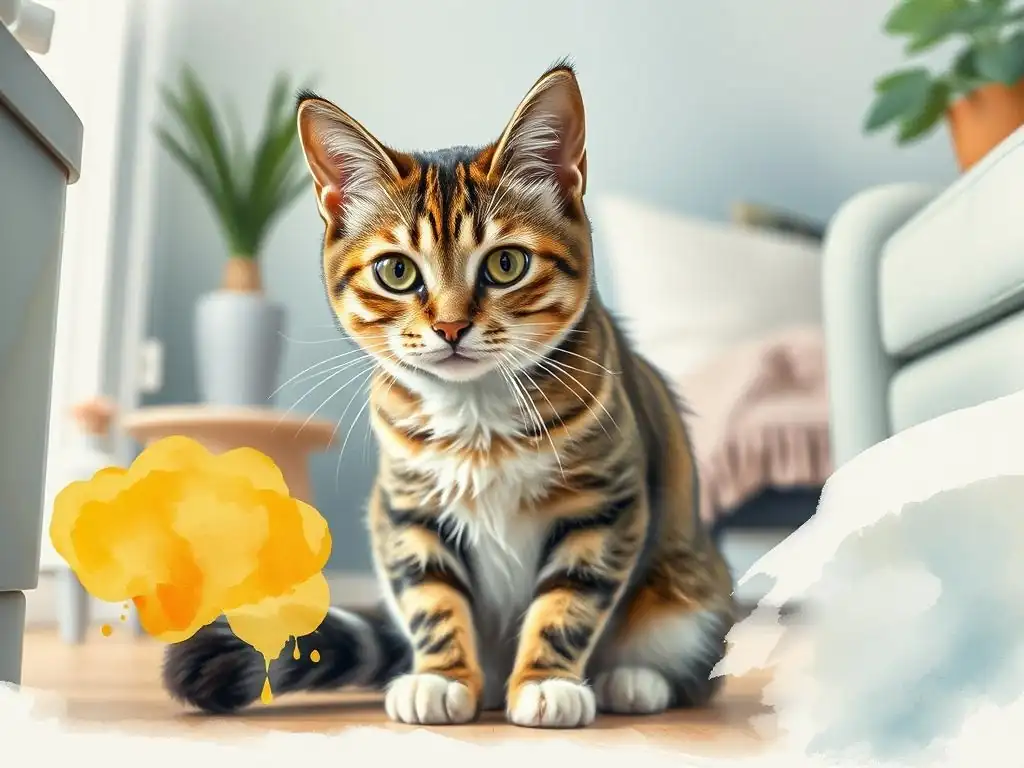
Understanding cat urine marking goes beyond simply cleaning up accidents. It requires a multi-pronged approach that addresses potential underlying issues. Successfully decoding your cat's "secret language" involves careful observation, eliminating potential stressors, and considering medical factors that might be contributing to inappropriate urination. This section offers practical solutions to help you tackle cat urine problems effectively, improving both your cat's well-being and your home environment. Remember, consistent effort and patience are key to resolving these issues.
Creating a Stress-Free Environment for Your Cat
A stressed cat is more prone to exhibiting problematic behaviors, including inappropriate urination. Cats are highly sensitive creatures, and even subtle changes in their environment can trigger anxiety. Creating a calm and predictable atmosphere is crucial for mitigating stress-related urination. This involves:
- Providing ample resources: Ensure your cat has access to multiple, clean litter boxes (at least one more than the number of cats in your household), fresh water sources, and comfortable resting places. Ideally, these should be located in quiet, easily accessible areas away from high-traffic zones.
- Minimizing environmental changes: Cats thrive on routine. Avoid sudden changes in furniture arrangement, household members, or even the scent of cleaning products. Introduce new things gradually to allow your cat to adapt.
- Enrichment and playtime: A bored or understimulated cat may resort to undesirable behaviors. Provide plenty of interactive play sessions, scratching posts, and climbing opportunities to keep your cat mentally and physically stimulated. Consider puzzle feeders to engage their natural hunting instincts.
- Using pheromone diffusers: Feline facial pheromone diffusers can help create a sense of security and reduce stress in cats. These products mimic natural calming pheromones and can be particularly helpful during periods of transition or stress.
Addressing Medical Issues Affecting Cat Urination
Inappropriate urination can be a symptom of underlying medical conditions. A thorough veterinary examination is crucial to rule out any health problems. Several medical issues can affect a cat's urinary tract and lead to frequent urination or accidents outside the litter box. These include:
- Urinary Tract Infections (UTIs): UTIs are common in cats and can cause painful urination, leading to avoidance of the litter box. Symptoms may include straining to urinate, increased frequency, and bloody urine.
- Feline Lower Urinary Tract Disease (FLUTD): FLUTD encompasses a range of conditions affecting the bladder and urethra, including cystitis (bladder inflammation) and urethral obstruction. This can cause pain, discomfort, and frequent urination outside the litter box.
- Kidney disease: Kidney disease can impair the kidneys' ability to filter waste, leading to increased urination and changes in urine volume and concentration.
- Diabetes: Diabetes mellitus can cause increased thirst and urination, potentially leading to accidents outside the litter box.
It's vital to consult your veterinarian if you suspect a medical issue. Early diagnosis and treatment are essential for managing these conditions and preventing further complications. Accurate diagnosis often involves urinalysis and blood tests.
Dietary Changes to Improve Cat Urinary Tract Health
Diet plays a significant role in maintaining urinary tract health. Certain dietary changes can help prevent and manage urinary tract issues in cats. Consider these factors:
- Hydration: Encourage your cat to drink more water. This helps dilute urine, reducing the risk of crystal formation and improving the flushing of the urinary tract. You can achieve this by providing fresh water in multiple locations, using a fountain, or adding wet food to their diet.
- Food composition: Choose a cat food formulated to support urinary tract health. These diets often have adjusted levels of minerals like magnesium and phosphorus, which can contribute to crystal formation. Look for foods specifically labeled as "urinary support" or "for sensitive bladders."
- Prescription diets: Your veterinarian may recommend a prescription diet tailored to your cat's specific needs, especially if they have a diagnosed urinary tract condition. These diets are formulated to help manage crystal formation, reduce inflammation, and improve overall urinary tract health.
Remember, dietary changes should be implemented gradually to avoid digestive upset. Always consult your veterinarian before making significant changes to your cat's diet, particularly if they have pre-existing health conditions. A balanced and appropriate diet, combined with other strategies, can significantly improve your cat's urinary health and reduce the likelihood of inappropriate urination.
Litter Box Preferences: Size, Type, Location, and Cleanliness
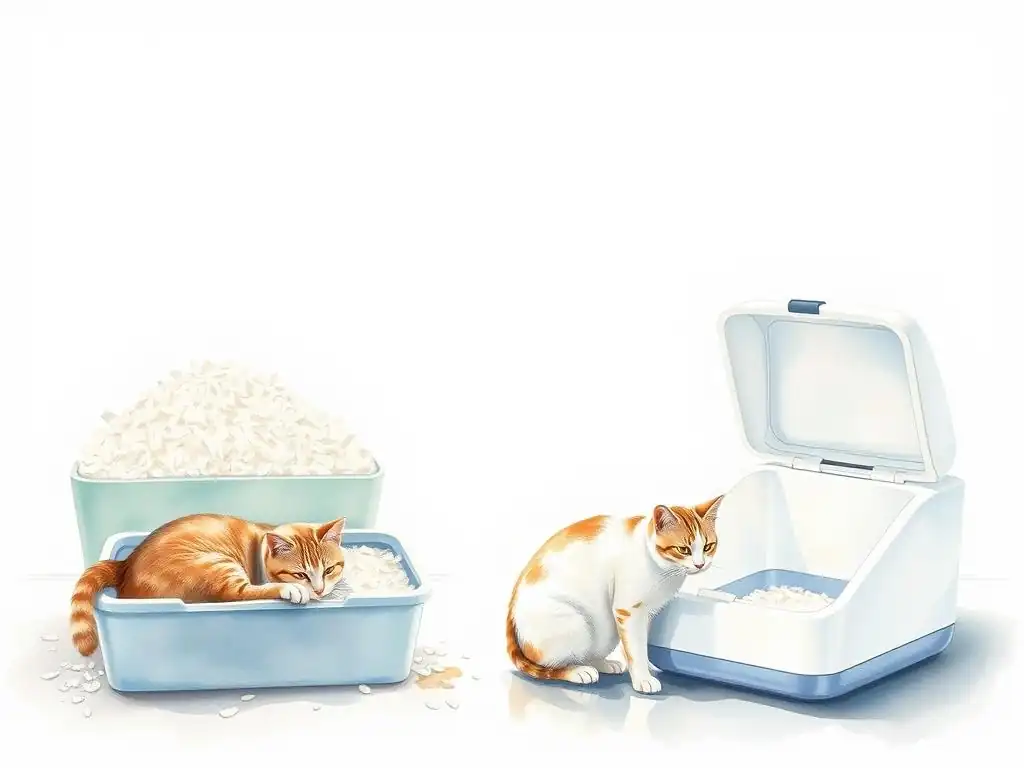
Cats are meticulous creatures, and their litter box preferences significantly impact their urination habits. Understanding these preferences is crucial in addressing inappropriate urination. A cat's refusal to use the litter box often stems from dissatisfaction with its current setup.
Firstly, size matters. A box that's too small can be incredibly stressful for a cat, especially larger breeds. Ideally, the box should allow your cat to turn around comfortably without feeling cramped. Think about your cat's size and choose accordingly; a multi-cat household might even benefit from having multiple boxes of varying sizes to cater to individual preferences. For example, a Maine Coon will require a much larger litter box than a Siamese.
Secondly, the type of litter box influences a cat's willingness to use it. Some cats prefer covered litter boxes for privacy and security, while others feel trapped and anxious in enclosed spaces. Experiment with different types – uncovered, covered, hooded, or even a simple tray – to see what your feline friend prefers. Some cats are sensitive to the height of the sides, while others dislike the feel of certain materials. Consider low-sided boxes for senior cats or those with joint issues.
The location of the litter box is equally important. Cats often avoid using a litter box that's located in high-traffic areas or near noisy appliances. A quiet, easily accessible, and secluded spot is generally preferred. Avoid placing the litter box in areas where your cat might feel vulnerable, such as near the washing machine or dryer. Consider providing multiple litter boxes in different locations, especially in multi-cat households, to minimize competition and stress.
Finally, cleanliness is paramount. Cats are incredibly clean animals and will avoid a dirty litter box. Scooping the litter box at least once a day, and completely changing the litter regularly (every 1-2 weeks depending on the type and number of cats), is essential. Failure to maintain a clean litter box is a major contributor to inappropriate urination in cats, often leading to them seeking alternative locations to relieve themselves. Remember, a clean litter box is key to preventing "cat urine meaning behavior" problems.
Positive Reinforcement Training Techniques for Reducing Inappropriate Urination
Addressing inappropriate urination in cats often requires a multi-pronged approach, and positive reinforcement training plays a vital role. Punishing a cat for urinating outside the litter box is ineffective and can worsen the problem, leading to increased stress and anxiety. Instead, focus on rewarding desirable behavior.
One effective technique is to reward your cat for using the litter box. This can involve verbal praise, petting, or offering a small treat immediately after they successfully eliminate in the designated area. Consistency is key; reward every instance of appropriate urination to reinforce the positive association. The timing is crucial; reward should be immediate to connect the action with the reward effectively. This positive reinforcement strengthens the desired behavior.
Another approach is to make the litter box more appealing. Experimenting with different types of litter, adding a bit of catnip to the box (some cats are sensitive to it, so proceed cautiously), or even providing a scratching post nearby can encourage its use. This process might involve a trial and error approach, but it will help identify your cat's specific preferences.
If the inappropriate urination is linked to stress or anxiety, consider using pheromone diffusers or sprays. These products mimic feline facial pheromones, which have calming effects and can help reduce stress-related behaviors, including inappropriate urination. These are available from veterinary clinics and pet stores.
Finally, desensitization and counter-conditioning can be helpful if the inappropriate urination is associated with a specific location or object. Gradually expose your cat to the area or object while providing positive reinforcement, slowly reducing their anxiety and associating the trigger with positive experiences rather than fear or stress. This requires patience and consistency, but it can be highly effective in resolving behavioral issues. Remember, patience and consistency are essential elements of successful cat training. Addressing "cat urine meaning behavior" often requires a combination of environmental modifications and positive reinforcement training.
Understanding your cat's urination habits is crucial for their well-being. While many changes in urination are minor and easily addressed, some signal serious underlying health problems requiring immediate veterinary attention. This section focuses on identifying those critical signs that necessitate a vet visit, helping you decipher the true meaning behind your cat's urine and behavior. Ignoring these warning signs can lead to more severe health complications for your feline friend. The timely intervention of a veterinarian is often key to successful treatment and preventing long-term issues.
Persistent Inappropriate Urination: Seeking Professional Help
Persistent inappropriate urination, especially outside the litter box, is a major red flag. This isn't simply about a messy accident; it's a potential indicator of a medical issue, stress, or behavioral problem. If your cat continues to urinate outside the litter box for more than a few days, despite your efforts to clean the area thoroughly with enzymatic cleaners and address potential stressors (like a new pet or change in household routine), it's time to seek professional help.
Consider these scenarios: A cat who suddenly starts urinating outside the litter box, even after thorough cleaning and eliminating potential stressors, could be experiencing urinary tract infections (UTIs), bladder stones, or even kidney disease. These conditions cause pain and discomfort during urination, leading the cat to avoid the litter box. Similarly, a gradual increase in inappropriate urination could signify the onset of a chronic condition. The longer these conditions go untreated, the more severe the consequences can become. A vet can diagnose the underlying cause and recommend appropriate treatment.
Changes in Urine Odor, Color, or Frequency: Potential Health Concerns
Significant changes in your cat's urine – its odor, color, or frequency – can be alarming indicators of potential health issues. Normal cat urine has a relatively mild, slightly ammonia-like odor. A strong, pungent odor, significantly different from the usual, could suggest a urinary tract infection (UTI), kidney disease, or even diabetes.
Similarly, changes in urine color are important. Dark, cloudy, or reddish-tinged urine can indicate the presence of blood (hematuria), a serious sign requiring immediate veterinary attention. This could stem from various conditions, including UTIs, bladder stones, tumors, or kidney problems. Increased frequency of urination, especially if accompanied by increased water intake (polydipsia), can also point towards diabetes, kidney disease, or hyperthyroidism. Careful observation of these factors and prompt veterinary consultation are vital for early diagnosis and treatment.
Cat Urine and Underlying Diseases: Diagnosing and Treating Medical Conditions
Many diseases can manifest through changes in a cat's urination habits. Understanding these connections is crucial for responsible pet ownership. For instance, feline idiopathic cystitis (FIC), a common ailment, often presents as frequent urination, straining to urinate, and even blood in the urine. This condition is believed to be linked to stress and inflammation of the bladder. Another serious condition is feline lower urinary tract disease (FLUTD), an umbrella term encompassing various problems affecting the bladder and urethra, including infections, crystals, and stones. These can cause significant pain and discomfort.
Furthermore, diabetes mellitus in cats often leads to increased thirst (polydipsia) and increased urination (polyuria). Untreated, this can lead to severe complications. Kidney disease, a progressive and often irreversible condition, also manifests through changes in urination, including increased frequency and decreased urine concentration. Early detection through veterinary examination and appropriate management can help improve a cat’s quality of life. Therefore, observing your cat's urination habits closely and seeking veterinary help when necessary is crucial for maintaining their health and well-being. Don't hesitate to consult a veterinarian if you notice any concerning changes – early intervention is key.
Frequently Asked Questions
What does it mean when my cat urinates outside the litter box?
This could indicate several issues, including stress, medical problems (like urinary tract infections), or dislike of the litter box itself. A veterinary checkup is crucial to rule out medical causes.
How can I tell if my cat's urine is marking territory or expressing distress?
The location of the urination is key. Territory marking is often vertical, on walls or furniture, while distress urination might be more random. Observe your cat's overall behavior for clues.
My cat is spraying urine; is this normal behavior?
Spraying is usually a territorial behavior, more common in unneutered male cats. It's often accompanied by a characteristic posture—back arched, tail raised. Neutering can often help.
What are some common causes of changes in my cat's urination habits?
Changes can stem from medical conditions, stressful environments, or changes in the household, such as new pets or furniture. A veterinary consultation is always recommended.
Are there any home remedies to deal with cat urine odor?
While commercial enzyme cleaners are most effective at neutralizing the odor, a mixture of water and white vinegar can help clean up fresh stains. Thorough cleaning is essential to prevent recurrence.
Final Reflection: Unlocking the Whispers of Feline Communication
Understanding the secret language of cat urine is not just about cleaning accidents; it's about forging a deeper connection with our feline companions. The seemingly random spraying, the strategically placed puddles – these aren't acts of spite, but complex communications often overlooked by humans. Ignoring these subtle signals can lead to misunderstandings and even behavioral problems, hindering the beautiful bond we share with our cats.
The impact of truly understanding feline communication extends far beyond the realm of litter box maintenance. It's about recognizing the nuanced ways cats express their needs, anxieties, and happiness. By deciphering these messages, we can become more attuned to our cats' well-being, preventing potential health issues and fostering a more harmonious relationship. The greatest gift that one can give to another is the gift of understanding.
This quote rings true when applied to our interactions with our feline friends, highlighting the importance of empathy and observation in building a strong bond.
So, the next time you encounter a mysterious puddle or a seemingly inexplicable spraying incident, remember the insights shared in this article. Take a moment to observe your cat's behavior, consider their environment, and try to understand the message they're trying to convey. You might be surprised by what you discover, and the strength of the bond you'll build in the process. This journey of understanding is ongoing, a testament to the enduring mystery and captivating charm of our feline companions.
Unleash Your Inner Cat Whisperer: Understanding Your Feline Friend
Thank you for exploring the fascinating world of feline communication! You've gained valuable insights into your cat's urine marking behavior. Ready to apply this knowledge?
- Decipher your cat's next message: Carefully observe where and how your cat urinates. Is it a territorial display, a sign of stress, or something else? Keep a record and try to interpret its meaning.
- Create a more harmonious home environment: Consider making adjustments to your cat's surroundings based on your observations. Would a new scratching post or additional vertical space reduce stress?
- Share your insights: Tell us about your cat's unique communication style! Share your experiences and observations in the comments below – we'd love to hear from you.
What surprising messages has your cat communicated through its urination habits? Let's start a conversation!