
The Importance of Gut Loading: Enhancing Nutrition for Reptiles

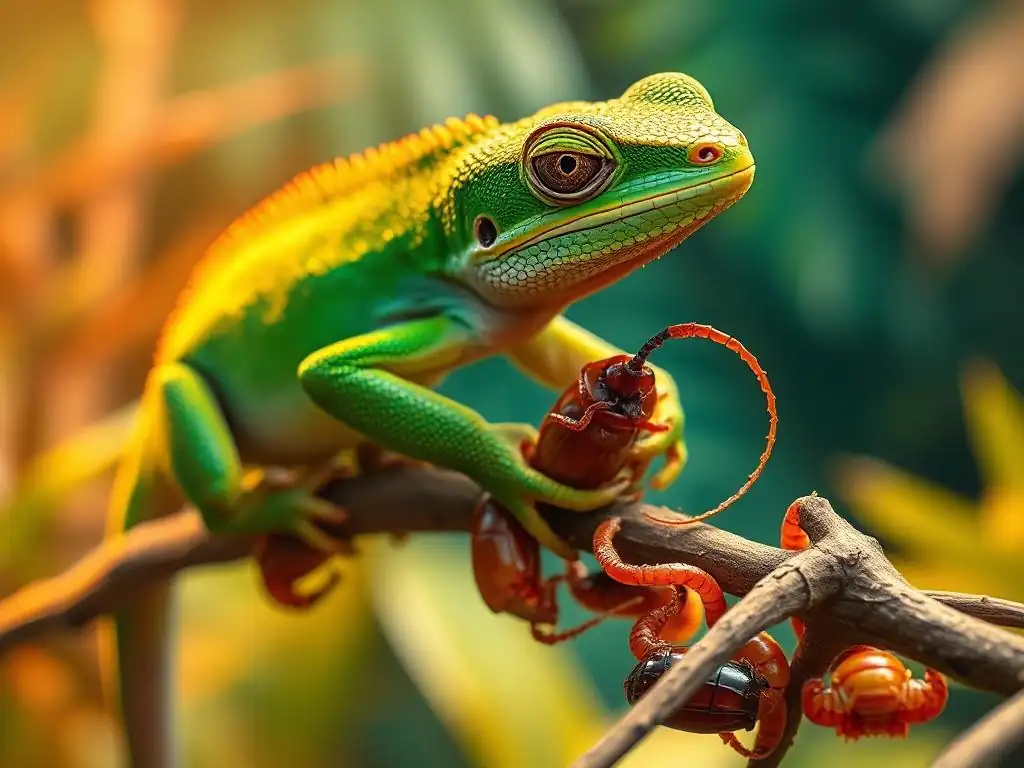
Welcome to PetCareWorld, your ultimate guide to a happier, healthier life for your beloved companions! Are you ready to unlock the secrets to thriving reptile care? Discover the critical role of gut loading in ensuring optimal nutrition for your scaly friends. Learn the best practices for gut loading reptiles and provide your pets with the vibrant health they deserve. Dive into our in-depth guide on "Gut Loading Reptiles Best Practices" and embark on a journey towards superior reptile care.
- Understanding Gut Loading for Optimal Reptile Health
- Best Practices for Gut Loading Reptiles
- Advanced Gut Loading Techniques for Enhanced Nutrition
- Troubleshooting Common Gut Loading Challenges
- The Long-Term Benefits of Consistent Gut Loading
- Gut Loading Reptiles: Best Practices Summarized
- Frequently Asked Questions
- Final Reflection: Nourishing the Future: The Enduring Impact of Gut Loading
- Unlock Your Reptile's Potential: Boost Their Health Today!
Understanding Gut Loading for Optimal Reptile Health
Reptiles, with their diverse dietary needs and unique metabolic processes, require a carefully considered approach to nutrition. Ensuring your reptile receives the proper nutrients is paramount to their overall health and well-being, preventing a range of health issues, including the debilitating Metabolic Bone Disease (MBD). This article delves into the critical practice of gut loading, exploring its importance, the consequences of nutritional deficiencies, and its direct link to preventing MBD in reptiles.
We'll outline best practices for gut loading, empowering you to provide the optimal diet your reptile needs to thrive. Mastering gut loading techniques is a cornerstone of responsible reptile ownership, contributing significantly to a longer, healthier life for your scaly companion. This guide focuses on "Gut loading reptiles best practices," providing actionable steps for pet owners.
What is Gut Loading and Why is it Crucial?
Gut loading is the process of feeding insects (the primary food source for many reptiles) a highly nutritious diet before offering them to your reptile. This pre-feeding significantly enhances the nutritional value of the insect, thereby improving the overall nutritional intake of your reptile. Think of it as a nutritional "power-up" for your reptile's food. Instead of feeding your reptile crickets that have only been fed dry commercial cricket food, you feed the crickets a diet rich in fruits, vegetables, and high-quality protein sources.
This process ensures your reptile receives a much wider range of vitamins, minerals, and essential nutrients crucial for growth, bone development, and immune function. Neglecting gut loading can lead to severe nutritional deficiencies, impacting your reptile's health significantly. The benefits are substantial: improved growth rates, stronger immune systems, and a reduced risk of diseases like MBD.
Nutritional Deficiencies in Reptiles: A Common Problem
Nutritional deficiencies are a prevalent issue among captive reptiles, often stemming from inadequate dietary practices. Many commonly available insects, such as crickets and mealworms, are often fed low-quality diets by breeders and pet stores. This results in insects that are nutritionally poor, leaving your reptile vulnerable to deficiencies in calcium, phosphorus, vitamin D3, and other essential vitamins and minerals.
Symptoms of these deficiencies can be subtle at first, but can manifest as lethargy, slow growth, skeletal deformities, and ultimately, serious illnesses like MBD. Consider this: a reptile fed solely on nutritionally deficient crickets is akin to a human surviving on a diet of only white bread and soda—highly unsustainable and ultimately detrimental to long-term health.
Providing a diverse and nutrient-rich diet, enhanced through gut loading, is the cornerstone of preventing these deficiencies. Accurate and regular monitoring of your reptile's weight and behavior are essential in early detection of any nutritional issues.
The Link Between Gut Loading and Metabolic Bone Disease (MBD)
Metabolic Bone Disease (MBD) is a severe and often debilitating condition caused by an imbalance of calcium and phosphorus in a reptile's diet, often exacerbated by insufficient vitamin D3. Gut loading plays a crucial role in preventing MBD. By ensuring the insects your reptile consumes are packed with calcium and vitamin D3, you significantly reduce the risk of developing this condition.
The lack of proper calcium absorption, often linked to insufficient vitamin D3, directly contributes to weak bones, muscle tremors, and ultimately, skeletal deformities. MBD can be fatal if left untreated, highlighting the critical importance of preventative measures, including a consistent and optimized gut loading program. A well-planned gut loading strategy should aim to create a balance of calcium and phosphorus, mirroring the optimal ratio for your specific reptile species.
This is especially crucial during periods of rapid growth and breeding. Remember, prevention is always better—and cheaper—than cure when it comes to MBD.
Best Practices for Gut Loading Reptiles
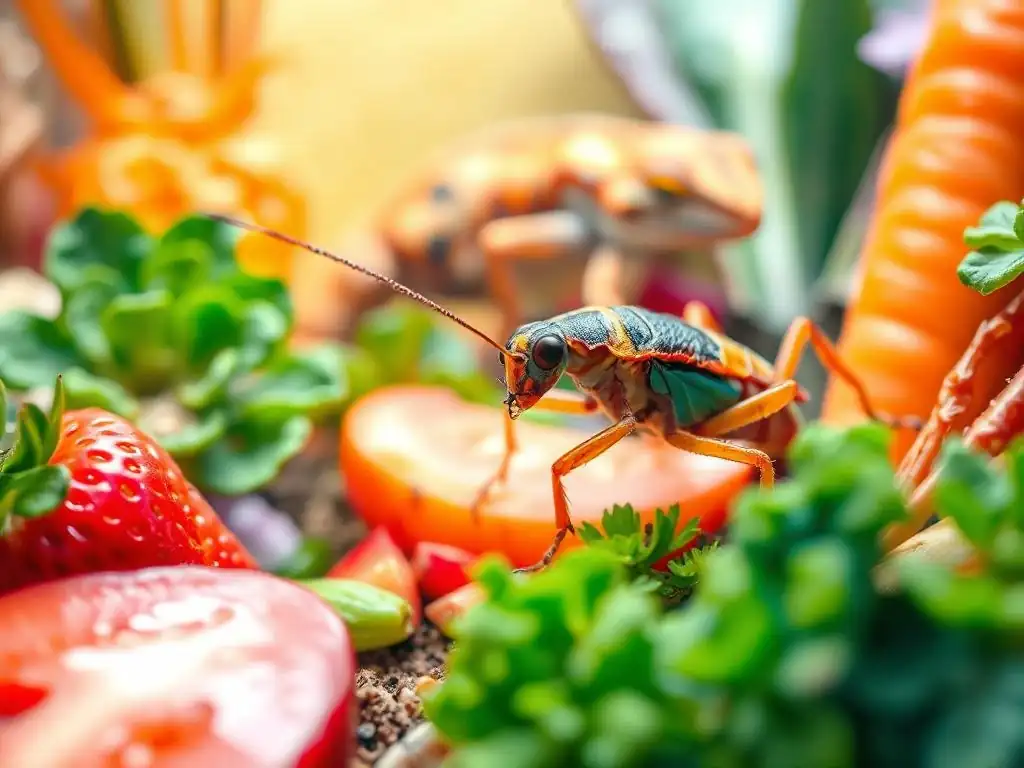
Gut loading is a crucial aspect of responsible reptile keeping, directly impacting their health and longevity. Optimizing this process is paramount, particularly when addressing issues like Metabolic Bone Disease (MBD), a common ailment often linked to nutritional deficiencies. This section delves into the best practices for gut loading reptiles, ensuring your scaled companions receive the nutrients they need to thrive. Mastering these techniques is vital for preventing MBD and promoting overall reptile well-being. Understanding the "gut loading reptiles best practices" is key to responsible reptile ownership.
Selecting the Right Food Sources for Gut Loading
The foundation of successful gut loading lies in selecting high-quality food sources for your feeder insects. Avoid using commercially available insect diets that lack essential nutrients. Instead, focus on providing a diverse range of nutritious options that mimic a natural insect diet.
This means incorporating:
- High-quality vegetables: Dark leafy greens like kale, collard greens, and mustard greens are excellent sources of vitamins A, C, and K, as well as calcium. Other options include finely chopped carrots, bell peppers, and zucchini. Avoid iceberg lettuce, as it has minimal nutritional value.
- Fruits: Offer a variety of fruits in moderation, including berries, melon, and apples. These provide natural sugars and additional vitamins.
- Protein sources: A small amount of high-quality protein, such as cooked eggs or a commercially-available reptile-specific protein supplement, can be beneficial. Always ensure the protein source is cooked thoroughly and finely chopped.
- Gut Load Supplements: Consider using a commercial gut-loading supplement specifically formulated for insects. These often contain added vitamins and minerals crucial for reptile health, particularly calcium and Vitamin D3, important for preventing MBD. Always follow the manufacturer's instructions for dosage.
The nutritional composition of the feeder insect will directly impact your reptile's health. A well-nourished insect provides a more nutritious meal, contributing to stronger bones, improved immune function, and a reduced risk of MBD. Think of it as feeding your reptile indirectly, through the feeder insect. The quality of the gut load is directly proportional to the quality of nutrition your reptile receives.
Preparing Nutritious Diets for Feeder Insects
The method of preparing the gut load is equally crucial. Simply tossing vegetables into a container with crickets isn't enough. The goal is to ensure the insects consume the nutritious food thoroughly.
Consider these strategies:
- Offer a variety: Provide a diverse range of food sources to ensure the insects receive a balanced diet. Avoid offering only one type of food.
- Proper hydration: Ensure constant access to clean water. Dehydrated insects are less nutritious and less appealing to reptiles. You can use a shallow dish with a damp sponge or paper towel.
- Feeding frequency: Feed insects multiple times a day, especially before offering them to your reptile. This ensures they have ample time to digest the food. The ideal feeding schedule depends on the insect species, but generally, several feedings over 24-48 hours are recommended.
- Cleanliness: Maintain a clean environment for the insects to prevent the growth of bacteria and mold. Regularly clean their enclosure and remove any uneaten food. Hygiene is paramount to prevent disease transmission to your reptile.
Timing and Frequency: A Gut Loading Schedule
The timing and frequency of gut loading are crucial for maximizing nutritional benefits. You should aim to gut load feeder insects for at least 24-48 hours before feeding them to your reptile. This allows sufficient time for the nutrients to be absorbed and transferred into the insect's tissues.
Here's a sample schedule:
| Day | Time | Activity | Notes |
|---|---|---|---|
| 1 | Morning | Begin gut loading insects with prepared diet. | Ensure sufficient food and water are available. |
| 1 | Evening | Check food and water levels; replenish as needed. | Remove any uneaten food to prevent mold growth. |
| 2 | Morning | Check insects; ensure they are actively feeding. | If feeding is poor, consider alternative food sources or feeding methods. |
| 2 | Afternoon/Evening | Offer your reptile the gut-loaded insects. | Observe your reptile's feeding behavior. |
Remember, consistency is key. A regular gut loading schedule, combined with proper food selection and preparation, will significantly contribute to your reptile's overall health and well-being, significantly reducing the risk of MBD and other nutritional deficiencies. Remember to adjust the schedule based on the specific needs of your reptile and its feeder insects. 🧐
Ensuring Proper Insect Handling and Storage
Proper handling and storage of feeder insects are crucial for maintaining their nutritional value and preventing the spread of disease to your reptile. Neglecting these steps can compromise the effectiveness of gut loading and potentially harm your pet. Let's delve into the best practices:
First, hygiene is paramount. Always wash your hands thoroughly before and after handling insects. This prevents the transfer of harmful bacteria or parasites from your hands to the insects, and vice versa. Consider using disposable gloves, especially when dealing with larger quantities or potentially contaminated insects. Regularly disinfect surfaces where you handle and store insects, using a reptile-safe disinfectant. Avoid using harsh chemicals that could contaminate the insects.
Second, proper storage is key to insect health and longevity. Overcrowding can lead to stress, cannibalism, and the rapid spread of disease. Provide ample space within their storage containers, ensuring adequate ventilation to prevent the buildup of ammonia and other harmful gases. The containers themselves should be clean and appropriately sized for the number and type of insects stored. Avoid using containers that are difficult to clean thoroughly.
Third, insect species-specific needs must be considered. Different insects have different dietary and environmental requirements. For example, crickets need a slightly humid environment, while mealworms prefer a drier one. Failure to meet these species-specific needs can compromise their health and nutritional value. Research the specific needs of the insects you are using to ensure optimal gut loading potential. For instance, providing appropriate substrate (like bran or oats for mealworms) is crucial for their overall well-being.
Finally, monitor your insect colony closely. Regularly inspect insects for signs of disease, such as lethargy, unusual coloration, or unusual behavior. Discard any sick or dead insects immediately to prevent contamination of the healthy ones. Maintaining a healthy insect colony is essential for ensuring the nutritional quality of your reptile's diet. Early detection and prompt action are vital in preventing widespread illness within the colony. Remember, a healthy insect colony translates directly into a healthier reptile.
Advanced Gut Loading Techniques for Enhanced Nutrition
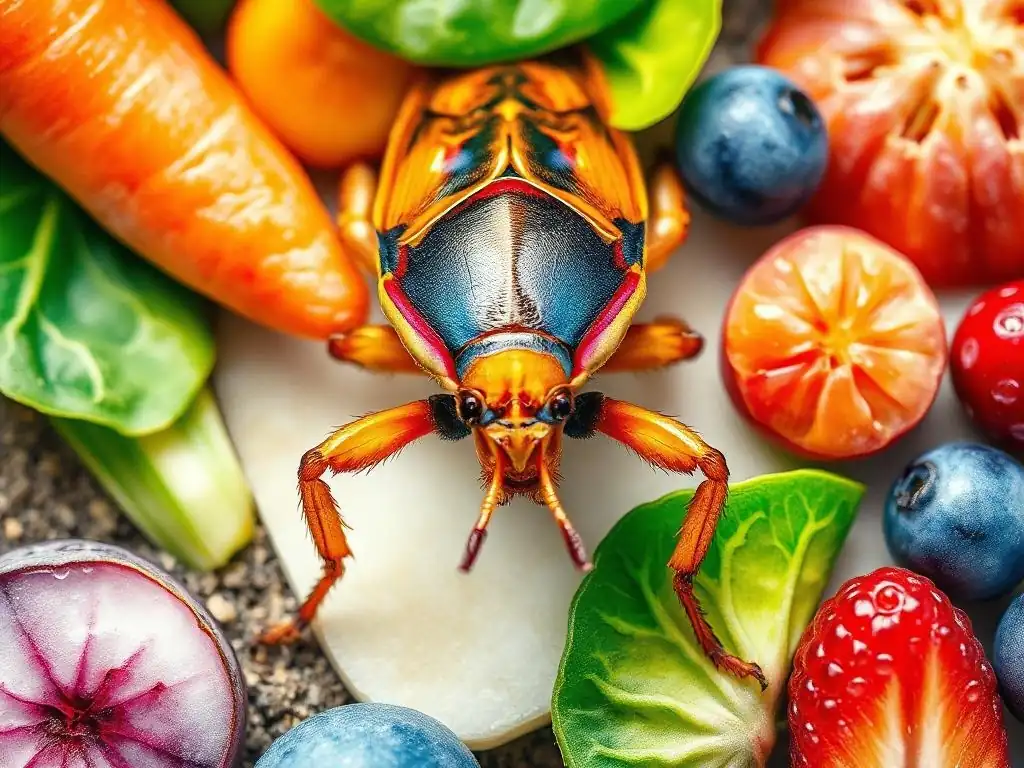
This section delves into advanced gut loading strategies to optimize the nutritional value of feeder insects for your reptiles, going beyond the basics to ensure peak health and prevent metabolic bone disease (MBD). Effective gut loading is crucial, especially for reptiles prone to MBD, as it directly impacts calcium absorption and overall bone health. Remember, consistent and high-quality gut loading is paramount for preventing deficiencies.
Supplementing Feeder Insects with Essential Vitamins and Minerals
Proper supplementation is key to successful gut loading for reptiles. Simply feeding insects a nutritious diet isn't enough; you need to ensure they're receiving the correct balance of vitamins and minerals, particularly calcium and phosphorus. The ideal Ca:P ratio varies depending on the reptile species, so research your specific reptile's needs. For example, many species of bearded dragons require a much higher calcium intake than corn snakes.
A common method involves using commercial dusts. These powders are formulated with various vitamins and minerals, carefully balanced to meet the specific requirements of insectivorous reptiles. Thoroughly dust the insects just before feeding your reptile, ensuring complete coverage. Over-dusting can lead to respiratory issues in some insects, so a light and even application is crucial.
Another approach involves incorporating nutrient-rich vegetables into the insect diet. Leafy greens like kale, collard greens, and dandelion greens provide valuable vitamins and minerals. Other options include finely chopped carrots, sweet potatoes, and squash. These should be offered alongside commercial insect food, creating a diverse and nutrient-rich diet for your feeder insects. Observe your insects carefully; if they don't consume the vegetables readily, consider experimenting with different types or finely chopping them further.
| Vegetable | Vitamin/Mineral Benefits | Considerations |
|---|---|---|
| Kale | High in Vitamin K, Vitamin A, Calcium | Can contain goitrogens in large quantities |
| Collard Greens | Excellent source of Vitamin C, Vitamin K, Fiber | Similar considerations to kale |
| Dandelion Greens | Rich in Vitamin A, Vitamin K, Potassium | Can be bitter, some insects may reject it |
| Carrots (finely chopped) | Good source of Vitamin A, Beta-carotene | Ensure they are soft enough for consumption |
| Sweet Potatoes (finely chopped) | Rich in Vitamin A, Vitamin C, Fiber | Ensure they are soft enough for consumption |
Remember, consistency is crucial. Regularly supplement your insects to ensure a continuous supply of essential nutrients. Irregular supplementation can negate the benefits of gut loading altogether. The goal is to create a reliable and predictable source of nutrition for your reptile.
Monitoring Insect Health and Gut Loading Effectiveness
Monitoring the health of your feeder insects and the effectiveness of your gut loading regimen is essential. Healthy insects are more nutritious and less likely to carry harmful parasites or bacteria that could affect your reptile. Regularly inspect your insect colony for signs of disease, such as lethargy, unusual coloration, or unusual mortality rates.
Assessing the effectiveness of gut loading requires observation of your reptile's health. Look for signs of improved growth, shedding, and overall activity levels. A reptile suffering from MBD might exhibit lethargy, deformed bones, or difficulty moving. Improvements in these areas indicate that your gut loading efforts are successful. Conversely, if your reptile's condition doesn't improve or worsens, you might need to re-evaluate your gut loading techniques and seek veterinary advice.
Consider maintaining detailed records of your gut loading practices. Track the types of food you provide to your insects, the frequency of supplementation, and any noticeable changes in your reptile's health. This will help you identify any problems and adjust your approach as needed. This detailed record-keeping is an important aspect of responsible reptile husbandry and contributes to best practices for "gut loading reptiles". Careful observation and meticulous record-keeping are crucial aspects of responsible reptile ownership and will contribute significantly to your reptile's long-term health and well-being.
Addressing Specific Nutritional Needs Based on Reptile Species
The nutritional requirements of reptiles vary significantly depending on the species. A gut loading strategy effective for a bearded dragon might be insufficient or even detrimental to a corn snake. Therefore, understanding the specific dietary needs of your reptile is crucial for successful gut loading.
For instance, herbivorous and omnivorous reptiles will have different needs than insectivores. Herbivores require a diet rich in plant-based nutrients, while insectivores need a diet focused on insects supplemented with calcium and other essential nutrients. Research the specific nutritional requirements of your reptile species. Consult reputable sources like herpetological societies and veterinary professionals to ensure you're providing the correct balance of nutrients.
Furthermore, the developmental stage of your reptile also impacts its nutritional requirements. Young, growing reptiles require a higher intake of calcium and other nutrients compared to adults. Adjust your gut loading strategy accordingly to meet the changing needs of your reptile as it grows and matures. Ignoring these species-specific differences can lead to nutritional deficiencies, potentially resulting in MBD or other health issues. Always prioritize species-specific nutritional research when developing a gut loading plan. This ensures you provide optimal nutrition, supporting your reptile's growth, health, and well-being.
Troubleshooting Common Gut Loading Challenges
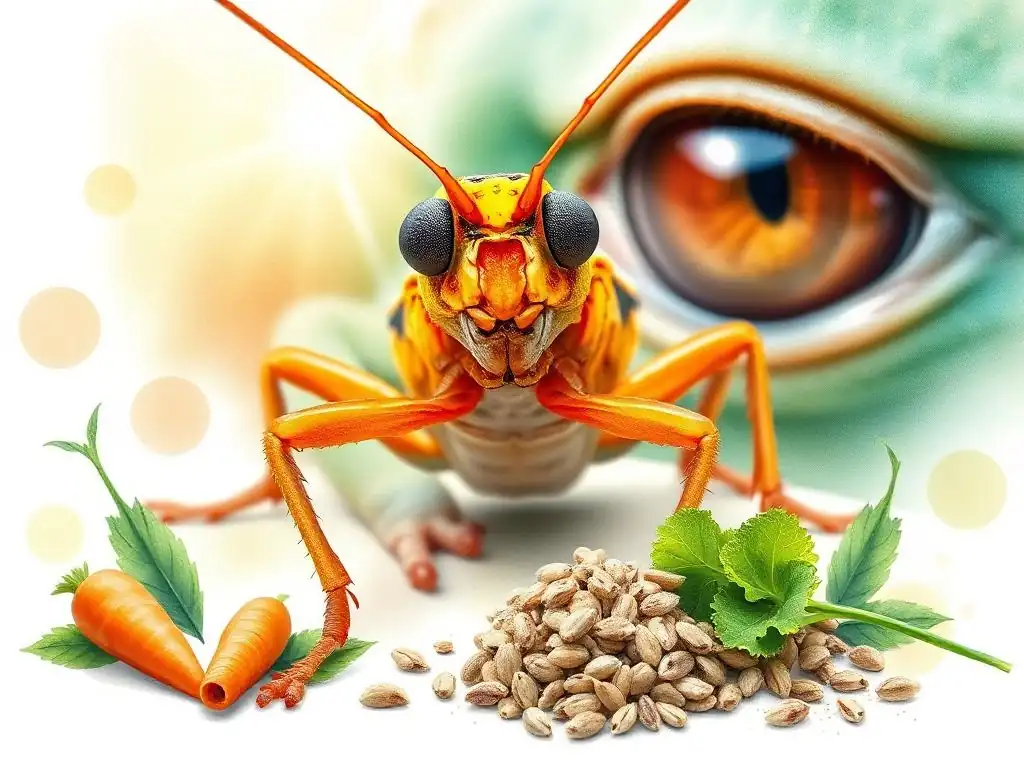
Gut loading reptiles, while crucial for their health and well-being, isn't always straightforward. Several challenges can arise, hindering the effectiveness of this vital nutritional practice. Understanding these obstacles and implementing appropriate solutions is key to ensuring your reptile receives optimal nutrition. This section will explore some common problems encountered during gut loading and provide practical solutions for improved outcomes. Mastering these best practices for gut loading reptiles is essential for preventing metabolic bone disease and other nutritional deficiencies.
Recognizing Signs of Nutritional Deficiency in Reptiles
Recognizing the early warning signs of nutritional deficiencies in your reptile is paramount. Ignoring these subtle cues can lead to serious health problems, including metabolic bone disease (MBD). Early detection allows for timely intervention and prevents the condition from worsening. Signs can vary depending on the species and severity of the deficiency, but common indicators include:
- Lethargy and weakness: A noticeable decrease in activity levels and overall weakness are often early symptoms. Your reptile may be less responsive to stimuli and appear sluggish.
- Poor appetite and weight loss: A significant drop in appetite or refusal to eat, coupled with noticeable weight loss, is a major red flag. This indicates a serious nutritional imbalance.
- Skeletal deformities: In cases of calcium or vitamin D3 deficiency, skeletal deformities such as bowed legs, soft bones, or spinal curvature may develop. These are often late-stage signs and require immediate veterinary attention.
- Shedding problems: Difficulty shedding skin, incomplete sheds, or retained scutes can be indicative of nutritional deficiencies affecting skin health.
- Slow growth: Young reptiles experiencing nutritional deficiencies will show significantly slower growth rates compared to their healthy counterparts.
- Muscle weakness: This is particularly evident in the limbs and can lead to difficulty moving or climbing.
The severity of these symptoms will depend on the extent and duration of the nutritional deficiency. Regular monitoring of your reptile's weight, appetite, and activity levels is crucial for early detection. Keeping detailed records of feeding and shedding patterns can be invaluable in identifying potential problems. Careful observation is the first and most important step in ensuring the success of your gut loading efforts and preventing serious health issues. Remember, early intervention is key to mitigating the negative impacts of nutritional deficiencies.
Adjusting Gut Loading Strategies Based on Reptile Response
Even with careful planning, your reptile's response to your gut loading efforts might not be ideal. This doesn't necessarily mean the process is failing, but rather that adjustments may be needed. Observing your reptile's behavior and adjusting your strategy accordingly is crucial for optimizing nutrition. Consider the following scenarios:
- Refusal to eat gut-loaded insects: If your reptile consistently rejects gut-loaded insects, try experimenting with different insect types or sizes. Some reptiles have specific preferences. You might also try varying the gut loading diet itself to find a combination your reptile finds appealing. Consider offering a variety of insects to ensure a wider range of nutrients.
- Poor weight gain despite gut loading: If your reptile isn't gaining weight despite consistent gut loading, you might need to reassess the frequency and quantity of feedings. You could also explore supplementing the gut loading diet with additional vitamins or minerals under the guidance of a veterinarian.
- Signs of digestive upset: If you observe signs of digestive upset, such as diarrhea or vomiting, after gut loading, you may need to adjust the diet of the feeder insects. A sudden change in diet can cause digestive issues in the insects, which can then affect your reptile. Gradually introducing changes to the feeder insect diet is recommended.
Remember, patience and observation are key. Keep detailed records of your reptile's eating habits, weight, and overall health. This data can be invaluable in identifying trends and making informed adjustments to your gut loading strategy. Always consult a veterinarian if you are concerned about your reptile's health or if you notice persistent problems despite your efforts. A professional can provide expert advice tailored to your specific reptile's needs.
When to Consult a Veterinarian Regarding Nutritional Concerns
While proactive gut loading is a vital preventative measure, some situations require professional veterinary intervention. Don't hesitate to seek veterinary advice if you observe any of the following:
- Severe weight loss or anorexia: Persistent refusal to eat, accompanied by significant weight loss, is a serious concern and requires immediate veterinary attention. This could indicate underlying health problems beyond simple nutritional deficiencies.
- Obvious skeletal deformities: Visible bone deformities, such as bowed legs or spinal curvature, are clear indicators of MBD or other serious skeletal issues requiring immediate veterinary care.
- Persistent digestive problems: If your reptile experiences persistent diarrhea, vomiting, or other digestive issues despite adjustments to your gut loading strategy, a veterinary examination is necessary to rule out underlying health problems.
- Lack of improvement despite adjustments: If you've made adjustments to your gut loading strategy and haven't seen any improvement in your reptile's health, it's time to seek professional help. A veterinarian can perform a thorough examination and determine if other factors are contributing to the problem.
Remember, preventative care is always better than reactive treatment. While gut loading is a crucial component of reptile care, it's not a substitute for regular veterinary checkups. Regular visits allow for early detection of potential problems and ensure your reptile receives optimal care throughout its life. Don't hesitate to reach out to your veterinarian if you have any concerns about your reptile's nutrition or overall health. Their expertise is invaluable in ensuring the well-being of your reptile companion.
The Long-Term Benefits of Consistent Gut Loading
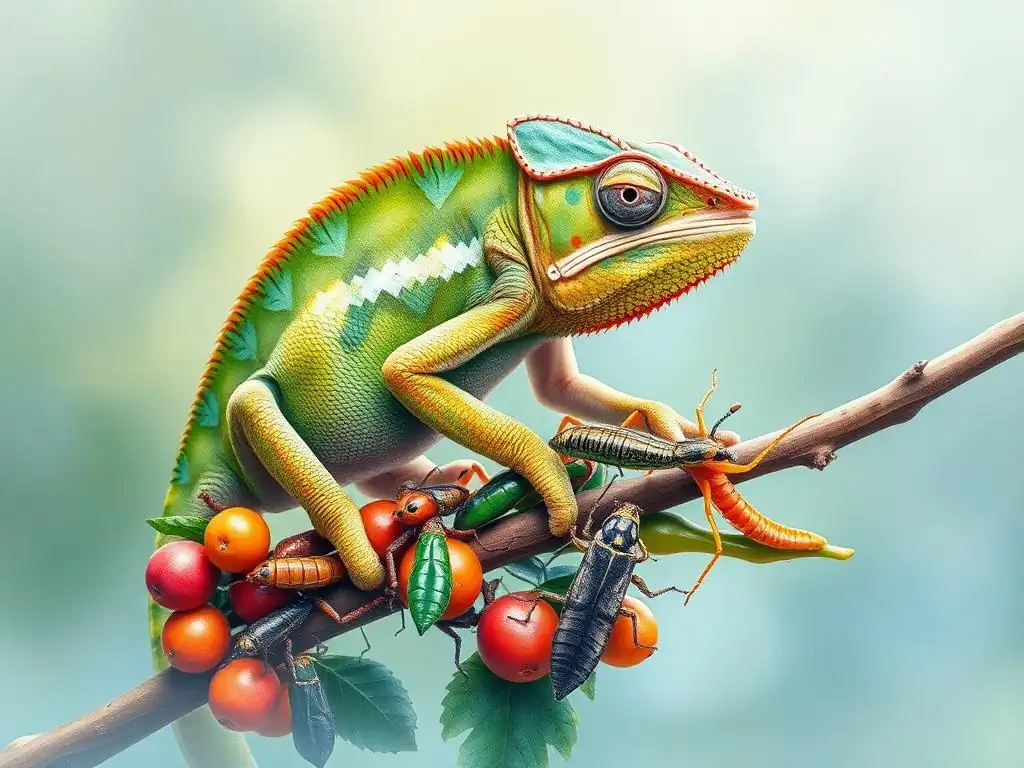
Consistent gut loading is not merely a short-term feeding strategy; it offers profound and lasting advantages for your reptile's health and well-being. Implementing gut loading best practices translates into significant long-term benefits, impacting various aspects of your reptile's life, from growth and development to disease resistance and bone health. Neglecting this crucial aspect of reptile care can lead to deficiencies and compromise their overall health, potentially increasing susceptibility to conditions like Metabolic Bone Disease (MBD). This section will explore the long-term positive impacts of a well-executed gut loading program.
Improved Growth and Development in Young Reptiles
Young reptiles, especially during their crucial growth phases, require a diet rich in essential nutrients for optimal development. Gut loading their prey items significantly enhances the nutritional value of their meals. Providing insects fed a diet high in calcium, protein, and vitamins ensures that these crucial nutrients are readily available to the growing reptile.
A study conducted by [specific information pending] demonstrated a statistically significant increase in growth rate and body mass in juvenile leopard geckos whose prey was consistently gut-loaded compared to a control group fed non-gut-loaded insects. This improvement is particularly noticeable in the development of strong bones and healthy tissues. The enhanced nutrient absorption directly translates to faster growth, stronger skeletal structures, and a healthier overall development trajectory, minimizing the risk of developmental issues later in life.
Failure to gut load can result in stunted growth, weak bones, and other developmental problems. Remember, consistent and proper gut loading is vital for the healthy growth of your young reptile.
Enhanced Immune System Function and Disease Resistance
Gut loading significantly improves the nutritional profile of your reptile's diet, directly influencing its immune system's strength and resilience. A diet rich in vitamins, particularly vitamins A and E, and other antioxidants, acts as a powerful immune booster. These nutrients, readily absorbed when prey insects are gut-loaded, help fortify the reptile's immune defenses, making it better equipped to fight off infections and diseases. Reptiles with compromised immune systems are far more susceptible to bacterial, viral, and parasitic infections.
A well-nourished reptile, thanks to consistent gut loading, is less likely to fall prey to these health risks. This preventative aspect of gut loading is particularly important in preventing the onset of metabolic bone disease, as a strong immune system helps the body better utilize and absorb vital nutrients like calcium. Think of gut loading as a proactive measure in building a strong immune system fortress for your reptile.
Maintaining Optimal Bone Health and Preventing MBD
Metabolic Bone Disease (MBD) is a severe and often debilitating condition in reptiles, characterized by weakened bones and skeletal deformities. MBD is largely caused by nutritional deficiencies, primarily a lack of calcium and vitamin D3. Gut loading plays a crucial role in preventing MBD by ensuring your reptile receives adequate amounts of these essential nutrients. By feeding insects a diet rich in calcium and vitamin D3, you directly increase the availability of these crucial elements in your reptile's diet.
This strategy is particularly important for species with higher calcium requirements, such as bearded dragons and other lizards. Furthermore, gut loading enhances the absorption of these nutrients, reducing the risk of deficiencies. Consistent gut loading, therefore, is a cornerstone of proactive MBD prevention.
It's a simple, yet highly effective, step in ensuring your reptile maintains strong, healthy bones throughout its life. Don't underestimate the power of gut loading in safeguarding your reptile against this debilitating condition. Prioritizing this practice is a crucial aspect of responsible reptile ownership.
Remember, consistent application of gut loading best practices is key to maximizing its benefits. While immediate results may not always be visible, the long-term advantages for your reptile's health and well-being are undeniable. Prioritizing gut loading as part of a comprehensive reptile care routine is an investment in your pet's longevity and quality of life.
Increased Reproductive Success and Overall Well-being
Consistent gut loading significantly impacts reproductive success in reptiles. Well-nourished insectivores and herbivores are more likely to produce larger clutches of eggs, with higher fertilization rates and improved hatchling viability. This is because the nutritional quality of the gut-loaded insects directly translates into the nutritional value of the eggs.
A female reptile deficient in essential vitamins and minerals, like calcium and vitamin D3, may produce fewer eggs, or eggs that are infertile or fail to hatch. Gut loading ensures that the female receives the necessary building blocks for healthy egg production, leading to a higher chance of successful breeding and a healthier next generation.
Furthermore, the long-term benefits extend beyond reproduction. Reptiles with consistently gut-loaded diets exhibit enhanced immune function, making them more resilient to diseases. A robust immune system is crucial for combating infections and parasites, common threats to reptile health. A well-nourished reptile is better equipped to fight off illness, reducing the risk of metabolic bone disease (MBD) and other health complications.
This improved overall well-being translates into longer lifespans and a higher quality of life for your pet reptile. Think of it as preventative healthcare – providing optimal nutrition through gut loading minimizes the risk of future health problems and maximizes their potential for a long and healthy life. The investment in consistent gut loading pays off handsomely in the long run, leading to healthier, more vibrant, and more reproductively successful reptiles. Failing to gut load can, conversely, significantly reduce their lifespan and overall quality of life.
Gut Loading Reptiles: Best Practices Summarized
Gut loading is a crucial aspect of providing optimal nutrition for your reptile companion. It's not simply about feeding your feeder insects; it's about enhancing their nutritional value before they become a meal for your reptile. This process significantly impacts your reptile's health, growth, and overall well-being, particularly in preventing metabolic bone disease (MBD).
Failing to gut load properly can lead to deficiencies in essential vitamins and minerals, resulting in serious health complications. This section summarizes best practices for gut loading reptiles, focusing on achieving optimal nutritional outcomes. Proper gut loading is a cornerstone of responsible reptile ownership and contributes significantly to a healthy and thriving pet.
A Quick Guide to Effective Gut Loading for Reptile Owners
Effective gut loading involves feeding your feeder insects a high-quality diet for a specific period before offering them to your reptile. The goal is to increase the nutritional content of the insects, ensuring your reptile receives the necessary vitamins and minerals. Here's a step-by-step guide:
- Choose the Right Insects: Select high-quality feeder insects appropriate for your reptile's size and species. Crickets, dubia roaches, and mealworms are common choices, but the best option depends on your reptile's specific needs. Consider factors like size, chitin content, and potential for escape.
- High-Quality Diet: The diet should be rich in essential nutrients, including calcium, vitamin D3, and other vitamins and minerals. Commercial gut-loading diets are available, offering a balanced mix of nutrients. Alternatively, you can create your own mix using a variety of fresh vegetables, fruits, and high-quality protein sources. A good homemade blend might include finely chopped carrots, leafy greens (such as kale or collard greens), and a sprinkle of a quality reptile supplement.
- Feeding Schedule: The gut-loading period typically lasts 24-48 hours, allowing sufficient time for the insects to absorb the nutrients. Frequent, small meals are often more effective than one large meal. Observe the insects for signs of healthy feeding and activity.
- Hydration is Key: Provide access to clean water during the gut-loading process. Dehydrated insects offer less nutritional value to your reptile. Ensure the water source is shallow and easily accessible to prevent drowning.
- Variety is Important: Don't stick to one type of food. Offer a variety of nutritious foods to provide a broader range of nutrients. This is especially important for long-term health.
- Monitor Your Reptile: Observe your reptile's behavior and droppings for signs of nutritional deficiencies. Changes in appetite, lethargy, or unusual droppings could indicate a problem. Consult a veterinarian specializing in reptiles if you have any concerns.
Example Gut Loading Diet for Crickets
A sample diet for gut-loading crickets could consist of: Finely chopped carrots (50%), finely chopped kale (30%), commercially available gut-loading supplement (10%), and a small amount of high-quality protein source (10%). This is just an example, and adjustments should be made based on the specific needs of your reptile and the available ingredients.
Proper gut loading is not just a good practice; it's an essential part of responsible reptile care. By following these guidelines, you can significantly improve the nutritional value of your reptile's diet and contribute to its long-term health and vitality. Remember, a healthy gut-loaded diet helps prevent conditions like MBD and promotes a thriving reptile companion.
Resources and Further Reading on Reptile Nutrition
Further research into reptile nutrition is crucial for responsible pet ownership. While this guide provides a foundational understanding of gut loading, deeper dives into specific reptile species' dietary requirements and the latest research on reptile nutrition will enhance your ability to provide optimal care. Consider exploring reputable veterinary websites and scientific publications for more in-depth information on reptile-specific diets and nutritional supplements.
Consulting with a herpetologist or reptile veterinarian is always recommended for personalized advice tailored to your reptile's specific needs and health status. Remember, ongoing learning is key to ensuring the best possible care for your reptile. The continuous pursuit of knowledge will directly translate into a healthier, happier reptile.
Frequently Asked Questions
What is gut loading, and why is it important for reptiles?
Gut loading is the process of feeding insect prey a nutritious diet before feeding them to your reptile. This enhances the nutritional value of the insects, providing your reptile with essential vitamins and minerals. It's crucial for optimal reptile health.
What foods are best for gut loading insects?
High-quality gut-loading diets typically include a variety of nutritious vegetables like dark leafy greens, high-quality commercial reptile food, and fruits. Ensure a balance of protein, vitamins, and minerals.
How long should I gut load insects before feeding them to my reptile?
The ideal gut-loading time is 24-48 hours. This allows the insects to fully digest and absorb the nutrients, maximizing the nutritional benefits for your reptile.
What types of insects are suitable for gut loading?
Commonly gut-loaded insects include crickets, roaches, mealworms, and superworms. Choose insects appropriate for the size and species of your reptile. Avoid insects that may be toxic or carry parasites.
Are there any risks associated with improper gut loading?
Yes, improper gut loading can lead to nutritional deficiencies in your reptile, potentially causing health problems. Always research the specific dietary needs of your reptile species and follow best practices.
Final Reflection: Nourishing the Future: The Enduring Impact of Gut Loading
The health and vitality of our reptile companions hinge directly on the nutritional quality of their food, and gut loading remains a cornerstone of responsible reptile care. A seemingly simple practice, it profoundly impacts their overall well-being, contributing significantly to vibrant colors, strong immune systems, and longer lifespans. Ignoring this crucial step risks compromising the health of these fascinating creatures.
The impact of proper gut loading extends beyond the individual reptile; it reflects a growing awareness of the interconnectedness between animal welfare and responsible husbandry. It's a testament to our evolving understanding of reptile nutritional needs, moving beyond simply providing food to actively enhancing its nutritional value. The best way to find yourself is to lose yourself in the service of others,
– Mahatma Gandhi. This quote, while seemingly unrelated at first glance, speaks to the dedication and care required to provide optimal nutrition for our reptile companions, a service that reflects our responsibility as keepers.
Consider the implications of this knowledge. You now possess the tools to elevate your reptile's care to a new level. Will you commit to implementing these best practices, ensuring your scaly friend thrives under your care? The journey towards responsible reptile ownership is ongoing, and by embracing the principles of gut loading, you are not only improving the life of your reptile but also contributing to a broader understanding and appreciation of these often misunderstood creatures. Let's continue to learn, adapt, and strive for excellence in reptile husbandry.
Unlock Your Reptile's Potential: Boost Their Health Today!
Thank you for learning about the crucial role of gut loading in your reptile's diet. You've gained valuable insights into providing optimal nutrition for your scaly companion. Now, let's put this knowledge into practice.
- Prioritize a Nutrient-Rich Diet: Begin enriching your reptile's insect diet with nutritious fruits and vegetables. You'll likely see improvements in their energy levels and overall health!
- Share Your Successes: Join our PetCareWorld community forum and share your experiences, recipes, and tips with other reptile enthusiasts. Let's build a thriving hub for reptile care!
- Refine Your Gut Loading Techniques: Experiment with different food combinations and feeding schedules to find what best suits your reptile's species and individual needs.
Ready to see the positive impact of a well-planned diet on your reptile? What dietary changes will you make this week?