
Large Breed Puppy Care: Crucial Tips for Raising a Healthy and Happy Giant


Welcome to PetCareWorld, your ultimate guide to a happier, healthier life for your beloved companion! Are you ready to embark on the incredible journey of raising a giant breed puppy? Discover crucial tips and expert advice within our comprehensive guide on "Giant Breed Puppy Care," designed to help you navigate the unique challenges and rewards of caring for these magnificent animals. Prepare to unlock the secrets to raising a strong, healthy, and happy giant – read on to learn more!
- Understanding the Unique Needs of Giant Breed Puppies
- Feeding Your Giant Breed Puppy: A Comprehensive Guide
- Exercise and Activity for Large Breed Puppies: Preventing Joint Issues
- Socialization and Training for Your Giant Breed Puppy
- Grooming and Hygiene for Giant Breed Puppies
- Protecting Your Giant Breed Puppy from Injury and Illness
- Creating a Safe and Stimulating Environment for Your Giant Puppy
- Long-Term Health Considerations for Giant Breed Dogs
- Frequently Asked Questions
- Final Reflection: Nurturing Giants: A Legacy of Love and Responsibility
- Ready to Raise a Gigantic Friend? Let's Get Started!
Understanding the Unique Needs of Giant Breed Puppies
Raising a giant breed puppy is a rewarding but demanding experience. Unlike their smaller counterparts, these majestic animals face unique challenges during their formative years, requiring a specialized approach to ensure their healthy growth and development. From their rapid growth spurts and susceptibility to certain health conditions to their specific nutritional needs and training requirements, understanding these nuances is crucial for raising a happy and healthy giant.
This comprehensive guide will delve into the key aspects of giant breed puppy care, providing you with the knowledge and tools to navigate this exciting journey with confidence. We'll cover everything from appropriate feeding strategies to recognizing potential health problems early on, equipping you to provide the best possible care for your growing companion.
This guide focuses on providing practical, evidence-based advice to help you raise a strong, healthy, and well-adjusted giant breed dog. Remember, responsible ownership starts with informed decision-making, and this article is designed to be your trusted resource.
Giant Breed Puppy Growth and Development Stages
Giant breed puppies experience incredibly rapid growth during their first year, often reaching a significant portion of their adult size within just a few months. This rapid growth puts immense strain on their joints and bones, making them particularly vulnerable to orthopedic issues. Understanding the distinct growth stages is critical for tailoring your care to their specific needs at each phase.
For example, the first few months are characterized by explosive growth, demanding a diet rich in high-quality protein and essential nutrients. This period is also critical for socialization, ensuring proper exposure to different environments, people, and other animals to foster a well-adjusted adult dog. As the puppy enters adolescence (typically between 6 and 12 months), the growth rate slows but continues to be significant.
During this phase, careful management of exercise and activity levels is crucial to prevent joint damage. Finally, the puppy will reach maturity, which can take up to 18-24 months for giant breeds, depending on the specific breed.
Nutritional Requirements for Growing Giants: Food and Supplements
Feeding a giant breed puppy requires a carefully planned approach. Their rapid growth necessitates a diet rich in high-quality protein, calcium, and phosphorus to support bone and muscle development. Overfeeding can lead to excessive weight gain, placing further stress on their developing joints. Conversely, underfeeding can stunt growth and compromise their long-term health.
Choosing the right food is paramount. Look for puppy food specifically formulated for large or giant breeds, as these often contain adjusted calcium and phosphorus ratios to minimize the risk of skeletal disorders. The amount of food should be carefully measured and monitored to prevent obesity. In some cases, veterinary professionals may recommend specific supplements, such as glucosamine and chondroitin, to support joint health.
Regular veterinary check-ups are vital to monitor growth and adjust the feeding plan as needed. Remember to always consult with your veterinarian to determine the optimal diet for your specific breed and puppy's individual needs. They can provide tailored recommendations based on factors like breed, age, activity level, and any pre-existing health conditions.
Potential Health Concerns in Large Breed Puppies: Hip and Elbow Dysplasia
Giant breed puppies are predisposed to several orthopedic problems, with hip and elbow dysplasia being among the most common. Hip dysplasia involves the abnormal formation of the hip joint, leading to pain, lameness, and arthritis later in life. Elbow dysplasia similarly affects the elbow joint, resulting in similar problems. Early detection and management are crucial to mitigate the severity of these conditions.
Careful monitoring of the puppy's gait and posture is essential. Signs of hip or elbow dysplasia can include lameness, stiffness, difficulty rising, or a reluctance to jump or run. Regular veterinary check-ups, including radiographic evaluations, are recommended to identify these conditions early.
In some cases, veterinary intervention, such as surgery or medication, may be necessary to manage the symptoms and improve the quality of life for the affected dog. Preventive measures, such as maintaining a healthy weight and avoiding excessive exercise during periods of rapid growth, can significantly reduce the risk of developing these conditions. Remember, early detection and proactive management are key to ensuring a long and comfortable life for your giant breed companion.
Feeding Your Giant Breed Puppy: A Comprehensive Guide

Feeding your giant breed puppy correctly is paramount to their healthy development and long-term well-being. Giant breeds grow rapidly, placing significant stress on their joints and bones. Nutritional deficiencies or overfeeding can lead to serious health problems like hip dysplasia, osteochondrosis, and other skeletal issues. This section provides detailed guidance on optimizing your giant breed puppy's diet.
Choosing the Right Food for Optimal Growth
Selecting the appropriate food is the cornerstone of proper giant breed puppy care. Avoid generic puppy foods; instead, opt for formulas specifically designed for large or giant breeds. These formulations often contain:
- Controlled calcium and phosphorus levels: Excessive calcium can accelerate bone growth, increasing the risk of skeletal abnormalities. Large breed puppy food carefully balances these minerals to promote healthy, gradual development.
- Higher levels of glucosamine and chondroitin: These compounds support joint health and cartilage development, mitigating the risk of joint problems later in life. Look for these ingredients explicitly listed on the label.
- Adjusted protein and fat levels: Giant breeds require sufficient protein for muscle growth, but excessive amounts can strain their developing skeletal system. The protein and fat content in large breed puppy food is carefully calibrated to support healthy growth without overtaxing their bodies.
- Omega-3 and Omega-6 fatty acids: Essential for healthy skin and coat, these fatty acids also contribute to overall joint health and inflammation reduction.
When comparing brands, carefully read the ingredient list. Look for high-quality protein sources like real meat (chicken, lamb, beef) listed prominently, and avoid fillers like corn, wheat, or soy. Consult your veterinarian for recommendations tailored to your puppy's specific breed, size, and activity level. They can help you choose a food that meets your puppy's unique nutritional needs.
Feeding Schedules and Portion Control for Large Breeds
Feeding frequency and portion sizes are crucial for preventing rapid weight gain and skeletal problems. Unlike smaller breeds, giant breed puppies don't need to eat as frequently. A twice-daily feeding schedule is usually sufficient. Overfeeding is a significant risk; obesity puts immense strain on their joints and can shorten their lifespan.
Here's a general guideline, but always follow the feeding instructions on your chosen food and consult your vet:
| Age (Months) | Approximate Daily Food Amount (adjust based on activity level and breed size) |
|---|---|
| 2-4 | 1-1.5 cups |
| 4-6 | 1.5-2 cups |
| 6-8 | 2-2.5 cups |
| 8-12 | 2.5-3 cups |
These are estimates. Monitor your puppy's weight and body condition regularly. A healthy weight should allow you to easily feel their ribs without excessive pressure. Adjust portion sizes as needed to maintain a healthy weight. Consider using a measuring cup to ensure consistency in portion control. Remember, it's better to slightly underfeed than overfeed a giant breed puppy.
Addressing Common Feeding Challenges in Giant Breed Puppies
Even with careful planning, some feeding challenges may arise:
- Food refusal: Some giant breed puppies can be picky eaters. Introduce new foods gradually, mixing small amounts with their current food. If refusal persists, consult your veterinarian to rule out underlying medical conditions.
- Bloat (Gastric Dilatation-Volvulus): This life-threatening condition is more common in deep-chested breeds. Feeding smaller, more frequent meals, avoiding strenuous activity immediately after eating, and using raised food bowls can help mitigate the risk. Learn to recognize the symptoms (restlessness, distended abdomen, retching) and seek immediate veterinary care if suspected.
- Rapid weight gain: Monitor your puppy’s weight closely. If weight gain is too rapid, adjust portion sizes accordingly. Consider consulting a veterinary nutritionist for personalized dietary advice.
Remember, consistent monitoring, careful portion control, and a high-quality diet are essential components of raising a healthy and happy giant breed puppy. Regular veterinary check-ups are also crucial to track their growth and address any potential issues early. By proactively addressing these aspects of giant breed puppy care, you can significantly improve their chances of a long and healthy life.
Exercise and Activity for Large Breed Puppies: Preventing Joint Issues
Raising a giant breed puppy is a rewarding experience, but it comes with unique challenges, especially concerning their skeletal development. Giant breeds, like Great Danes, Mastiffs, and Saint Bernards, are predisposed to orthopedic issues if not properly managed during their crucial growth phases. Careful attention to exercise and activity is paramount in preventing lifelong joint problems and ensuring a happy, healthy life for your giant companion.
Understanding the delicate balance between sufficient physical stimulation and the risk of overexertion is key to successful giant breed puppy care. This section will delve into the specifics of creating a tailored exercise plan to minimize the risk of hip dysplasia, elbow dysplasia, and other common orthopedic problems. Remember, responsible exercise is a cornerstone of preventative giant breed puppy care tips.
Appropriate Exercise Regimens for Different Growth Stages
The exercise needs of a giant breed puppy change dramatically throughout their development. A rigid, one-size-fits-all approach is detrimental. Instead, consider these guidelines based on developmental stages:
- 8-16 weeks (Puppyhood): Short, frequent play sessions are ideal. Think several 5-10 minute sessions throughout the day, focusing on gentle play like fetch with a light toy or short walks on soft surfaces. Avoid strenuous activity, jumping, or running on hard surfaces. This stage is all about building muscle strength gradually.
- 16-24 weeks (Rapid Growth): Continue with short, frequent play sessions, gradually increasing the duration. Introduce low-impact activities like swimming (excellent for building muscle without stressing joints) or gentle games of tug-of-war with a soft rope. Avoid stairs and jumping activities.
- 6-12 months (Continued Growth): Moderate exercise is now appropriate, still focusing on low-impact activities. Longer walks on even terrain are acceptable, but avoid running or intense play. Continue monitoring for signs of lameness or discomfort.
- 12+ months (Maturity): Once your giant breed puppy reaches maturity (this varies greatly by breed), you can gradually increase the intensity and duration of exercise, but always remain mindful of their joint health. Regular veterinary checkups are crucial throughout this entire period to monitor growth and development and address any potential issues early. Remember, even mature giants are susceptible to joint problems if overexerted.
The Importance of Low-Impact Activities for Giant Breeds
Low-impact activities are crucial for giant breed puppies because they minimize the stress placed on their developing joints. High-impact activities, such as running on hard surfaces or playing rough games that involve sudden stops and starts, can significantly increase the risk of orthopedic problems. Prioritize activities such as:
- Swimming: Swimming is an exceptional low-impact exercise that provides excellent cardiovascular benefits without stressing joints. It's a fantastic option for puppies of all sizes and fitness levels.
- Walking on soft surfaces: Opt for grassy areas, sand, or trails over hard pavement or concrete.
- Gentle games of fetch: Use lightweight toys and keep play sessions short.
- Controlled tug-of-war: Use a soft rope and avoid sudden jerks.
- Scent work: This mentally stimulating activity requires minimal physical exertion.
By focusing on low-impact activities, you can help your giant breed puppy build muscle strength and cardiovascular fitness without jeopardizing their joint health. Remember, prevention is key when it comes to giant breed puppy care.
Signs of Overexertion and Joint Strain in Large Breed Puppies
It's crucial to be vigilant and recognize signs of overexertion or joint strain in your giant breed puppy. Early detection allows for prompt intervention, potentially preventing long-term problems. Watch out for:
- Lameness: Limping, stiffness, or reluctance to bear weight on one or more legs.
- Swelling: Noticeable swelling in the joints, especially the elbows, hips, or knees.
- Pain on palpation: Gentle pressure on the affected joint elicits a painful response.
- Reduced activity level: Lethargy, decreased playfulness, or unwillingness to engage in usual activities.
- Changes in gait: Altered posture, limping, or an unusual way of walking.
- Stiffness: Difficulty getting up or down, or stiffness after rest.
If you notice any of these signs, immediately consult your veterinarian. Early diagnosis and treatment are vital for managing orthopedic issues in giant breed puppies. Remember, responsible observation is a crucial aspect of successful giant breed puppy care tips. Don't hesitate to seek professional advice if you have any concerns.
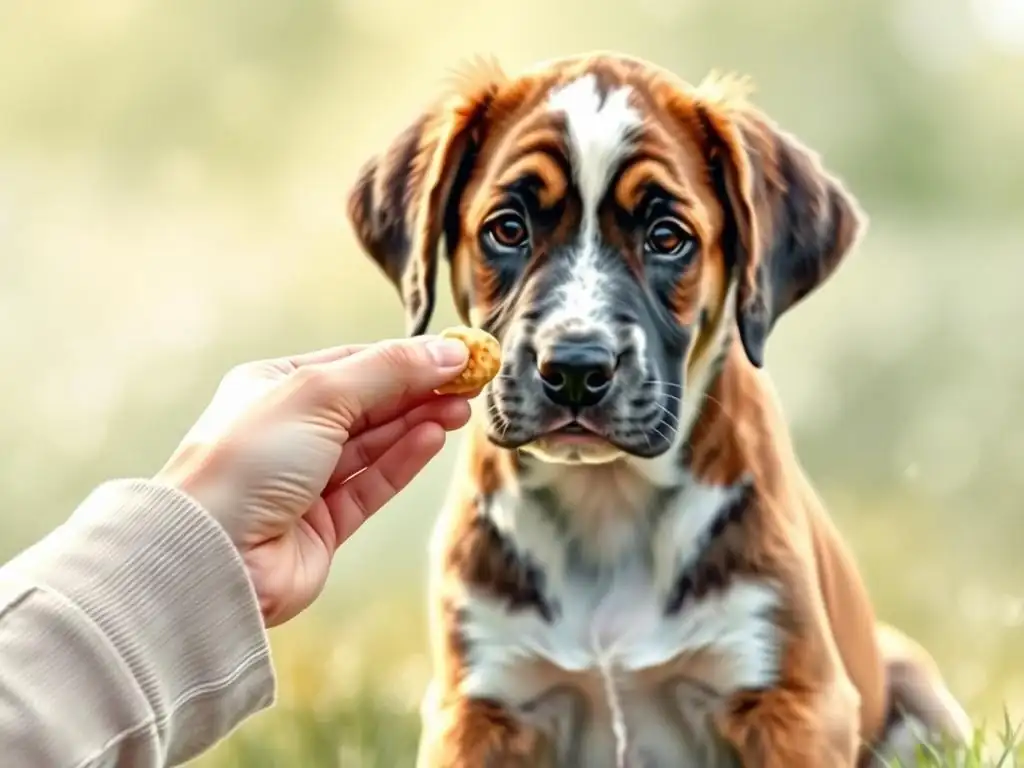
Raising a giant breed puppy is a rewarding but demanding experience. Their size and strength present unique challenges, especially when it comes to socialization and training. Early and consistent effort in these areas is crucial for developing a well-adjusted, well-behaved companion.
This section focuses on the specific needs of giant breeds in these crucial areas, offering practical advice and highlighting the importance of gentle, positive reinforcement methods. Remember, consistent training and socialization from a young age contribute significantly to a happy and healthy dog throughout its life. Proper training is essential for managing their considerable size and strength, preventing behavioral issues, and ensuring a harmonious relationship with your family and community.
Early socialization is paramount for giant breed puppies. Their size can be intimidating, and if not properly socialized, they might develop fear or aggression. Start early, ideally between 8 and 16 weeks of age, exposing your puppy to a variety of sights, sounds, smells, and experiences. This includes:
- Different environments: Take your puppy to parks, pet-friendly stores, and quiet streets. Expose them to different surfaces like grass, pavement, and gravel. Gradually introduce them to more stimulating environments.
- Various people: Let different people interact with your puppy, including children (always under supervision), adults of different ages, and people with disabilities. Ensure all interactions are positive and gentle.
- Other animals: Controlled introductions to other well-socialized dogs (of all sizes) and potentially other pets can be beneficial, but always supervise carefully. Avoid overwhelming your puppy with too many interactions at once.
- Everyday sounds and sights: Accustom your puppy to common household noises like vacuum cleaners, traffic, and construction sounds. Use positive reinforcement techniques like treats and praise during these exposures.
Remember, the goal is to create positive associations with new experiences. Avoid forcing interactions; let your puppy approach at their own pace. If they show signs of fear or stress, remove them from the situation and try again later, perhaps in a less overwhelming setting. Consistent, positive experiences will build confidence and ensure your giant breed puppy grows into a friendly and well-adjusted adult. Early socialization is a crucial investment in your puppy's future well-being and your relationship with them.
Basic Obedience Training for Large Breeds: Gentle Methods and Positive Reinforcement
Training a giant breed puppy requires patience, consistency, and a gentle approach. Their size and strength mean that harsh methods are not only ineffective but can also be dangerous. Positive reinforcement, using treats, praise, and toys, is far more effective. Focus on basic commands like:
- Sit: Start with short training sessions, rewarding your puppy for even the slightest attempt to sit. Gradually increase the duration of the sit as they improve.
- Stay: Begin with very short stays, gradually increasing the time as your puppy masters the command. Use a hand signal and verbal cue consistently.
- Come: This is a vital command for safety. Practice recall in a secure, enclosed area, using high-value rewards. Never punish your puppy for not coming when called; instead, make coming to you always a positive experience.
- Down: Similar to sit, start with short periods and gradually increase the duration. Use a hand signal and verbal cue consistently.
- Leave it: This command is crucial for preventing your puppy from grabbing things they shouldn't. Teach this by offering a high-value reward for ignoring a tempting object.
Remember to keep training sessions short and fun. Giant breed puppies have short attention spans, and frequent, shorter sessions are more effective than long, tiring ones. Consistency is key; everyone in the household should use the same commands and training methods. Always use positive reinforcement; never resort to punishment, as this can damage your relationship with your puppy and lead to behavioral problems. Gentle guidance and positive reinforcement are the cornerstones of successful training for giant breed puppies.
Managing the Challenges of Training a Large, Powerful Puppy
Training a large, powerful puppy presents unique challenges. Their size and strength can make them difficult to handle, particularly during training. Here are some strategies to address these challenges:
- Harness and leash training: A well-fitted harness is essential for controlling your puppy without putting strain on their neck. Start leash training early, gradually accustoming your puppy to walking politely beside you.
- Controlled environments: Begin training in a safe, enclosed area, minimizing distractions. Gradually introduce more distractions as your puppy progresses.
- Professional help: Don't hesitate to seek professional help from a certified dog trainer experienced with giant breeds. They can provide personalized guidance and address specific behavioral issues.
- Early intervention: Addressing behavioral problems early is crucial. Ignoring small issues can lead to larger problems later. Consistency and patience are vital throughout the training process.
- Understanding their developmental stages: Giant breeds mature more slowly than smaller breeds. Be patient and adjust your expectations accordingly. What may be easy for a smaller breed might take longer for a giant breed puppy to master.
Remember, training is a journey, not a race. Celebrate small victories and remain patient and consistent. With proper training and socialization, your giant breed puppy will grow into a well-behaved and loving companion. Early intervention and professional help, when needed, are invaluable resources in this process. The investment of time and effort in training will yield immeasurable rewards in the form of a strong bond and a well-adjusted dog.
Grooming and Hygiene for Giant Breed Puppies

Raising a giant breed puppy is a rewarding experience, but it requires understanding their unique needs. Grooming and hygiene are crucial aspects of giant breed puppy care, impacting their overall health and well-being. Neglecting these aspects can lead to various health problems, including skin infections, dental issues, and parasite infestations. This section will delve into the specifics of maintaining impeccable hygiene for your giant breed companion.
Essential Grooming Tools and Techniques for Large Breeds
Grooming your giant breed puppy doesn't have to be daunting. With the right tools and techniques, you can easily maintain their coat and skin health. Essential tools include:
- A high-quality slicker brush: Perfect for removing loose hair and preventing mats, especially crucial for long-haired breeds like Great Pyrenees or Bernese Mountain Dogs.
- A wide-toothed comb: Ideal for detangling knots and mats, particularly beneficial for breeds prone to matting.
- Dog shampoo and conditioner: Choose formulas specifically designed for large breeds, avoiding harsh chemicals that can irritate sensitive skin. Look for options that address specific needs like dry skin or allergies.
- Soft towels: Several large, absorbent towels are necessary for thorough drying after bathing.
- Nail clippers: Regular nail trimming prevents overgrowth and discomfort. Guillotine-style or scissor-style clippers are both effective.
The frequency of grooming will depend on your puppy's breed and coat type. Generally, long-haired breeds require more frequent brushing (daily or every other day) to prevent matting. Short-haired breeds might only need brushing once or twice a week. Bathing should be done as needed, typically every 4-6 weeks, unless your puppy gets particularly dirty. Always use lukewarm water and a gentle shampoo, rinsing thoroughly to avoid skin irritation. Remember to dry your puppy completely after bathing to prevent chilling. Using a hairdryer on a low setting can help speed up the drying process.
Maintaining Cleanliness and Preventing Parasites
Maintaining cleanliness is paramount in preventing parasite infestations. Regular grooming helps remove dirt, debris, and parasites like fleas and ticks. However, preventative measures are crucial. These include:
- Regular flea and tick preventative treatments: Consult your veterinarian to determine the best preventative for your puppy's breed and location. Options include topical treatments, oral medications, and collars.
- Washing bedding and sleeping areas frequently: Parasites can easily infest bedding, so regular washing is essential. Use hot water and detergent to kill any potential parasites.
- Regularly inspect your puppy's coat: Check for any signs of fleas, ticks, or other parasites. Early detection is key to effective treatment.
- Maintaining a clean living environment: Regular cleaning of your home will help minimize the risk of parasite infestations.
Remember that preventative measures are far more effective and less stressful than treating a full-blown infestation. Early detection and prompt action are crucial in maintaining your puppy's health and comfort. Always consult your veterinarian for any concerns about parasites or skin issues.
Dental Care and Oral Hygiene for Giant Breed Puppies
Dental care is often overlooked, but it's vital for the long-term health of your giant breed puppy. Giant breeds are prone to dental issues, such as periodontal disease, which can lead to serious health problems. A comprehensive dental care routine includes:
- Regular brushing: Start brushing your puppy's teeth early, using a pet-specific toothbrush and toothpaste. Aim to brush at least two to three times a week.
- Dental chews and toys: Provide your puppy with dental chews and toys designed to help clean their teeth and reduce plaque buildup. These can help to supplement brushing.
- Professional dental cleanings: Veterinary dental cleanings are recommended at least once a year, or more frequently if needed, to address any underlying dental problems. This is especially important for giant breeds.
Ignoring dental hygiene can lead to painful gum disease, tooth loss, and even more serious systemic health problems. Early intervention is key; a proactive approach to dental care will contribute significantly to your giant breed puppy's overall health and longevity. Regular checkups with your veterinarian will help catch any issues early. Remember, a healthy mouth contributes to a happy and healthy puppy! 🐶
Protecting Your Giant Breed Puppy from Injury and Illness
Giant breed puppies, with their exuberant energy and rapid growth, are particularly susceptible to injury and illness. Understanding their unique vulnerabilities is crucial for responsible ownership and ensuring a long, healthy life for your furry friend. This section focuses on proactive measures to minimize risks and maximize their well-being. We'll explore accident prevention, recognizing common health concerns, and the importance of routine veterinary care. This is key for effective "giant breed puppy care tips".
Preventing Common Accidents in Large, Energetic Puppies
Large breed puppies are clumsy and boisterous. Their size and enthusiasm often lead to accidents. Preventing these accidents requires a proactive approach, including:
- Controlled Environments: Restrict access to areas with potential hazards like stairs (until fully coordinated), slippery floors, and pools. Consider baby gates to limit their roaming area, especially when unsupervised. This helps to prevent falls and other injuries common in clumsy, growing puppies.
- Supervised Play: Never leave your puppy unsupervised, especially during playtime. Their powerful paws and playful nips can cause unintentional damage to furniture or even people. Structured play sessions, using appropriate toys, help channel their energy safely.
- Proper Exercise: While giant breed puppies need plenty of exercise, avoid overexertion, especially during growth spurts. Too much strenuous activity can strain joints and ligaments, leading to long-term problems like hip or elbow dysplasia. Moderate, age-appropriate exercise is key.
- Safe Chew Toys: Provide plenty of durable, appropriately sized chew toys. Avoid giving them objects that can easily break into small pieces that could be swallowed, posing a choking hazard. This is especially important for puppies prone to chewing.
- Obedience Training: Early and consistent obedience training is essential. Teaching basic commands like "sit," "stay," and "come" helps control their behavior and reduces the risk of accidents. This also builds a strong bond between you and your puppy.
Recognizing and Addressing Common Health Issues in Giant Breeds
Giant breeds are predisposed to specific health issues due to their rapid growth and large size. Early detection and intervention are vital. Some common concerns include:
- Hip and Elbow Dysplasia: These are debilitating joint conditions that can cause lameness and pain. Careful breeding, appropriate exercise, and a healthy diet can help mitigate the risk. Regular veterinary checkups are critical for early diagnosis.
- Bloat (Gastric Dilatation-Volvulus): This life-threatening condition involves the stomach twisting and cutting off blood supply. Feeding smaller, more frequent meals, avoiding strenuous exercise after eating, and using slow-feed bowls can help reduce the risk.
- Osteosarcoma (Bone Cancer): Giant breeds have a higher incidence of bone cancer. Regular veterinary checkups, including x-rays, can help detect it early.
- Cardiomyopathy: Heart disease is another concern in large breeds. Regular veterinary checkups, including electrocardiograms (ECGs), are crucial for early detection.
| Condition | Symptoms | Treatment | Prevention |
|---|---|---|---|
| Hip Dysplasia | Lameness, stiffness, difficulty rising | Medication, surgery, physical therapy | Controlled exercise, healthy weight management |
| Elbow Dysplasia | Lameness, stiffness, joint pain | Medication, surgery, physical therapy | Controlled exercise, healthy weight management |
| Bloat | Restlessness, distended abdomen, vomiting | Emergency surgery | Smaller meals, slow feeding bowls, avoid strenuous exercise after eating |
| Osteosarcoma | Lameness, swelling, pain in the affected bone | Surgery, chemotherapy, radiation therapy | Regular veterinary checkups |
| Cardiomyopathy | Fatigue, coughing, shortness of breath | Medication, lifestyle adjustments | Regular veterinary checkups |
This table provides a quick overview; however, always consult your veterinarian for diagnosis and treatment.
Routine Veterinary Care and Preventative Measures
Regular veterinary visits are paramount for giant breed puppies. This isn't just about addressing existing problems; it's about preventing them.
- Puppy Vaccination Schedule: Following a strict vaccination schedule is crucial to protect your puppy from potentially life-threatening diseases. Your vet will advise on the appropriate schedule for your puppy's breed and location.
- Parasite Prevention: Regular deworming and flea/tick prevention are essential. Your vet can recommend appropriate products for your puppy's age and weight. This is vital for their overall health and well-being.
- Dental Care: Good dental hygiene helps prevent periodontal disease, a common problem in dogs. Regular brushing and professional dental cleanings are recommended.
- Nutritional Guidance: Feeding a high-quality, age-appropriate diet is crucial for healthy growth and development. Your vet can recommend a suitable diet based on your puppy's breed, size, and activity level. Feeding the right food is a cornerstone of "giant breed puppy care tips".
Remember, proactive care significantly reduces the risk of health problems and ensures your giant breed puppy enjoys a long and happy life. Regular veterinary checkups are an investment in their health and well-being. Early detection of potential problems greatly improves the chances of successful treatment.
Creating a Safe and Stimulating Environment for Your Giant Puppy
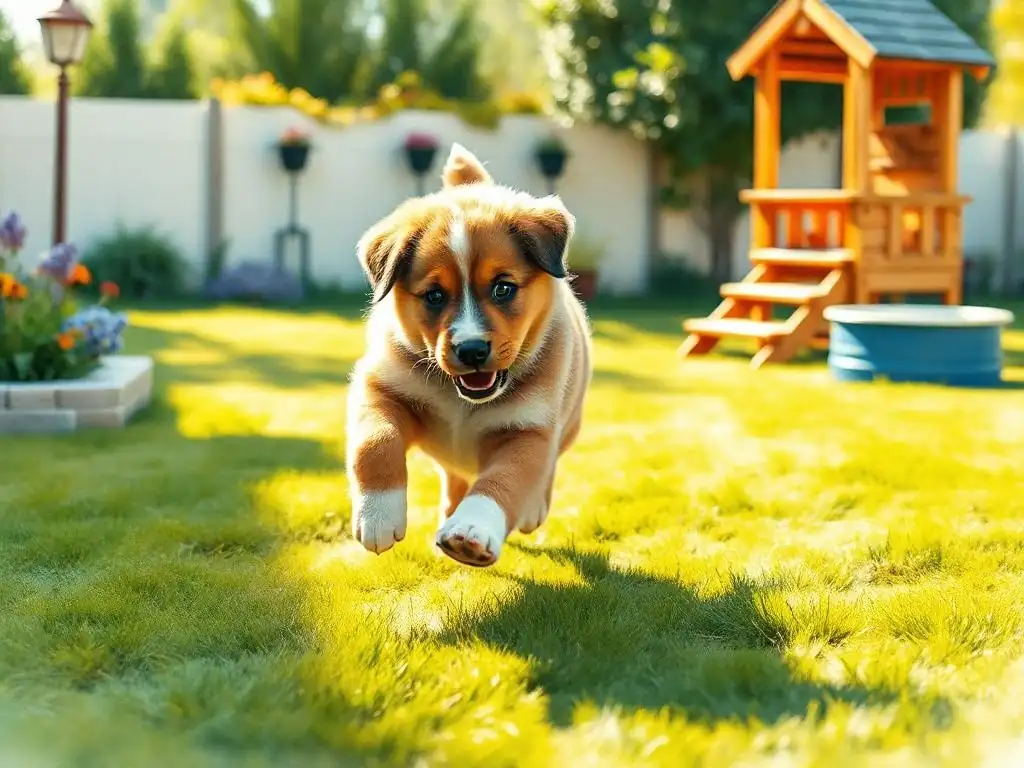
Raising a giant breed puppy presents unique challenges, demanding a proactive approach to safety and enrichment. Their size and strength mean potential hazards are magnified, and their energy levels require careful management to prevent destructive behaviors. Successfully navigating these challenges requires a well-planned environment that prioritizes both safety and mental stimulation. This section focuses on creating such an environment for your giant breed puppy, minimizing risks and maximizing their well-being. Effective giant breed puppy care hinges on this crucial aspect.
Puppy-Proofing Your Home for a Large and Powerful Puppy
Puppy-proofing for a giant breed is a significantly more demanding task than for smaller breeds. Their sheer size and power mean they can easily knock over furniture, chew through sturdy objects, and even accidentally cause injury if they become overly excited. Therefore, a comprehensive approach is essential.
Consider these essential steps:
- Secure all electrical cords: Giant breed puppies are notorious chewers, and electrical cords pose a serious electrocution risk. Secure cords with cord protectors or tape them securely to the wall.
- Remove breakable items: Vases, ornaments, and other fragile items should be stored away in high cabinets or out of reach entirely. A single swipe of a tail can cause significant damage.
- Reinforce weak flooring: If you have older, weaker flooring, consider reinforcing it to prevent accidents. A large, energetic puppy can easily damage or break through weak sections.
- Gate off hazardous areas: Use sturdy baby gates – ideally those designed for larger dogs – to restrict access to areas like the kitchen (where they might get into food or cleaning supplies) or stairs.
- Secure toxic substances: Cleaners, medications, and other poisonous substances must be stored in locked cabinets or out of reach completely. Giant breeds can access things surprisingly easily due to their height.
Providing Enrichment Activities to Prevent Boredom and Destructive Behavior
Giant breed puppies possess immense energy and require substantial mental and physical stimulation. Insufficient enrichment leads to boredom, which often manifests as destructive chewing, excessive barking, and other undesirable behaviors. Careful planning of activities is crucial for the well-being of your giant breed puppy and your sanity.
Here are some enrichment ideas specifically tailored for giant breeds:
- Puzzle toys: These toys require your puppy to work for their treats, providing mental stimulation and preventing boredom. Choose durable, large-sized toys designed to withstand powerful jaws.
- Large chew toys: Provide a variety of durable chew toys to satisfy their natural chewing instincts. Rotate toys regularly to maintain interest. Rawhide chews, though popular, should be monitored carefully for choking hazards.
- Interactive games: Play fetch with large, durable balls or frisbees in a safe, enclosed space. Tug-of-war is also a great way to bond and burn energy, but always supervise to prevent injuries.
- Training sessions: Training sessions provide both mental and physical stimulation. Keep sessions short and rewarding, focusing on positive reinforcement techniques. Giant breeds are often eager to please and respond well to consistent training.
- Socialization: Controlled socialization with other dogs and people is crucial for developing well-adjusted behavior. Start early and gradually introduce your puppy to new environments and experiences.
Creating a Comfortable and Secure Space for Your Giant Breed Puppy
A dedicated, comfortable, and secure space is vital for your giant breed puppy's well-being. This space should be their sanctuary, a place where they can retreat to rest, relax, and feel safe.
Consider these elements when creating this space:
- A large, comfortable bed: A giant breed puppy needs a spacious, supportive bed to accommodate their size and allow them to stretch out comfortably. Consider orthopedic beds for added joint support, especially important for large breeds prone to joint issues.
- Plenty of fresh water: Always provide access to fresh, clean water, especially after playtime or exercise. Use a large, heavy water bowl that won't easily be tipped over.
- Quiet and low-traffic area: Choose a quiet location away from loud noises and high-traffic areas to minimize stress and allow for undisturbed rest.
- Safe chew toys: Keep a selection of safe chew toys within their space to keep them entertained and prevent destructive chewing on other items.
- A consistent routine: Establish a consistent daily routine to provide a sense of security and predictability. This includes regular feeding times, playtime, and rest periods. Consistency is key to a happy and well-adjusted giant breed puppy.
Remember, consistent attention to their environment and needs will significantly contribute to raising a healthy, happy, and well-behaved giant breed puppy. Providing a safe, stimulating, and comfortable environment is paramount in achieving your goal of responsible giant breed puppy care.
Long-Term Health Considerations for Giant Breed Dogs
Giant breed puppies, while undeniably adorable, present unique health challenges compared to their smaller counterparts. Understanding these potential issues from the outset is crucial for responsible ownership and ensuring a long and happy life for your furry friend. Proactive care and preventative measures are key to mitigating many of these risks associated with "Giant breed puppy care tips".
Ongoing Monitoring for Joint Health and Other Potential Issues
Giant breeds are predisposed to several orthopedic problems due to their rapid growth and substantial weight. Hip and elbow dysplasia are particularly common, leading to lameness, pain, and reduced mobility later in life. Careful monitoring of your puppy's gait, posture, and overall movement is essential. Look for signs of stiffness, limping, or reluctance to jump or run. Early detection allows for timely intervention, potentially slowing the progression of these conditions. Regular weight checks are also vital; obesity exacerbates joint issues. Maintaining a healthy weight throughout your dog's life is paramount for minimizing stress on their joints.
Beyond joint problems, giant breeds can be prone to bloat (gastric dilatation-volvulus or GDV), a life-threatening condition where the stomach twists on itself. Symptoms include restlessness, excessive drooling, and a distended abdomen. If you suspect bloat, immediate veterinary attention is critical. Feeding strategies, such as smaller, more frequent meals, can help reduce the risk. Additionally, certain breeds are predisposed to specific health concerns; for example, Great Danes are known to have heart conditions. Understanding your breed's specific vulnerabilities is an important aspect of responsible "Giant breed puppy care tips".
The Importance of Regular Veterinary Check-ups for Giant Breeds
Regular veterinary check-ups are not merely routine; they are a cornerstone of responsible giant breed puppy care. These visits provide opportunities for proactive health management. Your veterinarian can monitor your puppy's growth, assess their joint development, and screen for potential health problems early on. They can also provide guidance on appropriate nutrition, exercise, and preventative care, tailoring their recommendations to your dog's specific breed and individual needs.
Frequency of these visits should be more frequent during the puppy's rapid growth phase, gradually decreasing as they mature, but always remaining a vital part of their care. Don't hesitate to discuss any concerns – no question is too small when it comes to your giant breed companion's well-being. These regular check-ups are a crucial component of effective "Giant breed puppy care tips".
Planning for the Long-Term Care Needs of Your Giant Breed Companion
Owning a giant breed dog is a significant commitment, extending beyond the puppy years. As your dog ages, their care needs will evolve. Senior giant breeds often require more specialized attention, including management of age-related conditions like arthritis, cognitive dysfunction, and dental disease. Planning for these long-term needs is crucial.
This might involve budgeting for potential veterinary expenses, adjusting their diet and exercise routines, and considering assistive devices to maintain their quality of life. Early consideration of these factors allows for a smoother transition into seniorhood and ensures that your beloved companion receives the best possible care throughout their lifespan. Proactive planning is a vital part of comprehensive "Giant breed puppy care tips". Remember, a healthy and happy giant breed dog requires careful planning and consistent attention to detail throughout their life.
Frequently Asked Questions
What are the unique nutritional needs of giant breed puppies?
Giant breed puppies require a specially formulated food designed to support their rapid growth without causing skeletal problems. Controlled calorie intake is crucial to prevent excessive weight gain and joint stress. Look for foods with calcium and phosphorus in the correct ratio.
How much exercise should a giant breed puppy get?
While puppies need plenty of exercise, avoid overexertion to prevent joint damage. Short, frequent play sessions are better than long, strenuous ones. Low-impact activities like swimming are excellent choices.
What are the common health concerns for giant breed puppies?
Giant breeds are prone to hip and elbow dysplasia, osteosarcoma, and bloat. Regular veterinary checkups, proper nutrition, and controlled exercise are vital for prevention. Early detection is key.
How can I prevent my giant breed puppy from growing too fast?
Controlled feeding is vital; avoid free feeding and stick to a measured diet. Choose food specifically formulated for large breed puppies. Consult with your vet to establish an appropriate growth curve.
What kind of training is best for giant breed puppies?
Start early socialization and obedience training using positive reinforcement methods. Given their size, gentle handling and consistent training are essential to prevent behavioral problems. Avoid harsh correction.
Final Reflection: Nurturing Giants: A Legacy of Love and Responsibility
Raising a giant breed puppy is not merely about providing food and shelter; it's about cultivating a deep, enduring bond built on understanding and proactive care. The sheer size and unique needs of these magnificent animals demand a commitment that extends far beyond the initial excitement of bringing them home. Their potential for joy is matched only by the responsibility we bear for their well-being.
The journey of raising a giant breed puppy is a profound experience, shaping not only the dog's life but also our own. It's a testament to the power of patience, consistency, and unwavering love. The rewards are immeasurable – the unwavering loyalty, the gentle giants who become cherished members of the family, the quiet moments of companionship. As the saying goes, A dog is the only thing on earth that loves you more than he loves himself.
This is especially true with these larger-than-life companions, whose devotion is often as immense as their physical stature.
Now, consider the legacy you wish to create. Will you be a responsible steward of this magnificent creature, ensuring their health, happiness, and longevity? Will you embrace the challenges and celebrate the triumphs of raising a giant breed puppy?
I urge you to reflect on the information presented in this article, to implement the tips, and to embark on this journey with open eyes, a loving heart, and a commitment to nurturing the giant within your home. The bond you forge will be a testament to the power of responsible pet ownership and a source of immeasurable joy for years to come.
Ready to Raise a Gigantic Friend? Let's Get Started!
Thank you for taking the time to learn about the unique joys—and challenges—of raising a large breed puppy. You're now equipped with the knowledge to help your furry friend thrive. Let's put that knowledge into action!
- Prioritize Joint Health: Begin your puppy's journey with a carefully selected diet and a gentle exercise program to support healthy joint development. This is crucial for their long-term well-being.
- Create a Personalized Training Plan: Don't follow generic advice! Tailor a training plan to your puppy's specific breed and personality to build a strong, loving bond.
- Share Your Journey: Inspire other puppy parents by sharing your experiences and tips on our PetCareWorld community forums—your insights could help others raise their own large-breed dogs.
What's the one thing you're most excited to implement from today's tips to help your large breed puppy flourish?