
Potty Training Made Easy: A StepbyStep Guide for New Dog Owners

Welcome to PetCareWorld, your ultimate guide to a happier, healthier life with your beloved pet! Are you ready to conquer the challenges of pet ownership? We've got you covered. Dive into our Easy dog potty training guide, a comprehensive step-by-step resource designed to make potty training a breeze, even for first-time dog owners. Discover the secrets to success and unlock a harmonious relationship with your furry friend – let's begin your journey to paw-sitive pet parenting!
- Getting Started: Preparing for Successful Potty Training
- Step 1: Establishing a Potty Routine
- Step 2: Positive Reinforcement Techniques for Potty Training Success
- Step 3: Accident Management and Clean-Up
- Step 4: Nighttime Potty Training Strategies
- Step 5: Gradually Expanding Your Dog's Freedom
- Step 6: Troubleshooting Common Potty Training Challenges
- Maintaining Potty Training Success: Long-Term Strategies
- Frequently Asked Questions
- Final Reflection: Unlocking a Harmonious Home: The Lasting Impact of Potty Training
- Unleash Your Pup's Potential: Master Potty Training Today!
Getting Started: Preparing for Successful Potty Training
Bringing a new puppy home is an exciting time, filled with playful moments and unconditional love. However, the initial weeks can also present challenges, particularly when it comes to potty training. This comprehensive guide will equip you with the knowledge and strategies to navigate this crucial phase smoothly and effectively, transforming the process from a potential source of frustration into a rewarding experience for both you and your furry friend.
We’ll explore various potty training methods, emphasizing the importance of consistency, patience, and positive reinforcement to achieve lasting success. This guide focuses on making the "easy dog potty training guide" a reality for new dog owners, providing a step-by-step approach that prioritizes your dog's comfort and well-being while establishing healthy bathroom habits. Remember, every dog is an individual, so while these methods offer a strong foundation, you may need to adapt your approach based on your dog's specific personality and learning style.
Let's embark on this journey together! 🎉
Choosing the Right Potty Training Method for Your Dog
Choosing the right potty training method is paramount to success. Several approaches exist, each with its own advantages and disadvantages. The most common methods include crate training, paper training, and bell training.
- Crate Training: This method utilizes a crate as a safe haven and prevents accidents by limiting your dog's space. Successful crate training hinges on associating the crate with positive experiences, avoiding using it as punishment. Regularly taking your dog out to eliminate after waking up, eating, and playing is crucial. The crate should be large enough for your dog to comfortably stand, turn around, and lie down, but not so large that they can create a separate potty area within. This method is generally effective, but requires consistent supervision and a gradual increase in time spent in the crate.
- Paper Training: This involves designating a specific area for urination and defecation using absorbent potty pads. This method is particularly useful for apartment dwellers or those with limited outdoor access. The key is to consistently reward your dog for eliminating on the pads and redirect them immediately if they attempt to go elsewhere. Gradually moving the pads closer to the desired outdoor location can help transition your dog to using the outdoors. However, paper training can be challenging to transition to outdoor elimination, and some dogs may develop a preference for the pads over outdoor elimination.
- Bell Training: This method involves teaching your dog to ring a bell to signal their need to go outside. Attach a bell to a doorknob or other accessible location. Every time you take your dog out, ring the bell. Gradually, your dog will associate the bell with going outside. Once they understand the association, they may start ringing the bell themselves when they need to go. This method requires patience and consistent reinforcement. It is highly rewarding when successful, offering a clear communication system between you and your dog.
Creating a Safe and Comfortable Potty Area for Your Puppy
Establishing a designated potty area, whether indoors or outdoors, is crucial for consistent potty training. For indoor potty training, a specific corner with absorbent pads can be designated, and for outdoor training, a consistent area in the yard should be chosen. This consistency helps your dog associate the area with elimination. It should be easily accessible and free from distractions. For puppies, a small, contained area initially can be highly effective.
The area should be:
- Clean: Regular cleaning is essential to remove any lingering scent that might attract your dog back to the same spot for inappropriate elimination. Use enzymatic cleaners designed to neutralize pet odors completely.
- Safe: Ensure the area is free from hazards, such as sharp objects or poisonous plants.
- Convenient: Easy access for both you and your dog is vital for consistent potty breaks.
- Free from distractions: Minimize distractions to encourage focused elimination.
Gathering Essential Supplies: Potty Pads, Cleaning Products, Treats
Having the right supplies on hand simplifies the potty training process. These essentials will make training more efficient and less stressful.
| Item | Description | Importance |
|---|---|---|
| Potty Training Pads | Highly absorbent pads designed for pet accidents. | Provides a designated area for elimination indoors and helps prevent accidents on other surfaces. |
| Enzymatic Cleaner | Specifically formulated to remove pet stains and odors completely. | Eliminates lingering scents that can attract your dog back to the soiled area. |
| High-Value Treats | Small, tasty treats your dog finds irresistible. | Positive reinforcement for successful elimination. |
| Pooper Scooper | Tool for quick and easy cleanup of accidents. | Maintains hygiene and prevents the spread of bacteria. |
Remember to choose high-quality, durable supplies that meet your dog's needs and your budget. This initial investment will pay dividends in terms of a smoother training experience. 🐶
Step 1: Establishing a Potty Routine
This initial phase focuses on creating a predictable environment to help your puppy understand the connection between going outside and relieving themselves. Consistency is paramount in easy dog potty training. A structured routine minimizes accidents and maximizes success.
Creating a Consistent Feeding and Watering Schedule
A regular feeding schedule is crucial for establishing a predictable elimination pattern. Dogs tend to urinate and defecate within a short timeframe after eating and drinking. By feeding your dog at set times each day, you can anticipate when they'll need to go outside. For example, a puppy fed at 7 am, 12 pm, and 5 pm might need to go outside approximately 30-60 minutes after each meal.
This predictable timing allows you to proactively take your dog outside, preventing accidents. Keep a detailed record of your dog's feeding and elimination times for the first few weeks; this will help you fine-tune your schedule and identify any patterns. Adjust water access accordingly; limiting water intake before bedtime can reduce nighttime accidents. Remember, puppies, especially, have smaller bladders and need more frequent bathroom breaks.
Identifying Early Signs Your Dog Needs to Eliminate
Learning to recognize your dog's potty cues is essential for successful potty training. These cues can vary from dog to dog but commonly include:
- Restlessness: Pacing, whining, or circling.
- Sniffing: Intense sniffing around the house, especially in corners or near doors.
- Squatting: A low posture with their rear end lowered.
- Scratching: Scratching at the door or a specific area.
- Whining or barking: Vocalizations can signal a need to go outside.
Observing these subtle signals allows you to quickly take your dog outside before an accident occurs. The more you observe your dog's behavior, the better you'll become at recognizing these early warning signs. Remember, every dog is an individual, so pay close attention to your dog's unique cues. Positive reinforcement when they eliminate outside helps solidify the connection between the behavior and the reward.
Taking Your Dog Outside Frequently: Timing is Key
Frequency is key in the early stages of potty training. You should take your puppy outside:
- First thing in the morning
- After each meal
- Before bedtime
- After naps
- After playtime
- Every 1-2 hours during the day (adjust based on your dog's age and size)
This frequent access to the outdoors maximizes opportunities for successful elimination and minimizes accidents. Always choose the same designated potty spot in your yard. Consistency helps your dog learn to associate that area with elimination. When your dog eliminates successfully, immediately praise them with enthusiastic words ("Good dog! "), a treat, or a favorite toy.
This positive reinforcement strengthens the desired behavior. Remember that accidents will happen, especially in the beginning. Don't punish your dog; instead, focus on positive reinforcement and consistent scheduling. The goal is to create a positive association with going potty outside. This approach makes easy dog potty training a reality.
Step 2: Positive Reinforcement Techniques for Potty Training Success
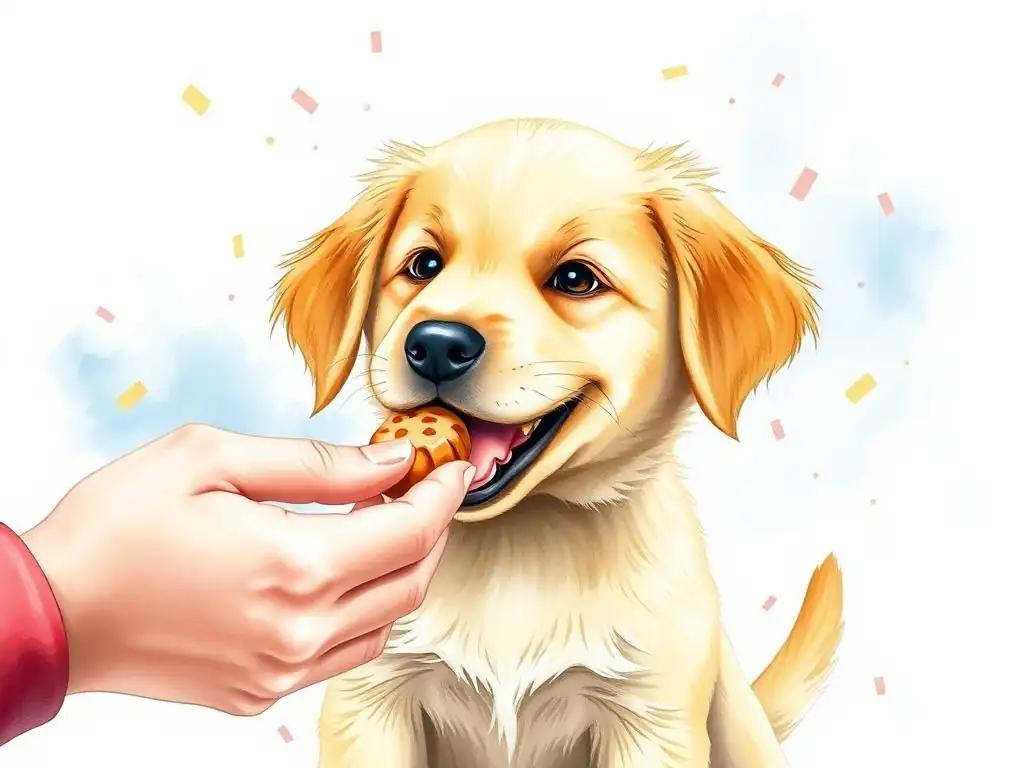
This step focuses on leveraging the power of positive reinforcement to solidify your dog's understanding of appropriate potty behavior. Positive reinforcement, the cornerstone of effective dog training, centers around rewarding desired actions, making them more likely to be repeated. This method is far more effective than punishment-based approaches, building a strong bond between you and your canine companion while fostering a positive learning environment. Consistent application of positive reinforcement techniques is key to achieving "easy dog potty training" success.
Rewarding Good Behavior: The Power of Positive Reinforcement
The core principle here is simple: reward your dog immediately after they eliminate outside in the designated area. This immediate reinforcement creates a strong association between the act of eliminating outdoors and receiving a reward. The timing is crucial; delaying the reward even by a few seconds can significantly reduce its effectiveness. Think of it like this: your dog needs to understand exactly what behavior earned the reward.
Consider these scenarios:
- Scenario 1 (Effective): Your dog squats to urinate on the grass. Immediately, you say "Good potty! ", followed by a small, high-value treat.
- Scenario 2 (Ineffective): Your dog urinates on the grass. You finish your coffee, then give your dog a treat five minutes later. The connection between the action and reward is weak, hindering the learning process.
The enthusiasm in your voice ("Good potty! ", "Yes! ", or a similar phrase) also plays a vital role. Your tone should be upbeat and positive, signaling approval and reinforcing the desired behavior. The combination of verbal praise and a tasty treat creates a powerful reinforcement loop.
The frequency of rewards should be high in the initial stages of training. As your dog becomes more consistent, you can gradually reduce the frequency, maintaining a rewarding approach even after they've mastered the basics.
Choosing the Right Treats and Rewards
Selecting appropriate treats is crucial for successful positive reinforcement. The ideal treat should be:
- High-value: Something your dog finds incredibly delicious and motivating. This could be small pieces of cooked chicken, cheese, or commercially available training treats. Experiment to find what your dog loves best!
- Small and easily digestible: Avoid large treats that could cause digestive upset.
- Non-messy: You want a treat that won't create a sticky mess during training sessions.
Beyond treats, you can also use praise, petting, or even a favorite toy as rewards. Vary your rewards to keep your dog engaged and prevent boredom. Remember, the goal is to make potty training a positive and enjoyable experience for both of you. This approach helps build a strong, trusting relationship while efficiently achieving your training goals.
Avoiding Punishment: Focus on Positive Methods
Punishing your dog for accidents will only lead to fear, anxiety, and a breakdown in communication, hindering the potty training process. Instead of resorting to punishment, focus on preventing accidents and rewarding successes. This includes:
- Frequent potty breaks: Take your dog out frequently, especially after waking up, after meals, and after periods of play.
- Supervise your dog closely: Keep a close eye on your dog, particularly when they're indoors. If you see signs that they need to go (circling, sniffing, squatting), immediately take them outside.
- Clean accidents thoroughly: Use an enzymatic cleaner to remove any scent of urine or feces. Your dog's sensitive nose might otherwise be attracted back to the same spot.
By consistently applying positive reinforcement and avoiding punishment, you can create a positive learning environment that leads to efficient and stress-free potty training. Remember, patience and consistency are key to success in achieving easy dog potty training. Celebrate every success, no matter how small, and your furry friend will be reliably using the potty outdoors in no time!
Step 3: Accident Management and Clean-Up
Accidents happen, even with the most diligent potty training. This section focuses on effectively managing accidents and preventing future ones. Remember, consistency and patience are key to successful potty training, and a few accidents along the way are completely normal. The goal is to learn from each mishap and adjust your approach accordingly. This easy dog potty training guide emphasizes proactive measures to minimize accidents.
Dealing with Accidents: Cleaning Up Effectively
The way you clean up accidents significantly impacts your dog's future behavior. Using harsh chemicals can deter your dog from using that area again, but not for the right reasons – it might associate the area with fear, not the act of elimination. Instead, focus on neutralizing the odor completely. Enzyme-based cleaners are specifically designed for pet accidents and break down the odor-causing components, preventing your dog from being drawn back to the same spot.
Here's a step-by-step guide to cleaning up effectively:
- Immediate Action: Remove any solid waste immediately using disposable gloves and a paper towel or scoop. Dispose of the waste in a sealed bag.
- Enzyme Cleaner Application: Liberally apply an enzyme cleaner to the affected area, saturating the spot thoroughly. Follow the product instructions carefully for best results.
- Blot, Don't Rub: Blot the area with clean paper towels or a clean cloth. Rubbing can spread the stain and odor.
- Air Drying: Allow the area to air dry completely. Avoid using fans or heaters, as this can set the stain.
- Odor Check: Once dry, check the area for any lingering odor. If necessary, repeat steps 2-4.
Remember, thorough cleaning is crucial to prevent your dog from revisiting the accident spot. A lingering scent can trigger future accidents, even if you don't notice it. This simple yet effective cleanup routine helps significantly in easy dog potty training.
Preventing Future Accidents: Identifying Triggers and Patterns
Analyzing your dog's accidents is crucial to preventing future ones. Keep a detailed record of when and where accidents occur. This simple act greatly aids in easy dog potty training. Look for patterns:
- Timing: Do accidents typically occur after waking up, after meals, or before bedtime? This helps you anticipate their needs and schedule potty breaks accordingly.
- Location: Are accidents concentrated in specific areas of your home? This might indicate a lack of access to designated potty areas or a preference for certain surfaces.
- Stressors: Are accidents more frequent during periods of stress or change, such as a new pet, moving houses, or family visitors? Stress can greatly impact a dog's bladder and bowel control.
By identifying these patterns, you can adjust your potty training strategy to better suit your dog's individual needs. For example, if accidents consistently happen after meals, increase the frequency of potty breaks after feeding. If stress seems to be a trigger, provide additional comfort and reassurance. This proactive approach is essential for achieving successful and easy dog potty training.
Understanding Your Dog's Communication: Recognizing Potty Cues
Dogs often exhibit subtle signs before needing to eliminate. Learning to recognize these cues is vital to preventing accidents and reinforcing positive potty habits. This is a crucial aspect of an easy dog potty training guide. Look for these signals:
- Restlessness: Pacing, whining, sniffing the ground excessively, or circling.
- Body Postures: A low posture, squatting, or tail tucking.
- Vocalizations: Whining, barking, or whimpering, especially near the door.
- Scratching: Scratching at the door or a specific area.
When you notice these cues, immediately take your dog outside to their designated potty area. Reward successful elimination with positive reinforcement (treats, praise). Even if they don't eliminate, praise them for going outside to try. This helps them associate the action with positive outcomes, making the whole easy dog potty training process more efficient and effective. Ignoring these cues increases the likelihood of accidents. Paying close attention to your dog's communication is an essential part of successful and easy dog potty training.
Step 4: Nighttime Potty Training Strategies
Nighttime potty training can be challenging, but with patience and consistency, you can help your dog sleep through the night without accidents. This section focuses on strategies to minimize nighttime accidents and establish a comfortable sleep routine for both you and your furry friend. Remember, consistency is key to success in easy dog potty training.
Managing Nighttime Accidents: Creating a Safe Sleeping Area
Accidents happen, especially during the initial stages of potty training. Minimizing the impact of these accidents involves creating a designated sleeping area for your dog that's easy to clean. Consider using washable bedding, such as towels or waterproof mattress protectors. This prevents the odor from lingering, which can encourage repeat accidents in the same spot. Regularly cleaning the area with an enzymatic cleaner specifically designed for pet messes is crucial. These cleaners break down the odor-causing components, making the area less attractive to your dog.
It's also important to choose a location for your dog's bed that's easily accessible to the designated potty area. This reduces the distance your dog needs to travel, especially if they are roused from sleep. A shorter distance minimizes the risk of accidents before reaching their designated spot. For puppies, consider confining them to a small, easily cleanable area like a crate or pen overnight, ensuring easy access to their potty spot.
Interrupting Sleep for Potty Breaks: A Gentle Approach
Interrupting your dog's sleep for potty breaks requires a gentle and consistent approach. Avoid jarring your dog awake; instead, try gently waking them. You can do this by softly speaking their name or gently touching them. Once awake, immediately take them to their designated potty area. Avoid playing or interacting with your dog before they've eliminated; this reinforces the association between waking up and going to the bathroom.
The frequency of nighttime potty breaks depends on your dog's age and bladder capacity. Puppies will likely need more frequent breaks than adult dogs. A good rule of thumb is to plan breaks every 4-6 hours for puppies, gradually increasing the time between breaks as they mature. Observe your dog's cues; signs of needing to go may include restlessness, whining, or circling. Responding promptly to these cues is essential for successful nighttime potty training. Remember, patience and understanding are critical components of an easy dog potty training guide.
Gradually Extending Time Between Nighttime Potty Breaks
As your dog progresses, you can gradually extend the time between nighttime potty breaks. Start by adding 30 minutes to an hour to the interval between breaks. Monitor your dog closely for any signs of accidents. If accidents occur, reduce the interval back to the previous schedule and slowly increase it again. This gradual approach prevents setbacks and helps your dog adjust to longer periods without needing to eliminate.
Positive reinforcement remains crucial throughout this process. Reward your dog immediately after successful potty breaks with praise, treats, or a favorite toy. This positive association strengthens the desired behavior and makes the process more enjoyable for both you and your dog. Consistent positive reinforcement is a cornerstone of any easy dog potty training guide. Remember to celebrate your successes! 🎉 The journey to a well-trained dog is a marathon, not a sprint. With persistence and a positive attitude, you'll achieve your goals.
Step 5: Gradually Expanding Your Dog's Freedom
This step focuses on carefully increasing your dog's freedom and independence while maintaining consistent potty training success. The goal is to transition from closely supervised potty breaks to a more relaxed routine, where your dog learns to signal their need to go outside. This process requires patience, consistency, and positive reinforcement. Remember, accidents will happen – it's part of the learning process. The key is to react calmly and redirect your dog's behavior without punishment.
Punishment can damage your bond and hinder the training process. Instead, focus on rewarding good behavior. Think of it as a marathon, not a sprint. Consistency is key to achieving easy dog potty training.
Introducing Crate Training for Potty Success
Crate training can be a valuable tool in your easy dog potty training guide. Dogs instinctively avoid soiling their den, and a crate provides a safe, secure space. It's not about confinement; it's about giving your dog a place to relax and feel secure. Start by introducing your dog to the crate positively.
Make it a fun place with toys and treats. Never use the crate as punishment. Initially, keep crate time short, gradually increasing the duration as your dog becomes comfortable. During the night, place the crate near your bed to ease any anxieties.
This also makes it easier to respond quickly to any signs of needing to go to the bathroom. Remember to take your dog out immediately upon waking and after any crate time. This reinforces the association between the outdoors and elimination. Success with crate training significantly reduces accidents and simplifies the easy dog potty training process.
Extending Time Between Potty Breaks During the Day
Once your dog reliably uses the designated potty area, you can begin extending the time between potty breaks. Start by adding 15-30 minutes to the intervals between trips outside. Closely monitor your dog for signs they need to go, such as whining, circling, scratching at the door, or restlessness. If you see any of these signs, immediately take them outside.
If an accident occurs, don't scold your dog. Clean the area thoroughly with an enzymatic cleaner to eliminate the scent, which might encourage repeat accidents. Gradually increase the time between potty breaks over several days or weeks, depending on your dog's age and learning pace. This gradual approach is crucial for an easy dog potty training experience.
Remember to celebrate successes with praise and treats to reinforce positive behavior. A consistent schedule with gradual increases will lead to better results than abruptly extending time. Patience is paramount in this stage of the easy dog potty training guide.
Transitioning to Fewer Potty Pads or Eliminating Them Completely
If you're using potty pads, the final step is to gradually reduce their number or eliminate them entirely. This transition should be slow and deliberate. Remove one pad per week or even every two weeks, depending on how well your dog is adapting. Place the remaining pads further apart, encouraging your dog to hold it longer. If accidents occur, it means the transition is happening too fast. Go back to the previous step and wait longer before removing another pad.
The ultimate goal is for your dog to exclusively relieve themselves outdoors. This phase requires patience and understanding. Rewarding your dog for using the outdoors consistently is essential for a smooth transition. With patience and a positive approach, you can successfully transition your dog away from potty pads, completing your easy dog potty training guide. Remember, consistency and positive reinforcement are the cornerstones of successful easy dog potty training.
Step 6: Troubleshooting Common Potty Training Challenges
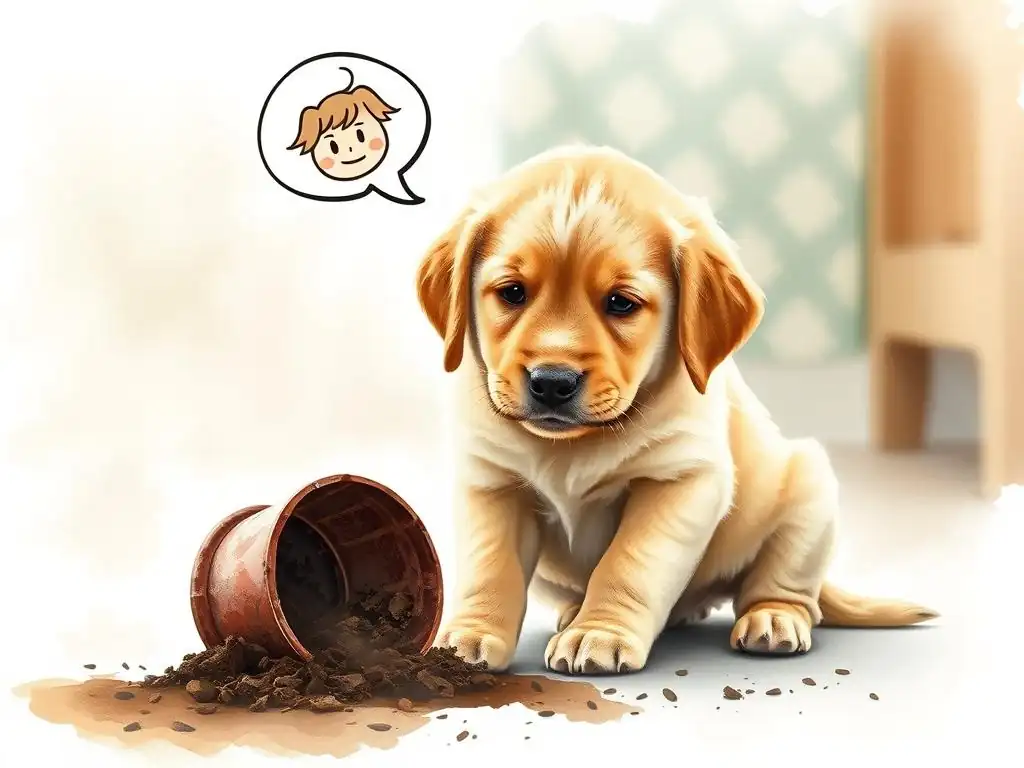
This step focuses on addressing setbacks and common problems encountered during the potty training process. Remember, accidents happen! The key is to identify the root cause and adjust your approach accordingly. A consistent and patient approach, even when faced with challenges, is crucial for successful easy dog potty training.
Dealing with Stubborn Accidents: Identifying Underlying Issues
Stubborn accidents, despite consistent training, often stem from underlying issues beyond simple disobedience. Let's explore some potential causes:
- Inconsistent Routine: Even slight variations in your schedule can confuse your dog. Are you consistently taking your dog out at the same intervals? Are feeding and water schedules consistent? A sudden change in routine can lead to accidents. Maintaining a predictable routine is paramount for easy dog potty training.
- Insufficient Potty Breaks: Are you taking your dog out frequently enough, especially after meals, playtime, and waking up? Puppies, in particular, have small bladders and need more frequent breaks than adult dogs. Consider increasing the frequency of potty breaks, even if it means interrupting your activities.
- Stress or Anxiety: Changes in the household, new pets, loud noises, or even a change in your own routine can trigger stress and anxiety in dogs, leading to accidents. Identify potential stressors and work to minimize them. Consider providing a safe and comfortable space for your dog to retreat to.
- Medical Conditions: While less common, underlying medical issues can cause increased urination or accidents. This necessitates a visit to the veterinarian, discussed in the next section.
- Lack of Positive Reinforcement: Are you consistently rewarding your dog for successful potty breaks? Positive reinforcement is key to successful potty training. Use high-value treats and praise to reinforce desired behavior. Ignoring accidents and focusing on rewarding successes is a more effective strategy.
Table 1: Analyzing Stubborn Accidents
| Potential Cause | Symptoms | Solution |
|---|---|---|
| Inconsistent Routine | Irregular potty breaks, accidents at unusual times | Establish and maintain a consistent daily schedule. |
| Insufficient Potty Breaks | Frequent accidents, especially after meals | Increase the frequency of potty breaks, particularly after eating and waking. |
| Stress/Anxiety | Increased urination, hiding, trembling | Identify stressors and minimize them; provide a safe space for your dog. |
| Medical Conditions | Frequent accidents, changes in urination habits | Consult your veterinarian for a checkup. |
| Lack of Positive Reinforcement | Infrequent successes, lack of motivation | Consistently reward successful potty breaks with treats and praise. |
Addressing Medical Reasons for Potty Accidents
While most potty training issues stem from behavioral factors, underlying medical conditions can significantly impact your dog's ability to control their bladder or bowels. These conditions can include:
- Urinary Tract Infections (UTIs): UTIs are common in dogs and can lead to frequent urination and accidents. Symptoms often include straining to urinate, increased thirst, and changes in urine color or odor.
- Diabetes: Diabetes can cause increased thirst and urination. Other symptoms include weight loss, increased hunger, and lethargy.
- Kidney Disease: Kidney disease can lead to increased urination and thirst. Other symptoms can include lethargy, weight loss, and changes in appetite.
- Cushing's Disease: This hormonal disorder can cause increased urination and thirst, as well as other symptoms like increased appetite, weight gain, and thinning skin.
If you suspect a medical issue, don't delay seeking professional veterinary care. Early diagnosis and treatment are crucial for your dog's health and well-being. A veterinarian can perform tests to rule out any medical causes for the accidents, providing a clearer picture and allowing you to focus on behavioral solutions if necessary.
Seeking Professional Help: When to Consult a Veterinarian or Trainer
Despite your best efforts, some dogs require additional support. Don't hesitate to seek professional help if:
- Accidents persist despite consistent training: If you've tried all the strategies and your dog continues to have accidents, it's time to seek professional guidance.
- You suspect a medical condition: As discussed above, a veterinarian can diagnose and treat underlying medical issues that may be contributing to the accidents.
- You're feeling overwhelmed or frustrated: Potty training can be challenging, and it's okay to seek help if you're feeling overwhelmed or frustrated. A professional trainer can provide personalized guidance and support.
A certified professional dog trainer can offer tailored advice, addressing specific challenges and providing effective strategies. They can also help identify underlying behavioral issues, such as anxiety or fear, that may be contributing to the accidents. Remember, seeking professional help is a sign of responsible pet ownership, not a failure. A collaborative approach with a veterinarian and a trainer can often lead to successful potty training and a happy, healthy dog.
Maintaining Potty Training Success: Long-Term Strategies
Successfully potty training your dog isn't a one-time achievement; it's an ongoing process requiring consistent effort and adaptation. While the initial stages focus on establishing the basics, long-term success hinges on maintaining a positive reinforcement strategy and adapting to your dog's changing needs. Think of it as a marathon, not a sprint. This section will provide you with the tools to navigate this crucial phase and ensure your canine companion continues to exhibit exemplary potty habits. Remember, patience and consistency are your greatest allies in this journey.
Consistency is Key: Maintaining Your Potty Training Routine
Maintaining a consistent potty training routine is paramount to long-term success. Even after your dog has mastered the basics, sticking to a schedule minimizes accidents. This means regular feeding times, frequent potty breaks (especially after waking up, eating, and playing), and consistent use of the designated potty area. Inconsistency can lead to confusion and setbacks, undoing all your hard work.
Consider this example: A dog reliably using the designated spot for weeks might start having accidents if their routine suddenly changes – a new family member disrupting their sleep schedule, a change in feeding times, or even a shift in your daily walk routine. The key is to anticipate potential disruptions and adjust your dog's routine accordingly, minimizing surprises and maintaining predictability. This proactive approach significantly reduces the likelihood of regressions.
The more consistent you are, the more quickly your dog will learn to anticipate and adhere to their schedule, and the fewer accidents you'll experience. This predictability reduces stress for both you and your furry friend.
Addressing Setbacks and Regression: Staying Patient and Persistent
Even with the best-laid plans, setbacks can occur. Dogs, like humans, can experience occasional accidents due to illness, stress, or excitement. The key is to avoid punishment and instead focus on understanding the underlying cause. A sudden change in behavior often indicates an underlying issue needing attention.
For instance, increased frequency of accidents might signal a urinary tract infection requiring veterinary attention. Similarly, a sudden fear of going outside could be related to a negative experience, requiring patience and positive reassociation with the outdoor potty area. It's crucial to remain calm and patient during these setbacks. Scolding or punishing your dog will only worsen the situation, creating fear and anxiety that could hinder the training process.
Instead, gently guide your dog back to their designated potty spot and reinforce positive behavior with treats and praise. This approach will help your dog relearn and regain confidence. Remember, consistency and a positive approach are crucial even when facing setbacks.
Reinforcing Good Habits: Continued Positive Reinforcement
Positive reinforcement remains crucial even after your dog is reliably house-trained. Continue rewarding your dog for eliminating outdoors with treats, praise, and affection. This strengthens the positive association with the desired behavior. Avoid using punishment; it can create fear and anxiety, potentially leading to future problems. Instead, focus on rewarding good behavior consistently. Consider implementing a reward system that gradually reduces the frequency of treats as your dog's reliability increases.
Think of it like this: initially, you might reward every successful potty break. As your dog becomes more consistent, you can gradually switch to rewarding only some successful breaks, maintaining a high rate of reinforcement. This positive reinforcement helps solidify the learned behavior and prevents regression. This approach ensures that your dog continues to associate using the designated potty spot with positive experiences, maintaining good potty habits for years to come. Remember, even small acts of positive reinforcement go a long way in maintaining your dog's excellent potty training.
Frequently Asked Questions
How long does it typically take to potty train a dog?
Potty training time varies depending on the breed, age, and individual dog. While some dogs learn quickly (a few weeks), others may take several months. Consistency and patience are key.
What's the best method for potty training a puppy?
The most effective method combines crate training, a consistent schedule (frequent potty breaks), and positive reinforcement (rewards for successful potty breaks). Avoid punishment; it can be counterproductive.
My dog has accidents in the house despite my efforts. What should I do?
If accidents persist, consult a veterinarian to rule out any underlying medical issues. Re-evaluate your training methods and consider seeking professional help from a certified dog trainer.
What are some common mistakes to avoid during potty training?
Avoid inconsistent routines, punishing your dog for accidents (this can create fear and anxiety), and using harsh cleaning products that might encourage your dog to avoid the potty area.
How can I tell when my dog needs to go to the bathroom?
Watch for subtle signs like restlessness, circling, whining, or sniffing around. Puppies generally need to eliminate more frequently than adult dogs – every 1-2 hours for puppies, and every 4-6 hours for adults, at minimum.
Final Reflection: Unlocking a Harmonious Home: The Lasting Impact of Potty Training
Successfully potty training your dog isn't just about avoiding accidents; it's about building a strong, trusting bond and creating a peaceful home environment. The seemingly simple act of teaching your canine companion where to eliminate holds profound implications for your relationship and the overall harmony of your shared space. This is a foundation upon which a lifetime of joyful companionship is built.
The journey of potty training, while sometimes challenging, offers a unique window into your dog's personality and learning style. It's a testament to the power of patience, consistency, and positive reinforcement. The greatest reward in life is the love and affection of a dog.
This quote, while simple, speaks volumes about the transformative power of this seemingly small act of training. The process fosters a deeper understanding and appreciation for your furry friend, strengthening the bond far beyond the confines of house training. It's a lesson in communication, empathy, and the rewarding nature of consistent effort.
Now, consider the impact of this knowledge. You've learned the techniques, you've witnessed the progress, and you've experienced the joy of a successfully trained dog. Take this newfound understanding and apply it to other areas of your relationship with your dog. Continue to build on this foundation of positive reinforcement and clear communication. Embrace the challenges, celebrate the successes, and remember that the journey of companionship is a lifelong adventure, filled with love, laughter, and the unwavering loyalty of your canine companion.
Unleash Your Pup's Potential: Master Potty Training Today!
Thank you for taking the time to learn how to make potty training easier! You now have the knowledge to turn accidents into successes. Ready to put your new skills into action?
- Implement the training plan, focusing on consistency and positive reinforcement. This is key to a happy, house-trained dog!
- Share your successes (and challenges!) in the comments below. Let's build a supportive community for new dog owners!
- Consider journaling your dog's progress – tracking successes and setbacks can help you refine your training methods and may reveal surprising insights!
What's your biggest takeaway from this guide, and what's the first step you'll take to make potty training a success for you and your furry friend?