
Tunnel Training for Dogs: A Fun and Engaging Agility Challenge

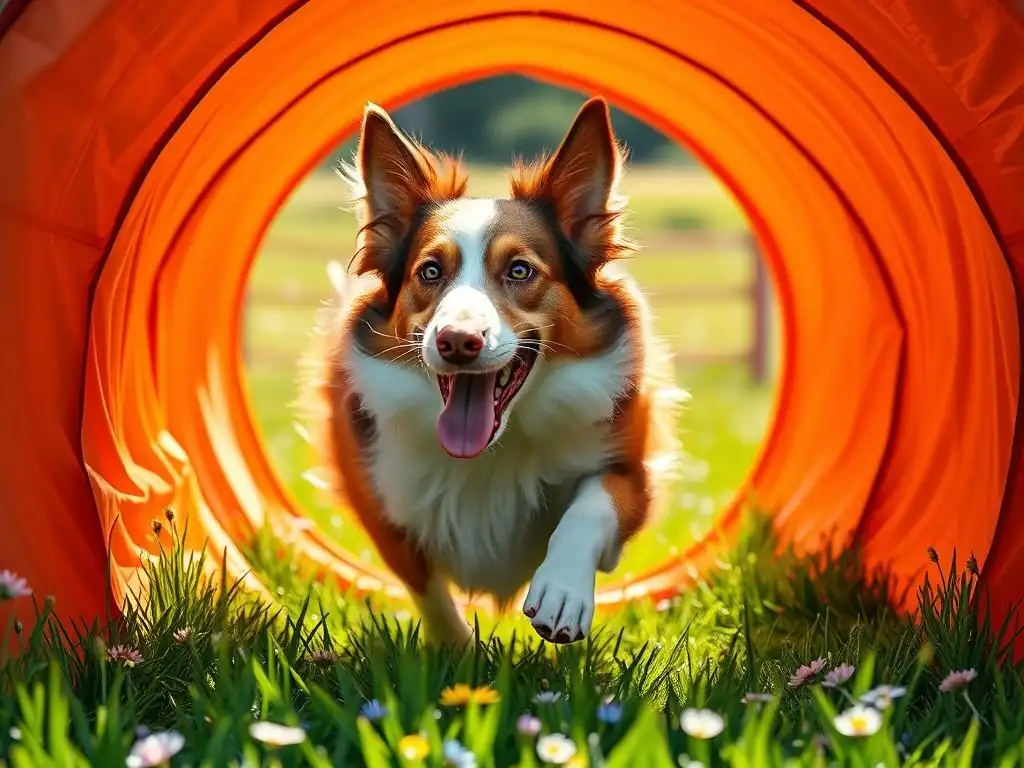
Welcome to PetCareWorld, your ultimate guide to a happier, healthier life for your beloved pets! Are you ready to unlock your dog's inner athlete? Our Dog tunnel training agility guide will show you how to transform playtime into a fun, rewarding, and engaging activity, building your bond and boosting your dog's confidence. Discover the secrets to mastering agility training and prepare to be amazed by your canine companion's newfound skills. Dive in and start building an amazing agility journey together!
- Understanding the Benefits of Tunnel Training for Dogs
- Getting Started with Dog Tunnel Training: Essential Supplies and Setup
-
Step-by-Step Guide to Dog Tunnel Training: From Introduction to Mastery
- Step 1: Lure and Reward Method for Initial Tunnel Exploration
- Step 2: Building Positive Associations with the Tunnel Using Treats and Praise
- Step 3: Encouraging Your Dog to Run Through the Tunnel Without Luring
- Step 4: Increasing the Distance and Complexity of the Tunnel Run
- Step 5: Introducing Obstacles and Combining Tunnel Training with Other Agility Exercises
- Step 6: Troubleshooting Common Challenges in Tunnel Training
- Advanced Tunnel Training Techniques for Agility Enthusiasts
- Maintaining Motivation and Preventing Boredom During Tunnel Training
- Troubleshooting Common Problems in Dog Tunnel Training
- Beyond the Basics: Integrating Tunnel Training into a Complete Agility Program
- Resources and Further Learning: Dog Tunnel Training Agility Guide
- Frequently Asked Questions
- Final Reflection: Unlocking Canine Potential Through Tunnel Training
- Unleash Your Dog's Inner Agility Star!
Understanding the Benefits of Tunnel Training for Dogs
Tunnel training is a fantastic way to introduce your canine companion to the exciting world of dog agility. More than just a fun activity, it offers a multitude of benefits for both the dog and the owner, fostering a stronger bond and enhancing your dog's physical and mental well-being. This comprehensive guide will explore the advantages of tunnel training, providing practical tips and techniques to help you successfully navigate this rewarding journey with your furry friend.
We'll cover everything from building confidence to strengthening your relationship through positive reinforcement, ensuring your dog enjoys the challenge and develops essential skills along the way. This guide is perfect for dog owners of all experience levels, from beginners looking to introduce agility to their pets, to more experienced handlers seeking to refine their techniques and improve their dog's performance. It's a valuable resource for anyone seeking to enrich their dog's life with engaging, mentally stimulating activities and create a deeper connection through shared experiences.
Get ready to unleash your dog's inner athlete! 🎉
Improved Confidence and Self-Esteem in Canine Companions
Introducing your dog to a tunnel can significantly boost their confidence and self-esteem. Many dogs initially hesitate to enter a dark, enclosed space. Successfully navigating the tunnel, however, provides a powerful sense of accomplishment. This positive experience builds their self-belief and encourages them to tackle new challenges with greater enthusiasm.
The feeling of success reinforces their innate abilities, leading to a more confident and outgoing demeanor both during training sessions and in everyday life. We recommend starting with short tunnels and gradually increasing the length as your dog gains confidence. Positive reinforcement, such as treats and praise, is crucial throughout this process.
Remember to celebrate even the smallest successes! The goal is to create a positive association with the tunnel, turning it from a source of apprehension into a fun and rewarding experience. Observe your dog's body language closely; if they show signs of stress or fear, take a step back and revisit the introduction more gradually.
Enhanced Problem-Solving Skills and Cognitive Development
Tunnel training isn't just about physical agility; it's a fantastic mental workout for your dog. Navigating the tunnel requires problem-solving skills: they must assess the space, plan their entry and exit, and adjust their body to fit through the confines. This process stimulates their cognitive functions, sharpening their focus and improving their decision-making abilities. Regular tunnel training exercises different parts of their brain and helps to keep them mentally engaged and stimulated.
The mental stimulation provided by agility training, especially tunnel training, can significantly contribute to preventing cognitive decline in older dogs. Furthermore, the challenges presented by varying tunnel types and placements enhance their adaptability and problem-solving skills over time. This mental agility translates into improved overall behavior and a more responsive, adaptable companion.
Building a Stronger Bond Between Dog and Owner Through Positive Reinforcement
The process of tunnel training is as much about building a bond between you and your dog as it is about teaching a specific skill. Using positive reinforcement techniques – rewarding desired behaviors with treats, praise, and affection – fosters trust and strengthens your relationship. The shared experience of overcoming challenges together creates a unique connection, reinforcing mutual respect and understanding. The consistent positive interaction during training sessions creates a positive feedback loop, strengthening the bond between you and your dog.
Remember to keep training sessions short, fun, and rewarding. Focus on positive reinforcement and celebrate each success, no matter how small. This approach builds confidence in your dog and strengthens your bond, creating a more fulfilling partnership for both of you. This positive reinforcement approach will not only help your dog learn quickly but also establish a strong, loving connection built on mutual trust and understanding.
Physical Exercise and Mental Stimulation for a Healthier Pet
Tunnel training provides a fantastic opportunity to combine physical exercise with mental stimulation, crucial aspects of a dog's overall well-being. Unlike a simple walk, which primarily focuses on physical exertion, tunnel training engages your dog's mind as well. The dog must navigate a confined space, requiring problem-solving skills and spatial awareness. This mental engagement helps prevent boredom and reduces the likelihood of destructive behaviors stemming from pent-up energy. A tired dog, both physically and mentally, is a happier and better-behaved dog. Studies have shown that dogs who receive sufficient mental stimulation exhibit lower levels of anxiety and stress. 1 This is particularly important for high-energy breeds prone to hyperactivity. The physical activity involved strengthens muscles, improves cardiovascular health, and contributes to a healthy weight. The combination of physical and mental exercise helps maintain a balanced and healthy lifestyle for your canine companion, contributing to a longer and more fulfilling life. Remember to always tailor the intensity and duration of training sessions to your dog's age, breed, and fitness level. Avoid overexertion, and always provide plenty of water breaks.
1 [Citation needed: Specific study on mental stimulation and canine anxiety/stress levels]
Getting Started with Dog Tunnel Training: Essential Supplies and Setup
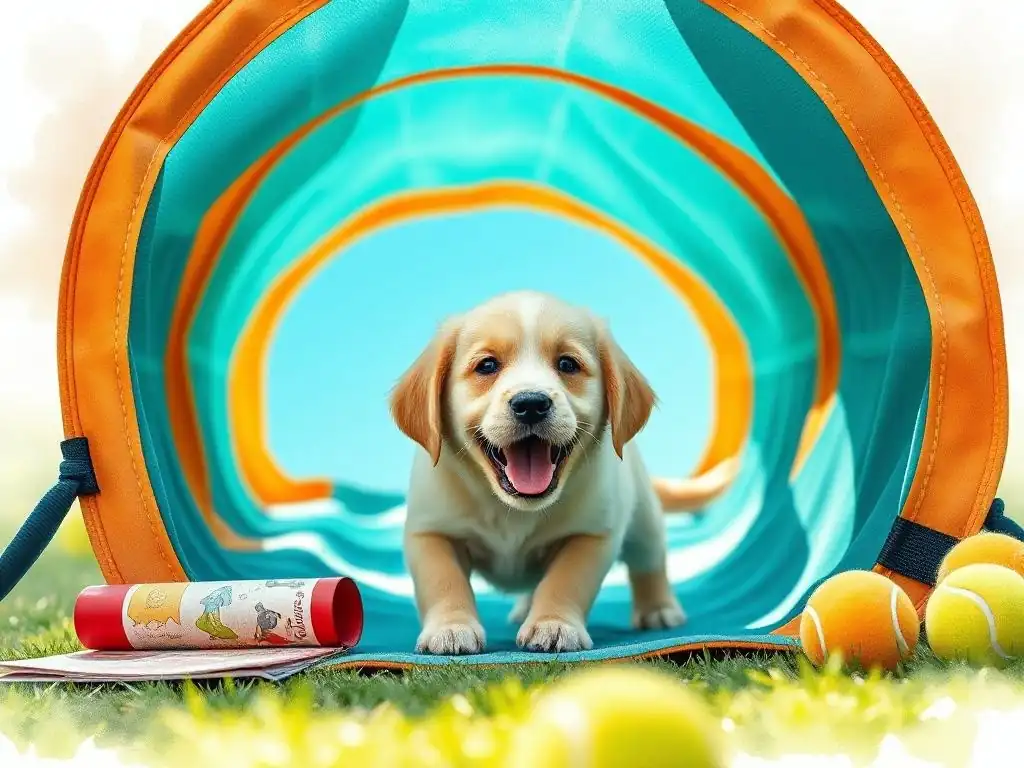
This section focuses on the crucial first steps in dog tunnel training: gathering the necessary equipment and preparing a safe training environment. Success in dog tunnel training hinges on having the right tools and a well-prepared space. Let's dive into the specifics.
Choosing the Right Dog Tunnel for Your Breed and Size
Selecting the appropriate dog tunnel is paramount. A tunnel that's too small will be frustrating for your dog, potentially leading to fear or avoidance. Conversely, a tunnel that's too large might feel overwhelming or unstable. Consider these factors:
- Breed and Size: A Great Dane will need a significantly larger tunnel than a Chihuahua. Measure your dog's height and length to ensure a comfortable fit. Consider the tunnel's diameter and length. A good rule of thumb is to choose a tunnel with a diameter that allows your dog to move comfortably without feeling cramped. The length should be appropriate for your dog's breed and age, starting with shorter tunnels and gradually progressing to longer ones as your dog's confidence grows.
- Tunnel Material: Durable materials like nylon or ripstop fabric are ideal. Avoid flimsy materials that could easily tear or collapse under your dog's weight. Look for reinforced stitching and strong poles for added stability. Some tunnels are collapsible for easy storage, which is a convenient feature.
- Tunnel Features: Some tunnels feature bright colors or even toys attached to encourage engagement. Consider your dog's personality; a shy dog might benefit from a less stimulating tunnel, while a more energetic dog might appreciate added visual or tactile stimulation. Some tunnels even include entrances at both ends, which can add to the challenge and fun.
Setting Up Your Training Area: Safety First
Safety is paramount when training your dog. Your training area should be free from hazards and distractions. Here's a checklist to ensure a safe and effective training environment:
- Clear the Area: Remove any potential obstacles such as furniture, toys, or electrical cords that could trip your dog or damage the tunnel. Ensure the area is spacious enough to allow your dog to move freely around and through the tunnel without feeling confined.
- Choose a Suitable Surface: Opt for a soft, even surface to prevent injuries. Grass, carpet, or padded flooring are ideal choices. Avoid hard surfaces like concrete or asphalt, which could be uncomfortable or even harmful to your dog's paws.
- Minimize Distractions: Turn off loud noises or other distractions that might startle or divert your dog's attention during training. A quiet, calm environment fosters better focus and quicker learning. Initially, it might be best to train in a relatively enclosed area, such as a backyard or a spare room, to minimize distractions.
- Supervision is Key: Never leave your dog unattended while using the training tunnel. Always supervise closely to ensure safety and prevent accidents.
Introducing Your Dog to the Tunnel: A Gradual Approach
Introducing your dog to the tunnel requires patience and positive reinforcement. Avoid forcing your dog into the tunnel, as this could create fear and aversion. Instead, use a gradual approach:
- Positive Associations: Start by placing high-value treats or toys near the tunnel entrance. Let your dog explore the tunnel at their own pace. Reward any positive interaction with the tunnel, such as sniffing or touching it, with praise and treats.
- Lure and Reward: Use a favorite toy or treat to gently lure your dog into the tunnel. Reward them generously when they enter, even just a few inches. Gradually increase the distance they need to travel through the tunnel to receive a reward.
- Short Sessions: Keep initial training sessions short (5-10 minutes) to avoid overwhelming your dog. End each session on a positive note, ensuring your dog has a positive association with the tunnel. Frequent, short sessions are more effective than infrequent, long ones.
- Celebrate Successes: Celebrate even small victories with enthusiastic praise, petting, and treats. Positive reinforcement is crucial for building your dog's confidence and encouraging them to continue exploring the tunnel. Remember to remain patient and understanding throughout this process. Some dogs may require more time than others to adjust to the tunnel.
Remember, consistency and patience are key to successful dog tunnel training. By following these steps and adapting your approach to your dog's individual needs, you can build a positive association with the tunnel and have fun while developing your dog's agility skills. 🎉
Step-by-Step Guide to Dog Tunnel Training: From Introduction to Mastery
This section provides a detailed, step-by-step guide to successfully training your dog to navigate a tunnel, a crucial element in dog agility. We'll cover techniques to build confidence and positive associations, ultimately leading your canine companion to confidently and enthusiastically run through the tunnel. Remember, patience and positive reinforcement are key to successful dog tunnel training agility. This guide will help you navigate the process effectively, transforming your dog's apprehension into joyful participation.
Step 1: Lure and Reward Method for Initial Tunnel Exploration
Begin by introducing your dog to the tunnel in a calm and controlled environment. Place the tunnel on the ground, ensuring it's stable and not in a position that might startle your dog. Use high-value treats, such as small pieces of cooked chicken or cheese, to lure your dog towards the tunnel entrance. Hold the treat just inside the opening, enticing your dog to take a step inside.
Once your dog's head is inside, immediately praise them enthusiastically with words like "Good dog!" or "Yes!" and give them the treat. Repeat this process several times, rewarding even the smallest attempts to enter the tunnel. The goal is to create a positive association with the tunnel. Don't force your dog; if they seem hesitant, take a break and try again later. Short, frequent sessions are more effective than long, stressful ones.
It's crucial to observe your dog's body language. Signs of stress include tucked tail, flattened ears, excessive panting, or yawning. If you notice any of these, immediately stop the training session and try again another time. Remember, the aim is to make tunnel training a fun and rewarding experience for your dog, not a source of anxiety. Positive reinforcement is paramount for successful dog tunnel training agility.
| Attempt | Result | Observation |
|---|---|---|
| 1 | Head inside | Excited tail wagging, happy demeanor |
| 2 | Head and torso | Slight hesitation, but took the treat |
| 3 | Fully through | Enthusiastic barking, eager for more treats! |
Step 2: Building Positive Associations with the Tunnel Using Treats and Praise
Once your dog comfortably enters the tunnel, start lengthening the time they spend inside. Continue using the lure and reward method, but gradually increase the distance you hold the treat inside the tunnel. This encourages your dog to move further into the tunnel.
Combine the lure method with verbal praise. Use a consistent cue, such as "Go tunnel!" or "Through the tunnel! ", just before you lure your dog. This helps your dog associate the command with the action. Remember to always end the session on a positive note, even if your dog doesn't fully complete the run. A positive ending reinforces the positive association with the tunnel.
It's important to maintain a calm and encouraging tone throughout the training process. Your dog can sense your energy, and if you are stressed or impatient, it can negatively impact their learning. Think of it as building a strong foundation for your dog’s agility career. Consistent, positive reinforcement is the key to building confidence and enthusiasm for tunnel work.
Step 3: Encouraging Your Dog to Run Through the Tunnel Without Luring
Once your dog reliably enters and exits the tunnel with a lure, it's time to start fading the lure. Begin by holding the treat closer to the tunnel entrance, gradually decreasing the distance until you're simply holding it just outside the entrance as a reward.
Next, try giving the command ("Go tunnel!") and immediately rewarding your dog when they enter the tunnel. If your dog hesitates, gently encourage them with your voice and hand signals, but avoid forcing them. Gradually reduce the reliance on hand signals until your dog enters the tunnel solely on the verbal cue.
Finally, aim for your dog to run through the tunnel without any lure or hand signal. Continue to use positive reinforcement, praising and rewarding your dog for their successful runs. Remember to celebrate even small victories, keeping the training sessions short, frequent, and fun. This process will build your dog's confidence and enthusiasm for this exciting agility challenge. With patience and positive reinforcement, your dog will soon be a tunnel-running pro!
Step 4: Increasing the Distance and Complexity of the Tunnel Run
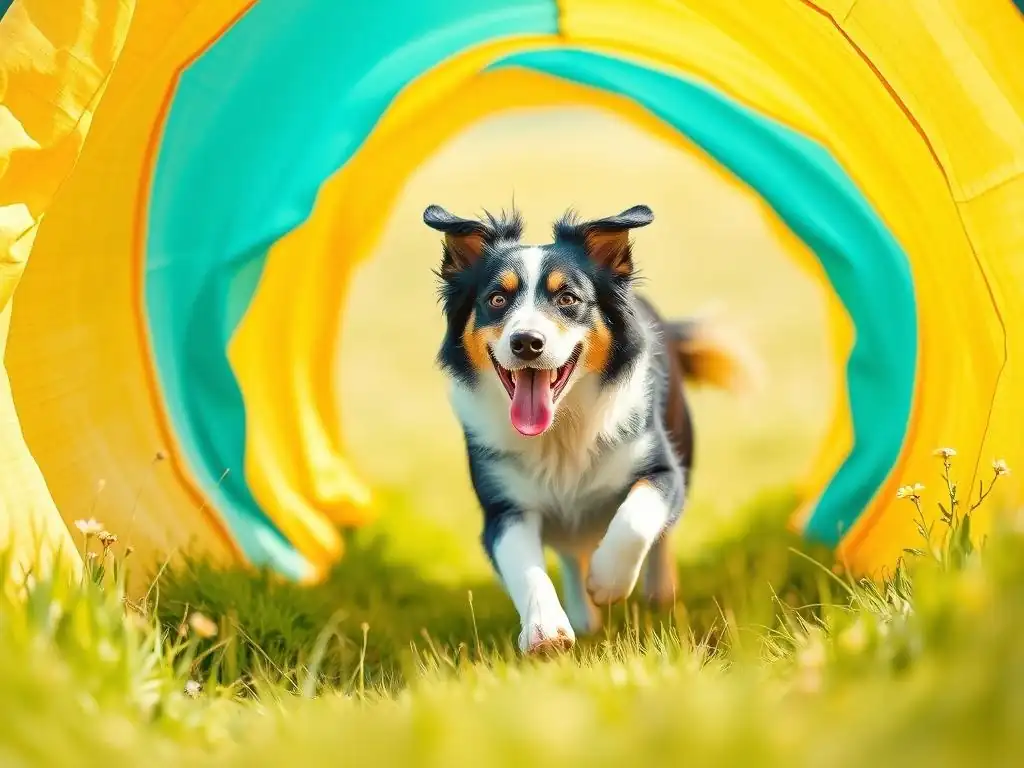
Once your dog reliably enters and exits the tunnel at short distances, it's time to gradually increase the challenge. Start by extending the tunnel length by a few feet each session. Always reward your dog's success with enthusiastic praise and treats upon exiting the tunnel. If your dog hesitates or shows signs of anxiety, immediately shorten the distance and return to a level of success. Remember, positive reinforcement is key. Never force your dog into the tunnel.
To add complexity, consider introducing slight curves or bends to the tunnel. You can achieve this by using flexible tunnels or strategically placing objects to gently guide your dog's path. Start with subtle changes and gradually increase the curve's sharpness as your dog gains confidence. Monitor your dog's body language closely.
A tucked tail, flattened ears, or excessive panting can indicate stress or discomfort. If you observe any of these signs, immediately stop the training session and return to a less challenging setup. Always prioritize your dog's comfort and well-being. Consider using a longer tunnel to help your dog gradually adjust to the longer distance and potentially more challenging turns.
Step 5: Introducing Obstacles and Combining Tunnel Training with Other Agility Exercises
As your dog masters the basic tunnel run, you can integrate it into a more complex agility course. This helps build confidence and stamina. Start by placing a simple jump or a weave pole section before the tunnel entrance. This teaches your dog to approach the tunnel as part of a sequence, improving their focus and coordination. Always remember to keep training sessions short and fun to avoid overwhelming your dog. Positive reinforcement and clear communication remain crucial throughout this stage.
You can also incorporate other agility equipment, such as a teeter-totter or a seesaw, after the tunnel exit. This creates a more challenging and engaging obstacle course that stimulates your dog both physically and mentally. Remember to carefully observe your dog's performance and adjust the difficulty based on their individual capabilities and comfort levels. Avoid introducing too many new elements at once. A systematic and gradual approach is essential for successful agility training. Remember to celebrate your dog's accomplishments with positive reinforcement and rewarding treats. This will help maintain their motivation and excitement throughout the learning process.
Step 6: Troubleshooting Common Challenges in Tunnel Training
Even with careful training, some dogs may encounter difficulties with tunnel training. One common issue is a reluctance to enter the tunnel. This could stem from fear of the dark, enclosed space, or a previous negative experience. To address this, try starting with a very short tunnel, partially lit, and lure your dog through with treats and praise. Gradually increase the tunnel's length and darkness as your dog gains confidence. Consider using a tunnel with a brightly colored entrance to make it more appealing. Always maintain a positive and encouraging tone.
Another challenge is a dog exiting the tunnel prematurely. This often indicates a lack of focus or insufficient reward. Ensure you're rewarding your dog immediately upon exiting the tunnel at the correct end. You might need to increase the value of the reward, using higher-value treats or toys.
Also, ensure your dog is adequately trained in basic obedience commands like "stay" before introducing tunnel training to improve focus and control. If the problem persists, consult a professional dog trainer for personalized guidance and support. Remember, patience and consistency are vital in overcoming these challenges. Every dog learns at its own pace, so celebrate small victories along the way.
Advanced Tunnel Training Techniques for Agility Enthusiasts
This section delves into more advanced techniques for tunnel training, building upon the foundational skills already established. We'll explore methods to enhance your dog's proficiency and confidence, ultimately leading to improved performance in agility competitions or simply more enjoyable playtime. Remember, patience and positive reinforcement remain key throughout this process. This guide focuses on building upon basic tunnel training to achieve a higher level of agility and control.
Successfully navigating multiple tunnels requires precise control and understanding from your canine companion. This isn't simply about running through tunnels; it's about teaching your dog to execute specific turns and maintain momentum. We'll break this down into manageable steps:
- Start with two tunnels: Position two tunnels side-by-side, with a slight angle between their entrances. Initially, lure your dog through the first tunnel with a high-value reward. As they exit, immediately lure them into the second tunnel. Repeat this process multiple times, gradually increasing the angle between the tunnels.
- Introduce turns: Once your dog is comfortable with two straight tunnels, introduce a slight turn between them. Use hand signals and verbal cues to guide your dog's direction. For example, a gentle hand motion towards the next tunnel entrance can be very effective.
- Increase complexity: Gradually increase the number of tunnels and the complexity of the turns. You can create an "S" pattern, a "U" turn, or even a more intricate maze. Always ensure your dog remains engaged and motivated with consistent positive reinforcement.
- Reward frequently: Reward your dog frequently throughout the training session, not just upon completion of the entire sequence. This helps maintain motivation and reinforces correct behavior at each step. Consider using a clicker for precise timing of rewards.
Remember to adjust the difficulty based on your dog's individual learning pace. Celebrate each small success! The goal is to build confidence and precision, not to overwhelm your dog. Consistent, positive reinforcement is the key to success in this phase of dog tunnel training agility guide.
Incorporating Tunnel Training into a Full Agility Course
Integrating tunnel training into a complete agility course smoothly requires careful planning and execution. It's not just about adding tunnels; it's about strategically placing them to enhance the overall flow and challenge of the course.
Consider these points when designing your agility course:
| Placement Strategy | Description | Benefits |
|---|---|---|
| Strategic Tunnel Placement | Position tunnels to break up long sequences of other obstacles. | Prevents monotony, improves dog's focus, and allows for pacing adjustments. |
| Tunnel as a Transition | Use tunnels to transition between different types of obstacles (e.g., jumps to weaves). | Smooths transitions, helps maintain momentum, and improves overall course flow. |
| Tunnel Challenges | Incorporate multiple tunnels in succession or with tight turns. | Improves handling skills, tests navigation abilities, and builds confidence. |
Remember that the placement of tunnels significantly impacts the overall flow and challenge of the course. Observe your dog's performance and make adjustments as needed. A well-planned course should challenge your dog while maintaining their engagement and enjoyment.
Using Tunnel Training to Improve Your Dog's Speed and Agility
Tunnel training is an excellent tool for improving your dog's speed and agility. By focusing on specific techniques, you can significantly enhance their performance.
- Speed Drills: Practice running through the tunnel at increasing speeds. Use a lure or toy to encourage faster movement. Focus on maintaining a smooth, controlled run.
- Agility Exercises: Combine tunnel training with other agility exercises, such as weaving poles or jumping hurdles, to improve overall coordination and agility.
- Obstacle Variety: Introduce variations in tunnel placement and design to challenge your dog and prevent boredom. Use different types of tunnels, such as those with varying lengths or curves.
- Regular Practice: Consistent practice is crucial. Short, frequent training sessions are more effective than infrequent, long ones. Aim for several short sessions each week.
Remember to always prioritize your dog's safety and well-being. If your dog shows signs of fatigue or frustration, stop the training session and try again later. A tired or stressed dog will not learn effectively. The ultimate goal is to build a strong, positive association with tunnel training and to enhance your dog's overall agility and speed. This holistic approach to dog tunnel training agility guide will maximize your dog's potential.
Advanced Tunnel Training Exercises for Experienced Dogs
For dogs who have mastered the basics of tunnel entry and exit, it's time to introduce more challenging exercises to enhance their agility skills and build confidence. These exercises focus on speed, precision, and handling, pushing your canine companion to their full potential. Remember to always prioritize your dog's safety and comfort; if they seem hesitant or stressed, take a break and return to easier exercises. Positive reinforcement remains key throughout this stage.
One excellent advanced exercise involves incorporating multiple tunnels in a sequence. Start with two tunnels placed a short distance apart. Reward your dog for successfully navigating both tunnels. Gradually increase the distance between the tunnels and add more tunnels to the sequence. This helps your dog develop their spatial awareness and improves their ability to maintain focus and momentum. Consider varying the tunnel types – straight tunnels, curved tunnels, and even collapsible tunnels can add an element of surprise and challenge. A well-trained dog should be able to smoothly transition between different tunnel types without hesitation.
Another effective technique is to introduce distractions. While your dog is navigating the tunnel, introduce controlled distractions such as other dogs (under supervision), toys, or even loud noises (like a clap). This prepares your dog for real-world agility competitions, where distractions are inevitable. Start with minimal distractions and gradually increase the intensity as your dog’s confidence grows. Always ensure the distractions are safe and controlled to prevent accidents or undue stress for your dog. Positive reinforcement is crucial during this phase to maintain a positive association with the tunnels even amidst distractions.
Furthermore, incorporating weaves and other agility obstacles before or after the tunnel enhances the complexity of the exercise. This helps your dog practice transitions between different obstacle types, improving their overall agility and coordination. Start by adding one obstacle at a time, carefully observing your dog’s performance and adjusting the exercise accordingly. Always focus on smooth transitions and avoid pushing your dog beyond their capabilities. Remember that the goal is to build confidence and refine technique, not to push your dog to exhaustion.
Regular practice and patience are essential to achieving success in advanced tunnel training. Celebrate even small victories, using positive reinforcement to maintain motivation and enjoyment. Remember, a happy and engaged dog will always perform better. 🐶
Maintaining Motivation and Preventing Boredom During Tunnel Training
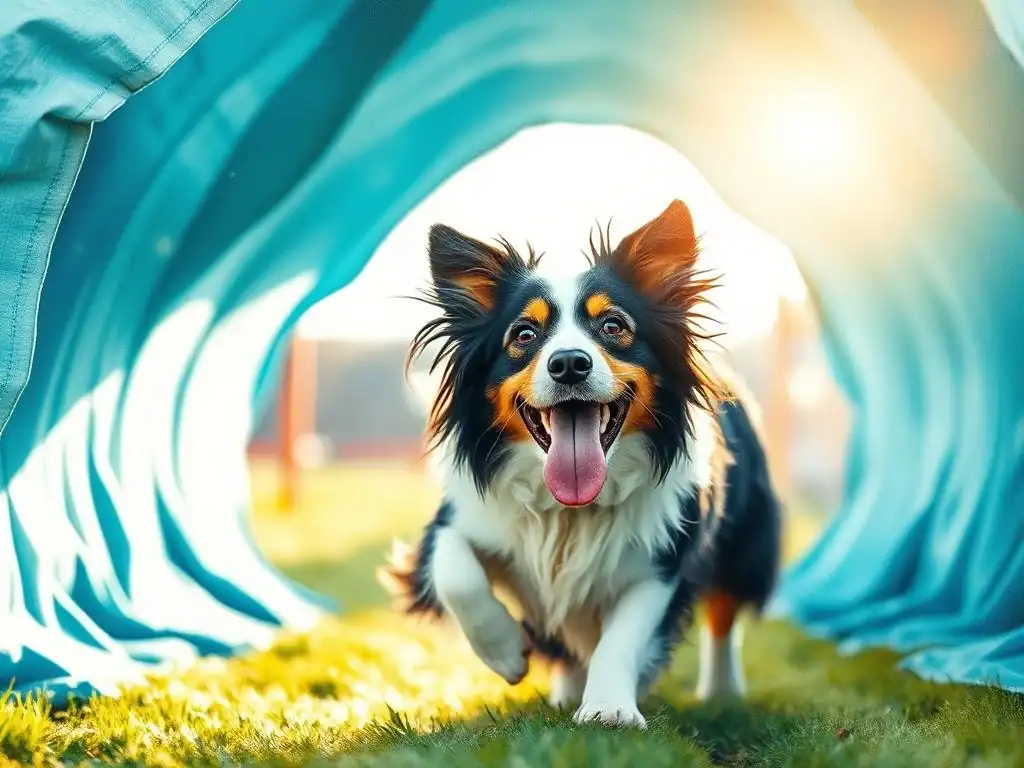
Maintaining your dog's enthusiasm throughout tunnel training is crucial for success. A bored or frustrated dog will be less likely to cooperate and may even develop a negative association with the tunnel. Therefore, keeping training sessions short, fun, and rewarding is paramount. Think of it like this: you wouldn't run a marathon on your first day of training; similarly, you shouldn't expect your dog to master the tunnel in one session.
Varying Training Methods and Exercises to Keep Your Dog Engaged
Monotony is the enemy of successful dog tunnel training agility guide sessions. To combat this, incorporate a variety of techniques and exercises. Instead of simply luring your dog through the tunnel repeatedly, try these variations:
- Changing the Tunnel's Placement: Move the tunnel to different locations in your training area. Vary the surface it's on (grass, carpet, etc.) to provide novel sensory experiences. This helps prevent your dog from becoming accustomed to the same routine.
- Adding Obstacles: Introduce other simple agility obstacles, such as jumps or weave poles, before or after the tunnel. This creates a more engaging and challenging course. This holistic approach to agility training is often more effective than focusing solely on the tunnel.
- Incorporating Games: Before starting formal tunnel training, play games around the tunnel. Toss treats inside, let your dog explore it at their own pace, or use it as part of a hide-and-seek game. This helps build positive associations with the tunnel before any formal training commences.
- Training with a Friend: Train with another dog and owner. The social aspect can significantly increase your dog's motivation and make the experience more enjoyable. This also provides a chance for your dog to learn from other dogs.
Remember to always end the session on a positive note, even if your dog hasn't mastered the tunnel completely. A successful dog tunnel training agility guide should focus on positive reinforcement.
Using Positive Reinforcement Consistently for Optimal Results
Positive reinforcement is the cornerstone of successful dog training, especially in agility. Instead of relying on punishment or correction, focus on rewarding your dog for every step of progress. This builds confidence and encourages further participation.
Here’s how to apply consistent positive reinforcement:
- High-Value Rewards: Use treats your dog absolutely loves. Small, easily consumed treats are ideal for maintaining focus during training.
- Immediate Reinforcement: Reward your dog immediately after they successfully navigate the tunnel. The faster the reward, the stronger the association.
- Verbal Praise: Combine treats with enthusiastic verbal praise like "Good dog!" or "Yes!". This adds another layer of positive reinforcement.
- Vary Rewards: Don't just rely on treats. Occasionally offer praise, a favorite toy, or even a short game of fetch as a reward. This keeps the rewards exciting and prevents boredom. A varied dog tunnel training agility guide ensures consistent engagement.
Consistency is key. Every time your dog exhibits desired behavior (even a small step towards the tunnel), reward them immediately and enthusiastically.
Recognizing Signs of Frustration or Discouragement in Your Dog
Even with the best training methods, your dog may occasionally show signs of frustration or discouragement. Recognizing these signs is crucial to prevent negative associations with the tunnel and maintain a positive training experience.
Here are some common signs to watch out for:
| Sign | Description | Response |
|---|---|---|
| Avoidance | Your dog actively avoids the tunnel or hesitates significantly before entering. | End the session, try again later with shorter, more rewarding sessions. Focus on building confidence near the tunnel. |
| Whining or Barking | Your dog whines, barks, or shows other signs of stress or anxiety when near the tunnel. | Take a break, reassess your training methods, and perhaps try a different approach. |
| Yawning or Lip Licking | These subtle signs can indicate stress or anxiety. | Slow down the pace, use less intense methods, and increase the use of positive reinforcement. |
| Body Language (Cowering) | Your dog may cower or display submissive postures, showing fear or apprehension. | Back off completely, and revisit the basics of positive reinforcement before reintroducing the tunnel. |
If you notice any of these signs, immediately stop the training session. Try again later with a more relaxed approach, shorter sessions, and a higher concentration of positive reinforcement. Remember, a successful dog tunnel training agility guide prioritizes your dog's well-being and enjoyment. Patience and understanding are crucial components of effective dog training.
Taking Breaks and Adjusting Training Sessions Based on Your Dog's Needs
Maintaining your dog's enthusiasm during tunnel training is crucial for success. Ignoring signs of fatigue or frustration can lead to negative associations with the tunnel, hindering progress and potentially damaging your bond. A key element in successful dog tunnel training, and indeed all dog training, is recognizing when your canine companion needs a break. This isn't just about physical tiredness; it also encompasses mental fatigue and a waning interest in the activity. Observe your dog closely for signs of disengagement, such as decreased responsiveness, wandering attention, or even subtle signs of stress like lip licking or yawning.
A good rule of thumb is to keep training sessions relatively short, especially when starting out. Aim for sessions lasting no more than 15-20 minutes for younger dogs or those new to agility. Older dogs or those with pre-existing health conditions might benefit from even shorter sessions of 10 minutes or less. Remember, quality over quantity is key. A short, focused session where your dog remains engaged and enthusiastic will be far more effective than a longer, tedious one that leads to frustration.
The length and frequency of training sessions should be adjusted based on your individual dog's needs. Some dogs might thrive on daily, short sessions, while others may prefer fewer, longer sessions spread throughout the week. Pay attention to your dog's body language and adjust accordingly. If your dog seems tired or uninterested, immediately end the session. Pushing a tired or stressed dog will only create negative associations and make future training more challenging. Always end on a positive note, with a successful run through the tunnel and plenty of praise and rewards.
Consider incorporating variety into your training sessions to prevent boredom. This could involve changing the location of the tunnel, adding different obstacles, or incorporating other games and activities into the training routine. A change of scenery can often re-ignite your dog's interest and keep them mentally stimulated. Remember, the goal is to make tunnel training a fun and rewarding experience for both you and your dog.
A happy, engaged dog is a learning dog! By prioritizing your dog's well-being and adapting your approach accordingly, you'll foster a positive training experience and build a strong, trusting relationship with your canine companion. This will ultimately lead to more successful and enjoyable agility training.
Troubleshooting Common Problems in Dog Tunnel Training
This section addresses common challenges encountered during dog tunnel training and provides practical solutions to help you overcome them. Remember, patience and positive reinforcement are key to successful agility training. This guide focuses on resolving issues, assuming you've already established a basic understanding of introducing your dog to the tunnel. We'll explore solutions tailored to address specific behavioral issues, ensuring a fun and rewarding experience for both you and your canine companion. This comprehensive approach to dog tunnel training will help you navigate the most common problems and achieve agility success.
My Dog is Hesitant to Enter the Tunnel: Addressing Fear and Anxiety
Many dogs initially exhibit hesitation or fear when encountering a tunnel. This is perfectly normal. The key is to gradually desensitize your dog to the tunnel, building confidence step-by-step. Avoid forcing your dog; instead, focus on creating positive associations.
Here's a phased approach:
- Phase 1: Familiarization: Place the tunnel on the ground, open at both ends. Let your dog approach it at their own pace. Reward any sniffing or investigation with high-value treats and praise. If your dog avoids it, simply move a few inches closer to the tunnel with the treats, enticing them to come closer.
- Phase 2: Luring: Use high-value treats to lure your dog into the tunnel. Start with just a few inches, gradually increasing the distance as your dog becomes more comfortable. Ensure you don't pull or force them.
- Phase 3: Positive Reinforcement: Once your dog enters the tunnel, even slightly, reward immediately with enthusiastic praise, petting, and a treat. This reinforces positive associations with the tunnel. Repeat this process multiple times, increasing the distance they travel each time.
- Phase 4: Building Confidence: If your dog still shows signs of anxiety, consider using a toy instead of treats as a lure. Some dogs respond better to play-based motivation. You can even have a helper wait at the other end of the tunnel with the toy, making the experience more appealing.
Remember to remain patient and understanding. Every dog learns at its own pace. Never punish or scold your dog for hesitation; this will only worsen their fear. Positive reinforcement is paramount. 🎉
My Dog Runs Through the Tunnel Too Quickly: Encouraging Controlled Movement
While enthusiasm is great, a dog that zooms through the tunnel too quickly can be unsafe and doesn't demonstrate proper agility skills. This requires teaching your dog to slow down and control their speed within the tunnel.
Here are some strategies:
- Target Training: Teach your dog to touch a target (a stick, hand, or even a specific spot on the tunnel) at the entrance and exit of the tunnel. This creates a pause and encourages controlled movement.
- Luring with Slow Movements: Instead of rapidly luring your dog through, move your hand and the treat slowly through the tunnel, encouraging your dog to follow at a more deliberate pace.
- Obstacles Before and After: Adding simple obstacles before and after the tunnel can help your dog regulate their speed. This forces them to slow down before entering and after exiting the tunnel, improving control.
- Practice, Practice, Practice: Consistent practice is crucial. Start with short tunnel runs and gradually increase the length as your dog's control improves. Remember to always reward controlled movements. 🏆
My Dog Refuses to Exit the Tunnel: Strategies for Encouraging Exit Behavior
Some dogs become comfortable inside the tunnel and are reluctant to leave. This usually stems from a lack of positive reinforcement for exiting or a fear of the space beyond the tunnel. Addressing this requires a multi-pronged approach:
- Enticing with Rewards: Place high-value rewards just outside the tunnel exit. Use your dog's favorite treats, toys, or even a favorite person to encourage them to exit.
- Light and Sound: If your dog is afraid of the area beyond the tunnel, gradually introduce more light and sound to the exit area. Start with minimal stimuli and slowly increase it as your dog becomes more comfortable.
- Call and Reward: Use a cheerful and encouraging voice to call your dog out of the tunnel. Reward immediately upon exit. This positive association will encourage repeat exits.
- Gentle Guidance: If your dog still refuses to exit, gently guide them out using a lure or your hand, but never force them. Patience and positive reinforcement are key. Always ensure a positive experience to prevent future reluctance. 🐕
Remember, consistency is key to success in dog tunnel training. With patience, positive reinforcement, and the right techniques, you can overcome any challenges and help your dog master this fun and engaging agility skill. By addressing these common issues proactively, you’ll build a strong foundation for a successful agility journey with your furry friend.
My Dog is Distracted During Training: Maintaining Focus and Concentration
Distractions are a common hurdle in dog tunnel training, especially for puppies or dogs with high prey drives. A dog's natural curiosity and sensitivity to their environment can easily derail a training session. Successfully navigating this challenge requires a strategic approach, focusing on creating a controlled environment and employing effective training techniques. The key is to gradually introduce distractions, rewarding focus and concentration throughout the process.
One effective method is to start training sessions in a quiet, enclosed space, minimizing external stimuli. A spare room or a section of your yard cordoned off with temporary fencing can provide the necessary quietude. As your dog masters the tunnel in this calm environment, gradually introduce low-level distractions. This might involve having a family member move slowly around the periphery, or playing quiet background music. Always reward your dog for maintaining focus on the task at hand, even amidst the subtle distractions. This positive reinforcement helps solidify the desired behavior.
For dogs with particularly strong prey drives, the introduction of distractions needs to be even more gradual. Instead of people moving around, start with stationary objects – a toy placed at a distance, or a piece of furniture. Gradually increase the level of distraction, always ensuring your dog maintains focus before moving on to the next stage. If your dog becomes overly focused on the distraction, it's crucial to step back to a less stimulating environment and rebuild their concentration before progressing again. Remember, patience and consistency are key.
Another important aspect is the timing and duration of training sessions. Keep sessions relatively short, especially in the beginning, to prevent your dog from becoming overwhelmed or fatigued. A tired dog is more likely to be distracted and less receptive to training. Short, frequent sessions are much more effective than long, infrequent ones, allowing your dog to better retain the information and maintain focus.
Always end each session on a positive note, rewarding your dog for their success and leaving them wanting more. This helps build a positive association with training, making future sessions more enjoyable and productive. Remember, building a strong bond with your dog through positive reinforcement is paramount to successful training. A happy, confident dog is a focused dog.
Beyond the Basics: Integrating Tunnel Training into a Complete Agility Program
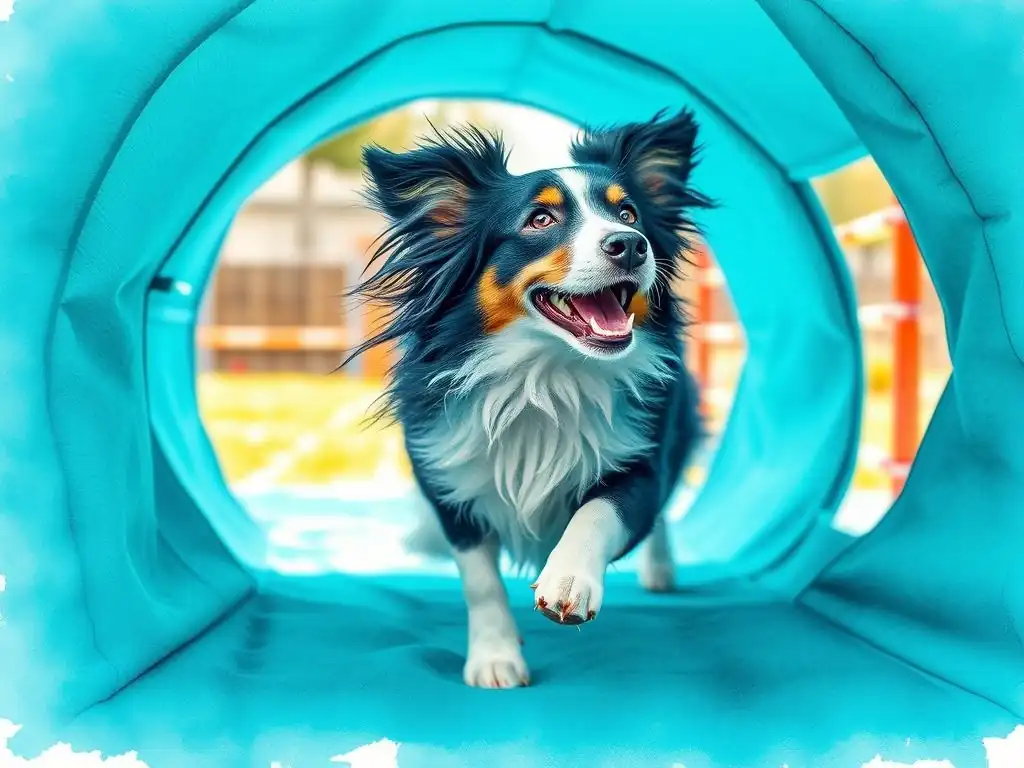
Tunnel training, while a fantastic skill on its own, forms a crucial part of a well-rounded dog agility program. It's not just about getting your dog to run through a tunnel; it's about building confidence, improving body awareness, and enhancing their overall agility skills. A successful agility dog needs more than just tunnel proficiency; they need a diverse skillset to tackle a variety of obstacles. This section explores how to seamlessly integrate tunnel training with other common agility obstacles.
Combining Tunnel Training with Other Agility Obstacles for a Well-Rounded Training Program
Integrating tunnel training with other agility obstacles is key to developing a well-rounded and confident agility dog. Consider a training sequence like this:
- Start with the basics: Begin with simple tunnel entries and exits, rewarding your dog generously for each successful attempt. Gradually increase the distance and complexity.
- Introduce jumps: After mastering the tunnel, introduce low jumps immediately before or after the tunnel. This teaches your dog to transition smoothly between different obstacle types. Use positive reinforcement throughout—a happy "Good dog!" and a treat work wonders.
- Weave poles: Weaving poles after a tunnel can help improve your dog's coordination and body control. The tunnel provides a natural break before a more challenging obstacle.
- Teeter-totter: The teeter-totter is a balance-based obstacle. Introducing it after a tunnel helps your dog to focus and regain its balance before tackling this challenging component.
- A-frame: Similar to the teeter-totter, the A-frame requires balance and coordination. Using the tunnel as a transition can help your dog maintain focus.
Remember to always prioritize your dog's safety and comfort. Start with short training sessions and gradually increase the duration and difficulty as your dog progresses. Never force your dog through an obstacle. Positive reinforcement is key—make it a fun and rewarding experience! This holistic approach to agility training ensures your dog develops the necessary skills and confidence to excel. This approach is crucial for a dog's agility development and improves their overall performance. The strategic sequencing of obstacles helps build confidence and smooth transitions between various challenge types.
Participating in Dog Agility Competitions: Preparing Your Dog for Success
Once your dog has mastered the basics of tunnel training and other agility obstacles, you might consider participating in dog agility competitions. This is a fantastic way to test your dog's skills and bond with them in a fun and competitive environment. However, proper preparation is crucial.
- Practice in a competition-like environment: Practice in a setting that mimics a real competition, including distractions such as other dogs and crowds. This helps your dog acclimate to the pressure and excitement of a competition.
- Focus on handling skills: Your handling skills are just as important as your dog's agility. Practice different handling techniques to optimize your dog's performance on the course.
- Develop a strong recall: A reliable recall is crucial in agility competitions. Your dog needs to be able to listen to your commands, even when excited or distracted.
- Build stamina: Agility courses can be physically demanding, so ensure your dog has sufficient stamina to complete the course without tiring. Regular exercise and training sessions help build endurance.
- Prioritize your dog's well-being: Always prioritize your dog's physical and mental well-being. If your dog seems tired or stressed, take a break. Never push your dog beyond its limits.
Maintaining Your Dog's Physical and Mental Fitness Through Consistent Training
Consistent training is crucial not just for agility performance but for maintaining your dog's overall physical and mental fitness. Regular agility training provides several benefits:
- Improved physical fitness: Agility training provides a fantastic cardiovascular workout, strengthening muscles and improving flexibility and coordination.
- Enhanced mental stimulation: Agility training challenges your dog mentally, keeping them engaged and preventing boredom. Mental stimulation is as important as physical exercise for a happy and well-adjusted dog.
- Strengthened bond: Training sessions provide opportunities for bonding and interaction, strengthening the relationship between you and your dog.
- Improved obedience: Agility training reinforces basic obedience commands, making your dog more responsive and well-behaved.
- Reduced behavioral problems: A physically and mentally stimulated dog is less likely to develop behavioral problems. Agility training provides a healthy outlet for excess energy.
Remember to always adjust the intensity and duration of training sessions based on your dog's age, breed, and fitness level. Consult with a veterinarian or professional dog trainer if you have any concerns about your dog's fitness or training program. A well-structured training plan, incorporating rest and recovery, is essential for the long-term health and well-being of your canine companion. Consistent training isn't just about winning competitions; it's about building a strong, healthy, and happy relationship with your furry friend.
Resources and Further Learning: Dog Tunnel Training Agility Guide
This section provides valuable resources to help you continue your dog's tunnel training journey and expand your knowledge of dog agility. We understand that consistent learning is key to success in dog agility, so we've compiled a list of helpful resources, from books and online materials to finding qualified instructors.
Recommended Books and Online Resources for Dog Agility Training
Investing in quality resources can significantly enhance your dog's training and your understanding of the sport. Here are some recommendations to help you on your way:
- Books: Look for books specifically focused on dog agility training techniques, preferably those that delve into positive reinforcement methods. Titles focusing on canine behavior and learning theory will also prove beneficial. Consider books that provide detailed explanations of various agility obstacles, including tunnels. Search for titles incorporating phrases like "positive reinforcement dog training," "dog agility training for beginners," or "understanding canine behavior." Remember to check reviews before purchasing to ensure the book's quality and relevance to your training style.
- Online Resources: The internet offers a treasure trove of information. Look for reputable websites and blogs dedicated to dog agility. Many experienced trainers share their knowledge through articles, videos, and webinars. YouTube channels dedicated to dog training often feature tunnel training techniques. However, always critically evaluate the source's credibility and ensure the training methods align with positive reinforcement principles. Forums and online communities can also be valuable for connecting with other dog agility enthusiasts and seeking advice from experienced trainers. Search online for terms such as "dog tunnel training videos," "online dog agility courses," or "dog agility training forums."
Remember to always prioritize positive reinforcement methods. Avoid any resources that advocate for harsh or aversive training techniques, as these can be detrimental to your dog's well-being and hinder their progress.
Finding Qualified Dog Agility Instructors and Trainers Near You
Finding a qualified instructor is crucial for successful dog tunnel training and overall agility development. A good instructor can provide personalized guidance, correct any mistakes in your technique, and help you and your dog avoid developing bad habits.
- Local Dog Training Clubs: Check with local dog training clubs and organizations. They often have a roster of certified instructors specializing in agility training. These clubs often offer group classes and workshops, providing a supportive environment for both you and your dog.
- Online Directories: Several online directories list certified dog trainers and agility instructors in your area. Use search terms like "certified dog agility instructor [your city/region]" to find relevant listings. Verify the instructor's credentials and experience before committing to their services. Look for instructors who emphasize positive reinforcement and have a strong track record of success.
- Veterinarian Recommendations: Your veterinarian may be able to recommend qualified dog agility instructors in your area. They can provide valuable insights into local trainers and ensure the instructors align with their standards of animal welfare.
Thoroughly research potential instructors before making a decision. Observe a class if possible to assess their teaching style and interaction with dogs. Choose an instructor whose methods align with your values and training philosophy.
Continuing Education for Dog Owners and Agility Enthusiasts
The journey of learning doesn't end with your initial tunnel training sessions. Continuous learning is crucial for both you and your canine companion.
- Workshops and Seminars: Attend workshops and seminars focused on dog agility. These events often feature renowned trainers and offer opportunities to learn advanced techniques and strategies. Look for workshops specializing in specific agility obstacles, including tunnels, to refine your skills.
- Agility Competitions: Participating in agility competitions provides valuable experience and allows you to observe other dogs and handlers. This can help you learn new techniques and refine your own approach. Even if you don't aim to compete seriously, the experience can be incredibly beneficial.
- Online Courses and Certifications: Many online platforms offer dog agility courses and certifications. These resources provide a structured learning experience and can help you deepen your understanding of canine behavior and agility training principles. Look for courses that offer a blend of theory and practical application.
Remember, continuous learning is key to building a strong bond with your dog and achieving success in dog agility. By investing in your knowledge and skills, you'll be well-equipped to guide your canine companion through the exciting world of agility challenges. The journey is as important as the destination, and consistent learning will make the experience even more rewarding.
Frequently Asked Questions
What is the purpose of using a dog tunnel in agility training?
Dog tunnels are a fantastic way to build confidence and speed in your dog. They also help improve your dog's focus and body awareness, making them more agile and responsive.
How do I introduce my dog to a dog tunnel for the first time?
Start by placing treats inside the tunnel to lure your dog through. Use positive reinforcement and praise liberally. Gradually increase the length of time they spend in the tunnel.
What if my dog is afraid of the tunnel?
Don't force your dog. Try using high-value treats and toys to positively associate the tunnel with good things. Make the entrance and exit more appealing. Consider using a shorter tunnel initially.
What are some common mistakes to avoid during dog tunnel training?
Avoid forcing your dog into the tunnel. Be patient and use positive reinforcement only. Don't punish your dog for hesitations; instead, encourage them with rewards.
How long does it typically take to train a dog to use a tunnel?
Training times vary depending on the dog's personality and learning style. Some dogs may master it quickly, while others may require more patience and time. Consistency and positive reinforcement are key.
Final Reflection: Unlocking Canine Potential Through Tunnel Training
Tunnel training isn't just about agility; it's about building a stronger bond with your dog, fostering confidence, and unlocking their inherent athleticism. The joy and excitement witnessed during successful tunnel runs are a testament to the power of positive reinforcement and the incredible capacity for learning that resides within our canine companions. This isn't just a game; it's a journey of mutual discovery and growth.
The impact of positive reinforcement training extends far beyond the agility course. It fosters a trusting relationship built on mutual respect and understanding, influencing not only how our dogs interact with training but also how they navigate the world around them. This approach, focused on rewarding desired behaviors rather than punishing mistakes, creates a more harmonious and enriching relationship. The best way to find yourself is to lose yourself in the service of others.
– Mahatma Gandhi. This quote, while not directly about dog training, speaks to the profound connection we forge through shared experiences and mutual effort, mirroring the bond built during tunnel training.
Now, consider your own dog. What challenges are they facing? Where could a little extra confidence boost them? Perhaps it's not about conquering an agility course, but about overcoming a fear, building self-assurance, or simply strengthening your bond. Take the lessons learned from tunnel training – patience, positive reinforcement, and celebrating small victories – and apply them to other aspects of your dog's life and your relationship. Embrace the journey, celebrate the progress, and watch your canine companion flourish.
Unleash Your Dog's Inner Agility Star!
Thanks for exploring the world of tunnel training with us! You've learned how enriching and fun this activity can be for your dog. Ready to put your new skills into practice?
- Create a simple tunnel course: Start with a small, easy course to build your dog's confidence. Use household items like blankets, chairs, or even cardboard boxes to create a short tunnel. Even a few practice runs will make a difference!
- Share your dog's success: Capture those adorable tunnel runs on video and share them with the PetCareWorld community! We'd love to see how much fun your dog is having.
- Refine your training techniques: Now that you've mastered the basics, consider exploring lure training or shaping techniques to further improve your dog's agility skills.
So, what exciting tunnel challenges will you and your furry friend conquer today? Let us know in the comments below!