
Decoding Canine Cough: Understanding Kennel Cough in Dogs


Welcome to PetCareWorld, your ultimate guide to a happier, healthier life for your beloved pets! Are you concerned about your canine companion's persistent cough? Discover the secrets to effective Kennel Cough dog treatment home remedies and learn how to navigate this common canine ailment. We delve into the causes, symptoms, and best practices for managing kennel cough, ensuring your furry friend feels their best. Explore our wealth of expert advice and practical solutions – your journey to pet parenthood just got easier.
- What is Kennel Cough in Dogs? Understanding the Basics
- Diagnosing Kennel Cough: Visiting Your Veterinarian
- Kennel Cough Treatment: Effective Management Strategies
- Preventing Kennel Cough: Vaccination and Hygiene Practices
- Severe Cases and Complications of Kennel Cough
- Kennel Cough in Puppies and Senior Dogs: Special Considerations
- Frequently Asked Questions
- Final Reflection: A Deeper Bark: Understanding and Preventing Kennel Cough
- Unlock Your Dog's Health: Take Charge of Kennel Cough
What is Kennel Cough in Dogs? Understanding the Basics

Kennel cough, also known as canine infectious respiratory disease (CIRD), is a highly contagious respiratory infection affecting dogs. This comprehensive guide will delve into the intricacies of kennel cough, providing pet owners with the knowledge to identify, manage, and potentially prevent this common canine ailment.
Understanding kennel cough is crucial for responsible pet ownership, allowing you to react swiftly and appropriately should your furry friend exhibit symptoms. We'll explore the tell-tale signs, common causes, transmission methods, and effective home treatment options for kennel cough, empowering you to provide the best possible care for your canine companion.
This information is especially valuable for dog owners who frequently take their pets to dog parks, kennels, or other places where dogs congregate, as these environments are breeding grounds for the spread of infectious diseases like kennel cough. We aim to equip you with the knowledge to navigate this common canine illness with confidence and ease.
Identifying the Symptoms of Kennel Cough
Kennel cough manifests in a variety of ways, making early diagnosis crucial. The most prominent symptom is a characteristic, harsh, dry cough, often described as sounding like a "goose honk" 1 . This cough can be quite forceful and may be accompanied by retching or gagging. However, the severity of symptoms can vary greatly depending on the dog's overall health and the specific causative agent. Some dogs may only exhibit mild coughing, while others might experience more severe symptoms, including:
- Lethargy: A noticeable decrease in energy levels and overall activity.
- Runny nose: A clear or slightly colored nasal discharge.
- Sneezing: Frequent sneezing episodes.
- Eye discharge: Watery or slightly mucus-filled eye discharge.
- Fever: Although not always present, a slight fever may accompany the respiratory symptoms.
- Loss of appetite: Reduced interest in food and water intake.
It's important to note that not all dogs exhibiting these symptoms necessarily have kennel cough. Other respiratory illnesses can present with similar signs. Therefore, a veterinary examination is essential for accurate diagnosis and appropriate treatment. Early intervention can significantly improve the outcome and prevent complications.
Common Causes and Transmission of Canine Infectious Respiratory Disease (CIRD)
Canine Infectious Respiratory Disease (CIRD), more commonly known as kennel cough, isn't caused by a single pathogen but rather a complex of viruses and bacteria. The most common culprits include:
- Bordetella bronchiseptica: A highly contagious bacterium that often plays a significant role in the development of kennel cough.
- Canine parainfluenza virus: A virus that frequently co-infects with Bordetella bronchiseptica, increasing the severity of the illness.
- Other viruses and bacteria: Several other viruses and bacteria can contribute to CIRD, resulting in a wide range of clinical presentations.
Transmission of kennel cough primarily occurs through direct contact with infected dogs, such as through coughing, sneezing, or sharing water bowls. Indirect transmission is also possible via contaminated surfaces or airborne droplets. The highly contagious nature of kennel cough highlights the importance of preventative measures, especially in environments where dogs congregate frequently. Understanding these transmission routes allows pet owners to take proactive steps to minimize the risk of infection for their beloved companions. Practicing good hygiene, such as regular handwashing and disinfecting surfaces, is crucial in preventing the spread of this contagious disease.
1 This is a common description, but the sound may vary.
Diagnosing Kennel Cough: Visiting Your Veterinarian
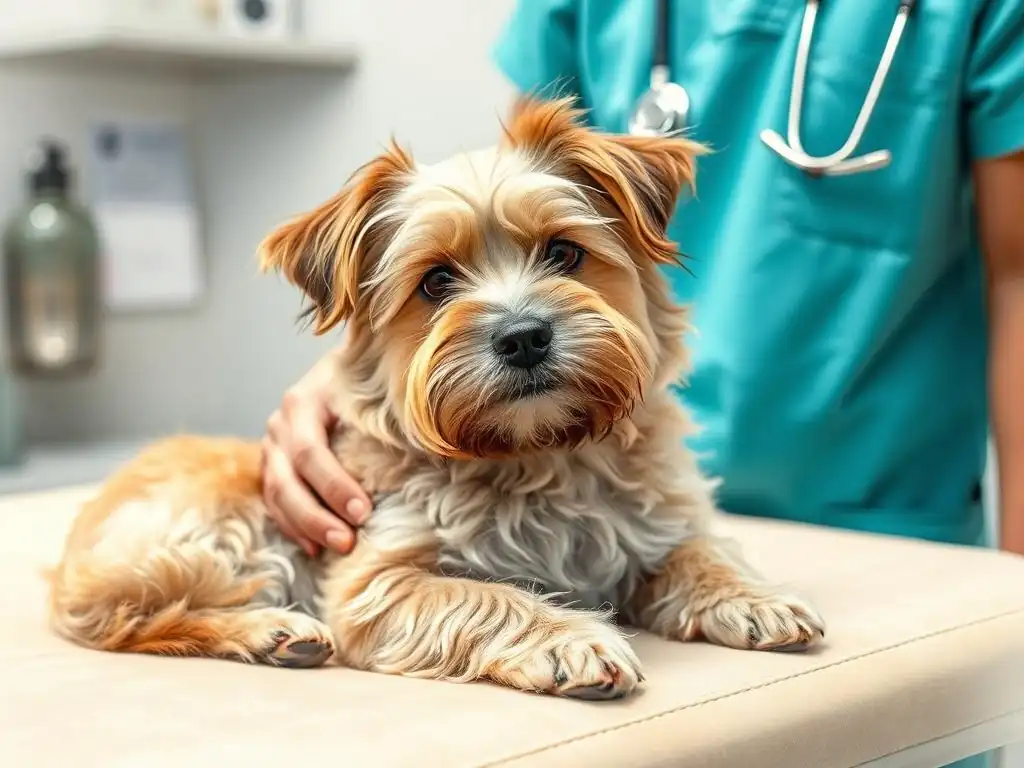
Kennel cough, while often manageable at home with supportive care, requires professional veterinary assessment to rule out more serious conditions and ensure appropriate treatment. Ignoring symptoms can lead to complications, particularly in puppies, senior dogs, or those with underlying health issues. This section focuses on when to seek professional help and the diagnostic tools your vet might employ.
When to Seek Professional Veterinary Care for Your Dog
Several warning signs indicate that a trip to the vet is necessary, even if you suspect kennel cough. Don't delay if your dog exhibits:
- Persistent, severe coughing: A hacking cough that lasts for more than a week or significantly worsens despite home remedies warrants immediate veterinary attention. This could suggest a secondary bacterial infection or a more serious respiratory problem.
- Difficulty breathing: Labored breathing, wheezing, or bluish discoloration of the gums (cyanosis) are emergency situations requiring immediate veterinary care. These are signs of respiratory distress and may indicate pneumonia or other life-threatening conditions.
- Lethargy and loss of appetite: A significant decrease in energy levels combined with a refusal to eat is a serious concern. These symptoms often accompany more severe illnesses.
- High fever: A temperature significantly above the normal range (typically 101-102.5°F or 38.3-39.2°C) suggests a more serious infection requiring antibiotic treatment. Use a rectal thermometer for the most accurate reading.
- Vomiting and/or diarrhea: While some mild gastrointestinal upset can accompany kennel cough, persistent vomiting and diarrhea indicate a more complex situation and should be addressed by a veterinarian.
- White or yellowish nasal discharge: A change in nasal discharge from clear to thick, white, or yellowish mucus suggests a bacterial infection that may require antibiotics.
- Collapse or fainting: This is a life-threatening emergency requiring immediate veterinary intervention.
Remember, early intervention is key to effective treatment and preventing complications. Don't hesitate to contact your vet if you're unsure about your dog's condition. Early diagnosis and treatment can significantly improve your dog's chances of a swift recovery. Even mild cases benefit from a vet check to confirm the diagnosis and rule out other possibilities.
Diagnostic Tests for Confirming Kennel Cough
Your veterinarian will likely perform a thorough physical examination, focusing on your dog's respiratory system. They will listen to the lungs using a stethoscope to detect any abnormal sounds like wheezing or crackling. In addition to the physical exam, several diagnostic tests may be used to confirm a diagnosis of kennel cough and rule out other respiratory diseases:
| Test | Description | Purpose |
|---|---|---|
| Physical Examination | Visual inspection, listening to lung sounds with a stethoscope, checking temperature, assessing overall health. | Provides initial assessment of respiratory health and identifies potential underlying conditions. |
| Blood tests | Complete blood count (CBC) and biochemical profile. | Assess overall health, detect inflammation, and identify any underlying infections or organ dysfunction. |
| Radiographs (X-rays) | Images of the chest to visualize the lungs and airways. | Detect pneumonia, fluid buildup, or other abnormalities in the lungs. |
| Tracheal wash | A sample of fluid is collected from the trachea and examined under a microscope. | Identifies the specific bacteria or virus causing the infection. |
The specific tests your vet recommends will depend on your dog's symptoms, age, and overall health. While many cases of kennel cough resolve on their own with supportive care, a definitive diagnosis is crucial to ensure appropriate treatment and prevent complications. Remember, seeking prompt veterinary attention is vital for your dog's well-being and optimal recovery. Don't underestimate the importance of professional veterinary care in managing kennel cough effectively.
Kennel Cough Treatment: Effective Management Strategies
Kennel cough, also known as canine infectious tracheobronchitis, is a highly contagious respiratory infection affecting dogs. While often mild and self-limiting, effective management is crucial for a speedy recovery and to prevent complications. Treatment strategies range from supportive home care to veterinary interventions, depending on the severity of the illness and your dog's overall health.
This section focuses on practical approaches to managing kennel cough in your canine companion, emphasizing the importance of both home care and professional veterinary guidance. Remember, always consult your veterinarian before starting any treatment plan for your dog. Early intervention is key in preventing more serious complications associated with kennel cough dog treatment.
Providing Supportive Care at Home: Rest, Hydration, and Comfort
Home care plays a vital role in managing kennel cough. Providing a comfortable and supportive environment can significantly aid your dog's recovery. This involves focusing on three key areas: rest, hydration, and comfort.
First and foremost, rest is paramount. A stressed or overexerted dog will have a harder time fighting off the infection. Create a quiet, comfortable space for your dog, minimizing activity and interaction. Avoid strenuous exercise, playtime, and any situations that might cause stress or excitement. This might mean limiting walks to short, quiet outings for bathroom breaks.
Secondly, adequate hydration is essential. Kennel cough can cause dehydration, especially if your dog is experiencing vomiting or diarrhea. Encourage your dog to drink plenty of water by offering fresh, clean water frequently. You can also try adding a small amount of low-sodium broth to their water bowl to entice them to drink more. Monitor their water intake closely – a decrease in urination could be a sign of dehydration, requiring immediate veterinary attention.
Finally, comfort measures can ease your dog's symptoms. A soft, comfortable bed in a warm, draft-free area can help them relax. You can also use a humidifier to add moisture to the air, which can soothe irritated airways. Some dogs may find relief from a warm compress placed gently on their chest. Avoid harsh chemical cleaners or air fresheners in their space, as these can irritate their already sensitive respiratory system. Remember, a calm and comfortable environment is crucial for a faster recovery.
Veterinary-Recommended Treatment Options for Kennel Cough
While home care is important, many cases of kennel cough benefit from veterinary intervention, particularly if symptoms are severe or don't improve within a week. Your veterinarian may recommend several treatment options, depending on your dog's specific needs and the severity of their illness.
These options might include:
- Cough suppressants: These medications can help reduce the severity and frequency of coughing fits, providing relief and allowing your dog to rest more easily. The veterinarian will choose the appropriate medication based on your dog's size, age, and health status.
- Antibiotics: While kennel cough is often viral, secondary bacterial infections can occur. If your veterinarian suspects a bacterial infection, they may prescribe antibiotics to combat it. Antibiotics are not effective against viruses.
- Bronchodilators: In cases of more severe bronchitis, bronchodilators might be prescribed to help open up the airways and improve breathing.
- Humidifiers: Your vet might also recommend using a humidifier at home to help keep your dog's airways moist and less irritated.
Remember, only a veterinarian can diagnose and treat kennel cough effectively. Don't attempt to self-treat your dog. Early veterinary intervention can prevent complications and ensure a smoother recovery.
Monitoring Your Dog's Progress and Recognizing Warning Signs
Monitoring your dog's progress is crucial throughout the treatment process. While most cases of kennel cough resolve within 10-14 days with appropriate supportive care and veterinary guidance, it's important to watch for any signs of worsening symptoms or complications.
Here's what to look for:
| Symptom | Description | Severity Level | Action |
|---|---|---|---|
| Persistent, severe coughing | Coughing that is frequent, intense, and doesn't improve with home care. | High | Contact your veterinarian immediately. |
| Difficulty breathing | Labored breathing, rapid breathing, or bluish gums. | High | Seek immediate veterinary attention. This is a serious emergency. |
| Lethargy and loss of appetite | Significant decrease in activity level and refusal to eat or drink. | Medium | Monitor closely and contact your veterinarian if symptoms persist. |
| Fever | Elevated body temperature (above 102°F or 39°C). | Medium | Contact your veterinarian. |
| Vomiting or diarrhea | Repeated vomiting or diarrhea, which can lead to dehydration. | Medium | Monitor fluid intake; contact your veterinarian if dehydration occurs. |
| Pale gums | Pale or white gums indicating potential anemia or circulatory problems. | High | Seek immediate veterinary care. |
Any significant changes in your dog's condition warrant immediate veterinary attention. Don't hesitate to contact your veterinarian if you have any concerns about your dog's progress. Early intervention can make a significant difference in the outcome of kennel cough. Early detection and prompt treatment are crucial for a positive outcome in managing kennel cough dog treatment at home.
Preventing Kennel Cough: Vaccination and Hygiene Practices
Kennel cough, also known as canine infectious tracheobronchitis, is a highly contagious respiratory disease affecting dogs. While treatment options exist, prevention is always the best approach. This section focuses on the crucial roles of vaccination and hygiene in protecting your canine companion from this uncomfortable and potentially serious illness. Effective prevention strategies significantly reduce the risk of your dog contracting kennel cough and needing treatment, even home treatment.
The Importance of Kennel Cough Vaccination for Dogs
Vaccination is the cornerstone of preventing kennel cough. While no vaccine offers 100% protection, they significantly reduce the severity and likelihood of infection. Kennel cough vaccines are typically administered as part of a broader core vaccine series, or as a separate injection. These vaccines target the most common bacterial and viral agents responsible for kennel cough outbreaks.
Several factors influence the effectiveness of the vaccine:
- Vaccine type: Different vaccines utilize different technologies and may offer varying levels of protection. Consult your veterinarian to determine the most suitable vaccine for your dog's age, breed, and overall health.
- Vaccination schedule: Following the recommended vaccination schedule is crucial. This usually involves a series of initial injections followed by booster shots at regular intervals. The exact schedule depends on the vaccine used and your veterinarian's recommendations.
- Individual dog response: Like any vaccine, the effectiveness of a kennel cough vaccine can vary from dog to dog. Some dogs may have a stronger immune response than others.
It's vital to remember that even vaccinated dogs can still contract kennel cough, although the symptoms are usually milder and the recovery time shorter. Vaccination remains a crucial preventative measure in minimizing the risk and impact of this common canine ailment. Think of it as a significant safety net in your dog's overall health plan. Regular checkups with your vet are key to ensuring your dog's vaccinations are up-to-date and effective.
Maintaining Hygiene to Minimize the Risk of Infection
Maintaining a high level of hygiene is critical in preventing the spread of kennel cough. This involves both cleaning your dog's environment and practicing good hygiene habits when handling your dog, especially after contact with other dogs.
Here are some key hygiene practices:
- Regular cleaning: Thoroughly clean and disinfect your dog's bedding, food and water bowls, and any other surfaces they frequently come into contact with. Use appropriate disinfectants that are safe for pets.
- Handwashing: Wash your hands thoroughly with soap and water after handling your dog, especially if you've been in contact with other dogs. This simple act dramatically reduces the transmission of germs.
- Avoiding shared items: Avoid sharing food, water bowls, toys, or other items between your dog and other dogs. This minimizes the risk of cross-contamination.
- Quarantine: If your dog shows any signs of illness, immediately isolate them from other dogs to prevent the spread of infection. This is particularly important if you suspect kennel cough.
Implementing these hygiene measures helps create a cleaner and safer environment for your dog, reducing the chances of exposure to kennel cough and other infectious diseases. Think of it as proactive care, building a strong defense against potential illnesses.
Protecting Your Dog from Exposure in Public Places
Public places, such as dog parks, grooming salons, and kennels, are high-risk environments for kennel cough transmission. While you can't completely eliminate the risk, you can significantly reduce it by taking precautions.
- Careful selection of dog parks: Choose dog parks that are well-maintained and cleaned regularly. Observe the other dogs present; if any appear unwell, consider avoiding the park altogether.
- Limiting exposure: Keep your dog's interactions with other dogs to a minimum, especially during periods of high kennel cough prevalence. Avoid letting them sniff or interact closely with unfamiliar dogs.
- Post-exposure hygiene: After visiting public places, thoroughly clean your dog's paws and body, and wash your hands. This helps remove any potential pathogens they may have picked up.
- Consider alternatives: If possible, explore alternative activities that minimize your dog's exposure to other dogs, such as solo walks in less populated areas or private training sessions.
By being mindful of your dog's surroundings and taking proactive steps to limit exposure to potentially infected dogs, you significantly reduce the chances of them contracting kennel cough. Remember, a proactive approach to preventing kennel cough is far better than dealing with the disease itself. Prioritize your dog's health and well-being by minimizing exposure to high-risk environments.
Severe Cases and Complications of Kennel Cough

Kennel cough, while often a mild illness, can escalate into serious complications in certain dogs, particularly those with weakened immune systems, underlying respiratory conditions, or very young/old age. Understanding these potential problems is crucial for proactive pet ownership and timely veterinary intervention. The severity of kennel cough isn't always immediately apparent; what might seem like a simple cough can quickly worsen, necessitating professional care. Early recognition of warning signs is key to preventing serious health issues and ensuring your canine companion receives the appropriate kennel cough dog treatment home or at the vet's office.
Recognizing Serious Complications Requiring Veterinary Intervention
Several signs indicate that a dog's kennel cough has progressed beyond home management. These serious complications demand immediate veterinary attention:
- Difficulty breathing (dyspnea): Noticeable labored breathing, rapid shallow breaths, or bluish discoloration of the gums (cyanosis) are critical signs requiring immediate veterinary care. These indicate severe respiratory distress. This is a serious kennel cough symptom and requires urgent treatment.
- Persistent high fever: A fever that persists for several days, despite home remedies for kennel cough, or reaches dangerously high levels, warrants immediate veterinary evaluation. This could suggest a secondary bacterial infection requiring antibiotics.
- Lethargy and loss of appetite: While some lethargy is expected with illness, persistent and severe lethargy combined with a complete loss of appetite signals a serious issue. This could indicate dehydration or a more severe underlying condition.
- Wheezing or crackling sounds: Audible wheezing or crackling sounds during breathing suggest airway inflammation or fluid buildup in the lungs – conditions that require veterinary diagnosis and treatment. This is a clear sign that home treatment for kennel cough is insufficient.
- Coughing up blood: Coughing up blood (hemoptysis) is a very serious sign and requires immediate emergency veterinary care. This indicates significant damage to the respiratory system.
- Vomiting and diarrhea: While some mild gastrointestinal upset can occur, persistent vomiting and diarrhea, especially if severe, can signal dehydration and the need for veterinary intervention, particularly if coupled with other serious symptoms.
The table below summarizes these warning signs, highlighting their severity:
| Symptom | Severity | Action |
|---|---|---|
| Difficulty breathing | Critical | Immediate veterinary care required |
| Persistent high fever | High | Veterinary consultation urgently needed |
| Lethargy & loss of appetite | High | Veterinary consultation recommended |
| Wheezing/crackling sounds | High | Veterinary evaluation needed |
| Coughing up blood | Critical | Immediate emergency veterinary care |
| Vomiting & diarrhea (severe) | High | Veterinary consultation recommended |
It's crucial to remember that early intervention significantly improves the prognosis. Delaying veterinary care can lead to more serious complications and a longer recovery period. Even if unsure, always err on the side of caution and seek professional advice if you observe any concerning symptoms. Prompt and appropriate kennel cough dog treatment home or otherwise, drastically increases the chance of a full recovery.
Potential Long-Term Effects of Untreated Kennel Cough
While most cases of kennel cough resolve without lasting consequences, untreated or severely complicated cases can potentially lead to long-term respiratory issues. These can include:
- Chronic bronchitis: Persistent inflammation of the bronchial tubes can result in a chronic cough, even after the initial infection subsides. This can significantly impact the dog's quality of life and require ongoing management.
- Pneumonia: If the infection spreads to the lungs, pneumonia can develop, a potentially life-threatening condition. Pneumonia requires aggressive veterinary treatment and can have lasting effects on respiratory function.
- Lung damage: In severe cases, the infection can cause permanent damage to the lung tissue, leading to reduced lung capacity and impaired breathing. This can result in chronic respiratory problems and decreased exercise tolerance.
- Secondary bacterial infections: Untreated kennel cough can weaken the immune system, making the dog more susceptible to secondary bacterial infections, potentially compounding the respiratory problems.
These long-term effects highlight the importance of seeking veterinary attention for persistent or worsening symptoms. While many cases of kennel cough resolve with supportive care at home, early and appropriate intervention is crucial to mitigate the risk of these long-term complications. The potential for lasting health problems underscores the need for responsible pet ownership and prompt veterinary care when necessary. Remember, proactive care is the best approach to preventing serious complications and ensuring the well-being of your beloved canine companion.
Kennel Cough in Puppies and Senior Dogs: Special Considerations
Kennel cough, while generally manageable in adult dogs, presents unique challenges in puppies and senior dogs due to their compromised immune systems and differing physiological responses. Understanding these differences is crucial for effective home management and minimizing the risk of complications. This section focuses on the specific needs of these vulnerable age groups when dealing with Kennel cough dog treatment home.
Managing Kennel Cough in Young and Elderly Dogs
Puppies, with their still-developing immune systems, are highly susceptible to severe complications from kennel cough. Their smaller bodies are less resilient to the infection, and they may experience more pronounced symptoms, including lethargy, loss of appetite, and dehydration. Treatment for puppies often requires a more cautious approach.
Antibiotics might be prescribed only if the infection becomes severe or if secondary bacterial infections develop, as unnecessary antibiotic use can negatively impact their developing gut microbiome. Supportive care, focusing on hydration and comfort, is paramount. This may involve offering small, frequent meals of easily digestible food, ensuring access to fresh water, and providing a warm, quiet environment to promote rest.
Senior dogs, on the other hand, often have underlying health conditions that can exacerbate the effects of kennel cough. Pre-existing respiratory issues, heart conditions, or weakened immune systems make them particularly vulnerable to secondary infections. For senior dogs, Kennel cough dog treatment home might involve careful monitoring for signs of respiratory distress, such as increased respiratory rate or difficulty breathing.
Veterinary intervention is often recommended sooner rather than later for senior dogs exhibiting kennel cough symptoms to prevent further complications. The veterinarian may prescribe medication to manage underlying conditions and support the dog's respiratory function. Treatment plans must consider the overall health of the senior dog to avoid further stressing their system.
Adapting Treatment Strategies Based on Age and Health Status
The choice of Kennel cough dog treatment home varies significantly depending on the age and overall health of the dog. A young, healthy adult dog might respond well to simple supportive care, such as rest, hydration, and a humidified environment. However, a puppy or a senior dog with pre-existing conditions might require more aggressive intervention, including veterinary care and medication. The following table summarizes key considerations:
| Age Group | Key Considerations | Treatment Approach | Monitoring |
|---|---|---|---|
| Puppies | Developing immune system, smaller body size, susceptibility to complications | Supportive care (hydration, rest, easily digestible food), antibiotics only if severe or secondary infection develops | Frequent observation for lethargy, appetite loss, dehydration, respiratory distress |
| Senior Dogs | Pre-existing health conditions, weakened immune system | Veterinary consultation recommended, medication to support respiratory function and manage underlying conditions | Close monitoring for respiratory distress, changes in behavior, and appetite |
| Healthy Adult Dogs | Generally robust immune system | Supportive care (rest, hydration, humidified environment), may respond well to home remedies (honey, etc.) | Observe for worsening symptoms, seek veterinary care if symptoms persist or worsen |
Remember, this information is for educational purposes only and should not replace professional veterinary advice. Always consult your veterinarian for diagnosis and treatment of kennel cough in your dog, especially for puppies and senior dogs. Early intervention is key to preventing complications and ensuring a speedy recovery. The severity of the illness and the individual needs of your pet will dictate the most appropriate approach to Kennel cough dog treatment home.
Frequently Asked Questions
What is kennel cough?
Kennel cough is a highly contagious respiratory infection in dogs, often caused by Bordetella bronchiseptica or canine parainfluenza virus. Symptoms include a characteristic "honking" cough. It's highly contagious in kennels and dog parks.
How is kennel cough treated at home?
While veterinary care is crucial, home treatment focuses on supportive care. This includes rest, plenty of fluids, and a humidified environment to soothe the throat. Avoid strenuous activity.
What are the home remedies for kennel cough?
Some owners use honey to soothe the throat and steam inhalation to help clear congestion. However, these are supportive measures only and shouldn't replace professional veterinary care. Always consult your vet.
When should I take my dog to the vet for kennel cough?
Seek immediate veterinary attention if your dog shows signs of difficulty breathing, lethargy, a high fever, or the cough worsens after a few days of home care. Early diagnosis is key.
Can kennel cough be prevented?
Yes, vaccination is the most effective preventative measure. Regular vet check-ups and avoiding contact with sick dogs can also significantly reduce the risk of your dog contracting kennel cough. Annual boosters are recommended.
Final Reflection: A Deeper Bark: Understanding and Preventing Kennel Cough
The silent spread of kennel cough continues to pose a significant threat to canine communities worldwide, demanding our vigilance and proactive approach to prevention. While effective veterinary treatments exist, understanding the disease's transmission and implementing preventative measures at home remains crucial in safeguarding our beloved companions. This knowledge empowers responsible pet ownership and contributes to a healthier environment for all dogs.
The emotional toll of witnessing a beloved pet suffer from kennel cough is undeniable; the persistent cough, the labored breathing, the worry etched on their faces – these are experiences that resonate deeply. The bond with a dog is as powerful as any human relationship, and their health is a reflection of our care.
This simple truth underscores the importance of educating ourselves about kennel cough, not just for our own dogs, but for the collective well-being of the canine population. The ongoing spread highlights the need for continued research and community-based initiatives to control this prevalent disease.
Now, consider your own canine companion. Have you taken the necessary steps to protect them from kennel cough? Do you understand the subtle signs, and are you prepared to act swiftly if illness strikes? Take the time to review the information presented in this article, and empower yourself to become a proactive advocate for your dog's health. By understanding the disease, practicing preventative measures, and seeking professional veterinary care when needed, you can contribute to a future where kennel cough is less prevalent and our furry friends can live long, healthy, and happy lives.
Unlock Your Dog's Health: Take Charge of Kennel Cough
Thanks for learning about canine cough with us! You've gained valuable knowledge to understand and address this common ailment. Now, let's put that knowledge to work:
- Schedule a veterinary checkup: This crucial step ensures your dog receives a proper diagnosis and treatment. Don't delay!
- Share this information with other dog owners: Help spread awareness and prevent kennel cough outbreaks in your community. A healthy dog community is a happy one!
- Explore preventative measures: Research vaccines and other proactive steps to protect your dog from future infections.
Ready to give your dog the best possible care? What steps will you take to protect your canine companion's respiratory health?