
Beyond the Basics: Why Routine Vet Care is Key for a Long, Happy Pet Life


Welcome to PetCareWorld, your ultimate guide to a happier, healthier life for your beloved companion! Are you ready to unlock the secrets to a longer, more fulfilling life for your furry, feathered, or scaled friend? Discover the incredible Preventative pet vet care benefits that go beyond basic checkups and learn how proactive care can transform your pet's well-being. Dive in and explore the wealth of expert advice waiting for you!
- Understanding Preventative Pet Vet Care Benefits: More Than Just Vaccinations
- Comprehensive Preventative Pet Vet Care: A Tailored Approach
- The Importance of Preventative Pet Vet Care for Specific Pet Types
- Beyond the Annual Checkup: Essential Preventative Measures
- Building a Strong Bond with Your Veterinarian: Partnering for Pet Wellness
- Investing in Preventative Pet Vet Care: Long-Term Benefits and Peace of Mind
- Frequently Asked Questions
- Final Reflection: The Unseen Bonds of Preventative Care
- Unlock Your Pet's Happiest, Healthiest Years!
Understanding Preventative Pet Vet Care Benefits: More Than Just Vaccinations
Preventative pet vet care is far more than just annual vaccinations; it's a cornerstone of ensuring your beloved companion enjoys a long and healthy life. This comprehensive guide delves into the significant advantages of routine veterinary checkups, highlighting how proactive care translates to significant cost savings, early disease detection, and a stronger bond between you and your pet. We'll explore the multifaceted benefits of preventative care, moving beyond the commonly understood aspects to reveal its true value in maintaining your pet's overall well-being.
Understanding these benefits empowers pet owners to make informed decisions, proactively safeguarding their furry, feathered, or scaled friends from potential health issues. Investing in preventative pet vet care is an investment in a happier, healthier, and longer life for your pet – a priceless return on investment.
Early Detection of Diseases: The Power of Preventative Care
Regular veterinary checkups are invaluable for early disease detection. Many illnesses, such as kidney disease, heart conditions, and certain cancers, often show no noticeable symptoms in their early stages. During a routine examination, your veterinarian can detect subtle changes – a slight heart murmur, an abnormal blood pressure reading, or an unusual finding in a blood or urine test – that might otherwise go unnoticed until the disease is more advanced and treatment is significantly more challenging and expensive.
Early detection dramatically improves the prognosis and treatment success rates for many conditions. For example, early detection of cancer often allows for less invasive and more effective treatment options, significantly increasing the chances of a positive outcome. Think of it as a proactive approach to your pet’s health, similar to regular health screenings for humans.
The earlier a problem is identified, the better the chance for successful intervention. This proactive approach minimizes suffering for your pet and often leads to better long-term outcomes.
Preventative Pet Healthcare: Avoiding Costly Emergencies
Preventative care significantly reduces the likelihood of costly emergency veterinary visits. Routine checkups allow your veterinarian to identify and address potential problems before they escalate into emergencies. A seemingly minor issue, left untreated, can rapidly deteriorate into a serious and expensive health crisis. For example, a simple dental cleaning can prevent periodontal disease, which can lead to painful infections and even organ damage if left untreated.
Similarly, regular parasite prevention can avoid costly treatments for infestations that can become life-threatening. The cost of preventative care is significantly less than the potential expenses associated with treating serious illnesses or injuries that could have been prevented. The peace of mind alone is worth the investment, knowing you are taking proactive steps to protect your pet's health and your wallet. Consider the financial burden of unexpected emergency care versus the relatively modest cost of routine checkups – the choice is clear.
Routine Checkups: A Foundation for a Healthy Pet
Routine veterinary checkups form the foundation of a comprehensive preventative pet healthcare plan. These visits typically include a thorough physical examination, vaccinations (as needed based on age and lifestyle), parasite prevention recommendations, and screening tests tailored to your pet's breed, age, and overall health. Beyond the purely medical aspects, these checkups provide an opportunity for you to discuss any behavioral changes or concerns you may have with your veterinarian.
They can offer valuable advice on nutrition, exercise, and overall pet care, strengthening your understanding of your pet's needs and fostering a stronger bond between you and your veterinary team. Regular checkups are not just about preventing illness; they're about building a partnership with your veterinarian to ensure your pet lives a long, happy, and healthy life. This proactive, holistic approach to pet care is truly invaluable.
Comprehensive Preventative Pet Vet Care: A Tailored Approach

Preventative pet vet care benefits extend far beyond simple vaccinations. A truly comprehensive approach considers your pet's unique needs, ensuring a longer, healthier, and happier life. This involves a proactive partnership between you and your veterinarian, focusing on early detection and intervention to prevent potential problems before they escalate. Regular check-ups are the cornerstone of this strategy, allowing for early identification of subtle changes that might otherwise go unnoticed.
This early detection can significantly improve treatment outcomes and, in many cases, prevent serious and costly illnesses down the line. The goal isn't just to treat disease, but to prevent it. This proactive strategy offers significant cost savings in the long run, as prevention is almost always more affordable and less stressful than treatment.
Age-Specific Preventative Care: Puppies, Kittens, and Seniors
Preventative care needs change dramatically throughout a pet's life. Puppies and kittens, for example, require a different schedule than adult or senior animals. Puppies and kittens need a series of core vaccinations to protect them from potentially fatal diseases like parvovirus and panleukopenia. These vaccinations are typically administered in a series of shots, starting at around 6-8 weeks of age. Additionally, deworming is crucial during this period, as puppies and kittens are particularly susceptible to intestinal parasites.
Senior pets, on the other hand, often require more frequent check-ups due to an increased risk of age-related conditions such as arthritis, kidney disease, and cancer. Regular blood work and urinalysis are essential for monitoring organ function and detecting early signs of these diseases. Your veterinarian may also recommend adjustments to your pet's diet and exercise routine to support their aging bodies.
Early detection of these age-related issues can significantly improve their quality of life and extend their lifespan. The preventative care benefits in this stage are particularly impactful, allowing for early interventions that can manage chronic conditions and improve comfort.
Consider this simplified table illustrating the frequency of preventative care across different life stages:
| Life Stage | Frequency of Vet Visits | Key Preventative Measures |
|---|---|---|
| Puppy/Kitten | Every 3-4 weeks initially, then every 6 months | Vaccinations, deworming, parasite prevention |
| Adult | Annually | Vaccinations (as needed), parasite prevention, dental checkups |
| Senior (7+ years) | Every 6 months | Blood work, urinalysis, dental checkups, geriatric care |
Breed-Specific Health Concerns: Recognizing Genetic Predispositions
Certain breeds are predisposed to specific health problems. Understanding these genetic predispositions is crucial for tailoring a preventative care plan. For example, German Shepherds are prone to hip and elbow dysplasia, requiring careful monitoring and potentially preventative measures like controlled exercise and weight management.
Similarly, brachycephalic breeds (dogs with short noses like Bulldogs and Pugs) are susceptible to respiratory problems, necessitating vigilance for signs of breathing difficulties. Knowing your pet's breed allows your veterinarian to proactively screen for these potential issues and implement appropriate preventative strategies. This targeted approach significantly improves the chance of early detection and intervention, maximizing the benefits of preventative pet vet care.
Lifestyle Factors and Preventative Care: Diet, Exercise, and Environment
A pet's lifestyle significantly impacts their health. Proper nutrition is paramount. A balanced diet, appropriate for your pet's age, breed, and activity level, supports a strong immune system and reduces the risk of obesity and related health problems. Regular exercise is equally crucial, helping to maintain a healthy weight, improve cardiovascular health, and promote mental well-being.
The environment also plays a role; ensuring a safe and stimulating environment minimizes the risk of injury and stress-related illnesses. These lifestyle factors are integral components of preventative pet vet care. By working with your veterinarian to optimize your pet's diet, exercise, and environment, you can significantly reduce their risk of developing various health issues, ultimately contributing to a longer and healthier life. The preventative benefits of a holistic approach that considers these aspects are substantial, promoting overall wellness and reducing the need for future interventions.
The Importance of Preventative Pet Vet Care for Specific Pet Types
Preventative pet vet care is crucial for maintaining your pet's health and well-being, and its benefits extend far beyond simply avoiding emergencies. Regular checkups allow veterinarians to detect potential problems early, when treatment is often less invasive and more effective. This proactive approach significantly increases the chances of a longer, happier life for your beloved companion.
The specific needs, however, vary greatly depending on the species and even the breed of your pet. Understanding these differences is vital for maximizing the positive impact of preventative care. This section will delve into the unique considerations for dogs, cats, and exotic pets.
Preventative Care for Dogs: Breed-Specific Considerations
Canine preventative care involves a multifaceted approach tailored to individual breed predispositions. For example, large breeds like Great Danes and German Shepherds are prone to hip dysplasia, a debilitating joint condition. Early detection through regular x-rays and discussions with your vet about preventative measures like weight management and joint supplements can significantly mitigate the risk and severity of this condition. Conversely, smaller breeds like Chihuahuas and Yorkshire Terriers often face dental issues, requiring more frequent professional teeth cleanings and potentially even early extractions.
Preventative care also includes parasite control. Heartworm preventative medication is essential for dogs in most regions, while flea and tick preventatives are crucial year-round, especially in areas with high parasite prevalence. Your veterinarian can recommend the most effective and safe options based on your dog's breed, age, and lifestyle.
The frequency of preventative care visits for dogs should be adjusted based on age. Puppies require more frequent check-ups for vaccinations and monitoring of their development, while senior dogs may need more frequent blood work and screenings for age-related conditions. A detailed discussion with your vet will help establish a personalized preventative care plan that addresses your dog's specific breed characteristics and health needs, optimizing the benefits of preventative pet vet care.
Preventative Care for Cats: Common Issues and Solutions
Feline preventative care focuses on addressing common issues such as feline leukemia virus (FeLV) and feline immunodeficiency virus (FIV). Testing for these viruses is crucial, especially for cats that go outdoors. Vaccinations are available to protect against these and other infectious diseases. Regular dental care is also essential, as periodontal disease is extremely common in cats. Early detection and treatment can prevent more serious dental problems and associated health complications.
Another key aspect of preventative care for cats is weight management. Obesity is a significant health concern in cats, leading to diabetes, arthritis, and other conditions. Your veterinarian can help you develop a diet and exercise plan to maintain a healthy weight for your cat. Additionally, indoor cats may benefit from enrichment activities to prevent boredom and stress, which can manifest as behavioral issues or health problems.
Regular physical examinations allow veterinarians to identify early signs of kidney disease, a common ailment in older cats. Early detection is critical for effective management. Just as with dogs, the frequency of visits should adjust to the cat's age and overall health status. A proactive approach to preventative care is vital for ensuring your cat enjoys a long and healthy life, highlighting the importance of preventative pet vet care benefits.
Preventative Care for Exotic Pets: Unique Needs and Challenges
Preventative care for exotic pets presents unique challenges due to the diversity of species and their specific needs. Reptiles, for example, require specialized diets and environmental conditions to maintain their health. Regular veterinary check-ups are crucial to monitor their weight, hydration, and overall well-being. Blood work may be necessary to detect underlying health issues. Preventative care for reptiles often includes parasite control and monitoring for common illnesses like metabolic bone disease (MBD).
Birds require a different approach, with emphasis on nutritional needs and respiratory health. Regular examinations by an avian veterinarian are essential for detecting early signs of respiratory infections or other diseases. Preventative care may include annual blood tests and fecal examinations.
For other exotic pets, such as small mammals, preventative care focuses on addressing species-specific concerns. For instance, rabbits are prone to dental problems, requiring regular dental check-ups and potentially teeth trimming. Guinea pigs are susceptible to vitamin C deficiency, necessitating a diet rich in vitamin C. These considerations underscore the critical role of a knowledgeable veterinarian experienced in exotic animal care in providing effective preventative care and reaping the numerous preventative pet vet care benefits. Regular veterinary visits are essential for early disease detection and maximizing the lifespan and quality of life for your exotic pet.
Beyond the Annual Checkup: Essential Preventative Measures
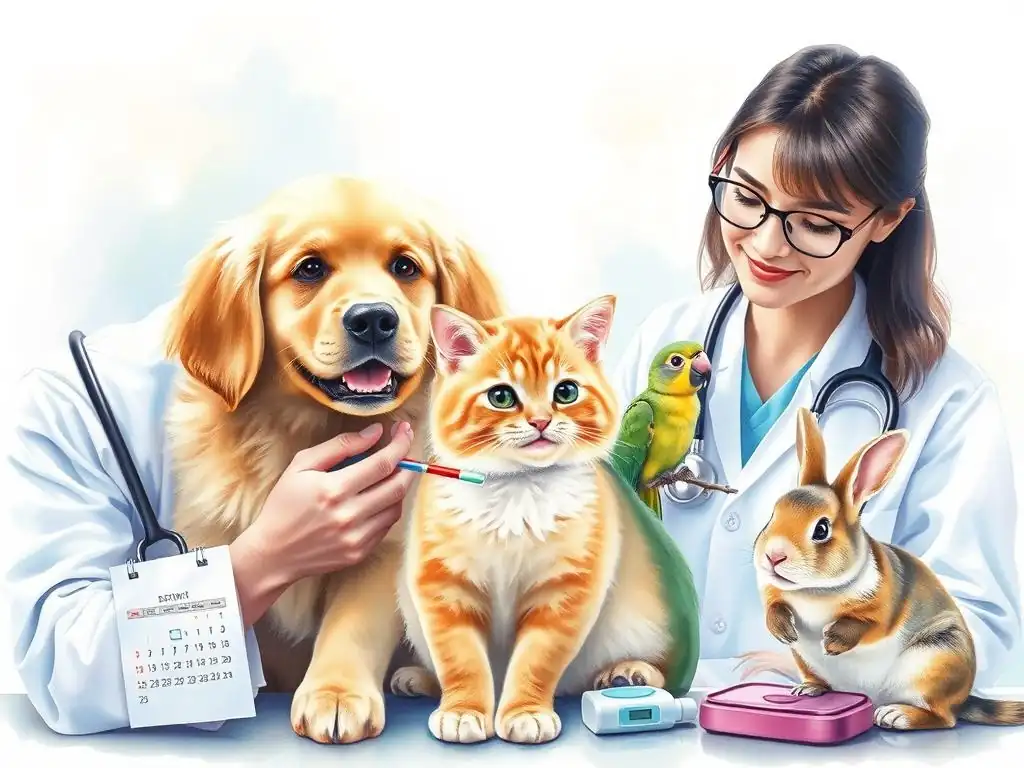

Routine veterinary care extends far beyond the yearly checkup. A proactive approach to your pet's health, encompassing regular checkups and preventative measures, significantly contributes to a longer, happier life for your furry, feathered, or scaled friend. Understanding the benefits of preventative pet vet care is crucial for responsible pet ownership.
This section delves into key preventative measures that go beyond the basic annual visit, highlighting their importance in preventing serious health issues and ensuring your pet thrives. The cost of preventative care is often significantly less than the cost of treating a major illness later on. This makes preventative pet vet care a smart financial decision as well as a compassionate one.
Parasite Prevention: Protecting Your Pet from Internal and External Threats
Parasites pose a significant threat to your pet's health, impacting everything from their digestion and skin to their overall vitality. Preventative parasite control is therefore a cornerstone of responsible pet ownership. This involves a multi-pronged approach:
- Regular deworming: Internal parasites like roundworms, hookworms, and whipworms can cause significant health problems. Your veterinarian can recommend a deworming schedule appropriate for your pet's age, breed, and lifestyle. Frequency varies depending on the pet and their risk factors. Some pets may need deworming every three months, while others may only need it annually. Always follow your vet's instructions precisely.
- Flea and tick prevention: External parasites like fleas and ticks not only cause discomfort and irritation but can also transmit serious diseases. Preventative medications, such as topical treatments or oral medications, are highly effective in protecting your pet. Regularly checking your pet for fleas and ticks is also crucial. The frequency of application depends on the product used and your vet's recommendations.
- Heartworm prevention: Heartworm disease is a potentially fatal condition transmitted by mosquitoes. Preventative medication is essential, particularly in areas with a high mosquito population. Your vet will determine the appropriate medication and dosage based on your pet's weight and risk factors. Remember, preventative medication should be administered consistently, as directed by your veterinarian. Missing doses can reduce effectiveness.
The benefits of consistent parasite prevention are clear: a healthier, happier pet with a reduced risk of serious illness. Ignoring parasite prevention can lead to costly treatments and potential long-term health problems.
Dental Hygiene: Maintaining Oral Health for a Longer Life
Dental disease is incredibly common in pets, often leading to pain, infection, and even more serious health complications. Just like humans, pets need regular dental care to maintain their oral health. This includes:
- Regular brushing: Brushing your pet's teeth at least two to three times a week with a pet-specific toothpaste is crucial. Use a soft-bristled toothbrush designed for pets. Many pets initially resist this, but consistent and gentle training can make it a routine part of your pet care.
- Professional dental cleanings: Annual or biannual professional cleanings by your veterinarian are essential. These cleanings remove tartar and plaque buildup that you can’t reach with brushing alone. Your vet can also assess your pet's gums and teeth for any signs of disease. Professional cleaning is vital for early detection and treatment of dental issues.
- Dental chews and toys: Dental chews and toys can help to remove plaque and keep your pet's teeth clean between brushings. Choose toys and chews specifically designed for dental health. However, these should be considered supplemental to brushing and professional cleanings, not a replacement.
Neglecting dental hygiene can lead to periodontal disease, which can cause pain, tooth loss, and even impact other organs. Preventative dental care significantly reduces the risk of these issues, contributing to a longer, healthier life for your pet. Think of it as an investment in their overall well-being.
Nutritional Guidance: The Role of Diet in Preventative Care
Nutrition plays a vital role in preventative pet vet care. A balanced and appropriate diet supports your pet's immune system, helps maintain a healthy weight, and reduces the risk of various health problems.
- Age-appropriate food: Feeding your pet food formulated for their age and life stage is crucial. Puppies and kittens have different nutritional needs than adult pets, and senior pets require a diet tailored to their changing metabolism.
- Breed-specific considerations: Certain breeds are predisposed to specific health problems, and their diet may need to be adjusted accordingly. For example, large breed dogs are prone to hip dysplasia, and a diet that supports healthy joint development is crucial.
- High-quality ingredients: Opt for pet foods made with high-quality, easily digestible ingredients. Avoid foods with excessive fillers or artificial ingredients. Look for foods that meet the Association of American Feed Control Officials (AAFCO) standards.
- Portion control: Maintaining a healthy weight is crucial for preventing obesity and related health issues. Follow your veterinarian's recommendations for appropriate portion sizes, and adjust accordingly based on your pet's activity level.
Providing your pet with a balanced and nutritious diet is a fundamental aspect of preventative care. It lays the foundation for a strong immune system, supports healthy growth and development, and helps prevent numerous health problems down the line. A healthy diet, combined with regular veterinary checkups and preventative measures, ensures your pet lives a long, happy, and healthy life.
Building a Strong Bond with Your Veterinarian: Partnering for Pet Wellness
Building a strong relationship with your veterinarian is crucial for your pet's health and well-being. Think of your vet as a crucial partner in your pet's life, someone you can rely on for guidance and support throughout their journey. This partnership extends beyond just addressing immediate illnesses; it's about proactively safeguarding your pet's health through preventative pet vet care benefits.
Choosing the Right Veterinarian: Finding a Good Fit for You and Your Pet
Selecting the right veterinarian is a significant decision. Consider factors beyond mere proximity. Research potential vets, reading online reviews and checking their credentials. Do they specialize in your pet's breed or species? What are their hours of operation? Do they offer emergency services or after-hours care?
A good vet should be approachable, patient, and willing to answer your questions thoroughly. Don't hesitate to schedule a brief "meet and greet" appointment before committing to a long-term relationship. This allows you to assess their communication style and overall approach to pet care. Finding a vet who shares your values regarding animal welfare and preventative care is paramount for ensuring your pet receives the best possible care throughout their life. Look for a clinic that offers a range of services, including vaccinations, parasite prevention, and routine checkups, all key components of comprehensive preventative pet vet care.
Open Communication: Discussing Concerns and Questions
Open and honest communication is the cornerstone of any successful veterinary partnership. Don't hesitate to voice any concerns, no matter how small they may seem. Early detection of potential problems through regular checkups and open communication is a significant preventative pet vet care benefit. Keep a detailed record of your pet's health history, including vaccinations, medications, and any unusual behaviors. This information will be invaluable during your visits.
Ask questions! Understanding your pet's health status and treatment plan is your right. A good veterinarian will patiently explain procedures, diagnoses, and treatment options, using clear and accessible language. Remember, your pet's health is a shared responsibility, and effective communication is essential for achieving optimal outcomes. Don't be afraid to seek second opinions if you feel uneasy or have unanswered questions.
Active Participation: Making Preventative Care a Priority
Proactive preventative care is arguably the most significant preventative pet vet care benefit you can provide. This involves scheduling regular checkups, even when your pet appears healthy. These visits allow your vet to detect potential problems early, when treatment is often simpler and more effective. Think of it as an investment in your pet's longevity and quality of life.
Regular checkups often include vaccinations to protect against preventable diseases, parasite prevention to minimize infestations, and dental care to maintain oral health. Furthermore, a proactive approach includes understanding your pet's breed-specific predispositions to certain health issues. For example, certain breeds are prone to hip dysplasia, while others are susceptible to specific heart conditions.
Early detection through screening and regular monitoring can significantly improve the prognosis and quality of life for your pet. By actively participating in your pet's preventative care, you’re not just extending their lifespan, you’re ensuring they enjoy a happier, healthier life. Remember, a proactive approach to your pet's health is a testament to your love and commitment.
Investing in Preventative Pet Vet Care: Long-Term Benefits and Peace of Mind

Preventative pet vet care benefits extend far beyond the immediate cost of a checkup. It's an investment in your pet's overall well-being, offering significant returns in the form of a longer, healthier, and happier life together. Regular veterinary visits allow for early detection of potential health issues, minimizing the severity and expense of treatment down the line. This proactive approach to pet health management is crucial for responsible pet ownership and provides pet owners with significant peace of mind. Understanding the long-term advantages of preventative care is key to making informed decisions about your pet's health.
The Cost-Effectiveness of Preventative Care: Preventing Expensive Treatments
The upfront cost of preventative care, including vaccinations, parasite prevention, and annual checkups, might seem significant at first glance. However, a comparative analysis reveals its cost-effectiveness. Consider this: a single, unexpected emergency visit due to an untreated condition like kidney disease or cancer can easily cost thousands of dollars – far exceeding the cumulative cost of several years of preventative care.
Early detection through routine checkups allows for timely intervention, often preventing the escalation of minor problems into major, expensive health crises. For example, detecting heart murmurs early can enable early treatment, potentially extending your pet's life and avoiding costly surgeries later. Preventative care is like insurance for your pet's health; a small, regular investment that safeguards against potentially catastrophic financial burdens.
| Preventative Measure | Approximate Cost (USD) | Potential Cost Savings (USD) |
|---|---|---|
| Annual Wellness Exam | 50 - 150 | Potentially thousands |
| Vaccinations | 50 - 200 | Thousands, avoiding serious illness |
| Parasite Prevention (yearly) | 50 - 150 | Hundreds, preventing costly treatments |
Regular preventative care acts as a financial buffer, protecting you from unexpected and potentially crippling veterinary bills. It's a smart financial decision that significantly reduces the risk of exorbitant expenses associated with treating advanced illnesses. The adage "an ounce of prevention is worth a pound of cure" holds particularly true in the realm of pet healthcare.
Improved Quality of Life: Keeping Your Pet Healthy and Happy
Preventative pet vet care isn't just about avoiding expensive treatments; it's about ensuring your pet enjoys a high quality of life. Regular checkups allow veterinarians to identify and address subtle health changes before they significantly impact your pet's well-being. Early detection of conditions like arthritis, dental disease, or allergies allows for prompt management, minimizing discomfort and pain.
A healthy pet is a happy pet. By addressing health concerns proactively, you can prevent your pet from experiencing unnecessary suffering. This translates to a more joyful and fulfilling life for both you and your furry companion. Think of the increased playtime, fewer vet visits filled with fear and stress, and the overall improved companionship you will enjoy by keeping your pet healthy. This is an invaluable benefit that extends beyond mere monetary savings.
Preventative care allows for a proactive approach to managing chronic conditions, ensuring your pet's comfort and mobility. For example, early diagnosis of arthritis can allow for implementation of pain management strategies, preserving your pet's mobility and preventing unnecessary suffering. This significantly improves their quality of life and strengthens the bond between you and your pet.
Extending Lifespan: The Impact of Preventative Care on Longevity
Studies have shown a strong correlation between regular preventative veterinary care and increased lifespan in pets. Early diagnosis and treatment of diseases, coupled with proactive health management, significantly improve the chances of your pet living a longer, healthier life. Preventative measures such as vaccinations protect against life-threatening infectious diseases, while parasite prevention minimizes the risk of debilitating infestations.
Regular checkups allow veterinarians to monitor your pet's overall health, catching potential problems before they become life-threatening. This proactive approach can add valuable years to your pet's life, extending the time you have to cherish their companionship. The emotional and sentimental value of these extra years is immeasurable.
Investing in preventative care isn't just about extending your pet's life; it's about maximizing the quality of those years, ensuring they are filled with joy, health, and companionship. This is, ultimately, the greatest benefit of preventative pet healthcare. The longevity impact is a powerful testament to the importance of regular vet visits.
Frequently Asked Questions
What are the key benefits of preventative pet vet care?
Preventative care helps detect early signs of disease, allowing for prompt treatment and improving your pet's chances of a longer, healthier life. It also helps prevent many serious illnesses altogether.
How often should I take my pet for a preventative checkup?
The frequency varies depending on your pet's age, breed, and health status. However, annual checkups are generally recommended for adult pets, with more frequent visits for puppies, kittens, and senior animals.
What does a typical preventative vet visit involve?
A typical visit includes a physical examination, vaccinations, parasite prevention, and discussion of your pet's diet and lifestyle. Your vet may also recommend bloodwork or other diagnostic tests.
Are preventative pet care services expensive?
The cost can vary, but preventative care is often more cost-effective in the long run than treating serious illnesses later. Many preventative measures, like vaccinations, can significantly reduce the likelihood of costly treatments down the line.
How can I find a good vet for my pet's preventative care?
Look for a vet who is experienced, reputable, and offers comprehensive preventative care packages. Ask for recommendations from friends, family, or other pet owners, and read online reviews to gauge the quality of care.
Final Reflection: The Unseen Bonds of Preventative Care
The health and longevity of our beloved pets aren't merely matters of chance; they're the direct result of the choices we make. Regular veterinary care isn't just about treating illness; it's the cornerstone of a proactive approach to ensuring a long and joyful life for our animal companions. This proactive approach, encompassing preventative measures, significantly impacts their overall well-being and strengthens the human-animal bond.
The impact of preventative pet care extends far beyond the individual animal; it ripples outwards, influencing the emotional well-being of pet owners and shaping our understanding of responsible pet ownership. The joy a healthy pet brings is immeasurable, a sentiment echoed beautifully by the words of Animals are such agreeable friends — they ask no questions, they pass no criticisms.
- George Eliot. This simple truth highlights the profound connection we share with our pets, a bond that thrives when we prioritize their health through consistent preventative care. The peace of mind derived from knowing we're doing everything possible to safeguard their health is invaluable.
Now, consider your own pet. Think about the small steps you can take today to enhance their well-being – scheduling that annual checkup, ensuring they receive the necessary vaccinations, and maintaining a healthy diet and exercise routine. You hold the power to shape their future, to ensure countless happy moments shared together. Embrace the responsibility, celebrate the bond, and embark on a journey of preventative care that will enrich both your lives immeasurably.
Unlock Your Pet's Happiest, Healthiest Years!
Thank you for learning about the importance of routine veterinary care for your pet. We hope this information helps you ensure a long and joyful life together. Now, let's put this knowledge into action!
- Schedule your pet's next wellness checkup today. This is the most important step you can take to proactively protect their health.
- Share this article with other pet owners – spreading awareness helps more pets live healthier, happier lives.
- Consider joining online pet owner communities, such as those found on PetCareWorld, to connect with others and ask questions about your pet's specific needs.
What will you do today to invest in your pet's well-being?