
Sudden Changes in Your Dog's Poop: What You Should Know

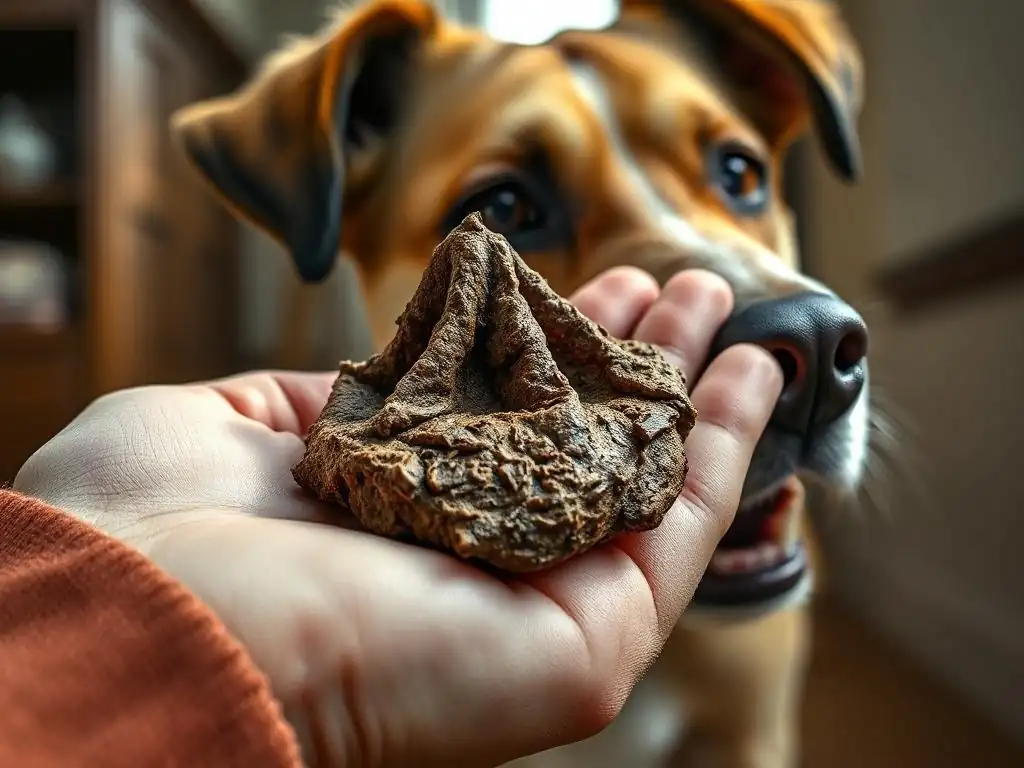
Welcome to PetCareWorld, your ultimate guide to a happier, healthier life for your beloved pets! Are you noticing sudden changes in your dog's poop? This isn't just a messy problem; it could be a sign of something more. Dive into our expert guide on "Sudden Changes in Your Dog's Poop: What You Should Know" to uncover the potential causes and learn how to ensure your furry friend's well-being. Discover the answers you need and gain valuable insights to keep your canine companion thriving.
- Understanding Your Dog's Poop: The Basics of Canine Stool
- Dog Poop Sudden Changes Meaning: Key Indicators of Underlying Issues
- Diagnosing the Cause of Sudden Changes in Dog Poop
- Treating Underlying Causes of Altered Dog Poop
- Preventing Future Changes in Your Dog's Stool
- Frequently Asked Questions
- Final Reflection: Decoding the Canine Clues in Your Dog's Poop
- Uncover the Secrets Your Dog's Poop Holds
Understanding Your Dog's Poop: The Basics of Canine Stool
Regularly observing your dog's bowel movements is a crucial aspect of responsible pet ownership. Changes in your dog's poop can be an early warning sign of various underlying health issues, ranging from simple dietary adjustments to more serious illnesses. This comprehensive guide will help you understand what constitutes "normal" canine stool, and what changes warrant immediate veterinary attention.
By learning to interpret the signals your dog's poop provides, you can proactively address potential health concerns and ensure your furry friend remains happy and healthy. Understanding the nuances of canine digestion is key to preventing more serious problems and ensuring your dog enjoys a long and vibrant life. This article focuses on sudden changes in your dog's poop, helping you decipher the meaning behind these alterations and guiding you toward appropriate next steps, making you a more informed and prepared pet owner.
We'll explore the different aspects of healthy dog poop, providing a detailed guide to help you identify potential problems and understand what action to take. This knowledge empowers you to become a more proactive and effective caregiver for your canine companion.
Normal Dog Poop: Consistency, Color, and Frequency
Understanding what constitutes "normal" dog poop is the first step in recognizing when something is amiss. Healthy dog stool typically exhibits several key characteristics:
- Consistency: Well-formed, firm, but not hard. Think of a sausage shape – easily picked up without excessive crumbling or stickiness. It should hold its shape but not be rock-hard.
- Color: A healthy brown hue is generally expected. Variations in shade can occur due to diet, but extremely dark or light brown, reddish, or black stool should raise concerns.
- Frequency: This varies depending on breed, size, diet, and activity level. However, a generally consistent pattern should be established for your individual dog. Sudden increases or decreases in bowel movements should be noted.
The following table summarizes ideal characteristics of canine stool:
| Characteristic | Description | Potential Issues if Abnormal |
|---|---|---|
| Consistency | Firm, sausage-shaped, easily picked up | Diarrhea, constipation |
| Color | Dark brown to medium brown | Bleeding, dietary issues |
| Frequency | Consistent pattern for individual dog | Intestinal upset, disease |
| Smell | Mild, earthy odor | Dietary issues, infection |
| Presence of mucus | Minimal or none | Inflammation, infection |
It's important to note that even within the "normal" range, subtle variations can occur. Keeping a record of your dog's poop regularity, consistency, and color can help you establish a baseline for comparison and facilitate earlier detection of any changes. Remember to consult your veterinarian if you have any concerns. Even seemingly minor changes can sometimes indicate underlying problems.
Identifying Changes in Your Dog's Stool: What to Look For
Sudden changes in your dog's poop can signal a variety of issues. These changes can manifest in different ways, including:
- Changes in consistency: Diarrhea (loose, watery stools), constipation (hard, dry stools), or the presence of mucus. The appearance can range from very watery to extremely hard, sometimes even pebble-like.
- Changes in color: Darker or lighter than usual, red or black (indicating blood), green, or yellow. A change in color can be caused by a variety of factors, some of them benign, others not.
- Changes in frequency: More frequent bowel movements than usual or a significant decrease in bowel movements. This can indicate a number of digestive problems.
- Changes in smell: A significantly stronger or different odor than usual. An unusually pungent or foul odor can be a sign of infection or other problems.
- Presence of blood: Bright red blood typically indicates bleeding in the lower gastrointestinal tract, while dark, tarry stools suggest bleeding higher up in the digestive system. This is a serious symptom requiring immediate veterinary attention.
- Presence of undigested food: This could indicate problems with digestion or absorption. A large amount of undigested food in the stool might point towards malabsorption issues.
- Presence of parasites: Worms or other parasites can be visible in the stool. This requires veterinary intervention for diagnosis and treatment.
Any of these changes, especially when sudden or accompanied by other symptoms (vomiting, lethargy, loss of appetite), necessitate a visit to your veterinarian. Early detection and prompt treatment are crucial in managing many canine digestive issues effectively. Don't hesitate to seek professional veterinary advice if you notice any significant deviations from your dog's established "normal" bowel habits. Your vigilance is key to your dog's health and well-being.
Dog Poop Sudden Changes Meaning: Key Indicators of Underlying Issues

Sudden alterations in your dog's bowel movements, encompassing changes in consistency, color, and frequency, often signal underlying health problems. Understanding these changes is crucial for early diagnosis and intervention, potentially preventing more serious complications. This section delves into the significance of these variations, helping you interpret your dog's signals and when to seek veterinary attention. Recognizing the nuances of "dog poop sudden changes meaning" empowers you to be a more proactive and informed pet owner.
Changes in Stool Consistency: Diarrhea, Constipation, and More
Changes in stool consistency are among the most noticeable indicators of digestive upset in dogs. Normal dog poop is typically firm but not hard, and well-formed. Deviations from this norm can range from watery diarrhea to hard, pellet-like stools indicative of constipation.
Several factors can influence stool consistency. Dietary changes, such as introducing a new food or treats too quickly, are common culprits. Stress, anxiety, or even excitement can also trigger changes. However, more serious underlying issues, such as infections (bacterial, viral, or parasitic), inflammatory bowel disease (IBD), pancreatitis, or even certain types of cancer, can manifest as persistent changes in stool consistency.
Consider these examples:
- Watery Diarrhea: Often accompanied by increased frequency, this can indicate infections, food intolerance, or intestinal inflammation. The presence of blood or mucus warrants immediate veterinary attention. Dehydration is a significant risk with prolonged diarrhea, so monitoring your dog's water intake is critical.
- Hard, Dry Stools (Constipation): This can result from dehydration, insufficient fiber in the diet, or obstructions in the digestive tract. Straining during defecation, lethargy, and abdominal discomfort are common symptoms. Chronic constipation requires veterinary intervention to rule out underlying medical conditions.
- Mucus in Stool: The presence of mucus, often appearing as a slimy coating, can indicate inflammation in the intestines or an underlying infection.
- Undigested Food in Stool: This suggests potential problems with digestion or absorption, potentially due to pancreatic insufficiency or other digestive disorders.
| Stool Consistency | Possible Causes | Severity | Veterinary Attention? |
|---|---|---|---|
| Watery Diarrhea | Infection, food intolerance, IBD | High (especially with blood or mucus) | Yes |
| Hard, Dry Stools | Dehydration, insufficient fiber, obstruction | Moderate to High (if chronic) | Yes |
| Loose, Mushy Stools | Dietary changes, stress, mild infection | Low to Moderate | Possibly |
| Stools with Mucus | Intestinal inflammation, infection | Moderate to High | Yes |
| Stools with Undigested Food | Pancreatic insufficiency, digestive disorders | Moderate to High | Yes |
Careful observation of your dog's stool consistency, combined with monitoring other symptoms, is essential for identifying the root cause of the change. Remember to document the frequency, duration, and any accompanying symptoms for accurate reporting to your veterinarian.
Changes in Stool Color: From Brown to Black, Red, or Green
The color of your dog's stool typically ranges from light to dark brown. Significant deviations from this norm, such as black, red, or green stools, can indicate serious problems.
- Black, Tarry Stools (Melena): This often indicates bleeding in the upper gastrointestinal tract, possibly due to ulcers, tumors, or ingestion of toxins. The dark color is a result of the blood's digestion. ❗This is a serious sign requiring immediate veterinary attention.
- Red or Maroon Stools (Hematochezia): This usually indicates bleeding in the lower gastrointestinal tract, such as the colon or rectum. Possible causes include intestinal inflammation, parasites, anal gland issues, or colorectal cancer. Again, this warrants a prompt veterinary visit.
- Green Stools: While sometimes a result of dietary changes (e.g., consuming large amounts of grass), green stools can also indicate bile duct problems, or the presence of certain parasites. Changes in diet should be made gradually to avoid digestive upset. If green stools persist, veterinary consultation is advised.
The appearance of unusual stool color should never be ignored. Detailed observation, including the consistency and accompanying symptoms, is crucial for effective diagnosis and treatment.
Changes in Stool Frequency: More Frequent or Less Frequent Bowel Movements
The frequency of your dog's bowel movements varies depending on breed, age, diet, and individual factors. However, sudden and significant changes in frequency, whether more frequent or less frequent, can indicate underlying issues.
- Increased Stool Frequency (More Frequent Bowel Movements): This is often associated with diarrhea, as discussed above. However, it can also be a sign of intestinal infections, stress, or inflammatory bowel disease.
- Decreased Stool Frequency (Less Frequent Bowel Movements): This often suggests constipation, but it can also be a symptom of intestinal obstruction or other serious medical conditions.
Monitoring both the frequency and consistency of your dog's bowel movements provides a holistic picture of their digestive health. Any significant changes from the established baseline warrant careful observation and, if necessary, veterinary consultation. Keeping a detailed record of bowel movements, including frequency, consistency, and color, can be invaluable in assisting your veterinarian in making a diagnosis. This proactive approach to monitoring your dog's health is a key aspect of responsible pet ownership.
Blood in Dog Stool: A Serious Sign to Watch Out For

The presence of blood in your dog's stool, whether bright red, dark red, or black and tarry, is a serious issue requiring immediate veterinary attention. This symptom, often indicative of a problem within the digestive tract, shouldn't be ignored. Bright red blood usually suggests bleeding in the lower gastrointestinal tract, perhaps from anal gland issues, hemorrhoids, or colon inflammation. Darker, tarry stools (melena) often indicate bleeding higher up in the digestive system, potentially from ulcers, tumors, or inflammatory bowel disease (IBD).
The amount of blood is also crucial; a small amount of streaking might indicate a minor irritation, while significant blood loss necessitates immediate intervention. Underlying conditions such as colitis, parasites, and even certain types of cancer can manifest as bloody stool. Delaying veterinary care can lead to serious complications, potentially life-threatening. Therefore, if you observe blood in your dog's poop, schedule an appointment with your veterinarian as soon as possible.
They will conduct a thorough examination, including potentially blood tests and imaging studies (like X-rays or ultrasounds), to pinpoint the cause and recommend appropriate treatment. Early diagnosis and treatment significantly improve the chances of a positive outcome. Remember, observing any changes in your dog's stool, including the presence of blood, is a crucial indicator that requires prompt professional assessment.
Mucus in Dog Stool: Potential Causes and Concerns
While a small amount of mucus in your dog's stool might be normal, an excessive amount warrants attention. Mucus acts as a lubricant in the digestive system, but its increased presence often signals inflammation or irritation somewhere along the gastrointestinal tract. Several factors can contribute to mucus in dog poop. Dietary indiscretions, such as consuming spoiled food or non-food items, can trigger inflammation. Infectious agents, like parasites (like Giardia or Coccidia) or bacterial infections, can also lead to increased mucus production. Inflammatory bowel disease (IBD) is a chronic condition characterized by inflammation of the digestive tract, often manifesting as increased mucus in the stool alongside other symptoms like diarrhea and weight loss.
Stress and anxiety can also affect a dog's digestive system, potentially leading to increased mucus production. Allergic reactions to certain foods or environmental factors may also present with mucus in the stool. The consistency of the stool alongside the mucus is important. Is it loose and watery? This might suggest diarrhea, potentially caused by infections or dietary issues.
Harder stools with mucus could indicate constipation or other issues. If you notice a significant increase in mucus in your dog's poop, consult your veterinarian. They can help determine the underlying cause through a physical examination, fecal analysis, and potentially other diagnostic tests to rule out serious conditions and provide appropriate treatment. Early intervention is key to managing any underlying health problems and ensuring your dog's well-being. Monitoring your dog's bowel movements is a crucial aspect of proactive pet care.
Diagnosing the Cause of Sudden Changes in Dog Poop
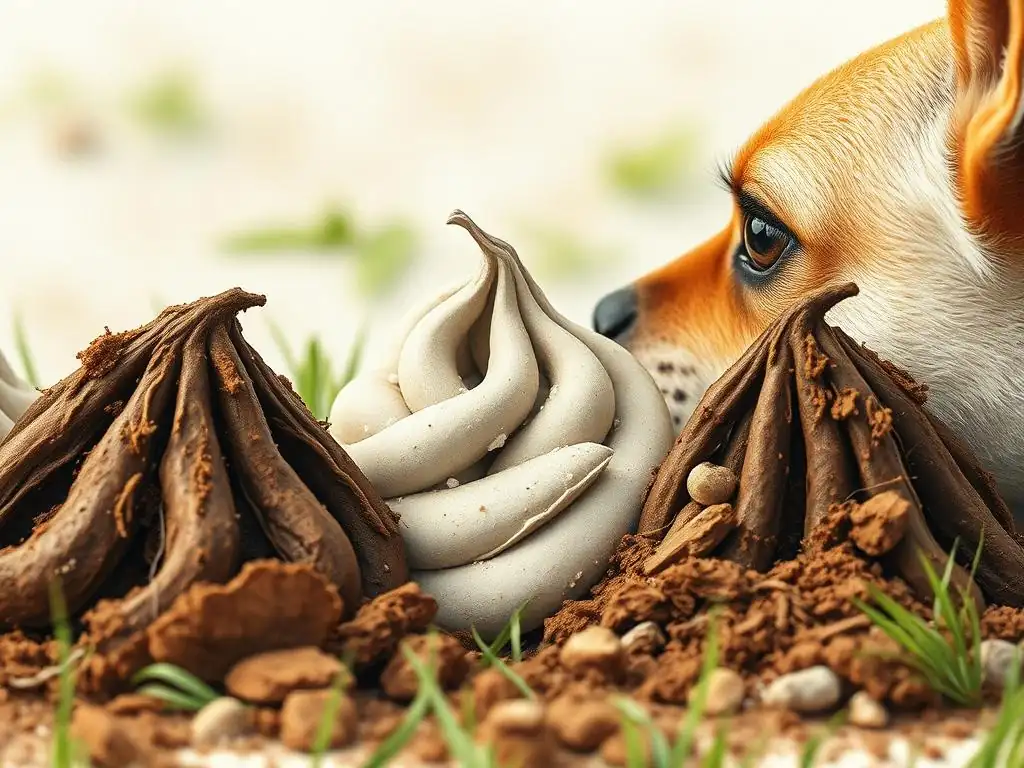
Sudden alterations in your dog's bowel movements, encompassing changes in consistency, frequency, color, and odor, can signal underlying health concerns. Understanding these changes is crucial for prompt diagnosis and effective treatment. The term "Dog poop sudden changes meaning" often reflects a broad spectrum of potential issues, ranging from simple dietary indiscretions to more serious medical conditions. This section will guide you through the process of identifying the root cause, emphasizing the importance of careful observation and timely veterinary intervention. Remember, while this information is educational, it's not a substitute for professional veterinary advice.
When to Consult a Veterinarian: Recognizing Urgent Situations
Timely veterinary care is paramount when dealing with sudden changes in your dog's poop. Certain situations demand immediate attention. These include:
- Bloody or black, tarry stools (melena): This indicates bleeding in the gastrointestinal tract, potentially a serious condition requiring immediate veterinary assessment. The color and consistency are vital indicators to relay to your veterinarian.
- Severe diarrhea with lethargy, vomiting, and dehydration: Prolonged diarrhea can lead to dangerous dehydration, especially in puppies and senior dogs. Signs of dehydration include sunken eyes, dry gums, and loss of skin elasticity.
- Constipation accompanied by intense straining or abdominal pain: Your dog might exhibit restlessness, whining, or a hunched posture. Straining can lead to rectal prolapse, a painful and potentially life-threatening condition.
- Sudden onset of severe abdominal pain: This could signify a range of serious issues, from intestinal obstruction to pancreatitis, requiring immediate veterinary intervention.
- Presence of foreign objects in the stool: While occasional small, indigestible items might pass naturally, larger objects or those causing discomfort necessitate veterinary attention.
The appearance of any of these symptoms necessitates an immediate consultation with your veterinarian. Delaying treatment can worsen the condition and potentially lead to life-threatening complications. Don't hesitate to seek professional help; your dog's well-being depends on it. Remember, acting quickly is key to ensuring a positive outcome when dealing with potentially serious digestive issues in your canine companion.
Gathering Information for Your Vet: Detailed Observations and Records
Before your appointment, meticulously record details about your dog's altered bowel movements. The more information you provide your veterinarian, the more accurate and efficient the diagnosis will be. This detailed information significantly contributes to understanding the "Dog poop sudden changes meaning" in your specific case.
Consider these key points:
- Frequency: How often is your dog defecating? Has this changed from its usual pattern? Note any increase or decrease in bowel movements.
- Consistency: Describe the stool's consistency using descriptive terms: hard, soft, watery, formed, mushy. Is it loose and watery (diarrhea), or hard and pellet-like (constipation)? Quantify if possible (e.g., "small, hard pellets," "large, watery diarrhea").
- Color: Note the color of the stool. Is it the usual brown, or is it black, red, green, or yellow? Any unusual color warrants immediate attention.
- Odor: Is the stool's odor different from normal? An unusually foul odor could indicate infection or other problems.
- Volume: How much stool is your dog producing? Is it more or less than usual?
- Presence of mucus, blood, or parasites: Note any unusual substances in the stool. Mucus often indicates inflammation, while blood can signify bleeding in the gastrointestinal tract.
- Dietary changes: Have there been any recent changes to your dog's diet? New foods, treats, or changes in feeding schedule can affect stool consistency.
- Medications: Is your dog currently taking any medications? Certain drugs can impact bowel movements.
- Other symptoms: Note any accompanying symptoms like vomiting, lethargy, loss of appetite, weight loss, abdominal pain, or changes in drinking habits. These provide crucial context for diagnosis.
Maintaining a detailed record of these observations will significantly aid your veterinarian in determining the cause of your dog's altered bowel movements and developing an appropriate treatment plan. Providing this comprehensive information is critical in deciphering the "Dog poop sudden changes meaning" and ensuring the best possible care for your pet.
Diagnostic Tests Your Vet May Recommend: Blood Tests, Stool Samples, and More
Your veterinarian may recommend several diagnostic tests to pinpoint the cause of the sudden changes in your dog's poop. These tests help unravel the "Dog poop sudden changes meaning" and provide a clearer picture of your dog's overall health. The specific tests will depend on your dog's symptoms and overall health. Some common tests include:
- Complete blood count (CBC): This blood test evaluates your dog's red and white blood cell counts, helping detect infections, anemia, or other blood disorders that could be contributing to digestive issues.
- Biochemistry profile: This blood test assesses organ function, including the liver and kidneys, which play crucial roles in digestion and overall health.
- Stool analysis: A fecal examination can detect parasites (such as worms), blood, and other abnormalities. This is often the first step in investigating digestive problems.
- Fecal occult blood test: This test detects microscopic amounts of blood in the stool, which might not be visible to the naked eye.
- Abdominal X-rays or ultrasound: These imaging techniques can visualize the abdominal organs, identifying obstructions, masses, or other abnormalities within the gastrointestinal tract.
- Endoscopy: This procedure involves inserting a thin, flexible tube with a camera into the digestive tract to visualize the lining and obtain tissue samples for further analysis. This is more invasive but may be necessary for a more detailed examination.
The results of these tests will help your veterinarian diagnose the underlying cause of your dog's altered bowel movements and formulate an appropriate treatment plan. Remember, a comprehensive approach, combining careful observation with appropriate diagnostic testing, is essential for effective management of digestive issues in dogs.
Treating Underlying Causes of Altered Dog Poop
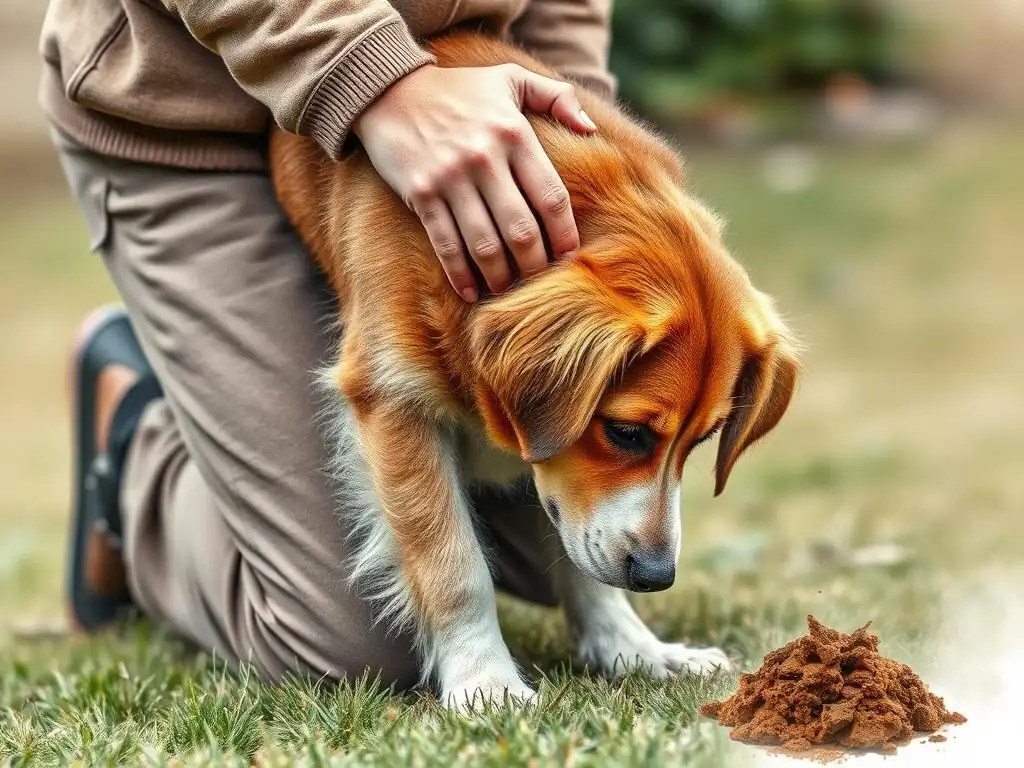
Sudden changes in your dog's poop, such as alterations in consistency, frequency, color, or odor, can signal underlying health issues. Addressing these underlying causes is crucial for your dog's well-being. Ignoring these changes can lead to more severe problems down the line. This section details various approaches to treating the root causes of altered dog poop, focusing on dietary adjustments, medication, supplements, and home remedies.
Remember, always consult your veterinarian before making significant changes to your dog's diet or medication regimen. Early intervention is key in managing digestive issues and ensuring your canine companion remains healthy and happy. Understanding the meaning behind these changes is the first step towards effective treatment.
Dietary Changes: Addressing Food Sensitivities and Allergies
Dietary changes are often the first line of defense when dealing with sudden alterations in dog poop. Many dogs suffer from food sensitivities or allergies that manifest as digestive upset. These sensitivities can range from mild intolerances to severe allergic reactions. Common culprits include beef, dairy, chicken, wheat, soy, and corn.
Identifying the offending ingredient requires careful observation and, often, a process of elimination. This may involve transitioning your dog to a limited-ingredient diet, which contains only a few novel protein and carbohydrate sources. Keep a detailed food journal, noting the specific food given, the quantity, and any subsequent changes in your dog's stool. Symptoms to monitor include diarrhea, constipation, vomiting, gas, and skin irritation.
For instance, a dog previously fed a commercial kibble containing chicken and wheat might experience improved stool consistency when switched to a limited-ingredient diet with lamb and sweet potato. The elimination diet process can take several weeks to see significant results. Your veterinarian can guide you through this process and recommend suitable hypoallergenic options. Remember that even seemingly minor changes in ingredients can drastically impact your dog's digestive health.
Medication and Supplements: Treating Infections and Digestive Issues
In some cases, dietary changes alone are insufficient to address the root cause of altered dog poop. Bacterial or parasitic infections, inflammatory bowel disease (IBD), or other digestive disorders may require medication or supplements. Your veterinarian will diagnose the underlying condition through physical examination, blood tests, fecal analysis, and possibly other diagnostic procedures.
Antibiotics may be prescribed to treat bacterial infections, while antiparasitics are used to eliminate intestinal parasites. Probiotics can help restore the balance of beneficial bacteria in the gut, aiding digestion and improving stool consistency. Prebiotics, which are non-digestible food ingredients that promote the growth of beneficial bacteria, can also be helpful. In cases of IBD, anti-inflammatory medications might be necessary. Always follow your veterinarian's instructions carefully regarding dosage and administration. Improper use of medication can have harmful consequences. Accurate diagnosis is paramount before initiating any medication or supplement regimen.
Home Remedies for Mild Digestive Upsets:
For mild digestive upsets, some home remedies might offer relief. These remedies should be considered supportive measures, not replacements for veterinary care. Always consult your veterinarian before trying any home remedies, especially if the issue persists or worsens. Some mild home remedies include:
- Plain boiled chicken and rice diet: This easily digestible diet can help soothe the digestive tract and firm up loose stools. Avoid adding seasonings or fats.
- Pumpkin puree (plain, canned): A good source of fiber, pumpkin can help regulate bowel movements.
- Bone broth: Provides hydration and electrolytes, which can be lost during diarrhea.
Remember, while these home remedies can be helpful for temporary relief, they are not a cure for underlying medical conditions. Persistent changes in your dog's poop warrant a veterinary examination to rule out serious health problems. Monitoring your dog's stool consistency and seeking veterinary attention promptly will help ensure their digestive health and overall well-being. Ignoring changes in your dog's poop could lead to more significant health issues later. Proactive monitoring and veterinary care are crucial aspects of responsible pet ownership.
Preventing Future Changes in Your Dog's Stool
Understanding the causes of sudden changes in your dog's poop is crucial, but equally important is preventing such occurrences in the future. Proactive pet care significantly reduces the risk of digestive upsets and other health issues. By focusing on preventative measures, you can contribute to your dog's overall well-being and enjoy a happier, healthier companion.
This section will outline key strategies to maintain consistent, healthy bowel movements in your canine friend. Remember, consistent monitoring of your dog's stool remains a vital part of preventative care, allowing for early detection of any potential problems. Early intervention is key when dealing with digestive issues in dogs.
Maintaining a Healthy Diet: Choosing the Right Food for Your Dog
A balanced and appropriate diet is fundamental to a dog's digestive health. The right food can significantly impact stool consistency, frequency, and overall gut health. Avoid sudden changes in your dog's food; transitioning gradually to a new diet minimizes the risk of digestive upset. Look for high-quality dog food containing easily digestible proteins and fibers.
Consider your dog's age, breed, activity level, and any pre-existing health conditions when selecting a food. For example, senior dogs often benefit from food formulated for their specific needs, such as those with increased fiber content to support healthy digestion. Similarly, dogs with sensitive stomachs may require food specifically designed for sensitive digestion, often with hydrolyzed proteins to minimize allergic reactions. Read labels carefully, and consult your veterinarian if you have questions about the best dietary choices for your dog.
They can provide personalized recommendations based on your dog’s unique needs and health history. Pay attention to any changes in your dog's stool after introducing a new food. Note any changes in consistency, frequency, or color to ensure the new food isn't causing digestive issues.
Regular Exercise and Hydration: Supporting Digestive Health
Regular exercise plays a vital role in maintaining a healthy digestive system in dogs. Physical activity stimulates bowel movements and prevents constipation. The amount of exercise needed will vary depending on your dog's breed, age, and overall health. However, daily walks and playtime are essential for most dogs. Sufficient hydration is equally crucial. Dehydration can lead to harder stools and constipation. Ensure your dog always has access to fresh, clean water. Monitor their water intake, especially during hot weather or after strenuous exercise. Consider adding a small amount of low-sodium broth to their water bowl during hot days to encourage fluid intake. Remember, a happy, active dog is usually a dog with a healthy digestive system. Regular exercise not only benefits their digestive health but contributes to their overall physical and mental well-being. A balanced approach to exercise and hydration is crucial for preventing future changes in your dog's stool.
Routine Veterinary Checkups: Early Detection of Potential Problems
Regular veterinary checkups are essential for preventative care and early detection of potential health problems. During these checkups, your veterinarian can assess your dog's overall health, including their digestive system. They can identify subtle changes in your dog’s stool that you might miss, such as hidden blood or parasites. Early detection of issues like parasites or inflammatory bowel disease (IBD) allows for prompt treatment, preventing more serious complications. Don't hesitate to discuss any concerns about your dog's stool with your veterinarian, even if they seem minor.
They can provide valuable insights and guidance, tailoring their advice to your dog's specific needs and breed. Routine checkups are a proactive approach to ensuring your dog's long-term health and well-being. Remember, preventative care is often the most effective way to avoid significant health issues. Scheduling regular visits with your veterinarian is an investment in your dog's health and happiness.
Frequently Asked Questions
What does a sudden change in my dog's poop actually mean?
A sudden change in your dog's stool, such as in consistency, color, frequency, or odor, can indicate a variety of underlying health issues. It's crucial to consult your veterinarian immediately to determine the cause. Don't delay seeking professional help.
My dog's poop is suddenly loose. Is this serious?
Loose stool can be caused by several factors, including diet changes, stress, or mild infections. However, it can also signal more serious problems like parasites or inflammatory bowel disease. A vet visit is recommended to rule out any serious conditions.
What if my dog's poop is suddenly hard and dry?
Hard, dry stools often point towards dehydration or a diet lacking in fiber. Chronic constipation can be a serious issue, so it's important to increase water intake and consider dietary adjustments. Again, consult your vet for guidance.
Should I be concerned about a sudden change in my dog's poop color?
Yes, a change in poop color is a significant indicator. Black, tarry stools might indicate bleeding in the digestive tract, while pale stools could suggest liver issues. Immediate veterinary attention is necessary for unusual colors.
When should I take my dog to the vet regarding changes in their poop?
You should seek veterinary attention immediately if you notice any significant or sudden changes in your dog's stool, especially if accompanied by other symptoms like vomiting, lethargy, or loss of appetite. Don't hesitate to contact your vet; early intervention is key.
Final Reflection: Decoding the Canine Clues in Your Dog's Poop
Understanding sudden changes in your dog's stool isn't just about cleaning up messes; it's about safeguarding your furry friend's health. A seemingly insignificant shift in consistency, color, or frequency can be a vital early warning sign of underlying issues, highlighting the crucial role pet owners play in their animals' well-being.
The impact of readily available information on pet health is undeniable. The ability to quickly research potential causes for changes in a dog's poop, as we've explored in this article, empowers pet owners to become more proactive in their pet's care. The best thing you can do for your pet is to be observant and attentive to any changes in their behavior or physical condition.
This simple truth underscores the importance of understanding the subtle signals our canine companions offer. We must remain vigilant, using the knowledge at our disposal to ensure their happiness and longevity.
Now, consider your own dog. Have you noticed any recent changes in their bowel movements? Take a moment to reflect on their overall health and behavior. Don't hesitate to consult your veterinarian if you have any concerns, no matter how small they may seem. Early detection is key to successful treatment, and your proactive approach could make all the difference in your dog's life. Remember, you are your dog's best advocate.
Uncover the Secrets Your Dog's Poop Holds
Thanks for wanting to learn more about your dog's digestive health! Understanding their bowel movements is crucial for their overall well-being. Let's explore how to use this knowledge effectively:
- **Schedule a veterinary check-up:** Even subtle changes in your dog's stool can indicate underlying health problems. Don't delay; a professional assessment is vital.
- **Maintain a detailed stool log:** Record the frequency, consistency, and any unusual characteristics to give your veterinarian valuable information. You might be surprised by the patterns you uncover!
- Share your experiences and insights with other pet owners in the comments below. Let's create a supportive community where we can learn from one another!
What seemingly insignificant change in your dog's routine might actually signal a larger, previously unnoticed health issue?