
Cat Scratching Deterrents: The Dos and Don'ts for Effective Training


Welcome to PetCareWorld, your ultimate guide to a happier, healthier life for your beloved pet! Are you tired of your feline friend turning your furniture into a scratching post? Discover effective and humane solutions to the age-old problem of cat scratching furniture in our comprehensive guide, "Cat Scratching Deterrents: The Dos and Don'ts for Effective Training." Learn the secrets to protecting your belongings while keeping your cat content and stimulated. Dive in and unlock the key to peaceful co-existence!
- Understanding Why Cats Scratch Furniture: The Root of the Problem
- Effective Deterrents for Stop Cat Scratching Furniture
- Dos and Don'ts of Cat Scratching Deterrent Use
- Choosing the Right Deterrent for Your Cat and Situation: Tailoring Solutions
- Long-Term Solutions for Preventing Cat Scratching: Building Good Habits
-
Frequently Asked Questions
- Why does my cat scratch the furniture?
- What are some effective deterrents to stop cat scratching furniture?
- How can I train my cat to use a scratching post instead of the furniture?
- Are there any humane ways to stop scratching behavior?
- What should I do if my cat continues scratching despite my efforts?
- Final Reflection: Rethinking the Scratching Post: A Path to Harmony
- Unleash Your Cat's Inner Angel: Stop the Scratching, Start the Bonding!
Understanding Why Cats Scratch Furniture: The Root of the Problem
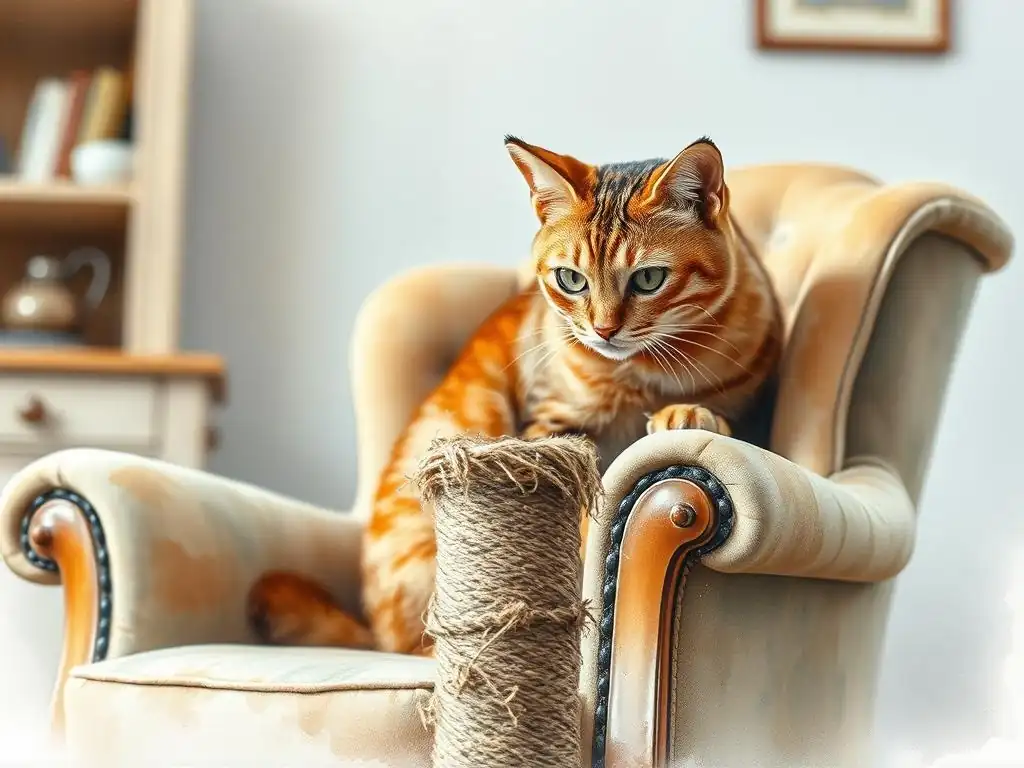
Scratching is a natural and instinctive behavior for cats, deeply ingrained in their feline nature. It's not simply a mischievous habit; it serves several crucial purposes, and understanding these is the first step to effectively addressing unwanted scratching on your furniture. This article will delve into the reasons behind this behavior, helping you decipher your cat's scratching patterns and implement solutions tailored to their needs. Learning to effectively address this common problem will not only protect your furniture but also contribute to a happier and healthier relationship with your feline companion.
We’ll explore effective deterrents and training methods to help you achieve a harmonious co-existence, ultimately answering the question: how to stop cat scratching furniture. Ignoring the underlying reasons will only lead to ineffective solutions and a frustrated cat. Let's embark on this journey towards a scratch-free home!
Deciphering Your Cat's Scratching Behavior: Identifying the Cause
Understanding why your cat scratches is paramount to finding a solution. Observe your cat's scratching patterns carefully. Note the type of scratching (intense, casual), the location (specific furniture pieces, corners of rooms), the time of day, and any associated behaviors. Is your cat scratching more frequently after playtime? Do they scratch only on certain surfaces? Keeping a detailed "scratching diary" can provide valuable insights.
For example, frequent scratching on vertical surfaces might indicate a need for stretching, while scratching on horizontal surfaces could be related to scent marking. Consider your cat's overall health and well-being. Changes in scratching behavior might signal underlying medical issues or stress. A sudden increase in scratching could indicate anxiety, pain, or a change in their environment. By carefully observing and documenting your cat's behavior, you’ll be better equipped to pinpoint the cause and implement the right solution to stop cat scratching furniture.
Common Reasons for Cat Scratching: Territory Marking, Stretching, and Shedding
Cats scratch for a variety of reasons, and understanding these is crucial to addressing the behavior effectively. Here are some of the most common reasons:
- Territory Marking: Cats have scent glands in their paws, and scratching deposits their scent, marking their territory. This is particularly important for establishing dominance and security.
- Stretching and Exercise: Scratching provides a fantastic full-body stretch, allowing cats to exercise their muscles and maintain flexibility. This is especially important for indoor cats who might lack opportunities for extensive physical activity.
- Shedding: Scratching helps cats shed their old claw sheaths, keeping their claws sharp and healthy. This natural process helps maintain their grooming cycle.
- Play and Exploration: Scratching can be a form of play and exploration, particularly for younger cats. They might simply enjoy the sensation of digging their claws into various surfaces.
- Stress and Anxiety: Environmental changes, new pets, or even a change in routine can trigger stress-related scratching.
Understanding these motivations is key to choosing the right approach to deter unwanted scratching and provide suitable alternatives. Remember, a cat's scratching is rarely malicious; it's usually a natural and necessary behavior.
The Importance of Identifying the Underlying Cause Before Implementing Solutions
Before resorting to deterrents, it's crucial to identify the root cause of your cat's scratching. Simply applying deterrents without addressing the underlying issue might lead to frustration for both you and your cat, and may not solve the problem effectively. A cat that scratches out of stress, for example, won’t be helped by a scratching post; it will need stress reduction techniques.
Similarly, a cat that scratches to stretch needs ample opportunities for exercise and stretching. Therefore, careful observation and analysis are essential before implementing any solutions to stop cat scratching furniture. By understanding the "why" behind the scratching, you can develop a more effective and humane strategy that will protect your furniture and ensure your cat's well-being.
Effective Deterrents for Stop Cat Scratching Furniture
This section explores proven methods to deter cats from scratching furniture, focusing on solutions that are both effective and humane. Understanding your cat's scratching behavior is crucial for choosing the right deterrent. Cats scratch for several reasons: to sharpen their claws, mark their territory, stretch their bodies, and relieve stress. Addressing these underlying needs is key to successful training. Simply punishing a cat for scratching won't solve the problem; it will only create fear and anxiety. Instead, we need to redirect their scratching behavior towards acceptable targets.
Safe and Humane Deterrents to Stop Cats Scratching Furniture
Many effective deterrents exist that avoid any form of punishment. These prioritize your cat's well-being while protecting your furniture. Positive reinforcement, such as rewarding appropriate scratching behavior with treats or praise, is far more effective than punishment. Here are some examples:
- Providing ample scratching posts: Cats need multiple scratching posts, strategically placed throughout your home. Experiment with different materials (sisal, cardboard, carpet) and heights (vertical and horizontal) to find what your cat prefers. Consider placing scratching posts near their favorite sleeping or lounging areas.
- Interactive play: Engaging your cat in active playtime helps them expend energy and reduces their urge to scratch furniture as a stress reliever. Use toys that stimulate their hunting instincts, such as feather wands or laser pointers. Aim for at least 15-20 minutes of interactive play daily.
- Catnip: Catnip can be a powerful attractant. Sprinkling a small amount of catnip on a scratching post can encourage its use. However, not all cats respond to catnip, so it's not a guaranteed solution.
- Clipping claws regularly: While not a deterrent in itself, regularly trimming your cat's claws reduces the damage they can inflict on your furniture. This should be done carefully and only by someone experienced in handling cats.
Repellents: Using Scents Cats Dislike to Redirect Scratching Behavior
Certain scents are naturally aversive to cats, making them less likely to scratch in treated areas. These repellents should be used cautiously and only on furniture. Never apply them directly to your cat. Some common options include:
- Citrus scents: Cats generally dislike the smell of citrus fruits, such as oranges, lemons, and grapefruits. You can use commercial citrus-based repellents or simply spray diluted citrus juice (ensure it's not toxic to cats!) on the furniture. However, be mindful that the scent might fade quickly, requiring frequent reapplication.
- Commercial cat repellents: Many commercial repellents are available, often containing ingredients like bitter apple extract or other scents cats find unpleasant. Always check the product label to ensure it's safe for cats and non-toxic. Test a small, inconspicuous area first to ensure it doesn't damage the furniture.
- Essential oils (with caution): Some essential oils, such as lavender or peppermint, are believed to deter cats, but use extreme caution. Many essential oils are toxic to cats when ingested or absorbed through the skin. Dilute them significantly and only apply to areas your cat can't reach directly. Always consult a veterinarian before using essential oils around your cat.
Physical Barriers: Protecting Furniture from Cat Claws
Physical barriers offer a direct and effective way to stop cats from scratching specific furniture pieces. These methods prevent access to vulnerable areas, rather than relying on deterrents:
- Scratch-resistant covers: Furniture covers made from durable materials, such as heavy-duty fabric or plastic, can protect your furniture without harming your cat. Choose covers that are easily removable and washable.
- Aluminum foil: Cats dislike the feel and sound of aluminum foil. Covering the furniture with foil (secured appropriately) may deter scratching, but it's not a visually appealing long-term solution.
- Sticky tape: Double-sided tape or sticky pads placed on furniture surfaces create an unpleasant sensation for cats, discouraging scratching. However, ensure the tape is safe for your cat and won't harm their paws. This is a temporary solution and needs to be regularly replaced.
Remember, consistency and patience are key to success. Combining several methods might be necessary to achieve the best results. If you continue to have problems, consider consulting a veterinary behaviorist for personalized advice. They can help identify underlying behavioral issues contributing to the scratching problem.
Training Your Cat to Use a Scratching Post: Positive Reinforcement Techniques
Training your cat to use a scratching post instead of your furniture requires patience and consistency. Positive reinforcement is key; punishment rarely works and can damage your relationship with your feline friend. The goal is to make the scratching post the most attractive option for your cat.
One effective technique is associating the scratching post with positive experiences. Place the post near their favorite napping spot or near a window with a good view. When you see your cat approaching the post, even just sniffing it, immediately reward them with a treat, praise, or a favorite toy. This creates a positive association: scratching post = good things!
Another crucial aspect is choosing the right scratching post. Cats have preferences! Some prefer sisal, others carpet, and some even enjoy cardboard scratchers. Experiment with different textures and materials to find what your cat enjoys most. The height of the post also matters; taller posts allow cats to stretch fully, satisfying their natural scratching instinct. Consider a variety of post types – vertical, horizontal, or even a combination – to cater to your cat's preferences. A strategically placed post near the furniture they currently scratch can redirect their behavior.
Consistency is paramount. Every time your cat uses the scratching post, reward them. Even if they only scratch for a few seconds, positive reinforcement will strengthen the desired behavior. Don't get discouraged if it takes time; some cats learn faster than others. Remember, patience and consistency are the keys to success in this training endeavor. It's a marathon, not a sprint! The more consistently you reward appropriate scratching, the less likely your cat will be to revert to scratching the furniture. Think of it as building a strong habit; repetition reinforces the positive association with the scratching post.
Finally, consider using catnip on the scratching post to further entice your cat. Catnip is a powerful attractant for many cats and can help make the scratching post irresistibly appealing. However, remember that not all cats react to catnip, so don't be disheartened if your cat shows no interest. Continue with the other positive reinforcement techniques. The ultimate goal is to make the scratching post an enjoyable and rewarding experience for your cat, thus eliminating the need to scratch your furniture. This approach fosters a positive relationship and helps your cat develop healthy scratching habits.
Dos and Don'ts of Cat Scratching Deterrent Use

This section details the effective and ineffective strategies for deterring your cat from scratching furniture. Understanding the "dos" and "don'ts" is crucial for successfully training your feline companion and preventing damage to your belongings. Remember, patience and consistency are key to achieving positive results in stopping cat scratching furniture.
Do's for Effective Cat Scratching Deterrent Training
Implementing the following strategies will significantly increase your chances of success in redirecting your cat's scratching behavior. Focus on positive reinforcement and providing attractive alternatives.
Providing Ample Scratching Alternatives: Types of Scratching Posts and Materials
Offering a variety of scratching posts is paramount. Cats have preferences! Some prefer vertical scratching posts, others horizontal. Experiment with different materials to find what your cat enjoys most.
- Sisal: A popular choice due to its rough texture, mimicking the feel of tree bark.
- Carpet: Provides a softer scratching surface, appealing to cats who prefer a gentler texture.
- Cardboard: A cost-effective and readily available option, often enjoyed by kittens and cats who like to shred.
- Wood: Some cats prefer the natural wood grain, but ensure it's sturdy and untreated.
Consider the placement of scratching posts as well. Strategically placing them near areas your cat frequently scratches can encourage their use. Multiple scratching posts in different locations throughout the house will give your cat plenty of options. Experiment with different heights and angles.
Positive Reinforcement: Rewarding Appropriate Scratching Behavior
Positive reinforcement is the cornerstone of effective cat training. When your cat uses a scratching post, immediately reward them with praise, a favorite treat, or a gentle petting session. This positive association will encourage them to repeat the desired behavior. Timing is crucial; reward them immediately after they scratch the post.
| Reward Type | Frequency | Effectiveness Notes |
|---|---|---|
| Verbal Praise | Frequent | Use enthusiastic and encouraging tones. |
| Treats | Several times a day | Offer small, high-value treats. |
| Interactive Play | After scratching | Combine scratching with a fun play session. |
Consistency is Key: Maintaining a Regular Training Schedule
Consistency is vital. A sporadic approach will confuse your cat and hinder progress. Dedicate time each day to reinforce the desired scratching behavior. Even short, consistent training sessions are more effective than infrequent, longer ones. Think of it as building a habit, both for you and your cat! Establish a routine, perhaps after meals or before bedtime. The more consistent you are, the faster your cat will learn to associate the scratching post with positive reinforcement, effectively helping you stop cat scratching furniture.
Don'ts for Effective Cat Scratching Deterrent Training
Avoid these common mistakes to prevent setbacks and potential harm to your cat's well-being. Remember, punishment is rarely effective and can damage your relationship with your pet.
Using Punishment: Why Harsh Methods are Ineffective and Harmful
Punishing your cat for scratching furniture is counterproductive. It creates fear and anxiety, damaging your bond and potentially leading to behavioral problems. Instead of understanding why they're scratching, they'll simply learn to hide their behavior, making the problem worse in the long run. Never use physical punishment; it's cruel and ineffective. Instead, focus on positive reinforcement and providing adequate scratching alternatives.
Ignoring the Problem: Why Neglecting Scratching Leads to Worse Habits
Ignoring the problem will not make it go away. In fact, neglecting your cat's scratching behavior can lead to ingrained habits and more extensive damage to your furniture. Addressing the issue proactively is far more effective than waiting for the problem to escalate. Early intervention with positive reinforcement and providing appropriate scratching posts is crucial to stopping cat scratching furniture effectively.
Inconsistent Training: Maintaining a Consistent Approach
Inconsistent training sends mixed signals to your cat, making it difficult for them to learn the desired behavior. A lack of consistency undermines your efforts and prolongs the training process. Remember, patience and persistence are key. Stick to your training plan, and you'll eventually see positive results. A consistent approach will help you stop cat scratching furniture permanently.
Choosing the Right Deterrent for Your Cat and Situation: Tailoring Solutions
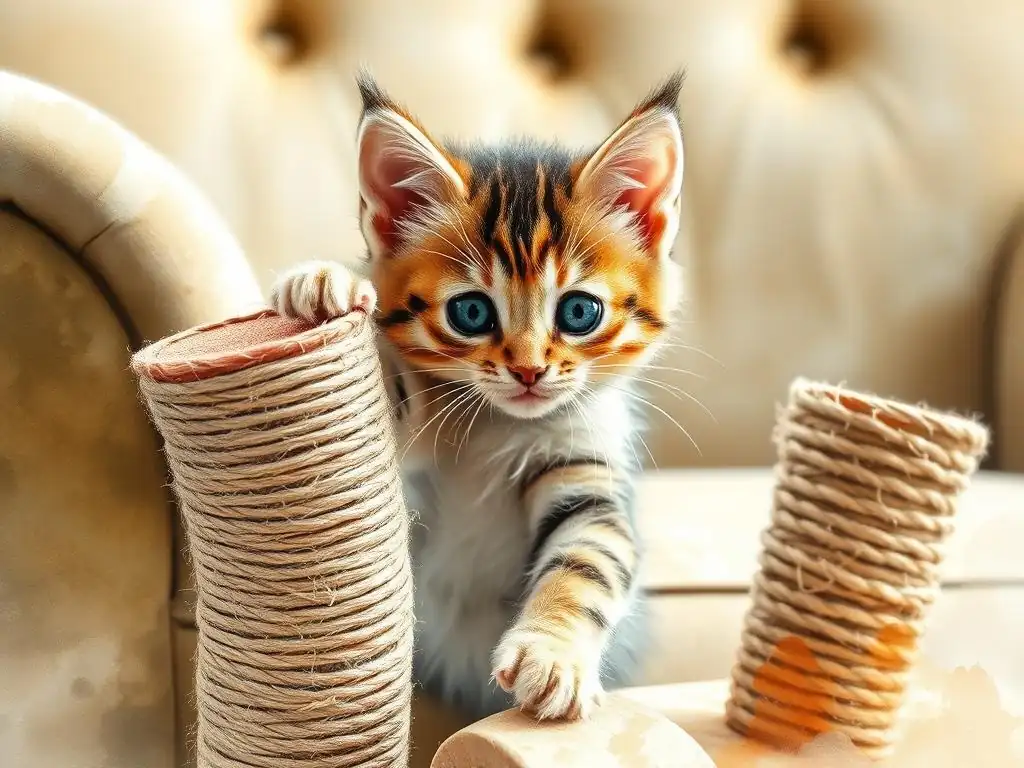
Selecting the most effective deterrent for your cat's scratching habits requires careful consideration of several factors. A one-size-fits-all approach rarely works, and understanding your cat's unique personality and your home environment is crucial for success. Remember, the goal is not to punish your cat, but to redirect its natural scratching behavior to appropriate surfaces.
This involves a combination of understanding feline behavior and employing the right tools. Choosing the wrong deterrent can lead to frustration for both you and your feline friend, potentially worsening the scratching problem. Therefore, a strategic and personalized approach is paramount in achieving a solution to "stop cat scratching furniture."
Considering Your Cat's Personality and Preferences: Matching Deterrents to Individual Needs
Cats, like humans, have distinct personalities. Some are timid and easily frightened, while others are bolder and more persistent. This personality directly impacts the effectiveness of different deterrents. For instance, a loud noise deterrent might be highly effective for a bolder cat but could traumatize a shy one. Similarly, a citrus-scented spray, while often disliked by cats, might not deter a particularly stubborn or food-motivated feline.
Consider these examples:
- The Timid Cat: For a shy cat, opt for gentler methods like pheromone diffusers or strategically placed scratching posts. Avoid loud noises or harsh sprays that could increase anxiety and fear. Positive reinforcement with treats and praise near the scratching post is far more effective.
- The Stubborn Cat: A more persistent cat might require a multi-pronged approach. Combining a deterrent spray with a strategically placed scratching post and consistent redirection could be necessary. You might need to experiment with different scents and textures to find what works best.
- The Playful Cat: A playful cat might be easily distracted. Providing plenty of interactive play sessions can help redirect their energy away from furniture. A sturdy scratching post that's also a fun climbing toy might be ideal.
Understanding your cat's individual preferences is key. Does your cat prefer vertical or horizontal scratching? Rough or smooth surfaces? By considering these preferences, you can select a deterrent and scratching post that's more likely to be accepted. This personalized approach is vital for effectively addressing the "stop cat scratching furniture" challenge.
Assessing Your Home Environment: Adapting Deterrents to Your Space
Your home environment plays a significant role in choosing the right deterrent. The size of your home, the location of furniture, and the available space for scratching posts all influence your options.
Consider these factors:
- Space Constraints: In smaller homes, bulky scratching posts might not be practical. Wall-mounted scratching posts or smaller, more compact options might be a better fit.
- Furniture Placement: If your cat frequently scratches a specific piece of furniture, consider rearranging your furniture or placing a deterrent near that area. This might involve temporarily blocking access to the furniture, or placing a highly attractive scratching post nearby.
- Accessibility: Ensure that the scratching post is easily accessible to your cat. If it's hidden away in a corner or difficult to reach, your cat is less likely to use it. Place it in a location where your cat already spends a lot of time.
- Aesthetics: You also need to consider the aesthetic appeal of the deterrent. While effectiveness is paramount, choosing a deterrent that blends in with your home decor can make it more easily acceptable.
Careful assessment of your home environment ensures that the chosen deterrents are not only effective but also practical and aesthetically pleasing. This integrated approach is crucial for a successful resolution to "stop cat scratching furniture."
Combining Different Deterrents for a Multi-Faceted Approach: A Holistic Strategy
Often, a single deterrent isn't enough to completely stop unwanted scratching. A holistic strategy that combines different deterrents for a multi-faceted approach is often the most effective solution. This integrated approach acknowledges that cats are complex creatures with diverse motivations for scratching.
Consider these combinations:
- Double Deterrent: Combine a deterrent spray (e.g., citrus-scented or commercially available cat repellent) with a physical barrier (e.g., cat furniture covers or sticky tape). The spray discourages initial attempts, while the physical barrier prevents persistent scratching.
- Positive Reinforcement: Combine any deterrent with positive reinforcement. Reward your cat with treats and praise when it uses the scratching post. This creates a positive association with the desired behavior.
- Environmental Enrichment: Provide plenty of toys, climbing structures, and scratching posts to keep your cat entertained and stimulated. A bored cat is more likely to resort to destructive scratching.
By implementing a multi-faceted approach, you can create a more comprehensive and effective solution to the "stop cat scratching furniture" problem. This holistic strategy considers both the deterrent and the positive reinforcement aspects, leading to a more sustainable and harmonious co-existence with your feline companion.
Long-Term Solutions for Preventing Cat Scratching: Building Good Habits
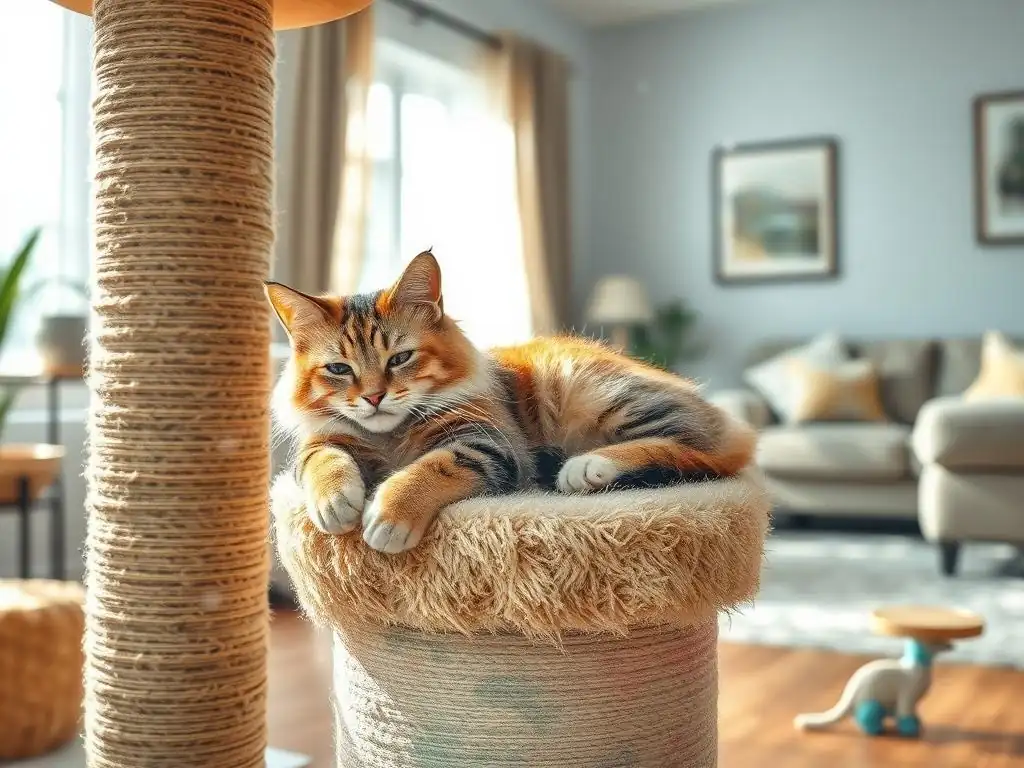
Successfully stopping cat scratching furniture requires a multifaceted approach that goes beyond immediate deterrents. Building positive habits and understanding your cat's needs are key to long-term success in managing this common feline behavior. This involves creating an environment where scratching furniture is less appealing than alternative, acceptable scratching posts. The goal is not just to stop the undesirable behavior, but to replace it with a desired one. This section will explore crucial strategies for achieving this goal and ensuring your feline friend's well-being.
Maintaining a Positive Training Environment: Ongoing Reinforcement
Consistent positive reinforcement is crucial for long-term success in deterring unwanted scratching. Think of it as a continuous process, not a one-time fix. Reward your cat immediately and enthusiastically whenever they use their scratching post. This could involve verbal praise ("Good kitty! "), a favorite treat, or even a gentle petting session.
The key is to make the scratching post a consistently positive and rewarding experience. Inconsistency undermines the training process. If your cat sometimes gets rewarded and sometimes doesn't, they'll be less likely to associate the scratching post with positive reinforcement. Aim for a schedule where you reward your cat every time they use the post, at least in the initial stages of training.
Monitoring Your Cat's Scratching Habits: Adjusting Strategies as Needed
Even with the best training efforts, cats can be unpredictable. Regularly monitor your cat's scratching behavior to identify any patterns or changes. Are they scratching more in certain areas or at specific times of day? Are they ignoring their scratching post despite previous positive reinforcement? Such observations provide valuable insights into what's working and what's not.
For instance, if your cat consistently avoids a particular scratching post, consider replacing it with a different type of scratching post, potentially one with a different texture or height. Perhaps they prefer horizontal scratching surfaces rather than vertical ones, or vice versa. Adapting your approach based on your cat's individual preferences is vital. Keep a detailed log of your cat’s scratching behavior – the location, time, and any other relevant factors – to help you identify trends and refine your strategy. This proactive monitoring allows you to address potential problems before they escalate.
Preventing Future Scratching Problems: Proactive Measures and Ongoing Care
Preventing future scratching problems involves proactive measures that go beyond training. This includes providing your cat with ample opportunities for appropriate scratching, ensuring their overall well-being, and addressing any underlying medical conditions. Regular nail trimming is crucial; long nails can make scratching more appealing. A bored or stressed cat is more likely to engage in destructive scratching.
Enrich your cat's environment with plenty of toys, climbing structures, and interactive play sessions. Environmental changes like the introduction of a new pet or a move to a new home can trigger increased scratching. Be mindful of these factors and adjust your cat's environment accordingly.
If your cat's scratching behavior changes suddenly or drastically, it's important to rule out any underlying medical reasons. Consult your veterinarian to determine if there are any health issues that might be contributing to the behavior. A holistic approach, combining training, environmental enrichment, and veterinary care, provides the best chance of success in preventing future scratching problems and ensuring a happy, harmonious coexistence with your feline companion.
Frequently Asked Questions
Why does my cat scratch the furniture?
Cats scratch furniture for several reasons: territory marking, claw maintenance, and stretching. Understanding these motivations is key to effective deterrents. Providing alternatives is crucial.
What are some effective deterrents to stop cat scratching furniture?
Scratching posts, vertical surfaces, and catnip toys can redirect scratching behavior. Consider using deterrents like sticky tape or scent sprays on furniture to make it less appealing.
How can I train my cat to use a scratching post instead of the furniture?
Positive reinforcement is vital. Reward your cat when it uses the scratching post with treats or praise. Make the post easily accessible and appealing. Consistency is key to successful training.
Are there any humane ways to stop scratching behavior?
Yes, avoid punishment, which can damage your relationship with your cat and make the problem worse. Focus on providing alternatives and rewarding positive behavior. Patience is essential.
What should I do if my cat continues scratching despite my efforts?
Consult a veterinarian to rule out underlying medical issues. Consider seeking advice from a certified cat behaviorist for personalized solutions. They can help identify the root cause of the behavior.
Final Reflection: Rethinking the Scratching Post: A Path to Harmony
The persistent problem of cat scratching furniture remains a common challenge for cat owners worldwide, impacting not only our homes but also the well-being of our feline companions. Understanding the root causes of this behavior—from instinctual needs to stress responses—is crucial to finding effective, humane solutions. Ignoring the issue only leads to frustration for both cat and owner.
The journey towards a scratch-free home isn't about suppressing natural instincts; it's about redirecting them. This article has explored various deterrents, highlighting the importance of positive reinforcement and understanding feline communication. The process of training a cat to use a scratching post is a testament to the power of patience and empathy. The bond between human and animal is one of the most profound and rewarding relationships we can have. It requires understanding, respect, and a willingness to learn.
This quote underscores the importance of viewing cat training not as a battle of wills, but as a collaborative effort built on mutual respect.
You now possess the knowledge to navigate the complexities of cat scratching. Consider the insights shared within these pages—the importance of providing appropriate scratching surfaces, the effectiveness of positive reinforcement, and the need to identify and address underlying anxieties. Take the time to observe your cat's behavior, understand their needs, and implement the strategies discussed. Together, you and your feline friend can create a harmonious home environment where both your furniture and your cat thrive.
Unleash Your Cat's Inner Angel: Stop the Scratching, Start the Bonding!
Thank you for learning about effective ways to deter your cat from scratching. We hope you feel confident in tackling this common pet-owner challenge. Ready to put your knowledge into action?
- Prioritize positive reinforcement: Gradually replace your cat's favorite scratching surfaces with appropriate scratching posts. Reward good behavior with treats and praise—this is crucial for long-term success!
- Experiment with different options: Try various scratching post materials (sisal, cardboard, carpet) and locations to find what your cat prefers. You might be surprised by their choice!
- Share your experience: Join our PetCareWorld community forum and connect with other cat owners. Let's build a supportive network to help each other manage those pesky claws!
Have you considered why your cat scratches? Understanding their motivations is key to achieving lasting, positive results. Let's discuss this in the comments!