
Reptile Habitat Automation: Ensuring Consistent Health and Wellbeing

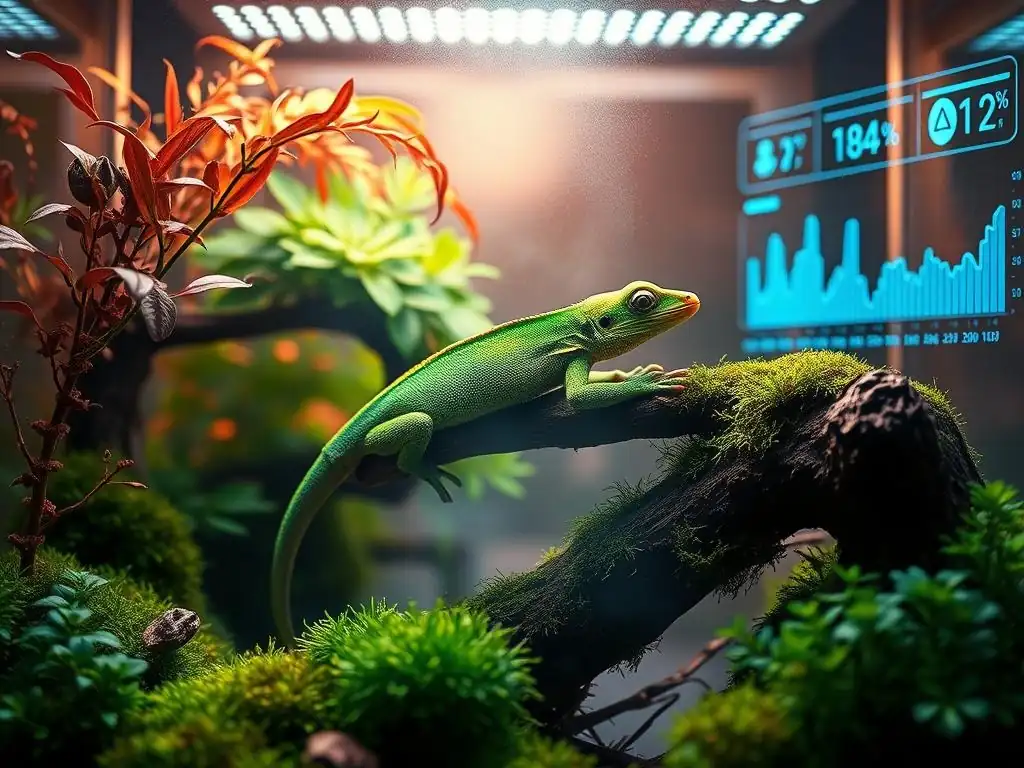
Welcome to PetCareWorld, your ultimate guide to a happier, healthier life for your beloved companions! Are you ready to revolutionize reptile care? Discover how automating your reptile habitat can significantly improve your pet's well-being and simplify your routine. Learn about the latest innovations and practical solutions in our in-depth guide on "Reptile Habitat Automation: Ensuring Consistent Health and Wellbeing," and unlock the secrets to a thriving reptile sanctuary. Dive in and explore the future of pet care!
- Understanding the Importance of Automated Reptile Habitat Control
- Choosing the Right Automated Systems for Your Reptile
-
Setting Up and Maintaining Your Automated Reptile Habitat
- Installing and Programming Your Automated Reptile Habitat Control Systems: Step-by-Step Guide
- Troubleshooting Common Issues with Automated Reptile Habitat Systems
- Regular Maintenance for Optimal Performance: Cleaning and Calibration of Equipment
- Monitoring Your Reptile's Health with Automated Systems: Data Logging and Alerts
-
Advanced Automation for Reptile Keepers: Smart Home Integration
- Integrating Smart Home Technology with Reptile Habitat Control Systems
- Remote Monitoring and Control of Reptile Habitats Using Smart Devices
- Utilizing Smart Sensors for Real-Time Data on Temperature, Humidity, and Lighting
- Predictive Maintenance and Alerts Using AI-Powered Reptile Habitat Management Systems
- Case Studies: Successful Automated Reptile Habitat Setups
- The Future of Automated Reptile Habitat Control: Emerging Technologies
- Frequently Asked Questions
- Final Reflection: The Future of Reptile Care is Automated
- Unlock Your Reptile's Thriving Habitat
Understanding the Importance of Automated Reptile Habitat Control
Maintaining a healthy and thriving reptile habitat requires meticulous attention to detail and consistent environmental control. Reptiles, unlike mammals, are ectothermic, meaning they rely on external sources to regulate their body temperature. Fluctuations in temperature, humidity, and lighting can severely impact their health, leading to stress, illness, and even death.
Manually maintaining these parameters can be time-consuming, challenging, and prone to human error. This is where automated reptile habitat control systems come into play, offering a reliable and efficient solution to ensure the consistent health and well-being of your scaly companions. This article will explore the key benefits of automating various aspects of reptile care, focusing on temperature, humidity, lighting, and feeding, ultimately empowering you to create a truly optimal environment for your reptile.
Automating these crucial elements not only saves you time and effort but also significantly reduces the risk of accidental harm to your pet, allowing you to focus on enjoying the enriching experience of reptile ownership. The benefits of automating your reptile's environment extend beyond convenience; it's about proactively ensuring the long-term health and happiness of your beloved reptile. This is particularly crucial for sensitive species with specific environmental needs.
Maintaining Optimal Temperature and Humidity for Reptile Health
Maintaining the correct temperature and humidity levels is paramount for reptile health. Different reptile species have vastly different requirements. For example, a desert tortoise needs a much drier and warmer environment than a green tree frog. Manual control often leads to inconsistencies, particularly during periods of power outages or when you're away from home.
Automated systems, however, can maintain precise temperature and humidity levels 24/7, using sensors to monitor conditions and automatically adjust heating and humidification equipment as needed. This consistent environment minimizes stress on your reptile and reduces the risk of developing temperature-related illnesses, such as respiratory infections or metabolic bone disease (MBD). Furthermore, advanced systems allow for the creation of thermal gradients within the enclosure, providing your reptile with the ability to thermoregulate effectively by moving to different zones.
These gradients mimic their natural environment, contributing to a more enriching and stress-free existence. Investing in an automated system ensures your reptile's needs are consistently met, even when you are not present. The peace of mind this provides is invaluable.
Consistent Lighting Cycles for Reptile Well-being: UVB and Heat Lamps
Reptiles rely on specific lighting cycles to regulate their behavior, metabolism, and overall well-being. UVB lighting is crucial for many species, as it aids in vitamin D3 synthesis, which is essential for calcium absorption and bone health. Insufficient UVB exposure can lead to MBD, a debilitating condition. Heat lamps are also essential for maintaining optimal body temperature and promoting digestion.
Automated systems can ensure that these lights are switched on and off at precise times, mimicking natural daylight cycles. This consistency is crucial for maintaining a healthy circadian rhythm in your reptile, contributing to better overall health and reducing stress. Manual control can easily lead to inconsistent lighting schedules, potentially causing health problems.
Automated systems also provide the option to simulate dawn and dusk transitions, creating a more natural and less stressful environment for your reptile. Proper lighting is not just about preventing disease; it's about providing your reptile with the environmental cues it needs to thrive. Failure to provide these can lead to lethargy, poor appetite, and other health issues.
Automated Feeding Systems for Reptiles: Reducing Stress and Ensuring Proper Nutrition
Automated feeding systems offer a convenient and reliable solution for feeding your reptile, particularly beneficial for owners who work long hours or travel frequently. These systems can dispense food at pre-programmed times, ensuring your reptile receives consistent nutrition without relying on your daily presence. This is especially crucial for reptiles requiring multiple small feedings throughout the day. Beyond convenience, automated feeding reduces stress for both the reptile and the owner.
Manual feeding can be stressful for some reptiles, leading to aggression or refusal to eat. Automated systems eliminate this interaction, allowing your reptile to eat at its own pace in a more relaxed environment. Furthermore, these systems can help ensure proper nutrition by precisely controlling the amount and type of food dispensed.
This is especially beneficial for reptiles with specific dietary needs or those prone to overeating. While manual feeding has its place, automated systems provide a valuable tool for ensuring consistent and stress-free feeding, contributing to your reptile's overall health and well-being. The benefits of consistency in nutrition cannot be overstated, and automated feeding systems offer a reliable solution to achieve this.
The Benefits of Automated Water and Misting Systems for Reptiles
Maintaining the correct humidity and hydration levels is crucial for the health and well-being of many reptile species. Dehydration can lead to serious health problems, including kidney failure and metabolic bone disease, while improper humidity can cause respiratory infections and shedding difficulties. Manually misting and refilling water bowls several times a day is time-consuming and can be inconsistent, leading to fluctuations in environmental conditions that stress your reptile. Automated systems eliminate these issues.
Automated water and misting systems offer several key advantages. Firstly, they provide consistent hydration. A programmable timer ensures your reptile receives the necessary amount of water at regular intervals, preventing dehydration. This is particularly important for species requiring high humidity levels, such as certain geckos and frogs, where even slight deviations can have significant consequences. For example, a crested gecko kept in a dry environment will struggle to shed its skin properly, potentially leading to infections.
Secondly, automation saves you time and effort. Instead of manually misting several times a day, you can set a schedule and let the system handle it. This is especially beneficial for busy pet owners or those keeping multiple reptiles. The time saved can be dedicated to other aspects of reptile care, such as enrichment or cleaning. Imagine the difference between spending 15 minutes each day misting a vivarium versus simply checking the automated system.
Thirdly, automated systems promote consistency in the reptile's environment. Manual misting can be inconsistent, leading to fluctuations in humidity that stress the animal. An automated system, however, delivers a precise amount of water at set intervals, maintaining a stable and optimal environment. This consistency is vital for the reptile's health and reduces the risk of stress-related illnesses. For instance, a consistent humidity level is crucial for the proper shedding process in snakes; inconsistent humidity can lead to stuck sheds, which can cause severe complications.
Finally, many automated systems incorporate monitoring features. Some systems will alert you if there's a malfunction, such as a water pump failure or a blockage in the misting nozzle, preventing potential problems before they become major issues. This proactive approach to reptile care is invaluable in ensuring the health and longevity of your pet. Early detection of system failures can prevent significant health problems for your reptile, saving you time, money, and emotional distress in the long run. The peace of mind alone is a significant benefit.
Choosing the Right Automated Systems for Your Reptile
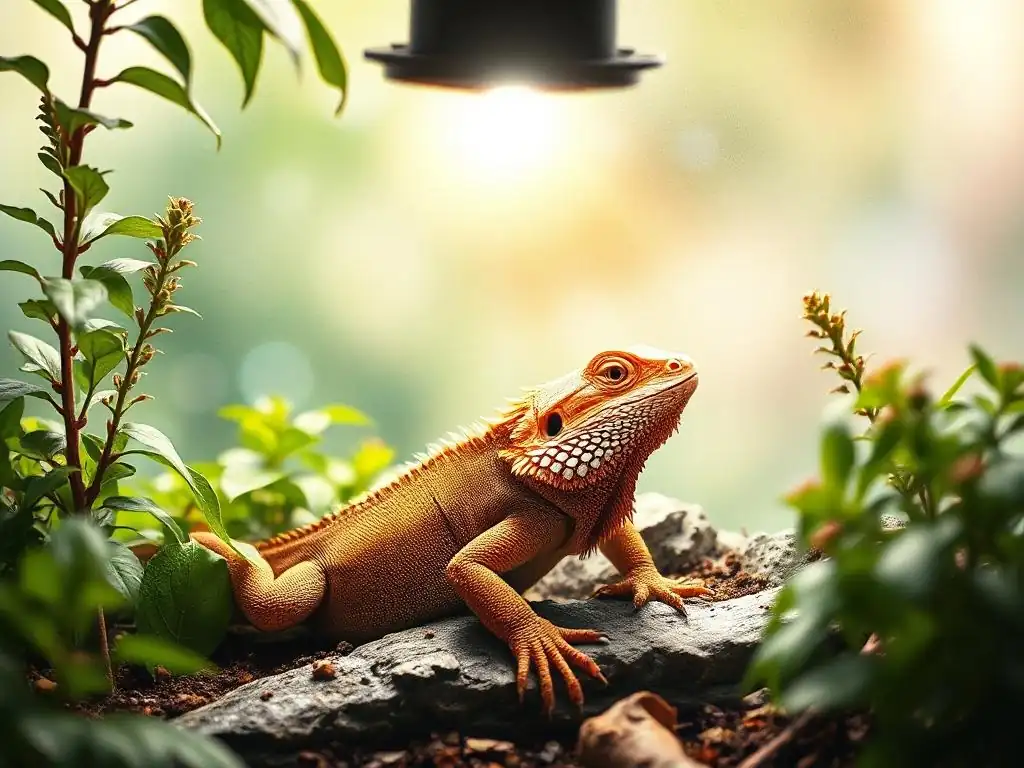
Automating your reptile's habitat offers significant advantages in maintaining a consistent and healthy environment. However, the sheer variety of available systems can be overwhelming. Choosing the right automated systems requires careful consideration of your specific reptile species, its unique needs, and your budget. Successfully automating your reptile habitat hinges on understanding the crucial parameters needing control and selecting the technology that best addresses those needs.
This involves evaluating factors beyond just cost, including ease of use, reliability, and long-term maintenance. Ignoring these factors can lead to malfunction, inconsistent environmental control, and ultimately, compromise your reptile's health and wellbeing. Let's delve into the specific components of a successful automated system.
Selecting the Best Thermostat for Your Reptile Enclosure
Temperature regulation is paramount for reptile health. A malfunctioning thermostat can lead to thermal stress, impacting appetite, digestion, immune function, and even survival. When selecting a thermostat, consider the following:
- Accuracy and Precision: Look for thermostats with a high degree of accuracy (within ±1°F or ±0.5°C) and the ability to maintain consistent temperature fluctuations. Avoid cheaper models known for inaccurate readings. The life of your reptile depends on precise temperature control.
- Type of Heating Element Compatibility: Ensure compatibility with your chosen heating element – ceramic heat emitters (CHEs), heat lamps, under-tank heaters (UTHs), etc. Different thermostats are designed for different heating systems.
- Safety Features: Opt for thermostats with features like over-temperature protection to prevent overheating and potential fire hazards. This is crucial for both the safety of your reptile and your home.
- Ease of Use and Programming: A user-friendly interface is essential, especially if you're new to automated systems. Consider the ease of setting temperature ranges, adjusting schedules, and monitoring temperature readings.
- Durability and Reliability: A high-quality thermostat will last for years. Read reviews and choose a reputable brand known for its reliability and longevity.
Choosing the right thermostat is a significant investment in your reptile's health. Don't compromise on quality to save a few dollars; the consequences could be severe. Consider the long-term cost of replacing a faulty, inexpensive thermostat versus the peace of mind a reliable one provides.
Automated Lighting Systems: Timer Switches vs. Smart Lighting Systems
Providing the correct photoperiod (light cycle) is crucial for reptile health and behavior. This includes both the duration and intensity of light exposure. Two primary options exist for automating lighting: simple timer switches and more sophisticated smart lighting systems.
| Feature | Timer Switch | Smart Lighting System |
|---|---|---|
| Cost | Low | Higher |
| Complexity | Simple to use | More complex setup and features |
| Flexibility | Limited; fixed on/off schedule | Highly customizable schedules and intensity control |
| Remote Control | No | Yes, via smartphone app or other smart devices |
| Monitoring | No real-time monitoring | Real-time monitoring and data logging |
| Advanced Features | None | Sunrise/sunset simulation, dimming capabilities |
While timer switches offer a basic level of automation, smart lighting systems provide superior control and flexibility. They allow for precise control of light intensity and duration, mimicking natural light cycles. This can be particularly beneficial for reptiles that require specific light intensities for proper vitamin D3 synthesis. The added cost of a smart system is often justified by its enhanced functionality and the potential benefits to your reptile's well-being.
Automated Feeding Dispensers: Considerations for Different Reptile Species and Sizes
Automated feeding systems can be convenient, especially for busy owners or those keeping multiple reptiles. However, the suitability of these systems varies greatly depending on the species and size of your reptile.
- Species-Specific Considerations: Some reptiles are more prone to stress than others. Introducing an automated feeder should be done gradually to minimize stress and ensure successful feeding. Certain species may require specific food delivery methods or sizes of food items, which not all dispensers can accommodate.
- Size and Type of Food: Automated feeders are typically designed for specific food sizes and types. Ensure the feeder is compatible with the size and type of food your reptile consumes. Consider the size of your reptile; a large reptile may require a dispenser that can handle larger food items.
- Reliability and Maintenance: As with any automated system, reliability is key. Regular cleaning and maintenance are essential to prevent malfunctions and ensure hygiene. A malfunctioning feeder can lead to missed feedings and negatively impact your reptile's health.
Choosing the right automated feeding system requires careful consideration of your reptile's specific needs. Always prioritize your reptile's health and well-being when selecting any automated system. Thorough research is essential to ensure the selected system aligns with your reptile's unique requirements.
Water and Misting System Selection: Automatic Drippers vs. Misting Systems
Choosing the right water and misting system is crucial for maintaining the appropriate humidity levels within your reptile's enclosure. The ideal system depends heavily on the specific needs of your reptile species. Some species thrive in arid environments, requiring minimal humidity, while others, like many tropical frogs and certain geckos, need consistently high humidity levels. Failing to provide the correct hydration can lead to serious health problems, including dehydration, respiratory infections, and shedding difficulties. Therefore, careful consideration of your reptile's needs is paramount.
Automatic drippers offer a simple and effective solution for providing a consistent water source. They deliver water drop by drop, mimicking natural rainfall in some environments. This is particularly beneficial for reptiles that require a consistent source of drinking water and prefer to lap water rather than swim. The frequency of dripping can be adjusted based on the reptile's needs and the enclosure's size.
However, automatic drippers are less effective at raising overall humidity levels in the enclosure. They are better suited for species that don't require high humidity or for supplementing humidity provided by other methods. Maintaining the dripper's cleanliness is also essential to prevent bacterial growth and ensure clean drinking water for your reptile. Regular cleaning and filter replacements are necessary to prevent disease.
Misting systems, on the other hand, are designed to increase humidity levels throughout the enclosure. These systems can range from simple manual spray bottles to sophisticated automated systems that use timed cycles and sensors to control the amount and frequency of misting. Automated misting systems are ideal for reptiles requiring high humidity levels, like many rainforest species. They can help create a more natural environment and prevent dehydration.
However, misting systems require more careful monitoring to ensure they don't over-saturate the substrate, leading to mold or bacterial growth. The frequency and duration of misting should be adjusted according to your reptile's species-specific requirements and the enclosure's ventilation. Regular cleaning and maintenance of the misting system are also crucial to prevent issues with water quality and the spread of bacteria.
Choosing between an automatic dripper and a misting system requires a thorough understanding of your reptile's needs and the capabilities of each system. Consider factors like humidity requirements, enclosure size, and the ease of maintenance when making your selection. A combination of both systems may even be necessary for some species to ensure optimal hydration and humidity levels.
Setting Up and Maintaining Your Automated Reptile Habitat

This section focuses on the practical aspects of establishing and managing an automated reptile habitat, ensuring optimal conditions for your reptile's health and wellbeing. Successfully automating your reptile's environment requires careful planning and consistent maintenance. Let's delve into the key steps and considerations. Remember, automating your reptile's habitat is about automating reptile habitat health, not just convenience.
Installing and Programming Your Automated Reptile Habitat Control Systems: Step-by-Step Guide
Setting up your automated system involves several crucial steps. First, carefully read the manufacturer's instructions for your specific equipment. This is crucial for safe and effective installation. Generic instructions can be misleading and may void warranties.
Next, strategically position sensors and actuators within the enclosure. Temperature sensors should be placed in multiple locations to account for thermal gradients typical within reptile enclosures. Humidity sensors should be similarly distributed. Avoid placing sensors directly in the path of heating elements or water sources.
The programming phase requires meticulous attention to detail. You'll need to define set points for temperature and humidity based on your reptile's species-specific needs. Consult reputable herpetological resources for accurate temperature and humidity ranges for your specific reptile. For example, a bearded dragon requires a basking spot temperature of 100-110°F (38-43°C), while the ambient temperature should be significantly lower. Failure to accurately program these values can lead to serious health problems.
Here's a sample step-by-step guide:
- Unpack and inspect all components: Verify that everything is present and undamaged.
- Securely mount sensors: Ensure that sensors are firmly attached and positioned correctly.
- Connect sensors to the control unit: Follow the manufacturer's wiring diagrams precisely.
- Program the control unit: Set the desired temperature and humidity ranges, considering diurnal and nocturnal variations.
- Test the system: Monitor readings to ensure accuracy and responsiveness.
- Observe your reptile: Monitor their behavior and adjust settings as needed.
Troubleshooting Common Issues with Automated Reptile Habitat Systems
Even with careful planning, you may encounter issues with your automated reptile habitat system. Here are some common problems and their solutions:
| Problem | Possible Cause | Solution |
|---|---|---|
| Inaccurate temperature readings | Faulty sensor, incorrect placement, interference | Replace sensor, reposition sensor, check for electromagnetic interference. |
| Fluctuating humidity levels | Malfunctioning humidifier, leaks, ventilation issues | Check humidifier, repair leaks, adjust ventilation. |
| System malfunctions | Power outage, wiring problems, software glitches | Check power supply, inspect wiring, update software or contact technical support. |
| Noisy equipment | Poorly installed equipment, worn parts | Secure equipment, replace worn parts. |
Remember, consistent monitoring is key. Regularly check the system's performance and make necessary adjustments to ensure optimal conditions for your reptile. Early detection of problems can prevent serious health issues.
Regular Maintenance for Optimal Performance: Cleaning and Calibration of Equipment
Regular maintenance is essential for the longevity and accuracy of your automated reptile habitat system. This includes both cleaning and calibration.
Cleaning should be performed regularly, depending on the equipment and the level of soiling. Sensors should be cleaned gently with a soft, dry cloth. Avoid using harsh chemicals or abrasive materials, as these can damage the sensor's delicate components. Humidifiers and other components should be cleaned according to the manufacturer's instructions. This helps prevent the buildup of harmful bacteria and mineral deposits. Neglecting cleaning can lead to inaccurate readings and equipment malfunction. Think of it as preventative maintenance for automating reptile habitat health.
Calibration is equally important. Sensors drift over time, leading to inaccuracies. Regular calibration, using a reliable thermometer and hygrometer, ensures that your system maintains the correct environmental parameters. The frequency of calibration depends on the equipment and its usage. Many high-quality systems will offer self-calibration features. However, regular manual checks are always recommended for accuracy and peace of mind. This ensures the long-term effectiveness of your automated system and the continued health of your reptile. Ignoring calibration can lead to significant inaccuracies, potentially endangering your reptile's health.
Monitoring Your Reptile's Health with Automated Systems: Data Logging and Alerts
Automated systems offer a significant advantage in reptile care by providing continuous monitoring and data logging capabilities. This goes beyond simply maintaining temperature and humidity; it allows for proactive health management. Imagine receiving an alert on your phone if your bearded dragon's basking spot temperature drops unexpectedly, or if the humidity in your corn snake's enclosure falls outside the ideal range.
This early warning system can prevent health issues before they become serious problems. These systems often include sensors that monitor various parameters, such as temperature, humidity, lighting cycles, and even water level in automated water dispensers. The data collected is typically logged digitally, providing a comprehensive record of your reptile's environment over time.
This data history is invaluable for identifying patterns, spotting potential problems, and making informed decisions about your reptile's care. For example, a gradual decrease in humidity over several days might indicate a problem with your humidity system, allowing you to address it before it negatively impacts your reptile's health.
Furthermore, the ability to set custom alerts is crucial. You can program the system to notify you if any parameter deviates from the pre-set optimal range. This could include receiving a text message, email, or a notification on a dedicated app. The level of detail in these alerts can vary depending on the system; some may only indicate that a parameter is outside the acceptable range, while others provide precise measurements and timestamps.
The frequency of these alerts is also customizable, allowing you to balance the need for timely warnings with the avoidance of excessive notifications. This personalized approach ensures that the automation system works effectively for your specific needs and the unique requirements of your reptile. For instance, you might set more frequent alerts during shedding season for a snake, recognizing the increased sensitivity to environmental changes during this period.
This proactive approach to monitoring significantly reduces the risk of health problems and contributes to a healthier and happier reptile. The detailed data logs also provide valuable insights for veterinarians, allowing for a more informed diagnosis and treatment plan should any health issues arise. This data-driven approach to reptile care is a significant leap forward in responsible pet ownership.
Advanced Automation for Reptile Keepers: Smart Home Integration
This section delves into the sophisticated possibilities of integrating smart home technology with your reptile habitat control systems, pushing the boundaries of automated reptile care beyond simple timers and basic controllers. By leveraging the power of smart home hubs and their associated devices, reptile keepers can achieve unprecedented levels of control and monitoring, leading to a healthier and happier reptile companion. This approach allows for seamless integration with other aspects of your smart home, streamlining your daily routine and providing peace of mind.
The benefits extend beyond convenience; proactive monitoring enables early detection of potential problems, preventing minor issues from escalating into significant health concerns. This proactive approach is key to automating reptile habitat health.
Integrating Smart Home Technology with Reptile Habitat Control Systems
Integrating smart home technology with your reptile habitat control systems offers a range of advantages. For example, consider using a popular smart home hub like [Specific Smart Home Hub Name Pending] to coordinate various smart devices responsible for maintaining your reptile's environment. This allows for centralized control and automation, simplifying complex systems.
Imagine a scenario where your reptile's basking lamp malfunctions. A traditional setup might leave you unaware until you physically check the enclosure, potentially resulting in a dangerous drop in temperature. However, with smart home integration, a smart plug connected to the lamp can send you an alert via your smartphone if the lamp fails to switch on as scheduled, or if the temperature drops below a pre-set threshold. This proactive notification allows for immediate intervention, preventing potential harm to your reptile.
Furthermore, integrating your reptile habitat system into your smart home routine allows you to control various aspects of the environment using voice commands. For instance, you can ask your smart assistant to adjust the humidity level or turn on the UVB light without lifting a finger. This seamless integration ensures a convenient and efficient management of your reptile's habitat, even when you're away from home. This capability is a significant step forward in automating reptile habitat health.
Remote Monitoring and Control of Reptile Habitats Using Smart Devices
Remote monitoring and control capabilities are a game-changer for reptile keepers, particularly those who travel frequently or maintain multiple reptile enclosures. Smart devices, paired with appropriate sensors and controllers, allow you to monitor and adjust your reptile's environment from anywhere with an internet connection. This real-time access to critical data ensures that your reptile's needs are consistently met, regardless of your physical location.
For example, a smart thermostat connected to a temperature sensor inside the enclosure can send real-time temperature readings to your smartphone. If the temperature deviates from the set range, you'll receive an immediate alert. Furthermore, you can use a smart app to remotely adjust the heating or cooling system, ensuring that your reptile's environment remains within its optimal parameters. This functionality is crucial for automating reptile habitat health and ensuring consistent well-being, even when you're away.
The ability to remotely monitor multiple enclosures simultaneously is another major advantage. This feature is particularly beneficial for keepers managing several reptiles with varying environmental requirements. A centralized dashboard on your smartphone can provide a comprehensive overview of all your reptile habitats, allowing you to identify and address potential issues promptly. This level of control significantly reduces the risk of environmental fluctuations that can negatively impact reptile health.
Utilizing Smart Sensors for Real-Time Data on Temperature, Humidity, and Lighting
Smart sensors are the backbone of any effective automated reptile habitat control system. These sensors provide real-time data on crucial environmental parameters, enabling accurate monitoring and precise adjustments. The data collected by these sensors can be used to fine-tune your reptile's environment, ensuring it remains within the optimal range for its species. This precision is vital for the long-term health and wellbeing of your reptile.
Consider the use of a digital hygrometer and thermometer combined with a smart sensor. This setup provides accurate and continuous readings of temperature and humidity levels within the enclosure. The data is then transmitted wirelessly to a central hub or directly to your smartphone, allowing for real-time monitoring. If the humidity falls below the desired level, for example, a smart humidifier can automatically switch on to restore the optimal conditions.
Similarly, smart light sensors can monitor the intensity and duration of UVB and heat lamps. This ensures that your reptile receives the appropriate amount of light exposure throughout the day, supporting its physiological needs. This level of precision is crucial for automating reptile habitat health and maintaining a healthy, thriving environment for your reptile companion. The integration of these smart sensors provides a far more accurate and responsive system than traditional manual monitoring. This capability is paramount for successful and responsible reptile keeping.
Predictive Maintenance and Alerts Using AI-Powered Reptile Habitat Management Systems
AI-powered systems represent a significant leap forward in automating reptile habitat health. These systems go beyond simple on/off controls; they leverage machine learning algorithms to analyze data from various sensors within the habitat, predicting potential problems before they arise. Imagine a system that monitors temperature fluctuations, humidity levels, and even the activity patterns of your reptile. By analyzing this data over time, the AI can identify subtle trends indicative of malfunctioning equipment or a change in your reptile's health.
For example, a gradual decrease in basking spot temperature might indicate a failing heating element, allowing for preemptive replacement before it impacts your reptile's thermoregulation. Similarly, a sudden drop in humidity could signal a leak in the water system, preventing potential dehydration or respiratory issues. The AI doesn't just detect these anomalies; it sends you timely alerts, often via a smartphone app, allowing for immediate intervention.
This proactive approach significantly reduces the risk of health problems and ensures a consistently healthy environment for your reptile. The specific alerts can be customized, allowing you to prioritize certain parameters based on the needs of your specific species and individual animal. Some systems even offer different alert levels—from warnings to critical alerts—allowing you to tailor your response to the severity of the potential issue.
Furthermore, these AI-powered systems can learn and adapt over time. The more data they collect, the more accurate their predictions become. This means that the system's ability to anticipate and prevent problems improves with each passing day, leading to a more reliable and efficient habitat management system. This predictive capability is particularly beneficial for reptile keepers who may not be able to constantly monitor their habitats, such as those who work long hours or travel frequently.
The peace of mind offered by knowing that a sophisticated system is constantly monitoring and protecting your reptile's well-being is invaluable. The integration of AI into reptile habitat management is undoubtedly a game-changer, offering an unprecedented level of control and safety for your scaled companions. The future of reptile keeping is undeniably smart, predictive, and proactive, thanks to the advancements in AI-powered technology.
Case Studies: Successful Automated Reptile Habitat Setups
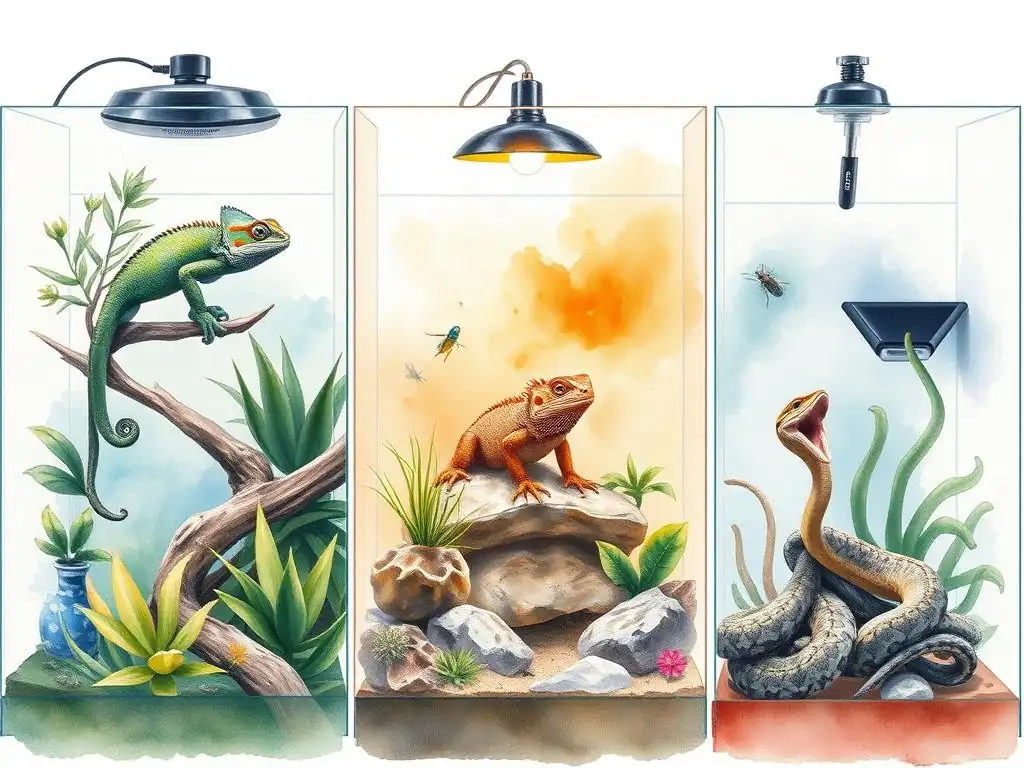
This section showcases real-world examples of automated reptile habitats, highlighting the benefits and demonstrating how automation improves reptile health and well-being. These case studies illustrate the practical application of automated systems and demonstrate how to achieve optimal environmental control for various species. Successfully automating reptile habitat health requires careful planning and execution, and these examples provide valuable insights for aspiring reptile keepers.
Successful Automated Bearded Dragon Habitat Setup
One successful example involves a custom-built enclosure for an adult bearded dragon. The system utilizes a microcontroller (e.g., Arduino) to manage temperature, humidity, and lighting. Temperature is controlled via two separate heat sources: a ceramic heat emitter (CHE) for basking and an under-tank heater (UTH) for maintaining a thermal gradient. The microcontroller monitors temperature using multiple probes placed strategically within the enclosure, ensuring accurate readings across the habitat. If the temperature deviates from the pre-set parameters (e.g., basking spot 100-105°F, cool side 80-85°F), the CHE and UTH automatically adjust their output.
Humidity is managed using a misting system activated by a humidity sensor. The system is programmed to mist the enclosure for short intervals throughout the day, maintaining optimal humidity levels (around 30-40%). This automated misting helps prevent respiratory issues common in bearded dragons, particularly in dry environments. Lighting is controlled via timers and photoreceptors, mimicking natural daylight cycles.
This includes a UV bulb essential for bearded dragon health, with the system ensuring it's turned on and off at specific times. Regular maintenance involves checking the sensors, cleaning the misting system nozzles, and replacing bulbs as needed. This automated setup has consistently maintained a stable and healthy environment for the bearded dragon, reducing the need for constant manual adjustments and significantly minimizing the risk of environmental fluctuations.
Successful Automated Leopard Gecko Habitat Setup
A different approach was taken for an automated leopard gecko habitat. Leopard geckos require a simpler setup compared to bearded dragons, needing less intense heating and lighting. For this setup, a commercially available smart thermostat with temperature and humidity control was used, simplifying the process considerably.
The smart thermostat, connected to a heat mat and a small humidifier, maintains the ideal temperature range (75-85°F) and humidity (30-40%). The system also incorporates a timer for a low-wattage night light, providing minimal illumination without affecting the gecko’s nocturnal behavior. The smart thermostat allows for remote monitoring and adjustments via a smartphone app, offering convenience and peace of mind.
This setup significantly reduces the risk of overheating or dehydration, crucial factors in leopard gecko health. Data logging features within the smart thermostat provide a valuable record of environmental conditions over time, allowing for continuous monitoring and adjustments as needed. The simplicity of this automated system makes it an ideal choice for beginners or those seeking a less complex setup.
Advanced Automated Setup for Multiple Reptile Species
For keepers of multiple reptile species with varying needs, a more advanced, modular system is often required. This might involve a central control unit (e.g., a Raspberry Pi with custom software) managing multiple sensors and actuators for separate enclosures. Each enclosure would have its own dedicated temperature, humidity, and lighting control based on the specific requirements of the inhabiting species.
This approach allows for precise control of each habitat while offering the advantage of centralized monitoring and management. The system could incorporate additional features like automated feeding systems, water dispensers, and even cameras for remote observation. Such a system requires advanced technical skills and careful programming, but it offers unparalleled control and flexibility for managing a complex multi-species reptile collection.
Data analysis tools can be integrated to provide insights into environmental trends and potential issues, further enhancing the efficiency and effectiveness of reptile care. This level of automation represents a significant step towards optimizing reptile health and wellbeing, minimizing human intervention while maximizing environmental stability.
The Future of Automated Reptile Habitat Control: Emerging Technologies
The field of automated reptile habitat control is rapidly evolving, driven by advancements in technology and a growing understanding of reptile physiology and needs. We're moving beyond simple temperature and humidity controllers to sophisticated systems capable of monitoring and adjusting a multitude of environmental factors, all with the goal of automating reptile habitat health. This section explores some of the most promising emerging technologies shaping the future of reptile care.
The integration of these technologies promises a significant improvement in the overall health and wellbeing of captive reptiles. This is particularly crucial for species with highly specific environmental requirements, ensuring their needs are consistently met, regardless of external factors or human oversight. The potential for minimizing human error and proactively addressing potential health issues is a significant step forward in responsible reptile keeping.
AI-Powered Reptile Health Monitoring and Predictive Analytics
Artificial intelligence (AI) is poised to revolutionize reptile care. AI-powered systems can analyze data from various sensors within the habitat (temperature, humidity, light cycles, etc.) and identify subtle deviations from optimal conditions before they escalate into significant problems.
Imagine a system that not only monitors temperature but also analyzes the rate of temperature change, flagging potential issues like malfunctioning heating elements before they lead to thermal stress in your reptile. Furthermore, advanced AI algorithms can learn the individual needs of specific reptiles, adapting the automated control system accordingly. This personalized approach is crucial, considering the wide variation in tolerances between different species and even individual animals.
Predictive analytics is another exciting application of AI. By analyzing historical data, AI can predict potential health problems based on environmental factors. For example, a system might predict an increased risk of respiratory infection based on a sustained period of high humidity and low temperature. This proactive approach allows keepers to intervene early, potentially preventing serious illness.
The development of AI-powered diagnostic tools based on visual analysis of reptile behavior from camera feeds is also a promising area of research, offering another layer of automated health monitoring. This could lead to early detection of signs of illness or stress, allowing for swift intervention and improved outcomes. This move toward predictive and proactive care is a key aspect of automating reptile habitat health.
Integration with Veterinary Telemedicine Platforms
The integration of automated reptile habitat control systems with veterinary telemedicine platforms represents a significant advancement in reptile healthcare. Imagine a system that automatically alerts your veterinarian when a critical parameter, such as temperature or humidity, falls outside the acceptable range for your reptile. This immediate notification allows for faster intervention and potentially avoids the need for an emergency visit.
Data collected by the automated system can also be seamlessly transmitted to your veterinarian, providing valuable insights into your reptile's environment and helping them make more informed diagnoses and treatment plans. This integration streamlines communication and collaboration between reptile keepers and veterinary professionals, ultimately leading to improved reptile health management. The potential for remote monitoring and diagnosis is a game-changer in accessing specialized care, particularly for exotic reptile species requiring specialized veterinary expertise.
The Role of IoT in Enhancing Reptile Care and Wellbeing
The Internet of Things (IoT) plays a crucial role in automating reptile habitat health. IoT allows for the connection of multiple smart devices within the habitat – temperature and humidity sensors, lighting systems, automated feeders, and even water quality monitors – all communicating and coordinating through a central hub. This interconnectedness allows for the creation of a truly integrated and automated system that manages all aspects of the reptile's environment.
The ability to monitor and control these parameters remotely via a smartphone app provides unprecedented convenience and flexibility for reptile keepers. Data logging capabilities further enhance the system's utility, allowing keepers to track environmental parameters over time and identify trends that may indicate potential problems.
The seamless integration of various IoT devices provides a holistic approach to reptile care, maximizing efficiency and minimizing the risk of environmental inconsistencies. This comprehensive approach significantly contributes to automating reptile habitat health and improving the overall wellbeing of captive reptiles.
Frequently Asked Questions
What are the benefits of automating my reptile habitat?
Automating your reptile habitat offers several key benefits, including consistent temperature and humidity levels, crucial for reptile health. It also frees up your time and reduces the risk of human error in maintaining ideal conditions. This leads to a healthier and happier reptile.
What systems can I automate in my reptile habitat?
You can automate several aspects, including temperature control using thermostats and heating elements, humidity control with humidifiers and misting systems, and even lighting schedules to mimic natural day/night cycles. Consider automated feeding systems for certain reptiles.
Is habitat automation expensive?
The cost varies greatly depending on the complexity of your setup and the size of your reptile. Simple systems like thermostats are relatively inexpensive, while more advanced systems can be more costly. However, the long-term benefits often outweigh the initial investment.
How do I choose the right automation system for my reptile?
The best system depends on your reptile's specific needs and your budget. Research your reptile's ideal temperature and humidity ranges, and choose systems that can accurately maintain those levels. Consider the size and complexity of your habitat when making your selection.
What are the potential risks of automating my reptile habitat?
While automation offers many benefits, it's crucial to have backup systems in place in case of power outages or equipment malfunctions. Regularly monitor your equipment and ensure everything is functioning correctly to prevent any issues. Improper setup can also lead to problems, so thorough research and understanding are key.
Final Reflection: The Future of Reptile Care is Automated
The automated management of reptile habitats is no longer a futuristic fantasy; it's a crucial step towards ensuring the consistent health and wellbeing of these fascinating creatures. The advancements discussed throughout this article demonstrate a clear shift towards proactive, data-driven reptile care, moving beyond the limitations of traditional methods. This isn't just about convenience; it's about significantly improving the lives of captive reptiles worldwide.
The impact of automation on reptile husbandry is profound and far-reaching. It allows for a level of precision and consistency previously unattainable, minimizing human error and maximizing the chances of a reptile thriving in captivity. This shift reflects a growing awareness of animal welfare and a commitment to providing optimal living conditions. The greatest threat to our planet is the belief that someone else will save it.
– Robert Swan. This quote reminds us that the responsibility for improving reptile welfare rests with each of us, and automation provides a powerful tool in that endeavor.
Consider the implications of this technology for your own reptile keeping practices. Are there areas where automation could improve the health and happiness of your scaled companions? Perhaps it's investing in a smart thermostat, implementing automated feeding systems, or exploring the potential of sophisticated monitoring devices. Take the time to reflect on how you can integrate these advancements into your own care routine, and join the movement towards a future where every reptile receives the care it deserves.
Unlock Your Reptile's Thriving Habitat
Thanks for exploring the world of reptile habitat automation with us! You've learned how to create a healthier, more consistent environment for your reptile. Now let's put that knowledge into practice.
- Prioritize one automation upgrade this week: Focus on a single improvement that directly addresses a current challenge in your reptile's enclosure. This could be a smart thermostat for precise temperature control, an automated lighting system to mimic natural day-night cycles, or even a simple timer for regular misting.
- Share your progress: Tell us (and other reptile keepers!) about your chosen upgrade and your initial observations in the comments below. Let's build a supportive community!
- Continue learning: Research additional automation options tailored to your specific reptile species and its unique needs. Even small improvements can significantly enhance your reptile's well-being.
Ready to transform your reptile's habitat into a thriving ecosystem? What's the first upgrade you'll implement?