
Therapy Dog Training: How to Manage Stress and Maintain Calmness


Welcome to PetCareWorld, your ultimate guide to a happier, healthier life for your beloved companion! Are you ready to unlock the secrets to raising a well-adjusted and exceptionally calm canine companion? Discover the transformative power of calm therapy dog training and learn how to nurture a peaceful and stress-free bond with your furry friend. Dive in and explore our expert advice—your journey to a calmer, more connected relationship starts here.
- Understanding the Foundation of Calm Therapy Dog Training
- Essential Training Techniques for a Calm Therapy Dog
- Managing Stress During Therapy Dog Training
- Maintaining Calmness in Real-World Therapy Dog Situations
- The Role of the Handler in Promoting Calmness
- Resources and Further Learning for Calm Therapy Dog Training
- Frequently Asked Questions
- Final Reflection: Cultivating Calm: The Ripple Effect of Therapy Dog Training
- Unleash Your Dog's Calming Power: Start Your Training Journey Today!
Understanding the Foundation of Calm Therapy Dog Training
Therapy dogs provide invaluable emotional support, reducing stress and anxiety in diverse settings like hospitals, schools, and nursing homes. However, the effectiveness of a therapy dog hinges entirely on its temperament and training. This article delves into the crucial aspects of calm therapy dog training, focusing on techniques to manage stress and foster a consistently calm demeanor in your canine companion.
We'll explore the essential characteristics of an ideal therapy dog, methods for identifying stress signals, and the importance of early socialization in shaping a well-adjusted and emotionally stable animal. This comprehensive guide will equip you with the knowledge and strategies necessary to cultivate a truly effective and reassuring therapy dog. The goal is to help you understand how to train a dog to be calm, patient, and reliable in various environments, ultimately enhancing their ability to provide comfort and support to those in need.
Achieving this requires a deep understanding of canine behavior and a commitment to consistent, positive reinforcement training. Let's embark on this journey to create a truly exceptional therapy dog.
Defining the Ideal Temperament for Therapy Dogs
The foundation of successful calm therapy dog training lies in selecting a dog with the right temperament. Not all dogs are suited for therapy work. An ideal candidate exhibits several key traits: a naturally calm and patient disposition, a low prey drive (minimizing the risk of chasing or reacting aggressively to small animals or children), high tolerance for handling and petting, and a positive and friendly attitude towards strangers.
They should also demonstrate self-control and the ability to remain calm even in distracting or potentially stressful environments. Consider breeds known for their gentle nature and even temperaments, but remember that individual personalities vary within breeds. Avoid dogs with a history of aggression or fear-based reactivity.
Careful observation and assessment are critical in identifying a dog with the appropriate temperament to thrive in a therapy role. A poorly suited dog, no matter how well-trained, will struggle to perform effectively and could even pose a safety risk.
Identifying Stress Cues in Your Therapy Dog Prospect
Before embarking on formal training, it's crucial to learn how to recognize stress signals in your potential therapy dog. These cues can be subtle but are crucial for understanding your dog's emotional state and adjusting your training methods accordingly. Common stress indicators include:
- Yawning: Excessive yawning, even without apparent sleepiness, can indicate stress or anxiety.
- Lip Licking: Repeated lip licking is often a sign of discomfort or apprehension.
- Whale Eye: Showing the whites of their eyes is a clear sign of anxiety or fear.
- Panting: Excessive panting in non-exertion situations can signal stress.
- Tail Tucking: A tucked tail often indicates fear or submission.
- Stiff Body Posture: A rigid body, tense muscles, and a stiff gait can all indicate stress.
- Avoidance: Attempting to move away from a situation or person is a clear sign of discomfort.
Understanding these subtle cues is vital for preventing escalation of stress and ensuring your training methods are supportive and appropriate. Observe your dog carefully in various situations and learn to interpret their body language. This knowledge will greatly enhance your ability to create a calm and positive training experience.
Early socialization is paramount in developing a calm and well-adjusted therapy dog. Exposure to a wide variety of sights, sounds, people, and situations from a young age helps dogs develop resilience and confidence. This crucial period, typically between 8 and 16 weeks of age, shapes a dog's future behavior and response to novel experiences.
Positive and controlled exposure to different environments – parks, pet stores, public transportation (if appropriate and safe) – is essential. Ensure these experiences are positive and rewarding, avoiding any situations that could lead to fear or negative associations. This proactive approach builds a foundation of confidence and adaptability, making your dog more likely to remain calm in diverse environments later in life.
The investment in early socialization significantly reduces the likelihood of developing anxiety or fear-based behaviors, paving the way for a confident and successful therapy dog career. Remember, a well-socialized dog is a more effective and reliable therapy animal.
Essential Training Techniques for a Calm Therapy Dog
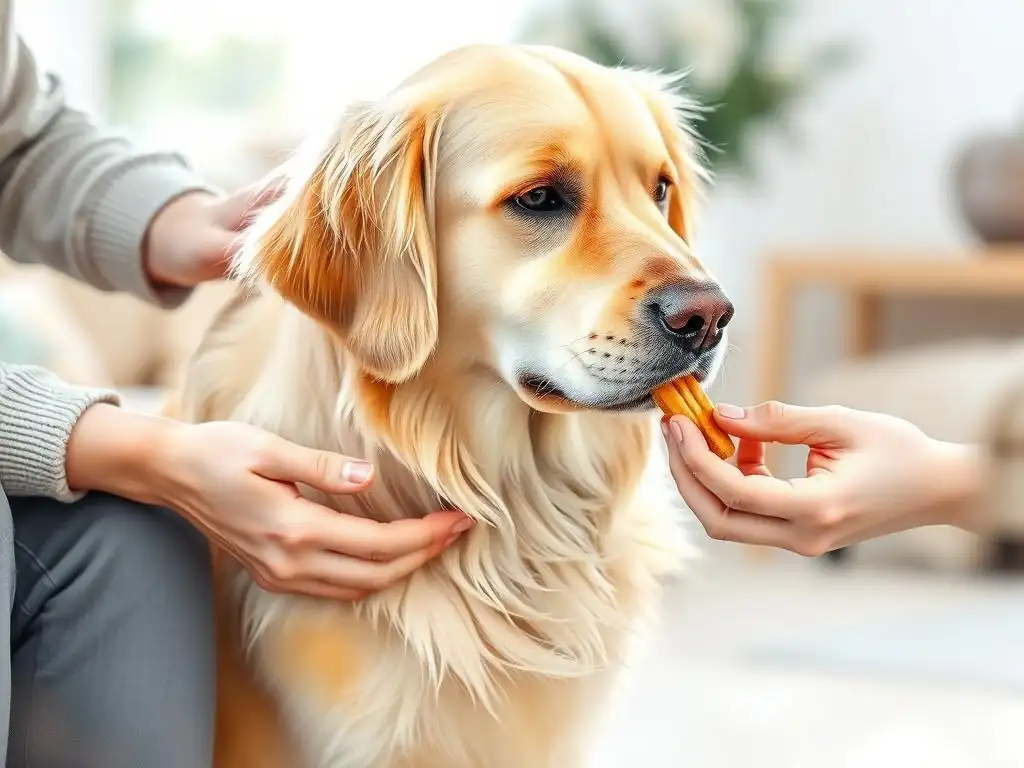
This section delves into the core training methods crucial for developing a calm and well-behaved therapy dog. Remember, the goal isn't just obedience, but a dog capable of navigating stressful environments with composure and self-control. This requires a multifaceted approach focusing on building emotional resilience and self-regulation skills. Consistent, patient training is key to achieving a truly therapeutic canine companion.
The emphasis should always be on positive reinforcement and building a strong, trusting relationship with your dog. This foundation is essential for success in all subsequent training stages. The techniques outlined below are designed to help you achieve this goal, fostering a calm and reliable therapy dog.
Positive Reinforcement Methods for Stress Management
Positive reinforcement is the cornerstone of calm therapy dog training. Instead of punishing unwanted behaviors, we focus on rewarding desired actions. This creates a positive association with calmness and self-control. For example, if your dog remains calm during a loud noise, immediately reward them with a high-value treat and praise. This reinforces the behavior you want to see repeated.
Consistency is key; even subtle signs of calmness should be rewarded. Consider using a clicker for precise timing of reinforcement. The clicker signals the exact moment the desired behavior occurred, followed immediately by the reward. This creates a strong association between the action and the positive reinforcement.
To effectively utilize positive reinforcement for stress management, it's essential to identify your dog's stress triggers. This might involve observing their reactions in various situations – crowded places, loud noises, unfamiliar people. Once identified, gradually introduce these triggers at a low intensity, rewarding calm behavior throughout. Slowly increase the intensity as your dog demonstrates consistent calmness.
This process, known as desensitization, helps your dog learn to associate these previously stressful stimuli with positive experiences. Remember to always prioritize your dog's comfort and avoid overwhelming them. The gradual approach is crucial for success and builds confidence in your dog. Data suggests that dogs trained with positive reinforcement methods exhibit lower stress levels and greater emotional stability compared to those trained with aversive methods.
Counter-Conditioning and Desensitization for Anxiety Reduction
Counter-conditioning pairs a previously aversive stimulus (a trigger causing anxiety) with a positive experience, changing the dog's emotional response. For instance, if your dog fears thunderstorms, you might initially pair the sound of distant thunder (at a low volume) with a high-value treat and a calm, reassuring voice. Gradually increase the volume and intensity of the thunder sound, continuing to reward calm behavior. This process gradually replaces the negative association with a positive one.
Desensitization involves gradually exposing your dog to the anxiety-provoking stimulus at a level that doesn't trigger a fearful response. This slow, controlled exposure helps them adapt and reduces their anxiety over time. For example, if your dog is nervous around children, start by having them interact with a child from a distance, rewarding calm behavior. Slowly decrease the distance as your dog demonstrates increasing comfort.
Careful observation is critical; if your dog shows signs of distress, immediately reduce the intensity of the stimulus and resume rewarding calm behavior. This iterative process is crucial for successful counter-conditioning and desensitization. Monitoring your dog's body language—relaxed posture, soft eyes, slow tail wags—indicates success in anxiety reduction.
Impulse Control Exercises: Building Self-Regulation Skills
Impulse control is crucial for a well-behaved therapy dog. Exercises that encourage self-control build self-regulation skills, leading to a calmer, more focused animal. "Leave it" is a fundamental exercise. Place a treat on the floor and say "leave it." If your dog doesn't touch it, reward them immediately. Gradually increase the difficulty by placing more tempting items within reach. Similarly, "stay" exercises, starting with short durations and gradually increasing the time, build patience and self-control. These exercises teach your dog to inhibit impulsive behaviors and wait for cues, leading to improved self-regulation in various environments.
Another valuable exercise involves teaching your dog to "wait" before eating. Place their food bowl down, but don't let them eat immediately. Give the command "wait," and only allow them to eat after a brief pause. Gradually increase the wait time.
These exercises aren't just about obedience; they cultivate self-control, which is a key component of a calm and well-adjusted therapy dog. The ability to delay gratification translates to improved behavior in potentially stressful situations, fostering a more relaxed and confident demeanor. Regular practice of these exercises, combined with positive reinforcement, significantly contributes to the development of a calm and reliable therapy dog, ready to provide comfort and support.
Training for Specific Therapy Dog Scenarios (e.g., Hospital Visits, Nursing Homes)
Training a therapy dog requires preparing them for a variety of situations and environments. Simply having a calm temperament at home isn't enough; they need to maintain composure in potentially stressful settings like hospitals, nursing homes, schools, and libraries. This specialized training focuses on desensitization and counter-conditioning to ensure the dog remains calm and approachable in these unique contexts.
One crucial aspect is habituation to medical equipment and environments. This involves gradually exposing the dog to sights and sounds associated with hospitals, such as wheelchairs, medical carts, beeping machines, and the general hustle and bustle. Start with low-intensity exposure, perhaps by playing recordings of hospital sounds at a low volume while rewarding calm behavior with treats and praise.
Gradually increase the intensity and proximity of the stimuli as the dog shows comfort and relaxation. Remember to always monitor the dog's body language carefully; signs of stress like panting, yawning, lip licking, or tucked tail indicate a need to slow down the process and reduce the intensity of the stimulus.
Another vital skill is managing interactions with diverse populations. Therapy dogs encounter individuals of all ages, abilities, and health conditions. Some may be frail, ill, or have disabilities. Training should emphasize gentle interactions, avoiding jumping or excessive excitement, even with enthusiastic individuals.
It's essential to teach the dog to accept gentle petting and handling from different people, including those who might be unsteady or require assistance. This often involves controlled interactions with volunteers of varying ages and physical capabilities, practicing calm greetings and gentle acceptance of touch. Positive reinforcement, using treats and praise for calm behavior, is crucial throughout this process.
Furthermore, handling unexpected events is paramount. A therapy dog should remain calm even if startled by sudden noises, unexpected movements, or even crying or distressed individuals. This requires extensive desensitization and counter-conditioning to various potential disruptions.
For example, you might simulate a sudden loud noise (like a dropped object or a clap) and immediately reward the dog for remaining calm. Similarly, practicing interactions with individuals simulating different levels of distress can prepare the dog for unpredictable scenarios. The goal is to build resilience and a calm response to unexpected occurrences, ensuring the dog remains a comfort rather than a source of further anxiety.
Finally, teaching the "leave it" command is incredibly important. This command helps prevent the dog from interacting with potentially hazardous objects or people who may not want to be approached. Consistent and repeated training is vital to ensure the dog reliably responds to this command in various settings.
This command is particularly crucial in hospital and nursing home settings, where there might be medication, medical equipment, or patients who require space and quiet. Mastering the "leave it" command is an essential component of responsible and safe therapy dog work. The ability to maintain calmness and follow commands in these environments is key to a successful and safe therapy dog career.
Managing Stress During Therapy Dog Training
Therapy dog training requires a calm and confident canine companion. However, the training process itself, with its novel environments and demands, can be stressful for dogs. Successfully navigating this requires proactive stress management, ensuring your dog remains relaxed and receptive to learning. Ignoring your dog's stress levels can lead to behavioral issues, hindering progress and potentially jeopardizing their therapy work. This section focuses on practical strategies for identifying and mitigating stress in your therapy dog during training. Remember, a calm dog is a successful therapy dog.
Recognizing Signs of Overwhelm in Your Dog
Identifying stress in your dog is crucial for effective calm therapy dog training. Subtle cues often precede overt anxiety. Learn to recognize these early warning signs to prevent escalation. Common indicators include:
- Changes in Body Language: A tucked tail, lowered head, yawning (even without apparent drowsiness), lip licking, whale eye (showing the whites of their eyes), and pinned ears are all potential signs of stress. Observe their posture; a tense, rigid body often signals discomfort.
- Changes in Behavior: Excessive panting, pacing, shaking, or changes in appetite (either increased or decreased) can indicate stress. Some dogs may become withdrawn or excessively clingy.
- Vocalizations: Whining, whimpering, or barking, especially if unusual for your dog, may signify distress. Pay attention to the context of the vocalization.
- Elimination Changes: Sudden accidents, even in house-trained dogs, can be a stress response.
It's vital to differentiate between normal excitement and stress. While both might involve panting, a stressed dog's panting will often be accompanied by other stress indicators listed above. Keep a detailed training journal, noting your dog's behavior and responses to different training stimuli. This will help you identify patterns and triggers. This detailed record is invaluable for identifying subtle changes and adapting your training approach accordingly. Remember, early intervention is key to maintaining a calm and productive training environment.
Implementing Relaxation Techniques for Your Dog (e.g., Massage, Deep Breathing Exercises)
Beyond recognizing signs of stress, proactively implementing relaxation techniques is essential for calm therapy dog training. These techniques help your dog develop coping mechanisms, reducing their overall stress levels and improving their resilience. Consider these methods:
- Massage: Gentle massage can significantly reduce muscle tension and promote relaxation. Focus on areas like the neck, shoulders, and back, using slow, stroking movements. Positive reinforcement, such as soft praise, enhances the calming effect. Consult a professional dog masseuse for guidance if needed.
- Deep Breathing Exercises: While dogs can't consciously perform deep breathing exercises like humans, you can encourage relaxed breathing through gentle handling and calming activities. A quiet, calm environment, combined with a slow, rhythmic stroking, can encourage slower, deeper breaths.
- Ttouch: This technique uses specific gentle touch patterns to calm and soothe dogs. It requires specialized training, but it can be highly effective in reducing anxiety and improving overall well-being.
- Acupressure: Similar to massage, acupressure targets specific pressure points believed to relieve stress and promote relaxation. Again, consulting a professional experienced in canine acupressure is recommended.
Remember, consistency is key. Regularly incorporating these relaxation techniques into your dog's routine, even outside of training sessions, helps them develop a sense of calm and security. This builds their resilience against stress during training and enhances their ability to perform their therapy work effectively.
Creating a Calming Environment for Training Sessions
The training environment significantly impacts your dog's stress levels. A calm and predictable setting is crucial for successful calm therapy dog training. Consider these steps:
- Location: Choose a quiet, distraction-free location for training. Avoid busy areas or places with loud noises. A familiar, comfortable space will reduce your dog's anxiety.
- Sensory Input: Minimize overwhelming sensory input. Reduce bright lights, loud sounds, and strong smells that might overstimulate your dog.
- Positive Reinforcement: Focus exclusively on positive reinforcement methods. Avoid punishment or harsh corrections, which can increase stress and fear. Reward calm behavior consistently.
- Breaks: Incorporate frequent short breaks into training sessions. Allow your dog time to rest and de-stress before continuing. Recognize their limitations and adjust the session length based on their energy levels. A tired or stressed dog will not learn effectively.
- Predictability: Maintain a consistent training routine. Predictability helps dogs feel secure and reduces anxiety.
By implementing these strategies, you can create a positive and supportive training environment that prioritizes your dog's well-being. Remember, a relaxed and confident dog is better equipped to handle the demands of therapy work, and a calm training environment is the foundation for success.
Adjusting Training Intensity Based on Your Dog's Emotional State
Successfully training a calm therapy dog hinges on carefully monitoring and responding to your canine companion's emotional state. Pushing a stressed or overwhelmed dog will likely backfire, leading to frustration for both you and your pet, and potentially hindering their progress towards becoming a reliable therapy animal. Instead, a nuanced approach that prioritizes your dog's well-being is essential for effective, calm therapy dog training.
One key aspect is recognizing the subtle signs of stress in your dog. These can manifest in various ways, from subtle changes in body language – such as tucked tail, lowered head, yawning, lip licking – to more overt behaviors like excessive panting, pacing, or even aggression. Learning to identify these cues is paramount.
Consider keeping a training journal to record your dog's responses during each session, noting any signs of stress or anxiety. This detailed record can help you identify patterns and adjust your training accordingly. For example, if you notice your dog consistently exhibiting stress during a particular exercise, such as prolonged stays in a "down" position, you might need to shorten the duration of that exercise or introduce more frequent breaks.
Adjusting training intensity involves more than just shortening sessions. It also means modifying the difficulty of the exercises themselves. If your dog seems overwhelmed by a complex command, break it down into smaller, more manageable steps. Instead of expecting immediate mastery of a complex trick, focus on rewarding even small increments of progress. Positive reinforcement, such as treats, praise, and petting, is crucial here. Remember, the goal is to build confidence and positive associations with training, not to create a stressful experience.
Furthermore, consider the overall environment. A busy, noisy training location can exacerbate stress in dogs, especially those sensitive to stimuli. Opt for quieter, less distracting environments, particularly during the initial stages of training. Gradually introduce more stimulating environments as your dog's confidence and calmness improve. This gradual desensitization helps build resilience and reduces the likelihood of stress responses in challenging situations. Remember, a calm and relaxed dog is more receptive to learning and will ultimately be a more effective therapy dog. Patience and understanding are your greatest assets in this process. 🎉
Maintaining Calmness in Real-World Therapy Dog Situations
This section focuses on practical strategies for maintaining your therapy dog's calmness during real-world therapy sessions. A calm demeanor is paramount for a successful therapy dog, ensuring comfort and a positive experience for recipients of therapy. We'll explore techniques to proactively manage stress and promote a relaxed state in various settings. Effective calm therapy dog training requires consistent practice and a deep understanding of your dog's individual needs and responses.
Preparing Your Dog for Diverse Environments and Interactions
Exposure to a variety of environments and interactions is crucial for building a therapy dog's resilience and calmness. A dog comfortable in a bustling hospital waiting room will be far more effective than one overwhelmed by the sights and sounds. Preparation involves gradual desensitization and counter-conditioning. Start with low-stimulus environments – a quiet park, a familiar friend's home – and gradually introduce more challenging locations.
Consider the following structured approach:
- Phase 1: Controlled Exposure: Begin with short, controlled sessions in less stimulating environments. Reward calm behavior consistently with high-value treats and praise.
- Phase 2: Gradual Increase: Slowly increase the duration and intensity of exposure to new environments. Introduce subtle distractions, such as background noise or other people at a distance.
- Phase 3: Simulated Interactions: Practice simulated therapy interactions in controlled settings. This might involve having friends or family members role-play as patients, practicing calm greetings and quiet interactions.
- Phase 4: Real-World Practice: Begin with short, supervised therapy sessions in real-world settings. Closely monitor your dog's behavior and adjust the session length as needed. Always prioritize your dog's comfort and well-being.
Remember, the key is to move at your dog's pace. If they show signs of stress – panting, yawning, lip licking – immediately back off and return to a less stimulating environment. Positive reinforcement is key throughout this process. Patience and consistency are essential for successful calm therapy dog training.
Handling Distractions and Unexpected Situations Gracefully
Even the best-trained therapy dogs may encounter unexpected situations. A loud noise, a sudden movement, or an unfamiliar person can trigger anxiety. Preparing your dog for these potential disruptions is vital for maintaining calmness and effectiveness during therapy sessions.
Here are some strategies to help your dog handle distractions:
- Desensitization and Counter-conditioning: Gradually expose your dog to various distractions, pairing them with positive reinforcement. For example, if your dog is afraid of loud noises, play recordings of various sounds at a low volume, gradually increasing the volume while rewarding calm behavior.
- Leave-It and Drop-It Commands: Teach your dog reliable "leave-it" and "drop-it" commands. These are invaluable for managing situations where your dog might be tempted to react to something inappropriate.
- Emergency Signals: Establish a clear signal, such as a specific hand gesture or verbal cue, to signal your dog to stop and focus on you. This provides a safety net in potentially stressful situations.
- Practice, Practice, Practice: Regularly practice handling distractions during training sessions. Simulate unexpected events, such as sudden loud noises or unexpected movements, to prepare your dog for real-world scenarios.
Building Confidence and Resilience in Your Therapy Dog
A confident therapy dog is a calm therapy dog. Building confidence involves providing positive experiences, fostering a strong bond, and ensuring your dog feels safe and secure. This involves more than just obedience training; it's about nurturing your dog's emotional well-being.
Consider these approaches:
- Positive Reinforcement: Focus on positive reinforcement techniques. Reward calm behavior consistently and avoid punishment. Punishment can damage trust and increase anxiety.
- Confidence-Building Games: Engage your dog in games and activities that build confidence, such as scent work, agility, or simple obstacle courses. These activities challenge your dog mentally and physically, increasing their self-assurance.
- Socialization: Continue to socialize your dog with various people, animals, and environments. This helps them build resilience and adaptability. However, always prioritize safe and controlled interactions.
- Mental Enrichment: Provide opportunities for mental stimulation through puzzle toys, training games, and interactive activities. A mentally stimulated dog is less likely to be anxious or stressed.
Remember, building a calm and confident therapy dog is an ongoing process. Consistent training, positive reinforcement, and a deep understanding of your dog's needs are key to success. The journey requires patience and dedication, but the rewards of having a well-adjusted therapy dog are immeasurable. Through dedicated calm therapy dog training, you can empower your canine companion to bring comfort and joy to others.
Ongoing Monitoring and Adjustment of Training Strategies
Maintaining a calm therapy dog requires consistent monitoring and a willingness to adapt training strategies. A training plan that works wonders for one dog might be completely ineffective for another. Individual personalities, learning styles, and even environmental factors play a significant role in a dog's ability to remain calm under pressure. Therefore, regular assessment is crucial. This isn't just about observing your dog's behavior during training sessions; it's about carefully analyzing their responses in diverse real-world scenarios.
For instance, you might find that your dog handles the controlled environment of a nursing home visit perfectly, exhibiting exemplary calmness and patience. However, the chaotic energy of a children's hospital might trigger anxiety or over-excitement. This highlights the need for a flexible approach. If your dog shows signs of stress—excessive panting, yawning, lip licking, or avoidance behaviors—in a particular environment, you need to adjust your training strategy. This could involve:
- Modifying the environment: Perhaps the children's hospital is too stimulating. You might start with shorter visits in quieter areas, gradually increasing the duration and intensity of exposure as your dog's comfort level grows.
- Altering training techniques: If positive reinforcement isn't yielding the desired results, you might need to explore different methods, such as desensitization and counter-conditioning, to help your dog associate positive experiences with potentially stressful situations.
- Introducing calming aids: Consider using pheromone diffusers, calming treats, or even a weighted vest to help your dog manage anxiety in challenging environments. Remember to always consult with your veterinarian or a certified professional dog trainer before introducing any new calming aids.
- Adjusting the workload: Don't push your dog too hard. If they're showing signs of fatigue or stress, reduce the duration or frequency of therapy sessions. Prioritizing your dog's well-being is paramount. A tired or stressed dog is more likely to exhibit undesirable behaviors, hindering your progress in calm therapy dog training.
Regularly reviewing video recordings of your dog's therapy sessions can provide valuable insights. These recordings allow for objective analysis of your dog's body language and behavior, helping you identify subtle signs of stress that you might otherwise miss. Don't hesitate to seek guidance from experienced therapy dog trainers or veterinary behaviorists if you encounter persistent challenges in maintaining your dog's calmness.
They can offer personalized advice and support, ensuring your dog thrives in their therapy work. Consistent monitoring and strategic adjustments are essential components of successful calm therapy dog training, leading to a positive and rewarding experience for both the dog and the people they serve.
The Role of the Handler in Promoting Calmness
The handler is the cornerstone of a calm therapy dog. Their emotional state directly impacts the dog's behavior. A stressed or anxious handler will likely trigger similar responses in their canine companion, undermining the very essence of therapy dog work. Therefore, mastering self-regulation is paramount for successful calm therapy dog training. This isn't simply about appearing calm; it's about achieving a genuine state of inner peace that radiates outwards.
The dog is incredibly perceptive, picking up on subtle cues far beyond conscious awareness. Consider this: a handler subtly clenching their jaw or exhibiting rapid breathing might go unnoticed by others, but the dog will likely sense the underlying tension. This can manifest as restlessness, whining, or even aggression in the dog, directly contradicting the goals of therapy work. Effective calm therapy dog training necessitates a holistic approach, recognizing the profound interconnectedness between handler and dog.
Managing Your Own Stress and Anxiety
Managing personal stress and anxiety is crucial for any therapy dog handler. Several techniques can help cultivate inner calm. Practicing mindfulness and meditation, even for just a few minutes daily, can significantly reduce stress levels. These techniques help develop self-awareness, enabling handlers to recognize and manage their emotional responses proactively. Deep breathing exercises, such as diaphragmatic breathing, are equally effective in reducing physiological signs of stress like rapid heart rate and shallow breathing.
These techniques directly counter the dog's perception of stress, promoting a more relaxed atmosphere during interactions. Furthermore, incorporating regular physical activity, such as yoga or running, helps release endorphins, naturally improving mood and reducing stress. A balanced diet, sufficient sleep, and limiting caffeine and alcohol consumption contribute significantly to overall well-being and emotional stability. Remember, a calm handler fosters a calm dog, making these practices essential components of calm therapy dog training.
Communicating Calmness Through Body Language and Voice Tone
Your body language and voice tone are powerful communication tools that profoundly affect your dog's behavior. Maintaining a relaxed posture, with shoulders down and a gentle demeanor, conveys calmness. Avoid abrupt movements or tense postures, which can alarm your dog. Similarly, your voice tone plays a vital role.
Speak in a soft, reassuring voice, avoiding sharp or high-pitched tones that can trigger anxiety. Practice speaking in a calm, even tone, regardless of the situation. This consistency helps your dog learn to associate your voice with security and tranquility.
Consider the impact of even seemingly small details: a gentle touch, a slow blink (a canine sign of trust), and a relaxed facial expression all contribute to building an atmosphere of calm. These subtle cues, often overlooked, are crucial elements in calm therapy dog training. By mastering these techniques, you directly enhance your dog's ability to remain calm and focused during therapy sessions.
Building a Strong Bond with Your Therapy Dog
A strong bond of trust and mutual understanding is the foundation of successful calm therapy dog training. Spending quality time with your dog, engaging in activities they enjoy, strengthens this bond. This could involve playing fetch, going for walks, or simply cuddling. Positive reinforcement training techniques, focusing on rewarding calm behavior, further solidify this connection.
Avoid punishment-based training methods, as these can create fear and anxiety, hindering progress. Instead, focus on rewarding desired behaviors with praise, treats, or toys. This positive approach fosters a trusting relationship, making your dog more receptive to your guidance. Building a strong bond also involves understanding your dog's individual personality and needs.
Each dog is unique, and recognizing their individual cues and sensitivities helps you adapt your training methods for optimal effectiveness. This individualized approach is essential for effective calm therapy dog training, maximizing the dog's potential for therapeutic work. The bond you build is not just a training element; it's the heart of successful therapy dog partnership.
Seeking Professional Guidance When Needed
Even the most dedicated and experienced handlers can encounter challenges in maintaining their therapy dog's calm demeanor. It's crucial to understand that seeking professional help isn't a sign of failure, but rather a proactive step towards ensuring both your dog's well-being and the success of your therapy work. Sometimes, underlying anxieties or behavioral issues might require the expertise of a certified professional dog trainer or veterinary behaviorist. These professionals possess the knowledge and tools to diagnose the root cause of any problems and develop a tailored training plan.
For example, a dog exhibiting excessive barking or reactivity in certain situations might benefit from desensitization and counter-conditioning techniques, which are best implemented under the guidance of a professional. They can also help identify and address triggers that might be causing your dog stress, such as loud noises, unfamiliar environments, or interactions with specific individuals. A professional can provide valuable insights into your dog's body language, helping you better understand their communication signals and prevent escalating situations. This early intervention can prevent minor issues from developing into significant behavioral problems that could jeopardize your therapy dog work.
Furthermore, professional guidance is invaluable in refining your handling techniques. Even subtle changes in your approach, such as adjusting your posture, tone of voice, or the way you lead your dog, can significantly impact their behavior. A professional can observe your interactions with your dog, providing feedback and suggestions for improvement. They can teach you effective calming techniques, such as specific exercises to help your dog relax and redirect their attention when needed.
Remember, a calm and confident handler is essential for a calm and well-behaved therapy dog. Don't hesitate to seek professional help; it's an investment in both your dog's success and the well-being of those you serve. The peace of mind that comes from knowing you're employing the best possible strategies is invaluable in the context of calm therapy dog training.
Resources and Further Learning for Calm Therapy Dog Training
This section provides valuable resources to help you deepen your understanding of calm therapy dog training and successfully navigate the process. We'll explore recommended reading material, strategies for finding qualified trainers, and the benefits of joining established therapy dog organizations. Remember, consistent effort and a commitment to positive reinforcement are key to fostering a calm and well-behaved therapy dog.
Recommended Books and Online Resources
Investing in reputable resources is crucial for effective calm therapy dog training. Many excellent books and online courses offer detailed guidance and practical exercises. Look for materials that emphasize positive reinforcement techniques, stress management for dogs, and the importance of socialization.
Here are some areas to focus on when searching for resources:
- Positive Reinforcement Methods: Prioritize resources that champion reward-based training over punishment-based methods. Punishment can increase anxiety and fear, hindering your dog's progress and potentially damaging your bond. Look for keywords like "reward-based training," "positive reinforcement," and "clicker training."
- Stress Management Techniques: Understanding canine stress signals is paramount. Resources that detail canine body language, signs of anxiety, and stress-reduction techniques are invaluable. Look for information on calming signals, relaxation protocols, and desensitization/counter-conditioning exercises.
- Socialization and Exposure: Proper socialization is essential for a calm therapy dog. Resources that guide you through safe and effective socialization strategies, gradually exposing your dog to various environments and stimuli, are crucial. This includes controlled exposure to different people, sounds, and situations.
- Specialized Training for Therapy Dogs: Some resources focus specifically on the unique challenges and requirements of therapy dog training. These resources often cover topics such as public access testing, temperament assessment, and handling techniques in various settings.
Beyond books, consider exploring reputable online platforms offering therapy dog training courses. These often include video tutorials, interactive exercises, and direct interaction with experienced trainers. Always verify the credentials and experience of the instructors before enrolling.
Finding Qualified Therapy Dog Trainers
Locating a qualified and experienced therapy dog trainer is a critical step. The right trainer will understand the nuances of calm therapy dog training, emphasizing positive reinforcement and stress management techniques. Don't hesitate to interview several trainers before making a decision.
Here's what to look for when selecting a trainer:
- Certification and Credentials: Inquire about the trainer's certifications and qualifications. Look for trainers affiliated with reputable organizations like the Certification Council for Professional Dog Trainers (CCPDT) or the Association of Professional Dog Trainers (APDT).
- Training Philosophy: A trainer committed to positive reinforcement methods is essential. Avoid trainers who advocate for harsh or punishment-based techniques.
- Experience with Therapy Dogs: Ideally, your trainer should have specific experience training dogs for therapy work. This experience will ensure they understand the unique demands and temperament requirements of therapy dogs.
- References and Testimonials: Request references and testimonials from previous clients. This will give you valuable insights into the trainer's effectiveness and teaching style.
- Trial Sessions: Many trainers offer trial sessions. This allows you to observe their methods firsthand and assess their compatibility with your dog's personality and your training goals.
Finding the right trainer is an investment in your dog's well-being and your success in therapy dog work. Take your time, do your research, and choose a trainer who aligns with your values and training philosophy.
Joining Therapy Dog Organizations
Joining a reputable therapy dog organization offers numerous benefits, including access to training resources, support networks, and opportunities for volunteer work. These organizations often have specific requirements and testing processes to ensure the safety and suitability of therapy dogs.
Consider these points when exploring therapy dog organizations:
- Organization Reputation and Standards: Research the organization's reputation, its training standards, and its commitment to ethical and safe practices.
- Testing and Certification Process: Understand the organization's testing procedures for therapy dogs. These tests usually assess temperament, obedience, and suitability for various settings.
- Volunteer Opportunities: Inquire about the organization's volunteer opportunities. This provides valuable experience for both you and your dog, allowing you to practice your skills in real-world settings.
- Support and Community: Joining an organization provides access to a supportive community of other therapy dog handlers. This offers opportunities for networking, sharing experiences, and receiving guidance from experienced professionals.
Becoming a certified therapy dog team requires dedication and commitment. Joining a reputable organization simplifies the process, providing guidance and support every step of the way. Remember that patience and consistent training are crucial for success in this rewarding field.
Frequently Asked Questions
What is the goal of calm therapy dog training?
The goal is to train a dog to remain calm and focused in various situations, making them suitable for therapy work. This involves managing stress responses and building a reliable temperament.
How is calm therapy dog training different from regular obedience training?
While obedience is crucial, calm therapy training focuses on managing emotional responses, not just commands. It emphasizes stress reduction techniques and building a dog's confidence in unfamiliar environments.
What techniques are used in calm therapy dog training?
Techniques include desensitization and counter-conditioning, positive reinforcement, and impulse control exercises. The focus is on rewarding calm behavior and gradually exposing the dog to stressful stimuli.
Can any dog become a therapy dog?
While many breeds are suited, the most important factor is the dog's temperament and trainability. A calm, friendly, and adaptable personality is essential, regardless of breed.
How long does calm therapy dog training take?
The training duration varies greatly depending on the dog and its progress. It's an ongoing process, requiring consistent work and patience, potentially lasting several months or even longer.
Final Reflection: Cultivating Calm: The Ripple Effect of Therapy Dog Training
The ability to cultivate calm in ourselves and our canine companions is not merely a skill; it's a necessity in today's fast-paced world. The benefits of a well-trained therapy dog extend far beyond simple obedience; they represent a powerful tool for stress reduction, emotional support, and fostering genuine human-animal connection. This impact resonates deeply, influencing not only the handler and the dog, but also the lives they touch.
The journey of training a calm therapy dog is a deeply personal one, mirroring our own internal work towards self-regulation and emotional intelligence. It's a process of learning to read subtle cues, to respond with patience and understanding, and to build a relationship founded on mutual trust and respect. This journey has profoundly impacted my own life, teaching me the importance of mindful presence and the power of positive reinforcement. The dog is the most human of all animals, and the most human of all the animals is the dog.
– This quote, while not directly about therapy dogs, speaks to the unique bond we share and the profound impact these animals can have on our lives.
Now, consider your own life. Think about the moments of stress, anxiety, or overwhelm you experience. Imagine the calming presence of a well-trained therapy dog by your side, offering unconditional love and a gentle reminder to breathe. This is the power you can unlock. I encourage you to explore the world of calm therapy dog training, not just for the benefit of others, but for the transformative journey it offers you. Embrace the challenge, celebrate the small victories, and discover the profound peace that awaits you and your canine companion on this path.
Unleash Your Dog's Calming Power: Start Your Training Journey Today!
Thank you for learning how therapy dog training benefits both you and your canine companion! You've gained valuable insights into stress management and creating a calmer home environment. Ready to put this knowledge into practice?
- Start your dog's training program today! Even small, consistent steps significantly improve your dog's behavior and your well-being. Download a free introductory training guide from our resources section.
- Share your training experiences and challenges with our supportive online community! Connect with other dog owners on our forum for encouragement and advice. Let's build a strong network together!
- Consider volunteering in your community and use your trained therapy dog to bring joy and comfort to others. It's a rewarding experience for both of you.
What's the first step you'll take today to begin your dog's calming training journey, and what positive changes do you hope to see in both your dog and yourself?