
Adult Cat Nutrition and Hairball Control: Dietary Solutions

Welcome to PetCareWorld, your ultimate guide to a happier, healthier life for your beloved pets! Are you concerned about your adult cat's persistent hairballs? Discover effective dietary solutions to manage this common feline issue and ensure your furry friend thrives. Dive into our expert advice on Adult Cat Hairball Diet Solutions and unlock the secrets to a smoother, healthier life for your cat. Let's explore the best nutritional strategies together!
- Understanding Adult Cat Hairball Issues
- Dietary Solutions for Hairball Control in Adult Cats
- Specific Dietary Recommendations for Adult Cats Prone to Hairballs
- Maintaining Optimal Adult Cat Nutrition Beyond Hairball Control
- Long-Term Hairball Prevention Strategies
- Frequently Asked Questions
- Final Reflection: The Purrfect Diet: A Holistic Approach to Cat Health
- Unlock Your Cat's Healthiest, Happiest Self!
Understanding Adult Cat Hairball Issues
Adult cat nutrition is a crucial aspect of feline well-being, and a significant component of that is managing hairballs. Hairballs, or trichobezoars, are a common problem for adult cats, especially those who groom extensively. This article will delve into the common causes of hairballs in adult cats, how to recognize the symptoms, and most importantly, how dietary solutions can help mitigate this issue and promote a healthier, happier life for your feline companion.
Understanding the nutritional needs of your adult cat and tailoring their diet to minimize hairball formation is key to preventative care and overall health. We'll explore various dietary strategies and discuss when professional veterinary intervention becomes necessary. This comprehensive guide will equip you with the knowledge to address adult cat hairball issues effectively, helping you choose the best "adult cat hairball diet solutions" for your beloved pet.
Common Causes of Hairballs in Adult Cats
Several factors contribute to hairball formation in adult cats. The most prominent is, unsurprisingly, excessive grooming. Cats groom themselves meticulously, and this process inevitably leads to the ingestion of loose fur. Certain breeds, known for their long or dense coats, are predisposed to more severe hairball issues. For example, Persian cats, with their luxurious fur, are statistically more likely to experience hairball problems than shorthaired breeds like Siamese cats.
Beyond grooming habits, underlying medical conditions can also play a role. Gastrointestinal issues, such as inflammatory bowel disease (IBD), can disrupt the cat's digestive process and make it more difficult to pass hair naturally. Allergies, either food-based or environmental, can also lead to increased grooming and, consequently, more hair ingestion. Finally, dietary deficiencies can sometimes contribute to problems with hairball formation, highlighting the importance of a balanced and appropriate diet for adult cats. Specific nutrient deficiencies [specific information pending] can impact coat health and increase shedding, exacerbating the problem.
Recognizing Hairball Symptoms in Your Cat
Recognizing the signs of hairballs in your cat is crucial for early intervention. While some hair ingestion is normal, excessive hairballs can indicate a problem. Common symptoms include:
- Frequent licking and grooming: Observe your cat's grooming habits. Excessive licking, especially around the abdomen and paws, may suggest an attempt to remove excess hair.
- Coughing or retching: Cats often cough or retch as they try to expel hairballs. This may be accompanied by strained breathing or gagging sounds.
- Constipation or straining in the litter box: Hairballs can sometimes cause constipation, leading to difficulty defecating.
- Vomiting: The most obvious sign is the vomiting of hairballs themselves. These may appear as cylindrical masses of fur. Note the frequency and size of these vomited hairballs.
- Lethargy and loss of appetite: In severe cases, persistent hairballs can lead to lethargy, weight loss, and a decreased appetite. This warrants immediate veterinary attention.
The Severity of Hairballs: When to Seek Veterinary Advice
While occasional hairballs are relatively normal, persistent or severe symptoms require veterinary attention. If your cat is vomiting frequently, exhibiting signs of discomfort, or experiencing significant weight loss, it's crucial to consult a veterinarian. They can perform a thorough examination, rule out underlying medical conditions, and recommend appropriate treatment options. Don't hesitate to seek professional help if you notice any concerning changes in your cat's behavior or health.
Early intervention can often prevent more serious complications. Remember, a healthy diet, rich in fiber and appropriate nutrients, is the first line of defense against excessive hairballs, but a veterinarian's expertise is invaluable in managing more complex cases. The severity of hairballs should be considered in the context of your cat's overall health and well-being. 😻
Dietary Solutions for Hairball Control in Adult Cats
This section delves into the specifics of dietary adjustments to mitigate hairball issues in adult cats. Hairballs, a common problem among cats, particularly long-haired breeds, are caused by the ingestion of shed fur during grooming. Addressing this through diet is a crucial aspect of preventative care and overall feline well-being. We'll explore the best food choices, key ingredients, and the importance of fiber content in effectively managing hairballs.
Choosing the Right Food: Wet vs. Dry Food for Hairball Prevention
The choice between wet and dry food significantly impacts hairball prevention. While both can be effective, each offers unique advantages and disadvantages.
Wet food, with its higher moisture content, aids in digestion and can help prevent constipation, a contributing factor to hairball formation. The softer texture might also be easier for cats to digest, reducing the likelihood of hair clumping. However, wet food often contains fewer calories per volume, meaning cats might need to eat more to meet their energy requirements. This increased consumption could ironically lead to more ingested fur.
Dry food, on the other hand, is generally more affordable and convenient. Many dry foods specifically formulated for hairball control are available. These often contain higher fiber levels which are beneficial for hairball passage. However, the lower moisture content can contribute to dehydration and constipation if not balanced with sufficient water intake. Furthermore, the texture of dry kibble can sometimes exacerbate hairball formation in some cats.
Ultimately, the best choice depends on your cat's individual preferences, digestive system, and overall health. Observe your cat's bowel movements and adjust accordingly. A balanced approach – combining wet and dry food – might be the most effective strategy for many cats. Consult your veterinarian for personalized dietary recommendations.
Key Ingredients to Look For in Adult Cat Food for Hairball Control
Selecting the right ingredients is paramount in preventing hairballs. Here are some key components to look for when choosing an adult cat food designed for hairball control:
- High-quality protein: Essential for overall cat health and coat condition. Look for meat-based protein sources like chicken, turkey, or fish, listed prominently on the ingredient list.
- Added fiber: This is crucial for hairball management. Look for sources like psyllium husk, beet pulp, or cellulose. These ingredients add bulk to the stool, helping to move hair through the digestive tract more efficiently.
- Omega-3 and Omega-6 fatty acids: These support healthy skin and coat, reducing shedding and consequently, hair ingestion. Look for sources like fish oil or flaxseed oil.
- Avoid artificial colors, flavors, and preservatives: These can irritate the digestive system and potentially worsen hairball problems. Opt for foods with natural ingredients.
| Ingredient Category | Benefits | Example Sources |
|---|---|---|
| High-quality Protein | Strong muscles, healthy coat | Chicken, Turkey, Salmon |
| Added Fiber | Promotes regular bowel movements | Psyllium husk, Beet pulp |
| Omega-3 & 6 Fatty Acids | Healthy skin and coat, reduced shedding | Fish oil, Flaxseed oil |
Remember to always check the ingredient list carefully. The first few ingredients should reflect the highest concentrations in the food.
Fiber Content: Crucial for Hairball Management
Fiber plays a vital role in hairball management. It acts as a natural lubricant, helping to bind hair together and facilitating its passage through the digestive tract. Insufficient fiber can lead to constipation and the formation of larger, more difficult-to-pass hairballs.
The recommended daily fiber intake for an adult cat varies depending on factors such as breed, age, activity level, and overall health. However, a general guideline is to aim for a food with a fiber content of at least 10% of the dry matter. Always check the nutritional information on the packaging to determine the fiber content.
You can also supplement your cat's diet with additional fiber sources, such as canned pumpkin (plain, without added spices or sugar). However, always introduce new foods gradually to avoid digestive upset. Monitoring your cat's stool consistency is key – it should be firm but not hard. If you notice any changes in bowel habits or persistent hairball issues, consult your veterinarian immediately. They can provide personalized advice and rule out any underlying medical conditions. Remember, a healthy diet, combined with regular grooming, is the best approach to managing hairballs in adult cats. 😻
Protein Sources: Impact on Digestion and Hairball Formation

The protein content and source in your adult cat's diet significantly influence hairball formation. High-quality protein is crucial for optimal digestion. Cats are obligate carnivores, meaning their bodies are designed to thrive on a diet primarily composed of animal-based protein. This is because animal protein provides the essential amino acids cats need, which are not readily available in plant-based sources. Insufficient or low-quality protein can lead to digestive issues, including slower transit times in the gastrointestinal tract. This slower movement allows for more hair to accumulate, increasing the likelihood of hairball formation.
Conversely, a diet rich in easily digestible, high-quality animal protein sources, such as chicken, turkey, fish (like salmon or tuna), and lamb, promotes efficient digestion. The improved digestion translates to a quicker passage of ingested hair through the digestive system, minimizing the chances of hair clumping and forming problematic hairballs. It's important to note that the type of protein matters. Some protein sources are more easily digestible than others.
For instance, chicken is generally considered more digestible than beef for cats. Always check the ingredient list on your cat food and look for named meat sources, rather than vague terms like "meat by-products". Prioritizing named, high-quality protein sources is a fundamental step in managing hairball formation in adult cats. Avoid diets relying heavily on plant-based proteins, as these are not efficiently metabolized by cats and can contribute to digestive upset.
Fat Content and its Role in Hairball Prevention
The fat content in your adult cat's food plays a surprisingly important role in hairball prevention. While excessive fat can lead to obesity and other health problems, a moderate and appropriate amount of fat is crucial for healthy digestion and hairball control. Fat helps lubricate the digestive tract, facilitating the smooth passage of food and hair through the intestines. This lubrication effect reduces the chances of hair clumping together to form larger, more difficult-to-pass hairballs.
However, the type of fat is just as important as the quantity. Opt for foods containing healthy fats, such as omega-3 and omega-6 fatty acids, found in fish oil and certain vegetable oils. These essential fatty acids have anti-inflammatory properties, which can benefit the digestive system and improve overall gut health.
Conversely, excessive saturated and trans fats should be avoided, as these can contribute to digestive issues and exacerbate hairball problems. Always check the ingredient list on your cat food and look for specifications on the types and sources of fats included. A balanced approach, incorporating healthy fats in moderation, is key to promoting healthy digestion and reducing the risk of hairballs in your adult cat.
Remember, consulting with your veterinarian is crucial to determine the optimal fat content for your cat's individual needs and health status. They can provide tailored advice based on your cat's breed, age, activity level, and overall health.
Specific Dietary Recommendations for Adult Cats Prone to Hairballs
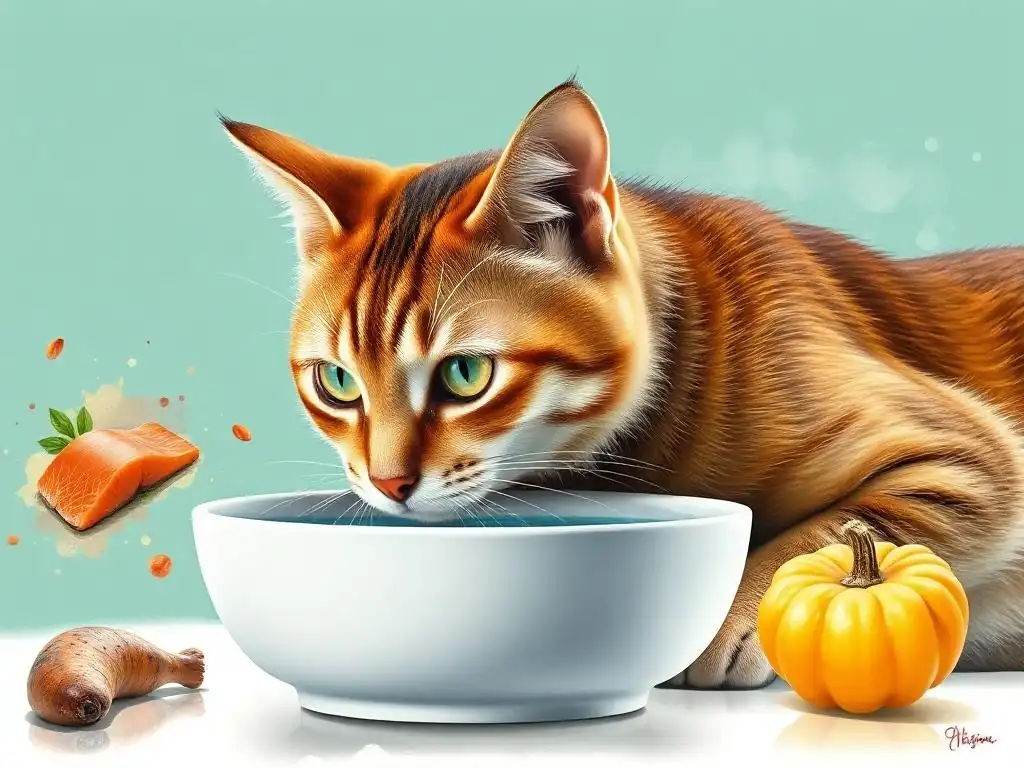
Adult cats, especially long-haired breeds, are prone to hairballs. A well-balanced diet plays a crucial role in minimizing this common feline issue. The key is to select foods that promote efficient hair digestion and reduce the likelihood of hair accumulating in the stomach. This involves considering several dietary factors:
Commercial Hairball Control Cat Foods: A Review of Top Brands
The market offers a wide array of commercial cat foods specifically formulated to address hairball issues. These diets often incorporate ingredients designed to facilitate hair passage through the digestive tract. Key features to look for include increased fiber content (both soluble and insoluble), added lubricants like psyllium husk, and the presence of natural hairball remedies such as malt.
Let's examine some prominent brands and their approaches:
| Brand Name | Key Ingredients/Features | Price Range (Approximate) | Pros | Cons |
|---|---|---|---|---|
| Brand A | High fiber, added psyllium husk, chicken as primary protein | $$$ | Excellent palatability, noticeable reduction in hairballs in many cats | Can be pricey; some cats may experience minor digestive upset initially. |
| Brand B | Increased fiber from beet pulp, natural malt extract | $$ | Good value for money, effective for many cats | May not be as effective for cats with severe hairball problems. |
| Brand C | Omega-3 fatty acids, added digestive enzymes, fish-based | Specifically formulated for sensitive stomachs, good for long-haired cats | Premium price; fish-based formula may not be suitable for all cats. |
Remember to always consult your veterinarian before making significant changes to your cat's diet, especially if they have pre-existing health conditions. They can help you determine the best food based on your cat's specific needs and sensitivities. Choosing the right commercial diet is a significant step in managing adult cat hairball issues. A gradual transition to a new food is recommended to avoid digestive upset.
Homemade Hairball Remedies: Recipes and Considerations
While commercial diets offer convenience, some owners prefer homemade options. However, it's crucial to ensure these recipes provide complete and balanced nutrition, meeting your cat's specific dietary requirements. Improperly balanced homemade diets can lead to nutritional deficiencies. Always consult a veterinary nutritionist before switching to a completely homemade diet.
Here are a few examples of ingredients commonly used in homemade hairball remedies (these should be supplements to a complete and balanced diet, not replacements):
- Pumpkin puree: Provides fiber to aid in hairball passage. Use plain, canned pumpkin (not pumpkin pie filling).
- Plain yogurt: A source of probiotics that can support gut health. Choose unsweetened, plain varieties.
- Coconut oil: Contains medium-chain triglycerides (MCTs) that can aid digestion. Introduce gradually to monitor tolerance.
Important Note: These ingredients are not a complete diet and should be offered in moderation as supplements. A balanced commercial cat food remains the cornerstone of a healthy diet for adult cats. Improperly balanced homemade diets can lead to serious health problems. Always consult with a veterinary nutritionist before making significant changes to your cat's diet.
Supplements for Hairball Control: Pros and Cons
Various supplements are marketed to support hairball control in cats. These often include fiber supplements, digestive enzymes, and omega-3 fatty acids. While they can be beneficial additions to a cat's diet, they should not replace a well-balanced commercial food or a properly formulated homemade diet.
Fiber Supplements: These increase stool bulk, making it easier for hair to pass through the digestive tract. However, excessive fiber can lead to diarrhea.
Digestive Enzymes: These can assist in breaking down food, potentially aiding in hair digestion. However, the effectiveness varies between cats.
Omega-3 Fatty Acids: These have anti-inflammatory properties and may contribute to overall gut health. However, they are not a direct hairball solution.
Before introducing any supplements, consult your veterinarian. They can assess your cat's individual needs and recommend appropriate dosages to avoid potential side effects. Over-supplementation can be harmful. Remember that a balanced diet is the primary tool in preventing and managing hairballs in adult cats. Supplements should be viewed as supportive measures, not primary solutions.
Transitioning Your Cat to a New Hairball Diet: A Step-by-Step Guide
Switching your adult cat to a new hairball diet requires a gradual approach to avoid digestive upset and ensure a smooth transition. A sudden change can lead to vomiting, diarrhea, and decreased appetite – making your cat unhappy and potentially hindering the effectiveness of the new food. The key is patience and careful monitoring. Here's a step-by-step guide to help you through the process:
Phase 1: The Introduction (Days 1-3): Begin by mixing a small amount (approximately 25%) of the new hairball formula with your cat's current food. Observe your cat's eating habits and stool consistency closely. Most cats will readily accept the change, but some may be more hesitant. If your cat refuses to eat the mixture, try increasing the ratio of the old food slightly. The goal is to introduce the new food gradually without causing stress.
Phase 2: Gradual Increase (Days 4-7): Slowly increase the proportion of the new hairball diet. Aim for a 50/50 mix of old and new food. Continue monitoring your cat's appetite, stool consistency, and overall behavior. If any digestive issues arise, such as vomiting or diarrhea, reduce the amount of new food and return to the previous ratio for a couple of days before gradually increasing again. This slow and steady approach is crucial for successful transition.
Phase 3: The Switch (Days 8-14): Gradually increase the new food's proportion to 75% and then finally to 100% by day 14. By this point, your cat should have fully adapted to the new diet. However, continue monitoring for any changes in their behavior or stool for a few more days to ensure everything is going smoothly.
Phase 4: Ongoing Monitoring: Even after the transition is complete, continue to monitor your cat's health and well-being. Observe their coat condition, stool regularity, and overall energy levels. If you notice any concerning changes, consult your veterinarian immediately. Regular veterinary check-ups are essential for maintaining your cat's health and addressing any potential issues promptly. Remember, every cat is different, and some may require a longer transition period than others.
Patience and observation are key to a successful dietary change. Don't hesitate to consult your vet if you have any concerns throughout the process. They can provide personalized advice based on your cat's specific needs and health history. Remember, a healthy digestive system is crucial for a happy and healthy cat! 😻
Maintaining Optimal Adult Cat Nutrition Beyond Hairball Control
This section focuses on the broader nutritional needs of adult cats, extending beyond the specific issue of hairballs. While managing hairballs is crucial, a complete and balanced diet is essential for overall feline health and well-being. Adult cats, like humans, have specific nutritional requirements that change as they age.
Understanding these needs allows pet owners to provide the best possible care and prevent various health problems. Providing a high-quality diet contributes significantly to a cat's longevity and quality of life, impacting everything from coat health to immune function. We'll explore key nutrient considerations and dietary strategies to ensure your adult cat thrives.
Essential Nutrients for Adult Cat Health
Adult cats require a balanced diet rich in specific nutrients to maintain their health and vitality. These nutrients support various bodily functions, from energy production to immune system strength. Key nutrients to consider include:
- Protein: Cats are obligate carnivores, meaning their bodies require animal-based protein for optimal health. Protein provides the building blocks for muscles, tissues, and enzymes. Look for cat foods with high-quality protein sources, such as chicken, turkey, fish, or lamb, listed prominently on the ingredient list. Avoid fillers and low-quality protein sources.
- Fat: Fats are crucial for energy, hormone production, and the absorption of fat-soluble vitamins (A, D, E, and K). Essential fatty acids, like omega-3 and omega-6, are particularly important for skin and coat health. Choose cat foods with healthy fat sources like fish oil or chicken fat.
- Vitamins and Minerals: A variety of vitamins and minerals are necessary for various metabolic processes. Vitamin A is essential for vision and immune function; vitamin D supports calcium absorption; and taurine is crucial for heart health. Ensure your cat's food provides a complete and balanced vitamin and mineral profile.
- Fiber: While not as crucial as protein and fat, fiber plays a role in digestive health and can contribute to hairball control. However, excessive fiber can lead to digestive upset, so moderation is key.
The specific amounts of each nutrient will vary depending on factors like age, activity level, and overall health. Always refer to the feeding guidelines on your cat's food packaging, and consult your veterinarian if you have any concerns about your cat's nutritional intake. Remember, a balanced diet is the cornerstone of a healthy adult cat.
Hydration: The Importance of Fresh Water for Digestion
Adequate hydration is paramount for a healthy digestive system and overall well-being in adult cats. Water aids in the digestion of food, helps to prevent constipation (which can exacerbate hairball issues), and supports kidney function. Dehydration can lead to various health problems, including urinary tract infections and kidney disease.
Several factors can influence a cat's water intake. Some cats prefer running water, while others prefer still water. Experiment with different water sources to find what your cat prefers. Always ensure that fresh, clean water is readily available at all times. Multiple water bowls placed in different locations throughout your home can encourage your cat to drink more. Consider using a pet fountain to encourage increased water intake. Monitoring your cat's urine output is another way to assess its hydration status. Darker, more concentrated urine typically indicates dehydration.
Regular Veterinary Check-ups: Monitoring Your Cat's Health
Regular veterinary check-ups are essential for monitoring your adult cat's overall health and detecting any potential problems early on. These check-ups allow your veterinarian to assess your cat's weight, body condition, and overall health. They can also help identify any underlying health issues that may be contributing to hairballs or other dietary concerns. During these visits, you can discuss your cat's diet, address any concerns you may have, and receive personalized advice on maintaining optimal nutrition.
Early detection of health problems often leads to better treatment outcomes and improves your cat's quality of life. Don't hesitate to consult your veterinarian if you notice any changes in your cat's appetite, weight, or behavior. A proactive approach to your cat's health ensures they remain happy and healthy for years to come. 😻
Addressing Underlying Health Issues Contributing to Hairballs
Hairballs, while a common occurrence in cats, especially long-haired breeds, can sometimes indicate an underlying health problem. Excessive hairball formation shouldn't be dismissed as simply a normal feline quirk. Regular, excessive vomiting of hairballs can be a sign of a more serious issue requiring veterinary attention. Several health conditions can contribute to increased hair ingestion and subsequent hairball formation. These include gastrointestinal disorders like inflammatory bowel disease (IBD), which can affect the cat's ability to properly digest food and eliminate hair.
Certain allergies, particularly food allergies, can also lead to increased grooming and thus more hair ingestion. Additionally, conditions affecting the cat's ability to groom efficiently, such as arthritis or neurological problems, can result in a build-up of hair in the digestive tract. A thorough veterinary examination, including blood work and potentially fecal analysis, is crucial to rule out any underlying medical conditions contributing to excessive hairballs. Early diagnosis and treatment of these issues are essential for maintaining your cat's overall health and well-being, preventing further complications, and reducing the frequency of hairball occurrences. Don't hesitate to consult your veterinarian if you notice a significant increase in hairball frequency or if your cat exhibits other symptoms such as lethargy, weight loss, or changes in appetite.
A proactive approach to addressing potential underlying health issues is vital in managing your adult cat's nutritional needs and preventing long-term health problems. Remember, a healthy digestive system is key to minimizing hairball formation, and addressing underlying issues is a crucial part of that process. Ignoring persistent hairball issues could potentially lead to more severe health problems down the line. Therefore, always prioritize a veterinary checkup to ensure your cat's well-being.
Long-Term Hairball Prevention Strategies
Effective adult cat hairball diet solutions require a multifaceted approach that goes beyond simply feeding a specialized food. Long-term prevention focuses on proactive strategies that minimize hair ingestion and promote efficient hair elimination. This holistic approach significantly reduces the frequency and severity of hairballs, leading to a healthier and happier cat. Consistent implementation of these strategies is key to long-term success.
Grooming Habits: Regular Brushing and Shedding Management
Regular brushing is paramount in preventing hairballs. The frequency depends on your cat's breed and coat length. Long-haired breeds, like Persians and Maine Coons, require daily brushing to remove loose fur before it's ingested. Shorthaired cats generally benefit from brushing two to three times a week. Using a suitable brush – a slicker brush for long-haired cats and a bristle brush for shorthaired cats – helps remove dead hair effectively.
This simple act significantly reduces the amount of hair your cat ingests during self-grooming. Furthermore, paying attention to seasonal shedding patterns is crucial. During spring and autumn, cats shed more, necessitating more frequent brushing to manage the increased amount of loose fur. Consider using a deshedding tool during these periods for optimal hair removal. Remember to always reward your cat with treats and praise during grooming sessions to create a positive association.
Environmental Factors: Minimizing Exposure to Irritants
While diet plays a crucial role, environmental factors can exacerbate hairball formation. Certain materials, such as carpet fibers and dust, can irritate a cat's digestive system and increase hairball production. Regular vacuuming and cleaning, especially in areas where your cat spends the most time, helps minimize exposure to these irritants. Consider using hypoallergenic cleaning products to avoid further irritating your cat's sensitive system.
If your cat spends time outdoors, check their fur for burrs, sticks, or other foreign objects that could cause additional digestive distress. Additionally, keeping your cat's living space clean and free of clutter can prevent them from accidentally ingesting foreign materials while grooming. A clean and organized environment contributes to a healthier digestive system and reduces the likelihood of hairball formation. This holistic approach to environmental management complements dietary changes, providing a more comprehensive hairball prevention strategy.
Monitoring Your Cat's Eating Habits and Bowel Movements
Observing your cat's eating habits and bowel movements is vital for early detection of potential problems. Changes in appetite, vomiting frequency, or stool consistency can indicate underlying issues that may contribute to hairball formation or worsen existing conditions. Keep a record of your cat's food intake, noting any changes in appetite or preference.
Regularly check their stool for any abnormalities – hard, dry stools may indicate dehydration, while loose or watery stools could suggest digestive upset. Note the frequency of hairball expulsion; an increase in frequency might signal a need for dietary adjustments or veterinary consultation. Early detection of problems allows for timely intervention, preventing minor issues from escalating into more serious health concerns.
This proactive monitoring, combined with a well-balanced diet and appropriate grooming, contributes to a comprehensive adult cat hairball diet solution. Remember, regular veterinary check-ups are essential for maintaining your cat's overall health and addressing any potential issues promptly.
Maintaining a healthy weight for your adult cat is crucial not only for their overall well-being but also for minimizing hairball problems. Obesity can lead to decreased physical activity and grooming, resulting in a build-up of hair in the digestive tract. A less active cat is less likely to groom effectively, leading to more ingested hair. Furthermore, overweight cats often have difficulty reaching certain areas of their body for thorough grooming, exacerbating the issue.
The link between obesity and hairballs is often overlooked. Many owners focus solely on the dietary aspects of hairball control, neglecting the importance of maintaining a healthy weight. However, a significant portion of hairball problems in adult cats stem from a lack of exercise and an excess of calorie intake. This leads to a vicious cycle: the cat grooms less effectively due to weight issues, ingests more hair, and experiences more frequent hairball occurrences. This then further reduces their activity levels, leading to even more weight gain.
To combat this, regular veterinary check-ups are essential. Your vet can assess your cat's body condition score and help you determine an appropriate weight management plan. This might involve adjusting food portions, switching to a lower-calorie diet specifically formulated for weight loss in adult cats, and increasing physical activity. Interactive play sessions, puzzle feeders, and climbing structures can all contribute to a more active lifestyle for your feline friend. Remember, gradual weight loss is key; rapid weight loss can be detrimental to your cat's health. Therefore, close monitoring and veterinary guidance are paramount.
Choosing the right food is also critical. Look for foods that are specifically designed for weight management and contain high-quality protein sources to keep your cat feeling full and satisfied without excessive calorie intake. These diets often incorporate ingredients that aid in digestion and reduce hairball formation.
Always consult your veterinarian before making significant changes to your cat's diet, especially if they have any underlying health conditions. They can provide personalized recommendations tailored to your cat's specific needs and help you navigate the complexities of weight management and hairball control. Remember, prevention is always better than cure, and a healthy weight is a significant step towards preventing chronic hairball issues.
Frequently Asked Questions
What causes hairballs in adult cats?
Adult cats groom themselves frequently, ingesting loose fur. This fur accumulates in their digestive tract, forming hairballs. Regular grooming and a high-fiber diet can help.
How can I prevent hairballs in my adult cat?
Regular brushing significantly reduces loose fur ingestion. Adding fiber-rich foods to their diet helps move hair through the digestive system more efficiently. Consider a hairball control formula cat food.
What are the signs of a cat with a hairball problem?
Symptoms include coughing, gagging, and vomiting hairballs. Some cats may also exhibit lethargy or loss of appetite. Consult your vet if you notice these signs.
What ingredients should I look for in an adult cat food designed for hairball control?
Look for foods containing high levels of fiber, such as psyllium or beet pulp. These ingredients help to move hair through the digestive tract. Added fats can also help lubricate the hairballs.
Are there any home remedies for cat hairballs?
While commercial hairball control products are effective, you can add petroleum jelly or pumpkin puree (in moderation) to your cat's food. Always consult your vet before trying home remedies, especially if your cat is already showing signs of a hairball problem.
Final Reflection: The Purrfect Diet: A Holistic Approach to Cat Health
Understanding adult cat nutrition is not merely about preventing hairballs; it's about ensuring a long, healthy, and happy life for our feline companions. The seemingly simple act of choosing the right food profoundly impacts their overall well-being, from their digestive health to their coat condition and even their energy levels. Ignoring this crucial aspect can lead to significant health problems down the line.
The ongoing challenge of managing hairballs in adult cats highlights a larger societal shift towards a more holistic understanding of pet care. We're moving beyond simply feeding our cats to actively participating in their health and happiness. This requires a deeper understanding of their nutritional needs and a willingness to adapt our feeding practices accordingly. The best thing we can do for our pets is to understand their needs and provide them with the best possible care.
This simple statement underscores the responsibility we bear as pet owners.
So, as you consider the information presented in this article, I urge you to take a moment to reflect on your own cat's diet. Are you providing them with the nutrients they need to thrive? Are you actively monitoring their health and addressing any potential issues proactively? Take this opportunity to make a positive change in your cat's life – a change that will not only alleviate hairball problems but also contribute to a happier, healthier, and longer life together. The journey to a purrfect diet begins with a single, informed decision.
Unlock Your Cat's Healthiest, Happiest Self!
Thank you for learning about keeping your feline friend happy and healthy! We hope you found valuable information about proper nutrition for adult cats and managing hairballs. Now, let's put that knowledge into action:
- Prioritize high-quality cat food formulated for hairball control: This is the most significant step you can take to improve your cat's digestive health and reduce hairballs. Look for adult cat food with added fiber.
- Brush your cat regularly: This simple act removes loose fur before it becomes a problem, complementing a healthy diet.
- Share your successes (or any questions!) with other PetCareWorld community members in the comments below. We'd love to hear your experience!
Ready to see the difference a healthy diet makes? What small change will you make today to improve your cat's well-being?