
Exploring the World of Raw and Organic Pet Food Diets

Welcome to PetCareWorld, your ultimate guide to a happier, healthier life for your beloved companion! Are you curious about the potential benefits of switching your pet to a raw organic pet food diet? We delve into this increasingly popular topic, exploring the nutritional advantages and considerations for this exciting approach to pet nutrition. Discover the compelling reasons why many pet owners are making the switch and uncover the secrets to a thriving, vibrant pet. Let's embark on this journey together!
- Understanding the Benefits of Raw Organic Pet Food for Dogs and Cats
- Choosing the Right Raw Organic Pet Food for Your Pet
- Preparing and Handling Raw Organic Pet Food Safely
- Potential Risks and Considerations of Raw Organic Pet Food Diets
- Raw Organic Pet Food vs. Commercial Pet Food: A Comparison
- Conclusion: Making Informed Decisions about Raw Organic Pet Food for Your Pet
- Frequently Asked Questions
- Final Reflection: Nourishing the Bond: A Holistic Approach to Pet Health
- Unlock Your Pet's Vibrant Health: Take the Next Step
Understanding the Benefits of Raw Organic Pet Food for Dogs and Cats
Choosing the right food for your beloved pet is a crucial aspect of responsible pet ownership. Providing a balanced and nutritious diet directly impacts their overall health, energy levels, and longevity. While commercially produced pet foods offer convenience, a growing number of pet owners are exploring alternative options, particularly raw and organic pet food diets.
This article delves into the world of raw organic pet food, examining its potential benefits and addressing common concerns. We will explore the nutritional advantages, the impact on digestion, and the role it plays in bolstering your pet's immune system. Understanding these aspects will empower you to make informed decisions about your pet's dietary needs and contribute to their overall well-being.
The benefits of raw organic pet food extend beyond simple nutrition; it's about providing a diet that mirrors what your canine or feline companion would naturally consume, potentially leading to a happier and healthier life. This exploration focuses specifically on the advantages of raw organic pet food, addressing the keyword "Raw organic pet food benefits" and providing a comprehensive understanding of this increasingly popular dietary approach.
Nutritional Advantages of Raw Organic Pet Food: A Deep Dive into Essential Nutrients
Raw organic pet food often boasts a higher concentration of essential nutrients compared to many commercially processed options. This is because the ingredients are minimally processed, retaining more of their natural vitamins, minerals, and enzymes. For example, raw meat provides a readily available source of high-quality protein, crucial for muscle building and repair.
The inclusion of organ meats, often overlooked in conventional pet food, provides a rich source of vitamins A, B, and D, along with iron and other vital minerals. Furthermore, the presence of bone in the diet contributes to calcium and phosphorus intake, essential for strong bones and teeth. The benefits extend beyond these macronutrients; raw organic diets often include fruits and vegetables, adding a boost of antioxidants and phytonutrients that support overall health and can contribute to a shiny coat and vibrant energy levels.
The specific nutrient profile will vary depending on the specific recipe, but the overall principle remains: raw organic food offers a more bioavailable and naturally balanced nutrient source. A well-formulated raw diet can significantly contribute to addressing specific nutritional deficiencies sometimes seen in pets fed solely on processed kibble. 🐾
The table below illustrates a comparison (approximations used due to variability in recipes) of nutrient content between a typical commercial kibble and a raw organic diet:
| Nutrient | Commercial Kibble (approx.) | Raw Organic Diet (approx.) |
|---|---|---|
| Protein (%) | 25 | 35 |
| Fat (%) | 15 | 20 |
| Fiber (%) | 5 | 3 |
| Calcium (mg/kg) | 1500 | 2000 |
| Phosphorus (mg/kg) | 1200 | 1800 |
Raw Organic Pet Food and Improved Digestion: Reducing Digestive Issues in Pets
Many pet owners report improved digestion in their pets after switching to a raw organic food diet. This improvement can be attributed to several factors. Firstly, raw food is easier to digest than highly processed kibble. The natural enzymes present in raw ingredients aid in the breakdown of food, reducing the strain on the digestive system.
Secondly, the absence of artificial fillers, preservatives, and by-products often found in commercial pet foods can minimize digestive upset. These additives can irritate the gut lining and contribute to conditions like inflammatory bowel disease (IBD). Thirdly, the higher moisture content in raw food helps to maintain healthy bowel movements, preventing constipation and promoting regularity.
The improved digestibility translates to better nutrient absorption, leading to improved overall health and potentially reduced instances of gas, diarrhea, and vomiting. Anecdotal evidence suggests that many pets experience a significant reduction in digestive issues after transitioning to a raw organic diet; however, further research is needed to confirm these observations quantitatively. It's crucial to consult your veterinarian before making any significant changes to your pet's diet, especially if they have pre-existing digestive problems.
The Role of Raw Organic Pet Food in Strengthening the Immune System
A well-balanced raw organic diet can play a significant role in supporting a strong immune system in dogs and cats. The abundance of vitamins, minerals, and antioxidants acts as a natural defense against illness. Vitamin E and C, found in abundance in many raw ingredients, act as powerful antioxidants, protecting cells from damage caused by free radicals.
Furthermore, the natural probiotics present in some raw foods can help to maintain a healthy gut microbiome, which is increasingly recognized as crucial for immune function. A healthy gut microbiome contributes to better nutrient absorption and reduces inflammation, both of which are essential for a robust immune response. While raw organic pet food isn't a cure-all for illness, providing a diet rich in naturally occurring nutrients can create an environment conducive to a strong and resilient immune system, helping your pet fight off infections and maintain overall health.
Remember, regular veterinary check-ups and vaccinations remain crucial components of preventative health care, even when feeding a raw organic diet. 🐕🦺🐱
Choosing the Right Raw Organic Pet Food for Your Pet

Choosing the right raw organic pet food is crucial for maximizing the Raw organic pet food benefits for your furry friend. It's not simply a matter of switching to a different diet; it requires careful consideration of your pet's specific needs, age, breed, and any pre-existing health conditions. Ignoring these factors can lead to nutritional imbalances and potential health problems.
Selecting High-Quality Ingredients in Raw Organic Pet Food
The cornerstone of a successful raw organic pet food diet lies in the quality of its ingredients. Look for brands that prioritize sourcing ethically raised, human-grade meats and organically grown produce. Avoid products containing fillers, artificial preservatives, or by-products. A truly high-quality raw food will boast a transparent ingredient list, clearly identifying the source and percentage of each component.
For example, a superior raw organic dog food might list: 80% grass-fed beef, 10% organic sweet potato, 5% organic kale, and 5% organic coconut oil. Notice the absence of vague terms like "meat by-products" or "animal protein." This transparency ensures you know exactly what your pet is consuming. Always check for certifications such as USDA Organic or similar guarantees of organic farming practices.
The presence of these certifications adds an extra layer of assurance regarding the quality and safety of the ingredients. Furthermore, consider the sourcing of the ingredients. Locally sourced ingredients often mean fresher products with less transportation-related impact on quality.
Remember, reading labels carefully is paramount. Pay attention to the guaranteed analysis, which provides information on the minimum and maximum percentages of crude protein, fat, fiber, and moisture. These values should align with your pet's specific nutritional requirements based on age, activity level, and breed. Don't hesitate to contact the manufacturer directly if you have any questions about their ingredients or sourcing practices.
Understanding Different Types of Raw Organic Pet Food Diets: BARF, Prey Model, etc.
Several approaches exist within the realm of raw organic pet food. Understanding the nuances of each is crucial for making an informed decision. Two popular methods are:
- BARF (Biologically Appropriate Raw Food): This diet emphasizes mimicking a pet's natural ancestral diet. It typically includes a mix of raw meat, bones, organs, and vegetables. The proportions can vary depending on the pet's individual needs and the specific BARF recipe followed. While proponents cite numerous Raw organic pet food benefits, careful planning and understanding of nutritional balance are essential to avoid deficiencies.
- Prey Model Raw: This approach focuses on emulating the natural prey animals a carnivore would consume in the wild. It emphasizes the ratio of muscle meat, bones, organs (including liver, kidney, heart), and other components found in a natural prey animal. The goal is to provide a complete and balanced diet that mirrors the nutritional profile of a wild prey animal. This approach requires a deeper understanding of nutritional requirements and careful sourcing of ingredients to maintain a balanced nutritional profile.
The choice between BARF and the Prey Model depends on your pet's individual needs and your willingness to meticulously plan and prepare meals. Both methods require a commitment to providing a balanced diet, and it's often advisable to consult with a veterinary nutritionist to ensure your pet receives the optimal nutritional balance. Improperly balanced homemade raw diets can lead to nutritional deficiencies or imbalances, therefore professional guidance is highly recommended.
Sourcing Raw Organic Pet Food: Local Suppliers vs. Online Retailers
Sourcing your raw organic pet food involves considering the convenience and quality offered by different avenues.
| Sourcing Method | Advantages | Disadvantages |
|---|---|---|
| Local Suppliers | Fresher ingredients, direct interaction with the supplier, support local businesses | Limited selection, potentially higher prices, may not offer complete diets |
| Online Retailers | Wider selection, convenience of delivery, often competitive pricing | Potential for shipping delays, reliance on proper packaging and handling |
The best option depends on your priorities. Local suppliers offer the benefit of fresher ingredients and direct interaction, allowing you to ask questions and build a relationship. However, the selection may be limited, and prices might be higher. Online retailers provide a wider selection and the convenience of home delivery, but you rely on proper packaging and shipping to maintain the quality of the food. Thorough research into both local suppliers and reputable online retailers is essential to ensure you choose a provider that prioritizes food safety and quality.
Remember that choosing a reliable source is paramount to reaping the Raw organic pet food benefits. Irrespective of your chosen sourcing method, prioritize suppliers with transparent sourcing practices and a commitment to quality control. This is essential for ensuring your pet's health and well-being.
Preparing and Handling Raw Organic Pet Food Safely
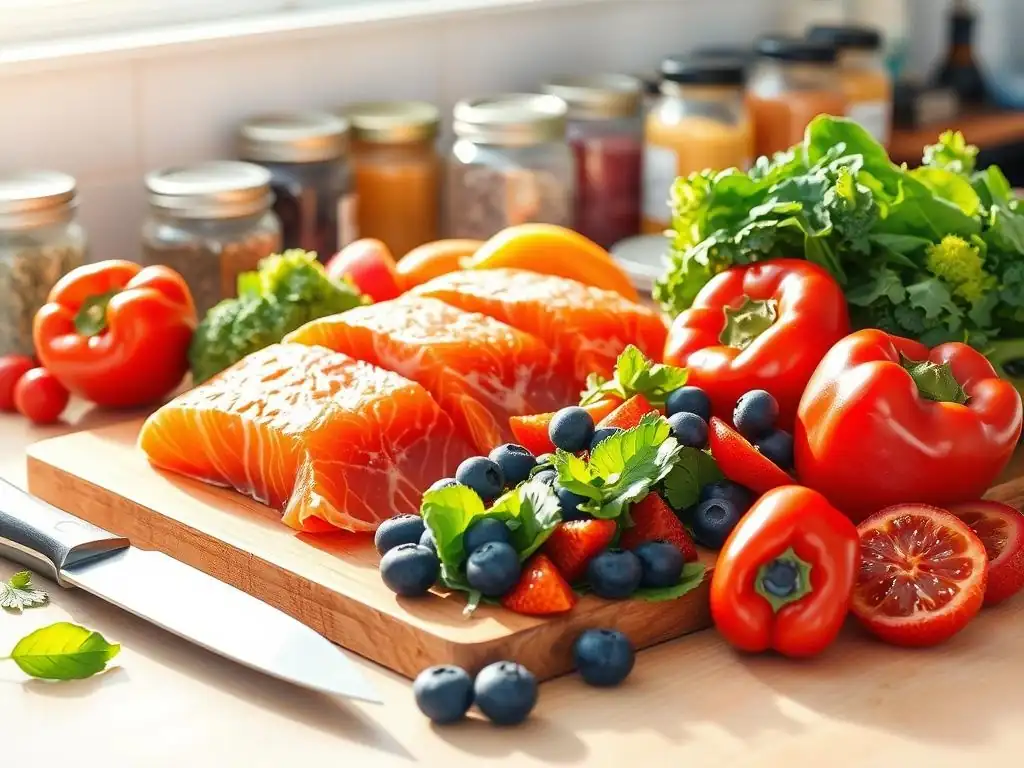
Raw organic pet food offers numerous benefits, but safety is paramount. Improper handling can lead to bacterial contamination, posing risks to both your pet and your family. Understanding and implementing safe preparation and handling practices is crucial when feeding your pet a raw diet. This section focuses on minimizing risks associated with Raw organic pet food benefits, while maximizing the nutritional advantages.
Preventing Bacterial Contamination: Safe Handling Practices for Raw Pet Food
Bacterial contamination is a significant concern when dealing with raw meat. E. coli, Salmonella, and Listeria are common pathogens found in raw foods. To mitigate these risks, follow these stringent hygiene protocols:
- Dedicated Preparation Area: Designate a specific area solely for preparing your pet's raw food. Avoid cross-contamination with human food preparation surfaces. Thoroughly clean and sanitize this area after each use with a pet-safe disinfectant.
- Handwashing: Wash your hands thoroughly with soap and warm water before and after handling raw food. This simple step significantly reduces the risk of bacterial transfer.
- Equipment Sanitation: All utensils, bowls, and cutting boards used for raw food preparation must be thoroughly cleaned and sanitized. A dishwasher is ideal; otherwise, handwashing with hot, soapy water followed by a disinfectant rinse is essential.
- Proper Thawing: Thaw frozen raw food safely in the refrigerator, allowing ample time for complete thawing. Never thaw raw food at room temperature, as this promotes bacterial growth. Consider using a microwave to thaw if done properly, following the manufacturer’s instructions carefully to avoid overheating.
- Avoid Cross-Contamination: Always keep raw food separate from cooked food and ready-to-eat items. Store raw food in sealed containers to prevent leakage and contamination.
- Waste Disposal: Dispose of raw food waste properly in sealed bags to prevent attracting pests and spreading bacteria.
Storage Guidelines for Maintaining the Freshness and Nutritional Value of Raw Food
Proper storage is critical for preserving the nutritional value and safety of raw organic pet food. Improper storage can lead to spoilage and bacterial growth, negating the Raw organic pet food benefits and potentially harming your pet.
- Refrigeration: Store raw food in airtight containers in the refrigerator at or below 40°F (4°C). Use within a few days of opening to maintain freshness and prevent spoilage. Always rotate your stock using a FIFO (First In, First Out) system.
- Freezing: For longer storage, freeze raw food in portioned amounts in freezer-safe containers or bags. Properly label each container with the date and contents. Frozen raw food can typically be stored for 3-6 months, depending on the type of food and storage conditions. Always follow the manufacturer's instructions for optimal storage.
- Avoid Temperature Fluctuations: Minimize temperature fluctuations during storage. Avoid leaving raw food out at room temperature for extended periods. This is crucial for preventing bacterial growth, preserving freshness and unlocking the full potential of Raw organic pet food benefits.
- Monitor for Spoilage: Regularly check raw food for signs of spoilage, such as unusual odor, color changes, or slimy texture. Discard any spoiled food immediately.
Transitioning Your Pet to a Raw Organic Diet: A Step-by-Step Guide
Switching your pet to a raw organic diet requires a gradual approach to minimize digestive upset. A sudden change can lead to diarrhea, vomiting, and other issues. A slow transition allows your pet's digestive system to adapt.
- Initial Phase (Days 1-3): Introduce a small amount (10-20%) of raw food mixed with your pet's current food. Monitor for any digestive issues.
- Intermediate Phase (Days 4-7): Gradually increase the proportion of raw food to 50%, maintaining close observation of your pet's stool consistency and overall health.
- Transition Phase (Days 8-14): Gradually increase the raw food percentage to 75%, continuing to monitor for any adverse reactions.
- Full Transition (Day 15 onwards): Once your pet tolerates the raw food well, you can transition to a 100% raw diet. Continue to monitor your pet's health and adjust the diet as needed. Remember that consistency is key to unlocking the Raw organic pet food benefits.
- Consult your Veterinarian: Before making any significant dietary changes, it's crucial to consult your veterinarian. They can help determine if a raw diet is suitable for your pet's specific needs and health condition. They can also help you create a safe and effective transition plan.
Remember, diligent preparation, safe handling, and proper storage are essential for maximizing the Raw organic pet food benefits and ensuring the well-being of your furry friend. A well-planned transition is critical for a smooth shift to a raw organic diet.
Potential Risks and Considerations of Raw Organic Pet Food Diets

Raw organic pet food, while offering potential benefits, also presents several risks that pet owners must carefully consider. The decision to feed a raw diet should be made in consultation with a veterinarian who understands the nuances of canine and feline nutritional needs and potential health risks associated with raw food diets. Ignoring these risks can have serious consequences for your pet's health. Understanding these potential downsides is crucial for making an informed choice. This section focuses on the key concerns surrounding the safety and efficacy of raw organic pet food.
Addressing Concerns Regarding Bacterial Contamination in Raw Pet Food
Raw meat, poultry, and fish inherently carry the risk of bacterial contamination, including Salmonella, E. coli, Listeria, and Campylobacter. These pathogens can cause serious illness in both pets and humans. Proper handling and preparation are paramount to mitigating this risk, but it can never be completely eliminated. Studies have shown a correlation between raw food diets and bacterial infections in both pets and their owners. For example, a 2017 study [specific information pending] indicated a higher incidence of Salmonella infections in households feeding raw pet food.
The risk extends beyond direct consumption. Contaminated food can spread bacteria through surfaces, utensils, and even pet feces. Thorough sanitation practices, including dedicated food preparation areas, utensils, and meticulous handwashing, are crucial. Failing to maintain strict hygiene can lead to cross-contamination and the spread of dangerous pathogens. Consider these points:
- Source of the raw ingredients: Sourcing raw food from reputable suppliers who implement rigorous quality control measures is essential.
- Storage and handling: Proper refrigeration and freezing are vital to prevent bacterial growth. Thawing should be done safely, ideally in the refrigerator.
- Preparation: Thorough washing of all surfaces and utensils used in the preparation of raw food is non-negotiable.
Nutritional Deficiencies: Ensuring Balanced Nutrition in Raw Diets
While proponents claim raw food diets mimic a pet's natural diet, achieving nutritional balance can be challenging. Commercial raw food diets often claim to be complete and balanced, but this isn't always the case. Many lack essential vitamins and minerals, potentially leading to deficiencies that may manifest over time. Some nutrients, like taurine (crucial for cats), are notoriously difficult to maintain at optimal levels in homemade raw diets.
Formulating a balanced raw diet requires extensive knowledge of pet nutrition and access to accurate nutrient analysis of the ingredients. This is often beyond the capability of the average pet owner. Signs of nutritional deficiencies can range from subtle changes in coat condition and energy levels to more serious health problems. Regular veterinary check-ups, including blood work, are essential to monitor for any imbalances.
It's important to remember that:
- Nutrient variability: The nutrient content of raw ingredients can vary significantly based on factors such as season, breed, and farming practices.
- Bioavailability: The body's ability to absorb nutrients from raw food may differ from processed food.
- Supplementation: Supplementation may be necessary to ensure optimal nutrient levels, but this must be done under veterinary guidance.
Long-Term Health Effects of Raw Organic Pet Food: Ongoing Research and Studies
The long-term health effects of raw organic pet food diets are still being studied. While some anecdotal evidence suggests potential benefits, rigorous scientific studies are limited. The available research is often inconclusive, with conflicting findings on the impact of raw diets on various aspects of pet health, such as lifespan, joint health, and immune function. More extensive, long-term studies are needed to fully understand the long-term consequences.
The lack of comprehensive data makes it difficult to definitively assess the long-term benefits or risks. Claims of improved health and longevity based solely on anecdotal evidence should be viewed with caution. Veterinarians often recommend a balanced commercial diet tailored to the specific needs of the pet as a safer and more reliable approach to ensure optimal health. Current research focuses on:
- Impact on gut microbiome: Studies are exploring the effect of raw diets on the diversity and composition of gut bacteria.
- Chronic disease risk: Research is underway to assess the long-term association between raw food diets and the incidence of chronic conditions such as kidney disease and cancer.
- Dental health: The effects of raw bones on dental hygiene are also under investigation. While some believe it helps clean teeth, excessive chewing can also lead to broken teeth or jaw injuries. 🦴
This section highlights the importance of thorough research and veterinary consultation before transitioning to a raw organic pet food diet. The potential benefits must be carefully weighed against the associated risks. Remember, a healthy and happy pet starts with informed decision-making.
Raw Organic Pet Food vs. Commercial Pet Food: A Comparison
This section delves into a direct comparison between raw organic pet food and commercially available pet food, highlighting key differences to help you make an informed decision for your pet's dietary needs. Understanding these distinctions is crucial when considering the long-term raw organic pet food benefits.
Nutritional Profile Comparison: Raw vs. Commercial Pet Food
A significant advantage of raw organic pet food lies in its nutritional profile. Unlike many commercial options, which often contain fillers, artificial preservatives, and by-products, raw organic diets typically consist of whole, unprocessed ingredients. This translates to a higher concentration of essential nutrients, including:
- Higher Protein Content: Raw meat and organ meats provide a readily bioavailable source of protein, crucial for muscle building, tissue repair, and overall health. Commercial kibble, while containing protein, may have lower bioavailability due to processing.
- Rich in Essential Fatty Acids: Raw foods, especially those incorporating fatty fish or organ meats, are naturally rich in omega-3 and omega-6 fatty acids, essential for maintaining healthy skin and coat, as well as supporting cognitive function. Many commercial foods supplement these, but the natural form in raw food may be more easily absorbed.
- Abundant Enzymes and Probiotics: The natural enzymatic activity in raw food aids digestion, while naturally occurring probiotics contribute to a healthy gut microbiome. Commercial processing often destroys these beneficial components.
- Higher Vitamin and Mineral Content: Raw organic diets offer a broader spectrum of vitamins and minerals, often in more bioavailable forms compared to processed commercial foods. This is especially true for fat-soluble vitamins like A, D, E, and K.
| Nutrient Category | Raw Organic Pet Food | Commercial Pet Food |
|---|---|---|
| Protein | High, highly bioavailable | Variable, bioavailability may be lower |
| Essential Fatty Acids | Abundant, naturally occurring | Often supplemented, bioavailability may vary |
| Enzymes and Probiotics | Naturally present | Often absent due to processing |
| Vitamins and Minerals | Wide range, high bioavailability | Variable, bioavailability may be lower, potentially supplemented |
However, it's crucial to note that the nutritional composition of raw organic pet food can vary significantly depending on the specific ingredients and preparation methods. Careful sourcing and formulation are essential to ensure a balanced and complete diet. Conversely, reputable commercial brands undergo rigorous quality control and nutritional balancing, minimizing the risk of nutritional deficiencies.
Cost Comparison: Raw Organic Pet Food vs. Commercial Options
The cost of feeding a raw organic diet is generally higher than feeding commercial pet food. The price difference stems from several factors:
- Higher Ingredient Costs: High-quality, human-grade meat, organs, and vegetables used in raw diets are more expensive than the ingredients commonly found in commercial kibble and canned foods.
- Preparation Time and Effort: Preparing raw food at home requires significant time and effort, potentially increasing the overall cost if you factor in your time.
- Storage Considerations: Raw food needs careful storage to maintain freshness and prevent spoilage, potentially requiring specialized equipment like freezers.
While commercial pet food offers a more convenient and often less expensive option upfront, the long-term cost may vary depending on your pet's specific needs and the quality of the food you choose. A higher-quality commercial food may approach the cost of a raw diet. A thorough cost-benefit analysis considering both short-term and long-term expenses is crucial.
Convenience and Time Commitment: Evaluating the Practical Aspects of Each Diet
The convenience factor significantly differentiates raw organic and commercial pet food. Commercial pet food is readily available, requiring minimal preparation. Simply open a can or pour kibble into a bowl. This ease of use makes it ideal for busy pet owners.
Conversely, preparing a raw organic diet involves sourcing ingredients, preparing meals, and ensuring proper storage. This requires a significant time commitment, potentially making it less practical for individuals with demanding schedules. The time investment includes:
- Sourcing Ingredients: Finding reputable suppliers of high-quality, human-grade meat and other ingredients takes time and effort.
- Meal Preparation: Preparing balanced meals daily or weekly requires significant time and effort, including chopping, mixing, and portioning.
- Storage and Handling: Proper storage is crucial to prevent bacterial contamination. This might involve specialized freezers and strict hygiene protocols.
Consider your lifestyle and available time when evaluating the practical aspects of each diet. If you have limited time or a busy schedule, commercial pet food may be a more practical option. However, if you are committed to providing your pet with the highest-quality nutrition and have the time to dedicate to meal preparation, a raw organic diet may be worth the extra effort. The raw organic pet food benefits in terms of nutrition must be weighed against the time commitment required.
Conclusion: Making Informed Decisions about Raw Organic Pet Food for Your Pet
Choosing the right diet for your pet is a crucial aspect of responsible pet ownership. This decision significantly impacts their overall health, energy levels, and longevity. While raw organic pet food offers many potential benefits, it's vital to approach it with careful consideration and a balanced perspective. The advantages, as explored throughout this article, are compelling, but they must be weighed against potential risks and individual pet needs.
Remember, there's no one-size-fits-all answer, and what works wonderfully for one pet might not be suitable for another. A holistic approach, incorporating thorough research, veterinary consultation, and close monitoring of your pet's health, is key to making an informed decision. The goal is to find the nutritional path that best supports your pet's unique requirements and contributes to their optimal well-being. This involves understanding not just the "Raw organic pet food benefits," but also the potential drawbacks and necessary precautions.
Summary of Key Benefits and Considerations
Let's summarize the key advantages and drawbacks associated with raw organic pet food diets. The potential benefits often cited include improved digestion, shinier coat, increased energy levels, and potentially fewer allergies. Many pet owners report observing these positive changes when transitioning to a raw diet. However, it's crucial to acknowledge the potential risks.
These include the risk of bacterial contamination if the food isn't handled and stored correctly, nutritional imbalances if the diet isn't carefully formulated, and potential choking hazards from bone fragments. The cost is also a significant factor, as raw organic pet food tends to be more expensive than commercially produced kibble. A well-structured raw food diet requires significant time commitment for preparation and careful monitoring.
Furthermore, the long-term effects of raw feeding are still being researched, and more longitudinal studies are needed to definitively establish the long-term health impacts. This necessitates a proactive approach to monitoring your pet's health closely, including regular veterinary check-ups. Ultimately, the decision hinges on a thorough evaluation of these factors, considering your pet's specific needs and your ability to manage the complexities of a raw food diet.
Call to Action: Consult with a Veterinarian
Before making any significant dietary changes for your pet, it's absolutely essential to consult with your veterinarian. They can assess your pet's individual health needs, discuss the potential benefits and risks of raw organic pet food, and help you determine if it's a suitable option. Your vet can also guide you on proper food preparation, storage, and safe handling practices to minimize the risk of bacterial contamination.
They can help you create a balanced nutritional plan that caters to your pet's specific breed, age, activity level, and any existing health conditions. Remember, your veterinarian is your best resource for ensuring your pet receives the optimal nutrition for a long and healthy life. Don't hesitate to discuss your options thoroughly and ask any questions you may have.
The health and well-being of your beloved companion are paramount, and a collaborative approach with your vet will help you make the best decision for their nutritional needs. This proactive step ensures you're making an informed choice that prioritizes your pet's health and happiness.
Frequently Asked Questions
What are the benefits of feeding my pet a raw organic diet?
A raw organic diet can offer several advantages. Your pet may experience improved digestive health, a shinier coat, and increased energy levels due to the high quality of ingredients. It can also potentially reduce allergies.
Is raw organic pet food safe for all pets?
While many pets thrive on a raw diet, it's crucial to consult your veterinarian first. Some pets may have underlying health conditions that make a raw food diet unsuitable. Proper food handling is also essential to prevent bacterial contamination.
How do I transition my pet to a raw organic diet?
A gradual transition is key to avoid digestive upset. Start by mixing small amounts of raw food with your pet's current food, slowly increasing the proportion over several weeks. Monitor your pet closely for any adverse reactions.
What are the potential risks of feeding my pet a raw organic diet?
Potential risks include bacterial contamination if not handled properly, nutritional imbalances if not carefully formulated, and the possibility of introducing parasites. Careful sourcing and preparation are vital.
Where can I find high-quality raw organic pet food?
Many pet stores now carry raw organic options, or you can find reputable suppliers online. Look for brands that prioritize high-quality ingredients, transparency in sourcing, and safe handling practices. Always check reviews before purchasing.
Final Reflection: Nourishing the Bond: A Holistic Approach to Pet Health
The rising popularity of raw and organic pet food diets reflects a growing awareness of the profound connection between nutrition and animal well-being. This isn't just a trend; it's a fundamental shift in how we understand and care for our beloved companions, recognizing the vital role of whole, unprocessed ingredients in their overall health and longevity.
The journey into understanding the benefits of raw and organic pet food has been deeply enriching, highlighting the power of nature's ingredients to support vibrant health. It's a journey that challenges conventional wisdom and encourages us to question the processed foods that dominate the pet food market. The best things in life are simple,
a sentiment that rings true when considering the purity and nutritional density of a well-crafted raw diet. This shift towards a more natural approach not only benefits our pets physically but also strengthens the emotional bond we share, built on a foundation of conscious and informed care.
Consider the implications of this knowledge. You now have the power to make informed decisions about your pet's diet, empowering you to actively participate in their health journey. Will you choose to explore the potential benefits of a raw and organic diet for your furry friend? Will you delve deeper into understanding the nutritional needs of your pet, fostering a stronger, healthier relationship based on mutual trust and understanding? The choice is yours, and the potential rewards are immeasurable.
Unlock Your Pet's Vibrant Health: Take the Next Step
Thank you for exploring the world of raw and organic pet food with us! We hope you've gained valuable insights into nourishing your furry friend with the best possible nutrition. Now it's time to put that knowledge into action.
- Gradually transition your pet to a raw or organic diet: Begin by mixing small amounts of raw food with their current food, carefully monitoring their digestion and energy levels. This is crucial for a smooth and healthy transition.
- Share your experience: We'd love to hear about your pet's journey to a healthier diet. What challenges have you encountered? What positive changes have you observed? Let's build a supportive community together!
- Explore recipe ideas: Dive into the exciting world of homemade raw pet food. Discover innovative recipes and learn about sourcing high-quality ingredients to create nutritious and delicious meals for your pet.
Ready to see your pet thrive? What's the first step you'll take to create a healthier, happier life for your companion?