
Beyond Dowel Rods: Choosing the Right Perch to Prevent Bird Foot Problems

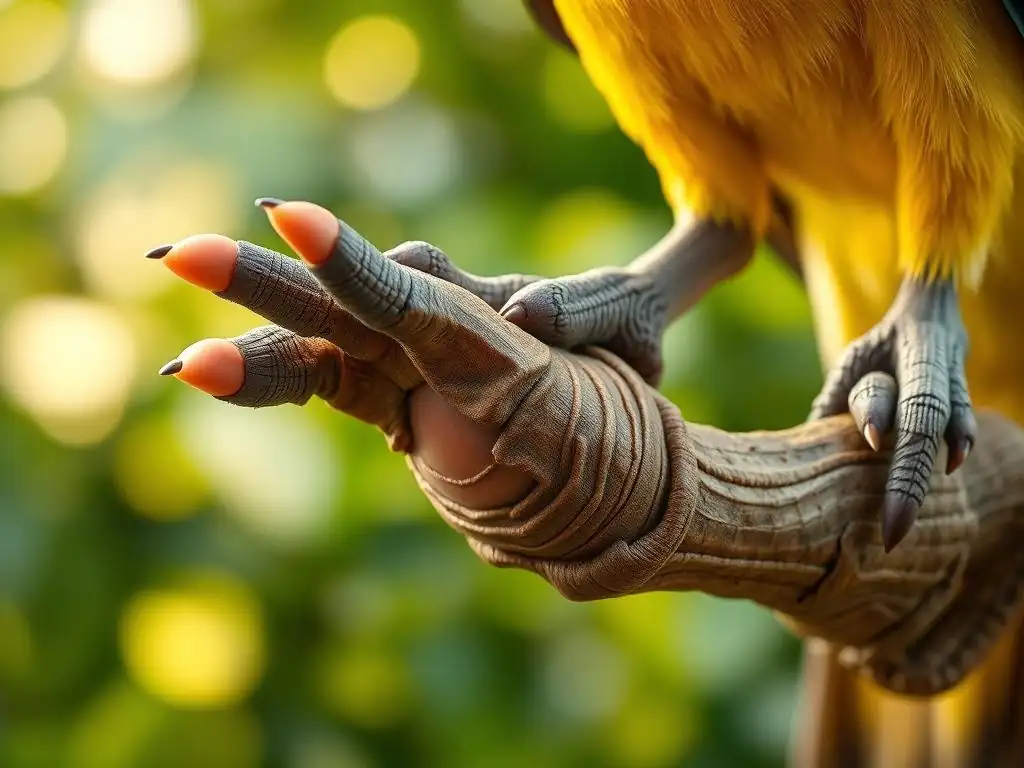
Welcome to PetCareWorld, your ultimate guide to a happier, healthier life for your beloved animal companions! Are you concerned about your feathered friend's foot health? Then you've come to the right place. Discover the secrets to choosing the best bird perch for foot health in our in-depth guide, "Beyond Dowel Rods: Choosing the Right Perch to Prevent Bird Foot Problems," and unlock the key to preventing common foot problems. Learn how the right perch can make all the difference – explore now and give your bird the gift of comfort and well-being!
- Understanding Bird Foot Health Issues: Why Perch Selection Matters
- The Best Bird Perches for Foot Health: A Comparative Guide
- Creating a Variety of Perches: Enhancing Foot Health and Enrichment
- Beyond the Perch: Additional Factors for Bird Foot Health
- Choosing the Best Bird Perch for Your Bird: A Step-by-Step Guide
- Frequently Asked Questions (FAQ) about Bird Perch Selection
-
Frequently Asked Questions
- What are the common problems associated with dowel rod perches?
- Why is perch variety important for bird foot health?
- What materials make the best bird perches for foot health?
- How can I tell if my bird's perches are causing foot problems?
- What is the ideal number and placement of perches in a bird cage?
- Final Reflection: The Perch and the Promise of Healthy Flight
- Ready to Give Your Feathered Friend the Perfect Perch?
Understanding Bird Foot Health Issues: Why Perch Selection Matters
Choosing the right perch for your feathered friend is far more crucial than many pet owners realize. It's not simply a matter of providing a place to rest; the type of perch directly impacts your bird's foot health, significantly influencing their comfort, mobility, and overall well-being.
Improper perches can lead to a range of debilitating foot problems, impacting their quality of life and potentially shortening their lifespan. This article will delve into the common foot ailments birds suffer, the dangers of inadequate perching options like dowel rods, and how to select the best bird perch for foot health – ultimately helping you provide the best possible care for your beloved companion.
Understanding the connection between perch selection and foot health is key to responsible bird ownership and ensures your bird enjoys a long, happy, and healthy life. We'll explore what constitutes a "best bird perch for foot health" and provide you with the knowledge to make informed decisions.
Common Bird Foot Problems: Bumblefoot, Arthritis, and More
Birds, especially those kept in cages, are susceptible to various foot ailments. One of the most prevalent is bumblefoot, a bacterial infection affecting the foot pads. This painful condition often stems from prolonged pressure on hard, flat surfaces like dowel rods, leading to sores, inflammation, and even deep-seated infections.
Another common issue is arthritis, a degenerative joint disease that causes pain, stiffness, and inflammation in the joints of the legs and feet. While genetics play a role, improper perching can exacerbate arthritis symptoms, leading to reduced mobility and discomfort.
Beyond bumblefoot and arthritis, birds can also experience tendinitis, inflammation of the tendons in their feet, and various other injuries related to poor perch design. These conditions often manifest as limping, swelling, or changes in your bird's behavior, such as reluctance to perch or decreased activity. Early detection and appropriate treatment are crucial for managing these conditions and preventing further complications. The right perch can significantly reduce the risk of these problems.
The Dangers of Improper Perches: Dowel Rods and Their Impact
Dowel rods, unfortunately, are a common sight in bird cages. However, their smooth, cylindrical shape presents significant risks to avian foot health. The lack of grip and consistent pressure on the same foot areas can lead to:
- Bumblefoot: As mentioned earlier, the constant pressure on the foot pads promotes bacterial infection.
- Deformed Feet: The lack of natural grip encourages unnatural foot positioning, potentially leading to deformities over time.
- Reduced Blood Circulation: Constricted blood flow in the feet can lead to further complications and worsening of existing conditions.
- Joint Pain and Arthritis: The lack of varied grip and pressure points can contribute to joint problems.
The smooth surface offers no stimulation or exercise for the bird's feet. Choosing alternative perches with varied textures, diameters, and shapes is vital for promoting foot health and preventing these issues. Think of it like this: would you want to stand on a smooth, cylindrical pole all day? The answer is likely no, and the same applies to our avian companions.
Recognizing Signs of Foot Problems in Your Bird
Early detection is key to effectively treating any foot problems your bird might develop. Be vigilant and look for these warning signs:
- Swelling or redness: Observe your bird's feet closely for any signs of inflammation.
- Limping or favoring one leg: A change in gait is a clear indication of discomfort.
- Difficulty perching or climbing: If your bird struggles with normal activities, it could be a sign of pain.
- Changes in behavior: Increased irritability, lethargy, or decreased appetite can be associated with foot pain.
- Sores or lesions: Inspect the feet carefully for any open wounds or sores.
If you notice any of these symptoms, consult an avian veterinarian immediately. Prompt diagnosis and treatment are essential to prevent more serious complications and ensure your bird's comfort and well-being. Remember, providing a variety of appropriate perches is a proactive step towards preventing these problems in the first place.
The Best Bird Perches for Foot Health: A Comparative Guide

This section delves into the specifics of different perch types, analyzing their impact on avian foot health. Choosing the right perch is crucial for preventing foot problems like bumblefoot and promoting overall bird well-being. We'll examine various materials, textures, and designs to help you select the best bird perch for foot health for your feathered friend. Remember, a variety of perches is ideal to provide your bird with exercise and stimulation.
Natural Wood Perches: Benefits and Drawbacks
Natural wood perches are often touted as the best option for mimicking a bird's natural environment. The varied textures and diameters offer excellent foot stimulation and exercise. However, not all wood perches are created equal. Some may be too smooth, lacking the necessary grip, while others might harbor splinters or harbor bacteria if not properly treated. The hardness and density of the wood also play a crucial role in longevity and overall suitability. Choosing sustainably sourced, untreated wood is paramount to ensure both your bird's safety and environmental responsibility.
AvianSafe Natural Wood Perches: A Detailed Review
AvianSafe perches are frequently recommended for their commitment to safety and quality. They typically utilize hardwoods known for their durability and resistance to splintering. The company often provides detailed information regarding the wood species used, sourcing, and treatment processes. This transparency allows owners to make informed decisions based on their bird's specific needs and preferences. [Specific data on diameter variations, wood types offered, and customer reviews pending]. However, even with high-quality perches like these, regular inspection for wear and tear is essential to prevent potential hazards.
Prevue Hendryx Branches: Pros and Cons for Different Bird Sizes
Prevue Hendryx branches offer a more naturalistic perch option, often resembling real branches found in a bird's natural habitat. The varied sizes and shapes cater to different bird species and sizes, making them a versatile choice. The rougher texture provides excellent grip, promoting healthy foot development and preventing slipping.
However, the natural variations in branch thickness and shape might not be ideal for all birds, and some birds may prefer a more consistent perch diameter. [Specific information on available sizes and wood types for different bird species pending]. Thorough cleaning and regular inspection are crucial to maintain hygiene and prevent bacterial growth.
Rope Perches: Texture, Grip, and Potential Issues
Rope perches offer a different textural experience compared to wood. The woven fibers provide a unique grip, potentially beneficial for birds with certain foot conditions. However, the material's susceptibility to wear and tear and potential for harboring bacteria requires careful consideration. Regular cleaning and replacement are crucial for maintaining hygiene and ensuring the perch remains safe and suitable for your bird. The type of rope material also significantly impacts its durability and suitability.
Kaytee Rope Perch Review: Durability and Bird Preferences
Kaytee rope perches represent a widely available option, often found in pet stores. Their affordability makes them an attractive choice, but their durability can vary depending on the bird's size and chewing habits. Some birds may find the texture stimulating, while others might prefer a different surface. [Specific data on rope material composition, lifespan, and customer reviews pending]. Regular inspection for fraying or loose fibers is necessary to prevent accidents.
Choosing the Right Rope Material for Optimal Foot Health
The material of the rope is crucial for determining its suitability. Natural fibers like cotton or sisal are generally preferred over synthetic materials due to their breathability and reduced risk of chemical exposure. However, even natural fibers can wear down, necessitating frequent checks and replacements.
Synthetic ropes might offer greater durability but could lack the necessary grip and may not be as comfortable for your bird's feet. Consider the bird's species and size when choosing a rope perch; a larger bird will likely require a thicker, more durable rope to prevent premature wear. A variety of rope textures can add stimulation and interest to the cage.
Concrete Perches: Benefits for Weight Bearing and Claw Health
Concrete perches offer a unique advantage in promoting bird foot health. Their solid, non-porous surface provides excellent weight-bearing support, which is crucial for preventing foot deformities and joint problems, especially in larger bird species. Unlike softer wood perches that can compress under pressure, concrete maintains its shape and firmness, ensuring consistent support for the bird's feet.
This consistent pressure distribution helps to strengthen leg and foot muscles, contributing to overall improved mobility and balance. Furthermore, the rough texture of many concrete perches helps to naturally trim and maintain the bird's claws, reducing the need for frequent manual trimming, which can be stressful for the bird. The hard surface prevents excessive claw growth, minimizing the risk of ingrown claws or other foot problems associated with overgrown nails.
This makes concrete perches a popular choice among avian veterinarians and experienced bird owners concerned about foot health. Regular cleaning is vital, as discussed below, to maintain hygiene and prevent bacterial growth.
SuperBird Concrete Perch Review: Advantages and Disadvantages
The SuperBird concrete perch is a well-known example within the market. Advantages often cited include its durability; it can withstand considerable weight and wear, making it a long-lasting investment. Its textured surface is generally considered beneficial for claw maintenance.
However, some owners report that the initial roughness can be abrasive to sensitive feet, especially for smaller birds. Therefore, careful monitoring of the bird's feet is essential during the initial period of using a concrete perch. Another potential disadvantage is the weight of the perch itself; it can be significantly heavier than wooden alternatives, which might be a concern for smaller cages or those with less robust mounting mechanisms.
Finally, while the rough texture helps with claw maintenance, some owners find that it can be too abrasive and may need to be smoothed down slightly with sandpaper, carefully monitored to avoid making it too smooth. Ultimately, the suitability of the SuperBird concrete perch depends on the size and species of the bird, as well as the owner's ability to monitor and adjust the perch's surface texture as needed.
Maintaining Hygiene on Concrete Perches
Maintaining hygiene on concrete perches is crucial to prevent the buildup of bacteria and other pathogens. Because concrete is a non-porous material, it is relatively easy to clean. Regular cleaning with a solution of mild soap and warm water is typically sufficient. Thoroughly rinse the perch to remove all traces of soap.
It's important to allow the perch to completely air dry before returning it to the cage to prevent the growth of mold or mildew. For more stubborn stains or bacterial buildup, a diluted solution of white vinegar can be used as a disinfectant. Always ensure that the vinegar solution is thoroughly rinsed off before the perch is returned to the cage.
Periodically, consider using a pet-safe disinfectant appropriate for bird cages. Remember to always supervise your bird closely while cleaning the perch to prevent accidental injury or ingestion of cleaning products. Regular and thorough cleaning is essential for maintaining a healthy and safe environment for your feathered friend.
Manzanita Branches: A Natural and Engaging Perch Option
Manzanita branches are a popular choice for bird perches due to their natural, aesthetically pleasing appearance and their inherent properties that promote foot health. The naturally rough surface provides excellent grip and helps to naturally wear down claws, reducing the need for frequent trimming. The varied diameters and branching patterns of manzanita branches offer a stimulating and enriching environment for birds, encouraging natural foraging behaviors and preventing boredom.
This variety in surface texture and grip also helps strengthen foot muscles, promoting better balance and mobility. The density of manzanita wood also makes it strong and durable, able to withstand considerable weight without significant compression, unlike softer woods.
Sourcing and Preparing Manzanita Branches for Your Bird
Sourcing manzanita branches requires careful consideration to ensure safety for your bird. Avoid collecting branches from areas treated with pesticides or herbicides. Ideally, source branches from reputable suppliers specializing in bird supplies, guaranteeing that they are untreated and safe. If you collect branches yourself, ensure they are from a clean, unpolluted area. Before placing the branches in your bird's cage, thoroughly clean them. This typically involves scrubbing with a solution of mild soap and warm water, followed by a thorough rinsing and complete air drying. Baking the branches in a low-temperature oven for a short period can help to further sterilize them, but this step is not always necessary if you have thoroughly cleaned them. Always inspect the branches carefully for any splinters or sharp edges before introducing them to your bird's cage. Remember to regularly monitor the branches for signs of wear and tear and replace them as needed.
Comparing Manzanita to Other Natural Wood Perches
Compared to other natural wood perches, manzanita offers several advantages. While other woods like apple or willow branches can also provide beneficial textures, manzanita is known for its density and durability. This means it can withstand more weight and wear than many softer woods. Furthermore, the unique branching patterns and varied diameters of manzanita branches offer a more stimulating and engaging environment for the bird, promoting natural behaviors.
While other woods might offer similar benefits, the combination of durability, varied texture, and aesthetic appeal makes manzanita a strong contender among natural perch options for promoting bird foot health. However, the cost of manzanita branches can sometimes be higher than other readily available wood options. The ultimate choice depends on individual bird preferences and the owner's budget and access to different types of wood.
Creating a Variety of Perches: Enhancing Foot Health and Enrichment
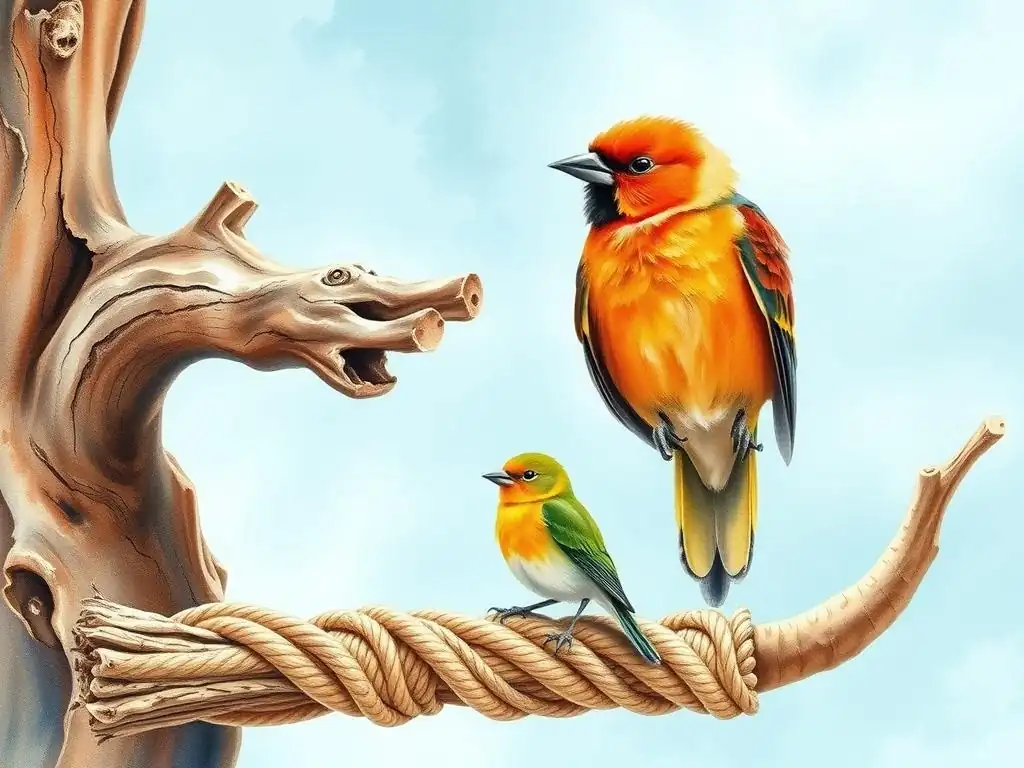
Providing your feathered friend with a diverse range of perches is crucial for maintaining optimal foot health and overall well-being. A monotonous perch setup, even if seemingly comfortable, can lead to a variety of foot problems, including bumblefoot, arthritis, and tendon damage. The best bird perch for foot health isn't a single product, but rather a carefully curated collection designed to stimulate different foot muscles and prevent repetitive strain injuries. Think of it as a comprehensive foot exercise program for your avian companion! 🐦
The Importance of Perch Variety for Foot Stimulation
Different perch diameters and textures provide unique challenges for your bird's feet. Imagine a human only ever walking on flat surfaces – their feet wouldn't be as strong or adaptable. Similarly, birds need variety.
A wider perch encourages a more spread-out grip, strengthening the muscles in the toes and legs. Narrower perches, on the other hand, necessitate a more precise grip, engaging smaller muscles and improving dexterity. The textured surfaces of natural wood perches or rope perches offer further stimulation, promoting better blood circulation and preventing the development of calluses.
Consider incorporating perches of varying diameters – from thin branches mimicking natural foraging environments to thicker, more stable perches for resting. This variety mirrors the natural diversity your bird would experience in the wild, promoting natural foot strengthening and preventing repetitive strain. Regularly assessing your bird's foot condition, looking for signs of redness, swelling, or unusual wear, is vital to ensuring the perches are appropriately sized and textured.
Combining Different Perch Types for Optimal Bird Wellbeing
The ideal perch setup isn't just about variety; it's about strategic placement. Combining different perch types allows your bird to actively choose the perch best suited to their current needs. For instance, a thicker, comfortable perch can serve as a primary resting spot, while thinner, more challenging perches can be strategically placed near food and water dishes, encouraging activity and foot stimulation during feeding time. Consider incorporating a variety of materials: natural wood branches (ensure they are untreated and safe!
), rope perches, mineral perches, and even strategically placed toys that require grasping and manipulation. The aim is to create a stimulating and enriching environment that naturally exercises your bird's feet. Think of it as creating a "bird gym" tailored to your pet's specific needs and preferences! 💪
Rotating Perches to Prevent Wear and Tear
Even the best bird perches will eventually wear down with use. Regular rotation of perches is essential to prevent excessive wear in one area and to maintain a consistently stimulating environment. This means periodically swapping out perches, cleaning them thoroughly, and introducing new ones to keep your bird engaged and prevent the development of foot problems due to uneven surfaces or degraded materials. This also helps avoid potential bacterial buildup, which can contribute to foot infections.
It's recommended to rotate perches at least every few months, depending on usage and the material of the perch. Keep a record of when you rotate your perches, noting any signs of wear and tear on each individual perch. This will help you identify which types of perches are most durable and best suited to your bird's needs, allowing you to make informed choices about future perch purchases.
Remember, proactive maintenance is key to ensuring your bird's long-term foot health and overall happiness. A well-maintained and varied perch collection is a significant investment in your bird's wellbeing! 🔄
Beyond the Perch: Additional Factors for Bird Foot Health
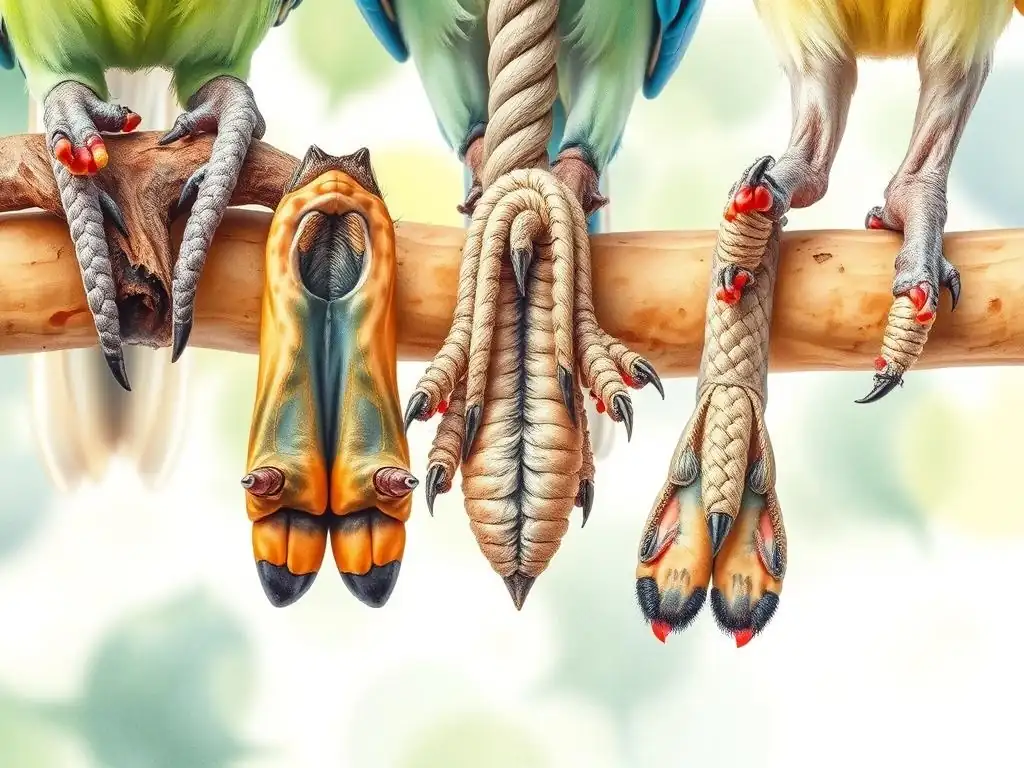
Choosing the right perch is a crucial step in preventing foot problems in your feathered friend, but it's not the only factor. A holistic approach to bird foot health requires attention to several key areas, working together synergistically to ensure your bird's comfort and well-being. Neglecting these aspects can compromise even the best perch's effectiveness. This section explores additional elements vital for maintaining your bird's foot health, ensuring they remain strong, healthy, and capable of comfortable perching. We'll examine how diet, hygiene, and prompt veterinary care contribute to overall foot health, complementing your perch selection.
Proper Diet and Nutrition for Strong Feet
A balanced diet is the cornerstone of overall bird health, and this includes strong, healthy feet. Nutritional deficiencies can directly impact bone density, muscle development, and overall foot structure, making your bird more susceptible to foot problems. Think of it like this: even the best running shoes won't prevent injury if your body isn't properly fueled.
A diet lacking in essential vitamins and minerals, such as calcium, vitamin D, and phosphorus, can lead to weak bones and increased risk of fractures or deformities. Similarly, a diet high in processed foods or low in essential fatty acids can negatively impact circulation and overall foot health.
Here's a breakdown of what to consider:
- Calcium: Crucial for strong bones. Supplement if necessary, following your avian veterinarian's recommendations.
- Vitamin D: Aids in calcium absorption. Ensure adequate sunlight or supplementation.
- Phosphorus: Works alongside calcium for bone health. Present in many birdseed mixes.
- Essential Fatty Acids: Improve circulation and skin health, contributing to healthy foot pads.
- High-Quality Pellets: Form the base of a healthy bird diet, providing a balanced nutrient profile.
- Fresh Fruits and Vegetables: Offer variety and additional vitamins and minerals.
Providing a diverse and nutritious diet will significantly enhance your bird's foot health, complementing the benefits of a well-chosen perch. Remember to consult with an avian veterinarian to create a diet plan tailored to your specific bird's needs and breed.
Regular Foot Inspections and Hygiene Practices
Regular foot inspections are just as important as choosing the right perch. Early detection of any issues allows for prompt intervention, preventing minor problems from escalating into major health concerns. Think of it as preventative maintenance for your bird's feet.
Here's a simple routine to follow:
- Weekly Inspections: Gently examine your bird's feet for any signs of injury, swelling, redness, or unusual growths. Pay close attention to the toes, pads, and nails.
- Nail Trimming: Regularly trim overgrown nails to prevent them from catching or becoming ingrown. Use appropriate avian nail clippers and proceed with caution.
- Foot Hygiene: Gently clean your bird's feet with a soft, damp cloth to remove any debris or droppings. Avoid harsh chemicals or soaps.
- Perch Cleaning: Regularly clean and disinfect the perches to prevent the buildup of bacteria and fungi.
Early detection of problems, such as bumblefoot (a bacterial infection of the footpad), can make a significant difference in treatment success. Regular inspections allow you to identify and address issues before they become serious. Remember, prevention is always better than cure.
Recognizing When to Consult an Avian Veterinarian
Even with careful perch selection, proper diet, and regular hygiene, your bird may still experience foot problems. Knowing when to seek professional veterinary care is crucial. Don't hesitate to contact an avian veterinarian if you notice any of the following:
- Lameness or limping: A clear sign of discomfort or injury.
- Swelling or redness: Indicates potential infection or inflammation.
- Bleeding or open wounds: Requires immediate attention to prevent infection.
- Unusual growths or deformities: Could indicate a more serious underlying condition.
- Persistent changes in behavior: Changes in perching habits, activity levels, or eating habits should be investigated.
Early veterinary intervention is key to successful treatment and preventing long-term complications. Don't delay seeking professional help if you are concerned about your bird's foot health. Your avian veterinarian can diagnose the problem, recommend appropriate treatment, and offer guidance on preventing future issues. Remember, a healthy bird is a happy bird, and healthy feet are a significant part of that equation.
Choosing the Best Bird Perch for Your Bird: A Step-by-Step Guide
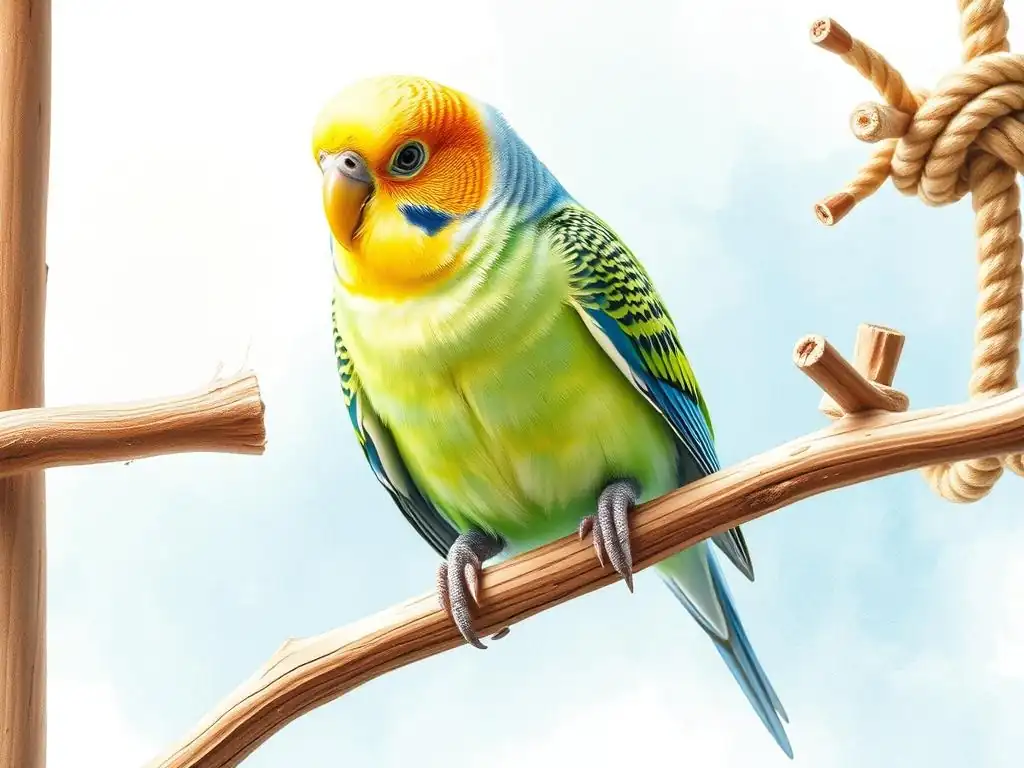
This section delves into the crucial aspects of selecting the perfect perch to safeguard your feathered friend's foot health. Finding the best bird perch for foot health isn't simply about picking any old branch; it requires careful consideration of several key factors. Neglecting these factors can lead to various foot problems, impacting your bird's quality of life. Let's explore the process step-by-step.
Considering Your Bird's Species and Size
The best bird perch for foot health is highly species-dependent. A perch suitable for a large macaw will be utterly inappropriate for a small finch. Size and weight are paramount. Consider these points:
- Foot size and shape: Larger birds like macaws have significantly larger feet and require thicker, more substantial perches to prevent strain and splaying. Smaller birds, conversely, need thinner perches that allow for a comfortable grip. Incorrect perch diameter can lead to perching problems, including foot deformities.
- Species-specific needs: Certain species have unique foot structures or habits. For instance, parrots often prefer textured perches, while some smaller songbirds might prefer smoother surfaces. Researching your specific bird's species will reveal its preferred perch characteristics for optimal foot health. Understanding these species-specific needs is key to preventing foot injuries.
- Weight distribution: A perch must be strong enough to support your bird's weight without bending or breaking. This is especially crucial for heavier birds. A flimsy perch can lead to falls and injuries, directly impacting your bird's foot health.
For example, a cockatoo would need a thick, sturdy perch with a natural, textured surface, while a budgie might thrive on a thinner, slightly rougher perch. Failure to match perch size and texture to your bird's species can negatively impact their foot health and overall well-being.
Assessing Your Bird's Activity Level and Preferences
Beyond species and size, your bird's individual personality and activity level significantly influence perch selection. The best bird perch for foot health also promotes natural behaviors.
- Active vs. sedentary birds: Highly active birds benefit from a variety of perches with different diameters, textures, and angles to encourage movement and prevent repetitive strain injuries. Sedentary birds might prefer a few comfortable perches where they can relax without excessive strain.
- Perch placement and arrangement: The positioning of perches within the cage is equally important. Provide a variety of perches at different heights to encourage climbing and exercise, which is crucial for maintaining healthy feet. Avoid overcrowding the cage with perches. Observe your bird's preferences; do they favor certain types of perches or positions? This can guide you towards the best options.
- Material preferences: Some birds show clear preferences for certain materials. Some might prefer natural wood, while others might gravitate toward rope or other textured perches. Observe your bird's behavior to understand their preferences. This observational approach is crucial to finding the perfect perch to support your bird's foot health.
The cost of bird perches varies greatly. While budget-friendly options exist, premium perches often offer superior materials and design for improved bird foot health.
| Perch Type | Cost | Pros | Cons | Foot Health Benefits |
|---|---|---|---|---|
| Natural Wood Perches | Low to Moderate | Durable, natural texture, good for gripping | Can splinter, need regular cleaning and replacement | Promotes natural grip, strengthens foot muscles |
| Rope Perches | Low to Moderate | Stimulating texture, encourages gripping and climbing | Can fray, less durable than wood, may not suit all species | Encourages foot exercise, good for active birds |
| Mineral Perches | Moderate | Provides essential minerals, helps prevent beak and claw overgrowth | Can be messy, may not be preferred by all birds | Supplementary mineral intake, indirectly supports foot health |
| Premium Designer Perches | High | Durable, ergonomic design, often with varied textures and diameters | Higher cost, may not be necessary for all birds | Optimized for foot comfort and prevents repetitive strain |
Choosing between budget and premium options involves weighing cost against the potential long-term benefits for your bird's foot health. While a cheaper perch might suffice initially, investing in high-quality perches can prevent costly vet bills down the line due to foot problems. The best choice depends on your individual bird's needs and your budget, but remember that prioritizing your bird's foot health is a worthwhile investment. This careful consideration will contribute significantly to your bird's overall well-being and longevity.
Frequently Asked Questions (FAQ) about Bird Perch Selection
This section addresses common queries regarding bird perch selection, focusing on how perch choice directly impacts your feathered friend's foot health. Choosing the right perch is crucial for preventing and managing foot problems in birds, contributing significantly to their overall well-being. Remember, a happy bird is a healthy bird! 🦜
How often should I replace my bird's perches?
The frequency of perch replacement depends on several factors, including the material, the bird's size and activity level, and the overall condition of the perch. Generally, you should inspect your bird's perches at least once a week. Look for signs of wear and tear, such as splintering, cracking, significant surface roughness, or excessive droppings accumulation.
- Natural Wood Perches: These typically require replacement every 3-6 months, depending on the wood type and how heavily they are used. Softer woods like balsa wear down faster than hardwoods like applewood or manzanita. Regular cleaning and sanitization can extend their lifespan, but eventually, they will need replacing.
- Rope Perches: These tend to fray and wear down more quickly than wood perches, especially with active birds. Replace rope perches every 1-3 months, or sooner if you notice significant fraying or loose fibers. These fibers can become entangled in your bird's claws, causing injury.
- Concrete or Mineral Perches: These are the most durable options and can last for a year or more, provided they aren't damaged. However, monitor for cracking or chipping.
Replacing perches proactively prevents potential foot injuries. A worn-out perch can lead to abrasions, pressure sores, and even bumblefoot. Regular replacement is a small investment for ensuring your bird's long-term foot health. Think of it as preventative maintenance for your avian companion's little feet!
Are there perches specifically designed for birds with foot problems?
Yes, absolutely! For birds already suffering from foot conditions like bumblefoot or arthritis, specialized perches are available to provide extra support and comfort. These perches often incorporate features that minimize stress on the bird's feet and joints.
Here's a breakdown of options:
| Perch Type | Description | Benefits | Considerations |
|---|---|---|---|
| Extra-wide perches | Offer a larger surface area for weight distribution | Reduces pressure on individual toes and joints. | May not be suitable for all bird species or sizes. |
| Soft perches | Made from materials like rope, cotton, or padded wood. | Provide cushioning and grip, improving comfort. | Require more frequent cleaning and replacement due to wear. |
| Textured perches | Feature variations in surface texture to stimulate foot muscles and improve grip. | Promote blood circulation and prevent foot pad atrophy. | Ensure the texture isn't too abrasive. |
| Diagonal perches | Encourage natural foot posture and reduce strain on joints. | Improves foot health and reduces pressure points. | Requires proper placement and monitoring. |
Consult with an avian veterinarian to determine the best perch type for your bird's specific needs. They can assess your bird's condition and recommend appropriate perch modifications or replacements to support healing and prevent further complications.
What are the signs that my bird's perch is unsuitable?
Several indicators suggest your bird's perch needs replacing or adjusting. Pay close attention to your bird's behavior and physical condition. Early detection is key to preventing more serious foot problems.
- Visible foot injuries: Look for cuts, swelling, redness, or scabs on your bird's feet. These are clear signs of a problem.
- Abnormal posture: If your bird is constantly shifting its weight or holding its feet in an unusual position, the perch may be uncomfortable or causing pain.
- Excessive sleeping: While birds need rest, excessive sleeping or lethargy could indicate pain or discomfort from an unsuitable perch.
- Difficulty perching: If your bird struggles to grip the perch or frequently falls off, the perch may be too smooth, too small, or too worn.
- Foot pad calluses or deformities: Thickened or misshapen foot pads are often signs of long-term pressure on the feet.
- Changes in behavior: Increased irritability, aggression, or vocalization could signal underlying pain or discomfort.
If you notice any of these signs, immediately inspect your bird's perches and consider replacing them. Remember, a comfortable and appropriate perch is essential for your bird's overall well-being and foot health. Don't hesitate to seek professional veterinary advice if you're concerned about your bird's feet.
Frequently Asked Questions
What are the common problems associated with dowel rod perches?
Dowel rods are too smooth and lack texture, leading to poor grip and pressure points on your bird's feet, potentially causing bumblefoot and other foot problems. They don't promote natural foot exercises.
Why is perch variety important for bird foot health?
Different perch types offer varying diameters, textures, and shapes, encouraging your bird to grip and spread its toes in different ways, strengthening muscles and preventing foot deformities. This mimics their natural environment.
What materials make the best bird perches for foot health?
Natural wood perches like manzanita, java wood, and grapevine are excellent choices. They provide varied textures and diameters, promoting healthy foot development. Avoid painted or treated wood.
How can I tell if my bird's perches are causing foot problems?
Look for signs like swollen feet, bleeding, or difficulty gripping. If you notice any of these, change the perches immediately and consult an avian veterinarian. Regular inspections are key.
What is the ideal number and placement of perches in a bird cage?
Provide a variety of perches in different sizes and materials. Multiple perches allow your bird to move around freely and prevent excessive strain on any one area of its feet. Place them at various heights.
Final Reflection: The Perch and the Promise of Healthy Flight
The health of our avian companions hinges on seemingly small details, and the choice of perch is paramount. A seemingly insignificant dowel rod can lead to debilitating foot problems, impacting not only their physical well-being but also their quality of life. The right perch, however, is a cornerstone of responsible bird ownership, offering a foundation for healthy, happy birds.
The impact of providing appropriate perches extends far beyond the immediate physical benefits. It speaks to a deeper understanding of our responsibility as caregivers, recognizing the intricate needs of our feathered friends. The greatness of a nation and its moral progress can be judged by the way its animals are treated.
- Mahatma Gandhi. This quote, while not explicitly about birds, highlights the ethical imperative to provide for the well-being of all creatures under our care. The choices we make, from the type of perch we select to the enrichment we provide, directly reflect our commitment to their welfare and contribute to a more compassionate world.
Consider the implications of this article. You now possess the knowledge to make informed decisions about your bird's perch, directly impacting their comfort and health. Take action today. Examine your bird's current perch. Is it the right size, texture, and material? If not, make the change. Your bird will thank you, not just with a cheerful chirp, but with a lifetime of healthy, happy hops and flights. Let's work together to ensure every bird has the opportunity to soar.
Ready to Give Your Feathered Friend the Perfect Perch?
Thank you for learning about the importance of proper perches for your bird's foot health! We hope you feel confident making informed decisions for your avian companion. Now, let's put that knowledge into practice:
- Prioritize a Perch Upgrade: Examine your bird's current perches. Are they the correct size and material for their species? If not, replace at least one today with a natural wood perch of the appropriate diameter for your bird's feet.
- Offer Variety: Provide several different types of perches—such as natural wood, rope, or other suitable materials—to offer your bird varied grip options and stimulate their feet.
- Share Your Perch Journey: Share your experiences (and photos!) of upgrading your bird's perch setup on our PetCareWorld forums—let's build a supportive community for bird owners!
What new perch material will you try to keep your bird's feet happy and healthy?