
The Air Your Pet Breathes: Understanding Indoor Air Quality & Allergies

Welcome to PetCareWorld, your ultimate guide to a happier, healthier life for your beloved companion! Are you concerned about your pet's well-being? Then you've come to the right place. We delve into the crucial connection between pet allergies and indoor air quality, exploring how the air your pet breathes directly impacts their health. Discover practical solutions and expert advice to create a safer, healthier environment for your furry, feathered, or scaled friend. Learn more about improving your pet's life by exploring our comprehensive guide on Pet Allergies and Indoor Air Quality – your pet will thank you for it!
- Identifying Common Indoor Allergens Affecting Pets
- Assessing Your Home's Air Quality for Pet Allergies
- Improving Indoor Air Quality to Reduce Pet Allergies
- Specific Strategies for Managing Pet Allergies Based on Species
- Natural Remedies and Preventative Measures
- When to Seek Veterinary Care for Pet Allergies
- Creating a Healthy Indoor Environment for Your Pet: A Long-Term Strategy
-
Frequently Asked Questions
- What are the common pet allergens that affect indoor air quality?
- How does poor indoor air quality impact my pet's health?
- What are some practical steps to improve indoor air quality for pets with allergies?
- Can I completely eliminate pet allergens from my home?
- My pet seems to be suffering from allergies. What should I do?
- Final Reflection: Breathing Easier: A Future for Pets and People
- Breathe Easier: Empower Your Pet's Well-being Today!
Identifying Common Indoor Allergens Affecting Pets
Indoor air quality is paramount to the health and well-being of our beloved pets. Just as humans suffer from allergies triggered by airborne particles, our animal companions are equally susceptible. This article delves into the critical relationship between indoor air quality and pet allergies, focusing on common allergens and practical strategies for improving your pet's respiratory health and overall quality of life.
We'll explore the most prevalent indoor allergens that trigger allergic reactions in pets, examining their sources, effects, and effective mitigation techniques. Understanding these factors is crucial for pet owners seeking to create a healthier and safer home environment for their furry, feathered, or scaled friends.
This comprehensive guide will empower you to proactively manage environmental allergies and ensure your pet enjoys a life free from the discomfort and health complications associated with poor indoor air quality. We'll cover practical steps you can take to minimize allergen exposure and promote a healthier home environment for your pet, ultimately strengthening the bond you share.
Dust Mites and Pet Allergies: A Common Culprit
Dust mites, microscopic arachnids thriving in warm, humid environments, are a significant source of pet allergies. These tiny creatures feed on dead skin cells and their droppings contain potent allergens that can trigger respiratory issues, skin irritations, and other allergic reactions in sensitive pets. Symptoms can range from mild sneezing and itching to more severe conditions like asthma and chronic bronchitis. Cats and dogs, especially those with pre-existing respiratory conditions, are particularly vulnerable. Studies have shown a strong correlation between high dust mite levels in homes and the severity of allergic symptoms in pets. 1 Effective dust mite control involves regular cleaning, using hypoallergenic bedding, and maintaining low humidity levels. Consider using a dehumidifier, especially in damp climates, and frequently washing pet bedding in hot water to eliminate dust mites and their allergens. Regular vacuuming with a HEPA filter vacuum is also crucial for removing dust mites and their allergens from carpets, upholstery, and other surfaces. The frequency of cleaning should be increased depending on the severity of your pet's allergy symptoms.
Pet Dander: The Allergen in Your Own Home
Ironically, one of the most common indoor allergens for pets is pet dander – the tiny flakes of skin shed by animals. While often associated with cats, all pets shed dander to some degree. These microscopic skin particles contain proteins that trigger allergic reactions in sensitive individuals, including other pets. The severity of the reaction often depends on the pet's breed and the individual pet's sensitivity.
For example, certain breeds like Persian cats are known to produce more dander than others. Regular grooming, using appropriate brushes to remove loose hair and dander, can significantly reduce allergen levels in your home. Bathing your pet regularly, also using hypoallergenic shampoos, can further reduce the amount of dander released into the environment.
In addition to grooming, frequent vacuuming and cleaning of surfaces can help keep dander levels under control. Air purifiers equipped with HEPA filters can also be beneficial in trapping airborne dander particles. Remember, consistent and thorough cleaning is key to minimizing the impact of pet dander on your pet's allergies.
Mold Spores and Their Impact on Pet Respiratory Health
Mold spores, microscopic fungal particles, are another prevalent indoor allergen that can significantly affect pet respiratory health. Mold thrives in damp, poorly ventilated areas, often hidden within walls, under carpets, or in air conditioning systems. Inhalation of mold spores can trigger allergic reactions ranging from mild sneezing and coughing to more severe conditions like asthma and respiratory infections. Symptoms can vary depending on the type of mold and the sensitivity of the pet.
Pets with pre-existing respiratory conditions are particularly susceptible to mold-related allergies. To mitigate mold growth, it's crucial to maintain a dry home environment by addressing any leaks or moisture problems promptly. Regularly inspect your home for signs of mold, and if found, clean affected areas thoroughly using appropriate cleaning solutions. Improving ventilation by opening windows and using exhaust fans can help reduce moisture levels and inhibit mold growth.
The use of air purifiers with HEPA filters can also help to remove mold spores from the air. Regular professional cleaning of air conditioning systems can also help prevent mold growth and improve indoor air quality. Preventing mold growth is a proactive measure to protect your pet's respiratory health.
1 [Specific study data pending]
Pollen and Other Outdoor Allergens Entering Your Home
Pollen, a significant contributor to seasonal allergies in both humans and pets, easily infiltrates homes. Wind, open windows, and even pet fur can carry pollen grains indoors, leading to allergic reactions in susceptible animals. The severity of the reaction depends on the pet's sensitivity, the pollen type (grass, tree, weed pollen varies in allergenicity), and the concentration of pollen in the air. Dogs and cats, with their fur acting as a natural pollen trap, often exhibit more pronounced symptoms when exposed to high pollen counts.
Symptoms can range from mild sneezing and itchy eyes to more severe respiratory issues, such as coughing and difficulty breathing. Regular grooming can help minimize pollen accumulation in your pet's fur, thus reducing exposure. However, even meticulous grooming won't eliminate all pollen.
It's crucial to understand that pollen isn't the only outdoor allergen finding its way inside. Spores from molds and fungi, common in damp environments, can also be carried indoors on clothing, shoes, or even by pets themselves. These microscopic spores can trigger allergic reactions similar to pollen, resulting in sneezing, coughing, and skin irritation.
Maintaining a dry indoor environment and regularly cleaning areas prone to mold growth (such as bathrooms and basements) is essential in mitigating this risk. Consider using air purifiers with HEPA filters, which are effective at trapping both pollen and mold spores, improving the indoor air quality and reducing the allergen burden for your pets.
Furthermore, other outdoor irritants like dust mites, while technically not pollen, are frequently brought indoors and can exacerbate pet allergies. Dust mites feed on dead skin cells and thrive in warm, humid environments. Their droppings contain allergens that trigger allergic reactions in susceptible pets. Regular vacuuming, especially with a vacuum cleaner equipped with a HEPA filter, is critical in minimizing dust mite exposure.
Washing pet bedding frequently in hot water also helps reduce dust mite populations and the allergen load within the pet's immediate environment. These seemingly small measures can significantly improve your pet's comfort and reduce allergy symptoms related to outdoor allergens entering the home. Regularly monitoring your pet's symptoms and consulting a veterinarian for appropriate treatment are crucial aspects of managing these allergies effectively.
Assessing Your Home's Air Quality for Pet Allergies
This section focuses on evaluating your home environment to minimize the impact of poor indoor air quality on your pet's allergies. Understanding your home's air quality is crucial for managing pet allergies effectively. Many seemingly harmless household items can contribute to poor air quality, triggering allergic reactions in sensitive pets. We'll explore practical steps to assess and improve your home's air, focusing on elements directly related to pet allergy management. Remember, a proactive approach to indoor air quality significantly improves your pet's comfort and well-being.
Monitoring Air Quality with Home Monitoring Devices
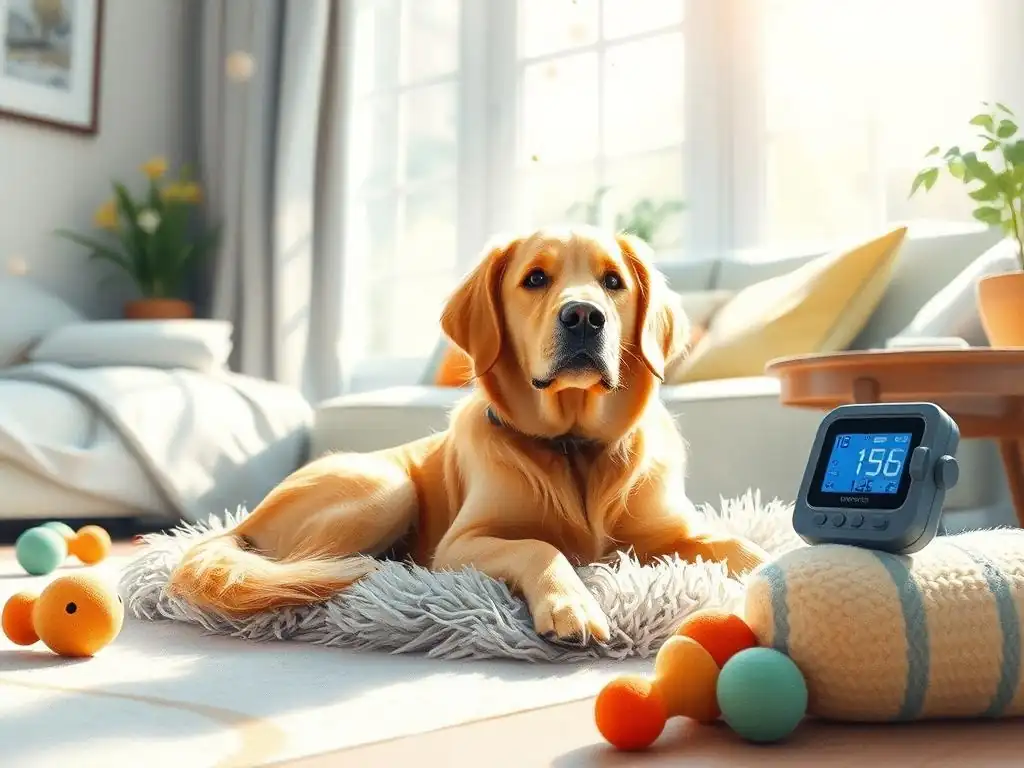
Modern technology offers convenient ways to monitor your home's air quality. Home air quality monitors provide real-time data on various pollutants, including particulate matter (PM2.5 and PM10), volatile organic compounds (VOCs), carbon monoxide (CO), and humidity. These devices often use sensors to detect these pollutants and display the readings on a digital screen or via a connected app.
The data collected can help you identify potential triggers for your pet's allergies and pinpoint areas in your home that require attention. For example, a consistently high level of PM2.5 might indicate a need for improved ventilation or air filtration. Consider factors such as the size of your home and the number of pets when choosing a monitor; some monitors are better suited for larger spaces or multiple pets.
Regular monitoring, combined with other assessment methods, provides a comprehensive understanding of your home's air quality and its impact on your pet's health. Remember to follow the manufacturer's instructions for proper device calibration and maintenance. Consistent data logging allows you to track changes over time and evaluate the effectiveness of any implemented improvements.
Identifying Sources of Indoor Air Pollution
Pinpointing the sources of indoor air pollution is a critical step in managing pet allergies. Many common household items can trigger allergic reactions. These include:
- Dust mites: Microscopic creatures thriving in bedding, carpets, and upholstery. Regular cleaning and the use of allergen-proof covers can significantly reduce their numbers.
- Pet dander: Tiny skin flakes shed by pets, a major allergen for many animals. Frequent vacuuming, especially with a HEPA filter vacuum, is essential. Regular bathing of your pet can also help reduce dander.
- Mold and mildew: These thrive in damp areas. Regularly inspect and clean bathrooms, kitchens, and other potentially damp areas. Proper ventilation is key to preventing mold growth.
- Pollen: Even indoors, pollen can accumulate, particularly during allergy season. Using air filters and keeping windows closed during high-pollen days can help.
- VOCs (Volatile Organic Compounds): Released from cleaning products, paints, and other household items. Opt for low-VOC or VOC-free alternatives.
- Smoke: From cigarettes, fireplaces, or candles. Avoid smoking indoors and use smoke detectors.
Understanding these sources and implementing targeted cleaning and preventative measures is key to improving your home's air quality and alleviating your pet's allergy symptoms. A systematic approach, addressing each potential source individually, will yield the best results. Regular deep cleaning, combined with preventative measures, creates a healthier environment for your pet.
Recognizing the symptoms of pet allergies linked to poor indoor air quality is crucial for effective management. These symptoms can manifest differently depending on the severity of the allergy and the specific allergen involved. Common symptoms include:
- Sneezing: Frequent sneezing is a classic sign of an allergic reaction.
- Coughing: Persistent coughing, especially after exposure to certain environments, may indicate an allergy.
- Itchy skin: Excessive scratching, licking, or biting can suggest allergic dermatitis.
- Eye irritation: Red, watery, or itchy eyes are common allergy symptoms.
- Respiratory distress: In severe cases, allergies can lead to difficulty breathing, wheezing, or shortness of breath. This requires immediate veterinary attention.
- Gastrointestinal issues: Some pets experience vomiting or diarrhea as a result of allergies.
The severity of these symptoms can vary greatly. Mild symptoms might only require minor adjustments to your home environment, while severe symptoms may require veterinary intervention, including medication. Keeping a detailed record of your pet's symptoms, including the time of onset and any potential triggers, can help your veterinarian make an accurate diagnosis and develop an effective treatment plan. Early recognition and prompt action are key to managing your pet's allergies effectively and ensuring their well-being. Remember, if you suspect your pet is experiencing severe allergic symptoms, seek immediate veterinary care.
Improving Indoor Air Quality to Reduce Pet Allergies
This section focuses on practical steps pet owners can take to improve indoor air quality and mitigate pet allergy symptoms. Maintaining a clean and allergen-free environment is crucial for both the pet's and the owner's well-being. Poor indoor air quality can exacerbate existing allergies and even trigger new ones in susceptible pets and humans. We'll explore several effective strategies to minimize airborne allergens and create a healthier home environment. Understanding the connection between pet allergies and indoor air quality is the first step towards effective allergy management.
Effective Air Filtration Strategies for Pet Allergy Relief
Effective air filtration is paramount in reducing pet allergens. The most common pet allergens—dander, saliva, and urine proteins—are tiny particles that easily become airborne. High-efficiency particulate air (HEPA) filters are your best allies in capturing these microscopic irritants. These filters are designed to trap particles as small as 0.3 microns, significantly reducing the allergen load in your home.
Several filtration strategies can be implemented to maximize their effectiveness:
- HEPA vacuum cleaners: Regular vacuuming with a HEPA-filtered vacuum is essential. These vacuums trap allergens instead of just dispersing them back into the air, as many conventional vacuums do. Aim for at least two thorough vacuumings per week, paying close attention to areas where your pet spends the most time, such as sleeping areas and favorite spots.
- HEPA air purifiers: These devices are designed specifically to filter the air continuously, removing allergens and other pollutants. Consider the size of the room and the type of pet when choosing an air purifier; larger rooms and pets that shed heavily may require a more powerful unit. Look for models with multiple filter stages for optimal performance. Regular filter replacement is crucial for maintaining effectiveness.
- Air conditioning systems with HEPA filters: Many modern air conditioning units offer the option of adding HEPA filters. This allows you to filter the air throughout your entire house, ensuring a consistent level of allergen reduction. This is particularly beneficial during allergy seasons when allergen counts are higher.
Remember, consistent and thorough cleaning is key to maintaining a healthy home environment for your pet and yourself. Regularly changing filters is also important for optimal performance and to avoid filter clogging.
Regularly Cleaning and Vacuuming to Minimize Allergens
Beyond air filtration, regular cleaning and vacuuming are crucial for minimizing allergens in your home. This involves more than just a quick sweep; it requires a dedicated effort to remove pet dander, hair, and other allergens from surfaces.
Here's a detailed cleaning plan to effectively reduce allergens:
- Frequent vacuuming: As mentioned previously, vacuuming with a HEPA filter vacuum is crucial. Pay special attention to carpets, rugs, upholstery, and pet bedding. Vacuum at least twice a week, and more frequently if needed.
- Washing pet bedding: Regularly wash your pet's bedding in hot water (at least 130°F) to kill dust mites and remove allergens. Aim for at least once a week, or more often for pets with allergies or sensitive skin.
- Cleaning hard surfaces: Wipe down hard surfaces like floors, countertops, and furniture regularly with a damp cloth or mop. This helps remove pet dander and other allergens that settle on these surfaces.
- Professional cleaning: Consider professional carpet cleaning at least once a year to deep clean carpets and remove deeply embedded allergens. Professional cleaning services often use specialized equipment and cleaning solutions that are more effective at removing allergens than standard home cleaning methods.
Ignoring regular cleaning can significantly impact indoor air quality and exacerbate pet allergies. A consistent cleaning routine should be a cornerstone of your allergy management strategy.
Utilizing Air Purifiers and Their Benefits for Pets
Air purifiers equipped with HEPA filters offer a proactive approach to managing pet allergens. These devices continuously filter the air, removing airborne particles like pet dander, pollen, mold spores, and dust mites. This constant filtration significantly improves indoor air quality, providing relief for pets suffering from allergies.
Consider these benefits when choosing an air purifier:
- Allergen reduction: The primary benefit is the reduction of airborne allergens. This leads to fewer allergy symptoms for your pet, such as sneezing, itching, and skin irritation.
- Improved respiratory health: Cleaner air benefits your pet's respiratory system, improving overall health and well-being. This is especially important for pets with asthma or other respiratory conditions.
- Reduced odor: Many air purifiers also help remove pet odors, contributing to a fresher and cleaner smelling home.
- Variety of models: Air purifiers come in various sizes and features to suit different needs and budgets. Consider factors like room size, pet size, and the level of filtration needed when making your selection.
Investing in a quality air purifier is a worthwhile investment in your pet's health and well-being. Remember to choose a model suitable for the size of your home and replace filters regularly to maintain optimal performance. Regular maintenance, including filter changes, is essential for maximizing the benefits and longevity of the air purifier.
Controlling Humidity Levels to Prevent Mold Growth
Maintaining optimal humidity levels in your home is crucial for preventing mold growth, a significant contributor to pet allergies. Mold spores are microscopic and easily inhaled by pets, triggering allergic reactions such as sneezing, coughing, skin irritation, and even respiratory problems. High humidity creates the perfect breeding ground for mold, thriving in damp environments often found in basements, bathrooms, and areas with leaky pipes or poor ventilation. Therefore, monitoring and controlling humidity is paramount in mitigating pet allergy risks.
Several methods exist to effectively manage humidity. A hygrometer is an inexpensive tool that accurately measures the humidity level in your home. Ideally, you should aim for a humidity level between 30% and 50%. Levels exceeding 50% significantly increase the risk of mold proliferation.
To lower humidity, consider using dehumidifiers, especially in damp areas. These appliances effectively extract moisture from the air, reducing the chances of mold growth. Improving ventilation is equally important; open windows regularly to allow for air circulation, especially in humid climates or after showering. Repairing any leaks promptly and ensuring proper ventilation in bathrooms and kitchens are also essential preventative measures.
Regularly cleaning and inspecting areas prone to moisture buildup, such as window sills and under sinks, can help detect and address mold problems early on. Addressing these issues proactively minimizes the risk of mold-related pet allergies and ensures a healthier home environment for your furry friend. Ignoring humidity control can lead to significant health problems for your pet, possibly necessitating costly veterinary treatments down the line. Therefore, proactive humidity management is a cost-effective and essential step in preventing pet allergies stemming from indoor air quality issues.
Choosing Pet-Friendly Cleaning Products and Practices
The cleaning products you use significantly impact your pet's exposure to allergens and irritants. Many conventional cleaning products contain harsh chemicals that can exacerbate pet allergies and cause respiratory problems. Opting for pet-friendly cleaning products is crucial for maintaining a healthy indoor environment. Look for products specifically labeled as "pet-safe" or those that are free of harsh chemicals, artificial fragrances, and ammonia. These gentler alternatives minimize the risk of irritating your pet's respiratory system or causing skin reactions.
Beyond the products themselves, how you clean also matters. Regular vacuuming and dusting are essential for removing pet dander, dust mites, and other allergens that accumulate in carpets, upholstery, and bedding. Use a vacuum cleaner with a HEPA filter to effectively trap these microscopic particles and prevent them from recirculating in the air. Regularly wash your pet's bedding and your own bedding in hot water to kill dust mites and remove allergens.
Consider using hypoallergenic laundry detergents to further minimize potential irritants. When cleaning hard surfaces, use a damp microfiber cloth to avoid spreading dust and allergens. Avoid using strong chemical sprays, as these can linger in the air and irritate your pet's sensitive respiratory system.
Instead, opt for natural cleaning solutions like diluted vinegar or baking soda, which are both effective and pet-friendly. Remember that thorough cleaning, combined with the right pet-friendly products, creates a healthier and safer environment for your beloved companion, substantially reducing their exposure to allergens and improving their overall well-being. Regular, diligent cleaning is a cornerstone of effective indoor air quality management for pet allergy prevention.
Specific Strategies for Managing Pet Allergies Based on Species
This section delves into practical, species-specific strategies for improving indoor air quality and mitigating pet allergies. We'll explore solutions tailored to cats, dogs, and smaller animals, highlighting the unique challenges and effective approaches for each. Remember, consulting with a veterinarian is crucial before implementing any significant changes to your pet's environment or care routine. Effective management of pet allergies often requires a multi-pronged approach, combining environmental controls with veterinary guidance.
Cat Allergies: Indoor Air Quality Solutions for Feline Companions
Cats, with their meticulous grooming habits, can inadvertently spread allergens throughout the home. Their dander (dead skin cells), saliva, and urine all contribute to airborne allergens. Effective management requires a targeted approach focusing on reducing allergen sources and improving air filtration.
Several strategies can significantly reduce cat allergen levels:
- Regular Grooming: Brushing your cat frequently, ideally daily, helps remove loose dander before it becomes airborne. Consider using a specialized pet grooming tool designed to minimize allergen release. This simple act can make a noticeable difference in indoor air quality.
- Air Purifiers with HEPA Filters: High-Efficiency Particulate Air (HEPA) filters are essential for trapping microscopic allergens, including cat dander. Choose a purifier with a sufficient capacity for the size of your home and consider placing it in areas where your cat spends the most time. Regularly replace the filters according to the manufacturer's recommendations for optimal performance.
- Washable Surfaces: Opt for washable bedding, furniture covers, and flooring materials. Regularly washing these items in hot water eliminates accumulated allergens.
- Specialized Cleaning Products: Utilize cleaning products specifically formulated to remove pet allergens. These products often contain enzymes that break down allergen proteins, making them less potent.
- Restricting Access: While impractical for many cat owners, restricting your cat's access to certain rooms, such as bedrooms, can minimize allergen exposure for sensitive individuals.
Dog Allergies: Managing Allergens in Canine Households
While dogs don't groom themselves as meticulously as cats, their saliva, dander, and urine still contribute significantly to indoor allergens. Effective allergen management for dog owners requires a similar multi-faceted approach.
Key strategies for reducing dog allergens include:
- Frequent Bathing: Regular bathing with a hypoallergenic shampoo can significantly reduce dander and associated allergens. The frequency will depend on your dog's breed and coat type; consult your veterinarian for personalized recommendations.
- Vacuuming and Floor Cleaning: Regular and thorough vacuuming, ideally with a vacuum cleaner equipped with a HEPA filter, is essential for removing dog hair and dander from carpets and upholstery. Frequent mopping of hard floors helps remove allergens that may have settled.
- Air Filtration: As with cat allergies, using air purifiers with HEPA filters is crucial for removing airborne dog allergens. Consider the size of your home and the number of dogs when selecting a purifier.
- Specialized Cleaning Solutions: Use enzyme-based cleaning products to remove pet stains and odors, which often contain allergens. These products break down the proteins that trigger allergic reactions.
- Controlling Shedding: Regular brushing helps remove loose hair and reduces shedding, minimizing the amount of allergen released into the air. This is especially important for breeds that shed heavily.
Small Animal Allergies and Air Quality
Small animals like rabbits, guinea pigs, hamsters, and birds can also trigger allergies in susceptible individuals. While the allergen sources may differ, the general principles of managing indoor air quality remain the same.
Managing allergies from small animals involves:
- Regular Cage Cleaning: Thorough and frequent cleaning of cages, bedding, and toys is paramount. Use appropriate disinfectants and ensure proper ventilation to prevent the build-up of allergens.
- Air Filtration: Air purifiers with HEPA filters are equally important for small animal allergens, helping remove airborne particles from their enclosures and the surrounding areas.
- Specialized Cleaning Products: Utilize pet-safe, allergen-removing cleaning products for cleaning cages and surrounding areas.
- Ventilation: Ensure adequate ventilation in the area where the small animal is housed to help disperse allergens. This can be achieved through proper room ventilation or the use of specialized cage ventilation systems.
- Allergies Specific to Species: Note that different small animals produce different allergens. For example, bird feathers and droppings can be significant allergen sources. Consult with your veterinarian or an allergist for specific guidance based on your pet's species.
Remember, consistent effort and a comprehensive approach are key to effectively managing pet allergies and improving indoor air quality for both you and your beloved companions. Always consult with veterinary professionals for personalized advice and treatment plans.
Natural Remedies and Preventative Measures
Pet allergies stemming from poor indoor air quality are a significant concern for many pet owners. While veterinary intervention is crucial for diagnosed allergies, exploring natural remedies and preventative measures can significantly improve your pet's comfort and well-being. These strategies focus on minimizing allergen exposure and supporting your pet's immune system. Remember, always consult your veterinarian before implementing any new treatment plan, especially if your pet has pre-existing health conditions. This holistic approach aims to complement, not replace, professional veterinary care.
Using HEPA Filters to Reduce Airborne Allergens
High-Efficiency Particulate Air (HEPA) filters are a cornerstone of improving indoor air quality for allergy-prone pets. These filters trap microscopic particles, including pollen, dust mites, pet dander, and mold spores – common culprits in pet allergies. The effectiveness of a HEPA filter is measured by its ability to capture at least 99.97% of particles 0.3 microns in size or larger. Consider the following when selecting and using HEPA filters:
- Filter Placement: Strategically position HEPA air purifiers in areas where your pet spends the most time, such as their sleeping area or favorite lounging spots. Multiple smaller units may be more effective than a single large one in a large home.
- Filter Rating: Look for filters with a true HEPA certification, not just a marketing claim. Pay attention to the Clean Air Delivery Rate (CADR) – a higher CADR indicates faster particle removal.
- Filter Replacement: Regularly replace HEPA filters according to the manufacturer's instructions. A clogged filter loses its effectiveness and can even become a breeding ground for allergens. [Specific filter replacement schedule pending further research on average lifespan of HEPA filters for pet dander].
- Room Size: Ensure the HEPA filter's coverage area matches the size of the room. Using a filter too small for the space will reduce its efficacy in removing airborne allergens. For larger spaces, consider multiple HEPA filters or a unit with a higher CADR.
Implementing HEPA filtration is a proactive approach to significantly reduce pet allergen exposure and contribute to a healthier living environment. The investment in quality HEPA filters is worthwhile for pet owners concerned about indoor air quality and its impact on their pet's allergy symptoms.
Maintaining a Clean and Allergen-Free Environment for Your Pet
Beyond HEPA filters, maintaining a meticulously clean home is paramount in managing pet allergies related to indoor air quality. This involves a multi-pronged approach targeting various allergen sources:
- Regular Vacuuming: Vacuum frequently, at least twice a week, using a vacuum cleaner with a HEPA filter to prevent allergen recirculation. Pay particular attention to areas where your pet spends time, such as carpets, rugs, and upholstered furniture.
- Washing Bedding: Wash your pet's bedding (blankets, beds, etc.) weekly in hot water (at least 130°F) to eliminate dust mites and other allergens. Thoroughly dry the bedding to prevent mold growth.
- Surface Cleaning: Regularly clean hard surfaces like floors, countertops, and windowsills with an allergen-reducing cleaner. Avoid harsh chemicals that could irritate your pet's respiratory system.
- Air Circulation: Ensure proper ventilation by opening windows when weather permits and using exhaust fans in bathrooms and kitchens to remove moisture and airborne particles. This helps prevent mold growth and reduces overall allergen levels.
- Professional Cleaning: Consider professional carpet cleaning and upholstery cleaning services periodically to remove deeply embedded allergens that regular cleaning might miss. This deep cleaning can dramatically improve indoor air quality.
By combining these strategies with the use of HEPA filters, you can create a significantly cleaner and healthier environment for your beloved pet, minimizing their exposure to allergens and potentially alleviating allergy symptoms. Remember, consistency is key in maintaining a low-allergen home. 🐾
When to Seek Veterinary Care for Pet Allergies
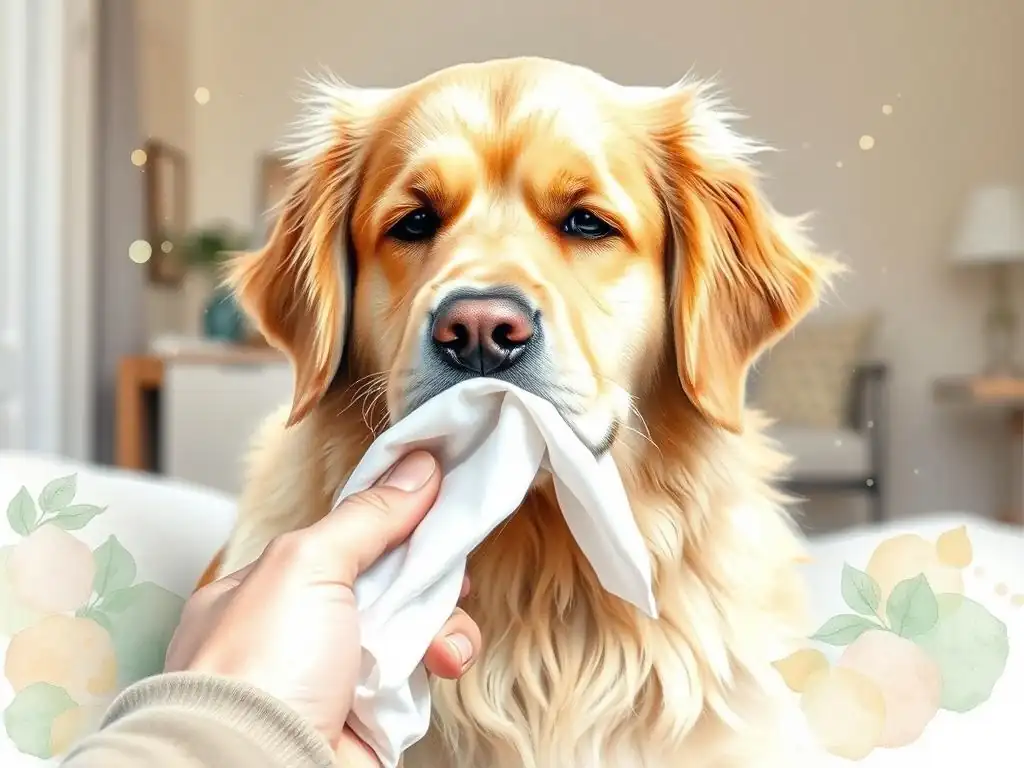
Pet allergies, while common, can range from mild annoyances to severe health threats. Knowing when to seek professional veterinary care is crucial for your pet's well-being. Ignoring symptoms can lead to complications and potentially life-threatening situations. This section will help you discern between manageable allergy symptoms and those requiring immediate veterinary attention.
Understanding the severity of your pet's allergic reactions is paramount in ensuring they receive the appropriate and timely care. Early intervention often leads to better outcomes and prevents the development of more serious conditions. Remember, your pet cannot communicate their discomfort as effectively as humans, so careful observation is key.
Recognizing Severe Allergic Reactions in Your Pet
Severe allergic reactions in pets, also known as anaphylaxis, are life-threatening emergencies requiring immediate veterinary care. These reactions can manifest rapidly and intensely. Symptoms to watch out for include:
- Difficulty breathing: Wheezing, gasping, or labored breathing are critical signs. Noticeable changes in respiratory rate or effort should be treated as a serious emergency.
- Swelling: Facial swelling (especially around the eyes, muzzle, and throat), swelling of the paws, or generalized swelling indicates a severe reaction. This swelling can compromise breathing and blood flow.
- Hives or welts: Sudden appearance of raised, red bumps on the skin can signify a significant allergic response. These can be itchy and painful for your pet.
- Vomiting and diarrhea: While occasional vomiting and diarrhea can be due to various causes, in the context of other severe allergy symptoms, they indicate a more serious allergic reaction.
- Collapse or weakness: Sudden collapse or extreme lethargy is a critical sign requiring immediate veterinary attention. This suggests a significant drop in blood pressure.
- Pale gums: Pale or bluish gums indicate poor blood circulation, a potential consequence of a severe allergic reaction.
Important Note: If you observe any of these symptoms, do not hesitate. Contact your veterinarian or an emergency animal hospital immediately. Time is of the essence in treating anaphylaxis. Delaying treatment can have devastating consequences.
The Role of a Veterinarian in Diagnosing and Treating Pet Allergies
Veterinarians play a pivotal role in diagnosing and managing pet allergies. They utilize a combination of methods to pinpoint the allergen(s) causing the reaction and develop a suitable treatment plan. This often involves a thorough history and physical examination, followed by diagnostic tests. The process may include:
- Detailed history: Your veterinarian will ask detailed questions about your pet's symptoms, their onset, frequency, and any potential triggers. Providing detailed information about your pet's environment, diet, and recent exposures is crucial.
- Physical examination: A comprehensive physical exam helps assess the extent of the allergic reaction and rule out other underlying conditions.
- Allergy testing: This may involve blood tests or intradermal skin tests to identify specific allergens your pet is sensitive to. While not always definitive, this testing can provide valuable insights.
- Treatment options: Based on the diagnosis, your veterinarian will recommend a personalized treatment plan. This might involve:
- Medications: Antihistamines, corticosteroids, and other medications can help manage allergic symptoms.
- Environmental modifications: Adjusting your pet's environment to minimize exposure to identified allergens is crucial. This could include regular cleaning, air purifiers, and hypoallergenic bedding.
- Dietary changes: In some cases, dietary changes may be recommended to alleviate food allergies.
- Immunotherapy (allergy shots): In certain situations, immunotherapy might be considered to desensitize your pet to specific allergens over time. This is a long-term commitment requiring regular veterinary visits.
The table below summarizes common allergy symptoms and their severity:
| Symptom | Mild | Moderate | Severe |
|---|---|---|---|
| Itching/Scratching | Occasional scratching | Frequent scratching, mild redness | Intense scratching, significant redness, hair loss |
| Sneezing | Occasional sneezing | Frequent sneezing | Continuous sneezing, difficulty breathing |
| Eye Discharge | Mild, watery discharge | Moderate, watery/mucus discharge | Profuse, thick discharge, eye swelling |
| Vomiting/Diarrhea | Occasional vomiting/diarrhea | More frequent vomiting/diarrhea | Severe, persistent vomiting/diarrhea |
| Respiratory Symptoms | Mild cough or wheeze | More frequent cough/wheeze | Difficulty breathing, gasping |
| Swelling | Minimal or no swelling | Mild swelling of paws or face | Significant swelling of face, throat |
Remember, consistent monitoring and close communication with your veterinarian are key to effectively managing your pet's allergies and ensuring their long-term health and well-being. Proactive management can significantly improve your pet's quality of life and prevent serious complications. 🐶🐱
Creating a Healthy Indoor Environment for Your Pet: A Long-Term Strategy
This section focuses on establishing and maintaining a pet-friendly home environment with optimal indoor air quality to minimize allergy triggers. Successfully managing pet allergies often requires a proactive, long-term approach, going beyond simply treating symptoms. Think of it as investing in your pet's long-term respiratory health and overall well-being. A holistic strategy encompassing regular cleaning, diligent allergen control, and consistent monitoring is key to reducing exposure to irritants and improving your pet's quality of life. This isn't a one-time fix; it's an ongoing commitment to a healthier home.
Regular Maintenance and Prevention of Allergen Build-up
Regular cleaning is paramount in minimizing allergen build-up. This isn't just about a quick vacuum; it's a comprehensive approach targeting specific allergy triggers. Pet dander, a significant allergen for many pets, clings to fabrics and surfaces. Therefore, regular vacuuming, ideally with a HEPA filter vacuum cleaner, is crucial. HEPA filters are especially effective at trapping microscopic particles, including pet dander and pollen, improving indoor air quality significantly. Remember to empty the vacuum canister outside to prevent re-circulating allergens.
Beyond vacuuming, consider these additional steps:
- Frequent washing of bedding: Wash pet bedding, blankets, and your own bedding weekly in hot water to eliminate allergens.
- Regular upholstery cleaning: Professionally clean upholstered furniture at least twice a year to remove deeply embedded allergens.
- Air purifier use: Utilizing an air purifier with a HEPA filter can significantly reduce airborne allergens. Choose one appropriately sized for your home. Consider placing it in areas where your pet spends the most time.
- Hard surface cleaning: Regularly wipe down hard surfaces like floors and countertops with pet-friendly cleaning solutions.
- Dust mite control: Dust mites are another common allergen. Use dust mite-proof covers for mattresses and pillows, and wash bedding frequently.
A proactive approach also involves preventing allergen build-up. This includes:
- Regular grooming: Regular brushing of your pet helps to remove loose dander before it can become airborne. This simple act can significantly reduce the amount of dander circulating in your home.
- Designated pet areas: Restricting your pet's access to certain areas of the house, such as bedrooms, can minimize allergen exposure in those spaces.
- Air filtration systems: Consider installing a whole-house air filtration system with a HEPA filter for a more comprehensive approach to improving indoor air quality. This system continuously filters the air throughout your entire home, providing a more consistent level of allergen reduction.
The frequency of these tasks will depend on your pet's breed, coat type, and the severity of your pet's allergies. For pets with severe allergies, more frequent cleaning may be necessary.
Ongoing Monitoring of Your Pet's Allergy Symptoms
Consistent monitoring of your pet's allergy symptoms is just as important as preventative measures. Note any changes in your pet's behavior or physical condition that could indicate an allergic reaction. These could include:
- Increased sneezing or coughing: This is a common symptom of respiratory allergies.
- Itchy skin or excessive scratching: This could indicate an allergic reaction to environmental allergens.
- Red, watery eyes: Eye irritation is another sign of allergies.
- Gastrointestinal upset: In some cases, allergies can manifest as digestive problems.
- Lethargy or decreased activity levels: If your pet seems unusually tired or less active, it could be a sign of an allergic reaction.
Keep a detailed record of your pet's symptoms, noting the severity, frequency, and any potential triggers. This information will be invaluable in helping your veterinarian diagnose and manage your pet's allergies effectively. Regular veterinary check-ups are essential for ongoing monitoring and to adjust treatment plans as needed. Remember to discuss any changes in your pet's health with your veterinarian promptly. Early intervention can often prevent more serious complications.
Maintaining a clean and allergen-free environment is a crucial aspect of managing pet allergies. By combining regular maintenance with consistent monitoring, you can significantly improve your pet's quality of life and reduce the impact of indoor air quality on their respiratory health. Remember, a proactive approach is key to long-term success in managing pet allergies and ensuring your furry friend breathes easy.
Frequently Asked Questions
What are the common pet allergens that affect indoor air quality?
The most common pet allergens are proteins found in pet dander, saliva, and urine. These allergens become airborne and circulate throughout the home, impacting air quality and triggering allergic reactions. Regular cleaning is crucial for minimizing these allergens.
How does poor indoor air quality impact my pet's health?
Poor indoor air quality can cause various respiratory problems in pets, including coughing, sneezing, and difficulty breathing. It can also exacerbate existing conditions like asthma or allergies. Improved ventilation and air filtration can significantly help.
What are some practical steps to improve indoor air quality for pets with allergies?
Regularly clean your home, using HEPA filters for vacuuming. Wash bedding frequently and consider using air purifiers with HEPA filters to remove airborne allergens. Limit carpets and upholstered furniture to reduce allergen accumulation.
Can I completely eliminate pet allergens from my home?
While completely eliminating pet allergens is difficult, you can significantly reduce their levels through consistent cleaning and air purification. Regular professional cleaning can also be beneficial in removing deeply embedded allergens.
My pet seems to be suffering from allergies. What should I do?
Consult your veterinarian immediately. They can diagnose the specific allergen and recommend appropriate treatment options, which may include medication or dietary changes to improve your pet's overall well-being.
Final Reflection: Breathing Easier: A Future for Pets and People
The air we share with our beloved pets directly impacts their health and ours, a reality underscored by the alarming rise in pet allergies and respiratory illnesses. Ignoring indoor air quality is not just neglecting our furry friends; it's neglecting ourselves and our shared living spaces. The consequences of poor air quality extend far beyond sneezes and itchy eyes, impacting long-term health and well-being.
The pervasive nature of pet allergens in our homes highlights the urgent need for proactive measures. Understanding the sources of these allergens, from dander and saliva to dust mites thriving in pet bedding, is the first step towards creating a healthier environment. The greatest discovery of all time is that a person can change his future by merely changing his attitude.
– Oprah Winfrey. This applies equally to our approach to indoor air quality; a change in attitude towards proactive cleaning and air purification can significantly alter the health trajectory of both pets and their human companions.
Now, consider your own home. What steps can you take today to improve the air quality for you and your pets? Are you regularly cleaning and vacuuming with HEPA filters? Are you using air purifiers strategically placed throughout your home? This isn't just about eliminating allergies; it's about creating a nurturing and healthy environment where both you and your furry friends can thrive. Let's breathe easier, together.
Breathe Easier: Empower Your Pet's Well-being Today!
Thank you for learning about how indoor air quality affects your pet's health. You've discovered valuable ways to protect their respiratory system! Now let's put this knowledge to work.
- Prioritize air purification: A high-quality air purifier designed to remove pet dander and allergens is the most effective first step.
- Regularly clean your home: Frequently deep clean carpets, upholstery, and pet bedding to minimize allergens. A vacuum cleaner with a HEPA filter will significantly improve your cleaning efforts.
- Share your knowledge: Help other pet owners by sharing this article on social media. Let's create a healthier environment for all pets!
What simple change will you make today to improve your pet's air quality and overall health?