
Emergency Ready? Inquiring About a Dog Walker's Response Plan

Welcome to PetCareWorld, your ultimate guide to a happier, healthier life for your beloved companion! Are you prepared for the unexpected? We delve into the crucial topic of Dog Walker Emergency Response Plans – ensuring your furry friend's safety is always a priority, no matter the circumstance. Discover essential strategies and proactive measures to navigate potential emergencies with confidence. Learn more and safeguard your pet's well-being today!
- Understanding Your Dog Walker's Emergency Preparedness: Key Questions to Ask
- Dog Walker Emergency Response Plan: Beyond the Basics
-
Red Flags to Watch Out For in a Dog Walker's Emergency Plan
- Lack of a Detailed Emergency Plan: A Major Warning Sign
- Unclear Communication Procedures: Ambiguous or Unresponsive Responses
- Inadequate First Aid Knowledge or Equipment: Insufficient Preparedness
- Absence of Insurance Coverage: Exposing You to Financial Risk
- Vague or Unclear Emergency Procedures: A Recipe for Disaster
- Lack of Contingency Plans: What Happens If They're Unavailable?
- Finding a Dog Walker with a Robust Emergency Response Plan: Best Practices
- Creating Your Own Emergency Plan Supplement for Your Dog Walker
- Frequently Asked Questions
- Final Reflection: Preparedness: A Pawsitive Approach to Unexpected Events
- Ready to Protect Your Furry Friend? Craft Your Own Emergency Plan!
Understanding Your Dog Walker's Emergency Preparedness: Key Questions to Ask
Finding the right dog walker is crucial for your canine companion's well-being. While reliability and experience are paramount, a comprehensive emergency response plan is equally vital. This article focuses on the critical questions you should ask potential dog walkers to ensure they're adequately prepared to handle unexpected situations, safeguarding your beloved pet. We'll explore essential questions concerning emergency procedures, their first-aid knowledge and equipment, and their protocols for handling a lost dog.
Failing to address these crucial aspects could leave your dog vulnerable in a crisis. Choosing a dog walker with a robust emergency plan provides peace of mind, knowing your furry friend is in safe hands, even during unforeseen circumstances. This is an important step in responsible pet ownership and contributes significantly to your dog's safety and security. Let's delve into the specific questions you should be asking potential dog walkers to ensure their preparedness for various emergencies.
Essential Questions About Dog Walker Emergency Procedures
Before entrusting your dog's care, it's crucial to understand the dog walker's procedures for handling various emergencies. Don't hesitate to ask detailed questions; a well-prepared walker will welcome your thoroughness. Here are some key questions to ask:
- What is your procedure if my dog gets injured during a walk? This question assesses their immediate response. Do they have a plan for minor injuries (cuts, scrapes) and more serious ones (broken bones, heatstroke)? A detailed answer should include steps taken, contacting you, and seeking veterinary care if necessary.
- What is your emergency contact list? A reliable dog walker should have a readily available list of emergency contacts, including your veterinarian, a 24-hour veterinary clinic, and potentially a local animal hospital.
- How do you handle unexpected situations, like severe weather? This demonstrates their ability to adapt to unforeseen circumstances. What's their plan for extreme heat, sudden storms, or other weather events that could endanger your dog? Do they have a safe place to shelter your dog immediately?
- What is your protocol if you become ill or injured during a walk? This assesses their backup plan for unforeseen personal emergencies. Do they have a colleague or backup system in place to ensure your dog's safety?
Assessing a Dog Walker's First Aid and Emergency Kit
A responsible dog walker should possess a well-stocked first-aid kit and basic first-aid knowledge. Inquire about the contents of their kit and their training.
- Do you carry a first-aid kit specifically designed for dogs? A simple "yes" isn't enough. Ask about the specific contents – bandages, antiseptic wipes, gauze, etc. The kit should be appropriate for common dog injuries.
- Do you have any first-aid or pet CPR certification? While not always mandatory, certification demonstrates a commitment to your dog's safety and preparedness for emergencies.
- Can you describe your experience administering first aid to dogs? Ask for specific examples, not just general statements. This helps you gauge their practical experience and confidence in handling various situations.
A well-equipped first-aid kit and appropriate training are critical for dealing with minor injuries, potentially preventing them from becoming more serious.
Lost Dog Protocols
A lost dog is a terrifying prospect for any owner. Your dog walker’s plan for preventing and handling a lost dog is paramount.
- What measures do you take to prevent a dog from getting lost? This explores their proactive approach to safety. Do they use leashes appropriately? Do they monitor the dog closely? Do they have a system to ensure the dog's identification (tags, microchip)?
- What is your procedure if my dog gets lost during a walk? A clear, concise plan is crucial. This should include immediate actions (searching the area, contacting you), and longer-term strategies (posting flyers, contacting animal shelters).
- Do you utilize any tracking devices or GPS technology? While not always necessary, the use of technology demonstrates a commitment to finding a lost dog quickly.
A thorough understanding of these protocols will provide you with confidence in your dog walker's ability to handle this stressful situation. Remember, a robust emergency response plan isn't just about reacting to problems; it's about proactive measures to prevent them in the first place.
Handling Medical Emergencies: Vet Access and Transportation Plans
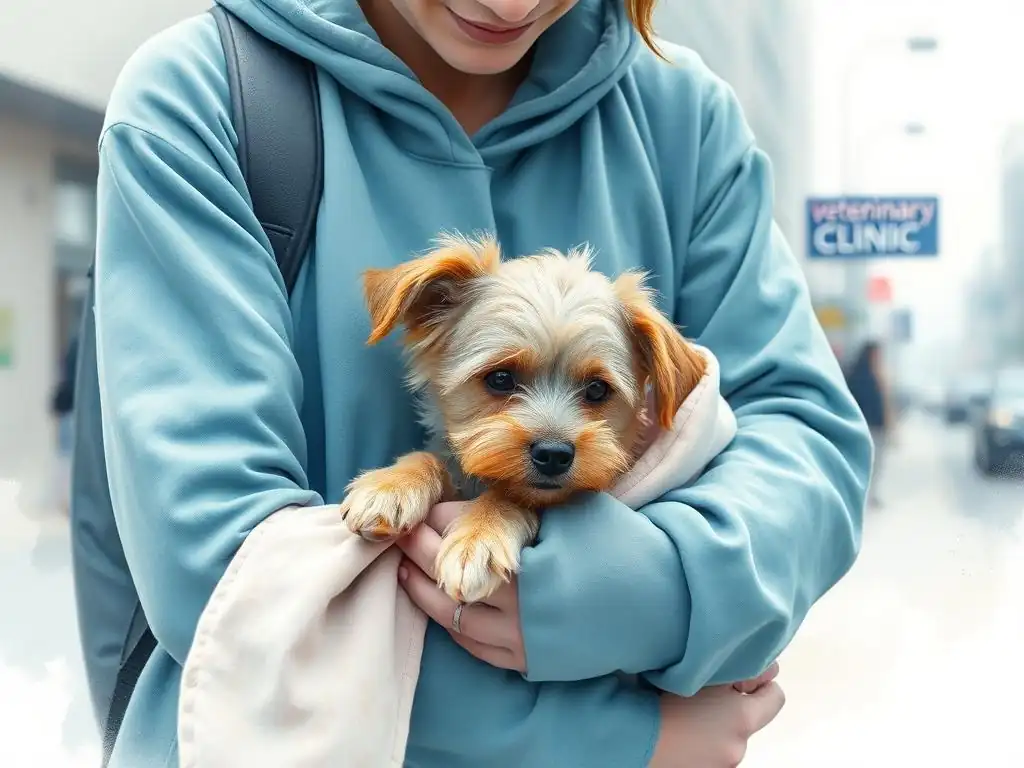
A responsible dog walker should have a detailed plan for handling medical emergencies. This goes beyond simply knowing your dog's veterinarian's contact information. A comprehensive plan should include readily available transportation options in case of an emergency. Do they have access to a vehicle, or a reliable ride-sharing service, to quickly get your dog to the vet?
Crucially, they should be prepared to act decisively in situations requiring immediate veterinary attention, such as severe bleeding, difficulty breathing, or signs of poisoning. Ask specifically about their procedure: will they contact you first, or will they make the decision to take your dog to the vet independently based on the severity of the situation? Understanding their protocols for contacting you and the vet simultaneously is vital. Also inquire about their familiarity with the closest emergency veterinary clinics and their operating hours.
A well-prepared dog walker will have this information readily available, including contact numbers and directions. Finally, ensure they have a plan for paying for emergency veterinary care if you are unavailable to authorize treatment immediately; this could involve pre-authorization from you or a designated emergency contact with access to your financial information. This proactive approach ensures your dog receives timely and appropriate care in a critical situation.
Severe Weather Contingency Plans: Heatstroke Prevention & Cold Weather Safety
Your dog walker's ability to safeguard your pet from extreme weather conditions is paramount. A robust emergency response plan should address both heatstroke prevention and cold weather safety. For heatstroke, inquire about their specific strategies. Do they adjust walking times and routes based on temperature and humidity? Do they carry water and a bowl for your dog, especially during warmer months?
Do they understand the early warning signs of heatstroke (excessive panting, lethargy, vomiting) and know how to respond appropriately, potentially including immediate cooling techniques and contacting you or a veterinarian? The plan should include details about seeking shade, limiting strenuous activity, and recognizing when it's too hot to walk. Regarding cold weather, the plan should detail how they protect your dog from hypothermia. Do they use appropriate winter gear such as coats and booties? Do they shorten walk times in freezing temperatures?
Do they know the signs of hypothermia (shivering, lethargy, weakness)? And critically, what's their protocol if your dog shows signs of either heatstroke or hypothermia during a walk? A comprehensive plan will include contact information for emergency veterinary services and a clear description of the steps they will take to ensure your dog's safety and well-being. Remember, a proactive approach to weather-related emergencies is crucial for preventing serious health complications for your beloved canine companion.
Dog Walker Emergency Response Plan: Beyond the Basics
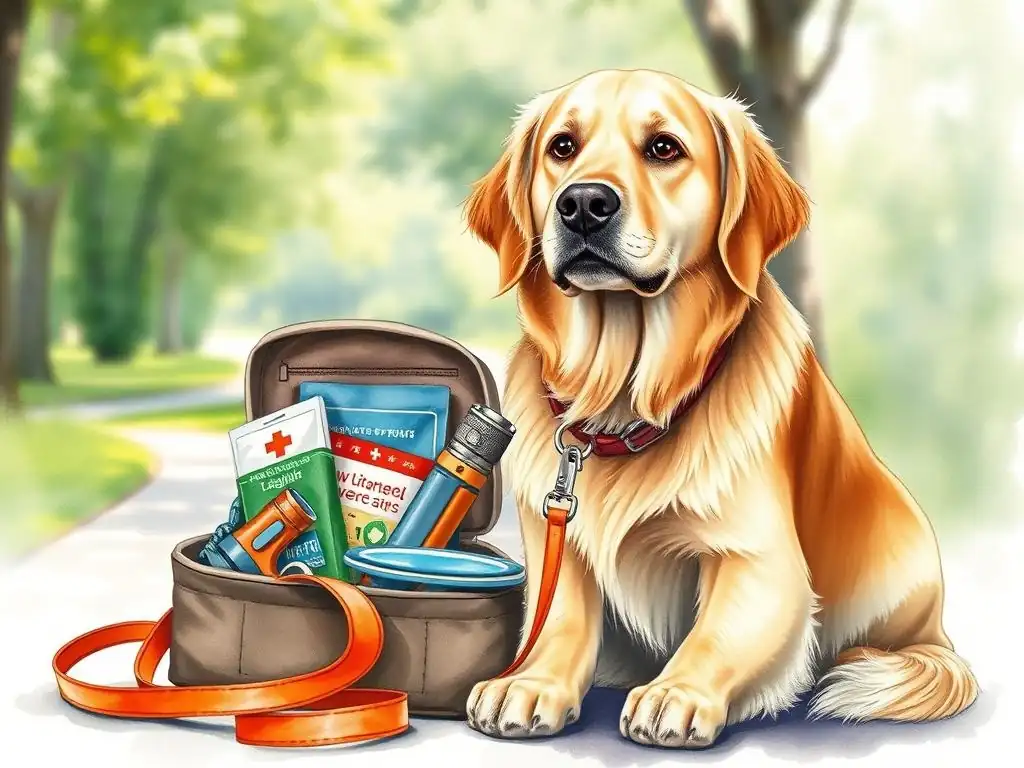
Finding a reliable dog walker involves much more than just ensuring they're punctual and friendly. A robust emergency response plan is crucial for your dog's safety and your peace of mind. This section delves into the critical components of a comprehensive dog walker emergency response plan, providing you with the questions to ask potential walkers to ensure they're prepared for unforeseen circumstances. Understanding these details will help you make an informed decision and choose a walker who prioritizes your pet's well-being. This is especially important when searching for a "dog walker emergency response plan" that meets your standards.
Communication Protocols During Emergencies: Contact Methods & Response Times
Effective communication is paramount during emergencies. A well-defined protocol ensures swift action and minimizes stress for both you and your pet. Ask prospective dog walkers about their specific procedures. Don't settle for vague answers; push for specifics. A strong plan will include multiple contact methods and clearly defined response times.
For example, a reliable dog walker should have at least two ways to reach you: a primary phone number and a secondary contact (email or another phone number). They should also specify their response time in different emergency scenarios. A minor incident, like a minor scrape, might have a different response time than a more serious situation, such as a dog collapsing or getting lost.
Consider these questions when interviewing potential dog walkers:
- What is your primary method of contact during a dog walk?
- What is your backup contact method if your primary method fails?
- What is your response time if my dog sustains a minor injury?
- What is your response time if my dog gets lost or seriously injured?
- Do you have a designated emergency contact person within your company or independently if you are unavailable?
- How will you document and communicate the incident to me?
A detailed response demonstrating preparedness and clear communication protocols is essential. Vague or hesitant answers should raise concerns about their competence and commitment to your pet's safety. Remember, a proactive approach to emergency communication is a hallmark of a responsible and reliable dog walker.
Emergency Contacts: Vet Information, Owner Notification Procedures
A comprehensive emergency response plan must include readily available emergency contact information and a clearly defined notification procedure. This goes beyond simply having your phone number. The dog walker should have your veterinarian's contact information, including address and after-hours emergency contact numbers. They should also have a plan for contacting you immediately in any emergency situation, regardless of the severity.
Here’s what to expect from a responsible dog walker:
- Veterinarian Information: They should readily provide your vet's details and ideally have a backup vet in case of unavailability.
- Immediate Notification: They should commit to contacting you immediately upon any incident, no matter how minor. This ensures you're aware of any situation affecting your pet.
- Detailed Reporting: They should be prepared to provide a detailed account of the event, including the time, location, and a description of what occurred. This is crucial for assessing the situation and providing appropriate care.
- Authorization for Treatment: Discuss whether the walker has the authority to seek veterinary treatment for your dog in your absence. This should be documented and agreed upon beforehand. This also implies that they understand the need for and are prepared to manage veterinary costs in emergency situations.
A lack of clear procedures or readily available contact information indicates a potential gap in their emergency preparedness. Insist on a thorough explanation of their protocols to ensure your dog's safety and well-being are prioritized.
Insurance Coverage for Accidents and Injuries: Protecting You and Your Pet
Accidents can happen, and having adequate insurance coverage is a critical aspect of a responsible dog walker's emergency response plan. This protects both you, the pet owner, and your dog in the event of an unexpected injury or accident during a walk. Ask potential dog walkers about their insurance coverage and the extent of their liability.
Consider these aspects when inquiring about insurance:
- Type of Insurance: What type of liability insurance do they carry? Does it cover veterinary bills, property damage, or personal injury? Comprehensive liability insurance is a must.
- Policy Limits: What are the limits of their liability insurance? Ensure the coverage is sufficient to cover potential veterinary expenses and other related costs.
- Proof of Insurance: Request proof of insurance, such as a copy of their policy or certificate of insurance. This verifies their claim and provides you with peace of mind.
- Additional Coverage: Does their insurance cover emergency situations that may require specialized care or transportation?
The absence of insurance or inadequate coverage represents a significant risk. A responsible dog walker will prioritize having appropriate insurance to protect both themselves and their clients. Don't hesitate to request proof of insurance before engaging their services; it's a crucial element of a comprehensive "dog walker emergency response plan". This proactive approach ensures you're making a responsible choice for your beloved pet.
Examples of Effective Emergency Response Plans from Reputable Dog Walkers
Reputable dog walkers don't just offer a service; they offer peace of mind. A robust emergency response plan is a cornerstone of that peace of mind. Let's look at some examples of what constitutes an effective plan, demonstrating the proactive measures taken by responsible professionals. These examples aren't exhaustive, but they highlight key components.
One dog walker, for instance, maintains a detailed client contact list including not just phone numbers, but also emergency contact information – a crucial element often overlooked. They also carry a well-stocked first-aid kit specifically designed for canine emergencies, including items like antiseptic wipes, bandages, and a muzzle (used only when absolutely necessary for safety). Furthermore, their plan includes a pre-arranged veterinary partnership, ensuring swift access to emergency care should the need arise.
This relationship extends beyond simple referrals; it involves pre-authorization for essential services, speeding up the process significantly during a crisis. This proactive approach minimizes delays and ensures the dog receives the best possible care.
Another example showcases the importance of geographic awareness. This walker meticulously maps their walking routes, noting the locations of nearby veterinary clinics, animal hospitals, and even 24-hour emergency pet care facilities. Knowing these locations beforehand allows for quicker response times in emergencies.
They also have a backup system in place – a trusted colleague who can immediately step in should they become unexpectedly incapacitated. This backup isn't just a casual arrangement; it's a formalized agreement including shared client information and a detailed understanding of each dog's temperament and needs. This demonstrates a commitment to continuity of care, even during unforeseen circumstances.
Finally, consider a dog walker who leverages technology to enhance their emergency response. They utilize a GPS tracking system to monitor their location and the location of the dogs under their care in real-time. This provides an extra layer of security and allows for swift location identification should a dog become lost or an accident occur. Moreover, they send regular updates to clients, including photos and brief messages, providing reassurance and transparency.
This proactive communication fosters trust and demonstrates a commitment to client satisfaction and safety. These examples illustrate that a comprehensive emergency response plan is not a mere checklist; it's a holistic approach prioritizing the safety and well-being of the dogs in their care. The best dog walkers go above and beyond the minimum requirements, showcasing a proactive and responsible attitude towards pet care.
Red Flags to Watch Out For in a Dog Walker's Emergency Plan
This section delves into crucial aspects of a dog walker's emergency response plan, highlighting warning signs that indicate a lack of preparedness. A robust emergency plan is paramount for ensuring your canine companion's safety and well-being while under the care of a professional dog walker. Ignoring these red flags could have serious consequences. Remember, a comprehensive dog walker emergency response plan is not merely a checklist; it's a testament to their commitment to your pet's safety.
Lack of a Detailed Emergency Plan: A Major Warning Sign
A vague or nonexistent emergency plan is a significant red flag. Don't settle for generic assurances. A responsible dog walker will have a detailed, written plan outlining procedures for various scenarios. This plan should go beyond simple statements and encompass specific actions. For example, a responsible plan should detail actions for:
- Medical emergencies: What steps will the walker take if your dog suffers a seizure, gets injured (e.g., cut paw, ingested poison), or exhibits signs of illness? Do they have a designated veterinary clinic or emergency animal hospital in mind? Do they know how to contact you swiftly and efficiently?
- Weather emergencies: How will they handle extreme heat, cold, or severe weather events like storms? Do they have a backup plan for shelter? Do they have a method for quickly getting your dog to safety?
- Personal emergencies: What happens if the dog walker themselves experiences a medical emergency or unforeseen circumstance? Do they have a reliable backup person or system in place?
- Lost dog protocols: What is their procedure for locating a dog that has become lost? Do they utilize GPS tracking or other safety measures? What steps are taken to ensure a swift reunion?
The absence of a well-defined plan for these situations demonstrates a lack of proactive thinking and potential negligence regarding your pet's safety. Insist on reviewing the plan and ask clarifying questions to assess its thoroughness. A truly dedicated dog walker will be happy to share and explain their procedures. A lack of detail should raise significant concerns.
Unclear Communication Procedures: Ambiguous or Unresponsive Responses
Effective communication is vital during an emergency. A dog walker's response to your inquiries about their emergency procedures should be prompt, clear, and comprehensive. Ambiguity or unresponsiveness is a major warning sign. Ask specific questions to gauge their communication protocols. For instance:
- How will they contact you in an emergency? Will they use phone calls, text messages, or a specific app? What is their backup communication plan if their primary method fails?
- How quickly can they reach you? A timely response is crucial in emergency situations. A dog walker should be able to reach you within a reasonable timeframe, ideally within minutes.
- What information will they provide you in an emergency? They should be able to clearly and concisely communicate the situation, including the location, the nature of the emergency, and any immediate actions taken.
If the dog walker provides vague answers or is slow to respond to your questions, it indicates a potential problem with their communication strategy. This lack of clarity could prove detrimental during a crisis. Effective communication is a cornerstone of responsible pet care. A lack of it suggests a potential lack of preparedness and a failure to prioritize your dog's safety.
Inadequate First Aid Knowledge or Equipment: Insufficient Preparedness
A dog walker should possess basic first aid knowledge and have necessary supplies readily available. This preparedness is crucial for handling minor injuries or illnesses before professional veterinary care can be accessed. Inquire about their first-aid training and equipment. Lack of adequate knowledge or equipment signifies insufficient preparedness. Consider these points:
| Item | Importance | Red Flag |
|---|---|---|
| First Aid Certification | Demonstrates commitment to pet safety and knowledge of emergency procedures. | Absence of certification or unwillingness to share details. |
| First Aid Kit | Essential for addressing minor injuries (cuts, scrapes). | Lack of a well-stocked kit or unwillingness to describe its contents. |
| Emergency Contact List | Immediate access to emergency veterinary services and your contact details. | Absence of a readily available, updated list. |
Lack of proper first aid training and equipment is a serious concern. It demonstrates a lack of proactive thinking and preparation for potential emergencies. A responsible dog walker should be equipped and knowledgeable enough to provide basic first aid until professional help arrives. This preparedness reflects their commitment to your dog's safety and well-being. Don't hesitate to ask detailed questions about their first aid capabilities and the contents of their kit. Your pet's safety depends on it.
Absence of Insurance Coverage: Exposing You to Financial Risk
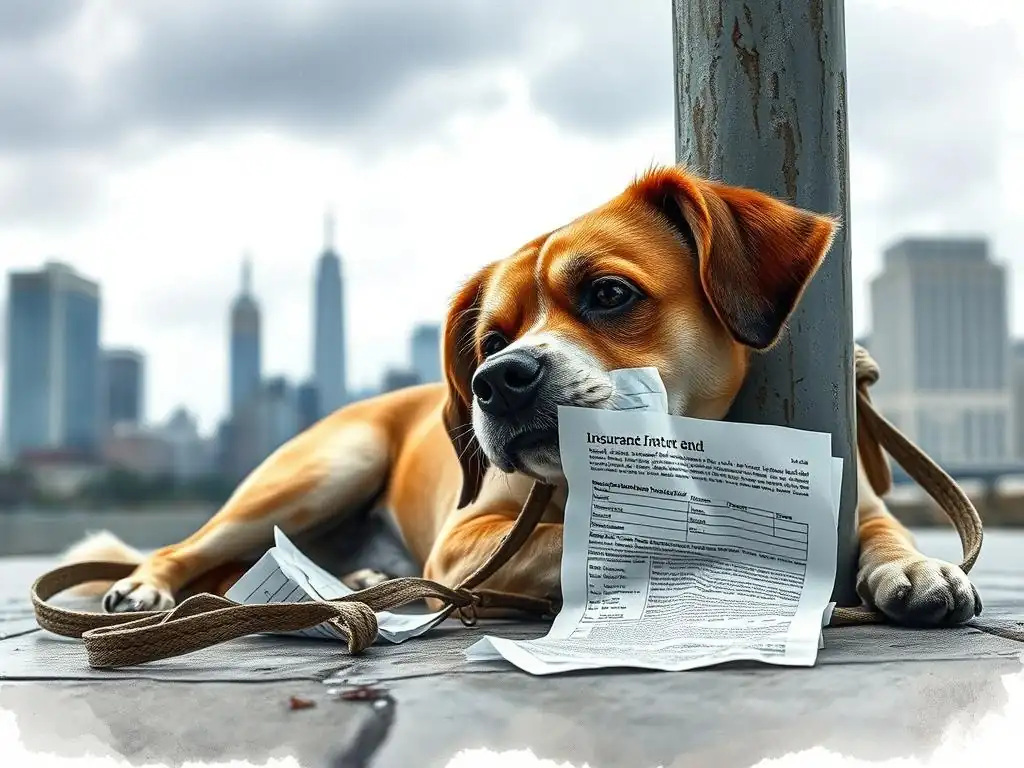
A responsible dog walker understands the inherent risks involved in their profession. Unexpected accidents—a dog escaping and causing damage, a dog bite incident, or even a dog walker's own injury on the job—can lead to significant financial consequences. The absence of liability insurance is a major red flag. This lack of coverage leaves you, the pet owner, potentially vulnerable to substantial financial liabilities should an incident occur during the dog walk.
Imagine your dog escaping and causing damage to a neighbor's property or injuring someone; without insurance, you could be held responsible for all associated costs, potentially including expensive legal fees and medical bills. This could run into thousands of dollars, depending on the severity of the situation. A reputable dog walker will carry comprehensive liability insurance to protect both themselves and their clients. Don't hesitate to ask for proof of insurance; a valid certificate should be readily available.
Consider it a non-negotiable element in selecting a trustworthy dog walker. The peace of mind provided by insurance is invaluable, outweighing any perceived minor cost differences between insured and uninsured services. Choosing an uninsured dog walker is essentially rolling the dice with your finances and your pet's safety. 🐶
Vague or Unclear Emergency Procedures: A Recipe for Disaster
A well-defined emergency response plan is crucial. However, a dog walker's response plan that is vague or unclear presents a serious risk to your pet's safety and well-being. Instead of specific steps, you might encounter general statements such as "I'll handle it," or "I'll call someone." This lack of detail should immediately raise concerns.
A comprehensive plan should explicitly outline procedures for various scenarios, including what actions the dog walker will take in case of a dog getting lost, injured, or sick. Furthermore, it should include contact information for emergency veterinary services and a clear protocol for contacting you, the pet owner, in different situations. The more specific the plan, the better equipped the dog walker is to handle emergencies effectively and confidently.
A vague plan suggests a lack of preparedness and professionalism, potentially jeopardizing your dog's safety. Inquire about specific examples of how they handled past emergencies, and pay close attention to whether they can provide concrete details and actions, rather than just generic reassurances. 🐕
Even the most reliable dog walker can face unforeseen circumstances. Illness, personal emergencies, or unexpected transportation issues can prevent them from fulfilling their duties. A responsible dog walker should have established contingency plans to ensure your dog's continued care in their absence. The absence of such plans is a significant warning sign.
Do they have a trusted backup walker who is familiar with your dog and its needs? Do they have a system in place to notify you promptly if they're unable to walk your dog and arrange alternative care? A reliable backup system demonstrates professionalism and a commitment to your dog's well-being. Without a contingency plan, you're left scrambling for last-minute care, potentially disrupting your schedule and causing undue stress for your pet.
This lack of preparedness indicates a potential gap in their service reliability. A well-structured contingency plan is a testament to a dog walker's dedication and preparedness to handle unexpected situations. 🐾
Finding a Dog Walker with a Robust Emergency Response Plan: Best Practices
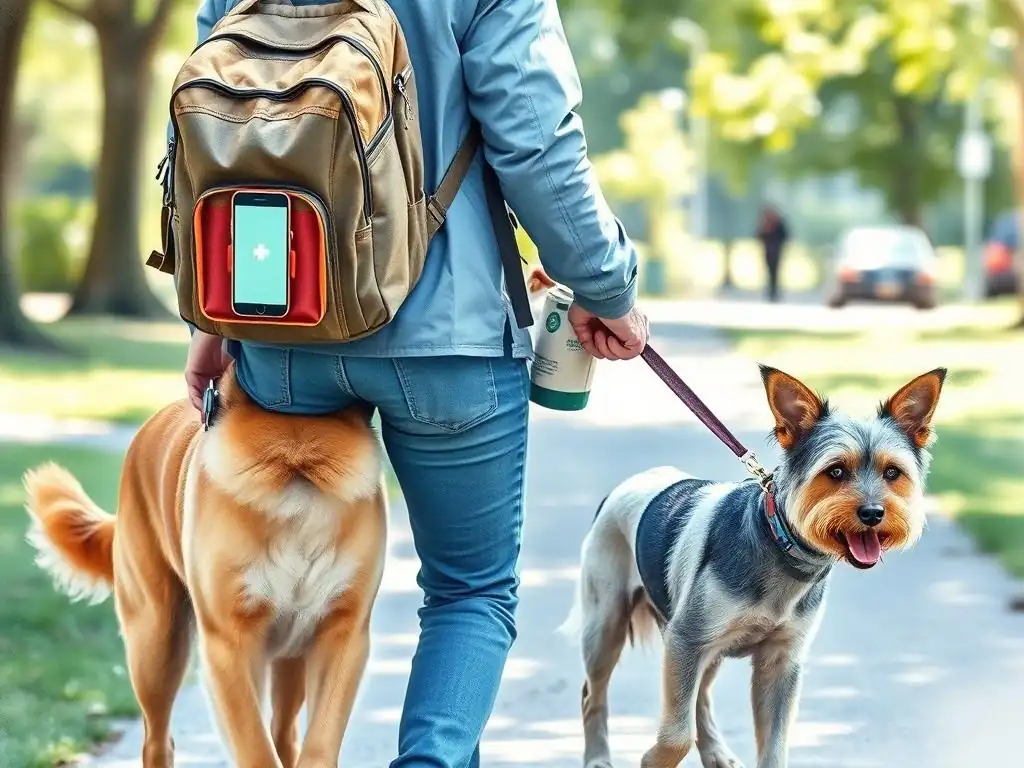
Finding a reliable dog walker involves much more than simply ensuring they're punctual and friendly. A crucial aspect often overlooked is their emergency response plan. A comprehensive plan demonstrates professionalism, responsibility, and a genuine commitment to your dog's safety and well-being.
This section delves into best practices for assessing a potential dog walker's preparedness for unforeseen circumstances, ultimately helping you choose someone who prioritizes your pet's safety. Understanding a dog walker's emergency response plan is key to mitigating potential risks and ensuring your canine companion remains safe and secure, even in unexpected situations. This is vital for responsible pet ownership and contributes significantly to your peace of mind.
Researching Dog Walker Reviews and Testimonials: Seeking Client Feedback
Before even contacting potential dog walkers, thoroughly investigate online reviews and testimonials. Look for mentions of how previous clients handled emergencies. Did the walker demonstrate quick thinking and effective communication during unexpected events? Were they proactive in preventing potential problems?
Pay attention to specific examples. For instance, a review mentioning how the walker handled a dog's sudden illness or a severe weather event provides valuable insight into their preparedness. Don't just focus on positive reviews; critically analyze negative ones, paying close attention to how the dog walker addressed and resolved any issues. Look for patterns – consistent praise for handling emergencies is a strong positive indicator.
Conversely, recurring complaints about poor emergency response should raise significant concerns. Remember, a well-structured emergency response plan is not just about having a plan; it's about consistently demonstrating the ability to execute it effectively and responsibly. This proactive approach to vetting potential dog walkers significantly reduces the likelihood of future problems.
Conducting In-Person Interviews: Assessing Preparedness and Personality
An in-person interview is crucial for evaluating a dog walker's emergency response plan. Directly asking specific questions allows you to assess their preparedness and personality. Ask open-ended questions to encourage detailed responses. For example, instead of asking "Do you have an emergency plan?
", try "Describe how you would handle a situation where my dog escapes during a walk." Observe their response – a well-prepared dog walker will provide a detailed, thoughtful answer, potentially outlining steps such as immediate actions, contact information, and backup plans. Ask about their emergency contacts – do they have a list of veterinary clinics, emergency services, and trusted contacts readily available? Do they carry a first-aid kit specifically designed for dogs?
Inquire about their experience handling various emergencies, such as dog fights, heatstroke, or injuries. Pay attention not only to what they say but also how they say it. A calm, confident demeanor suggests a person capable of handling stressful situations effectively. A poorly articulated plan, or a lack of preparedness, should be a major red flag.
Utilizing Pet Sitting and Dog Walking Apps with Safety Features
Many pet sitting and dog walking apps incorporate safety features designed to enhance peace of mind. These features often include GPS tracking, real-time location sharing, and emergency contact information. While these apps can provide an extra layer of security, they shouldn't replace a thorough assessment of the individual dog walker's capabilities and emergency response plan. Research the specific safety features offered by different apps.
Some apps provide check-in/check-out features, allowing you to monitor the dog walker's progress and confirm the dog's safety. Others offer communication tools that facilitate quick and easy contact in case of an emergency. However, remember that relying solely on app features is insufficient. The app is a tool; the dog walker's preparedness and response are paramount.
Always prioritize a robust personal plan from the walker, regardless of the app's features. Consider the app's security protocols and review its privacy policy before sharing sensitive information. A responsible approach to using these apps, in conjunction with a thorough vetting process, contributes to a safer experience for both you and your pet.
Checking for Certifications and Licenses: Ensuring Professional Standards
A reputable dog walker will prioritize safety and adhere to professional standards. This commitment often translates into holding relevant certifications and licenses. Inquiring about these credentials is crucial for verifying their professionalism and commitment to responsible pet care. Don't hesitate to ask for proof of their certifications; a simple photograph or a copy of their license should suffice.
Legitimate certifications often involve background checks and demonstrate a commitment to ongoing training in canine first aid, CPR, and safe handling techniques. The specific certifications might vary depending on your location and the services offered, but the presence of any relevant certifications speaks volumes about the dog walker's dedication to their profession. For example, some dog walkers may hold certifications from organizations specializing in pet first aid and CPR, while others might have completed courses on canine behavior and handling. This demonstrates a proactive approach to potential emergencies.
The absence of any certifications, however, should raise a red flag and prompt further investigation into their qualifications and experience. Remember, a professional dog walker isn't just someone who walks dogs; they are responsible for the well-being of your beloved companion. Thoroughly researching their qualifications is a vital step in ensuring your dog's safety and happiness.
The presence of a business license is another critical aspect to investigate. This license demonstrates compliance with local regulations and provides an additional layer of accountability. It shows that the dog walker operates legally and has met the necessary requirements set by local authorities.
A business license often involves background checks and adherence to specific operating standards, further bolstering their credibility and trustworthiness. Checking for a valid business license is a straightforward way to ensure you are hiring a responsible and compliant professional. Don't hesitate to request this information; a legitimate dog walker will readily provide it.
This simple verification step adds a significant measure of assurance in your decision-making process. Ultimately, a combination of relevant certifications and a valid business license significantly reduces the risk associated with entrusting your dog to a professional walker. They signal a commitment to both professional standards and legal compliance, ultimately benefiting both you and your canine companion.
Creating Your Own Emergency Plan Supplement for Your Dog Walker
Finding a reliable dog walker is crucial, but relying solely on their general emergency plan might not be enough. Proactive pet owners should supplement their dog walker's plan with their own detailed document. This ensures your dog's specific needs and preferences are addressed in any unforeseen circumstance. This proactive approach minimizes risks and maximizes the chances of a positive outcome during an emergency.
Think of it as creating a personalized "dog walker emergency response plan addendum." By providing detailed instructions, you empower your dog walker to make informed decisions, even under pressure. This section details key components for creating this crucial supplement.
Documenting Your Dog's Medical History and Emergency Contacts
A comprehensive medical history is paramount. This isn't just about listing your dog's breed and age. It's about detailing any pre-existing conditions, allergies, past illnesses, and current medications. Consider including:
- Breed and Age: (e.g., Golden Retriever, 5 years old)
- Allergies: (e.g., bee stings, specific foods, environmental allergens - list specifics!)
- Medical Conditions: (e.g., Diabetes, Epilepsy, Hip Dysplasia – include diagnosis dates and treatment details)
- Current Medications: (Include dosage, frequency, administration instructions, and the name and contact information of your veterinarian). Consider a photo of the medication bottle for easy visual identification.
- Microchip Information: (Include the microchip number and the registry where it's registered).
- Emergency Contacts: List at least three emergency contacts with their phone numbers. Include your veterinarian's office, an emergency animal hospital, and a trusted friend or family member who can be reached if you are unreachable.
- Veterinarian Information: Include the name, address, phone number, and emergency contact number for your veterinarian.
- Recent Vaccination Records: A copy of your dog's vaccination records is a helpful addition.
This detailed information empowers your dog walker to act swiftly and effectively in case of a medical emergency. Remember, clear, concise language is key. Avoid ambiguous terms; use precise details.
Providing Specific Instructions for Medications and Allergies
Medication administration can be tricky, especially in stressful situations. Vague instructions can lead to mistakes. Your supplement should include:
- Medication List: A complete list of all medications, including the name, dosage, frequency, and method of administration (e.g., orally, topically). Include any specific instructions like "give with food" or "do not give if vomiting."
- Medication Administration Schedule: A detailed schedule for medication administration, accounting for the time of day and any specific circumstances.
- Allergy Details: A detailed list of known allergies, including the type of allergen (e.g., food, environmental, insect bites), the reaction symptoms (e.g., hives, swelling, difficulty breathing), and the necessary treatment (e.g., antihistamine, epinephrine). Include photos if possible.
- Emergency Protocols for Allergic Reactions: Clearly outline steps your dog walker should take if an allergic reaction occurs. This might include contacting you, administering any prescribed medication, and seeking immediate veterinary care.
Providing visuals, such as a photo of the medication and a list of allergy symptoms, can significantly improve the dog walker's ability to respond appropriately. Think of this section as a quick reference guide for dealing with medication and allergies. The more detail, the better.
Establishing Clear Communication Preferences and Expectations
Clear communication is crucial during emergencies. Your supplement should address:
- Preferred Contact Methods: Specify your preferred method of communication (phone, text, email) and the best times to reach you.
- Emergency Contact Protocol: Describe the steps your dog walker should take if they cannot reach you. This could include contacting your emergency contacts, seeking veterinary care, or following other specified instructions.
- Reporting Expectations: Clearly define what information you expect your dog walker to report to you, both during routine walks and in emergency situations. This might include regular updates on your dog's behavior and any unusual occurrences.
- Authorization for Veterinary Care: Consider including a statement authorizing your dog walker to seek veterinary care for your dog in emergency situations if you are unreachable. This should include authorization for necessary treatments and procedures.
Remember to review and update this document regularly, especially if your dog's health status or medication changes. This proactive approach ensures your dog's safety and well-being, even when you're not there. A well-prepared "dog walker emergency response plan addendum" provides peace of mind for both you and your dog walker.
Regularly Reviewing and Updating Your Emergency Plan
Regularly reviewing and updating your dog walker's emergency response plan is crucial. A static plan is ineffective; life changes, and so should your preparedness. Consider this a living document, not a one-time creation. Review it at least twice a year, or more frequently if there are significant changes in your dog's health, your family's circumstances, or your dog walker's availability.
For instance, if your dog develops a new allergy or medical condition requiring specific medication or handling, your emergency plan must reflect these changes. Similarly, if you move or change your contact information, or if your dog walker changes their contact information or transportation methods, these updates are critical for a smooth and effective response during an emergency. Failure to update this plan could lead to delays in accessing critical care or even endanger your dog.
Think of it like this: your dog's needs and your dog walker's capabilities are not static. Perhaps your dog, once a rambunctious puppy, is now a senior dog with mobility issues. This will impact the dog walker's approach during a walk and their ability to react in an emergency situation. The plan needs to adapt to these changing dynamics.
A thorough review ensures that the plan remains relevant and effective in various scenarios. Remember to include any new veterinarian contact information, updated emergency contacts, and any changes to your dog's medical needs or medication. Proactive updates are key to a comprehensive emergency preparedness strategy. Regular review demonstrates responsible pet ownership and ensures your dog's safety and well-being.
Frequently Asked Questions
What should a dog walker's emergency response plan include?
A comprehensive plan should detail procedures for common emergencies like illness or injury, including contacting the pet owner, administering first aid, and seeking veterinary care. It should also address unexpected situations such as severe weather or personal emergencies affecting the walker.
How can I verify a dog walker's emergency preparedness?
Ask direct questions about their plan, request a detailed outline, and check for references or testimonials from previous clients. Look for evidence of relevant certifications or training in pet first aid and CPR.
What constitutes a "dog walking emergency"?
Emergencies can range from minor injuries like cuts or scrapes to more serious issues such as heatstroke, poisoning, or aggressive encounters with other animals. Any situation requiring immediate attention beyond basic first aid is an emergency.
Reputable dog walking services have backup plans in place. Inquire about their contingency procedures for ensuring your dog's safety in case of their absence due to illness, accident, or other unforeseen events.
How frequently should I review my dog walker's emergency response plan?
It's good practice to review the plan annually or whenever there are significant changes in your dog's health, behavior, or the walker's services. Open communication is key to ensuring your pet's safety.
Final Reflection: Preparedness: A Pawsitive Approach to Unexpected Events
The unexpected can strike at any moment, and for dog walkers, preparedness isn't just a good idea—it's a necessity. A well-defined emergency response plan isn't merely a checklist; it's a lifeline for the furry friends under our care and a testament to our commitment to their safety. This article has explored the crucial elements of such a plan, highlighting the importance of proactive measures and the potential consequences of negligence.
The impact of a robust emergency response plan extends far beyond the immediate safety of the dogs involved. It fosters trust between dog walkers and clients, builds a sense of community within the pet-care industry, and ultimately contributes to a safer environment for all animals. The best way to find yourself is to lose yourself in the service of others,
– Mahatma Gandhi. This quote, while not directly about dog walking, speaks to the profound responsibility we bear when caring for another being, a responsibility that demands preparedness and a commitment to their well-being.
Now, consider your own approach to unexpected situations. Do you have a comprehensive plan in place? Are you prepared to handle various emergencies, from minor injuries to severe weather events? Take a moment to reflect on the information presented in this article and identify areas where you can improve your preparedness. Your proactive steps today could save a life tomorrow. Let's work together to ensure the safety and well-being of our canine companions.
Ready to Protect Your Furry Friend? Craft Your Own Emergency Plan!
Thank you for taking the time to learn about emergency preparedness for your dog. You've gained valuable insights into creating a safer environment for your beloved pet. Now let's put that knowledge into action!
- Develop your personalized emergency plan today: Assess the specific risks in your area and create a detailed plan. This should include evacuation routes, contact information for your veterinarian and trusted contacts, and backup care arrangements, including a clear role for your dog walker.
- Share this information with your dog walker: Discuss emergency preparedness with your dog walker, ensuring they understand their role in your plan and are prepared to handle unforeseen circumstances. This open communication is crucial for your pet's safety.
- Assemble a comprehensive pet emergency kit: Gather essential supplies for your dog, such as food, water, medications, and a first-aid kit. Ensure your dog walker also has access to essential supplies, or discuss how to coordinate access during an emergency.
What's the most important element you'll include in your pet's emergency plan? Let's discuss!