
Intriguing Ways to Use Household Items for Emergency Pet Bleeding Control

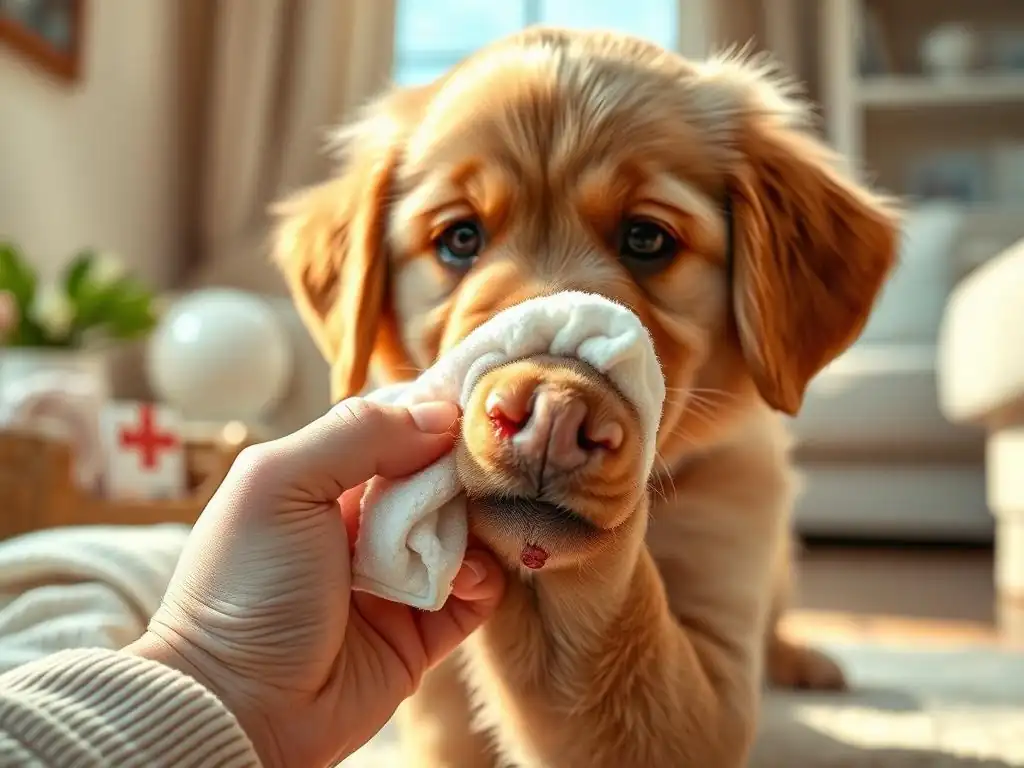
Welcome to PetCareWorld, your ultimate guide to a happier, healthier life for your beloved companion! We're passionate about providing pet owners with the knowledge and tools they need, and that's why we're diving into a critical topic: DIY pet bleeding emergency control. Imagine knowing exactly how to react in a pet emergency – discover the intriguing and life-saving techniques revealed in our latest article, and gain the confidence to handle unexpected situations. Learn how everyday household items can become invaluable tools in a crisis. Ready to equip yourself with essential knowledge? Let's begin!
- Understanding DIY Pet Bleeding Emergency Control: A Quick Guide
- DIY Pet Bleeding Control: Effective Household Item Solutions
- Advanced Techniques Using Common Household Items
- When to Seek Professional Veterinary Care for Pet Bleeding
- Preventing Pet Bleeding Accidents at Home
- Important Considerations for DIY Pet Bleeding Control
-
Frequently Asked Questions
- What should I do if my pet has a serious bleeding injury?
- Are there any household items I can use to control bleeding before reaching a vet?
- How can I tell if my pet's bleeding is an emergency?
- What household items should I avoid using on a bleeding wound?
- Can I rely solely on home remedies for controlling my pet's bleeding?
- Final Reflection: Saving Lives, One Household Item at a Time
- Ready to Empower Your Pet First Aid Skills?
Understanding DIY Pet Bleeding Emergency Control: A Quick Guide
Pet emergencies can happen unexpectedly, and knowing how to react quickly can be the difference between life and death for your beloved companion. While professional veterinary care is always the ultimate goal in any pet emergency, understanding how to provide immediate first aid, particularly for severe bleeding, can buy crucial time until you reach a vet. This guide focuses on using readily available household items to control bleeding in your pet before professional help arrives.
We'll explore how to assess the severity of the injury, identify suitable household materials for hemostasis (stopping bleeding), and discuss the essential supplies to include in a dedicated pet first aid kit to complement your household resources. Remember, this information is for emergency situations only and should not replace professional veterinary care.
Always seek immediate veterinary attention after providing initial first aid. Knowing how to effectively manage a bleeding emergency using readily available "DIY pet bleeding emergency control" methods can significantly improve your pet's chances of survival.
Assessing the Severity of Pet Bleeding
Accurately assessing the severity of your pet's bleeding is paramount. The type and amount of bleeding significantly impacts the urgency and approach to first aid. We can categorize bleeding severity as follows:
- Capillary Bleeding: This is the least severe type, characterized by slow oozing of blood. The blood is typically dark red and clots relatively easily. Think of a small scratch or superficial cut. This often stops on its own with minimal intervention.
- Venous Bleeding: Venous bleeding is characterized by a steady flow of dark red blood. The blood flows more consistently than capillary bleeding but is usually easier to control. This might occur from a deeper wound that has damaged a vein.
- Arterial Bleeding: This is the most serious type of bleeding. Arterial blood is bright red and spurts rhythmically with the heartbeat. This indicates damage to an artery and requires immediate, decisive action. This is a life-threatening situation requiring immediate veterinary attention.
To assess your pet's bleeding, consider:
- Location of the wound: Is it on a limb, head, or torso? Location influences the ease of applying pressure and the risk of further complications.
- Amount of blood loss: Is it a small amount, a moderate amount, or a significant amount leading to visible signs of shock (weakness, pale gums, rapid breathing)?
- Color of the blood: As mentioned above, the color provides clues about the type of bleeding (bright red = arterial, dark red = venous or capillary).
Identifying Common Household Items for Hemostasis
Several common household items can effectively aid in controlling bleeding until professional help arrives. Remember to prioritize cleanliness and avoid contaminating the wound further. Here are a few options:
- Clean Towels or Cloth: Applying direct pressure with a clean cloth is the most basic and often effective method for controlling bleeding. Apply firm, consistent pressure directly to the wound. Do not remove the cloth even if it becomes soaked with blood; instead, add more layers on top.
- Clean Bandages: If available, clean bandages provide better control and prevent further contamination of the wound than loose cloths. Apply them firmly over the wound and surrounding area.
- Ice Packs: Wrapped in a clean cloth, ice packs can help constrict blood vessels and reduce swelling, potentially slowing bleeding. However, this should be used in addition to direct pressure, not as a replacement.
- Flour or Cornstarch: These absorbent powders can help absorb blood and aid in clotting. Gently apply a small amount directly to the wound after applying initial pressure with a cloth.
Preparing Your Pet First Aid Kit: Essential Supplies Beyond Household Items
While household items can be life-savers in a bleeding emergency, a dedicated pet first aid kit provides crucial additional resources for a more comprehensive response. Ideally, your kit should include:
- Sterile Gauze Pads: These are superior to household cloths for wound cleaning and dressing.
- Adhesive Tape or Bandages: Provides secure closure for wound dressings.
- Antiseptic Wipes or Solution: Helps to clean the wound and prevent infection.
- Pet-Safe Pain Reliever (Consult your vet): Can help manage pain until veterinary care is available. Note: Always check with your veterinarian before administering any medication to your pet.
- Emergency Contact Information: Keep your veterinarian's contact details readily accessible.
Remember, a proactive approach to pet care includes preparedness for emergencies. By understanding how to assess bleeding severity, utilizing readily available household items, and maintaining a well-stocked pet first aid kit, you can significantly improve your pet's chances of survival in a bleeding emergency. However, always seek professional veterinary attention as soon as possible.
DIY Pet Bleeding Control: Effective Household Item Solutions
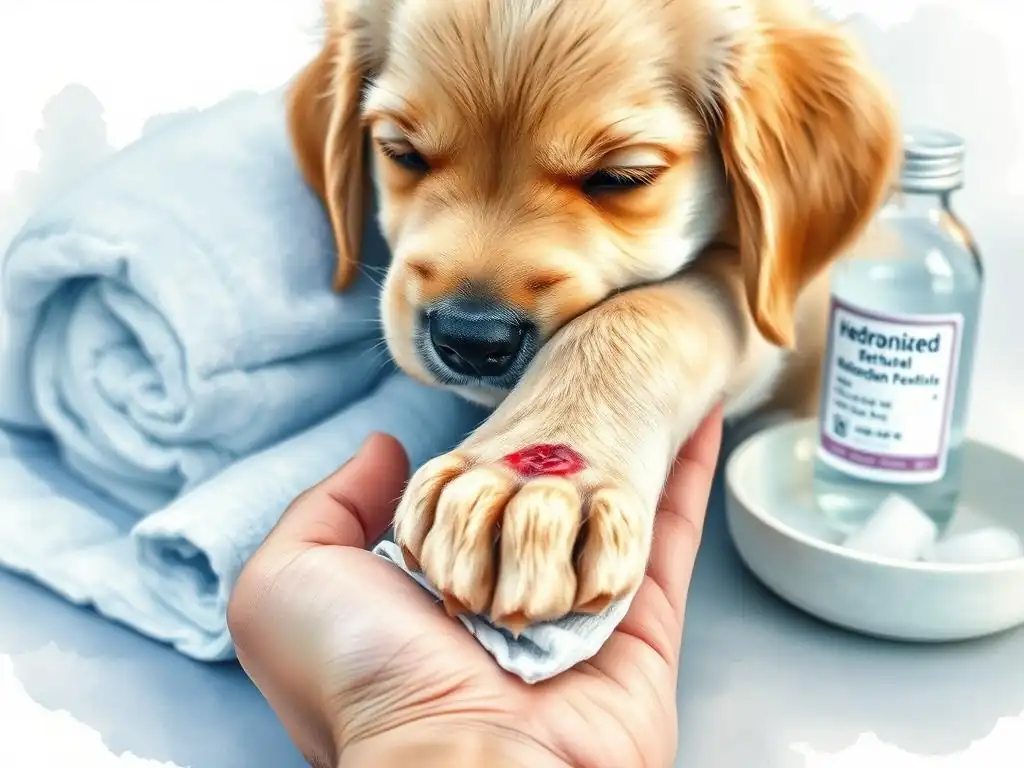
This section details how to utilize common household items to control pet bleeding in emergency situations before professional veterinary care can be sought. Remember, these are temporary measures; immediate veterinary attention is crucial for any significant bleeding. The goal is to minimize blood loss until professional help arrives. Always prioritize your pet's safety and act calmly and swiftly. This guide focuses on providing DIY pet bleeding emergency control solutions using readily available materials. Improper handling can worsen the situation, so proceed with caution and awareness.
Using Clean Towels and Bandages for Pressure Application
Direct pressure is the cornerstone of controlling external bleeding. Clean towels and bandages are your primary tools. Ideally, sterile gauze pads are best, but in an emergency, clean, absorbent cloths will suffice. Avoid using materials that could stick to the wound and further complicate matters.
Here's the step-by-step process:
- Assess the wound: Carefully examine the injury to determine its severity and location. Note the type of bleeding (arterial, venous, capillary). Arterial bleeding, characterized by bright red blood spurting rhythmically, requires immediate and intense pressure.
- Apply direct pressure: Gently but firmly press a clean cloth directly onto the wound. Avoid touching the wound itself with bare hands if possible. Use enough pressure to stem the flow of blood.
- Elevate the injured limb (if applicable): Raising the injured area above the heart can help reduce blood flow. This is particularly helpful for injuries to limbs.
- Maintain pressure: Continue applying consistent pressure for at least 10-15 minutes, even if the bleeding seems to have stopped. Releasing pressure too early can restart the bleeding.
- Bandage the wound (if possible): Once the bleeding slows, carefully bandage the wound using clean material. The bandage should be snug but not constricting, allowing for circulation. Avoid wrapping too tightly, which could reduce blood flow and potentially cause further damage.
- Monitor for signs of shock: Watch for signs of shock, such as pale gums, rapid breathing, weakness, or collapse. If these occur, seek immediate veterinary care.
Employing Flour or Cornstarch to Stop Minor Bleeding
For very minor cuts and abrasions with superficial bleeding, flour or cornstarch can temporarily help staunch the flow of blood. This method is not suitable for deep wounds, severe bleeding, or wounds that show signs of infection.
The process is simple:
- Clean the area: Gently clean the minor wound with clean water.
- Apply the powder: Sprinkle a generous amount of flour or cornstarch directly onto the bleeding area.
- Apply gentle pressure: Lightly press the powder into the wound to help absorb the blood.
- Monitor the wound: Keep a close eye on the wound for signs of infection or worsening bleeding. Seek veterinary attention if the bleeding doesn't stop or if the area becomes red, swollen, or painful.
This method provides a temporary solution for minor bleeding and should only be used as a preliminary step before seeking veterinary attention.
The Unexpected Use of Tea Bags for Wound Control
Used tea bags, specifically black tea bags, possess astringent properties that can help control minor bleeding. The tannins in black tea help constrict blood vessels, aiding in clot formation. Again, this is only suitable for minor wounds and should not replace professional veterinary care.
Here's how to use tea bags:
- Brew a strong cup of black tea: Allow the tea bag to steep for several minutes to ensure a strong concentration of tannins.
- Cool the tea bag: Let the used tea bag cool completely before applying it to the wound. A warm or hot tea bag can cause further irritation and discomfort.
- Apply the tea bag: Gently place the cooled tea bag directly onto the minor wound. Hold it in place with a clean cloth or bandage.
- Leave in place: Leave the tea bag in place for approximately 15-20 minutes.
- Monitor the wound: Observe the wound closely for any signs of infection or continued bleeding. Seek veterinary care if necessary. Remember, this is a temporary measure for minor wounds only. Always prioritize professional veterinary treatment for significant injuries.
Remember, these are temporary measures. Seek immediate veterinary attention for any deep wounds, profuse bleeding, or signs of shock. This information is for educational purposes only and should not be considered a substitute for professional veterinary advice. 🐾
Applying Ice Packs to Reduce Swelling and Bleeding
Applying ice packs is a crucial first-aid step in controlling bleeding and reducing swelling in your pet. The cold temperature constricts blood vessels, slowing blood flow to the injured area. This helps minimize blood loss and reduces the formation of hematomas (blood clots under the skin). Remember, this is a temporary measure to buy you time until professional veterinary care is available. Never rely solely on ice packs for significant bleeding.
The application process is straightforward but requires careful attention. Wrap the ice pack in a thin towel or cloth to prevent direct contact with your pet's skin, which could cause frostbite. Apply the ice pack to the injured area for 10-15 minutes at a time, then remove it for 10-15 minutes before reapplying. This on-and-off method prevents prolonged exposure to the cold and minimizes the risk of tissue damage. Observe your pet carefully for any signs of discomfort or worsening symptoms. If your pet shows signs of distress, remove the ice pack immediately.
The effectiveness of ice packs depends largely on the severity of the injury. For minor cuts and scrapes, ice packs can be highly effective in reducing swelling and slowing bleeding. However, for deep wounds or arterial bleeding (characterized by bright red, spurting blood), ice packs are only a temporary measure, and immediate veterinary attention is paramount. It's essential to understand that ice packs are not a replacement for professional veterinary care; they're a valuable tool in a DIY pet bleeding emergency control kit, offering immediate assistance while you prepare for transport to a veterinarian.
Always prioritize getting your pet to a vet for proper diagnosis and treatment. The quicker the professional care, the better the chances of a full recovery for your furry friend. Remember to monitor the wound closely for signs of infection, such as increased swelling, redness, pus, or foul odor, even after initial bleeding control.
Advanced Techniques Using Common Household Items
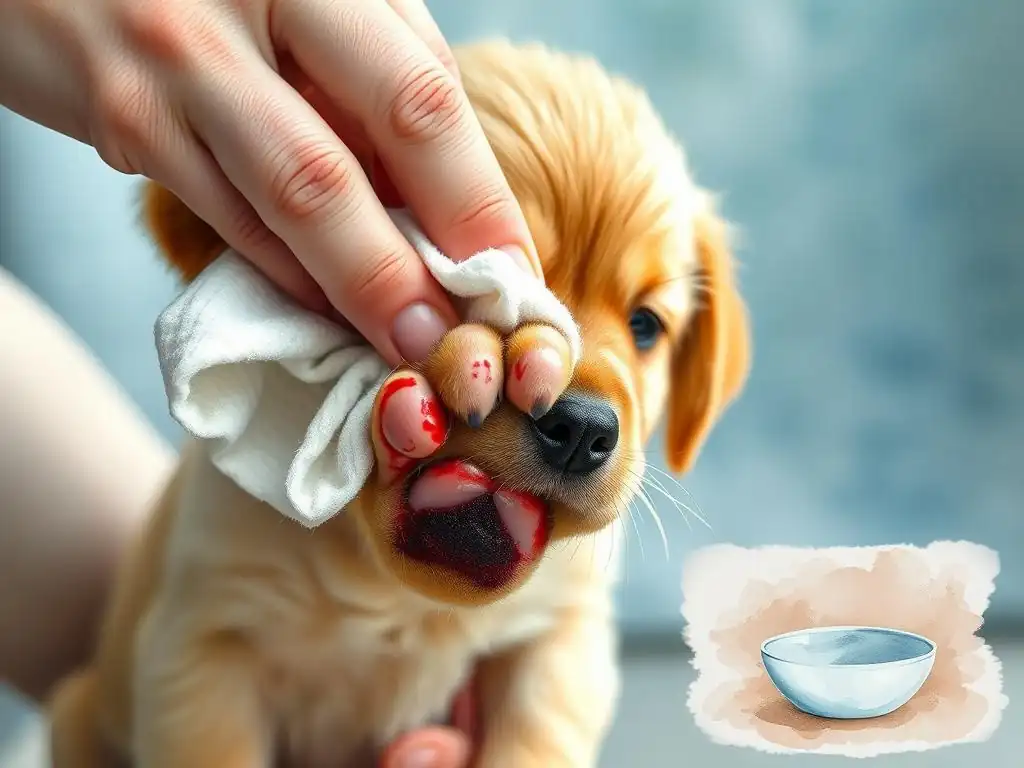
This section delves into more advanced techniques for controlling pet bleeding using readily available household items. Remember, these are emergency measures, and immediate veterinary attention is crucial for any significant bleeding. These methods should only be used to stabilize your pet until professional help arrives. Always prioritize the safety and well-being of your pet. Proper application is key to preventing further complications.
Improper use can worsen the situation. This information is for educational purposes and does not replace professional veterinary care. Seeking veterinary advice is paramount for effective and safe bleeding control in your pet. Knowing how to implement DIY pet bleeding emergency control can be lifesaving.
Creating a DIY Pressure Bandage for More Serious Bleeding
For moderate to severe bleeding, a pressure bandage is often necessary. While not a substitute for professional veterinary care, a well-applied pressure bandage can significantly reduce blood loss until you can get your pet to a vet. Here's how to create one using common household materials:
- Gather your supplies: You'll need a clean, absorbent cloth (a clean towel or t-shirt works well), some gauze pads (if available), and something to secure the bandage – adhesive tape, or even strips of cloth torn from a clean sheet. Avoid using anything that could snag or further injure the wound.
- Clean the wound (if possible): Gently clean the wound with clean water, if possible, to remove any visible debris. Avoid scrubbing.
- Apply direct pressure: Place the absorbent cloth directly onto the wound and apply firm, consistent pressure. This is the most critical step in stopping bleeding.
- Secure the bandage: Carefully wrap the cloth around the injured area, ensuring it is snug but not constricting blood flow to the limb. Use the tape or cloth strips to secure the bandage in place. Avoid wrapping too tightly; you should still be able to feel a pulse below the bandage (if applicable). Observe your pet for any signs of discomfort or worsening of the situation.
- Monitor your pet: Regularly check the bandage to ensure it remains secure and that the bleeding has slowed. If the bleeding continues through the bandage, add more absorbent material on top and maintain firm pressure. Do not remove the original bandage; this can dislodge any clots that may have formed and restart the bleeding.
Remember, the goal is to apply consistent pressure to the wound to help form a clot. This process can take time, and it's vital to stay calm and keep your pet as comfortable as possible. This DIY approach to pet bleeding emergency control is a temporary measure.
Utilizing Clean Fabric Strips for Arterial Bleeding Control (Emergency Measures Only)
Arterial bleeding is characterized by bright red blood spurting from the wound. This is a life-threatening emergency requiring immediate veterinary attention. While waiting for veterinary care, you can attempt to control the bleeding using clean fabric strips as a temporary measure. This is a highly advanced technique and should only be attempted if you have some first aid training and are absolutely certain the bleeding is arterial. Incorrect application can cause serious harm.
- Direct Pressure is Paramount: First, apply direct pressure to the wound using a clean cloth, as described above. This is the most important step.
- Elevation (if possible): If the bleeding is from a limb, elevate it above the heart to help slow the blood flow.
- Pressure Points: If direct pressure alone is insufficient, you might consider applying pressure to a major artery supplying the affected area. However, this is a highly advanced technique and requires specific knowledge of anatomy. Applying pressure to the wrong point could worsen the situation. This step should only be attempted by someone with appropriate medical training.
- Tourniquet (Last Resort): A tourniquet should only be considered as an absolute last resort when all other methods have failed and the bleeding is life-threatening. Improper use of a tourniquet can lead to tissue damage or limb loss. This should only be undertaken by trained personnel.
This information is for educational purposes only. Arterial bleeding is a critical emergency. Immediate veterinary care is essential. Improper handling of arterial bleeding can result in serious injury or death. This DIY method is strictly a last resort, temporary measure before professional help arrives. Knowing how to implement DIY pet bleeding emergency control in this situation is crucial, but professional help is always the top priority.
When to Seek Professional Veterinary Care for Pet Bleeding

Determining when DIY pet bleeding emergency control measures are sufficient and when professional veterinary intervention is crucial is paramount. While quick actions with household items can temporarily stem bleeding, many bleeding situations require immediate expert attention. This section details scenarios demanding swift veterinary care. Understanding these critical situations can significantly impact your pet's survival and recovery.
Recognizing Life-Threatening Bleeding in Pets
Recognizing life-threatening bleeding is crucial for timely intervention. Several indicators signal a veterinary emergency:
- Heavy, uncontrolled bleeding: If the bleeding is profuse and doesn't slow down even with direct pressure, immediate veterinary attention is necessary. This includes spurting blood or soaking through bandages rapidly. Think of it like a faucet that won't turn off. This is a serious situation requiring immediate professional help.
- Bleeding from major arteries or veins: These injuries often involve significant blood loss and require immediate surgical intervention. Arterial bleeding is characterized by bright red, pulsating blood, while venous bleeding is darker red and flows steadily. Identifying the source is critical, but safely assessing this is often beyond the capacity of the average pet owner.
- Pale gums and lethargy: These are signs of significant blood loss (hypovolemic shock). Pale gums, instead of their usual pink, indicate a critical lack of oxygenated blood. Lethargy and weakness are also clear indications of a serious problem.
- Difficulty breathing: Significant blood loss can compromise respiratory function, leading to difficulty breathing or rapid, shallow breaths. This is a very serious sign requiring immediate veterinary attention. This is often accompanied by a weak pulse.
- Loss of consciousness: This indicates severe blood loss and shock. It's a life-threatening emergency requiring immediate professional help.
- Internal bleeding: Internal bleeding can be difficult to detect, but signs include weakness, pale gums, abdominal distension, and collapse. This often necessitates immediate imaging and surgical intervention.
Contacting Emergency Veterinary Services: A Step-by-Step Guide
Swift action is vital when dealing with severe pet bleeding. Here's a step-by-step guide to contacting emergency veterinary services:
- Remain calm: Panic will only hinder your ability to effectively communicate with the veterinary staff. Keep your composure and focus on providing clear information.
- Gather essential information: Before calling, note the pet's species, breed, age, weight, and the location of the bleeding. Also note the apparent severity of the bleeding (e.g., profuse, steady, spurting).
- Call your regular veterinarian or an emergency veterinary clinic: If your regular veterinarian isn't available, locate the nearest emergency veterinary hospital. Many have 24/7 availability. Having their number readily available is a crucial part of pet preparedness.
- Clearly and concisely describe the situation: Explain the nature of the injury, the amount of bleeding, and any first aid steps you've already taken. Be prepared to answer questions about your pet's medical history.
- Follow their instructions: The veterinary staff will guide you on how to proceed, potentially advising you to bring your pet in immediately or providing instructions for transport. Listen carefully and follow their advice precisely.
Post-Emergency Care for Your Pet: Wound Monitoring and Healing
Following emergency veterinary treatment, diligent post-emergency care is crucial for your pet's recovery. This involves meticulous wound monitoring and adherence to the veterinarian's instructions.
- Medication adherence: Strictly follow the prescribed medication schedule, including antibiotics, pain relievers, and any other medications. This is critical for preventing infection and ensuring proper healing. Never alter the dosage without consulting the vet.
- Wound cleaning: Clean the wound as instructed by the veterinarian. This usually involves gentle cleaning with a sterile saline solution. Avoid using harsh chemicals or hydrogen peroxide. Improper cleaning can negatively impact healing and increase the risk of infection.
- Bandage changes: Change bandages as directed by the veterinarian. Observe the wound for signs of infection, such as increased swelling, redness, pus, or foul odor. Report any concerning changes immediately.
- Rest and restricted activity: Provide your pet with ample rest and restrict activity to prevent further injury to the wound. This is essential for proper healing and minimizing complications. The level of restricted activity will depend on the severity of the wound and your veterinarian's recommendations.
- Follow-up appointments: Attend all scheduled follow-up appointments to monitor healing progress and address any concerns. This proactive approach is key to ensuring a successful recovery. Regular monitoring helps prevent unforeseen complications.
Remember, while DIY pet bleeding emergency control can be a valuable temporary measure, professional veterinary care is often essential for optimal outcomes. Being prepared with knowledge and quick access to veterinary services can make a critical difference in a pet emergency. 🐾
Preventing Pet Bleeding Accidents at Home
Pet bleeding emergencies, while thankfully infrequent, can be incredibly stressful. Proactive measures significantly reduce the likelihood of such incidents. This section focuses on simple yet effective strategies to minimize bleeding risks in your home, ensuring a safer environment for your beloved companion. Effective "DIY pet bleeding emergency control" begins with prevention.
Pet-Proofing Your Home to Minimize Bleeding Risks
A well-pet-proofed home dramatically reduces the chances of accidental injuries. Consider these crucial steps:
- Secure sharp objects: Knives, scissors, broken glass, and needles should be stored securely out of reach. Consider childproof locks for cabinets containing these items. Regularly sweep for small, sharp debris that could be ingested or step on.
- Manage electrical cords: Chewing on electrical cords can cause severe injuries, including bleeding from the mouth and paws. Use cord protectors or tuck cords away neatly.
- Cover or remove toxic substances: Cleaning products, pesticides, medications, and antifreeze are highly toxic and can cause internal bleeding if ingested. Store them in locked cabinets, high up and out of your pet's reach. Always check labels and keep the phone number for your vet or animal poison control handy.
- Secure hazardous plants: Many common houseplants are toxic to pets. Research plants safe for pets and remove any potentially harmful ones. Consult a veterinarian or a reliable online resource such as the ASPCA's website for a comprehensive list of toxic plants.
- Fence off hazardous areas: If you have a pool, a construction zone, or other dangerous areas, ensure they are securely fenced off to prevent accidental falls or injuries. Consider using child-safe gates to block access.
Remember, even small cuts can lead to significant blood loss in smaller pets. Diligence in pet-proofing minimizes these risks. Regular checks of your home environment are vital, especially if you have a playful or curious pet. A proactive approach is the best form of "DIY pet bleeding emergency control."
Training Your Pet to Reduce Aggressive Behavior Leading to Injuries
Aggressive behavior, whether directed at other pets or humans, can lead to serious injuries and bleeding. Training your pet is crucial for preventing such situations. This requires patience, consistency, and positive reinforcement methods.
- Early socialization: Exposing puppies and kittens to various sights, sounds, and people from a young age can significantly reduce the likelihood of aggression developing. Positive interactions are key.
- Obedience training: Basic obedience commands like "sit," "stay," and "come" give you control in potentially stressful situations, reducing the risk of your pet reacting aggressively. Professional training can be invaluable.
- Managing triggers: Identify situations or stimuli that trigger aggressive behavior in your pet. This could be other animals, strangers, or certain noises. Avoid these triggers as much as possible or use counter-conditioning techniques to desensitize your pet.
- Professional help: If your pet exhibits aggressive behavior, seeking professional help from a certified veterinary behaviorist or a qualified dog trainer is essential. They can assess the cause of the aggression and create a tailored training plan. Ignoring aggressive behavior will not make it disappear; it often worsens.
Training takes time and commitment. However, it's a highly effective way to prevent injuries and promote a harmonious home environment. A well-trained pet is less likely to cause accidental injuries, and this is a vital part of "DIY pet bleeding emergency control." Remember, patience and consistency are crucial for success. 🎉
Important Considerations for DIY Pet Bleeding Control

Effective DIY pet bleeding emergency control hinges on swift action and a clear understanding of limitations. While household items can provide temporary relief in a crisis, they are not a replacement for professional veterinary care. The goal is to stem the bleeding enough to safely transport your pet to a veterinarian. Remember, even seemingly minor wounds can lead to serious complications if not properly managed.
This section emphasizes crucial factors to consider before, during, and after employing any DIY method. Speed is paramount; every minute counts in a bleeding emergency. Prioritizing your pet's safety and seeking professional help as soon as possible is the ultimate priority. This approach to DIY pet bleeding emergency control emphasizes responsible pet ownership and preparedness.
Maintaining Hygiene and Sterility During Treatment
Maintaining hygiene and sterility is critical when dealing with an open wound, even when using household items for DIY pet bleeding emergency control. Contamination can lead to infection, potentially worsening the situation and complicating recovery. Before attempting any treatment:
- Wash your hands thoroughly: Use soap and warm water for at least 20 seconds. This reduces the risk of transferring bacteria from your hands to the wound.
- Clean the wound area: If possible, gently clean the area around the wound with clean water and a soft cloth. Avoid scrubbing, as this can further irritate the wound and potentially spread contaminants. Ideally, use sterile saline solution if available.
- Use clean materials: Any household materials used (cloths, bandages, etc.) should be as clean as possible. Ideally, use sterile gauze pads if you have them in your pet first-aid kit. Avoid using materials that could shed fibers or cause further irritation.
- Minimize handling: Handle the wound as little as possible to reduce the risk of infection and further trauma. Focus on controlling the bleeding efficiently and getting your pet to veterinary care.
Remember, the primary objective is temporary bleeding control, allowing for safe transport to a vet. Sterile techniques are crucial to minimizing the risk of infection while awaiting professional treatment. Improper handling can lead to serious consequences, highlighting the importance of clean procedures even in emergency situations.
Understanding the Limitations of Household Remedies
Household remedies for DIY pet bleeding emergency control offer temporary solutions, but they have significant limitations. They should never replace professional veterinary care. These limitations include:
- Inability to address underlying injuries: A DIY approach can only address the immediate bleeding; it cannot diagnose or treat the underlying cause of the bleeding (e.g., a broken bone, internal bleeding).
- Risk of infection: Improper cleaning or the use of contaminated materials can lead to serious infections, potentially delaying healing and requiring more extensive veterinary intervention.
- Inadequate hemostasis: Household items may not effectively stop severe bleeding. They are more suitable for minor cuts and abrasions.
- Potential for further injury: Improper application of pressure or the use of unsuitable materials can cause further trauma to the wound.
The table below summarizes the limitations:
| Limitation | Description |
|---|---|
| Underlying injury diagnosis | Cannot identify the root cause of bleeding. |
| Infection risk | Improper techniques increase the risk of infection. |
| Ineffective hemostasis | May fail to control severe bleeding. |
| Potential for further injury | Incorrect application can worsen the wound. |
It's vital to understand that DIY methods are a temporary measure to buy time until professional veterinary care is available. Do not rely on them for long-term wound management.
Seeking Professional Advice on Long-Term Wound Care
Following a bleeding emergency, even if initially controlled with DIY methods, professional veterinary care is essential. A vet can:
- Thoroughly assess the wound: Determine the extent of the injury, identify any underlying problems, and assess the need for stitches, antibiotics, or other treatments.
- Clean and debride the wound: Remove any foreign material, dead tissue, or debris that could impede healing.
- Administer appropriate medication: Prescribe antibiotics to prevent infection, pain relievers for discomfort, and other medications as needed.
- Monitor healing: Track the healing progress and make necessary adjustments to the treatment plan.
- Provide guidance on aftercare: Offer instructions on proper wound care, including cleaning, bandaging, and preventing complications.
Ignoring professional veterinary care after using DIY pet bleeding emergency control can lead to severe complications, including infection, delayed healing, scarring, and even limb loss in severe cases. Always prioritize professional veterinary assessment and treatment for long-term wound management and optimal pet health. Following their recommendations is crucial for a complete recovery.
Frequently Asked Questions
What should I do if my pet has a serious bleeding injury?
First, remain calm and apply direct pressure to the wound using a clean cloth. Then, immediately transport your pet to the nearest veterinary clinic.
Are there any household items I can use to control bleeding before reaching a vet?
Yes, clean cloths or towels can be used to apply direct pressure. Clean bandages are also helpful if available, but prioritize pressure first.
How can I tell if my pet's bleeding is an emergency?
Heavy bleeding, bright red blood, weakness, or signs of shock (pale gums, rapid breathing) indicate an emergency requiring immediate veterinary attention.
What household items should I avoid using on a bleeding wound?
Avoid using anything that could contaminate the wound, like dirty cloths or materials that could stick to the injury and worsen the bleeding. Do not use hydrogen peroxide.
Can I rely solely on home remedies for controlling my pet's bleeding?
No, home remedies are only temporary measures. Always seek professional veterinary care as soon as possible for any significant bleeding injury. Prompt veterinary attention is crucial.
Final Reflection: Saving Lives, One Household Item at a Time
The unexpected bleeding emergency involving a beloved pet can be terrifying, but preparedness can significantly reduce the impact. Knowing how to react quickly and effectively, even with limited resources, can mean the difference between life and death for your furry friend. This knowledge empowers pet owners to become first responders in critical situations.
The accessibility of the solutions presented in this article is what truly resonates with me. It's not about expensive, specialized equipment; it's about recognizing the potential life-saving properties within our own homes. This underscores the importance of proactive pet care, moving beyond routine checkups to encompass emergency preparedness. The best way to predict the future is to create it,
and by arming ourselves with this knowledge, we are actively shaping a safer future for our pets.
Now, consider the information presented. Take a moment to visualize a scenario where this knowledge could be invaluable. Don't just passively read; actively engage. Create a simple emergency kit for your pet, incorporating the readily available materials discussed. Remember, the peace of mind that comes from being prepared is priceless, and the potential to save a life is a responsibility we all share.
Ready to Empower Your Pet First Aid Skills?
Thank you for learning about managing pet bleeding emergencies using common household items! We hope this knowledge gives you peace of mind. Now, let's put it to use.
- Practice your pet first aid techniques: Practice managing a minor bleeding scenario with a stuffed animal or a friend. This hands-on approach will build your confidence and prepare you for a real emergency. Use common household items during your practice.
- Share this vital information: Spread the word to other pet owners—you could save a life! A quick email, social media post, or conversation can make a big difference.
- Explore more PetCareWorld resources: Discover more helpful guides and tips on pet first aid and emergency preparedness on our website to further enhance your pet's safety.
Ready to become your pet's ultimate first responder? What common household item do you think would be most useful in a pet bleeding emergency?