
Training Your Cat to Use a Scratching Post: A StepbyStep Guide

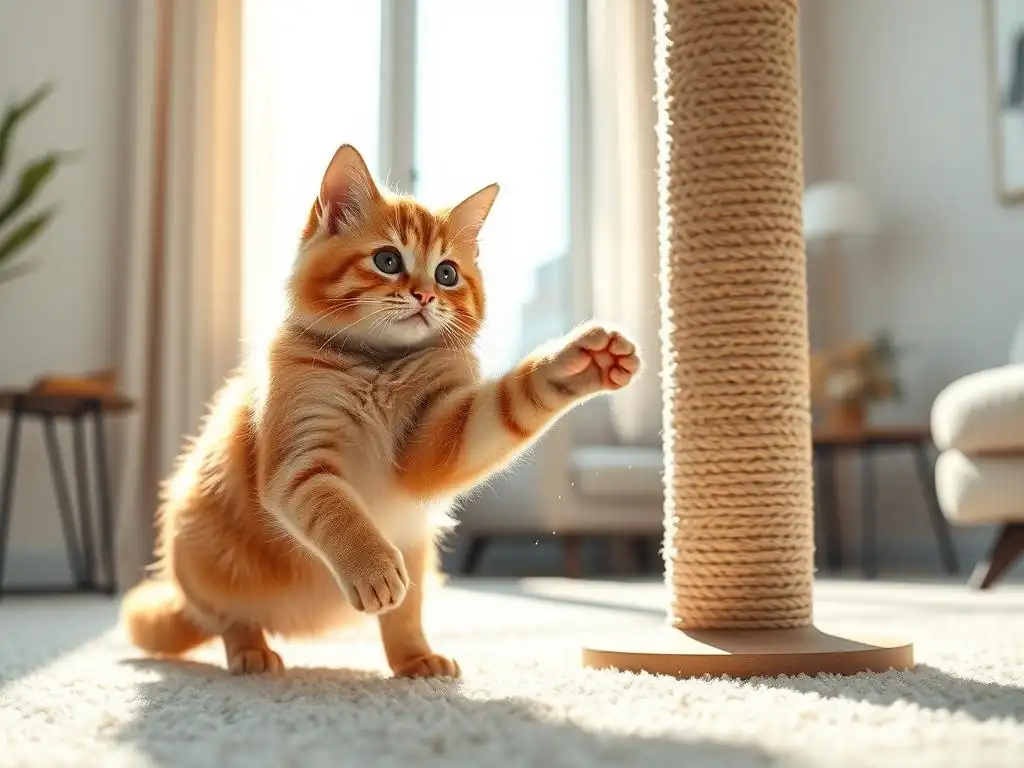
Welcome to PetCareWorld, your ultimate guide to a happier, healthier life for your beloved pets! Are you tired of shredded furniture and frustrated with your cat's scratching habits? Then our comprehensive cat scratching post training guide is exactly what you need. Discover proven techniques and practical solutions to redirect your feline friend's scratching instincts and protect your home – all while strengthening your bond. Dive in and unlock the secrets to successful cat scratching post training!
- Understanding Your Cat's Scratching Behavior: Why Cats Scratch
- Choosing the Right Scratching Post for Your Cat: Types and Materials
-
Step-by-Step Guide to Cat Scratching Post Training
- Step 1: Introducing Your Cat to the Scratching Post
- Step 2: Positive Reinforcement Techniques: Rewards and Treats
- Step 3: Making the Scratching Post Irresistible: Catnip and Toys
- Step 4: Redirection Scratching Behavior: Gentle Correction Methods
- Step 5: Maintaining Consistency and Patience: Long-Term Training Strategies
- Troubleshooting Common Issues in Cat Scratching Post Training
- Maintaining Your Cat's Scratching Post: Cleaning and Replacement
- Frequently Asked Questions
- Final Reflection: The Enduring Power of Patience in Pet Training
- Unleash Your Cat's Inner Zen: Scratching Post Success!
Understanding Your Cat's Scratching Behavior: Why Cats Scratch
Cats scratching isn't just a destructive habit; it's a natural, instinctual behavior crucial for their physical and mental well-being. This comprehensive guide will walk you through a step-by-step process to successfully train your feline friend to use a scratching post, offering a humane alternative to declawing—a procedure that permanently removes a cat's ability to scratch, causing significant pain and impacting their natural behaviors. Understanding why cats scratch is the first step towards effectively redirecting this innate behavior.
We'll explore the various reasons behind scratching, from scent marking and claw maintenance to stress relief and playful exercise. By the end of this guide, you'll be equipped with the knowledge and techniques to train your cat to use a scratching post, ensuring a harmonious coexistence and a happy, healthy cat. This guide is your ultimate resource for effective cat scratching post training, addressing the common challenges and providing practical solutions for a successful outcome.
This will help you avoid the need for declawing and offer a positive training experience for both you and your cat. Let's delve into the fascinating world of feline scratching!
Deciphering Scratching Signals: Identifying the Purpose Behind Clawing
Cats scratch for a variety of reasons, and understanding these motivations is key to successful training. Observe your cat's scratching behavior closely. Is it a vigorous, extended session? This might indicate territory marking, as cats use their scent glands in their paws to leave their mark.
Or is it a quick, casual stretch? This could be simple claw maintenance. The location of the scratching also provides valuable clues. Vertical surfaces, like furniture legs or doorways, often signal a desire to stretch and sharpen claws, while horizontal scratching might suggest a need for more vigorous stretching.
Consider the time of day the scratching occurs; frequent scratching during playtime might be a sign your cat needs more physical activity, while scratching at night could indicate boredom or stress. Keeping a detailed record of your cat's scratching habits—when, where, and how—will greatly assist in identifying the underlying causes and tailoring your training approach effectively. This detailed observation is crucial for choosing the right type of scratching post and implementing the most effective training strategies.
The Importance of Scratching for Cats: Physical and Mental Well-being
Scratching is not merely a quirky feline habit; it's essential for your cat's overall health and happiness. Physically, scratching helps cats shed the outer layers of their claws, keeping them sharp and healthy. Imagine trying to trim your own nails without any tools—it would be incredibly difficult and potentially damaging! Scratching provides a natural and efficient way for cats to maintain their claws.
Mentally, scratching is a crucial outlet for stress and energy. It allows cats to mark their territory, leaving behind their scent and claiming their space. This act provides a sense of security and control, reducing stress and anxiety. A lack of adequate scratching opportunities can lead to behavioral problems such as excessive meowing, inappropriate urination, or destructive scratching on furniture.
Providing a suitable scratching post is therefore not just about protecting your furniture; it's about ensuring your cat's physical and mental well-being. By understanding the vital role scratching plays in your cat's life, you can better appreciate the importance of positive reinforcement training methods and the benefits of providing a suitable and appealing scratching post. 😻
Choosing the Right Scratching Post for Your Cat: Types and Materials
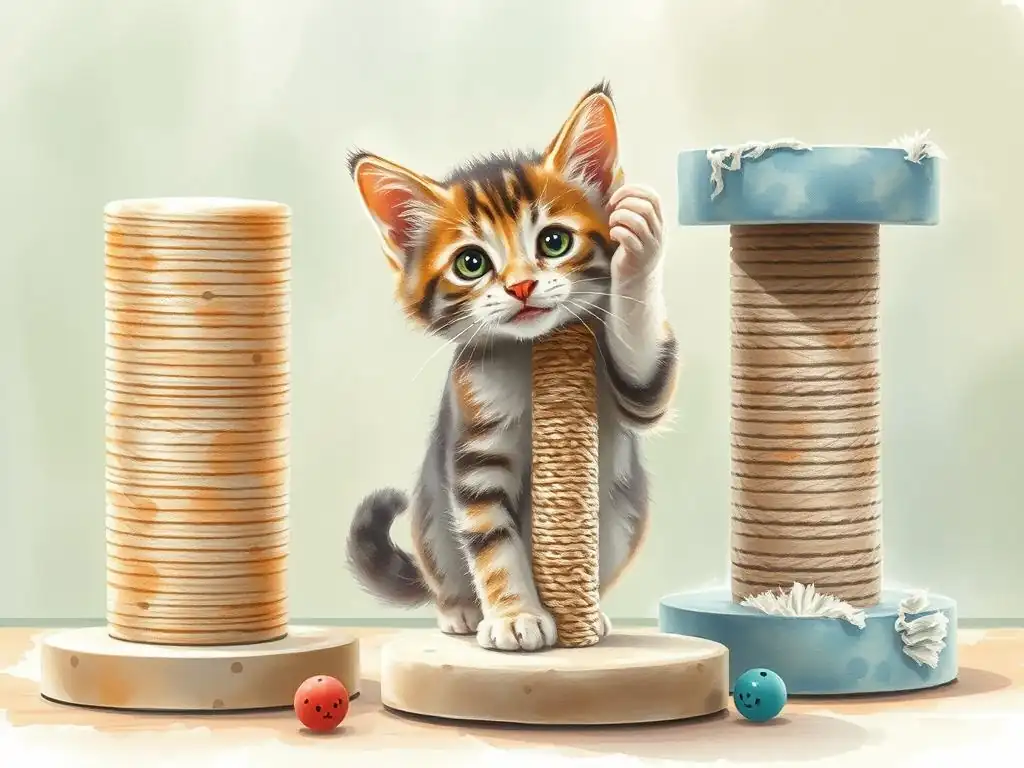
Selecting the right scratching post is crucial for successful cat scratching post training. A post your cat enjoys using is far more likely to deter unwanted scratching on furniture. The type and material of the scratching post significantly influence a cat's preference. Let's explore the options available to find the perfect fit for your feline friend.
Different Scratching Post Materials: Cardboard, Sisal, Carpet, and More
Cats have different preferences when it comes to scratching post textures. Understanding these preferences is key to choosing a post that will entice your cat.
- Cardboard: Cardboard scratchers are inexpensive and readily available. Many cats enjoy the satisfying tearing sound and feel of cardboard. They are often disposable, which can be beneficial if your cat shreds them quickly. However, they may not last as long as other materials. Consider rotating cardboard scratchers to keep your cat engaged.
- Sisal: Sisal is a natural fiber known for its durability and rough texture. It's a popular choice for many cats who enjoy a more robust scratching experience. Sisal posts are often more resistant to wear and tear, making them a cost-effective long-term solution. They also tend to be easier to clean.
- Carpet: Carpet-covered scratching posts offer a softer texture than sisal. Some cats prefer this gentler feeling on their claws. The variety of carpet colors and textures available allows you to choose a post that complements your home decor. However, carpet posts can wear down more quickly than sisal, especially if your cat is a vigorous scratcher.
- Wood: While less common, some cats prefer scratching on wood. Ensure the wood is untreated and safe for your cat. Wooden posts can be quite durable but may require more frequent cleaning.
- Other Materials: You can also find scratching posts made from materials like seagrass or jute. Experimenting with different textures might be necessary to determine your cat's preference. Observe your cat's interactions with various textures to gauge their interest. A playful approach to selection is often the most effective.
Selecting the Appropriate Size and Height: Considering Your Cat's Breed and Size
The size and height of the scratching post are equally important factors. A post that's too small or too low might not satisfy your cat's scratching instincts.
Consider these factors:
- Breed and Size: Larger breeds like Maine Coons will likely need a taller and sturdier post than smaller breeds like Siamese cats. The post should be tall enough for your cat to stretch out fully while scratching.
- Scratching Style: Observe how your cat scratches. Do they prefer vertical scratching or horizontal scratching? Choose a post that accommodates their preferred style. Some cats even prefer scratching on angled surfaces.
- Stability: The post must be stable enough to withstand your cat's scratching. A wobbly post can be frustrating for your cat and might deter them from using it. Look for posts with a wide, sturdy base.
Placement Strategies for Optimal Scratching Post Usage
The location of the scratching post is crucial for its success. Strategic placement can significantly increase the likelihood of your cat using it.
Consider these placement strategies:
- High-Traffic Areas: Place the scratching post in areas where your cat spends a lot of time. This increases the visibility and accessibility of the post, making it more likely to be used.
- Near Favorite Spots: Placing the scratching post near your cat's favorite sleeping spots, feeding areas, or play areas can encourage its use. This creates a positive association with the post.
- Avoid Conflicting Locations: Don't place the scratching post near loud noises or high-traffic areas that might scare your cat away. A quiet, comfortable location is ideal.
- Experiment with Placement: If your cat doesn't seem interested in the initial location, try moving the post to different areas of your home. Observe your cat's behavior to determine where they're most likely to use it.
Remember, patience and consistency are key to successfully training your cat to use a scratching post. By carefully considering the type of post, its size, and its placement, you'll significantly improve your chances of success in diverting your cat's scratching behavior away from your furniture and onto its designated scratching post. This positive reinforcement approach is more humane than declawing and will contribute to a happier, healthier cat. 😻
Step-by-Step Guide to Cat Scratching Post Training
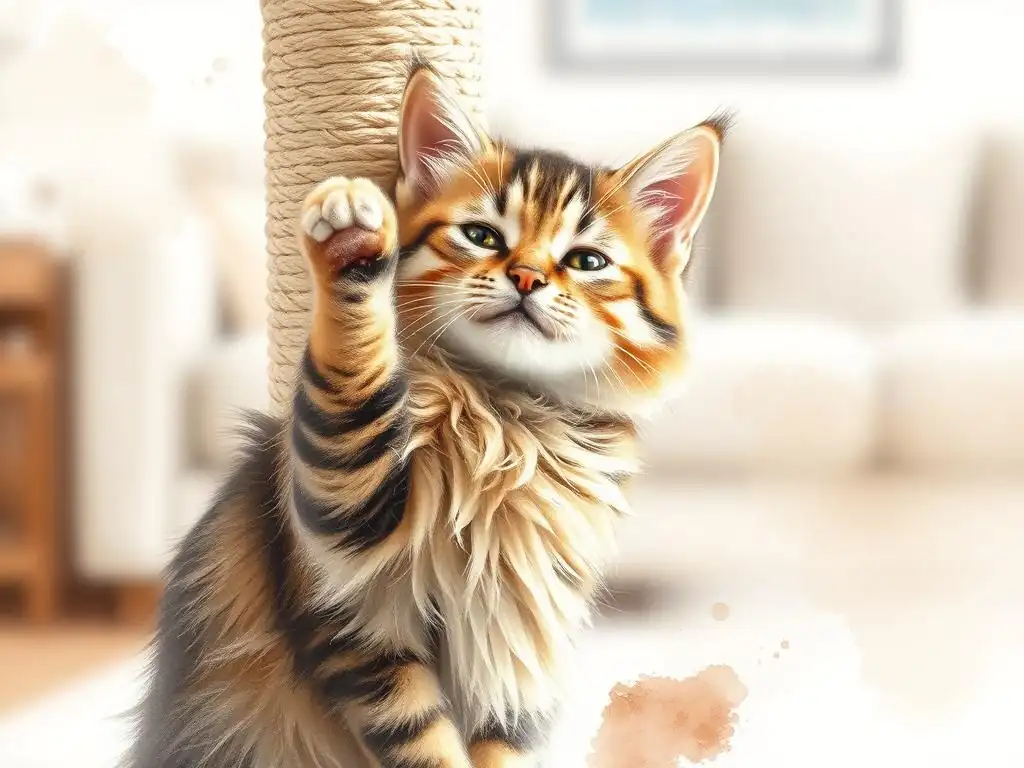
This section provides a detailed, step-by-step guide on how to successfully train your cat to use a scratching post, offering a humane alternative to declawing. We'll cover the process from initial introduction to reinforcing positive behaviors. Remember, patience and consistency are key to achieving your goal. This guide focuses on building a positive association with the scratching post, making it the preferred choice for your feline friend. This is a crucial aspect of responsible cat ownership and contributes to a harmonious home environment.
Step 1: Introducing Your Cat to the Scratching Post
The first step in cat scratching post training involves a careful and gradual introduction. Avoid forcing your cat onto the post; this can create negative associations. Instead, place the scratching post in a location your cat frequents, such as near their favorite sleeping spot or a sunny windowsill. The ideal placement minimizes stress and maximizes the likelihood of your cat investigating it naturally.
Several factors influence your cat's initial acceptance. The type of scratching post matters significantly. Some cats prefer sisal, while others might gravitate towards carpet or cardboard. Experiment with different textures to find your cat's preference. The height and stability of the post are also important considerations. A wobbly post might scare your cat, while a tall post provides a satisfying stretch.
Consider the placement of the post in relation to existing scratching spots. If your cat already scratches the sofa, place the post nearby as a more appropriate alternative. You can even strategically place it directly next to the furniture to make the transition smoother. This gradual introduction, coupled with positive reinforcement, significantly increases the chances of success. Remember, consistency is key! Don't give up if your cat isn't immediately interested; it may take time and patience.
Step 2: Positive Reinforcement Techniques: Rewards and Treats
Once your cat shows any interest in the scratching post—even just sniffing or touching it—immediately reward them with positive reinforcement. This is where treats and praise play a crucial role in associating the post with positive experiences. Positive reinforcement is far more effective than punishment in cat training.
Use high-value treats your cat loves. Small pieces of cooked chicken or tuna work wonders for many cats. Pair the treat with enthusiastic verbal praise, such as "Good kitty!" or "Yes!". The timing of the reward is critical; it should be immediate upon the desired behavior (scratching the post). Delaying the reward diminishes its effectiveness.
Creating a consistent routine is essential. Try to engage your cat with the scratching post at the same time each day, reinforcing the positive association. You can even gently guide their paw towards the post, rewarding them immediately for any scratching action. This hands-on approach, when done gently and patiently, can be surprisingly effective, especially with kittens. Remember, the goal is to build a positive association, not to force the behavior.
Here's a sample training schedule:
| Time of Day | Activity | Reward | Notes |
|---|---|---|---|
| Morning | Guide paw to scratching post | Small piece of cooked chicken | Praise enthusiastically |
| Afternoon | Observe and reward scratching | Treat and verbal praise | Only reward when scratching the post |
| Evening | Play near scratching post | Interactive toy and verbal praise | Encourage scratching during playtime |
Step 3: Making the Scratching Post Irresistible: Catnip and Toys
To further encourage your cat's use of the scratching post, consider incorporating catnip and interactive play. Many cats find catnip incredibly enticing, and sprinkling a small amount on the post can significantly increase its appeal. However, remember that not all cats react to catnip, so don't be discouraged if it doesn't work for your pet.
Interactive play near the scratching post is another effective technique. Use a wand toy or feather teaser to entice your cat to play near the post. As they bat at the toy, they might inadvertently scratch the post. Reward this behavior immediately with treats and praise. This method cleverly combines play with the desired behavior, creating a positive association.
The key is to make the scratching post the most appealing option for your cat's scratching needs. This often involves eliminating other tempting scratching surfaces. If your cat consistently scratches the sofa, try covering it with a cat-repellent spray or placing a deterrent on top. This isn’t about punishment; it’s about redirecting their behavior towards the scratching post. Remember to always prioritize your cat's safety and well-being throughout the training process. Patience and persistence will ultimately lead to success. 🎉
Step 4: Redirection Scratching Behavior: Gentle Correction Methods
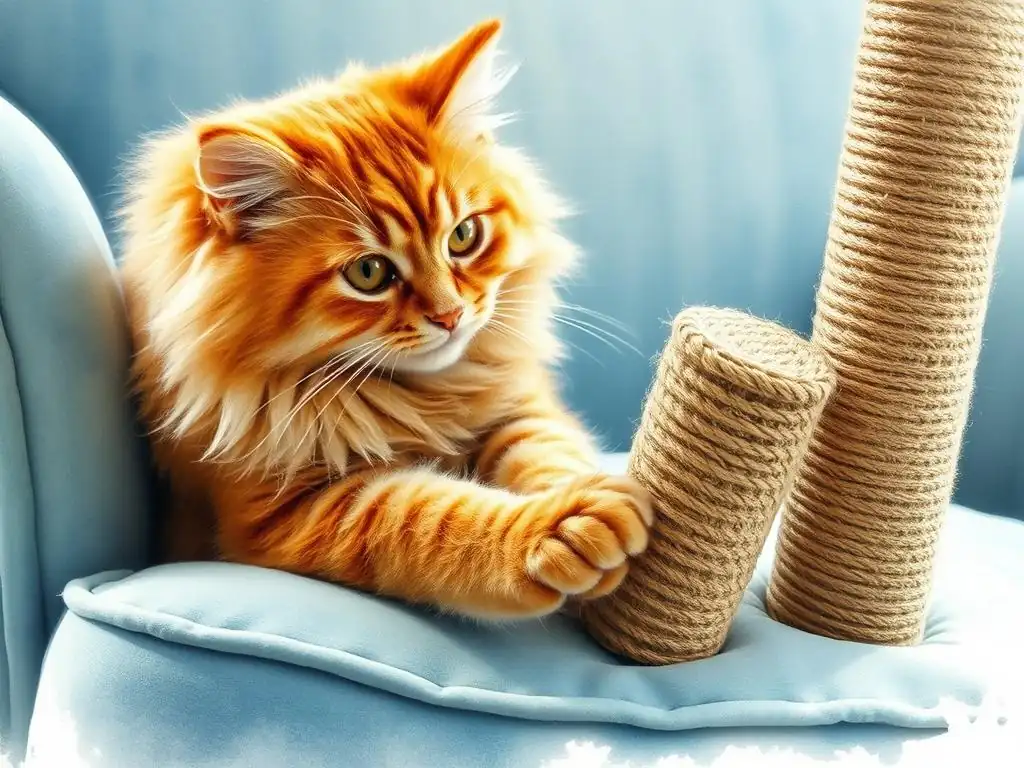
Once your cat shows interest in the scratching post, it's crucial to gently redirect any unwanted scratching behavior. Never punish your cat for scratching furniture; this can create fear and anxiety, potentially worsening the problem. Instead, focus on positive reinforcement. If you catch your cat scratching the sofa, for example, make a gentle but firm "psst" sound to startle them slightly. Immediately afterward, pick them up and guide them to the scratching post, praising them enthusiastically as they begin to scratch it.
A small treat or a favorite toy can further reinforce the positive association. Remember, timing is everything; the redirection must happen immediately after the unwanted scratching behavior. Consistency in this gentle redirection is key to success. Over time, your cat will learn to associate the scratching post with positive rewards and the furniture with a mild deterrent.
Consider using a spray deterrent on the furniture, but only after you've established a positive association with the scratching post. Opt for a scent deterrent, such as citrus, that cats generally dislike, rather than harsh chemicals. Always supervise your cat closely during the initial training phase to ensure they are not scratching furniture while you are away. This step requires patience and understanding of your cat's behavior.
Step 5: Maintaining Consistency and Patience: Long-Term Training Strategies
Training a cat to use a scratching post isn't a one-time event; it requires ongoing consistency and patience. Even after your cat seems to have mastered using the post, you should continue to reinforce the desired behavior. This involves providing regular praise and treats when they use the post correctly. Regularly inspect the scratching post to ensure it's still appealing to your cat. If the scratching post becomes worn or less appealing, replace it with a new one or simply add a new layer of sisal or carpet.
Cats often prefer different textures, so having a variety of scratching posts available can be helpful. Also, consider the placement of the scratching post; it should be conveniently located in areas your cat frequents, such as near their favorite sleeping spot or play area. If you notice any regression in behavior, such as scratching furniture again, don't panic. Simply revisit the earlier steps, gently redirecting your cat to the scratching post and reinforcing the desired behavior. Remember, every cat learns at their own pace.
Some cats might adapt quickly, while others may require more time and effort. The key is to remain patient and consistent in your approach, always prioritizing positive reinforcement and gentle redirection over punishment. With consistent effort and unwavering patience, you can successfully train your cat to use a scratching post and protect your furniture from damage. Celebrate even the smallest successes along the way; this will boost your confidence and keep you motivated throughout the training process.
Troubleshooting Common Issues in Cat Scratching Post Training
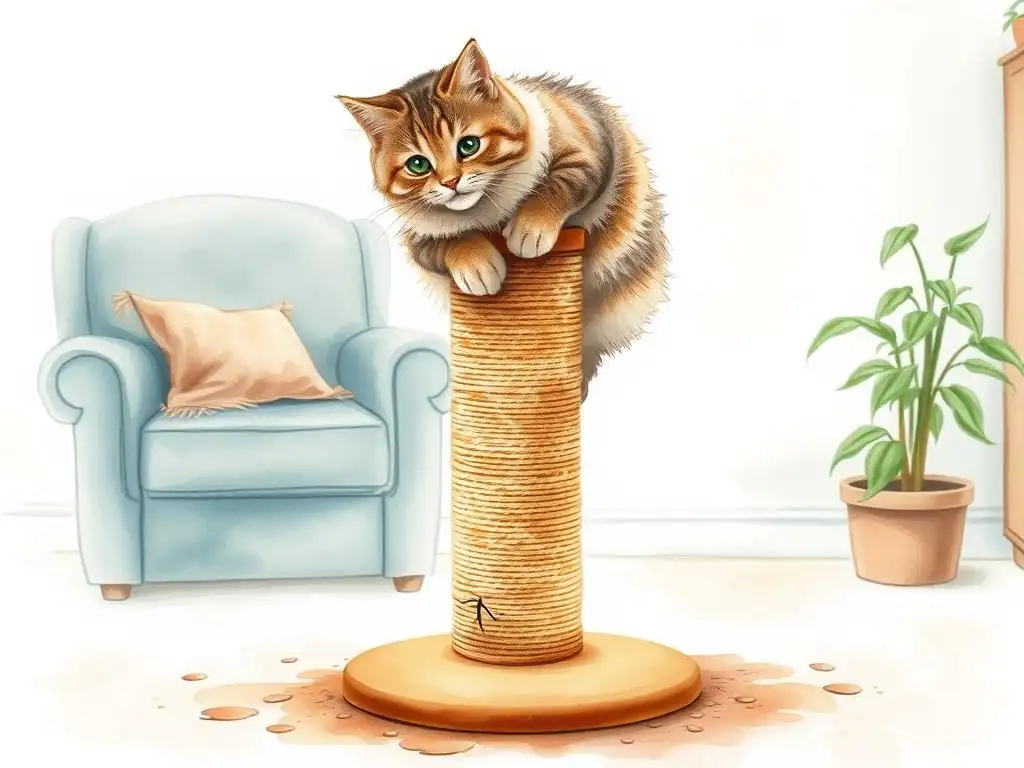
This section addresses common challenges pet owners face when training their cats to use a scratching post, offering practical solutions and insights to overcome these hurdles. Remember, patience and consistency are key to success in cat training. This guide focuses on addressing persistent problems, assuming you've already introduced the scratching post correctly.
Dealing with Persistent Scratching on Furniture: Identifying Underlying Causes
Persistent scratching on furniture, despite the presence of a scratching post, often points to underlying issues. It's rarely simple stubbornness; cats scratch for various reasons, and understanding these is crucial for effective training.
Several factors could be at play:
- Inappropriate Scratching Post Location: The post might be in an area your cat doesn't frequent or find appealing. Cats often prefer to scratch in high-traffic areas, near resting spots, or where they feel safe and secure. Relocating the post to a more strategic location, near a sunny window or their favorite napping spot, can make a significant difference.
- Unattractive Scratching Post: Not all scratching posts are created equal. Your cat might dislike the texture, material, or height of the current post. Experiment with different types – sisal, cardboard, carpet – and heights to find their preference. Consider adding catnip to entice them.
- Medical Issues: Underlying health problems, such as arthritis or joint pain, can make it uncomfortable for your cat to use a scratching post. If scratching suddenly worsens, or if you notice other behavioral changes, a veterinary checkup is necessary to rule out any physical ailments. This is especially important for older cats.
- Stress and Anxiety: Stress from changes in the household, new pets, or even loud noises can manifest as increased scratching. Ensure a calm and predictable environment for your cat. Consider using pheromone diffusers to reduce stress levels.
- Lack of Sufficient Scratching Surfaces: Even with a scratching post, cats may still require additional scratching surfaces to fully satisfy their instinctual needs. Providing multiple scratching posts, strategically placed throughout the house, can alleviate this problem.
To effectively address persistent furniture scratching, systematically investigate these potential causes. Keep a detailed log of your cat's scratching behavior, noting the times, locations, and any other relevant circumstances. This information will help you pinpoint the underlying problem and develop a targeted solution.
Addressing Scratching Post Rejection: Finding the Right Solution
If your cat completely ignores the scratching post, don't despair! This is a common challenge, but with persistence and the right approach, you can often turn things around.
Here's a breakdown of strategies to try:
- Positive Reinforcement: Reward your cat immediately when they approach or use the scratching post, even if just for a second. Use high-value treats or praise. This positive association will encourage them to repeat the desired behavior.
- Negative Reinforcement (Careful Application): While positive reinforcement is preferred, you can gently discourage scratching on furniture by using a deterrent, such as a spray bottle with water (a light mist, never a strong stream). Never punish your cat physically; this will only damage your bond and increase anxiety. The deterrent should be used immediately after the unwanted scratching, associating the action with an unpleasant experience.
- Making the Post More Appealing: Try different materials, heights, and even angles. Some cats prefer vertical posts, while others prefer horizontal ones. Consider adding catnip or silvervine to make the post more enticing. You could even try rubbing the post with a familiar scent from your cat's favorite blanket or toy.
- Redirecting Behavior: If your cat starts scratching the furniture, gently pick them up and place them near the scratching post. If they start scratching the post, immediately reward them. This redirection helps them associate the scratching post with the satisfying scratching sensation.
| Strategy | Description | Effectiveness |
|---|---|---|
| Positive Reinforcement | Rewarding desired behavior with treats or praise. | High |
| Negative Reinforcement | Using a deterrent (e.g., water spray) to discourage unwanted behavior. | Moderate |
| Environmental Changes | Relocating the post to a more appealing location, or providing multiple scratching posts. | High |
| Sensory Enhancement | Adding catnip, silvervine, or familiar scents to the scratching post. | Moderate |
Remember, consistency is crucial. Even with the best strategies, it may take time and patience before your cat consistently uses the scratching post.
When to Seek Professional Help: Recognizing the Need for Veterinary or Behavioral Consultation
While many scratching post training issues can be resolved with patience and the strategies outlined above, some situations warrant professional help. Consult a veterinarian or a certified cat behaviorist if:
- Sudden onset of excessive scratching: A dramatic increase in scratching behavior, particularly if accompanied by other changes in your cat's behavior (e.g., lethargy, changes in appetite, litter box issues), could indicate an underlying medical condition.
- Scratching is self-mutilating: If your cat is excessively scratching to the point of causing injury or bleeding, professional intervention is crucial.
- Training efforts prove unsuccessful: If you've consistently tried various strategies over an extended period (several weeks) without improvement, consulting a professional can provide valuable insights and personalized solutions. They can assess your cat's behavior and environment to identify any overlooked factors.
- Underlying anxiety or stress is suspected: If you suspect stress or anxiety are contributing to the scratching, a behaviorist can help develop strategies to address these underlying emotional issues. They might recommend techniques like environmental enrichment or pheromone therapy.
Don't hesitate to seek professional help. Early intervention can prevent the problem from escalating and ensure your cat's well-being. A professional can offer tailored advice and support, helping you and your feline companion achieve a harmonious coexistence. Remember, a happy cat is a healthy cat! 😻
Maintaining Your Cat's Scratching Post: Cleaning and Replacement
Successfully training your cat to use a scratching post is only half the battle. Maintaining its cleanliness and replacing it when necessary ensures its continued appeal to your feline friend and prevents potential health issues. A neglected scratching post can become a breeding ground for bacteria and parasites, undermining your training efforts and potentially harming your cat. This section provides a comprehensive guide to scratching post hygiene and replacement.
Cleaning Your Cat's Scratching Post: Hygiene and Maintenance
Regular cleaning is crucial for maintaining a hygienic scratching post. The frequency depends on the material and your cat's habits. For example, a sisal scratching post might require less frequent cleaning than a carpeted one, as sisal is naturally more resistant to bacterial growth. However, even sisal posts benefit from periodic cleaning.
Here's a step-by-step guide to cleaning different types of scratching posts:
- Sisal Scratching Posts: These are usually quite easy to clean. Use a stiff brush to remove loose debris, then wipe down with a damp cloth and mild, pet-safe detergent. Avoid soaking the post, as this can damage the sisal fibers. Allow it to air dry completely before returning it to its place.
- Carpet Scratching Posts: These require more attention. Regularly vacuum the post to remove loose fur, dust, and dander. For deeper cleaning, use a pet-safe upholstery cleaner, following the product instructions carefully. Always allow the post to dry thoroughly before your cat uses it again.
- Cardboard Scratching Posts: These are generally disposable. Once your cat has significantly worn down the cardboard, it's best to replace it. However, you can extend its life by occasionally brushing away loose debris.
Important Considerations:
- Frequency: Aim to clean your cat's scratching post at least once a week, or more often if necessary. Observe your cat's behavior; if it seems hesitant to use the post, it might be time for a thorough cleaning.
- Pet-Safe Cleaners: Always use pet-safe cleaners and avoid harsh chemicals that could irritate your cat's skin or respiratory system. Look for products specifically designed for pet use.
- Odor Control: If your scratching post develops an unpleasant odor, you may need to use a pet-odor eliminator. Ensure the product is safe for your cat and the post material.
Knowing When to Replace Your Scratching Post: Signs of Wear and Tear
Even with regular cleaning, your cat's scratching post will eventually wear out. Recognizing the signs of wear and tear is essential for maintaining your cat's interest and ensuring its safety.
Here are some key indicators that it's time for a replacement:
- Significant Wear: If the scratching material is significantly frayed, torn, or worn down to the base, it's time for a new post. A heavily damaged post is less effective and may even pose a safety hazard to your cat.
- Loss of Appeal: If your cat starts avoiding the scratching post in favor of your furniture, it may be because the post is no longer appealing. This could be due to wear and tear, or simply because your cat has outgrown it.
- Unpleasant Odor: Despite regular cleaning, a persistent unpleasant odor suggests a deeper issue that might not be resolved simply by cleaning. This is a strong indication that you need to replace the scratching post.
- Structural Damage: Check the post for any structural damage, such as loose parts or a wobbly base. A damaged post may collapse, creating a potential hazard for your cat.
Replacing your cat's scratching post is a simple yet effective way to maintain their interest in using it and to keep them happy and healthy. Consider rotating different types of scratching posts to keep your cat engaged and prevent boredom. Remember, a happy, well-cared-for cat is less likely to resort to unwanted scratching behaviors. 😻
Frequently Asked Questions
Why is it important to train my cat to use a scratching post?
Training your cat to use a scratching post is crucial for protecting your furniture from damage. It also helps prevent your cat from developing unwanted scratching behaviors and keeps them happy and healthy. Redirecting natural scratching instincts is key to a harmonious home.
What type of scratching post is best for my cat?
The best scratching post depends on your cat's preferences and personality. Consider different materials like sisal, cardboard, or carpet, and offer various heights and styles to see what your cat prefers. Experimentation is key!
My cat ignores the scratching post. What should I do?
Try placing the scratching post near their favorite sleeping or playing areas. You can also sprinkle catnip on it or use positive reinforcement with treats and praise when they use it. Patience and consistency are essential.
How long does it take to train a cat to use a scratching post?
The training time varies depending on your cat's personality and your consistency. Some cats learn quickly, while others may take several weeks or even months. Remain patient and persistent.
What if my cat still scratches the furniture after training?
If your cat continues to scratch furniture despite training, consult a veterinarian or a certified cat behaviorist. There might be underlying medical or behavioral issues requiring professional attention. Rule out medical problems first.
Final Reflection: The Enduring Power of Patience in Pet Training
Successfully training your cat to use a scratching post isn't just about protecting your furniture; it's about building a stronger, more harmonious relationship with your feline companion. The seemingly simple act of redirecting scratching behavior speaks volumes about understanding animal communication and the power of positive reinforcement. This understanding extends far beyond the realm of scratching posts, impacting how we interact with all animals.
The journey of training a cat, as I've discovered through writing this guide, is a testament to the enduring patience and understanding required in any interspecies relationship. It's a process that demands empathy, observation, and a willingness to adapt our methods to suit the individual personality of our furry friends. The greatness of a nation and its moral progress can be judged by the way its animals are treated.
- Mahatma Gandhi. This quote, while broad in scope, highlights the interconnectedness of our treatment of animals and our own moral development. The patience we cultivate in training our cats reflects a broader capacity for compassion and understanding in our lives.
Now, consider your own cat, their unique quirks, and the challenges you've faced in training them. Take a moment to reflect on the process, celebrating the small victories and learning from any setbacks. Remember, every interaction, every positive reinforcement, strengthens the bond you share. Don't be discouraged by occasional setbacks; instead, view them as opportunities to refine your approach and deepen your understanding of your cat's needs. The journey of training your cat is a journey of connection, and the rewards are immeasurable.
Unleash Your Cat's Inner Zen: Scratching Post Success!
Thank you for learning how to help your feline friend satisfy their natural scratching instincts while protecting your furniture! You've gained valuable insights into cat behavior and training. Now it's time to put your knowledge into practice.
- Make playtime near the scratching post a priority: Spend 15 minutes each day playing with your cat near their post using toys or treats. This positive association will make the post much more appealing.
- Share your success! Tell us about your progress. What worked best for your cat? Did you discover any creative training techniques? We'd love to hear about it in the comments.
- Experiment with different scratching posts: Cats have individual preferences. If one post isn't working, try a different texture, height, or style to find the perfect one for your cat.
What approach will you try to redirect your cat's scratching habits?