
How to Create a Balanced Meal Plan for Your Kitten

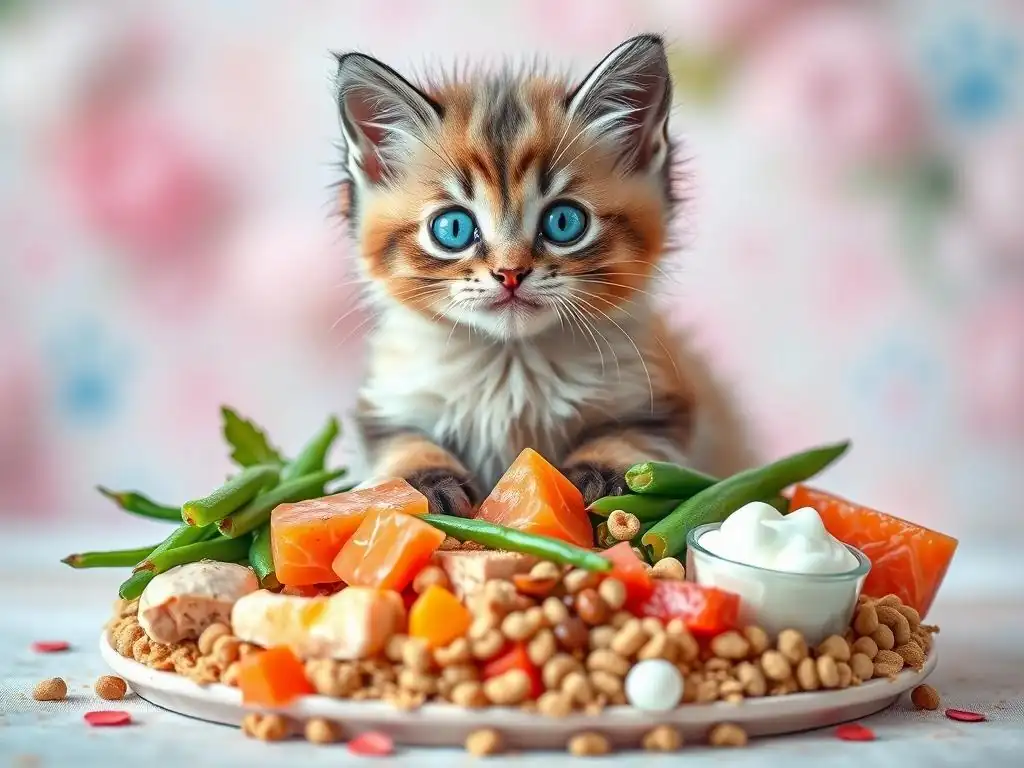
Welcome to PetCareWorld, your ultimate guide to a happier, healthier life for your beloved pet! Are you ready to unlock the secrets to a thriving feline companion? Then dive into our comprehensive Kitten Balanced Meal Plan Guide, designed to ensure your kitten receives the perfect nutritional foundation for a lifetime of purrs and playful adventures. Discover the essential ingredients and balanced ratios needed for optimal growth and development – your kitten's well-being starts here.
- Understanding Your Kitten's Nutritional Needs: A Balanced Diet for Growth
- Choosing the Right Food for Your Kitten: Wet, Dry, or a Combination?
- Creating a Daily Kitten Meal Plan: Portion Sizes and Feeding Frequency
- Sample Kitten Meal Plans: Age-Specific Nutritional Guidance
- Monitoring Your Kitten's Health and Adjusting the Meal Plan
- Supplementing Your Kitten's Diet: When and How
- Avoiding Common Kitten Dietary Mistakes
- Frequently Asked Questions
- Final Reflection: Nurturing a Lifetime of Health: The Gift of a Balanced Meal Plan
- Unleash Your Kitten's Inner Gourmet: Craft the Purrfect Meal Plan!
Understanding Your Kitten's Nutritional Needs: A Balanced Diet for Growth
A kitten's nutritional requirements are significantly different from those of an adult cat. During their crucial growth phase, kittens need a diet rich in specific nutrients to support their rapid development, strong immune systems, and overall well-being. This comprehensive guide, designed to help you create a Kitten balanced meal plan guide, will delve into the essential components of a balanced diet for your feline friend, ensuring they thrive in their early years. We'll explore the vital nutrients necessary for healthy growth, emphasizing the importance of protein, fats, carbohydrates, vitamins, minerals, and proper hydration.
Providing your kitten with the right nutrition from the start lays the groundwork for a long and healthy life, minimizing the risks of future health problems. This isn't just about feeding your kitten; it's about investing in their future health and happiness. 😻
Essential Nutrients for Kitten Development: Proteins, Fats, and Carbohydrates
Kittens are obligate carnivores, meaning their bodies are designed to thrive on a diet primarily composed of animal-based protein. Protein is the building block for muscles, organs, and tissues, and kittens require a higher percentage of protein in their diet compared to adult cats. High-quality protein sources, such as chicken, fish, and turkey, should form the foundation of your kitten's meal plan. Aim for a diet containing at least 30% protein, ideally derived from multiple sources for optimal nutrient absorption.
Fats are equally crucial for kitten development, providing essential fatty acids like omega-3 and omega-6, vital for brain function, coat health, and overall growth. Healthy fats can be found in sources like salmon oil, chicken fat, and flaxseed oil. However, remember that moderation is key; excessive fat can lead to obesity and other health issues. A balanced approach is crucial here.
Carbohydrates, while not as essential as protein and fat, still play a role in providing energy. Choose complex carbohydrates over simple sugars. Sources such as sweet potatoes and brown rice can offer a healthy source of energy without the negative effects of refined carbohydrates. Remember to consult your veterinarian for personalized recommendations based on your kitten's breed, age, and activity level. They can provide tailored advice on the optimal protein-to-fat ratio for your specific kitten.
| Nutrient Category | Essential Role | Excellent Sources | Important Considerations |
|---|---|---|---|
| Protein | Muscle, organ, and tissue development | Chicken, fish, turkey, lamb | High-quality protein is crucial for optimal growth. |
| Fats | Brain function, coat health, energy | Salmon oil, chicken fat, flaxseed oil | Essential fatty acids are vital, but moderation is key. |
| Carbohydrates | Energy source | Sweet potatoes, brown rice, whole grains | Opt for complex carbohydrates over simple sugars. |
Vitamins and Minerals Crucial for a Healthy Kitten
Vitamins and minerals are micronutrients that play a critical role in various bodily functions, supporting healthy growth and development. A deficiency in even one essential vitamin or mineral can have significant consequences for your kitten's health.
- Vitamin A: Essential for vision, immune function, and growth. Found in liver, eggs, and dairy products (in moderation).
- Vitamin D: Crucial for calcium absorption and bone development. Often added to commercial kitten food.
- Vitamin E: Acts as an antioxidant, protecting cells from damage. Found in vegetable oils and some meats.
- Calcium: Essential for strong bones and teeth. Found in dairy products (in moderation) and some commercially available foods.
- Phosphorus: Works in conjunction with calcium for bone health. Found in meat and fish.
- Taurine: An essential amino acid vital for heart and eye health. Found naturally in meat and fish.
Ensuring your kitten receives an adequate intake of these vitamins and minerals is crucial. A balanced commercial kitten food usually provides a complete profile of essential vitamins and minerals. However, always check the label to ensure it meets the nutritional requirements for kittens. Supplements should only be given under veterinary guidance.
Hydration: Ensuring Adequate Water Intake for Your Kitten
Water is essential for all bodily functions, including digestion, temperature regulation, and nutrient transport. Kittens, especially playful ones, can become dehydrated quickly. Always ensure your kitten has access to fresh, clean water at all times. Consider using multiple water bowls placed in different locations throughout your home.
You can also try using a water fountain, as many kittens prefer running water. Monitor your kitten's urine output; if it appears dark yellow or concentrated, it could indicate dehydration. Consult your veterinarian immediately if you suspect your kitten is dehydrated. Dehydration can quickly become a serious health problem for kittens, so proactive monitoring is essential.
Choosing the Right Food for Your Kitten: Wet, Dry, or a Combination?
Choosing the right food is crucial for your kitten's growth and development. The decision between wet, dry, or a combination often depends on individual kitten preferences and specific nutritional needs. Many experts recommend a combination of wet and dry food for a balanced approach, offering the benefits of both. Let's explore the pros and cons of each option.
Wet Food vs. Dry Food: Benefits and Drawbacks for Kittens
| Food Type | Benefits | Drawbacks |
|---|---|---|
| Wet Food | Higher moisture content, aids hydration; often more palatable; higher protein content in many brands; easier to digest for some kittens. | More expensive; shorter shelf life once opened; can contribute to dental issues if not managed properly; may contain fillers in some lower-quality brands. |
| Dry Food | More affordable; longer shelf life; helps with dental hygiene due to chewing action; convenient for portion control and feeding schedules. | Lower moisture content, can lead to dehydration if not supplemented with water; can sometimes be less appealing to picky eaters; may contain lower-quality ingredients in cheaper brands. |
Wet food, typically pate or chunks in gravy, provides essential hydration, often crucial for kittens prone to urinary tract issues. The higher moisture content is beneficial for kidney function. However, the cost per calorie is generally higher compared to dry kibble.
Moreover, the convenience factor of dry food, with its extended shelf life and ease of storage, is a significant advantage for busy pet owners. Many veterinarians recommend a balanced approach, combining both wet and dry food to provide a complete nutritional profile and cater to individual kitten preferences. For example, offering a small amount of wet food in the morning for palatability and a measured portion of dry food throughout the day for dental health.
Selecting High-Quality Kitten Food: Reading Labels and Understanding Ingredients
Selecting high-quality kitten food is paramount for ensuring your kitten receives the essential nutrients for optimal health. Reading food labels carefully is crucial. Look for brands that list named meat sources (e.g., chicken, turkey, salmon) as the primary ingredients, rather than vague terms like "meat by-products." A good quality kitten food should have a high protein content (around 30-40%), moderate fat content (around 15-25%), and a balanced profile of essential vitamins and minerals. Avoid foods with excessive fillers, artificial colors, flavors, or preservatives.
Pay close attention to the guaranteed analysis, which provides the minimum percentages of crude protein, fat, fiber, and moisture. Compare this information across different brands to assess the nutritional value. Also, look for AAFCO statements (Association of American Feed Control Officials) indicating that the food meets the nutritional requirements for growth in kittens. The presence of taurine, an essential amino acid for cats, is also crucial and should be clearly listed on the label. Remember, the price isn't always an indicator of quality, but generally, higher-quality brands invest more in sourcing better ingredients and ensuring superior nutritional profiles.
Transitioning Your Kitten to a New Food: A Gradual Approach
Switching your kitten's food abruptly can lead to digestive upset, so a gradual transition is essential. This process typically takes 7-10 days. Start by mixing a small amount of the new food with the old food. Gradually increase the proportion of the new food over several days, while decreasing the amount of the old food. Monitor your kitten's stool consistency throughout this period.
If you notice any signs of diarrhea, vomiting, or changes in appetite, slow down the transition or revert to the previous food and consult your veterinarian. A gradual introduction allows your kitten's digestive system to adapt to the new food without experiencing discomfort. Patience and careful observation are key to a smooth transition. Remember to always provide fresh, clean water alongside their food. 😻
Creating a Daily Kitten Meal Plan: Portion Sizes and Feeding Frequency
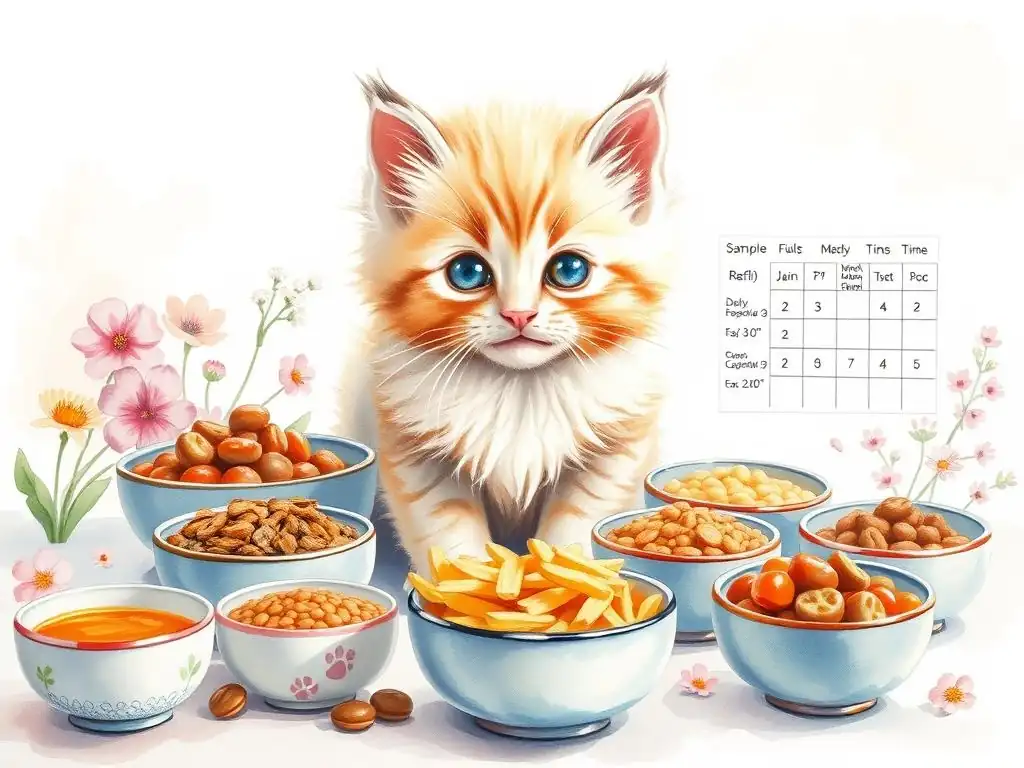
This section focuses on crafting a daily kitten meal plan that caters to your kitten's specific nutritional needs. A balanced diet is crucial for healthy growth and development, impacting everything from their coat health to their immune system. Remember, consistency is key when it comes to feeding your kitten; sticking to a regular schedule helps with digestion and reduces the likelihood of digestive upset. This guide provides a framework; always consult your veterinarian for personalized advice tailored to your kitten's breed, health status, and individual needs.
Determining the Right Portion Size Based on Your Kitten's Age and Weight
Determining the correct portion size for your kitten is paramount. Overfeeding can lead to obesity and related health problems, while underfeeding can stunt growth and weaken their immune system. The ideal portion size depends heavily on your kitten's age and weight. Generally, you can use the following guidelines as a starting point:
- Kitten (2-4 months): Smaller portions, fed more frequently (see next section). Aim for approximately 1/4 cup of high-quality kitten food, divided into 4-6 meals per day.
- Kitten (4-6 months): Portion sizes can gradually increase. You might offer 1/2 cup of kitten food, divided into 3-4 meals daily.
- Kitten (6-12 months): As your kitten approaches adulthood, you can transition to two meals a day. The total daily amount will depend on their weight and activity level, but it might range from 3/4 cup to 1 cup.
Remember, these are just estimates. Observe your kitten's body condition. A healthy kitten should have a clearly defined waistline, with ribs easily palpable but not visibly prominent. If your kitten appears overweight or underweight, adjust the portion sizes accordingly, consulting your vet if needed. Use a kitchen scale for accurate measurements to ensure consistent portion control. Weighing the food provides a more precise approach to feeding than using volume measurements alone.
You should also consider the calorie density of the kitten food you choose. High-quality kitten foods will often provide more nutrients in a smaller volume, impacting the necessary portion size.
How Often Should You Feed Your Kitten? A Schedule for Optimal Growth
Feeding frequency is just as important as portion size in ensuring optimal growth and development for your kitten. Frequent, smaller meals are generally recommended for kittens under six months old. Their digestive systems are still developing, and smaller, more frequent meals are easier to process. As they mature, you can gradually reduce the frequency of feedings.
Here's a suggested feeding schedule:
| Age Range | Feeding Frequency | Approximate Portion Size (per meal) | Notes |
|---|---|---|---|
| 2-4 months | 4-6 meals/day | 1/8 - 1/4 cup | Small, frequent meals are crucial. |
| 4-6 months | 3-4 meals/day | 1/4 - 1/2 cup | Gradually increase portion sizes. |
| 6-12 months | 2 meals/day | 3/4 - 1 cup | Transition to two meals a day. |
| 1 year and older | 1-2 meals/day | Adjust based on weight and activity | Adult cat feeding guidelines apply. |
Remember that these are guidelines. You may need to adjust the schedule based on your kitten's individual needs and preferences. Observe your kitten for signs of hunger or fullness. Always provide fresh water at all times.
Adjusting Meal Portions Based on Your Kitten's Activity Level and Growth
A kitten's activity level and growth rate significantly impact their caloric needs. A highly active kitten will require more calories than a less active one. Similarly, kittens going through rapid growth spurts will need larger portions.
Monitor your kitten's weight regularly, ideally weekly. If you notice a significant change in their weight (either gain or loss), adjust their food intake accordingly. You might need to slightly increase the portion size if your kitten is consistently hungry and losing weight, or reduce it if they are gaining weight too rapidly. Always consult your veterinarian if you have concerns about your kitten's weight or appetite.
Keep a detailed record of your kitten's food intake and weight to help you track their progress and identify any potential issues early. This meticulous approach will help you create a truly kitten balanced meal plan. Remember, a healthy, happy kitten is a thriving kitten! 🎉
Sample Kitten Meal Plans: Age-Specific Nutritional Guidance
This section provides sample kitten balanced meal plans, categorized by age group, to guide you in creating a nutritious and balanced diet for your growing feline companion. Remember, these are samples, and your kitten's specific needs may vary depending on breed, activity level, and overall health. Always consult your veterinarian before making significant changes to your kitten's diet.
A well-structured kitten balanced meal plan is crucial for healthy growth and development. This guide offers a framework for achieving optimal nutrition for your little one. The key is to focus on providing high-quality protein, essential fats, and vital nutrients tailored to their developmental stage.
Balanced Meal Plan for Kittens Aged 2-4 Months
Kittens aged 2-4 months are in a rapid growth phase, requiring a high-calorie, nutrient-dense diet. Their small stomachs mean frequent, smaller meals are best. This age group needs a diet rich in protein for muscle development and essential fatty acids for brain and coat health.
- Feeding Frequency: 4-6 meals per day.
- Food Type: High-quality kitten wet food (look for formulas specifically designed for kittens) supplemented with a small amount of high-quality dry kitten kibble. Avoid milk; kittens are often lactose intolerant.
- Sample Daily Plan:
- Meal 1: 1/4 can high-quality kitten wet food + 1 teaspoon dry kibble.
- Meal 2: 1/4 can high-quality kitten wet food + 1 teaspoon dry kibble.
- Meal 3: 1/4 can high-quality kitten wet food + 1 teaspoon dry kibble.
- Meal 4: 1/4 can high-quality kitten wet food + 1 teaspoon dry kibble.
- Meal 5: 1/4 can high-quality kitten wet food + 1 teaspoon dry kibble. (Optional)
- Meal 6: 1/4 can high-quality kitten wet food + 1 teaspoon dry kibble. (Optional)
Important Note: Adjust portion sizes based on your kitten's weight and activity level. Observe your kitten's body condition; they should have a visible waist but not be too thin. Always provide fresh water.
Balanced Meal Plan for Kittens Aged 4-6 Months
At 4-6 months, kittens continue to grow rapidly, but their feeding frequency can gradually decrease. They still need a highly nutritious diet, focusing on protein and essential fats. You might start introducing some variety, but always prioritize quality over quantity.
- Feeding Frequency: 3-4 meals per day.
- Food Type: Continue with high-quality kitten wet food and dry kibble. You may start introducing small amounts of cooked, plain meat (chicken, turkey) as a healthy supplement, but always ensure it's cooked thoroughly. Avoid bones.
- Sample Daily Plan:
- Meal 1: 1/3 can high-quality kitten wet food + 1.5 teaspoons dry kibble.
- Meal 2: 1/3 can high-quality kitten wet food + 1.5 teaspoons dry kibble.
- Meal 3: 1/3 can high-quality kitten wet food + 1.5 teaspoons dry kibble.
- Meal 4: 1/3 can high-quality kitten wet food + 1.5 teaspoons dry kibble. (Optional)
This is a crucial period for dental development. Consider providing dental chews specifically designed for kittens to help maintain healthy teeth and gums.
Balanced Meal Plan for Kittens Aged 6-12 Months
By 6-12 months, kittens are transitioning towards adulthood. Their growth rate slows, and their feeding frequency can be further reduced. Maintaining a balanced diet remains crucial for their overall health and well-being. This is the perfect time to start thinking about transitioning to adult cat food gradually.
- Feeding Frequency: 2-3 meals per day.
- Food Type: Gradually transition to high-quality kitten or adult cat food (choose a formulation designed for young adult cats). Continue to monitor their weight and adjust portion sizes accordingly. You can still offer occasional small amounts of cooked, plain meat as a treat, but remember moderation is key. Always provide fresh, clean water.
- Sample Daily Plan:
- Meal 1: 1/2 can high-quality kitten/adult cat food + 2 teaspoons dry kibble.
- Meal 2: 1/2 can high-quality kitten/adult cat food + 2 teaspoons dry kibble.
- Meal 3: 1/2 can high-quality kitten/adult cat food + 2 teaspoons dry kibble. (Optional)
Tips for Successful Kitten Feeding
Always provide fresh water. Monitor your kitten's weight regularly. If they are gaining or losing weight too rapidly, consult your veterinarian. Introduce new foods gradually to avoid digestive upset. Be patient and consistent with feeding times and routines.
Remember, this is a guide, and individual needs vary. Consult your veterinarian for personalized advice. A healthy and happy kitten starts with a proper diet! 😻
Monitoring Your Kitten's Health and Adjusting the Meal Plan
Creating a balanced meal plan for your kitten is only half the battle. Regular monitoring is crucial to ensure your furry friend is thriving and getting the right nutrients. A kitten's nutritional needs change rapidly, especially during their growth spurts. Therefore, consistent observation and adjustments to their diet are essential for their optimal health and development. This section focuses on how to effectively monitor your kitten's health and make necessary adjustments to their kitten balanced meal plan. Understanding these aspects is key to providing the best possible care for your growing feline companion.
Signs of Nutritional Deficiencies or Excesses in Your Kitten
Recognizing the signs of nutritional imbalances in your kitten is paramount. Early detection can prevent serious health problems. Nutritional deficiencies can manifest in various ways, and it's important to be vigilant. For example, a dull coat, lethargy, and weight loss could indicate insufficient protein or essential fatty acids in their diet. Conversely, excessive weight gain, vomiting, and diarrhea could signal an overabundance of calories or a food intolerance.
Here's a table summarizing some common signs:
| Sign | Possible Deficiency/Excess |
|---|---|
| Dull, dry coat | Lack of essential fatty acids, vitamins (A, E), protein |
| Lethargy, weakness | Protein deficiency, vitamin deficiencies |
| Weight loss | Calorie deficiency, underlying illness |
| Weight gain | Calorie excess, lack of exercise |
| Vomiting, diarrhea | Food intolerance, poor quality food, bacterial infection |
| Poor appetite | Underlying illness, food aversion |
| Frequent urination | Kidney issues (potentially linked to diet) |
| Brittle nails | Protein deficiency, mineral deficiencies |
| Poor bone development | Calcium deficiency, Vitamin D deficiency |
Remember, these are just potential indicators. A proper diagnosis requires a veterinary examination. Don't hesitate to seek professional help if you notice any concerning changes in your kitten's health or behavior. Early intervention is often key to a successful outcome. Always consult your veterinarian before making any significant changes to your kitten's diet. They can provide tailored advice based on your kitten's specific needs and breed.
When to Consult a Veterinarian About Your Kitten's Diet
While you can monitor your kitten's health closely, some situations necessitate immediate veterinary attention. It's crucial to understand when professional help is required to ensure your kitten receives the best care. Don't delay seeking veterinary assistance if you notice:
- Persistent vomiting or diarrhea: If these symptoms persist for more than 24 hours, it's vital to seek veterinary care. Dehydration can quickly become a serious concern.
- Sudden weight loss or gain: Significant changes in weight, especially if accompanied by other symptoms, warrant a veterinary visit.
- Changes in appetite or behavior: A sudden loss of appetite, increased aggression, or unusual lethargy could indicate an underlying health problem.
- Any signs of illness: This includes but is not limited to: coughing, sneezing, difficulty breathing, skin problems, or unusual discharge from the eyes or nose.
- Concerns about the kitten balanced meal plan: If you are uncertain about the nutritional adequacy of your kitten’s current diet, or if you are unsure how to adjust it based on your kitten's individual needs, your veterinarian can provide valuable guidance.
Regular veterinary check-ups are also crucial for monitoring your kitten's growth and overall health. These check-ups allow for early detection of potential problems and provide an opportunity to discuss any concerns you may have about your kitten's diet or behavior.
Tracking Your Kitten's Weight and Growth: Maintaining a Healthy Weight
Maintaining a healthy weight is essential for your kitten's overall well-being. Regularly weighing your kitten and monitoring their growth allows you to identify potential issues early on. Use a pet scale to weigh your kitten at least once a week, ideally at the same time of day. Keep a record of their weight and compare it to the growth charts provided by your veterinarian or found in reputable kitten care guides. This helps to ensure your kitten is growing at a healthy rate.
Remember to consider your kitten's breed and body type when assessing their weight. Some breeds naturally have larger or smaller frames. Your veterinarian can provide specific guidance on the ideal weight range for your kitten based on their breed and age.
Maintaining a healthy weight prevents many health problems later in life, such as obesity, diabetes, and joint issues. Early intervention is key to preventing these conditions.
Consistent monitoring, coupled with a balanced diet and regular veterinary care, contributes significantly to your kitten's long-term health and happiness. This proactive approach ensures that your feline companion receives the best possible care throughout their life. Remember, a healthy kitten is a happy kitten! 😻
Supplementing Your Kitten's Diet: When and How
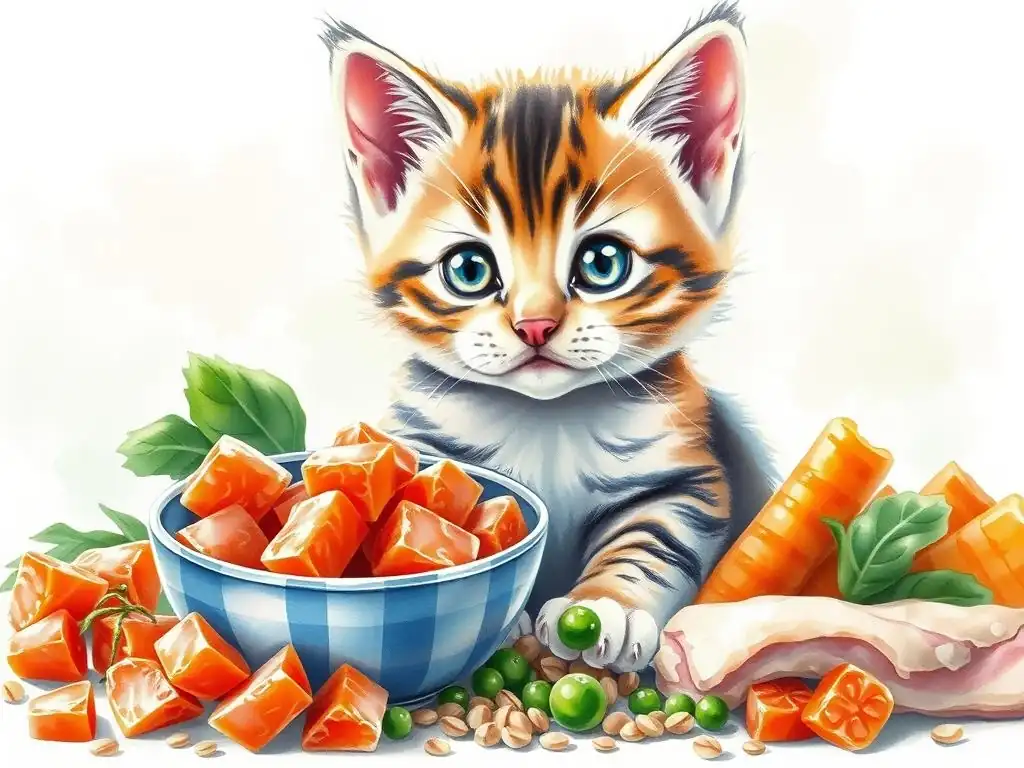
Supplementing your kitten's diet can be crucial for ensuring optimal growth and development, particularly during their rapid growth phase. However, it's vital to understand when supplementation is necessary and how to do it safely and effectively. Over-supplementation can be just as harmful as nutritional deficiencies.
This section will guide you through the process, helping you create a truly balanced meal plan for your kitten. This guide focuses on when and how to supplement, ensuring your kitten receives all the necessary nutrients for a healthy and happy life. Remember, a well-balanced commercial kitten food often provides all the necessary nutrients, minimizing the need for extra supplements.
Essential Supplements for Kittens: Addressing Potential Nutritional Gaps
Kittens, especially those on homemade diets or with specific health concerns, may require supplemental nutrients. The most common deficiencies addressed through supplementation include:
- Taurine: This essential amino acid is vital for feline heart and vision health. A deficiency can lead to serious health problems. While many commercial kitten foods contain sufficient taurine, it's worth checking the label and consulting your veterinarian if you're concerned. Supplementing with taurine should only be done under veterinary guidance.
- Arachidonic Acid: This fatty acid is important for skin and coat health. Kittens with dry, flaky skin or a dull coat might benefit from supplementation, but again, only after consulting your vet. They can help determine if a deficiency exists and recommend the appropriate dosage.
- Vitamin D: Essential for calcium absorption and bone development. Kittens raised indoors, with limited sun exposure, might need supplemental Vitamin D. However, over-supplementation can be toxic, so veterinary guidance is crucial.
- Omega-3 and Omega-6 Fatty Acids: These are crucial for a healthy immune system, skin, and coat. While present in many commercial foods, additional supplementation can be beneficial for kittens with skin allergies or other sensitivities. Always choose high-quality fish oil supplements specifically formulated for cats.
It's crucial to remember that over-supplementation can be harmful. Always consult your veterinarian before introducing any supplements to your kitten's diet. They can perform blood tests to assess your kitten's nutritional status and recommend the appropriate supplements and dosages. Never self-diagnose or self-treat your kitten's nutritional needs. A balanced approach, combining a high-quality commercial diet with veterinary-approved supplementation (if needed), is the key to a healthy kitten.
Safe and Healthy Treats for Kittens: Moderation is Key
While supplements address specific nutritional gaps, treats should be considered an occasional addition, not a staple of your kitten's diet. Too many treats can lead to obesity, dental problems, and nutritional imbalances. When choosing treats, prioritize those made with high-quality, kitten-safe ingredients. Avoid treats containing artificial colors, flavors, or preservatives.
Here's a list of safe and healthy treat options for kittens, remembering that moderation is crucial:
| Treat Type | Benefits | Cautions |
|---|---|---|
| Cooked Chicken Breast | High in protein, easily digestible | Remove all bones and cook thoroughly |
| Plain Cooked Fish | Good source of Omega-3 fatty acids | Only offer small amounts, ensure it's cooked |
| Small Pieces of Cooked Liver | Excellent source of Vitamin A and Iron | Only offer occasionally, in small amounts |
| Cat-Specific Treats | Formulated for kitten's nutritional needs | Check ingredient list carefully, avoid sugars |
Remember, treats should only comprise a tiny percentage of your kitten's daily caloric intake – no more than 10%. Overfeeding treats can lead to weight gain and other health issues. Always supervise your kitten when giving treats and choose options that are appropriately sized to prevent choking hazards. A balanced approach, prioritizing a complete and balanced diet over excessive treats, will contribute to your kitten's overall health and well-being. This ensures your kitten receives the proper nutrition for healthy growth and development, while enjoying the occasional delicious treat. 😻
Avoiding Common Kitten Dietary Mistakes
Kittens, with their rapid growth and development, have unique nutritional needs. Failing to meet these needs can lead to serious health problems, impacting their growth, immune system, and overall well-being. A common mistake is simply feeding them whatever the adult cat eats, overlooking the crucial differences in their nutritional requirements. This section will highlight prevalent errors in kitten feeding and offer solutions for creating a thriving, healthy kitten. Understanding these mistakes is crucial to crafting a successful Kitten balanced meal plan guide.
Harmful Foods for Kittens: A List of Foods to Avoid
Many human foods are toxic to cats, and kittens are even more vulnerable due to their immature digestive systems. Avoid these foods at all costs:
- Chocolate: Contains theobromine, which is toxic to cats. Even small amounts can cause vomiting, diarrhea, hyperactivity, and even death.
- Onions and Garlic: These contain compounds that damage red blood cells, leading to anemia. Even cooked onions and garlic pose a risk.
- Grapes and Raisins: These can cause kidney failure in cats. The exact toxic substance is unknown, but even a small amount can be harmful.
- Alcohol: Extremely toxic and can cause liver damage, respiratory depression, and even death.
- Raw Meat and Fish: Risks include bacterial contamination (salmonella, E.coli) and parasites (toxoplasmosis). Always feed cooked meat and fish.
- Milk: Many kittens are lactose intolerant and consuming milk can lead to diarrhea and digestive upset. While some tolerate it, it's best avoided as a regular part of the diet.
- Caffeine: Similar to chocolate, caffeine is a stimulant that can be highly toxic to kittens.
- Xylitol (Artificial Sweetener): This is extremely toxic to cats and can cause a rapid drop in blood sugar.
- Avocado: Contains persin, which can cause vomiting and diarrhea in cats.
- Macadamia Nuts: These can cause weakness, tremors, and hyperthermia in cats.
This list isn't exhaustive, but it covers some of the most common culprits. Always research any human food before offering it to your kitten, erring on the side of caution. A Kitten balanced meal plan guide should emphasize avoiding these harmful ingredients.
Overfeeding or Underfeeding: Finding the Goldilocks Zone
Getting the portion size right is crucial. Overfeeding can lead to obesity, which puts extra strain on the kitten's joints and increases the risk of diabetes and other health problems. Underfeeding, on the other hand, can stunt growth and weaken their immune system.
The ideal food amount will vary depending on factors such as the kitten's breed, age, activity level, and metabolism. Consult your veterinarian for personalized recommendations. They can help you determine the appropriate calorie intake based on your kitten's specific needs. Always monitor your kitten's weight and adjust food portions as needed. Regular weight checks are an essential part of any successful Kitten balanced meal plan guide. Use a scale specifically designed for pets to track weight accurately.
Nutritional Imbalances: The Importance of Complete and Balanced Commercial Foods
Feeding only homemade food without careful planning can easily lead to nutritional deficiencies. Commercial kitten foods, if chosen correctly, are formulated to meet the specific nutritional needs of growing kittens. Look for foods that are specifically labeled as "complete and balanced" and meet the Association of American Feed Control Officials (AAFCO) standards.
These standards ensure the food contains all the necessary vitamins, minerals, and other nutrients in the correct proportions. While homemade diets can be part of a varied approach, they require significant expertise to avoid imbalances. A Kitten balanced meal plan guide should strongly encourage the use of high-quality commercial kitten food as a foundation.
Ignoring Individual Needs and Preferences
Kittens, like human children, have individual preferences and sensitivities. While a Kitten balanced meal plan guide provides general guidelines, be observant of your kitten's response to different foods. Some kittens may have allergies or sensitivities to certain ingredients. If you notice signs of digestive upset (vomiting, diarrhea, changes in stool consistency), consult your veterinarian. They can help identify any potential allergens or intolerances and recommend suitable alternatives. Remember, a successful plan is one that adapts to your kitten's unique needs and preferences. Observe their eating habits, paying attention to their appetite and any signs of discomfort.
Frequently Asked Questions
What are the essential nutrients for a kitten's balanced diet?
A kitten's diet must include high-quality protein for growth, healthy fats for brain development, essential amino acids, and taurine, crucial for heart and eye health. Vitamins and minerals are also vital.
How many times a day should I feed my kitten?
Kittens need frequent meals due to their rapid growth. A good guideline is to feed four to six small meals per day for kittens under six months old, gradually reducing the frequency as they mature.
What type of food is best for my kitten: wet or dry?
Both wet and dry foods offer benefits. Wet food is often more palatable and contains higher moisture content, aiding hydration. Dry food is convenient, helps with dental health, and is generally more affordable. A balanced approach incorporating both is often ideal.
How do I know if my kitten is getting enough to eat?
Observe your kitten's weight, energy levels, and body condition. A healthy kitten will be playful, have a firm but not bony body, and maintain a steady weight gain. Consult your vet if you have concerns.
My kitten is picky; how can I encourage them to eat a balanced diet?
Experiment with different brands and flavors of wet and dry food. Consider offering small portions of various foods throughout the day. If pickiness persists, consult your veterinarian to rule out underlying health issues. Avoid giving them table scraps.
Final Reflection: Nurturing a Lifetime of Health: The Gift of a Balanced Meal Plan
Providing your kitten with a balanced meal plan is not merely about nutrition; it's about investing in their future health and happiness. A well-nourished kitten is a playful kitten, a healthy kitten, and a kitten with a greater chance of living a long and fulfilling life. This seemingly simple act of providing the right food has profound implications for their overall well-being.
The impact of proper nutrition on a kitten's development is undeniable. It shapes their growth, influences their immune system, and even affects their behavior. A healthy kitten is a happy kitten,
a common saying among veterinarians, perfectly encapsulates the interconnectedness of nutrition and overall well-being. Witnessing the vibrant energy and playful antics of a well-fed kitten is a constant reminder of the importance of this seemingly small, yet deeply significant, aspect of pet ownership. The knowledge that you are directly contributing to their thriving future is incredibly rewarding.
Now, consider your own kitten. Take a moment to reflect on their current diet. Are you providing them with the balanced nutrition they need to flourish? This guide is not just a set of instructions; it's a roadmap to a healthier, happier life for your beloved companion. Use the information presented here to create a meal plan that supports their growth, strengthens their immune system, and sets them on the path to a long and joyful life. Remember, the investment you make today in their nutrition will pay dividends for years to come.
Unleash Your Kitten's Inner Gourmet: Craft the Purrfect Meal Plan!
Thank you for learning how to create a balanced meal plan for your adorable kitten! We hope you feel confident in providing your furry friend with the best nutrition. Ready to put your new knowledge into practice?
- Create a personalized meal plan for your kitten today! Consider their age, breed, activity level, and any specific dietary needs. Use the guidelines from this article as a starting point, and adjust as needed. Remember to consult your veterinarian if you have any concerns.
- Share your meal planning successes (or challenges!) with the PetCareWorld community in the comments below. Let's learn from each other!
- Share a photo of your kitten enjoying their new, balanced meal on social media using #PetCareWorldMealPlan. We'd love to see how your kitten thrives!
What delicious and nutritious meal will you prepare for your little one tonight?