
Why Does My Cat Stare at Me? Unraveling the Mysteries of Feline Gazes

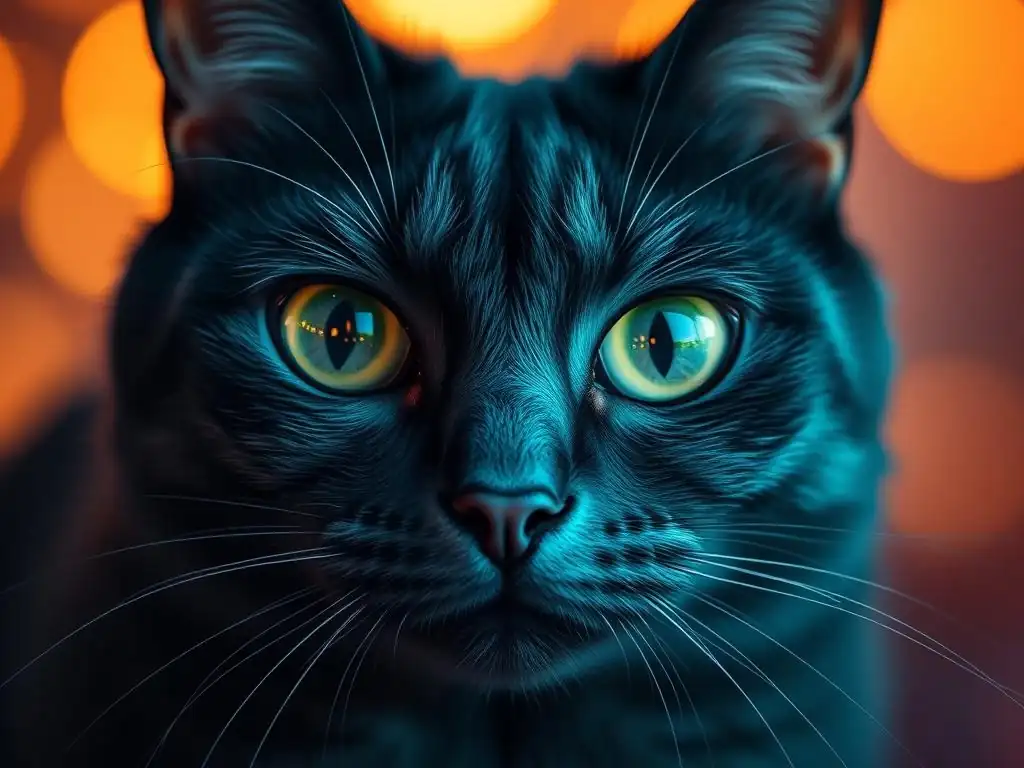
Welcome to PetCareWorld, your ultimate guide to the wonderful world of pet ownership! Are you puzzled by your feline friend's intense gaze? We delve into the fascinating subject of "Cat staring meaning explained" in our latest article, uncovering the secrets behind those captivating stares and what they truly reveal about your cat's emotions and intentions. Prepare to unlock a deeper understanding of your furry companion – discover more now and embark on a journey of enriching your bond!
- Understanding Cat Staring: Decoding Feline Body Language
- Why Your Cat Might Be Staring at You: Common Reasons Explained
- Distinguishing Between Normal and Abnormal Cat Staring
- Improving Communication with Your Cat: Responding to Their Gazes
- Frequently Asked Questions about Cat Staring (FAQ)
- Frequently Asked Questions
- Final Reflection: Decoding the Silent Language of Love and Curiosity
- Unlock Your Cat's Secret Language: A Deeper Understanding Awaits
Understanding Cat Staring: Decoding Feline Body Language
Cats, those enigmatic creatures, often leave us wondering about the meaning behind their actions. One of the most common, and often puzzling, behaviors is their intense staring. While a human stare might signify anger, challenge, or even romantic interest, a cat's gaze is far more nuanced.
This article delves into the fascinating world of feline communication, specifically addressing the question: "Why does my cat stare at me?" We'll explore the various contexts of a cat's stare, helping you decipher the meaning behind those captivating, sometimes unnerving, gazes and ultimately strengthening your bond with your feline companion. Understanding your cat's communication is key to building a happy and harmonious relationship, and unraveling the mysteries of their stares is a crucial step in that process.
We'll examine the science behind feline body language, providing you with practical tools to interpret your cat's intentions and respond appropriately. This guide will equip you with the knowledge to understand what your cat is trying to communicate through its gaze, whether it's affection, hunger, or something else entirely. Prepare to unlock the secrets behind those captivating feline eyes!
The Significance of a Cat's Gaze: More Than Just a Stare
A cat's stare is far more complex than a simple glance. Unlike humans who often use eye contact to initiate conversation or assert dominance, cats utilize their gaze in a variety of ways to communicate their emotional state, intentions, and needs. The intensity, duration, and context of the stare all play significant roles in determining its meaning.
For instance, a prolonged, intense stare can signal aggression or territoriality, while a slow blink can indicate trust and affection. Understanding these subtle differences is paramount to correctly interpreting your cat's message. Consider this: a cat staring intently at a bird outside the window is expressing predatory behavior – a completely different meaning than a slow, lingering gaze directed at you while you're petting it.
The environment and your cat's overall body language are crucial elements to consider alongside the stare itself. We'll explore these contextual factors in detail to provide a comprehensive understanding of feline communication.
Interpreting Different Types of Cat Stares: Intense, Slow Blink, and Quick Glances
Let's break down some common types of cat stares and their potential meanings:
- Intense Stare: A prolonged, unwavering stare, often accompanied by dilated pupils and ears held back, usually indicates aggression, fear, or a feeling of being threatened. This is a clear sign that your cat feels uncomfortable or unsafe. Respect their space and avoid direct eye contact. Providing them with an escape route can help de-escalate the situation.
- Slow Blink: This is a positive sign! A slow blink is a cat's way of showing affection and trust. It's akin to a feline smile. If your cat slow blinks at you, try blinking back slowly – it's a great way to communicate and strengthen your bond. This reciprocal slow blinking is a powerful nonverbal communication technique that demonstrates understanding and acceptance.
- Quick Glances: Brief, fleeting glances often suggest curiosity or interest. Your cat might be observing its surroundings or checking in on you without feeling the need for prolonged eye contact. These quick glances are less significant than intense stares or slow blinks, indicating a more neutral emotional state.
The table below summarizes the different types of stares and their interpretations:
| Type of Stare | Meaning | Body Language Accompaniments |
|---|---|---|
| Intense Stare | Aggression, fear, threat | Dilated pupils, flattened ears, arched back |
| Slow Blink | Affection, trust, contentment | Relaxed posture, soft eyes, slow blink response |
| Quick Glances | Curiosity, interest, casual observation | Neutral posture, brief eye contact |
Cat Staring and Bonding: Building Trust and Connection
Understanding your cat's staring behavior is vital for building a strong and trusting relationship. By recognizing the nuances of their gaze, you can respond appropriately and strengthen your bond. Responding positively to a slow blink with a slow blink of your own reinforces trust and affection.
Conversely, recognizing an intense stare as a sign of discomfort allows you to provide your cat with the space and reassurance it needs. Remember, consistent observation of your cat’s body language, including its gaze, is key to understanding its needs and preferences. This understanding fosters a deeper connection, enriching both your life and your cat's.
Learning to "speak cat" through observation and response will transform your relationship into one built on mutual respect and understanding. Pay close attention to the context of the stare – where is your cat, what is it doing, and what is its overall demeanor? These details can significantly influence the interpretation of its gaze.
Why Your Cat Might Be Staring at You: Common Reasons Explained
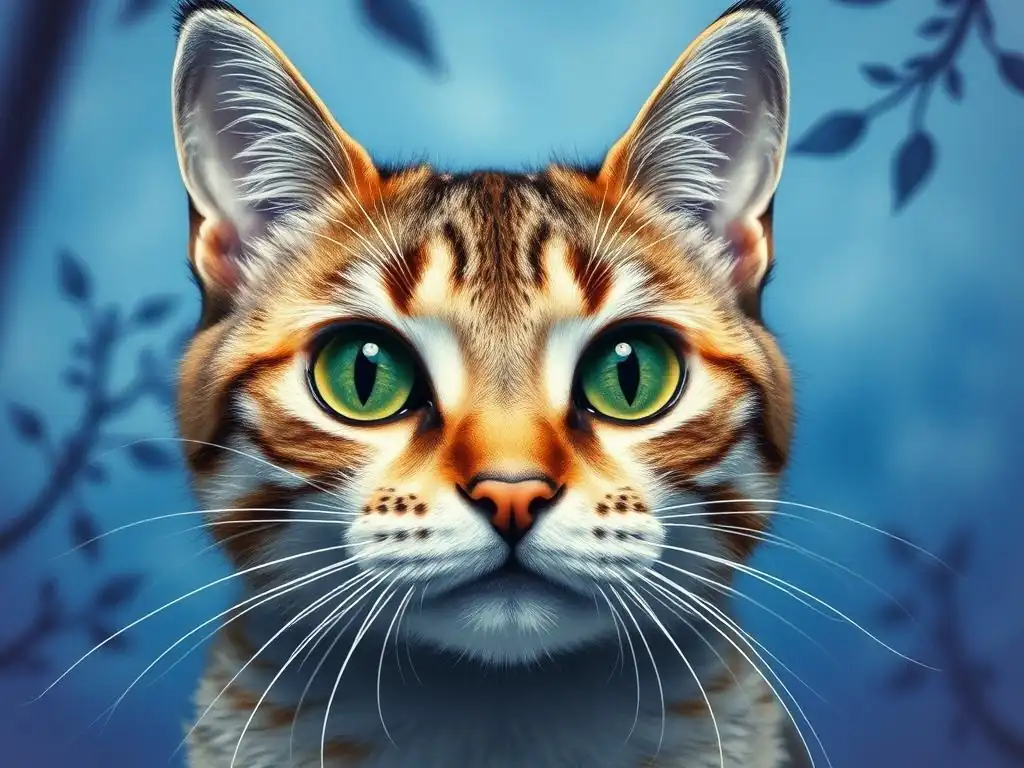
Cats, those enigmatic creatures, often engage in prolonged staring contests with their human companions. While it might seem unsettling at times, understanding the context of their gaze is crucial to deciphering their intentions. This section delves into common reasons behind a cat's intense stare, providing insights into their feline communication and helping you better understand your furry friend. We'll explore the nuances of feline body language, considering factors beyond just the stare itself to provide a comprehensive understanding of "cat staring meaning explained." Remember, a simple stare can encompass a wide range of emotions and needs.
Cat Staring Meaning Explained: Seeking Attention and Affection
One of the most prevalent reasons for a cat's prolonged stare is a simple desire for attention and affection. A slow blink, often accompanied by a soft stare, is a clear indicator of feline trust and affection. Think of it as their version of a smile!
However, a more intense, unwavering stare, especially if accompanied by other behaviors like meowing, purring, or rubbing against you, signifies a more urgent plea for attention. They might be lonely, bored, or simply craving a good petting session. The intensity of the stare often correlates with the urgency of their need.
For example, a gentle stare combined with a slow blink might indicate a casual request for a moment of your time, whereas a fixed, unwavering gaze coupled with insistent meows suggests a more pressing need for interaction. Consider the overall context; a cat who is usually playful might be using a prolonged stare as a playful invitation to engage in a game.
A hungry cat will often employ a range of tactics to communicate their need for sustenance. A persistent stare, frequently directed towards their food bowl or you (especially around feeding time), is a classic sign of hunger. This is often accompanied by other cues, such as meowing, pacing, or even rubbing against your legs. The intensity of the stare might increase as their hunger intensifies.
For example, a cat who is mildly hungry might give you a brief, inquisitive stare, while a truly ravenous feline might fixate on you with an almost pleading look. Understanding this subtle difference is key to recognizing their hunger cues effectively. Observing the time since their last meal and the amount of food remaining in their bowl can help confirm your suspicions. Consider keeping a feeding schedule to help regulate their hunger and reduce the frequency of these intense stares.
Understanding Playful Stares: Initiating Interaction and Games
Not all stares are cries for attention or food; some are invitations to play! A playful stare is often accompanied by other playful behaviors, such as a twitching tail, playful swats, or stalking movements. The cat might be staring intensely at a toy, a dangling string, or even your hand, signaling their desire to engage in a game of chase or pounce.
The intensity of the stare can vary depending on their level of excitement. A mildly playful stare might be accompanied by relaxed body language, while a highly excited cat might exhibit a more intense, focused stare with dilated pupils. Responding to these playful stares with interactive play sessions is crucial for their physical and mental well-being.
Providing ample opportunities for play can reduce unwanted behaviors stemming from boredom or pent-up energy. Consider incorporating interactive toys and games into their daily routine to keep them stimulated and entertained. A cat who feels satisfied and engaged is less likely to resort to unwanted attention-seeking behaviors, including those intense stares.
Medical Reasons Behind Prolonged Cat Staring: When to Consult a Vet
Prolonged or unusual staring from your cat can sometimes indicate an underlying medical condition. While a brief stare is often a normal interaction, persistent or intense gazing, especially accompanied by other symptoms, warrants a veterinary checkup. Several health issues can manifest as unusual eye contact or changes in your cat's behavior around you.
For instance, hyperthyroidism, a condition where the thyroid gland produces excessive hormones, can lead to increased activity and restlessness, which may include intense staring as part of a heightened state of alertness. Similarly, cognitive dysfunction syndrome (CDS), often seen in older cats, can cause disorientation and changes in behavior, including unusual fixations on objects or people – staring being one such manifestation. Cats experiencing pain, perhaps due to arthritis, dental problems, or other sources of discomfort, may exhibit unusual behaviors, including prolonged staring, as a result of their discomfort or altered perception.
Furthermore, eye infections or diseases can significantly impact a cat's vision and behavior. Conditions like glaucoma or cataracts can cause pain and visual impairment, potentially leading to unusual staring as the cat struggles to adjust to its altered vision. A cat experiencing eye pain might stare intensely, trying to focus, or may avoid eye contact altogether, depending on the severity and type of the problem. Changes in pupil size or the appearance of the eyes (cloudiness, redness, discharge) should prompt immediate veterinary attention. These are serious potential problems, and early detection can vastly improve the outcome.
It's crucial to remember that observing your cat's behavior is an essential part of responsible pet ownership. While a brief, curious stare is normal, any significant change in your cat's behavior, particularly prolonged or intense staring combined with other symptoms such as lethargy, changes in appetite, vocalization, litter box issues, or changes in grooming habits, requires immediate professional veterinary assessment. Don't hesitate to schedule an appointment if you're concerned about your cat's health.
Early diagnosis and treatment can make a world of difference in ensuring your feline companion's well-being. Don't delay seeking professional help if you suspect something is amiss. 😻
Distinguishing Between Normal and Abnormal Cat Staring
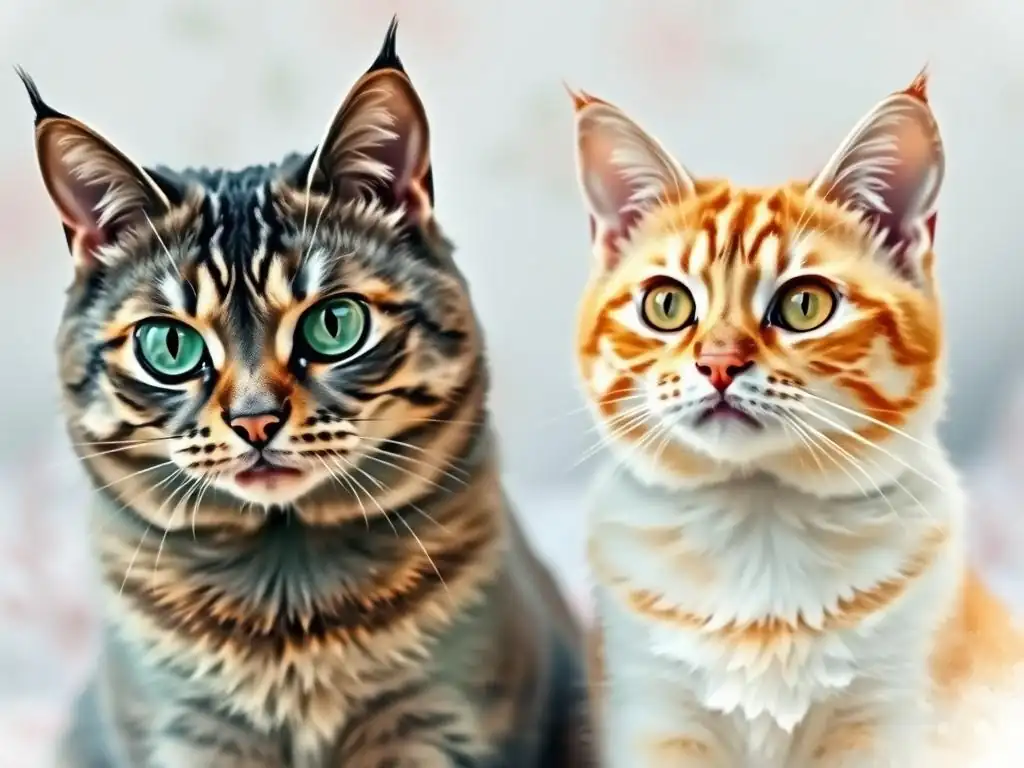
Understanding your cat's gaze requires discerning between normal, communicative staring and staring that signals underlying issues. A brief, gentle stare, often accompanied by slow blinks, is usually a sign of feline affection and trust. Think of it as a cat's equivalent of a smile. This type of staring is often reciprocated with a slow blink from the human, reinforcing the bond.
However, prolonged, intense, or unusual staring can indicate something more serious. The context is crucial; a cat staring intently at a bird outside the window is different from a cat fixated on you with wide, unblinking eyes. We'll explore the nuances of these different gazes to help you better understand your feline companion. Remember, consistent observation is key to recognizing changes in your cat's behavior.
Long Stares and Underlying Health Issues: Identifying Potential Problems
Prolonged staring, especially when coupled with other symptoms, can be a red flag for underlying health problems. For instance, a cat staring blankly into space or exhibiting disorientation might be experiencing cognitive dysfunction syndrome (CDS), a common age-related condition in older cats. Similarly, a cat fixated on a particular spot, seemingly unresponsive to stimuli, could be suffering from neurological issues. Other symptoms to watch for in conjunction with prolonged staring include changes in appetite, lethargy, unusual vocalizations, difficulty walking or coordinating movements, and changes in litter box habits.
These combined signs require immediate veterinary attention. The severity of the staring, alongside other exhibited symptoms, can help veterinarians assess the situation and determine the appropriate course of action. For example, a sudden onset of intense staring combined with seizures suggests a more urgent need for veterinary care compared to a gradual onset of staring accompanied by mild lethargy.
Changes in Staring Behavior: A Sign of Illness or Discomfort
Even if your cat typically engages in normal staring behavior, sudden changes in the frequency, intensity, or context of staring can signal illness or discomfort. For example, a cat that previously enjoyed brief, affectionate stares might now stare intensely and unblinkingly, perhaps accompanied by restlessness or vocalizations. This shift could indicate pain, anxiety, or an underlying medical condition. Consider if there have been any recent changes in your cat's environment, diet, or routine that might be causing stress.
Also, note if the staring is directed at a specific body part, suggesting potential localized pain. Keeping a detailed record of your cat's behavior, including the duration and nature of staring episodes, can be invaluable in helping a veterinarian diagnose any problems. Detailed records can help track patterns and pinpoint potential triggers for changes in behavior.
When to Seek Veterinary Attention for Unusual Cat Behavior
If you notice any unusual changes in your cat's staring behavior, such as prolonged, intense staring, staring accompanied by other concerning symptoms (listlessness, changes in appetite, etc. ), or a sudden shift in their typical staring patterns, it's crucial to seek veterinary attention. Don't delay; prompt veterinary care can significantly improve the outcome for many health issues. Early intervention is key to addressing underlying problems and ensuring your cat's well-being.
Remember, even seemingly minor behavioral changes can sometimes indicate a serious underlying medical condition. Trust your instincts – if something feels off about your cat's behavior, it's always best to err on the side of caution and consult a veterinarian. Your vet can perform a thorough examination and run necessary tests to diagnose any underlying health problems and recommend appropriate treatment. The goal is to provide the best possible care for your beloved feline companion.
Improving Communication with Your Cat: Responding to Their Gazes
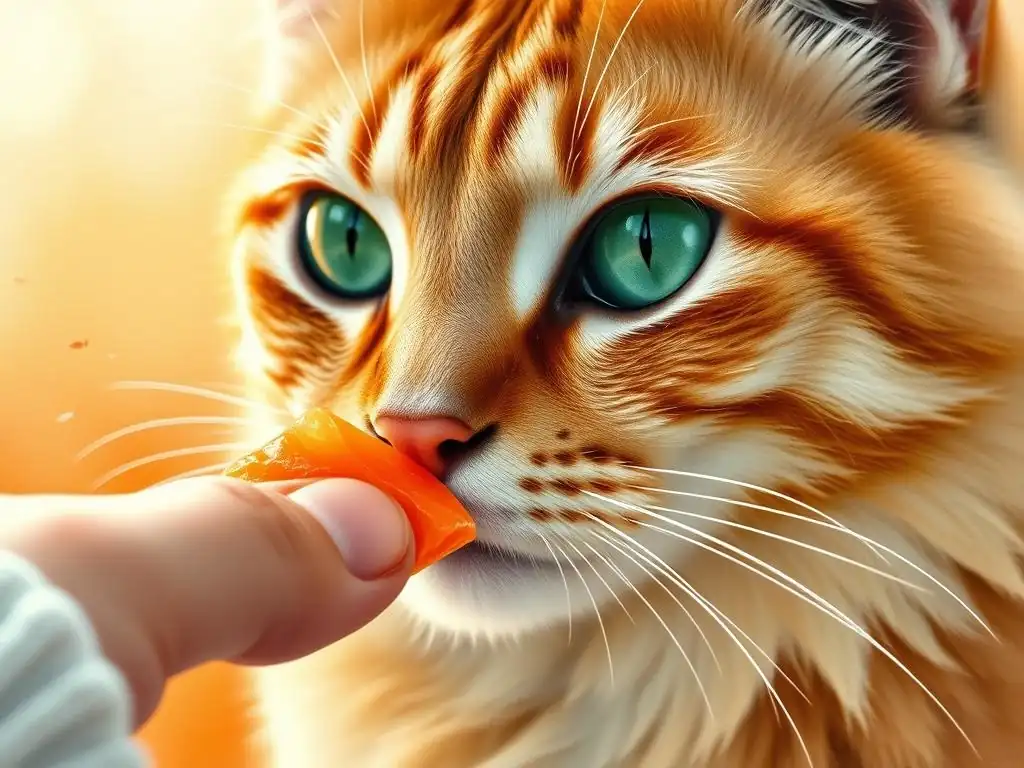
Understanding why your cat stares at you is crucial for building a stronger bond and improving your communication. A cat's stare isn't always a sign of aggression; it's a complex communication tool with various interpretations. This section will explore how to decipher these feline gazes and respond appropriately, ultimately enriching your relationship with your furry friend.
The meaning behind a cat's stare is multifaceted, influenced by factors like the duration of the gaze, the cat's body language, and the surrounding environment. Successfully interpreting these signals is key to understanding your cat's needs and desires. Mastering this crucial aspect of feline communication lays the foundation for a more harmonious and fulfilling relationship.
Responding to Affectionate Stares: Reinforcing Positive Interactions
Affectionate stares from your cat are often characterized by slow blinks, a relaxed posture, and perhaps even a gentle purr. These are clear signs of trust and affection. To reinforce this positive interaction, mimic your cat's slow blink. This is a powerful way to communicate affection in "cat language." Think of it as a feline equivalent of a smile!
Try it – slowly close your eyes for a few seconds, then open them again. Your cat may respond by blinking back, further solidifying the bond between you. Combine this with gentle petting or a soft verbal reassurance, such as a quiet "good kitty," to enhance the positive association. Consistent positive reinforcement through this simple act strengthens the mutual trust and understanding between you and your feline companion. This simple act can significantly improve your relationship, turning a simple stare into a moment of shared affection.
Addressing Anxiety or Fear Through Calming Techniques
A prolonged, intense stare, coupled with flattened ears, a tucked tail, or dilated pupils, can indicate anxiety or fear in your cat. This is not a sign of affection and requires a different approach. Avoid direct eye contact, which can be perceived as threatening. Instead, offer your cat a safe space to retreat to, such as a comfortable bed or hiding spot. Speak to your cat in a soft, soothing voice, avoiding sudden movements or loud noises.
Consider using calming techniques like pheromone diffusers or sprays, which can help reduce anxiety levels. Understanding the underlying cause of your cat's anxiety is crucial. Is it a new pet, a change in environment, or perhaps a medical issue? Addressing the root cause, alongside implementing calming strategies, will ultimately help your cat feel more secure and less fearful. Remember, patience and understanding are key when dealing with a fearful feline.
Enhancing Communication Through Play and Enrichment
Enrichment activities, such as interactive play sessions, can significantly enhance your communication with your cat. Play not only burns energy but also provides mental stimulation and strengthens your bond. Using toys that mimic natural prey, like feather wands or laser pointers, can engage your cat's hunting instincts. During playtime, observe your cat's body language.
A playful stare, often accompanied by a twitching tail and playful swatting, indicates engagement and enjoyment. Responding to these cues by adjusting the intensity and pace of the game ensures a positive and rewarding experience for both of you. Regular playtime sessions help build trust and provide opportunities for positive interactions, translating to improved understanding and communication.
Remember, a happy, stimulated cat is a cat that communicates more openly and affectionately. This approach helps to improve your overall understanding of your cat's communication style and strengthens the bond you share. Providing a stimulating environment, combined with interactive play, contributes to a healthier and happier feline companion.
Frequently Asked Questions about Cat Staring (FAQ)
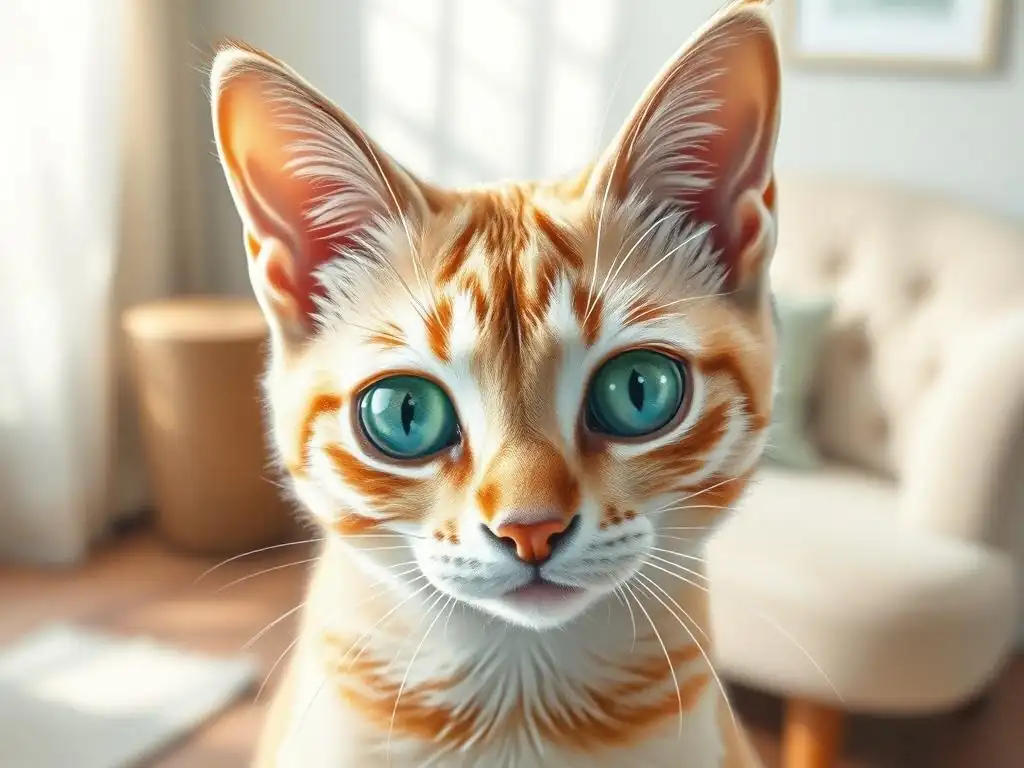
This section addresses common queries regarding feline gazes and their interpretation, helping you better understand your cat's communication style. Understanding your cat's staring behavior is crucial for building a stronger bond and ensuring their well-being. We'll explore different contexts of staring, helping you decipher the subtle nuances of feline communication. Remember, a cat's stare isn't always a sign of aggression; it can express a wide range of emotions and intentions. Learning to interpret these signals is key to responsible cat ownership and a harmonious relationship with your furry friend.
My Cat Stares at Me Intensely: What Does It Mean?
An intense stare from your cat can signify several things, depending on the accompanying body language. A prolonged, unwavering gaze, coupled with slow blinks, often indicates affection and trust. Your cat feels comfortable and secure in your presence. Think of it as a feline equivalent of a loving smile. However, a hard, unwavering stare with dilated pupils, flattened ears, and a stiff body could indicate aggression, fear, or even predatory behavior. The context is crucial.
Consider this scenario: You're relaxing on the couch, and your cat sits nearby, staring intently. If their tail is relaxed, their ears are forward, and they occasionally slowly blink at you, it's likely a sign of affection. They're bonding with you and feeling safe. Conversely, if their tail is puffed up, their ears are flattened against their head, and their body is tense, it's a clear warning sign.
They feel threatened or uncomfortable. Learning to differentiate these subtle cues is key to understanding your cat's emotional state. This ability to interpret feline body language is essential for responsible pet ownership and building a strong, trusting relationship.
Another factor to consider is the duration of the stare. A short, quick glance is usually less significant than a prolonged, intense gaze. Also consider the environment. Is your cat staring at you from a safe space, or are they cornered? This significantly influences the interpretation of their behavior. Always pay attention to the complete picture – the stare is only one piece of the puzzle.
How to Interpret Different Types of Cat Body Language Alongside Staring
Understanding cat staring requires considering the entire picture: the stare itself, combined with other body language cues, provides a more accurate interpretation of your cat's intentions. A simple stare can take on drastically different meanings depending on the accompanying signals.
Here's a table summarizing some key body language indicators to look for alongside a stare:
| Body Language Cue | Meaning | Example |
|---|---|---|
| Slow Blinking | Affection, trust, comfort | Cat slowly closes and opens its eyes at you |
| Dilated Pupils | Fear, excitement, aggression | Cat's eyes appear larger than usual |
| Flattened Ears | Fear, aggression, anxiety | Ears pressed against the head |
| Puffed-up Tail | Fear, anger, defensiveness | Tail looks significantly larger than normal |
| Relaxed Tail | Contentment, relaxation | Tail hangs loosely |
| Tense Body | Fear, aggression, discomfort | Cat's muscles are stiff and rigid |
| Hissing | Fear, aggression, warning | Audible hissing sound |
| Tail Twitching | Excitement, anticipation, or irritation | Rapid, subtle movements of the tail |
This detailed analysis helps you understand the context of your cat's stare, enabling you to respond appropriately and strengthen your bond. Remember, consistency in observing your cat's behavior is key to accurate interpretation.
What are the signs of a cat that is feeling uncomfortable or threatened?
Recognizing signs of discomfort or threat in your cat is crucial for ensuring their well-being and maintaining a safe environment. A threatened cat may exhibit various behavioral changes, including changes in their gaze. While a stare can be a sign of affection, it can also indicate a warning.
Here are some key signs to watch out for:
- Dilated pupils: Enlarged pupils are a common indicator of fear or stress.
- Flattened ears: Ears pressed back against the head signal anxiety or aggression.
- Puffed-up tail: A tail that's noticeably larger than usual indicates a defensive posture.
- Tense body: Stiff muscles and a rigid posture suggest discomfort and readiness to defend itself.
- Hissing or growling: These vocalizations are clear warnings of aggression or fear.
- Avoiding eye contact: Ironically, a cat avoiding your gaze after initially staring can also suggest discomfort. They may feel cornered or threatened.
- Rapid tail twitching: This can signify irritation or anxiety.
If you observe these signs, it’s vital to give your cat space and avoid any actions that could further escalate their anxiety. Creating a safe and predictable environment is crucial for preventing these situations. Providing your cat with plenty of hiding places and avoiding sudden movements or loud noises can help reduce their stress levels and prevent threatening behaviors. Understanding these subtle cues is essential for responsible pet ownership and a harmonious relationship with your feline companion. Remember, a calm and understanding approach is always best when dealing with a stressed or threatened cat.
Frequently Asked Questions
Why does my cat stare at me intensely?
A prolonged stare from your cat can mean several things. It could be a sign of affection and bonding, a way of communicating a need (like food or attention), or even a display of aggression or dominance depending on the context. Observe your cat's body language for clues.
What does a slow blink from my cat mean?
A slow blink is a universally understood feline sign of trust and affection. It's their way of saying "I love you" or "I feel safe and comfortable around you." Try slowly blinking back at your cat to return the gesture.
Is my cat staring at me because it's hungry?
Yes, a stare accompanied by other behaviors like meowing, rubbing against your legs, or looking towards their food bowl can be a clear indication that your cat is hungry and seeking a meal. Check their food bowl!
My cat stares at me and then suddenly attacks; why?
Sudden attacks after staring can be a sign of frustration, stress, or unsatisfied needs. It's important to rule out medical issues and consult a veterinarian. Consider whether your cat is getting enough enrichment and attention.
My cat stares out the window for long periods; is this normal?
Yes, this is completely normal. Cats are natural predators and enjoy watching the world go by. They may be observing birds, squirrels, or other small animals, satisfying their hunting instincts. Provide your cat with bird feeders or other stimulating objects near the window.
Final Reflection: Decoding the Silent Language of Love and Curiosity
Understanding the nuances of a cat's stare is not merely a quirky pursuit; it's a key to unlocking a deeper connection with these enigmatic creatures. The seemingly simple act of a cat fixing its gaze upon you can reveal a complex tapestry of emotions, from playful curiosity to deep affection, and even subtle warnings. This understanding, far from being trivial, allows us to build stronger, more empathetic relationships with our feline companions.
The impact of our interpretation of feline behavior extends beyond the individual cat-owner relationship. Our understanding – or misunderstanding – of animal communication shapes how we interact with all animals, influencing our treatment of them and our role in their welfare. The greatness of a nation and its moral progress can be judged by the way its animals are treated.
- Mahatma Gandhi. This quote highlights the interconnectedness of our compassion for animals and our overall ethical development, a connection that begins with the seemingly small act of understanding a cat's stare.
Now, consider your own cat. Think back to those moments of intense eye contact. Were they moments of playful challenge, quiet companionship, or perhaps a subtle request for attention?
Take the time to observe your cat's body language alongside their gaze; the subtle flick of an ear, the slow blink of an eye, the gentle swish of a tail – these are all pieces of the puzzle. By consciously engaging with your cat's communication, you'll not only deepen your bond but also gain a richer appreciation for the silent language of these fascinating creatures. Let the mysteries of the feline gaze continue to inspire you to learn, observe, and connect.
Unlock Your Cat's Secret Language: A Deeper Understanding Awaits
Thanks for exploring the fascinating world of feline communication! We hope you now have a clearer understanding of what your cat's gaze truly means. Ready to strengthen your bond?
- Observe your cat's next gaze with a fresh perspective: Pay close attention to the context: body posture, ear position, and tail movement—these details will provide further insight into your cat's feelings and intentions.
- Share your cat's most intriguing gaze with our community! Post a picture or story in the comments below—let's learn from each other's experiences!
- Experiment with new interactive games: See how your cat responds and if their gaze changes based on the activity. This can help you understand their preferences and further deepen your connection.
What new insights will your cat's next gaze reveal?