
Feline Viral Infections: How to Safely Introduce a New Cat


Welcome to PetCareWorld, your ultimate guide to a happier, healthier life for your beloved pets! Are you bringing a new feline friend into your home? Then understanding New cat feline virus prevention is crucial. Discover expert advice and practical solutions to ensure a smooth and safe introduction in our comprehensive guide on feline viral infections – learn how to protect your existing cats and your new arrival from the outset. Dive in and explore the world of responsible pet ownership!
- Understanding Feline Viral Infections and Transmission
- Preventing Feline Viral Infections During Cat Introductions
- Quarantine and Veterinary Checkups: New Cat Feline Virus Prevention
- Long-Term Strategies for New Cat Feline Virus Prevention
- Resources and Further Information on New Cat Feline Virus Prevention
-
Frequently Asked Questions
- How can I prevent my new cat from getting a feline viral infection?
- What are the most common feline viral infections?
- My new cat is showing signs of illness. What should I do?
- Are there any specific precautions I should take when introducing a new cat to my home?
- What role does vaccination play in preventing feline viral infections?
- Final Reflection: Protecting Our Feline Companions from Viral Threats
- Unlock a Purrfect Partnership: Introducing Your New Feline Friend
Bringing a new cat into your home is an exciting time, filled with the promise of purrs, cuddles, and companionship. However, before the playtime begins, it's crucial to understand the potential risks of feline viral infections and how to mitigate them. This comprehensive guide focuses on preventing the spread of common feline viruses, ensuring a smooth and healthy transition for your new furry friend and your existing pets. We will explore the most prevalent feline viruses, their transmission methods, and the telltale signs of infection, empowering you to make informed decisions and safeguard your feline family's well-being. Understanding these preventative measures is key to ensuring a happy and healthy multi-cat household, minimizing stress and maximizing the joy of pet ownership. The information provided will equip you with the knowledge necessary to navigate the introduction of a new cat safely and responsibly, prioritizing the health and happiness of all your cats.
Common Feline Viruses: FIV and FeLV
Two of the most concerning feline viral infections are Feline Immunodeficiency Virus (FIV) and Feline Leukemia Virus (FeLV). These retroviruses can significantly impact a cat's health and lifespan.
FIV, often called "feline AIDS," weakens the immune system, making cats susceptible to various opportunistic infections. It's primarily transmitted through bites, often during aggressive encounters. Unlike FeLV, FIV is not easily spread through casual contact.
FeLV, on the other hand, is more readily transmitted. It can spread through saliva, nasal secretions, and even shared food and water bowls. FeLV attacks the bone marrow, suppressing the immune system and increasing the risk of cancers and other life-threatening illnesses. Both viruses can lead to severe health complications if left untreated, highlighting the importance of preventative measures. Early detection through veterinary testing is crucial for management and treatment. Understanding the differences between these viruses is fundamental in implementing appropriate preventative strategies during the introduction of a new cat.
Transmission Routes of Feline Viruses
Understanding how feline viruses spread is paramount in preventing infection. Transmission can occur through various routes:
- Direct Contact: This is the most common method, particularly for FeLV. Sharing food bowls, litter boxes, or even close physical contact can facilitate the spread.
- Bites: FIV is primarily transmitted through bites, especially during fights between cats.
- Mother to Kitten: Queens (female cats) can transmit FeLV to their kittens before or during birth. FIV transmission from mother to kitten is less common.
- Shared Resources: Shared resources, such as food and water bowls, and even grooming tools, can indirectly spread FeLV. This underscores the importance of providing individual resources for each cat.
- Environmental Contamination: While less common, FeLV can survive briefly in the environment, potentially on surfaces. Thorough cleaning and disinfection are important preventative measures.
Early detection is critical in managing feline viral infections. However, it's important to note that not all cats infected with FIV or FeLV will show symptoms. Some cats can remain asymptomatic for years. However, some common signs to watch for include:
- Lethargy and Weakness: A significant decrease in energy levels and overall weakness.
- Weight Loss: Unexplained weight loss despite maintaining a normal appetite.
- Loss of Appetite: A noticeable decrease in food intake.
- Recurring Infections: Frequent bouts of illness, indicating a compromised immune system.
- Swollen Lymph Nodes: Enlarged lymph nodes, often palpable under the skin.
- Fever: Elevated body temperature.
- Oral Ulcers: Sores or lesions in the mouth.
- Respiratory Problems: Coughing, sneezing, or difficulty breathing.
- Neurological Signs: Changes in behavior, such as disorientation or seizures.
It's crucial to consult a veterinarian if you notice any of these symptoms in your cat. Early diagnosis and appropriate veterinary care can significantly improve the prognosis and quality of life for an infected cat. Remember, preventative measures are always the best approach. A proactive approach is crucial in ensuring the health and happiness of your feline companions. 😻
Diagnosing feline viral infections requires a multifaceted approach, combining the veterinarian's clinical examination with various laboratory tests. The initial consultation involves a thorough history of the cat, including its age, vaccination status, exposure to other cats (both indoor and outdoor), and any observed symptoms. The veterinarian will carefully examine the cat, noting any visible signs of illness such as lethargy, fever, respiratory distress, oral ulcers, or skin lesions.
These clinical signs can provide valuable clues, but they are not definitive in diagnosing a specific viral infection. For example, sneezing and nasal discharge could indicate feline herpesvirus or feline calicivirus, while fever and lethargy might suggest feline leukemia virus (FeLV) or feline immunodeficiency virus (FIV). However, many viral infections present with overlapping symptoms, making accurate diagnosis challenging based on clinical signs alone.
The next step usually involves laboratory testing. Several tests can help identify specific viral infections. A complete blood count (CBC) can reveal abnormalities indicative of infection, such as elevated white blood cell counts. Biochemical blood tests can assess organ function, which may be affected by viral infections.
Serological tests, which detect antibodies against specific viruses in the blood, are crucial for confirming the presence of certain viral infections. For example, ELISA (enzyme-linked immunosorbent assay) tests are commonly used to detect antibodies against FeLV and FIV. Polymerase chain reaction (PCR) tests are highly sensitive and specific molecular tests that can directly detect viral DNA or RNA in various samples, such as blood, nasal swabs, or fecal samples. PCR is particularly useful in diagnosing early stages of infection or detecting viruses that are difficult to detect by serological methods.
The choice of diagnostic tests depends on the suspected viral infection and the cat's clinical presentation. For instance, if a cat shows signs of upper respiratory infection, tests for feline herpesvirus and feline calicivirus might be prioritized. If the cat exhibits signs of immunosuppression or other systemic illness, testing for FeLV and FIV would be essential.
The interpretation of diagnostic test results requires expertise, and veterinarians often integrate the results of multiple tests and clinical findings to arrive at a definitive diagnosis. Early and accurate diagnosis is crucial for initiating appropriate treatment and preventing the spread of infection to other cats. Remember, prevention through vaccination is always the best strategy for mitigating the risk of feline viral infections.
Regular veterinary checkups and adherence to vaccination protocols are vital in maintaining the health and well-being of your feline companion. The cost of diagnosis can vary depending on the specific tests conducted, but early detection can often lead to more effective and less expensive treatment in the long run. Therefore, don't hesitate to consult your veterinarian if you suspect your cat might be suffering from a viral infection.
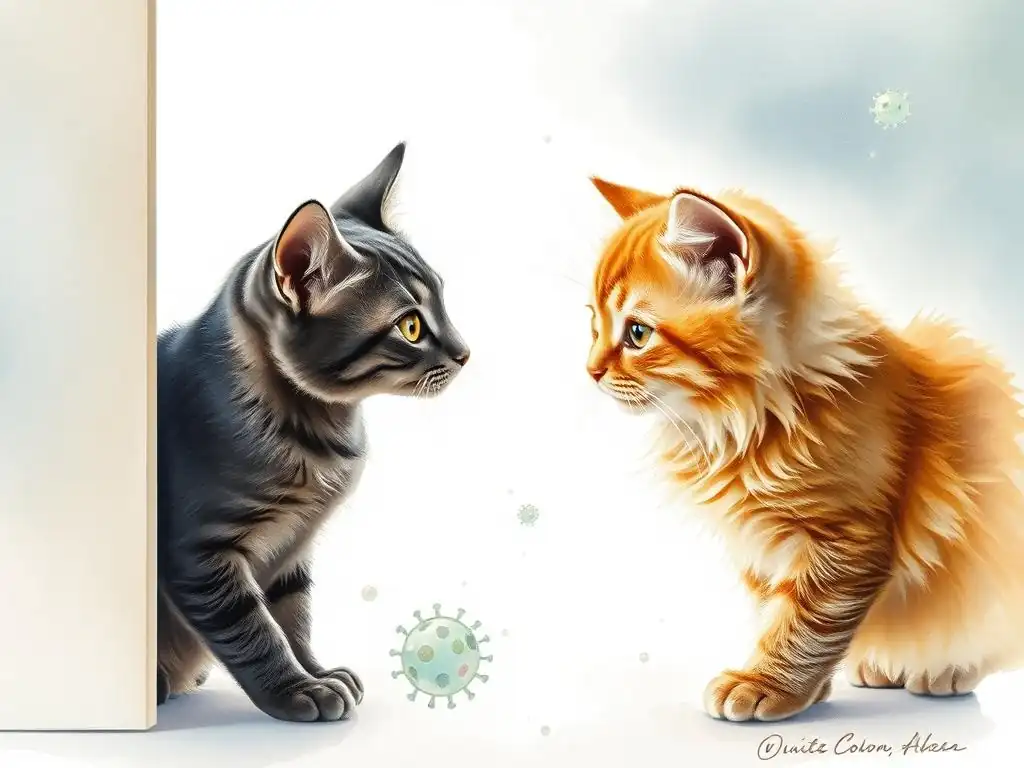
Introducing a new cat into your home can be an exciting time, but it's crucial to prioritize the health and safety of both your resident cat(s) and the newcomer. Feline viral infections, such as feline herpesvirus (FHV-1) and feline calicivirus (FCV), are highly contagious and can cause significant illness. Careful planning and execution of the introduction process are key to minimizing the risk of transmission and ensuring a smooth transition for all involved. This section focuses on practical strategies for "new cat feline virus prevention."
Gradual Introduction Methods
The cornerstone of successful and safe cat introductions is a gradual process. Rushing the interaction can lead to stress and aggression, increasing the chances of illness transmission through stress-induced immunosuppression. Instead of immediate face-to-face meetings, employ a phased approach:
- Phase 1: Scent Swapping (Days 1-3): Before any visual contact, allow your cats to become accustomed to each other's scent. Swap bedding, toys, or blankets between their spaces. This allows them to familiarize themselves gradually, reducing initial anxiety. This helps prevent sudden aggressive behavior that can increase stress levels and weaken immune systems, making them more susceptible to viruses.
- Phase 2: Separate but Close (Days 4-7): Keep the cats in separate rooms but within close proximity. They should be able to hear and smell each other without direct visual contact. This allows for further scent familiarization and reduces the intensity of the first visual encounter. Observe their body language; signs of stress (hissing, flattened ears, tail puffing) necessitate extending this phase.
- Phase 3: Supervised Visual Contact (Days 8-14): Allow brief, supervised visual contact through a barrier like a baby gate or screen door. Positive reinforcement with treats and praise can help create positive associations. Short sessions (5-10 minutes) are crucial to avoid overwhelming either cat.
- Phase 4: Controlled Interactions (Days 15 onwards): Once both cats exhibit calm behavior during supervised visual contact, you can begin short, supervised interactions in a neutral, safe space. Always have a safe escape route available for both animals. Continue positive reinforcement. This phase may extend for several weeks or even months, depending on individual personalities and comfort levels.
Creating Separate Spaces
Providing separate, secure spaces for each cat is paramount, especially during the initial introduction phase. Each cat needs its own:
- Food and Water Bowls: Separate feeding stations minimize competition and stress, thereby reducing the likelihood of disease transmission.
- Litter Boxes: Multiple litter boxes, ideally in different locations, are essential, especially if you have multiple cats. The general rule is one litter box per cat, plus one extra. This prevents territorial disputes and reduces stress. Regular cleaning is crucial to maintain hygiene and minimize the risk of parasitic infections.
- Sleeping Areas: Providing individual, safe, and comfortable sleeping areas allows each cat to retreat when feeling overwhelmed or stressed. This decreases their vulnerability to illness by ensuring adequate rest.
- Scratching Posts: Individual scratching posts prevent competition for resources and territorial disputes, further minimizing stress and the subsequent weakening of immune defenses.
Supervised Interactions
Even after successful scent swapping and separate space establishment, all interactions between the cats should be closely supervised, especially in the early stages. This allows you to intervene immediately if aggression or signs of stress occur. Pay close attention to body language:
| Behavior | Interpretation | Action |
|---|---|---|
| Flattened ears | Fear or aggression | Separate the cats immediately. |
| Puffed tail | Fear, aggression, or readiness to attack | Separate the cats immediately. |
| Hissing or growling | Aggression or fear | Separate the cats immediately. |
| Slow blinking | A sign of trust and relaxation | Continue monitoring, but let them interact. |
| Rubbing against each other | Positive interaction and acceptance | Continue monitoring, but let them interact. |
Remember, patience and a gradual approach are key to successful cat introductions and effective "new cat feline virus prevention." If you observe any signs of illness in either cat, consult your veterinarian immediately. Early diagnosis and treatment are crucial for managing feline viral infections. The health and well-being of your feline companions are paramount. 😻
Scent Swapping
Scent swapping is a crucial, often overlooked, step in safely introducing a new cat to your existing feline family. The process allows cats to gradually familiarize themselves with each other's scent, reducing the likelihood of aggressive encounters stemming from unfamiliar odors. This is a cornerstone of new cat feline virus prevention because stress from territorial disputes weakens a cat's immune system, making them more susceptible to viral infections.
To effectively swap scents, gently rub a soft cloth or towel on your new cat, then rub that same cloth on your resident cat's favorite resting spots – their bed, scratching post, etc. Repeat this process several times a day for at least a week, allowing the scents to blend naturally. Remember to use separate cloths for each cat to avoid mixing scents prematurely.
The goal is to create a sense of familiarity before a direct face-to-face introduction. This slow and careful approach minimizes stress, a key factor in bolstering a cat's natural defenses against viruses like feline herpesvirus and calicivirus. Proper scent swapping is a proactive measure in new cat feline virus prevention.
Utilizing Feline Pheromone Diffusers
Feline pheromone diffusers, such as those containing feline facial pheromones (FFP), can significantly reduce stress and anxiety during the introduction process. These pheromones mimic the natural calming signals cats release when they feel safe and secure. By diffusing these pheromones in the areas where the cats will interact, you create a more relaxed environment, reducing the likelihood of aggression and territorial disputes.
A calmer cat is a healthier cat, better equipped to fight off infection. This is a critical aspect of new cat feline virus prevention because a stressed immune system is more vulnerable to viral illnesses. Studies have shown a correlation between reduced stress levels and improved immune function in cats.
While pheromone diffusers aren't a standalone solution for new cat feline virus prevention, they serve as a valuable tool in creating a positive and safe environment, supporting the cat's natural immune response. Remember to follow the manufacturer's instructions for optimal diffuser placement and usage. Consider placing the diffuser in common areas, but avoid directly spraying pheromones on the cats themselves, as this might have the opposite effect.
Importance of Vaccination
Vaccination is arguably the most important aspect of new cat feline virus prevention. Core feline vaccines protect against common and potentially deadly viral infections, including feline herpesvirus (FHV-1), feline calicivirus (FCV), and feline panleukopenia virus (FPV). Before introducing a new cat into your home, ensure both your resident cat(s) and the newcomer are up-to-date on their vaccinations.
Consult your veterinarian to determine the appropriate vaccination schedule for your cats, considering their age, health status, and lifestyle. Some vets may recommend additional vaccines depending on the prevalence of specific viruses in your area. Vaccinations significantly reduce the risk of infection and severity of illness, even if exposure to the virus occurs.
A comprehensive vaccination program is a crucial component of a proactive approach to new cat feline virus prevention. Remember, even vaccinated cats can still carry and shed viruses, albeit usually at lower levels, so maintaining good hygiene and minimizing stress remains crucial. Regular veterinary check-ups are also important to monitor your cat's health and ensure their vaccines are current.
Quarantine and Veterinary Checkups: New Cat Feline Virus Prevention
Introducing a new cat into your home can be an exciting time, but it's crucial to prioritize the health and safety of both your existing feline companions and the newcomer. Effective new cat feline virus prevention strategies are essential to avoid the spread of contagious illnesses. This section focuses on the critical steps of quarantine and veterinary checkups to minimize the risk of viral infections.
Importance of a Veterinary Check-up Before Introduction
Before even considering introducing your new cat to your resident felines, a thorough veterinary examination is paramount. This isn't just about confirming the cat's overall health; it's about proactively identifying potential feline viral infections, such as feline leukemia virus (FeLV) and feline immunodeficiency virus (FIV). These viruses can be deadly and are easily transmitted between cats through saliva, blood, and other bodily fluids.
A comprehensive veterinary check-up typically includes:
- A physical examination assessing the cat's overall health, including weight, body temperature, and any visible signs of illness.
- Testing for FeLV and FIV. These tests are crucial for detecting these potentially fatal viruses. Early detection allows for appropriate management and reduces the risk of transmission.
- Testing for other common feline viral infections, depending on the cat's history and risk factors. Your vet will determine which tests are necessary.
- Vaccinations: Ensuring your new cat is up-to-date on core vaccines, including those for feline herpesvirus and calicivirus, is a crucial preventative measure.
The cost of this preventative veterinary care is a small price to pay compared to the potential costs (financial and emotional) of treating a viral infection. Think of it as an investment in the long-term health and happiness of all your cats. Remember, a healthy cat is a happy cat!
Quarantine Period
Once your new cat has received a clean bill of health from the veterinarian, a mandatory quarantine period is the next crucial step in new cat feline virus prevention. This period allows you to monitor the cat for any signs of illness before introducing it to your resident cats. The recommended quarantine duration is typically at least two weeks, but some veterinarians may suggest a longer period, especially if there are underlying health concerns or a history of viral infections in your household.
During quarantine, keep the new cat completely separated from your other cats. This means separate rooms, separate food and water bowls, separate litter boxes, and separate toys. Avoid sharing any items that could potentially transmit viruses, such as grooming brushes or bedding. Thorough handwashing between interacting with different cats is also critical.
This dedicated quarantine space should be a comfortable and stimulating environment. Provide plenty of food, water, a litter box, scratching posts, and toys to ensure the cat feels safe and secure during this isolation period.
Observing for Signs of Illness
Careful observation during the quarantine period is essential. Even if your new cat received a clean bill of health from the vet, it's still possible for subtle signs of illness to emerge. Be vigilant in monitoring for any symptoms, which may include:
- Lethargy or decreased activity levels 😴
- Loss of appetite 🍽️
- Sneezing or coughing 🤧
- Diarrhea or vomiting 🤢
- Eye or nasal discharge 💧
- Fever (elevated temperature) 🔥
- Weight loss 📉
If you observe any of these symptoms, contact your veterinarian immediately. Early intervention is critical in managing feline viral infections and preventing their spread to your other cats. Remember, preventing the spread of these viruses is far easier than treating an outbreak. Proactive measures like quarantine and regular veterinary check-ups are invaluable tools in ensuring the health and well-being of your feline family.
Maintaining Hygiene Protocols

Introducing a new cat into your home requires meticulous attention to hygiene to minimize the risk of viral transmission. This isn't just about cleaning up after your new feline friend; it's about establishing a proactive sanitation routine to protect both your new arrival and your resident cats. Thorough handwashing is paramount. Wash your hands thoroughly with soap and water before and after handling your new cat, their food, water bowls, litter box, or any of their belongings. This simple act significantly reduces the risk of transferring pathogens.
Beyond handwashing, regular disinfection of surfaces is crucial. Focus on areas frequently accessed by your cats, such as food and water stations, scratching posts, and resting areas. Use a pet-safe disinfectant, following the manufacturer's instructions carefully. Avoid harsh chemicals that could be harmful to your pets. Consider using enzymatic cleaners, which are effective at breaking down organic matter and eliminating odors, further minimizing the risk of viral spread.
Regularly cleaning and disinfecting litter boxes is also vital. Aim for daily cleaning, scooping out waste and replacing the litter entirely at least once a week. This prevents the build-up of bacteria and viruses that could potentially infect your cats. Remember, consistency is key; establishing a rigorous hygiene protocol from the outset greatly reduces the chances of viral infection.
When to Seek Veterinary Attention
Even with the most careful precautions, some signs might indicate a potential viral infection in your new cat. Early detection is crucial for effective treatment and to prevent the spread of illness to other pets. Monitor your new cat closely during their quarantine period. Watch for any changes in behavior, appetite, or energy levels. Signs such as lethargy, loss of appetite, sneezing, coughing, watery eyes, or diarrhea warrant immediate veterinary attention. These symptoms could be indicative of several feline viral infections, including feline herpesvirus (FHV-1) and feline calicivirus (FCV).
Don't hesitate to contact your veterinarian if you notice any unusual behavior or symptoms, even if they seem minor. Early intervention can significantly improve your cat's prognosis and prevent the virus from spreading to your other pets. Your vet can perform a thorough examination, run diagnostic tests, and provide appropriate treatment, including antiviral medications or supportive care.
Remember, prevention is always better than cure, but swift veterinary intervention is critical if your new cat shows any signs of illness. It's better to err on the side of caution and seek professional advice than to risk a potentially serious viral infection. Prompt veterinary care is an essential component of "new cat feline virus prevention".
Long-Term Strategies for New Cat Feline Virus Prevention
Introducing a new cat into your home is an exciting time, but it's crucial to prioritize the health and well-being of all your feline companions. While initial quarantine and careful introductions are vital (as covered in previous sections), long-term strategies are equally important for preventing the spread of feline viral infections. This section focuses on proactive measures to maintain a healthy feline household, minimizing the risk of future outbreaks of diseases like feline herpesvirus (FHV-1) and feline calicivirus (FCV). Effective prevention relies on a multi-pronged approach encompassing vaccination, hygiene, and stress reduction.
Ongoing Vaccination and Health Monitoring
Vaccination remains the cornerstone of feline viral infection prevention. Even after the initial vaccination series, booster shots are necessary to maintain immunity. The frequency of boosters varies depending on the vaccine and your cat's individual health status; consult your veterinarian for a personalized vaccination schedule. They can assess your cat's risk factors and recommend the most appropriate vaccines to protect against FHV-1, FCV, and other common feline viruses. Remember, not all vaccines are created equal, and some offer longer-lasting protection than others.
Beyond routine vaccinations, regular veterinary check-ups are paramount. Early detection of any illness, even subtle signs, is crucial for effective treatment and preventing the spread of infection. Your veterinarian can perform physical examinations, blood tests, and other diagnostic procedures to monitor your cat's overall health and identify potential problems before they escalate. Early intervention significantly improves the prognosis for many feline viral infections and reduces the risk of transmission to other cats. Think of these check-ups as a form of proactive new cat feline virus prevention.
Maintaining a Clean and Hygienic Environment
A clean environment is a critical component of new cat feline virus prevention. Feline viral infections can spread through direct contact, but also indirectly through contaminated surfaces. Regular disinfection of food and water bowls, litter boxes, and frequently touched surfaces is essential. Use a disinfectant specifically designed for pet use, ensuring it's safe for your cats and effective against common viruses.
Maintaining multiple litter boxes (ideally one more than the number of cats) is crucial, especially in multi-cat households. This minimizes competition and stress, reducing the chances of cats spreading infections through shared resources. Regularly scoop litter boxes, aiming for at least once daily, and completely change the litter at least weekly. Pay close attention to any changes in litter box habits, as these could be indicators of illness. 💧 Cleanliness is next to godliness, especially when it comes to protecting your feline family from viruses.
Stress Management in Cats
Stress weakens a cat's immune system, making them more susceptible to viral infections. Minimizing stress is therefore a key aspect of effective new cat feline virus prevention. Provide plenty of resources, including food and water bowls, scratching posts, and hiding places, to reduce competition and conflict. Introduce new cats gradually and carefully, allowing them to adjust to their new environment and each other at their own pace.
Environmental enrichment, such as interactive toys, climbing structures, and window perches, can help keep cats entertained and reduce boredom-related stress. Consider using pheromone diffusers or sprays, which release calming scents that can help reduce anxiety and improve overall well-being. Observe your cats closely for signs of stress, such as excessive grooming, hiding, changes in appetite, or aggression, and address any underlying issues promptly. A relaxed and happy cat is a healthier cat, better equipped to fight off infections. Remember, a stress-free environment is a virus-resistant environment.
Importance of Regular Veterinary Visits
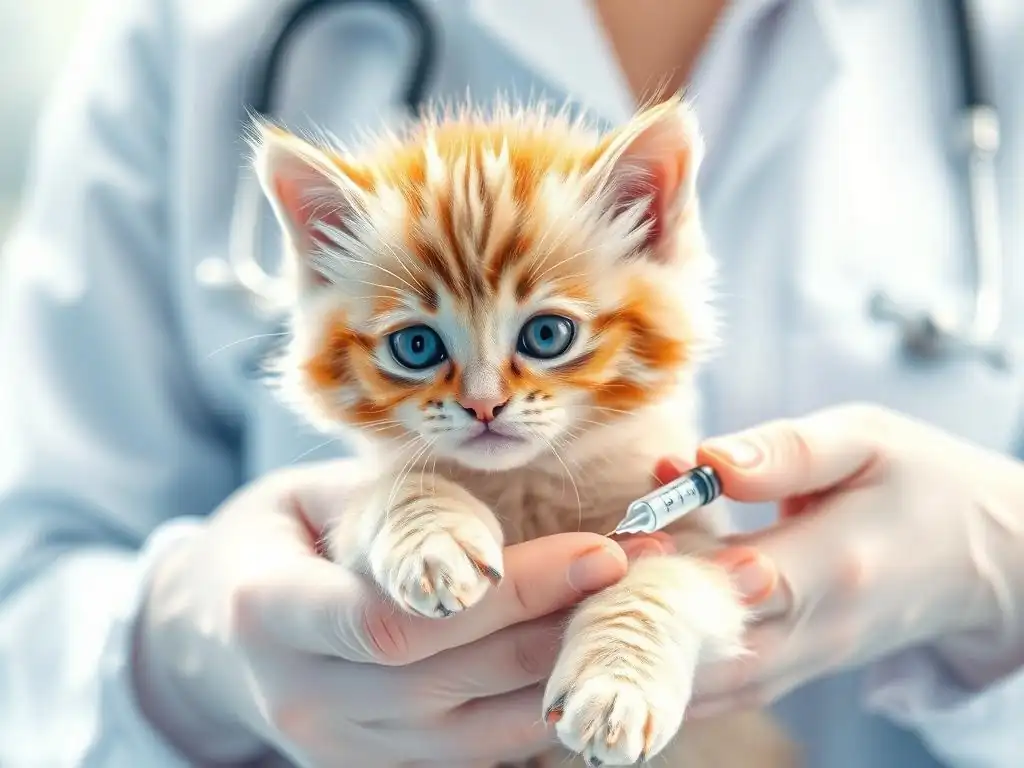
Regular veterinary check-ups are paramount in preventing and managing feline viral infections, especially when introducing a new cat to your household. These visits aren't just about addressing immediate health concerns; they're a proactive approach to safeguarding your feline companions' well-being. A veterinarian can administer crucial vaccinations, like the feline viral rhinotracheitis (FVR), calicivirus (FCV), and panleukopenia (FPV) vaccines, which are vital in protecting against common and potentially devastating viral illnesses. 1 Furthermore, routine blood work can detect underlying health issues that might compromise your cat's immune system, making it more susceptible to viral infections. Early detection through these check-ups allows for prompt intervention, preventing the development of serious complications. For a new cat, these initial check-ups are especially critical as they help establish a baseline health profile and identify any pre-existing conditions that could be exacerbated by stress or exposure to other cats. Don't forget to discuss your cat's vaccination history with your vet to ensure complete and up-to-date protection against feline viral diseases. Remember, a healthy cat is far better equipped to fight off infections, and regular veterinary care significantly contributes to this overall health. This proactive approach is a cornerstone of effective "new cat feline virus prevention."
Preventing Cat Fights
Cat fights are a significant vector for the transmission of feline viral infections. Introducing a new cat requires careful planning and execution to minimize the risk of conflict. A gradual introduction process is key. This involves initially keeping the cats separated, allowing them to acclimate to each other's scent through scent swapping (rubbing a cloth on one cat and then on the other).
Next, supervised, short interactions through a barrier, such as a baby gate, can help them become accustomed to each other's presence without direct physical contact. This controlled interaction period should be gradually increased as the cats demonstrate tolerance. Providing ample resources – food bowls, water fountains, litter boxes, scratching posts, and resting areas – significantly reduces competition and the likelihood of aggression. The number of resources should ideally exceed the number of cats, ensuring that no cat feels deprived or threatened.
Consider using pheromone diffusers or sprays, such as Feliway, to create a calming environment and reduce stress, which can weaken a cat's immune system and make it more vulnerable to infections. If aggression persists, consult a veterinary behaviorist for professional guidance on conflict resolution techniques. Remember, preventing cat fights is a crucial element of "new cat feline virus prevention," guarding your cats' health and reducing the risk of viral transmission. A peaceful coexistence between your cats translates into a healthier and happier household.
1 [Specific information pending: Cite a reputable veterinary source on feline vaccinations]
Resources and Further Information on New Cat Feline Virus Prevention
This section provides valuable resources to help you navigate the complexities of feline viral infections and ensure a safe introduction of a new cat into your home. Understanding these diseases and preventative measures is crucial for the well-being of both your existing cats and the newcomer. Remember, prevention is always better than cure when it comes to feline viral infections. This information complements the advice given earlier and offers avenues for continued learning and support.
Finding reliable information about feline viral diseases is paramount. Here are some suggested areas of research to expand your understanding of these illnesses and their preventative measures:
- Veterinary textbooks and journals: These resources offer in-depth information on the pathogenesis, diagnosis, and treatment of feline viral diseases. Look for publications focusing on feline medicine and infectious diseases. They often contain detailed studies and research findings on the effectiveness of various vaccination strategies and preventative care.
- Peer-reviewed scientific articles: Databases like PubMed and Google Scholar are excellent starting points for accessing peer-reviewed articles on feline viral infections. Focus your searches on specific viruses like Feline Calicivirus (FCV), Feline Herpesvirus (FHV-1), and Feline Immunodeficiency Virus (FIV) to gain a deeper understanding of each pathogen.
- Books on feline health and infectious diseases: Numerous books are available that cover feline viral infections in detail. These often provide a more accessible explanation than scientific journals, making them a good resource for pet owners. Look for books written by veterinary professionals or experienced feline specialists.
- Reputable online pet health resources: While caution is advised when using online resources, some websites provide reliable information on feline health. Look for sites that cite their sources and are written by veterinary professionals or other qualified experts. Always cross-reference information found online with multiple sources.
Reputable Veterinary Organizations and Websites
Consulting with veterinary professionals is crucial for accurate diagnosis and treatment of any feline illness. However, additional information from reputable organizations can greatly enhance your understanding. Here are some places to find trustworthy information and support:
- Your local veterinary clinic: Your veterinarian is the best source of information tailored to your specific situation and the needs of your cats. They can provide personalized advice on vaccination schedules, preventative measures, and safe introduction protocols. Don't hesitate to ask them any questions you may have.
- National veterinary associations: Many countries have national veterinary associations that provide information on feline health and disease. These organizations often have websites with educational resources and links to other reputable sources. They may also offer advice lines or other support services.
- Specialized feline veterinary organizations: Some organizations specialize specifically in feline health and welfare. These can provide detailed information on feline-specific diseases and preventative care strategies, often from a more specialized perspective. They frequently conduct research and publish findings related to feline health issues.
- Animal welfare charities: While their focus may be broader than just feline viral infections, many animal welfare charities offer educational resources on pet health, including information on preventing and managing common feline diseases. These resources are often accessible and easy to understand, providing a good starting point for your research.
Remember, consistent preventative care, including regular vaccinations and responsible introduction protocols, is key to minimizing the risk of feline viral infections in your multi-cat household. 😻 Always consult with your veterinarian for any concerns regarding the health of your cats.
Frequently Asked Questions
The best way to prevent infection is through quarantine. Keep your new cat separate from existing pets for at least 30 days, and ensure thorough cleaning of litter boxes and food/water bowls between uses. Vaccination is also crucial.
Common viral infections include feline calicivirus (FCV), feline herpesvirus (FHV-1), and feline immunodeficiency virus (FIV). These can cause a range of symptoms from mild respiratory illness to more severe conditions.
My new cat is showing signs of illness. What should I do?
Immediately isolate your cat from other pets. Contact your veterinarian for an appointment; they can diagnose the illness and recommend appropriate treatment. Early intervention is key.
Are there any specific precautions I should take when introducing a new cat to my home?
Yes, gradual introduction is essential. Use separate rooms initially, allowing them to smell each other under the door. Slowly increase interaction time, always supervising carefully.
Vaccination is a vital part of preventative care. Talk to your vet about the appropriate vaccines for your cat, especially core vaccines against FCV and FHV-1. This significantly reduces the risk of infection.
The safe introduction of a new cat into a household is not merely a logistical exercise; it's a crucial step in preventing the devastating spread of feline viral infections. Failing to take proper precautions can have heartbreaking consequences, impacting the health and well-being of your existing cats and the newcomer. The risk is real, and understanding it is paramount to responsible pet ownership.
The emotional toll of a feline viral outbreak is immense, impacting not only the affected cats but also their human companions. The worry, the vet visits, the potential for loss – these are burdens no pet owner should face unnecessarily. The bond between humans and animals is one of the most profound and enriching relationships we can have. Protecting that bond requires vigilance and responsible action.
This quote underscores the importance of proactive measures, like careful quarantine and gradual introductions, in safeguarding the health and happiness of our feline friends.
You now possess the knowledge to make informed decisions about integrating a new cat into your home. Remember the importance of preventative measures, the value of patience during introductions, and the significance of observing your cats closely for any signs of illness. Take the time to implement these strategies; your cats' health and happiness depend on it. Embrace the joy of welcoming a new furry friend into your life, knowing you've taken every precaution to ensure a safe and harmonious transition for all.
Unlock a Purrfect Partnership: Introducing Your New Feline Friend
Thank you for taking the time to learn about safely integrating a new cat into your home! We hope you feel confident in creating a harmonious multi-cat household. Ready to put your knowledge into practice?
- Prioritize a slow introduction. This is crucial for minimizing stress and ensuring a smooth transition for both cats. Patience is key!
- Gradually swap your cats' belongings to familiarize them with each other's scents. This can help reduce territorial anxieties before their first meeting.
- Share your success story! Tell us about your experience introducing your new cat in the comments below – your tips could help others!
What small step will you take today to make your new cat feel welcome and secure?