
Choosing the Right Toy Breed for Your Lifestyle

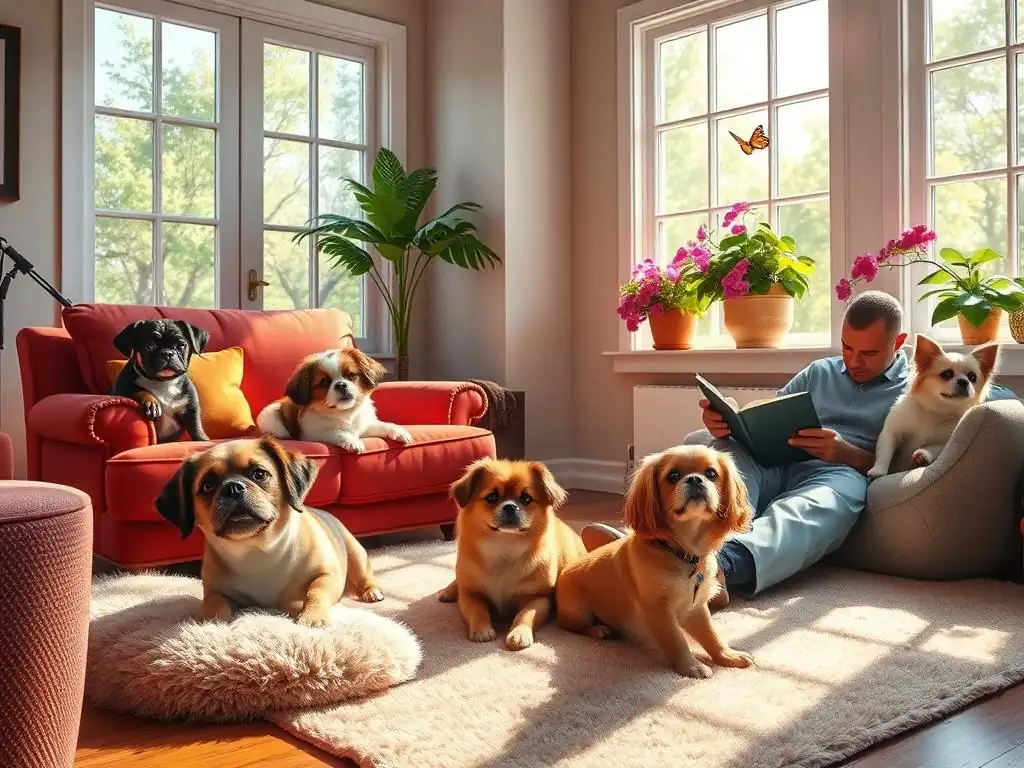
Welcome to PetCareWorld, your ultimate guide to a happier, healthier life with your beloved pets! Are you dreaming of adding a furry friend to your family, but overwhelmed by the choices? Discover the secrets to finding the perfect companion with our in-depth guide on Best small dog breed lifestyle. Uncover which tiny titan is the ideal match for your lifestyle—prepare to be surprised by the diversity and charm awaiting you!
- Understanding Your Lifestyle and Finding the Best Small Dog Breed for You
- Top Toy Breeds for Different Lifestyles: A Comparative Look
- Beyond Energy Levels: Key Considerations for Choosing a Small Dog Breed
- Finding Your Perfect Small Dog: Resources and Next Steps
-
Frequently Asked Questions
- What makes a dog breed suitable for a particular lifestyle?
- Are all small dogs low-maintenance?
- What are some popular small dog breeds suitable for apartment living?
- How can I determine if a small dog breed is good with children?
- Where can I find reliable information about different small dog breeds?
- Final Reflection: Finding Your Perfect Paw-rtner: A Lifelong Bond
- Unleash Your Perfect Playmate: Find Your Ideal Toy Breed!
Understanding Your Lifestyle and Finding the Best Small Dog Breed for You
Choosing the right dog breed is a deeply personal decision, a commitment that extends far beyond the initial excitement of bringing a furry friend home. For those considering a toy breed, the decision becomes even more nuanced, as these smaller companions come with their own unique set of needs and characteristics. This guide will help you navigate the world of toy breeds, matching your lifestyle and living situation with the perfect canine companion.
Finding the best small dog breed for your lifestyle involves a careful assessment of several key factors, ensuring a harmonious and fulfilling relationship for both you and your pet. This isn't just about finding a cute dog; it's about finding a lifelong friend who thrives in your environment and complements your daily routine. We'll explore crucial aspects like living space, activity levels, and family dynamics to help you make an informed decision that sets you and your future furry friend up for success.
Remember, responsible pet ownership starts with careful consideration and planning. Let's delve into the specifics to help you find the best small dog breed to fit your lifestyle.
Assessing Your Living Situation: Apartment Living vs. House with Yard
The size of your living space significantly impacts your choice of dog breed. Toy breeds, while small, still require adequate space to comfortably move, play, and rest. Apartment living presents unique challenges compared to a house with a yard.
- Apartment Living: If you live in an apartment, you'll need a breed that is relatively low-energy and doesn't require extensive outdoor exercise. Consider breeds known for their adaptability to smaller spaces and their quieter nature. Excessive barking can be a problem in apartment buildings, so research breeds known for being relatively quiet. Regular walks are still essential, but the overall exercise needs are typically less demanding than for larger breeds. Some suitable examples might include the Cavalier King Charles Spaniel or the Shih Tzu, but further research into specific breeds is crucial.
- House with Yard: A house with a yard offers more freedom and space for your dog. While many toy breeds are content with apartment living, a yard provides opportunities for more playtime and exploration. However, even with a yard, regular walks and playtime are still necessary for mental and physical stimulation. Breeds that enjoy a bit more activity, such as the Miniature Poodle or the Papillon, might thrive in this environment. It's important to remember that even a small dog needs secure fencing to prevent escapes.
Your Activity Level and the Ideal Toy Breed Companion
Your daily routine and activity level play a crucial role in selecting a suitable toy breed. Some toy breeds are more energetic than others, and a mismatch can lead to behavioral problems.
Consider these questions:
- How much time do you have for daily walks and playtime?
- Do you enjoy active hobbies, such as hiking or running, that you could potentially share with your dog?
- Are you generally a more sedentary or active person?
Matching your energy levels with your dog's ensures a happier and healthier life for both of you. A highly active individual might find a more energetic toy breed, such as a Miniature Schnauzer, a better fit. On the other hand, someone with a more relaxed lifestyle might prefer a calmer breed, such as a Maltese. Remember to factor in your dog’s need for mental stimulation as well; even less active breeds need engaging activities to prevent boredom and destructive behaviors.
Considering Your Family: Children, Other Pets, and Senior Citizens
Family dynamics are paramount when choosing a dog. Toy breeds vary in their temperament and tolerance towards children, other pets, and senior citizens.
- Children: Some toy breeds are known for their patience and gentleness with children, while others might be more suited to older, more responsible children. Breeds with a more delicate build might not be ideal for roughhousing. Thorough research into a breed’s temperament is essential before introducing a toy breed into a household with young children.
- Other Pets: If you already have pets, it's vital to consider how well the toy breed will integrate into your existing family dynamic. Careful introductions and supervised interactions are crucial to prevent conflicts. Some breeds are naturally more sociable than others.
- Senior Citizens: Toy breeds' smaller size and often lower energy levels can make them suitable companions for senior citizens. However, the need for regular grooming and potential health issues should be considered. A breed that is less demanding in terms of exercise might be a better fit for someone with limited mobility. Choosing a calm and affectionate breed is key to a successful companionship. 🐶
Top Toy Breeds for Different Lifestyles: A Comparative Look
This section delves into the diverse world of toy dog breeds, matching specific breeds to various lifestyles. Finding the best small dog breed for your lifestyle hinges on understanding the breed's energy levels, temperament, and grooming needs. We'll explore high-energy and low-energy breeds, highlighting their suitability for different activity levels and living situations.
Remember, adopting a pet is a significant commitment, requiring careful consideration of your own lifestyle and the dog's individual needs. This guide aims to help you make an informed decision, ensuring a harmonious and fulfilling relationship with your new furry friend. Choosing the right breed is crucial for a successful pet ownership experience, ensuring both you and your dog thrive.
High-Energy Toy Breeds: Best Small Dog for Active Owners
High-energy toy breeds require significant daily exercise and mental stimulation. Failing to provide this can lead to destructive behaviors and unhappiness. These breeds are perfect companions for active individuals or families who enjoy outdoor adventures.
Best Small Dog Breed for Running and Hiking
The Papillon, with its energetic nature and relatively small size, makes a fantastic running and hiking companion. Their stamina surprises many, and their playful disposition makes them eager participants in outdoor activities. However, remember to keep them safe on trails and avoid strenuous hikes in extreme weather. Similarly, the Chihuahua, despite their diminutive stature, can be surprisingly robust and enjoy brisk walks and shorter hikes.
Their spirited nature demands regular exercise to prevent boredom and behavioral issues. Proper training and socialization are crucial, ensuring they are well-behaved companions during outdoor adventures. Remember to always carry water and monitor your dog's condition during exercise, especially in warmer temperatures.
Best Small Dog Breed for Agility Training
Toy breeds renowned for their intelligence and agility excel in agility training. The Miniature Pinscher, for example, is known for its sharp mind and athleticism, making it a natural for agility courses. Their eagerness to please and quick learning ability make training a rewarding experience. Another excellent choice is the Silky Terrier, whose small size and boundless energy translate well to agility's challenges.
Their sleek coat requires minimal grooming, allowing more time for training sessions. Remember that consistent training, positive reinforcement, and patience are key to success in agility training with any breed. Start with basic obedience and gradually introduce more complex obstacles.
Low-Energy Toy Breeds: Best Small Dog for Relaxed Owners
Low-energy toy breeds are perfect for individuals with less active lifestyles or those living in smaller spaces. These breeds are generally content with shorter walks and plenty of indoor playtime. However, even low-energy dogs benefit from regular exercise to maintain physical and mental well-being.
Best Small Dog Breed for Apartment Living
Several toy breeds thrive in apartment settings. The Cavalier King Charles Spaniel, known for its gentle and affectionate nature, is well-suited to apartment living. Its relatively low-energy level and quiet demeanor make it a perfect companion for apartment dwellers. Another excellent choice is the Bichon Frise, whose playful yet calm personality adapts well to confined spaces.
Regular grooming is essential, helping to manage their fluffy coat. Consider the potential for barking – even quiet breeds can bark excessively if not properly trained. Provide plenty of enrichment activities, such as puzzle toys and interactive games, to keep your dog mentally stimulated in a smaller environment.
Best Small Dog Breed for Senior Citizens
For senior citizens seeking a low-maintenance companion, the Japanese Chin is an excellent choice. Their calm and affectionate nature makes them ideal companions, requiring minimal exercise while providing unwavering companionship. Similarly, the Yorkshire Terrier's small size and adaptability make them suitable for senior living, though their grooming needs are slightly higher.
Remember to consider the physical capabilities of the senior citizen when choosing a breed, ensuring the dog's weight and care requirements are manageable. Consider factors like grooming needs, potential health issues, and the senior's ability to handle potential accidents. A good veterinarian relationship is crucial to ensure the well-being of both the senior and their canine companion.
Toy Breeds with Moderate Energy Levels: A Balanced Approach
Toy breeds aren't always the high-energy bundles of fluff some people imagine. Many offer a delightful balance of playfulness and calm, making them ideal companions for various lifestyles. These breeds require regular exercise, but their needs are generally manageable for owners with busier schedules or less physical stamina. Instead of demanding hours of strenuous activity, they're often content with shorter, more frequent walks, interactive playtime in the house, and plenty of cuddles on the couch.
This moderate energy level translates to a lower risk of destructive behaviors stemming from pent-up energy, common in higher-energy breeds. Think of them as the Goldilocks of the canine world – not too energetic, not too lazy, just right! This makes them excellent apartment dogs, provided they receive sufficient mental and physical stimulation. Examples of breeds that fall into this category include Cavalier King Charles Spaniels, Bichon Frises, and Shih Tzus.
Their gentle nature and adaptability make them suitable for a range of living situations, from city apartments to suburban homes with yards. Remember, even moderate-energy dogs need daily exercise to stay healthy and happy; it's about finding the right balance of activity that suits both the dog and the owner. A tired toy breed is a happy toy breed, and a happy toy breed is a well-behaved toy breed. This is a key factor when considering the "best small dog breed lifestyle" match.
Best Small Dog Breed for Families with Young Children
Choosing a small dog for a family with young children requires careful consideration. While many toy breeds are affectionate and playful, their small size makes them vulnerable to accidental injury from enthusiastic children. Therefore, selecting a breed known for its patience, tolerance, and gentle temperament is crucial. Breeds like the Cavalier King Charles Spaniel often top the list. Their sweet disposition and calm nature make them incredibly tolerant of boisterous children.
However, even with a naturally patient breed, supervision is paramount. Children need to be taught how to interact gently with their canine companion, understanding the importance of avoiding rough play that could hurt the dog. Regular training sessions for both the child and the dog can reinforce positive interactions and build a strong bond. It's vital to remember that no dog is perfectly suited to every family situation. A dog's personality is as individual as a human's, so observing the dog's behavior and temperament before bringing it home is essential.
A meet-and-greet with potential family members is highly recommended. The ultimate goal is to find a dog whose personality complements the family's lifestyle and provides years of companionship and joy for everyone involved. The "best small dog breed lifestyle" for a family with young children is one where the dog's gentle nature and the family's understanding create a harmonious and safe environment. Consider factors like the children's ages and maturity levels when making your decision. A well-trained, patient dog, combined with responsible parenting, can create a beautiful and enriching experience for all.
Beyond Energy Levels: Key Considerations for Choosing a Small Dog Breed

Choosing the "best small dog breed lifestyle" isn't solely about energy levels; it's about finding a breed that truly complements your lifestyle, personality, and living situation. While energy levels are crucial, factors like grooming needs, potential health concerns, and trainability significantly influence your experience with a toy breed. This section delves into these vital aspects beyond the typical "high-energy" vs. "low-energy" categorization. Understanding these nuances will help you make an informed decision and ensure a harmonious relationship with your furry companion.
Grooming Needs of Popular Small Dog Breeds
Grooming requirements vary drastically among toy breeds. Some require minimal upkeep, while others demand significant time and effort. Failing to account for this can lead to frustration and potentially neglect.
Consider these examples:
- Low-Shedding Breeds (Minimal Grooming): The Shih Tzu, while needing regular brushing to prevent matting, sheds minimally compared to other breeds. A weekly brushing session usually suffices. However, regular professional grooming is recommended to maintain their luxurious coat.
- Moderate-Shedding Breeds (Moderate Grooming): The Bichon Frise requires regular brushing (2-3 times a week) to prevent matting and control shedding. Occasional professional grooming is beneficial for maintaining their fluffy coat.
- High-Shedding Breeds (High Grooming): While many toy breeds are known for low shedding, some like the Miniature Poodle, despite their curly coat, shed minimally, but require regular professional grooming to keep their coat in top condition. Regular brushing at home is also essential.
| Breed | Shedding Level | Grooming Frequency | Professional Grooming |
|---|---|---|---|
| Shih Tzu | Low | Weekly brushing | Recommended |
| Bichon Frise | Moderate | 2-3 times a week | Beneficial |
| Miniature Poodle | Minimal | Regular brushing | Essential |
| Cavalier King Charles Spaniel | Moderate | Weekly brushing | Recommended |
Remember, even low-shedding breeds require regular brushing to prevent matting and keep their coat healthy. This is crucial for preventing skin issues and maintaining their overall well-being. Failing to brush regularly, even in low-shedding breeds, can lead to painful mats requiring professional removal. 🐾
Health Concerns and Lifespan of Toy Breeds
Toy breeds, while undeniably adorable, are predisposed to certain health issues. Understanding these potential concerns is crucial for responsible pet ownership. Proactive measures, such as choosing a reputable breeder and providing optimal care, can help mitigate some risks.
Some common health concerns include:
- Patellar Luxation: This is a common issue where the kneecap dislocates. Smaller breeds are particularly susceptible due to their smaller joint structure. Symptoms range from mild limping to severe lameness.
- Hypoglycemia: Low blood sugar is a risk in small breeds, especially puppies. Regular feeding and monitoring are crucial.
- Dental Issues: Small breeds are prone to dental problems due to their small mouths and crowded teeth. Regular dental care, including professional cleanings, is essential.
- Tracheal Collapse: This condition affects the trachea, causing breathing difficulties. It's more prevalent in small breeds with long necks.
The lifespan of toy breeds generally ranges from 10 to 15 years, although certain breeds may live longer or shorter depending on genetics and overall health. Early detection and management of health issues are vital to ensuring your toy breed enjoys a long and healthy life. Regular veterinary check-ups are paramount.
Training Considerations for Small Dog Breeds
Training a small dog breed requires patience, consistency, and a positive reinforcement approach. While their size might make them seem delicate, they are still capable of learning and responding well to training. However, their small size also presents unique challenges.
- Consistency is Key: Small dogs can be easily distracted, so consistency in training is critical. Short, frequent training sessions are more effective than long, infrequent ones.
- Positive Reinforcement: Reward-based training methods work best. Use treats, praise, and toys to reinforce desired behaviors. Avoid harsh punishments, which can be detrimental to their confidence.
- Socialization: Early socialization is vital to help your small dog become well-adjusted and comfortable around other dogs and people.
- House Training Challenges: Their small bladders mean more frequent potty breaks are required. Be prepared for more frequent accidents, especially during housebreaking.
Remember, selecting the right toy breed involves careful consideration of various factors extending beyond just energy levels. Understanding their grooming needs, potential health concerns, and specific training requirements will help you find the perfect small dog breed to enrich your lifestyle. Choosing wisely ensures a happy and healthy life for both you and your new companion. 🐶
Finding Your Perfect Small Dog: Resources and Next Steps
Choosing the best small dog breed for your lifestyle is a significant decision. It's not just about finding a cute face; it's about finding a canine companion whose temperament, grooming needs, and activity levels align perfectly with your daily routine and living situation. This section provides resources and next steps to help you finalize your choice and welcome your new furry friend into your home. Remember, responsible pet ownership involves thorough research and commitment.
Adopting a Toy Breed: Finding a Rescue or Shelter
Adopting a toy breed from a rescue or shelter offers numerous advantages. You're giving a deserving dog a second chance at a loving home, and you'll likely find a wonderful companion at a lower cost than purchasing a puppy. However, it's crucial to approach the adoption process with realistic expectations. While many toy breeds end up in shelters due to unforeseen circumstances, some may have underlying behavioral or health issues.
Before you begin your search, consider the following:
- Specific breed preferences: While you might have a breed in mind, be open to exploring similar breeds. Rescues often have a mix of breeds and may have a dog perfectly suited to your lifestyle, even if it isn't your initial top choice.
- Age and energy levels: An older, calmer dog might be a better fit for a less active lifestyle than a playful puppy. Assess your daily routine and energy levels honestly.
- Adoption process: Understand the adoption process of your chosen rescue or shelter. Many require applications, home visits, and meet-and-greets to ensure a good match.
Remember to be patient. Finding the right dog takes time. Don't rush the process. Thorough research and careful consideration will lead to a rewarding companionship. Many rescues specialize in specific breeds or sizes, making your search more focused and efficient. Look for reputable organizations with transparent adoption policies and a commitment to the well-being of their animals.
Purchasing a Toy Breed Puppy from a Reputable Breeder
Purchasing a puppy from a reputable breeder offers the advantage of knowing the puppy's lineage and health history. Responsible breeders prioritize the health and temperament of their dogs, performing health screenings and ensuring proper socialization. However, finding a good breeder requires diligent research and due diligence.
Here are some key aspects to consider when selecting a breeder:
- Health testing: Reputable breeders conduct health tests on their breeding dogs to screen for genetic diseases common in toy breeds. Ask about hip dysplasia, patellar luxation, and other breed-specific concerns.
- Socialization: Well-socialized puppies are confident and adaptable. Inquire about the breeder's socialization practices, ensuring the puppies have had appropriate exposure to people, other dogs, and different environments.
- Breeding practices: A responsible breeder will not overbreed their dogs and will prioritize the health and well-being of their animals above profit. Avoid breeders who seem solely focused on quantity over quality.
- Contract and guarantees: A reputable breeder will provide a contract outlining health guarantees and responsibilities. Review the contract carefully before making a purchase.
Choosing between adopting and purchasing from a breeder is a personal decision. Both options can lead to a wonderful companionship with a healthy and happy toy breed dog. The most important factor is to prioritize responsible pet ownership and find a dog that truly fits your lifestyle and living situation. Remember that owning a pet is a long-term commitment, requiring time, patience, and resources. A well-informed decision will ensure a harmonious relationship for years to come. 🎉
Frequently Asked Questions
What makes a dog breed suitable for a particular lifestyle?
The best small dog breed for you depends on your lifestyle's activity level, living space, and personal preferences. Consider factors like grooming needs, exercise requirements, and tolerance for children or other pets.
Are all small dogs low-maintenance?
No, small dog breeds vary greatly in their needs. Some require significant grooming, while others are more independent. Research individual breeds to find one that aligns with your available time and resources.
What are some popular small dog breeds suitable for apartment living?
Many small breeds thrive in apartments, including Cavalier King Charles Spaniels, Bichon Frises, and Greyhounds. These breeds are generally adaptable and don't need excessive exercise.
How can I determine if a small dog breed is good with children?
Some small breeds are naturally more tolerant of children than others. Look for breeds known for their patient and gentle temperaments. Always supervise interactions between children and pets.
Where can I find reliable information about different small dog breeds?
PetCareWorld is a great place to start! We offer in-depth guides on various small dog breeds, covering their temperaments, health needs, and exercise requirements, helping you make an informed decision.
Final Reflection: Finding Your Perfect Paw-rtner: A Lifelong Bond
Choosing the right small dog breed is not merely about finding a cute companion; it's about forging a lifelong partnership built on mutual understanding and respect. The decisions you make today, from breed selection to training methods, directly impact the quality of life for both you and your furry friend. This careful consideration ensures a harmonious relationship that enriches both your lives for years to come.
The impact of responsible pet ownership extends far beyond the individual pet and owner. It shapes our communities, influencing how we interact with animals and each other. The bond we share with our canine companions teaches us patience, responsibility, and unconditional love. A dog is the only thing on earth that loves you more than he loves himself.
– Josh Billings. This simple yet profound statement encapsulates the transformative power of the human-animal bond, a power we must nurture and protect through informed choices.
Now, consider your own lifestyle. Reflect on your daily routine, your living space, your activity levels, and your personal preferences. Do you envision long hikes in the mountains or cozy evenings curled up on the couch? The answers to these questions will guide you towards the perfect small dog breed to match your unique needs and personality.
Don't just choose a dog; choose a partner, a friend, a member of your family. The journey of finding the perfect paw-rtner begins with thoughtful consideration and continues with unwavering dedication. Embrace the responsibility, and you'll be rewarded with a love that transcends words.
Unleash Your Perfect Playmate: Find Your Ideal Toy Breed!
Thank you for exploring the world of toy dog breeds with us! We hope you now have a better understanding of which playful pup might be the perfect fit for your lifestyle. Ready to take the next step?
- Start your breed research now! Use what you've learned to research specific breeds that interest you. Consider factors like grooming needs, energy levels, and potential health concerns. Don't forget to check out reputable breeders in your area.
- Share your top choices! Let us know which toy breeds are now on your shortlist in the comments below. We love hearing from our community, and sharing your findings helps other readers discover their perfect companion.
- Consider volunteering at a local animal shelter. You can meet adorable dogs, learn more about responsible pet ownership, and might even find your new best friend!
Ready to find your furry soulmate? Which breed's playful personality and unique needs best suit your lifestyle and living space?