
Lost and Found: How Microchipping Reunites You With Your Beloved Pet


Welcome to PetCareWorld, your ultimate guide to a happier, healthier life for your beloved companion! Are you prepared for the heartbreak of a lost pet? Discover how a simple pet microchip can be the key to a swift and joyous reunion in our in-depth article, "Lost and Found: How Microchipping Reunites You With Your Beloved Pet." Learn the vital steps to ensure your furry, feathered, or scaled friend always finds their way home. Explore the world of responsible pet ownership and unlock the secrets to a lifetime of cherished moments.
- The Importance of Pet Microchipping for Lost Pet Reunion
- Choosing the Right Pet Microchip and Implantation Process
- Registering Your Pet's Microchip for a Successful Reunion
- What to Do if Your Pet Goes Missing: A Step-by-Step Action Plan
- The Role of Microchipping in Long-Term Pet Security and Well-being
- Addressing Common Concerns and Misconceptions About Microchipping
- Frequently Asked Questions
- Final Reflection: The Enduring Bond, Reforged Through Technology
- Unlock Your Pet's Safe Return: Take Action Today!
The Importance of Pet Microchipping for Lost Pet Reunion
Losing a beloved pet is a devastating experience. The frantic search, the sleepless nights, the agonizing uncertainty – these are feelings no pet owner wants to endure. While responsible pet ownership involves many facets, ensuring your pet's safe return in case of loss is paramount.
This article delves into the crucial role of microchipping in reuniting lost pets with their owners, highlighting its effectiveness compared to other identification methods and providing a clear understanding of the technology behind this life-saving procedure. We’ll explore the stark statistics surrounding lost pets and demonstrate how microchipping significantly increases the chances of a successful reunion, ultimately emphasizing its importance as a responsible pet ownership practice for preventing the heartbreak of permanent separation from your furry, feathered, or scaled companion.
The emotional toll of a lost pet is immeasurable; microchipping offers a tangible step towards mitigating this risk and fostering a stronger bond between you and your animal friend. Let's explore how this simple procedure can make a world of difference.
Understanding Pet Microchip Technology and its Role in Recovery
A pet microchip is a tiny, passive transponder, about the size of a grain of rice 💉, implanted under your pet's skin, usually between their shoulder blades. It contains a unique identification number linked to your contact information in a central database. Unlike GPS trackers, which require batteries and can malfunction, microchips are passive devices; they don't emit signals unless scanned. When a lost pet is found, animal shelters and veterinary clinics use special scanners to read the microchip's number. This number is then entered into a database (like the ones run by various pet registration services), which reveals the owner's contact information, facilitating a swift and joyful reunion 🎉. The process is relatively quick and painless for your pet, performed by a veterinarian during a routine visit or as a standalone procedure. The microchip itself is biocompatible and causes minimal discomfort. It’s a small investment with potentially life-changing results.
Statistics on Lost Pets and the Effectiveness of Microchipping
The sheer number of pets lost each year is alarming. [Specific data on lost pets per year pending] Many of these pets may never be reunited with their owners. However, studies consistently show a dramatic increase in successful reunions when microchipping is involved. While [Specific percentage of reunited microchipped pets pending] of microchipped pets are successfully returned to their owners, the percentage for those without microchips is significantly lower at [Specific percentage of reunited non-microchipped pets pending].
This stark difference underscores the critical role microchipping plays in lost pet recovery. The numbers speak for themselves: microchipping is not just a good idea; it's a vital measure to protect your pet. Consider the peace of mind knowing that if your pet ever wanders off, their chances of returning home are significantly higher thanks to this simple yet powerful technology.
While pet tags offer a readily visible form of identification, they are prone to falling off, becoming illegible, or simply being overlooked. A microchip, on the other hand, provides permanent identification embedded within your pet. Think of it this way: a pet tag is a temporary solution; a microchip is a long-term commitment to your pet's safety.
| Feature | Pet Tag | Microchip |
|---|---|---|
| Visibility | High (if attached) | None (requires scanner) |
| Durability | Prone to damage and loss | Permanent, unless surgically removed |
| Information | Limited space for contact information | Unlimited information in database |
| Reliability | Can be lost or become unreadable | Highly reliable, barring scanner malfunction |
| Cost | Relatively inexpensive | More expensive initially, but long-term benefit is greater |
While both methods are beneficial and can be used in conjunction, the reliability and permanence of a microchip significantly outweigh the limitations of a pet tag, making it the superior choice for ensuring your pet's safe return. The combination of a microchip and a collar with identification tags provides the best possible protection. Don't leave your pet's safety to chance – choose the most effective method available.
Choosing the Right Pet Microchip and Implantation Process

Selecting the right pet microchip is crucial for ensuring a successful lost pet reunion. While many microchips function similarly, understanding the nuances can significantly improve your chances of recovery should your pet ever go missing. The most important factor to consider is compliance with international standards. Look for ISO 11784 and ISO 11785 compliant microchips. These standards ensure compatibility with scanners worldwide, maximizing the likelihood of your pet being identified. This is especially important if you travel internationally or if your pet becomes lost in a different region.
Another important consideration is the manufacturer's reputation. Established manufacturers typically offer better tracking and customer support services. Research different brands and check reviews to ensure they have a history of reliable performance and a responsive customer service team. Reading online reviews can provide valuable insights into the reliability and longevity of various microchip brands.
Selecting a Reputable Veterinarian for Microchip Implantation
The implantation process itself is relatively straightforward, but choosing the right veterinarian is paramount. A skilled veterinarian will ensure the procedure is performed safely and effectively, minimizing any discomfort for your pet. Look for a veterinarian with experience in microchipping various animal species. If you have an exotic pet, confirm that your chosen vet has experience with that specific animal type, as procedures may vary.
Ask about their post-implantation care protocols. A reputable vet will provide clear instructions on monitoring your pet for any potential complications. Inquire about their scanner capabilities. Ensure they have a scanner on-site to verify successful implantation immediately after the procedure. This allows for immediate confirmation and addresses any potential issues promptly. Don't hesitate to ask for references or check online reviews to gauge other pet owners' experiences.
The Procedure: A Step-by-Step Guide to Pet Microchipping
The microchip implantation procedure is generally quick and minimally invasive. Your veterinarian will likely follow these steps:
- Preparation: Your pet will be examined briefly to ensure it is healthy enough for the procedure. They may be given a mild sedative, especially if they are anxious or nervous. Smaller animals often don't require sedation.
- Injection Site: The microchip is typically injected subcutaneously (under the skin) between the shoulder blades. This location minimizes the risk of complications and makes it easy to scan.
- Injection: Using a needle, the veterinarian injects the microchip. The process is similar to a routine vaccination.
- Scan Confirmation: Immediately after the injection, the veterinarian will use a scanner to verify the microchip's presence and correct functioning. This ensures the chip is properly positioned and readable.
- Registration: The most crucial step! After successful implantation, you'll need to register your pet's microchip information with the manufacturer's database. This involves providing details about your pet and your contact information. Failure to register renders the microchip useless in a lost pet scenario. This registration is often done online or through a paper form provided by the vet.
Post-Implantation Care and Monitoring for Your Pet
After the microchip implantation, minimal aftercare is usually required. Monitor the injection site for any signs of swelling, redness, or infection. While rare, complications can occur. Contact your veterinarian immediately if you notice any unusual symptoms such as excessive licking, swelling larger than a pea, discharge, or persistent pain at the injection site. These could be signs of an infection or an adverse reaction.
Ensure the injection site remains clean and dry. Avoid excessive scrubbing or applying any topical medications without consulting your veterinarian. Most pets show no discomfort after the procedure, returning to their normal activities within hours.
However, providing a quiet and comfortable environment for a few hours after the procedure can help ease any potential minor discomfort. Remember, regular checkups with your veterinarian are essential for your pet's overall health and wellness, and this provides an opportunity to also verify the microchip is still functioning correctly. The successful use of a pet microchip in a lost pet reunion depends largely on proper registration and ongoing vigilance.
Registering Your Pet's Microchip for a Successful Reunion

Microchipping your pet is a crucial step in responsible pet ownership, significantly increasing the chances of a happy reunion if your furry friend ever goes missing. However, the microchip itself is only half the equation. The critical component for a successful "pet microchip lost pet reunion" lies in the accuracy and up-to-date nature of your pet's registration information. Without proper registration, that tiny chip becomes essentially useless. Think of it like this: the microchip is the address label, but the registration is the detailed contact information needed to deliver the package (your pet!) safely home.
Importance of Accurate Registration Information and Updates
Accurate registration details are paramount. This means ensuring that the information associated with your pet's microchip is completely correct and consistently updated. Even a seemingly minor detail, like an outdated phone number or incorrect address, can significantly hinder the reunification process. Imagine your pet being found, scanned, and the shelter contacting an old number – a missed opportunity for a swift reunion. 💔
Here's a breakdown of the essential information to keep accurate:
- Owner's Name: Full legal name, as it appears on official documents.
- Address: Complete and current address, including apartment number if applicable.
- Phone Number(s): Include both home and cell phone numbers. Consider adding an emergency contact number as well.
- Email Address: A reliable email address that you check frequently.
- Pet's Name: Your pet's name, as you have registered it.
- Pet's Breed and Description: Providing a detailed physical description (color, markings, etc.) can aid in identification.
Regularly reviewing and updating your pet's microchip registration is crucial. Life changes – moves, new phone numbers, even changes in email addresses – happen frequently. Make it a habit to check your registration details at least annually, or even more often if you experience significant life changes. Many registration services send reminders, but it's always best to be proactive.
Multiple Registration Options and Databases to Consider
Several companies and organizations manage pet microchip databases. It's not uncommon for a microchip to be registered with multiple services, especially if your pet's microchip was implanted by a different vet or animal shelter than where it was originally registered. This redundancy increases the likelihood of a successful scan and subsequent contact.
Consider the following:
- Manufacturer-Specific Databases: Some microchip manufacturers maintain their own databases. Verify with your vet or the microchip manufacturer to determine which database your pet's chip is registered with.
- Universal Databases: Some organizations act as central repositories for microchip information, consolidating data from multiple manufacturers. These can significantly improve your chances of being contacted if your pet is found.
- Individual Shelter and Veterinary Databases: Many local animal shelters and veterinary clinics maintain their own databases. Registering your pet with these local databases adds another layer of security.
It's advisable to register your pet's microchip with multiple databases to maximize the chances of a speedy reunion. Think of it as a multi-pronged approach to ensure your contact information is widely available. This proactive strategy significantly improves your pet’s odds of coming home safely.
What Happens When Your Pet is Found and Scanned?
When a lost pet is found, animal shelters, veterinary clinics, and animal control officers typically use a handheld scanner to check for a microchip. If a chip is detected, the unique identification number is revealed. This number is then entered into a database to retrieve the registered owner's contact information.
The process can vary slightly depending on the organization and database used, but generally involves:
- Scanning: A quick scan with a handheld scanner reveals the microchip's unique ID number.
- Database Search: The ID number is entered into a database (or multiple databases) to locate the registered owner's contact information.
- Contacting the Owner: The shelter or organization attempts to contact the owner via phone, email, or other methods listed in the registration.
The speed and efficiency of this process are directly related to the accuracy and completeness of your pet's microchip registration information. A well-maintained registration dramatically increases the chances of a swift and joyous reunion. Remember, a registered microchip is your pet's best chance of coming home. Don't let outdated information stand between you and your beloved companion. 🏡🐕🐈
What to Do if Your Pet Goes Missing: A Step-by-Step Action Plan

Losing a pet is a devastating experience. Panic can cloud judgment, but a swift and organized response significantly increases the chances of a successful reunion. This section outlines a crucial action plan, emphasizing the importance of immediate action and leveraging available resources for Pet microchip lost pet reunion.
Immediate Steps to Take After Realizing Your Pet is Lost
The first few hours are critical. Don't waste time! Immediately begin the following:
- Search thoroughly: Start your search immediately in your immediate vicinity. Check under bushes, sheds, garages, and other places your pet might hide. Call your pet's name calmly but persistently.
- Notify your neighbors: Inform your neighbors and anyone in the immediate area that your pet is missing. Provide a clear description, including breed, color, age, and any distinguishing features. Consider offering a reward.
- Check your property: Conduct a thorough search of your entire property, including any fences or gates that might have been compromised. Look for signs of injury or struggle.
- File a lost pet report: Report your pet missing to your local animal shelter, animal control, and any relevant pet recovery services in your area. Provide a detailed description, including photos if possible. This is crucial for Pet microchip lost pet reunion efforts.
- Begin the microchip check: If your pet is microchipped, immediately contact the microchip registry to report your pet as lost and update your contact information. This is the cornerstone of a successful Pet microchip lost pet reunion.
Remember, the more information you provide, the better the chances of finding your pet. Include details like any special needs, medications, and temperament. A recent photo can make a huge difference.
The digital age offers powerful tools for finding lost pets. Leveraging online resources and social media can significantly expand your search radius:
- Lost pet websites and apps: Numerous websites and apps are dedicated to reuniting lost pets with their owners. Post detailed information, including multiple high-quality photos, a thorough description, and your contact information. Many of these platforms are specifically designed for Pet microchip lost pet reunion scenarios.
- Social media: Utilize platforms like Facebook, Nextdoor, and other local community groups to spread the word. Share photos and detailed descriptions, and ask your friends and family to share your posts. Consider offering a reward to incentivize sharing and encourage people to keep an eye out.
- Online pet forums: Engage with online pet communities and forums relevant to your pet's breed or type. These communities often have active members willing to assist in searches.
- Geo-tagging your posts: If you have a general idea of where your pet was last seen, geo-tag your social media posts to reach people in that specific area. This increases the likelihood of local sightings.
Remember to regularly update your posts with any new information.
Working with Local Shelters, Veterinarians, and Animal Control
Local shelters, veterinarians, and animal control are vital partners in the search for a lost pet. Maintaining consistent contact is crucial:
- Regular check-ins: Call your local animal shelter and animal control daily to check for any pets matching your description. Provide them with updated information and photos.
- Veterinarian visits: If your pet has a regular veterinarian, inform them immediately. They can alert you to any found pets matching your description. Many veterinarians scan found pets for microchips as part of their intake process. This is a key component of Pet microchip lost pet reunion.
- Collaboration: Work closely with animal control officers and shelter staff. They might have access to resources and information you don't. Provide them with all relevant details and photos.
- Offer reward posters: Consider placing reward posters at local veterinary clinics, pet stores, and other relevant locations. Include a clear photo and contact information. Highlight the presence of a microchip to increase the chances of a swift Pet microchip lost pet reunion.
Remember, persistence and proactive engagement with these resources significantly improve your chances of bringing your beloved pet home safely. The use of a microchip is a critical component of this process, acting as a vital link in the Pet microchip lost pet reunion chain.
The Role of Microchipping in Long-Term Pet Security and Well-being
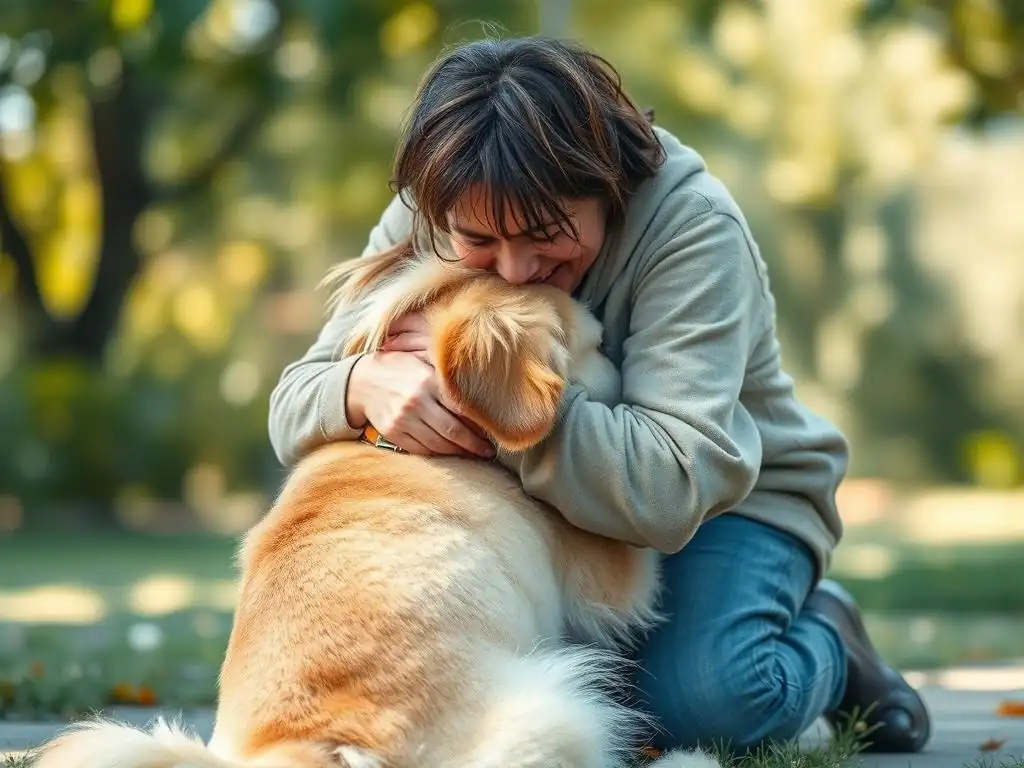
Microchipping your pet offers a crucial layer of protection extending far beyond the immediate concerns of a lost pet reunion. It's a foundational element of responsible pet ownership, contributing significantly to your pet's long-term security and well-being. Think of it as a permanent identification tag, invisible yet powerful, working 24/7 to safeguard your companion.
Unlike collars, which can break or be removed, a microchip remains with your pet for life, providing a constant link between them and you, even in the face of unforeseen circumstances. This long-term security translates to peace of mind for pet owners, knowing that even if your pet wanders off, a simple scan can quickly reunite you. The investment in microchipping provides a lasting benefit, significantly increasing the chances of a successful pet microchip lost pet reunion.
Preventing Pet Theft: Microchipping as a Deterrent
While not a foolproof method, microchipping acts as a significant deterrent to pet theft. Would-be thieves are less likely to target a microchipped animal, understanding the increased risk of identification and return to the rightful owner. The presence of a microchip adds an extra layer of complexity to the process of selling or rehoming a stolen pet, making the crime less attractive. Data suggests a correlation between increased microchipping rates in a given area and a decrease in reported pet thefts.
[Specific data on correlation between microchipping rates and pet theft pending]. The knowledge that your pet is microchipped offers a valuable sense of security, knowing that even if theft occurs, the chances of recovery are substantially higher. This proactive measure contributes to the overall well-being of your pet, safeguarding them from the trauma and potential dangers associated with theft.
Microchipping and Responsible Pet Ownership: A Holistic Approach
Microchipping is not an isolated act but an integral part of comprehensive responsible pet ownership. It works in conjunction with other preventative measures, such as proper identification tags, regular veterinary check-ups, and responsible training to minimize the risk of your pet getting lost. Consider it a keystone in a broader strategy for pet safety.
For instance, a lost pet wearing a collar with identification tags is more likely to be found quickly; however, if the collar is lost or removed, the microchip acts as a crucial backup. This holistic approach minimizes risks and maximizes the likelihood of a successful pet microchip lost pet reunion. Responsible pet owners understand that a combination of preventative measures, including microchipping, provides the best protection and contributes to a happier, safer life for their beloved companions.
The integration of microchipping into your overall pet care routine underscores your commitment to their well-being and showcases your role as a responsible pet owner. It's a small investment with potentially life-changing consequences. The peace of mind it provides is invaluable.
Addressing Common Concerns and Misconceptions About Microchipping
Pet owners often hesitate to microchip their beloved companions due to unfounded fears and misconceptions. Understanding these concerns and dispelling the myths surrounding pet microchipping is crucial for promoting responsible pet ownership and maximizing the chances of a successful pet microchip lost pet reunion. Let's address some of the most prevalent anxieties.
Debunking Myths about Microchip Migration and Side Effects
One of the most common concerns revolves around microchip migration and potential side effects. Many believe the microchip can move within the pet's body, rendering it ineffective. While it's true that rare instances of migration have been reported, these are usually minor and don't significantly impact the chip's functionality. The microchip is injected under the skin, typically between the shoulder blades, and is designed to remain relatively stationary. Any movement is usually minimal and doesn't impede the scanner's ability to detect the chip.
Furthermore, the myth that microchips cause adverse health effects is completely unfounded. Microchips used for pet identification are made of biocompatible materials, meaning they are designed not to cause allergic reactions or other health problems. Extensive research has shown no evidence of negative health consequences associated with microchipping. In fact, the benefits of having a microchip far outweigh any perceived risks. The peace of mind knowing your pet can be identified and returned to you quickly in case of loss is invaluable.
The small size of the microchip (about the size of a grain of rice) minimizes any discomfort during implantation. Most pets experience only a brief, mild sting similar to a vaccination. Post-injection, there are typically no noticeable side effects. Any minor swelling or redness usually subsides within a day or two.
Addressing Cost Concerns and Financial Assistance Programs
The cost of microchipping can be a barrier for some pet owners. While the upfront cost is a factor, it's important to weigh it against the potential costs of losing your pet and the subsequent search efforts. The expense of lost pet posters, veterinarian visits, and the emotional distress associated with a lost pet can significantly exceed the cost of a microchip. Think of microchipping as a preventative investment in your pet's safety and your peace of mind. The potential for a pet microchip lost pet reunion makes the initial cost a worthwhile expense.
Fortunately, several organizations and veterinary clinics offer financial assistance programs to help pet owners offset the cost of microchipping. These programs often target low-income families or specific breeds at risk of getting lost. It's worth researching local and national programs to see if you qualify for any financial assistance. Many animal shelters and rescue organizations also participate in affordable microchipping events.
These events often offer reduced prices or even free microchipping services. Check with your local animal shelter or veterinary clinic to find out about these opportunities. Remember, a small investment in a microchip can lead to a priceless reunion with your beloved pet.
Frequently Asked Questions
What is a pet microchip, and how does it work?
A pet microchip is a tiny transponder about the size of a grain of rice, implanted under your pet's skin. It contains a unique identification number linked to your contact information in a pet microchip database. When scanned by a vet or animal shelter, the number is retrieved, leading to a reunion.
How can a microchip help if my pet is lost?
If your lost pet is found by someone, a vet or animal shelter can scan for a microchip. This instantly provides your contact information, greatly increasing the chances of a successful reunion. Without a microchip, finding your pet is significantly harder.
Is the microchip implantation procedure painful for my pet?
The procedure is quick and minimally invasive, similar to a vaccination. Your vet will use a needle to insert the microchip under the skin, usually between the shoulder blades. Most pets experience minimal discomfort, if any.
Are there different types of pet microchips?
While the core functionality is similar, there are variations in technology and databases. Some microchips are more widely recognized than others. It's crucial to register your pet's microchip information correctly in a major database to maximize the chances of a successful scan.
What should I do immediately if my pet goes missing?
Immediately report your pet missing to local animal shelters and vets. Contact your microchip company to ensure your contact information is up-to-date. Spread the word using social media and posters, and actively search your neighborhood.
Final Reflection: The Enduring Bond, Reforged Through Technology
The staggering number of lost pets reunited with their families each year is a testament to the power of microchipping; it's a simple act with life-altering consequences. This technology, once a niche offering, has become an indispensable tool in the fight against pet loss, transforming the landscape of animal welfare and offering a beacon of hope in moments of despair. The ease of implantation and the lasting impact it has on the human-animal bond are undeniable.
The emotional toll of losing a pet is immeasurable, a pain that resonates deeply within the human heart. The simple act of scanning a microchip, however, can bridge the gap between heartbreak and joyous reunion. A pet is not just a pet; it's a member of the family.
This sentiment perfectly captures the profound connection we share with our animal companions, a bond that microchipping helps to protect and preserve. The stories of reunification, filled with relief and overwhelming joy, are a powerful reminder of the importance of this seemingly small, yet incredibly significant, technology.
Consider, for a moment, the peace of mind that comes with knowing your beloved companion is protected. Imagine the relief of a quick scan, leading to a swift and happy reunion. This isn't just about technology; it's about responsibility, about proactively safeguarding the unbreakable bond you share with your pet. Take the step today. Microchip your pet. Give yourself, and your furry friend, the gift of peace of mind and the possibility of a happy ending.
Unlock Your Pet's Safe Return: Take Action Today!
Thank you for learning about the life-saving benefits of microchipping your pet. We hope this article has provided you with the information you need to protect your furry friend. Now, let's put that knowledge into action.
- Schedule your pet's microchipping appointment today. This is the most crucial step you can take to ensure a swift reunion if your pet ever goes missing.
- Share this article with other pet owners. Let's create a safer community for all animals! Even a small act of sharing can make a big difference.
- Familiarize yourself with local pet shelters and animal control facilities. Knowing their procedures can be invaluable in an emergency.
What steps will you take this week to protect your beloved companion?