
Beyond the Surgery: A Complete Guide to Declawing Alternatives for Cats

Welcome to PetCareWorld, your ultimate guide to a happier, healthier life for your beloved pets! Are you considering alternatives to declawing your cat? Our comprehensive Cat Declawing Alternatives Guide explores safe and effective solutions to protect your furniture without resorting to surgery. Discover humane methods and learn how to create a harmonious home environment for both you and your feline friend. Dive in and unlock the secrets to a scratch-free life, naturally!
- Understanding the Risks of Cat Declawing: Why Alternatives are Crucial
-
Exploring Effective Cat Scratching Alternatives: A Comprehensive Guide
- Soft Paws: Nail Caps and Their Effectiveness
- Providing Multiple Scratching Posts: Types, Materials, and Placement
- Training Your Cat to Use Scratching Posts: Positive Reinforcement Techniques
- Using Deterrents Effectively: Repellents and Training Aids
- Clipping Your Cat's Claws Regularly: A Step-by-Step Guide
- Addressing Underlying Behavioral Issues: Identifying and Treating Stress
- Choosing the Right Scratching Post: Materials and Placement for Success
-
Cat Scratching Behavior: Understanding the Root Causes
- Natural Instincts: Why Cats Scratch
- Territory Marking: Scent and Claws
- Stretching and Exercise: Physical Benefits of Scratching
- Stress and Anxiety: Identifying Scratching as a Behavioral Indicator
- Medical Conditions: Ruling Out Underlying Health Issues
- Environmental Factors: Assessing the Home Environment for Potential Triggers
- Preventing Destructive Scratching: Practical Solutions and Prevention
- Long-Term Management of Scratching Behavior: Ongoing Strategies
- Frequently Asked Questions
- Final Reflection: Rethinking Claws: A Path to Harmony Between Humans and Cats
- Unleash a Happier, Healthier Cat: Discover Humane Alternatives!
Understanding the Risks of Cat Declawing: Why Alternatives are Crucial
Declawing a cat, a procedure that involves the amputation of the last bone of each toe, is a controversial practice with significant ethical, physical, and behavioral implications for felines. While some owners might consider it a solution to scratching issues, a growing body of veterinary and animal welfare professionals strongly advocate against it. This comprehensive guide explores the significant risks associated with declawing and presents a range of humane and effective alternatives, empowering cat owners to make informed decisions that prioritize their cat's well-being.
We will delve into the physical pain, behavioral changes, and ethical considerations surrounding declawing, ultimately demonstrating why exploring and implementing alternatives is crucial for responsible cat ownership. This guide serves as your ultimate resource for navigating the complexities of this issue and finding the best solution for both you and your beloved feline companion.
Choosing a humane alternative protects your cat's physical and mental health, solidifying your role as a responsible and caring pet owner. This article will help you navigate the best options for your cat, addressing the "Cat declawing alternatives guide" search term effectively.
The Physical Pain and Long-Term Health Consequences of Declawing
Declawing is not a simple nail trim; it's the surgical removal of the last bone of each toe. This amputation causes significant pain and can lead to a variety of long-term health problems. The procedure involves severing nerves and tendons, resulting in immediate post-operative discomfort and potential for chronic pain.
Cats rely on their claws for balance, climbing, and defense mechanisms. The removal of these crucial tools can lead to gait abnormalities, difficulty walking, and an increased risk of arthritis later in life. Furthermore, incomplete healing can result in infection, and the cat may develop compensatory behaviors that cause further injury to their paws.
Studies have shown a correlation between declawing and increased instances of litter box avoidance, potentially due to the pain associated with using the litter box after the procedure. The long-term consequences frequently outweigh any perceived benefits, highlighting the need for exploring alternative solutions. The severity of pain and long-term complications underscore the importance of seeking alternatives to this often unnecessary procedure.
Behavioral Changes After Declawing: Increased Aggression and Anxiety
The loss of their natural defense mechanism can significantly impact a cat's behavior. Declawing often leads to increased aggression and anxiety. Cats who are unable to defend themselves may become more fearful and reactive, leading to biting as a compensatory behavior. This can strain the human-animal bond and create challenging situations for both the cat and the owner.
Furthermore, the pain and discomfort associated with declawing can manifest as increased vocalization, hiding, and other signs of stress and anxiety. The inability to scratch, a natural and vital behavior for cats, can also lead to frustration and behavioral problems. These behavioral changes can be difficult to manage and may require extensive behavioral modification techniques, emphasizing the importance of preventing declawing in the first place. Understanding these potential behavioral issues is crucial for responsible pet ownership.
Ethical Considerations of Declawing: A Veterinarian's Perspective
Many veterinarians now consider declawing to be an unethical procedure, viewing it as a mutilating surgery that compromises the cat's natural physical and behavioral integrity. The American Veterinary Medical Association (AVMA) discourages declawing except in cases of severe medical necessity, such as treating a severe injury or infection. The AVMA's stance reflects the growing consensus within the veterinary community that alternatives should always be explored before resorting to this drastic measure.
From a veterinary perspective, the procedure is viewed as unnecessary in most cases, especially considering the availability of effective alternatives. Many ethical veterinarians refuse to perform the procedure, emphasizing the importance of responsible pet ownership and prioritizing the cat's well-being above convenience. The ethical considerations surrounding declawing are paramount and should be at the forefront of any decision-making process.
Exploring Effective Cat Scratching Alternatives: A Comprehensive Guide
This section delves into practical, humane alternatives to declawing, focusing on methods that address the root cause of destructive scratching: a cat's natural instinct to scratch. We will explore various strategies to redirect this behavior, ensuring both your furniture and your feline friend remain happy and healthy. Understanding your cat's scratching needs is crucial for choosing the right solution and implementing effective training techniques. This guide provides a detailed exploration of effective cat scratching alternatives, offering a roadmap to harmonious co-existence with your feline companion.
Soft Paws: Nail Caps and Their Effectiveness
Soft Paws are vinyl nail caps that are glued over a cat's claws. They are a relatively quick and non-invasive method to reduce scratching damage. While they don't eliminate scratching entirely, they significantly lessen the impact of claws on furniture.
The effectiveness of Soft Paws depends on several factors. Firstly, proper application is critical. Improper application can lead to the caps falling off prematurely, reducing their efficacy. Secondly, regular replacement is necessary, typically every 4-6 weeks, as the cat's claws grow. Consistent monitoring and timely replacement are essential for maintaining their protective function. Finally, the cat's personality plays a role; some cats tolerate the application process better than others.
While generally considered safe, some cats may experience temporary discomfort or irritation during application. It's essential to monitor your cat for any signs of distress or allergic reactions. Additionally, some cats may attempt to remove the caps themselves, requiring more frequent replacements.
| Advantage | Disadvantage |
|---|---|
| Reduces scratching damage | Requires regular replacement and application |
| Relatively quick and easy | May not be suitable for all cats |
| Non-invasive procedure | Some cats may try to remove the caps themselves |
| Relatively inexpensive | May cause temporary discomfort or irritation |
| Available in various colors | Effectiveness depends on proper application and replacement |
Providing Multiple Scratching Posts: Types, Materials, and Placement
Offering a variety of scratching posts is key to successful redirection. Cats have preferences regarding post type, material, and placement. Providing diverse options increases the likelihood of finding one your cat will favor.
- Types: Consider offering a variety of scratching posts, including vertical posts, horizontal scratching boards, and even cardboard scratchers. Experiment with different heights and angles to cater to your cat's preferences. Some cats prefer to scratch vertically, while others prefer horizontal surfaces.
- Materials: Cats respond differently to various materials. Sisal, carpet, and cardboard are popular choices. Sisal is durable and provides good texture for claw maintenance. Carpet offers a softer scratching surface, while cardboard provides a readily replaceable option that many cats find appealing.
- Placement: Strategic placement is crucial. Place scratching posts near areas where your cat frequently scratches, such as furniture they like to climb on or near their favorite resting spots. Avoid placing scratching posts in high-traffic areas or places where your cat feels unsafe. Think about providing multiple posts strategically around the house.
Remember, consistency is key. If you provide multiple scratching posts and your cat still scratches furniture, it might be a sign of underlying behavioral issues that require professional intervention from a veterinary behaviorist.
Training Your Cat to Use Scratching Posts: Positive Reinforcement Techniques
Training your cat to use scratching posts effectively relies heavily on positive reinforcement. Punishment is ineffective and can damage your relationship with your cat. Instead, focus on rewarding desired behaviors.
Here's a step-by-step approach:
- Introduce the scratching post: Place the scratching post near a favorite scratching spot.
- Lure your cat: Gently guide your cat's paws onto the scratching post using a favorite toy or treat.
- Reward desired behavior: Immediately reward your cat with praise, treats, or a favorite toy when they scratch the post. Consistency is essential here.
- Make it appealing: Use catnip or spray the post with catnip spray to make it more attractive.
- Ignore unwanted behavior: If your cat scratches furniture, calmly redirect them to the scratching post. Do not punish them.
- Be patient: Training takes time and patience. Don't get discouraged if your cat doesn't immediately take to the scratching post. Continue with positive reinforcement, and eventually, they'll learn.
Remember, a combination of providing suitable scratching posts and employing positive reinforcement techniques provides the most effective solution for deterring unwanted scratching behaviors. Patience and consistency are key components in this process. 🎉
Using Deterrents Effectively: Repellents and Training Aids
Effective deterrents can significantly reduce unwanted scratching behavior in cats. These deterrents work by making scratching posts more appealing and undesirable surfaces less attractive. Commercial repellents, often containing citrus scents or bitter-tasting substances, can be applied to furniture to discourage scratching. However, it's crucial to choose pet-safe products, carefully following the manufacturer's instructions. Some cats are more sensitive to certain scents than others; what works for one cat might not work for another. Experimentation may be necessary to find the most effective repellent for your feline companion.
Beyond commercial repellents, several DIY options exist. Many cats dislike the texture of sticky tape or aluminum foil placed on furniture. These materials provide a tactile deterrent, making the surface unpleasant to scratch on. However, be mindful that these methods might damage your furniture over time. A more sustainable approach involves providing attractive alternatives. This means investing in scratching posts made of various materials, including sisal, cardboard, and carpet, to cater to your cat's preferences. Placement is key; ensure the scratching posts are conveniently located near the cat's favorite sleeping or playing areas.
Positive reinforcement training plays a vital role alongside deterrents. When you catch your cat scratching an appropriate surface, immediately reward them with praise, treats, or a favorite toy. This positive association strengthens the desired behavior. Conversely, ignoring unwanted scratching minimizes reinforcement of that behavior. Consistency is paramount; regular reinforcement, even for small successes, eventually redirects your cat away from inappropriate scratching. Remember, patience and persistence are key to success in training your cat.
Clipping Your Cat's Claws Regularly: A Step-by-Step Guide
Regular claw trimming is a crucial aspect of preventing excessive scratching. Overgrown claws can cause discomfort, leading your cat to scratch more frequently to alleviate the pressure. Trimming your cat's claws should be a routine part of their grooming, ideally every 1-2 weeks. However, the frequency depends on your cat’s individual growth rate.
Before you begin, gather the necessary supplies: a pair of sharp cat nail clippers (guillotine or scissor type), a styptic pencil (to stop bleeding if you accidentally cut the quick), and a few treats. Begin by gently holding your cat's paw, applying gentle pressure to encourage them to extend their claws. With the guillotine clippers, carefully trim only the sharp, hooked tip of the claw, avoiding the pink quick (the sensitive part containing blood vessels and nerves).
If you are using scissor clippers, hold the claw firmly and cut at a slight angle to avoid damaging the quick. If you accidentally cut the quick, apply styptic powder or a styptic pencil to the bleeding area to stop the bleeding quickly.
It's important to approach this task calmly and patiently. Many cats initially resist claw trimming, but with consistent positive reinforcement and gentle handling, they can become accustomed to the procedure. Reward your cat with treats and praise throughout the process to create a positive association. If you are uncomfortable clipping your cat's claws yourself, consult a veterinarian or a professional groomer who can demonstrate the proper technique. Regular, gentle trimming will prevent overly long claws, reducing the need for excessive scratching and keeping your cat comfortable.
Addressing Underlying Behavioral Issues: Identifying and Treating Stress
Excessive scratching can often stem from underlying behavioral issues, primarily stress or anxiety. Cats are sensitive creatures, and environmental changes, such as a new pet, a move, or even a change in their routine, can significantly impact their behavior. Recognizing these stressors is the first step in addressing the scratching problem. Signs of stress in cats can manifest in various ways, including changes in appetite, litter box habits, increased vocalization, and, of course, increased scratching.
Identifying the source of stress requires careful observation. Consider recent changes in your cat's environment or routine. Has a new family member arrived? Has there been a significant change in your household schedule? Has the cat been exposed to loud noises or frightening situations? Addressing these stressors directly can often mitigate the behavioral issues. For example, providing a safe space, like a cat tree or a quiet room, can offer a refuge from perceived threats. Introducing pheromone diffusers or sprays (like Feliway) can help calm anxious cats.
If the stress is persistent or severe, consider seeking professional help. A veterinary behaviorist or a certified cat trainer can conduct a thorough behavioral assessment and recommend tailored solutions. They can provide guidance on enrichment activities, environmental modifications, and behavioral modification techniques to help your cat cope with stress and reduce their need to scratch excessively. Remember, understanding and addressing the root cause of your cat’s scratching behavior is often more effective than simply trying to deter the scratching itself. A holistic approach that combines environmental adjustments, training, and potentially professional intervention will yield the best results.
Choosing the Right Scratching Post: Materials and Placement for Success
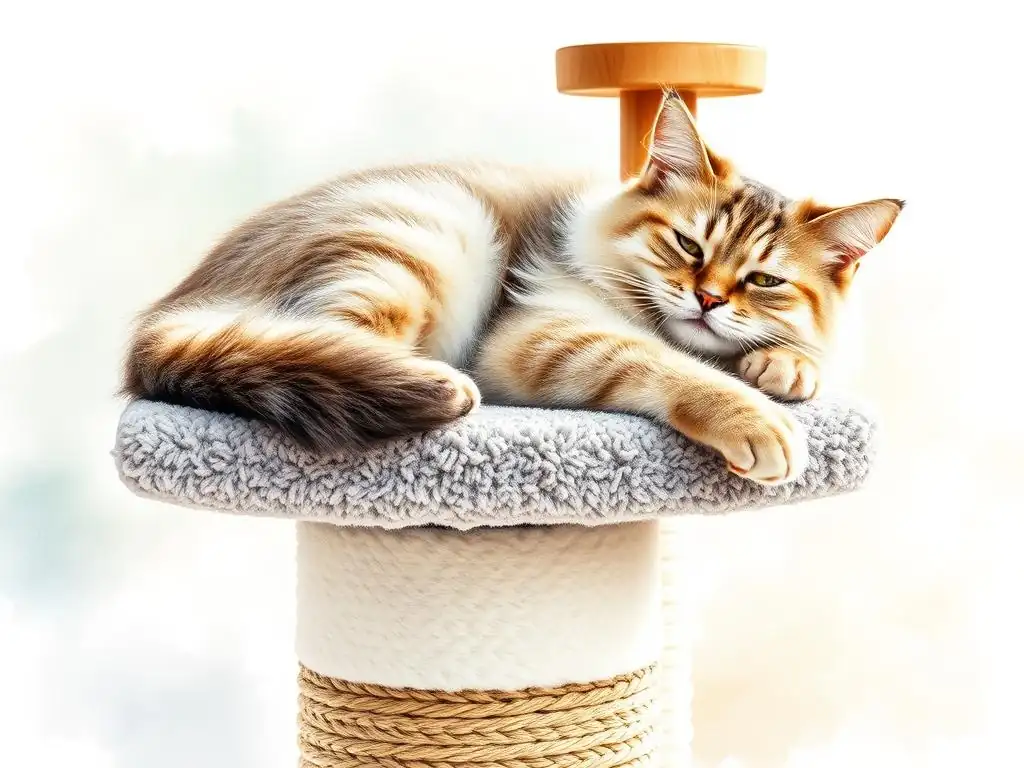
Scratching is a natural feline behavior, crucial for maintaining claw health, stretching muscles, and marking territory. Providing appropriate scratching surfaces is paramount in preventing destructive scratching on furniture and other household items. A comprehensive approach to deterring unwanted scratching involves understanding your cat's preferences and providing a variety of scratching posts that cater to those preferences.
This section focuses on choosing the right scratching post material and strategically placing it to maximize its effectiveness as a cat declawing alternative. Selecting the right scratching post is a key component of a holistic strategy for managing your cat's scratching behavior and preventing the need for declawing.
Vertical Scratching Posts: Height and Stability Considerations
Vertical scratching posts mimic the natural scratching behavior of cats who often stretch upwards. The height of the post is a critical factor. Taller posts (at least 6 feet) allow cats to fully extend their bodies, satisfying their natural instinct to stretch and scratch. Shorter posts might be insufficient, leading cats to seek out taller alternatives, like your sofa! 😼
Stability is equally important. A wobbly post is not only frustrating for the cat but also potentially dangerous. Ensure the base is wide and heavy enough to prevent tipping, especially for larger or more enthusiastic scratchers. Consider posts with multiple levels or sturdy bases made of materials like concrete or heavy-duty wood for enhanced stability. Regularly check the post's stability, especially if your cat is particularly vigorous in its scratching habits. A secure, tall scratching post provides a safe and satisfying outlet for your cat's natural behaviors, significantly reducing the likelihood of furniture damage.
Horizontal Scratching Posts: Size and Material Options
While vertical scratching posts are popular, horizontal options can be just as effective, especially for cats who prefer a different scratching angle. The size of the horizontal scratching post should be substantial enough for your cat to comfortably stretch out on. A good rule of thumb is to choose a length that's at least the length of your cat.
Material choices are vital. Sisal, carpet, and cardboard are common options. Sisal is a durable natural fiber that provides good texture and resistance, often preferred by cats who like a more robust scratching experience. Carpet provides a softer texture, ideal for cats who prefer a gentler scratching sensation.
The choice depends on your cat's individual preferences; observation is key to determining what your cat finds most appealing. Consider offering a variety of textures to cater to different moods and preferences. Providing multiple horizontal scratching posts in different locations around your home can also help to further redirect your cat's scratching behavior.
Cardboard Scratchers: Affordability and Recyclability
Cardboard scratchers offer a budget-friendly and environmentally friendly alternative to more expensive scratching posts. Their affordability makes them ideal for experimenting with different placements and shapes to discover your cat’s preferences. Many cats enjoy the texture and sound of scratching cardboard, and the ease of disposal makes them a convenient option. Once a cardboard scratcher is worn out, it's easily recyclable, minimizing environmental impact.
However, keep in mind that cardboard scratchers generally don't last as long as sisal or carpet posts and may need replacing more frequently. This is a trade-off to consider when comparing the cost-effectiveness against more durable options. Consider supplementing durable scratching posts with cardboard options to provide a variety of textures and encourage diverse scratching behaviors. This approach can effectively reduce furniture damage and promote healthy claw maintenance.
Sisal Scratching Posts: Durability and Texture
Sisal scratching posts are renowned for their exceptional durability and unique textural appeal to cats. Made from the fibers of the sisal agave plant, these posts offer a robust and long-lasting scratching experience. Unlike cardboard or carpet, sisal is resistant to wear and tear, meaning it can withstand even the most enthusiastic scratching sessions from your feline friend. This longevity translates to cost savings in the long run, as you won't need to replace the scratching post as frequently.
The texture of sisal is also a key factor in its attractiveness to cats. The coarse, slightly rough fibers provide a satisfying tactile sensation when scratched, mimicking the feeling of naturally shedding their claws on tree bark or other rough surfaces. This natural feel is often preferred by cats over softer materials, which may not provide the same satisfying scratching experience.
The durability and texture of sisal make it an excellent choice for cats who are particularly strong scratchers or those who prefer a more substantial scratching surface. Many owners find that sisal posts are a worthwhile investment due to their lasting power and feline appeal. Consider the diameter of the post as well; thicker posts tend to be more stable and better suited for larger or more powerful cats.
Carpet-Covered Scratching Posts: Mimicking Natural Surfaces
Carpet-covered scratching posts offer a different approach to satisfying your cat's scratching instincts, focusing on mimicking the feel of natural surfaces. The soft, plush texture of the carpet is appealing to many cats, particularly those who prefer a gentler scratching experience compared to the coarser sisal. The variety of carpet textures available—from short and dense to long and fluffy—allows you to cater to your cat's individual preferences. Some cats may prefer a tighter weave, while others may gravitate toward a looser, more yielding material.
The advantage of carpet-covered posts lies in their ability to mimic the feel of surfaces cats might instinctively scratch in the wild, such as soft earth or dense undergrowth. This familiarity can be particularly beneficial for cats who are new to scratching posts or those who have a strong innate drive to scratch. However, it's crucial to choose a high-quality carpet material that is durable and resistant to tearing.
Lower-quality carpet can fray easily, rendering the scratching post ineffective and potentially hazardous if your cat ingests loose fibers. Regular inspection and prompt replacement of damaged sections are essential to maintain the post's effectiveness and safety. Furthermore, consider the type of adhesive used to attach the carpet; strong, pet-safe adhesives are crucial to prevent the carpet from peeling or detaching from the post's core.
Cat Scratching Behavior: Understanding the Root Causes
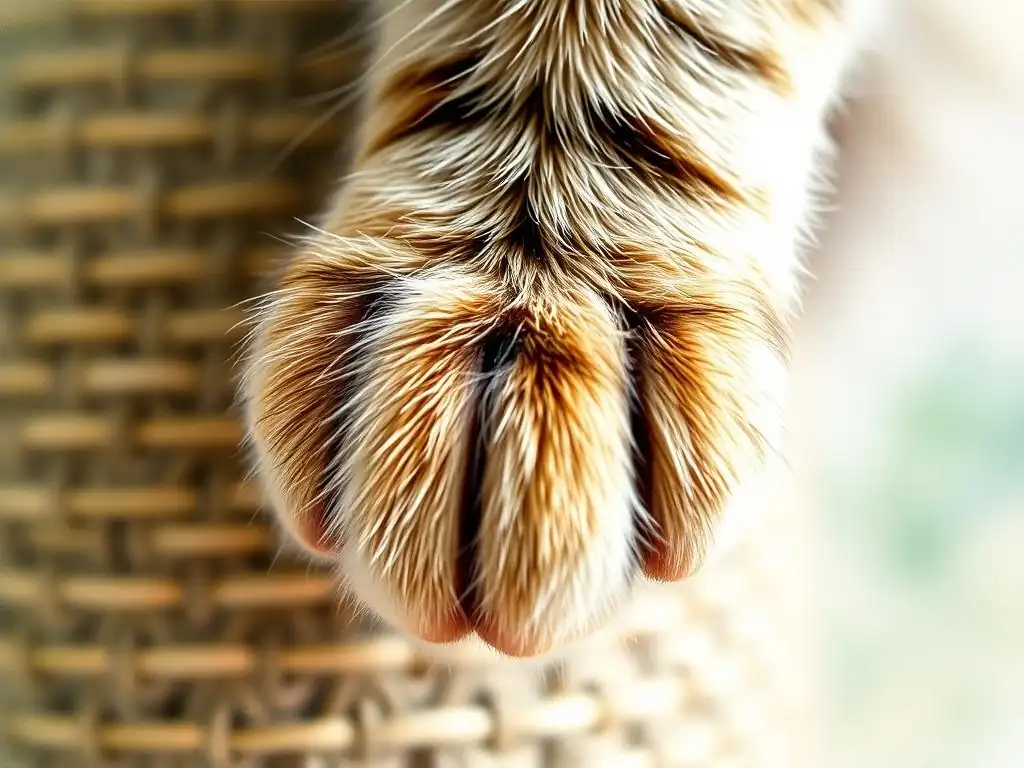
Cats scratch for a variety of reasons, all deeply rooted in their natural instincts and physical needs. Understanding these motivations is crucial to finding effective alternatives to declawing and promoting positive scratching habits. Failing to address the underlying causes of scratching can lead to frustration for both the cat and the owner. This section delves into the key reasons why cats scratch, providing insights into their feline psychology and physical well-being.
Natural Instincts: Why Cats Scratch
Scratching is an innate behavior deeply ingrained in a cat's nature. It's not merely a playful activity; it's a fundamental aspect of their survival and well-being. Think of it as a deeply ingrained instinct, comparable to a bird building a nest or a dog burying a bone. Kittens begin scratching almost from birth, using their claws to explore their environment and develop motor skills. This instinctive behavior continues throughout their lives. Several aspects of this natural instinct are critical:
- Shedding of the outer claw layer: Cats regularly shed the outer layer of their claws through scratching. This process keeps their claws sharp and functional for hunting, climbing, and self-defense. Ignoring this natural need can lead to overgrown claws, which can cause discomfort and even injury. Think of it like needing to trim your fingernails – if your cat doesn’t scratch, they'll have long, uncomfortable claws.
- Sensory Stimulation: The act of scratching provides sensory feedback. The texture of the scratching post, the feeling of their claws digging in, and the resulting sound all contribute to a stimulating experience for the cat. This sensory input contributes to their overall mental and physical well-being. This is why they might prefer certain materials over others—it's a sensory preference, just like humans prefer certain textures of fabrics.
- Scent Marking: While less prominent than territory marking (discussed below), scratching also serves a subtle scent-marking purpose. Cats have scent glands in their paws, and scratching deposits these scents onto surfaces, subtly marking their territory.
Territory Marking: Scent and Claws
Beyond the purely physical aspects, scratching is a powerful form of territory marking. Cats use their claws to leave visual and olfactory (scent-based) marks on their environment. This behavior is especially pronounced in multi-cat households or when cats feel insecure in their environment. The scratching action serves multiple purposes here:
- Visual cues: Scratches on furniture or other surfaces leave visible marks, announcing the cat's presence and claiming ownership of that space. This is particularly important in areas they deem crucial to their security, such as near food bowls, resting areas, or vantage points.
- Scent glands: As mentioned earlier, scent glands in the paws deposit pheromones onto the scratched surface. These pheromones communicate information to other cats, subtly indicating the cat's presence and territory. The intensity of scent marking can vary between cats and depends on factors like stress levels and the presence of other cats. A stressed cat might scratch more frequently and intensely to reinforce their territory.
- Vertical scratching: Cats often prefer to scratch vertical surfaces. This is partly due to the ability to stretch and fully extend their claws, but also because vertical surfaces are more effective for leaving scent marks at a higher vantage point, potentially increasing visibility to other cats.
Stretching and Exercise: Physical Benefits of Scratching
The act of scratching also provides essential physical benefits for cats. Scratching helps them:
- Stretch their muscles: The stretching involved in scratching helps maintain flexibility and range of motion, particularly in their back and legs. This is especially important for older cats who may experience stiffness and joint problems. Regular scratching can contribute to overall physical health and reduce the risk of muscle atrophy.
- Maintain claw health: As mentioned previously, scratching removes the outer sheath of the claw, preventing overgrowth and potential discomfort. Overgrown claws can lead to difficulties walking, increased risk of injury, and even ingrown claws. Scratching helps keep their claws at the optimal length.
- Exercise: Even seemingly casual scratching sessions provide a form of exercise for cats, contributing to their overall fitness and well-being. This can be especially important for indoor cats who may have limited opportunities for physical activity. Encouraging scratching on appropriate surfaces provides a beneficial outlet for their natural energy.
Providing appropriate scratching posts and surfaces is crucial in redirecting this natural behavior away from furniture and other unwanted areas. Understanding the underlying reasons for scratching empowers cat owners to address the issue effectively and provide a suitable solution that respects their cat's natural instincts.
Stress and Anxiety: Identifying Scratching as a Behavioral Indicator
Cats, despite their often aloof demeanor, are highly sensitive creatures prone to stress and anxiety. Excessive scratching, beyond the normal sharpening of claws, can be a significant indicator of underlying emotional distress. A sudden increase in scratching frequency, targeting new areas of the home, or accompanied by other behavioral changes like hiding, changes in appetite, or increased vocalization, should raise a red flag. These behaviors might signal a shift in your cat's emotional state, potentially triggered by environmental changes, such as a new pet, a move to a new home, or even a change in family routines.
Understanding your cat's individual personality and baseline behavior is crucial in recognizing deviations that could indicate stress. For example, a typically playful cat who suddenly becomes withdrawn and starts excessively scratching furniture might be experiencing significant anxiety. Observing these subtle shifts allows for early intervention and prevents the escalation of the problem.
It's important to remember that stress manifests differently in different cats. Some might become more vocal, others might exhibit increased aggression, while still others might withdraw completely. Excessive scratching, however, often presents as a consistent, easily observable symptom. The scratching itself becomes a coping mechanism, a physical outlet for the pent-up anxiety. This behavior, while destructive, is often a cry for help, a way for the cat to communicate its distress.
Ignoring these signals can lead to further behavioral problems and exacerbate the underlying anxiety. Therefore, careful observation of your cat's behavior, combined with a thorough understanding of potential stressors in its environment, is key to identifying stress-related scratching. A comprehensive approach, involving veterinary consultation and behavioral modification techniques, is often necessary to address the root cause of the problem and help your cat regain its emotional equilibrium. 🐾
Medical Conditions: Ruling Out Underlying Health Issues
Before jumping to conclusions about behavioral issues, it's crucial to rule out any underlying medical conditions that might be causing your cat to scratch excessively. Certain medical problems can manifest as increased scratching, mimicking stress or anxiety. For instance, arthritis or other joint pain can make it uncomfortable for a cat to use its claws normally, leading to increased scratching as a way to relieve discomfort. Similarly, skin allergies or infestations like fleas can cause intense itching, resulting in more frequent scratching.
Furthermore, hyperthyroidism, a common hormonal disorder in older cats, can lead to increased activity and restlessness, potentially manifesting as excessive scratching. A thorough veterinary examination, including blood tests and a physical examination, is crucial to identify and treat any potential medical issues. This is a vital first step in addressing excessive scratching, ensuring that behavioral interventions are applied only after medical conditions are ruled out or treated appropriately.
Ignoring potential medical causes could lead to ineffective treatment strategies and prolonged suffering for your feline companion. Remember, a healthy cat is more likely to exhibit normal scratching behaviors. 🩺
Environmental Factors: Assessing the Home Environment for Potential Triggers
The environment plays a significant role in a cat's scratching behavior. A lack of appropriate scratching posts, for example, can lead to furniture destruction as cats naturally need to scratch to maintain their claws. The type of scratching post, its location, and even its texture are factors to consider. Cats might prefer vertical scratching posts, horizontal ones, or even carpet-covered surfaces.
The location of the scratching post is also critical; it should be placed in a convenient and accessible spot, preferably in an area where the cat spends a lot of time. Furthermore, the presence of other pets or stressful situations within the home environment can influence scratching behavior. For example, competition for resources, such as food or attention, or territorial disputes between cats can lead to increased scratching. Similarly, loud noises, unfamiliar people, or changes in the household routine can trigger anxiety and result in excessive scratching.
Therefore, a careful assessment of the home environment is essential to identify potential triggers and make necessary adjustments. This might involve providing more scratching posts, relocating existing ones, or simply making the environment calmer and more predictable for your cat. 🏡
Preventing Destructive Scratching: Practical Solutions and Prevention
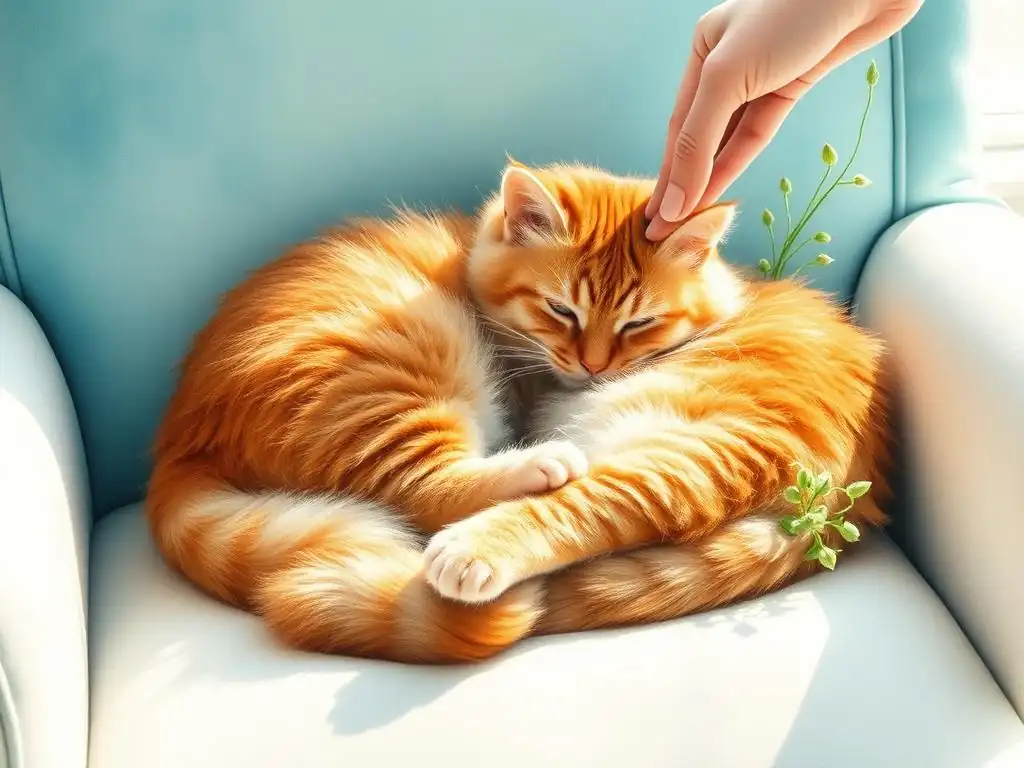
This section focuses on proactive strategies to minimize or eliminate your cat's need to scratch furniture, thus reducing the urge to consider declawing. Understanding why cats scratch is crucial to developing effective solutions. Cats scratch for several reasons: territory marking (through scent glands in their paws), stretching and sharpening their claws, and simply because it feels good! Addressing these underlying needs is key to preventing destructive scratching and providing a positive alternative to declawing. The following strategies provide a comprehensive approach to managing this common feline behavior.
Protecting Furniture: Covers, Repellents, and Alternative Surfaces
Protecting your furniture is a vital first step in preventing damage. Several readily available products can deter scratching and safeguard your belongings. Consider these options:
- Furniture Covers: Durable, attractive covers are available in various fabrics and styles. These protect furniture from scratches while still allowing you to enjoy its aesthetic appeal. Look for covers made from strong, claw-resistant materials.
- Repellents: Commercial cat repellents, often containing citrus scents or other deterrents, can be applied to furniture to discourage scratching. However, test these repellents in an inconspicuous area first to ensure they don't damage the furniture's finish. Some cats are completely unaffected by these repellents, while others find them highly aversive. Individual results vary greatly.
- Alternative Scratching Surfaces: Provide your cat with a variety of appealing scratching posts and pads. Experiment with different materials (sisal, cardboard, carpet) and heights to find what your cat prefers. Placement is crucial; strategically position scratching posts near areas where your cat typically scratches furniture, making the alternative more convenient. Vertical scratching posts mimic natural scratching behaviors. Horizontal scratching pads cater to cats who prefer a different angle.
Creating a Cat-Friendly Environment: Enrichment and Playtime
A bored or under-stimulated cat is more likely to engage in destructive scratching. Enriching your cat's environment and providing ample playtime are essential for reducing unwanted behaviors. Consider:
- Interactive Play: Engage your cat in regular playtime sessions using interactive toys like wands, feather toys, or laser pointers. This helps to burn off excess energy and provides mental stimulation. Aim for at least two 15-20 minute sessions daily.
- Environmental Enrichment: Provide vertical space with cat trees or shelves. Cats love to climb and survey their territory. Include hiding places like boxes or tunnels to satisfy their natural instincts. Rotating toys and providing puzzles keeps them engaged. A variety of textures and activities in their environment provides crucial mental and physical stimulation. This reduces the likelihood of boredom-induced destructive scratching.
- Positive Reinforcement: Reward your cat for using their scratching posts with treats or praise. This positive reinforcement helps associate the scratching post with positive experiences, encouraging its continued use.
Addressing Underlying Medical Conditions: Ruling out Pain or Discomfort
Sometimes, excessive scratching can be a sign of an underlying medical condition. If your cat suddenly starts scratching excessively or exhibits changes in behavior, consult a veterinarian. Pain or discomfort in their paws or joints can lead to increased scratching. A vet can diagnose and treat any underlying issues, potentially resolving the problem entirely.
This is especially important if the scratching behavior is new or accompanied by other symptoms like limping, changes in litter box habits, or vocalization. Early detection and treatment are crucial for ensuring your cat's comfort and well-being. Ignoring potential medical causes could worsen the situation. Remember, a healthy, happy cat is less likely to engage in destructive scratching.
Long-Term Management of Scratching Behavior: Ongoing Strategies
Successfully managing your cat's scratching behavior requires a long-term commitment to consistent strategies. It's not a quick fix; rather, it's an ongoing process of observation, adjustment, and reinforcement of positive behaviors. Think of it as a partnership with your feline friend, working together to create a harmonious home environment where both your furniture and your cat's natural instincts are respected. The key is patience and persistence. Remember that even with the best strategies, occasional setbacks can occur, but don't be discouraged; simply readjust your approach and continue with your plan.
Maintaining a Consistent Routine: Regular Claw Trimming and Scratching Post Use
Regular claw trimming is a crucial element in mitigating furniture damage. While it doesn't eliminate scratching altogether, it significantly reduces the destructive potential of your cat's claws. Aim to trim your cat's claws every 1-2 weeks, carefully removing only the sharp tips to avoid cutting into the quick (the pink part of the claw containing nerves and blood vessels). Many cats tolerate this procedure well, especially if introduced gradually from kittenhood. If your cat resists, consider seeking assistance from your veterinarian or a professional groomer.
Alongside regular trimming, providing ample and appealing scratching posts is paramount. Experiment with different types of posts—vertical, horizontal, cardboard, sisal, carpet—to find what your cat prefers. Placement is also key; strategically position scratching posts near areas where your cat frequently scratches, such as near favorite sleeping spots or windows. Consider using catnip or other attractants to entice your cat to use the posts. Reward positive scratching behavior with praise, treats, or even a favorite toy. This positive reinforcement is vital for establishing the scratching post as a desirable alternative to your furniture.
Monitoring Your Cat's Behavior: Identifying Changes or Triggers
Consistent monitoring of your cat's behavior is essential for long-term success. Pay close attention to when and where your cat scratches. Is it primarily at night? Is it concentrated in a specific room or near certain objects? Keeping a detailed log of scratching incidents, noting the time, location, and any apparent triggers (stress, boredom, etc. ), can reveal patterns and help you identify underlying causes. This information is invaluable in refining your management strategy. For example, if scratching increases during stressful periods, such as houseguests or moving, you might need to implement additional stress-reducing measures.
Changes in scratching habits can also signal underlying medical issues. Increased scratching might be a sign of pain or discomfort in the paws or claws. If you observe any sudden changes in your cat's scratching behavior, including increased frequency or intensity, it's crucial to consult your veterinarian to rule out any medical conditions. A thorough veterinary examination can help determine if there's an underlying health problem contributing to the increased scratching. Early detection and treatment can prevent further complications.
Seeking Professional Help: When to Consult a Veterinarian or Certified Cat Behaviorist
Despite your best efforts, some cats may continue to exhibit problematic scratching behavior. In such cases, seeking professional help is crucial. A veterinarian can rule out underlying medical conditions that might be contributing to the behavior, such as arthritis or allergies. A certified cat behaviorist can provide a comprehensive behavioral assessment and develop a tailored plan to address the specific issues your cat is facing. They can offer advanced training techniques and strategies to modify your cat's behavior, such as counter-conditioning and desensitization.
Remember, seeking professional help is not a sign of failure; it's a proactive step towards creating a safe and happy environment for both you and your feline companion. A collaborative approach, combining your efforts with the expertise of professionals, often yields the best results in managing challenging scratching behaviors. Don't hesitate to reach out for help—your cat's well-being is worth it. 😻
Frequently Asked Questions
What are the main reasons owners consider declawing?
Many owners consider declawing to protect their furniture and prevent scratches. However, it's crucial to understand the alternatives available before considering this surgery. It's important to remember that declawing is a serious procedure.
What are some effective cat scratching alternatives?
Providing multiple scratching posts of varying materials (e.g., sisal, cardboard, carpet) in different locations is key. Regular trimming of claws and positive reinforcement training can also help redirect scratching behavior. Consider using catnip to entice your cat.
Is it cruel to declaw a cat?
Declawing is a painful and irreversible procedure that can lead to long-term physical and behavioral problems for cats. It's considered by many vets and animal welfare organizations to be inhumane. Alternatives are always preferred.
How can I train my cat to stop scratching furniture?
Positive reinforcement is crucial. Reward your cat when it uses a scratching post. Use deterrents like sticky tape or citrus scents on furniture to discourage scratching. Consistency and patience are key to success.
Where can I find more information on cat behavior and training?
PetCareWorld offers a wealth of resources on cat behavior and training. Explore our website for in-depth guides and expert advice on managing undesirable behaviors like scratching, using positive reinforcement techniques and creating a cat-friendly environment.
Final Reflection: Rethinking Claws: A Path to Harmony Between Humans and Cats
The unnecessary suffering inflicted upon cats through declawing is a cruel practice that continues to this day, despite the availability of humane and effective alternatives. This outdated procedure, often presented as a simple solution, ignores the profound physical and emotional consequences for the cat, impacting their well-being and the human-animal bond. We must actively choose compassion over convenience.
The shift towards understanding feline behavior and prioritizing their welfare is a crucial step in our evolving relationship with companion animals. This journey requires empathy, patience, and a willingness to learn. As we move beyond outdated practices, we acknowledge the intrinsic value of each cat's life and their right to live naturally. The greatness of a nation and its moral progress can be judged by the way its animals are treated.
- Mahatma Gandhi. This quote resonates deeply, reminding us that our treatment of animals reflects our own ethical compass.
Consider the information presented in this guide. You now possess the knowledge to make informed decisions about your cat's care, prioritizing their well-being above all else. Explore the alternatives discussed, commit to providing a safe and enriching environment for your feline companion, and remember that a happy, healthy cat is a testament to the strength of the human-animal bond. Let's work together to build a future where declawing is a relic of the past, replaced by a compassionate understanding of our feline friends.
Unleash a Happier, Healthier Cat: Discover Humane Alternatives!
Thank you for exploring kinder, safer options for your feline companion. We hope this guide has helped you understand the complexities surrounding declawing and its alternatives. Now, let's put this knowledge into action.
- Enrich your cat's environment: Creating a stimulating space with scratching posts, interactive toys, and climbing structures will naturally satisfy your cat's scratching instincts. This is crucial for preventing unwanted scratching behavior.
- Share this vital information: Let other cat lovers know about humane alternatives to declawing. Spread awareness and help protect more cats! Share this article on your social media.
- Consult a professional cat behaviorist: If you're still facing challenges, a certified cat behaviorist can provide personalized guidance and solutions tailored to your cat's unique needs.
Ready to create a happier, healthier life for your cat? What small change will you make today to prioritize their well-being?