
Cat Grooming for Sensitive Skin: Professional Tips and Tricks

Welcome to PetCareWorld, your ultimate guide to a happier, healthier life for your beloved companion! Are you concerned about your feline friend's delicate skin? Discover expert-backed sensitive cat skin grooming tips in our comprehensive guide, designed to help you navigate the challenges of caring for your cat's unique needs. Learn the secrets to a gentle grooming routine that will leave your cat feeling pampered and looking their best. Dive in and unlock the knowledge you need to provide exceptional care!
- Understanding Your Cat's Sensitive Skin: Identifying Symptoms and Causes
- Gentle Grooming Techniques for Sensitive Cat Skin
- Products and Ingredients to Avoid for Sensitive Cat Skin
- Post-Grooming Care for Sensitive Cat Skin
- Preventing Future Skin Issues: Long-Term Care for Sensitive Skin
- Frequently Asked Questions
- Final Reflection: The Gentle Art of Caring for Sensitive Cat Skin
- Unleash Your Cat's Inner Softness: A Purrfect Grooming Routine
Understanding Your Cat's Sensitive Skin: Identifying Symptoms and Causes
Cats, with their sleek coats and independent nature, often mask underlying health issues. Sensitive skin, a common problem among feline companions, can manifest in various ways, significantly impacting their comfort and well-being. This comprehensive guide delves into the intricacies of cat grooming for sensitive skin, providing professional tips and tricks to help you care for your furry friend effectively.
We will explore how to identify symptoms, understand the underlying causes, and learn when veterinary intervention is necessary. Proper grooming techniques are crucial for managing sensitive cat skin, preventing further irritation, and maintaining your cat's overall health and happiness. This article provides essential information for every cat owner, regardless of their experience level, aiming to empower you to provide the best possible care for your beloved feline.
Remember, a happy cat is a healthy cat, and understanding their skin's sensitivities is a vital step in ensuring their well-being. Let's dive into the details!
Common Signs of Sensitive Skin in Cats
Identifying sensitive skin in cats requires keen observation. While some cats might show overt symptoms, others might exhibit subtle signs. Here's a checklist of common indicators:
- Excessive Scratching: Frequent and intense scratching, often leading to self-trauma, is a major red flag. Pay attention to where your cat scratches – consistent scratching in one area suggests localized irritation.
- Redness and Inflammation: Look for areas of redness, swelling, or inflammation on your cat's skin. This is particularly important in areas prone to irritation like the belly, neck, or inner thighs.
- Hair Loss: Patchy hair loss or thinning fur can indicate underlying skin problems. The affected area may appear irritated or inflamed.
- Scaling or Crusting: The presence of dry, flaky skin, scales, or crusts can be a sign of dryness, allergies, or other skin conditions.
- Itching and Licking: Excessive licking or biting at the skin can be a sign of discomfort and irritation. Observe your cat closely to identify any areas they target repeatedly.
- Miliary Dermatitis: This condition presents as tiny, red bumps on the skin, often accompanied by itching and inflammation.
- Changes in Behavior: A usually playful and affectionate cat might become withdrawn, lethargic, or irritable if experiencing skin discomfort.
Remember, observing these signs early can help you address the issue promptly and prevent it from worsening. Documenting the onset and progression of symptoms, including photos, can be extremely helpful when discussing your cat's condition with a veterinarian.
Underlying Causes of Cat Skin Sensitivity: Allergies, Infections, and More
Sensitive cat skin is often a symptom of an underlying condition. Several factors can contribute to skin sensitivity, including:
- Allergies: Feline allergies are prevalent and can manifest as skin problems. Common allergens include environmental factors (pollen, dust mites), food ingredients (certain proteins), and flea bites. Food allergies often lead to more generalized symptoms, while environmental allergens might cause localized reactions.
- Fungal Infections (Ringworm): Ringworm, a contagious fungal infection, can cause circular patches of hair loss, redness, and scaling.
- Bacterial Infections: Bacterial infections can result in localized inflammation, pus-filled lesions, and intense itching.
- Parasites: Fleas, mites, and lice can trigger intense itching and inflammation, leading to secondary skin infections.
- Environmental Irritants: Harsh cleaning products, certain fabrics, or even rough surfaces can irritate a cat's sensitive skin.
- Underlying Medical Conditions: Conditions like hyperthyroidism, diabetes, and kidney disease can weaken the immune system and make cats more susceptible to skin problems.
- Dry Skin: Similar to humans, cats can suffer from dry skin, especially during colder months or in dry climates. This can lead to itching, flaking, and discomfort.
Understanding the potential causes is critical for effective treatment. A veterinary examination is essential to determine the exact cause of your cat's sensitive skin.
Diagnosing Sensitive Skin: When to Consult a Veterinarian
If you observe any signs of sensitive skin in your cat, it's crucial to consult a veterinarian. They can perform a thorough examination, including:
- Physical Examination: The vet will assess your cat's overall health, examining the affected areas for signs of infection, inflammation, or parasites.
- Skin Scrapings and Cultures: These tests help identify the presence of mites, fungi, or bacteria.
- Allergy Testing: This can help pinpoint specific allergens that are triggering your cat's skin reactions. This might involve blood tests or intradermal skin testing.
- Biopsy: In some cases, a small skin sample may be taken for microscopic examination to help diagnose specific skin conditions.
Early intervention is key to preventing further complications. Delaying treatment can lead to secondary infections, chronic skin problems, and increased discomfort for your cat. Don't hesitate to seek professional veterinary help if you suspect your cat has sensitive skin. 😻
Gentle Grooming Techniques for Sensitive Cat Skin
This section focuses on the delicate art of grooming a cat with sensitive skin. Remember, patience and a gentle approach are key to a positive grooming experience for both you and your feline friend. Rough handling can exacerbate existing skin issues and create further discomfort. The goal is to make grooming a relaxing and even enjoyable experience for your cat, fostering trust and minimizing stress. We’ll explore specific techniques to ensure your cat's sensitive skin remains healthy and happy.
Choosing the Right Grooming Tools for Sensitive Skin
Selecting the right tools is paramount when grooming a cat with sensitive skin. Harsh brushes and tools can cause irritation, redness, and even painful scratches. Opt for tools specifically designed for sensitive skin. Look for brushes with soft bristles, such as those made from natural materials like soft boar bristles or silicone. Avoid wire brushes or combs with sharp teeth at all costs.
Here's a breakdown of ideal tools:
- Soft Bristle Brush: This is your primary tool. Gentle sweeping motions will remove loose fur and distribute natural oils, promoting healthy skin.
- Wide-Toothed Comb: Use this to gently detangle any mats or knots, working carefully to avoid pulling or tugging on the skin. Start from the tips of the fur and work your way up.
- Rubber Grooming Mitt: These are excellent for cats who tolerate being petted, offering a gentle massage and removing loose fur simultaneously.
- High-Quality Cat Shampoo (Sensitive Skin Formula): Choose a shampoo specifically formulated for sensitive cat skin. Avoid human shampoos, which can disrupt the delicate pH balance of their skin. Look for hypoallergenic and fragrance-free options.
Brushing Techniques for Cats with Sensitive Skin: Minimizing Irritation
Brushing is crucial for removing dead hair, preventing matting, and distributing natural oils that keep the skin healthy. However, the technique is just as important as the tools. Incorrect brushing can easily irritate sensitive skin.
Follow these steps for a gentle brushing session:
- Start Slowly: Begin with short, gentle strokes, allowing your cat to adjust to the sensation. Pay close attention to their body language. If they show signs of discomfort (like hissing or pulling away), stop immediately and try again later.
- Work with the Grain: Brush in the direction of hair growth to minimize pulling and discomfort.
- Focus on Problem Areas: Pay extra attention to areas prone to matting, such as behind the ears, under the belly, and around the legs. Gently work out mats with your fingers or the wide-toothed comb before brushing.
- Frequent Short Sessions: Rather than one long brushing session, opt for several shorter sessions throughout the week. This is less overwhelming for your cat and allows you to monitor their reaction.
- Reward Positive Behavior: Positive reinforcement is vital! Reward your cat with treats and praise throughout the grooming session to create a positive association.
Bathing Your Cat with Sensitive Skin: Products and Procedures
Bathing a cat, especially one with sensitive skin, requires careful planning and execution. Over-bathing can strip the skin of its natural oils, leading to dryness, irritation, and potential skin problems. Aim to bathe your cat only when absolutely necessary, such as when they've gotten into something messy or have an unusually dirty coat.
Here's a step-by-step guide:
- Gather Your Supplies: You'll need a lukewarm water, a sensitive skin shampoo for cats, several soft towels, and possibly a non-slip mat for the tub.
- Prepare Your Cat: Gently wet your cat's fur with lukewarm water, avoiding getting water in their eyes or ears. Apply the shampoo, working it into a lather with gentle massage motions. Rinse thoroughly.
- Thorough Drying: Gently towel dry your cat as much as possible. Avoid rubbing vigorously, as this can irritate their skin. You can also use a hairdryer on a low, cool setting if your cat tolerates it.
- Post-Bath Care: Apply a moisturizing conditioner specifically formulated for sensitive cat skin, if recommended by your veterinarian. This will help soothe and hydrate their skin. Keep your cat warm and comfortable after the bath.
- Frequency: Only bathe your cat when truly necessary. Over-bathing can worsen sensitive skin conditions. Consult your veterinarian if you have concerns about your cat's skin health or bathing frequency.
Remember to always consult your veterinarian if you have any concerns about your cat's skin health. They can provide personalized advice and treatment recommendations based on your cat's specific needs. Early intervention is key to managing sensitive skin issues effectively. 😻
Nail Trimming and Ear Cleaning for Sensitive Cats
Trimming your cat's nails and cleaning their ears are crucial aspects of grooming, especially for cats with sensitive skin. Improper techniques can lead to discomfort, injury, and even infection. Therefore, a gentle and patient approach is paramount.
When trimming your cat's nails, start by acclimating them to the process. Spend several days simply handling their paws, gently touching each nail. Reward them with treats and praise to build positive associations. Once they are comfortable with paw handling, introduce the nail clippers. Let them sniff and investigate the clippers without any pressure.
Use sharp, high-quality clippers designed specifically for cats. Dull clippers can crush the nail, causing pain and bleeding. Only trim the sharp, clear part of the nail, avoiding the pink quick which contains nerves and blood vessels. If you accidentally cut the quick, apply styptic powder to stop the bleeding immediately.
If you are unsure about trimming your cat's nails yourself, consult a professional groomer or veterinarian. They can demonstrate the proper technique and help build your confidence. Remember, patience and positive reinforcement are key to a successful nail trim. A stressed cat will be far more likely to resist and make the process more difficult for both of you.
Ear cleaning should be approached with the same level of gentleness. Use a veterinarian-approved ear cleaning solution and cotton balls or gauze pads. Never use cotton swabs, as these can push debris further into the ear canal and potentially damage the eardrum. Gently wipe the outer ear, removing any visible dirt or wax. Avoid inserting anything into the ear canal.
If you notice excessive wax buildup, redness, inflammation, or a foul odor, consult your veterinarian immediately, as this could indicate an underlying ear infection. Regular ear cleaning, coupled with careful observation, can help prevent potential problems and maintain your cat's ear health. Remember to reward your cat with treats and praise throughout the process to maintain a positive association with ear cleaning. Positive reinforcement is crucial for cats with sensitive skin, as it helps reduce anxiety and makes the entire experience more pleasant for them.
Products and Ingredients to Avoid for Sensitive Cat Skin
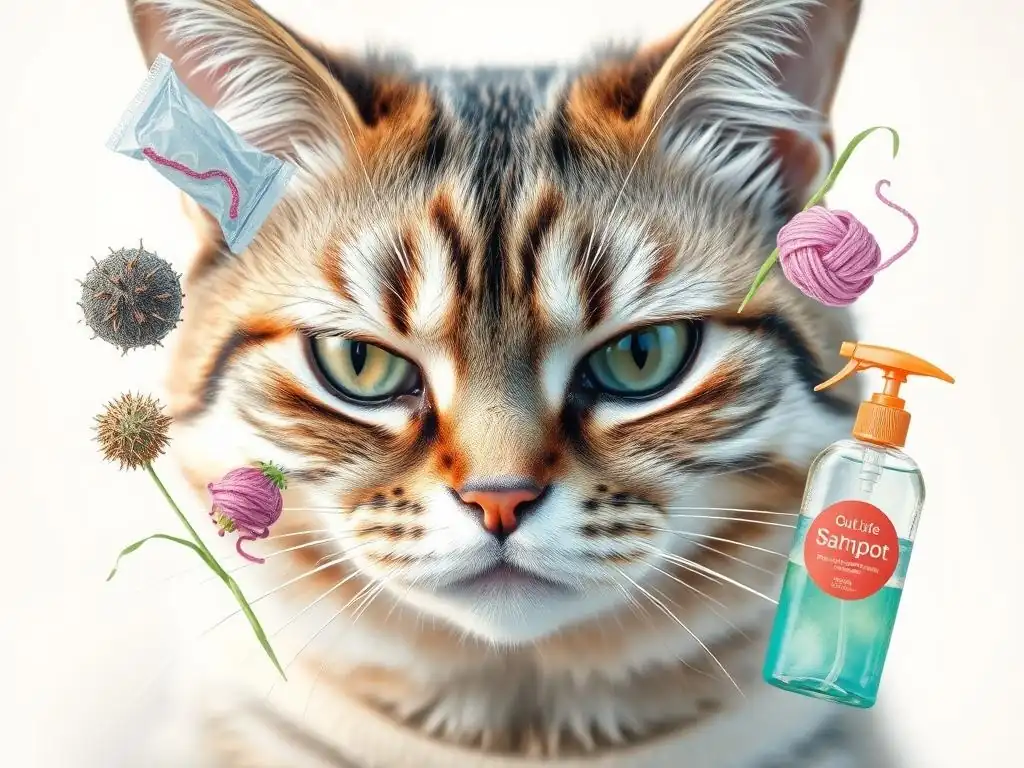
Sensitive cat skin requires extra care when it comes to grooming products. Choosing the wrong shampoo, conditioner, or even grooming wipes can exacerbate existing skin conditions and lead to discomfort for your feline friend. Understanding which ingredients to avoid is crucial for maintaining their skin health and preventing irritation. This section focuses on identifying common culprits and suggesting safer alternatives for sensitive cat skin grooming. The goal is to equip you with the knowledge to make informed choices, ensuring your cat's grooming routine is both effective and gentle.
Harsh Chemicals and Fragrances to Avoid in Cat Shampoos and Conditioners
Many commercially available cat shampoos and conditioners contain harsh chemicals and synthetic fragrances that can severely irritate sensitive skin. These ingredients can strip the skin of its natural oils, leading to dryness, itching, and inflammation. Some of the most common offenders include:
- Sodium Lauryl Sulfate (SLS) and Sodium Laureth Sulfate (SLES): These are strong foaming agents that can be extremely drying and irritating. They are often found in inexpensive shampoos and can disrupt the skin's protective barrier.
- Parabens: These preservatives are used to extend the shelf life of products, but they are known potential allergens and irritants for many animals, including cats.
- Artificial Colors and Fragrances: These are often added to enhance the appeal of the product but can trigger allergic reactions and sensitivities in cats with delicate skin. The strong scents can also be overwhelming and unpleasant for your cat.
- Propylene Glycol: A common humectant (moisturizer) which, although often safe, can cause skin irritation in some sensitive cats.
It's vital to carefully read the ingredient list on any grooming product before applying it to your cat. Look for shampoos and conditioners that are specifically formulated for sensitive skin and clearly state that they are free of these harsh chemicals and artificial additives. Choosing unscented or hypoallergenic options is generally a safer bet for cats with sensitive skin.
Common Allergens Found in Cat Grooming Products
Beyond harsh chemicals, certain common ingredients can act as allergens, triggering allergic reactions in cats with sensitive skin. These reactions can manifest as itching, redness, hives, or even more severe symptoms. Some of the most common allergens found in cat grooming products include:
- Wheat protein: A common ingredient in many conditioners, wheat protein can be a significant allergen for some cats.
- Certain essential oils: While some essential oils are touted for their therapeutic properties, many can be toxic or irritating to cats. Avoid products containing tea tree oil, peppermint oil, eucalyptus oil, and citrus oils.
- Lanolin: Derived from sheep's wool, lanolin can be a surprisingly common allergen in cat grooming products.
- Dyes: Artificial dyes are another common irritant and potential allergen in cat shampoos and conditioners.
It's crucial to be aware of potential allergens and choose products that are specifically formulated to be free of these common irritants. If you suspect your cat has an allergy to a specific ingredient, consult your veterinarian for advice and testing. Keeping a detailed record of the products you use and any reactions your cat experiences can be helpful in identifying the culprit.
Natural and Hypoallergenic Grooming Products for Sensitive Skin
For cats with sensitive skin, choosing natural and hypoallergenic grooming products is paramount. These products are typically formulated with gentle, plant-derived ingredients that are less likely to cause irritation or allergic reactions. Look for shampoos and conditioners that contain:
- Oatmeal: Oatmeal is a well-known soothing agent that can help to calm irritated skin and reduce itching.
- Aloe vera: Aloe vera has anti-inflammatory and healing properties that can benefit sensitive skin.
- Chamomile: Chamomile is another gentle herb with soothing and anti-inflammatory properties.
- Coconut oil: Coconut oil can moisturize and condition the skin and coat. However, always test a small amount first to ensure your cat doesn't have a reaction.
When selecting natural and hypoallergenic products, be sure to check the ingredient list carefully to ensure that they are free of the harsh chemicals and common allergens mentioned previously. Consider products specifically labeled as "hypoallergenic" or "for sensitive skin." Remember, even natural products can cause reactions in some cats, so always introduce new products gradually and monitor your cat for any adverse effects. Regularly checking your cat's skin for any signs of irritation, dryness, or redness is essential. A proactive approach to grooming and careful product selection can significantly improve your cat's comfort and overall well-being.
Post-Grooming Care for Sensitive Cat Skin
After a grooming session, especially for cats with sensitive skin, aftercare is crucial to prevent irritation and discomfort. This phase is just as important as the grooming process itself, ensuring your feline friend remains comfortable and healthy. Proper post-grooming care minimizes the risk of skin problems and promotes healing if any minor irritations occur. Remember, even the gentlest grooming can sometimes trigger a reaction in sensitive cats.
Soothing Sensitive Skin After Grooming: Product Recommendations
Choosing the right products for post-grooming care is paramount for sensitive cat skin. Avoid harsh chemicals, fragrances, and dyes that can exacerbate existing conditions or trigger new ones. Opt for hypoallergenic and veterinarian-approved options. A soothing oatmeal bath can be beneficial for calming irritated skin. Look for shampoos and conditioners specifically formulated for sensitive skin, often containing ingredients like colloidal oatmeal, aloe vera, or chamomile. These natural ingredients have anti-inflammatory and soothing properties, helping to reduce redness and itching.
For drying, avoid harsh rubbing with towels. Instead, gently pat your cat's fur dry with a soft, absorbent towel. Consider using a low-heat hairdryer on a low setting, keeping it at a safe distance to avoid burning your cat's skin. Always monitor your cat's reaction closely during the drying process.
After the bath, apply a thin layer of a vet-recommended hypoallergenic balm or cream to moisturize the skin and create a protective barrier. This helps to prevent dryness and further irritation. Remember to check the ingredients list carefully and avoid products containing potential allergens. Regularly monitoring your cat's skin for any signs of irritation or dryness will assist in maintaining a healthy coat and skin condition. Specific product recommendations should always be discussed with your veterinarian to ensure they are appropriate for your cat's individual needs and any pre-existing conditions.
Monitoring for Irritation and Adverse Reactions
Following a grooming session, carefully observe your cat for any signs of skin irritation or adverse reactions. This is especially important for cats with known sensitivities. Common signs to watch out for include:
- Redness: Look for patches of red, inflamed skin, particularly in areas that were groomed.
- Itching: Excessive scratching, licking, or biting at the skin is a clear indication of discomfort.
- Hives or welts: These raised bumps can be a sign of an allergic reaction.
- Hair loss: Patchy hair loss can indicate irritation or an underlying skin condition.
- Scaly skin: Dry, flaky skin can be a symptom of various skin problems.
- Increased licking: While cats groom themselves regularly, an increase in licking, especially in a specific area, can be a sign of irritation.
Keep a detailed record of any observed reactions, noting the time of onset, location, and severity. This information will be invaluable if you need to seek veterinary attention. The frequency and duration of monitoring should be adjusted based on your cat's individual sensitivity and the severity of any observed reaction. Early detection of potential problems allows for prompt intervention, minimizing potential complications.
When to Seek Veterinary Attention After Grooming
While minor irritation is sometimes expected, certain signs warrant immediate veterinary attention. Don't hesitate to contact your veterinarian if your cat exhibits any of the following after grooming:
- Severe redness or swelling: Significant inflammation indicates a more serious reaction.
- Widespread itching or scratching: Uncontrolled itching can lead to self-trauma and secondary infections.
- Visible wounds or lesions: Open sores require immediate veterinary care to prevent infection.
- Fever or lethargy: These systemic symptoms suggest a more serious underlying problem.
- Persistent vomiting or diarrhea: These gastrointestinal symptoms may indicate an allergic reaction.
- Difficulty breathing: This is a medical emergency and requires immediate veterinary attention.
If you are unsure about the severity of your cat's reaction or if symptoms worsen, always err on the side of caution and seek veterinary advice. Prompt veterinary care can prevent minor issues from escalating into more significant health problems. Remember, your veterinarian is your best resource for managing your cat's sensitive skin and ensuring its overall well-being. Early intervention is key to effective treatment and a quick recovery for sensitive cat skin.
Preventing Future Skin Issues: Long-Term Care for Sensitive Skin
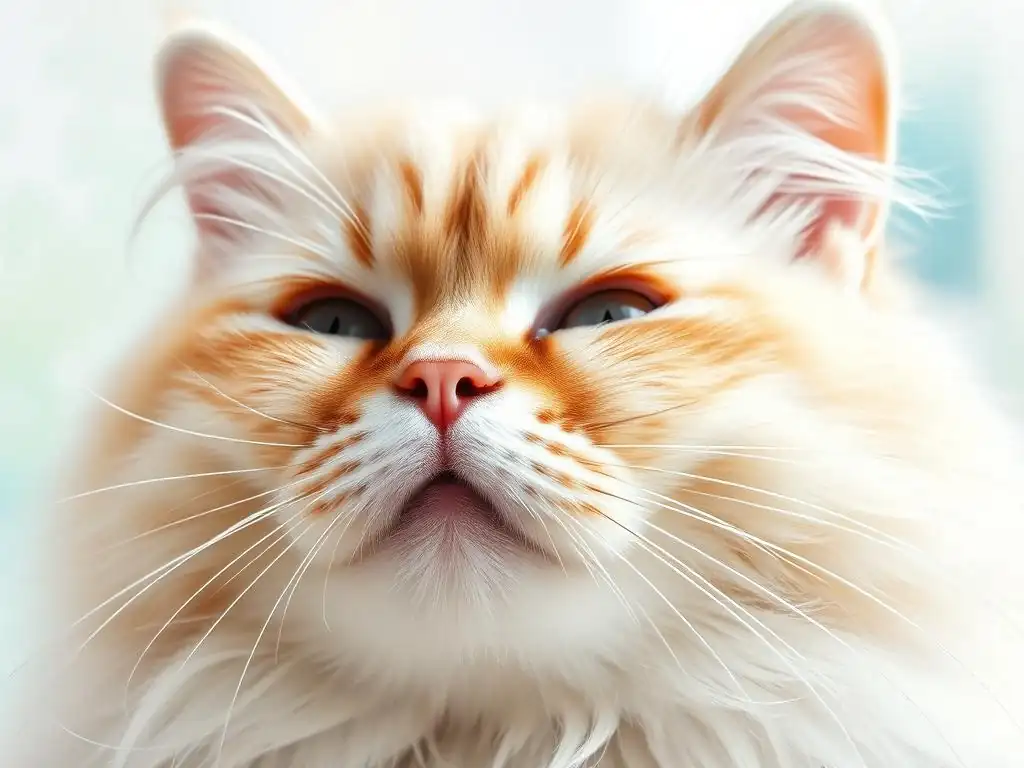
Once you've addressed your cat's immediate skin sensitivities, proactive long-term care is crucial to preventing future flare-ups. This involves a holistic approach encompassing diet, environment, and regular veterinary check-ups. Ignoring these preventative measures can lead to recurring skin problems and potential complications. Remember, consistent care is key to maintaining your cat's healthy, happy skin.
Dietary Considerations for Cats with Sensitive Skin
Diet plays a significant role in a cat's skin health. Many sensitive skin issues stem from food allergies or intolerances. Identifying and eliminating these triggers is paramount. Consider switching to a high-quality, hypoallergenic cat food formulated for sensitive skin and stomachs. These diets often utilize hydrolyzed proteins, which are broken down into smaller, less allergenic particles. Look for foods with clearly defined ingredients and avoid those containing artificial colors, flavors, or preservatives, which can irritate sensitive skin.
Some cats might benefit from a limited ingredient diet, featuring only a few protein and carbohydrate sources. This helps pinpoint potential allergens. Keep a detailed food diary, noting any changes in your cat's diet and subsequent skin reactions. This information is invaluable for your veterinarian in diagnosing and managing the issue. Remember, gradual transitions between foods are essential to avoid digestive upset.
Introducing a new food slowly, over 7-10 days, minimizes the risk of adverse reactions. Always consult your veterinarian before making significant dietary changes, especially if your cat has pre-existing health conditions. They can guide you towards the best dietary choices for your feline friend's specific needs. Monitoring your cat's stool consistency and overall energy levels is also important. Changes could indicate a need for further dietary adjustments.
Maintaining a Clean and Healthy Environment for Your Cat
A clean and healthy environment is another critical aspect of preventing future skin issues. Regular cleaning is essential to minimize exposure to allergens and irritants. This includes:
- Frequent vacuuming and dusting: Remove allergens like dust mites, pollen, and pet dander from carpets, upholstery, and bedding.
- Regular washing of bedding: Wash your cat's bedding weekly in hot water to kill dust mites and bacteria.
- Cleaning litter boxes daily: Bacteria and ammonia buildup in litter boxes can irritate sensitive skin. Use unscented litter to minimize potential irritation.
- Minimizing exposure to harsh chemicals: Avoid using strong cleaning products near your cat, as these can be inhaled or absorbed through the skin, causing irritation. Opt for pet-friendly, hypoallergenic cleaning solutions.
- Controlling humidity and temperature: Extreme humidity can exacerbate skin conditions. Maintain a comfortable temperature and humidity level in your home.
Regular grooming, in addition to bathing, is also vital in maintaining a healthy environment for your cat's skin. Brushing removes loose fur and prevents matting, which can trap irritants and moisture against the skin.
Regular Veterinary Checkups for Skin Health
Regular veterinary check-ups are non-negotiable for cats with sensitive skin. These visits allow your veterinarian to monitor your cat's skin condition, detect any changes, and address potential problems early on. During these appointments, your vet can:
- Perform a thorough physical examination: Assessing your cat's overall health and identifying any skin abnormalities.
- Conduct allergy testing: If allergies are suspected, your veterinarian might recommend allergy testing to identify specific allergens.
- Recommend appropriate treatments: Based on the diagnosis, your vet can recommend treatments such as medicated shampoos, topical creams, or oral medications.
- Monitor treatment effectiveness: Regular check-ups allow your veterinarian to monitor the effectiveness of the treatment plan and make necessary adjustments.
Don't hesitate to contact your veterinarian if you notice any changes in your cat's skin, such as redness, itching, hair loss, or unusual odor. Early intervention is key to preventing minor issues from escalating into more serious problems. Proactive care, combined with regular veterinary visits, significantly improves your cat's chances of enjoying a life free from chronic skin problems. This comprehensive approach ensures your sensitive cat thrives.
Frequently Asked Questions
What are the signs of sensitive skin in cats?
Cats with sensitive skin may show redness, itching, excessive licking or scratching, or hair loss. Look for any unusual changes in their skin or fur. Consult a vet if you're unsure.
What grooming tools are best for cats with sensitive skin?
Use soft-bristled brushes or grooming gloves to avoid irritation. Avoid harsh tools that could scratch or damage their delicate skin. Gentle is key.
How often should I groom a cat with sensitive skin?
Grooming frequency depends on the cat's coat and skin condition. A weekly brushing is usually sufficient, but adjust as needed. Observe your cat's reaction to determine the ideal frequency.
What shampoos are suitable for cats with sensitive skin?
Use hypoallergenic and fragrance-free shampoos specifically formulated for cats. Avoid human shampoos or those with harsh chemicals. Always check with your veterinarian before using any new product.
My cat hates being groomed. How can I make the experience less stressful?
Start with short grooming sessions and gradually increase the time. Use positive reinforcement with treats and praise. Make it a positive association. Create a calm environment.
Final Reflection: The Gentle Art of Caring for Sensitive Cat Skin
The health and happiness of our feline companions hinge on our understanding of their unique needs, and for cats with sensitive skin, proper grooming is paramount. Ignoring this crucial aspect can lead to discomfort, infection, and a diminished quality of life for our beloved pets. This is not merely about aesthetics; it's about ensuring their well-being.
The journey of learning to groom a cat with sensitive skin is a deeply personal one, filled with both challenges and rewards. It's about developing a keen awareness of your cat's individual sensitivities, learning to read their body language, and adapting your techniques accordingly. This process fosters a stronger bond, built on trust and mutual respect. The best mirror is an old friend.
This rings true in the relationship between a cat and its owner, as we learn to understand and respond to their subtle cues. The patience and care invested in this process are immeasurable.
Now, consider the impact of your newfound knowledge. You are equipped with the tools to provide your cat with the best possible care, alleviating their discomfort and enhancing their overall well-being. Take this knowledge and apply it. Observe your cat closely, adjust your grooming techniques as needed, and don't hesitate to consult with a veterinarian if you have any concerns. Remember, a happy, healthy cat is a testament to the love and attention you provide. Let's continue to learn and grow together in our commitment to providing the best possible care for our feline friends.
Unleash Your Cat's Inner Softness: A Purrfect Grooming Routine
Thank you for learning about caring for your cat's sensitive skin! We hope you found helpful information to create a happy and healthy grooming experience. Now let's put that knowledge into practice.
- Prioritize gentle grooming: Begin with a soft brush and spend a few minutes each day gently brushing your cat. This prevents mats and distributes natural oils, keeping their coat healthy.
- Experiment with different shampoos: Try a hypoallergenic shampoo formulated for sensitive skin. Observe what works best for your cat and share your results in the comments below!
- Share your experience: Let's build a supportive community! Share your cat's grooming journey—both the successes and challenges—so we can all learn from each other.
What grooming tip are you most excited to try with your cat today?