
Exotic Pet Vaccinations: Understanding the Unique Needs of Your Animal

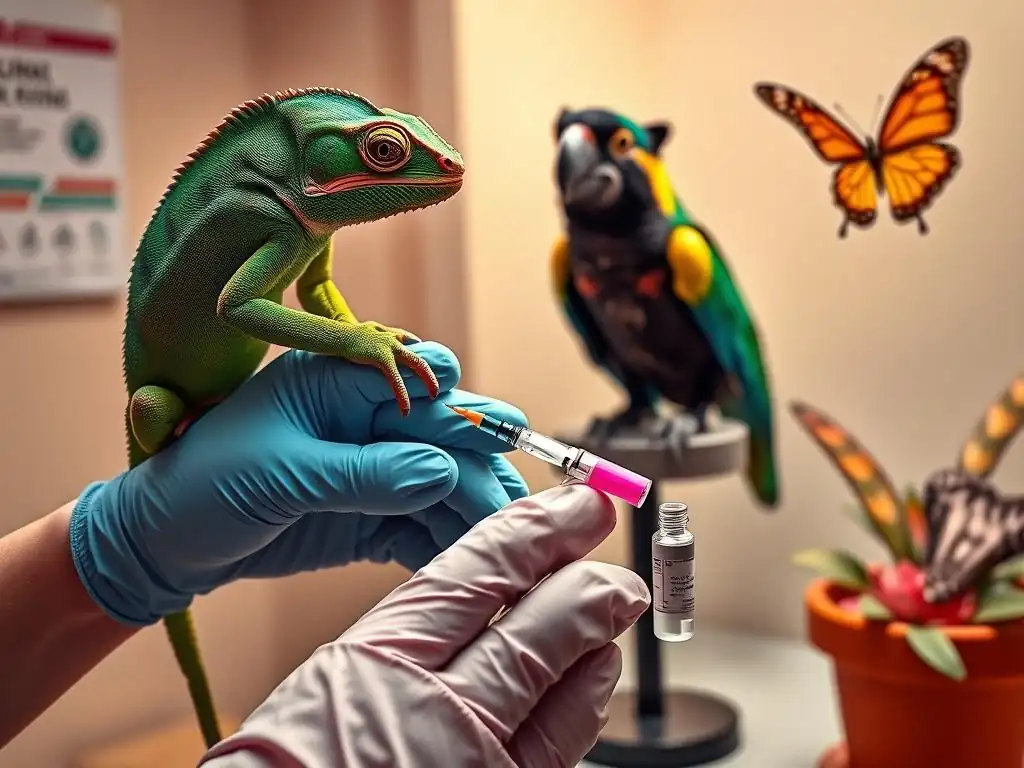
Welcome to PetCareWorld, your ultimate guide to a happier, healthier life for your beloved companions! Are you ready to unlock the secrets to optimal care for your unique pet? We delve into the crucial topic of Exotic Pet Vaccination Schedules, ensuring your exotic friend receives the precise protection they need. Discover the specific vaccination requirements and learn how to safeguard their well-being – explore our expert advice and find the answers you need within our comprehensive Pet Health & Nutrition section. Let's embark on this journey together!
- The Importance of Exotic Pet Vaccination Schedules
-
Frequently Asked Questions
- What is the importance of vaccination for exotic pets?
- How does the vaccination schedule for exotic pets differ from that of dogs or cats?
- What types of diseases can exotic pet vaccinations prevent?
- Where can I find a veterinarian experienced in exotic pet vaccinations?
- Are there any potential side effects associated with exotic pet vaccinations?
- Final Reflection: The Vital Shield: Protecting Our Exotic Companions
- Unlock Your Exotic Pet's Health Potential
The Importance of Exotic Pet Vaccination Schedules

Exotic pet ownership brings immense joy, but it also comes with unique responsibilities. Unlike common household pets like cats and dogs, whose vaccination protocols are widely standardized, exotic animals require a more nuanced and individualized approach to preventative healthcare.
This article delves into the critical importance of understanding and adhering to a tailored vaccination schedule for your exotic companion, focusing on the specific needs of different species and the potential consequences of neglecting these crucial preventative measures. We'll explore the various diseases affecting exotic pets, the available vaccines, and how to find a qualified veterinarian experienced in exotic animal care – vital steps in ensuring your pet enjoys a long, healthy life.
Understanding your exotic pet's vaccination needs is not just about preventing illness; it’s about building a strong foundation for a thriving pet-owner relationship built on proactive care and informed decision-making. This guide aims to empower you with the knowledge to make the best choices for your unique animal companion.
Understanding the Unique Needs of Different Exotic Pets
The vaccination needs of exotic pets vary dramatically depending on the species. A reptile's vaccination requirements differ significantly from those of a bird, reflecting the diverse range of pathogens they encounter in their respective environments. For example, certain reptile species are susceptible to specific bacterial or viral infections, while avian species face unique respiratory and parasitic threats. Failing to consider these species-specific vulnerabilities can have dire consequences.
Developing a vaccination schedule requires close consultation with a veterinarian specializing in exotic animals. They will consider factors such as the pet's age, species, overall health, and living environment to create a personalized plan. The following table provides a general overview, but remember, this is not a substitute for professional veterinary advice:
| Exotic Pet Type | Common Vaccine-Preventable Diseases | Notes |
|---|---|---|
| Reptiles (e.g., snakes, lizards) | Bacterial infections (e.g., Salmonella), viral infections | Vaccine availability is limited; focus is often on preventative hygiene practices. |
| Birds (e.g., parrots, cockatoos) | Avian influenza, Psittacine beak and feather disease, various bacterial infections | Regular checkups and tailored vaccination plans are crucial. |
| Small Mammals (e.g., rabbits, ferrets) | Rabbit hemorrhagic disease virus (RHDV), Canine parvovirus (in ferrets) | Specific vaccines available; booster shots are often necessary. |
The Importance of Finding a Specialized Veterinarian
Finding a veterinarian with experience in exotic animal medicine is paramount. These specialists possess the knowledge and skills to accurately diagnose illnesses, administer appropriate vaccines, and provide ongoing preventative care tailored to your pet's unique needs. A general practitioner may not have the expertise to handle the complexities of exotic animal health, potentially leading to misdiagnosis or inadequate treatment.
Locating a qualified exotic animal vet may require some research, but the investment in their expertise is invaluable for your pet's well-being. Look for veterinarians who actively participate in continuing education related to exotic animal medicine and have experience with a wide range of species. Their specialized knowledge will ensure your pet receives the best possible care, including the development of a safe and effective vaccination schedule.
Developing a Personalized Vaccination Schedule: A Collaborative Approach
Developing a suitable vaccination schedule for your exotic pet is a collaborative process between you and your veterinarian. It's not a one-size-fits-all approach; it's tailored to your pet's individual needs. Your vet will consider factors like the pet’s age, breed (if applicable), overall health, and lifestyle.
They'll also assess the risk of exposure to various diseases based on your pet's environment and your interactions with other animals. Regular checkups are essential, not only for administering vaccines but also for monitoring your pet's overall health and catching potential problems early. This proactive approach is crucial for maintaining your pet’s well-being and preventing serious health complications.
Remember to always discuss any concerns or questions you have with your veterinarian; their guidance is vital in ensuring the optimal health of your exotic companion. The collaborative nature of this process emphasizes the importance of open communication and trust between you and your chosen veterinary professional.
Frequently Asked Questions
What is the importance of vaccination for exotic pets?
Vaccinations are crucial for protecting your exotic pet from potentially life-threatening diseases. A strong immune system, boosted by vaccines, is key to their overall health and well-being. Regular vaccination is a vital part of preventative care.
How does the vaccination schedule for exotic pets differ from that of dogs or cats?
Exotic pet vaccination schedules vary greatly depending on the species and specific needs of your animal. Unlike dogs and cats with standardized schedules, exotic pet vaccines are often tailored to the individual pet and their risk profile. Consult your veterinarian for a customized plan.
What types of diseases can exotic pet vaccinations prevent?
The specific diseases prevented vary by species, but common targets include bacterial, viral, and parasitic infections. These infections can cause severe illness, organ damage, and even death. Your vet can advise on the most relevant vaccines for your pet.
Where can I find a veterinarian experienced in exotic pet vaccinations?
Finding a vet specializing in exotic animals is crucial. The Association of Exotic Mammal Veterinarians (AEMV) and similar organizations can help you locate qualified professionals in your area. Look for vets with experience in your specific pet's species.
Are there any potential side effects associated with exotic pet vaccinations?
While rare, some pets may experience mild side effects such as temporary lethargy, mild swelling at the injection site, or a slight fever. These are usually temporary. Serious adverse reactions are uncommon but should be reported to your veterinarian immediately.
Final Reflection: The Vital Shield: Protecting Our Exotic Companions
The health and well-being of our exotic pets are inextricably linked to our understanding of their unique needs, and vaccination stands as a cornerstone of responsible ownership. Failing to provide appropriate vaccinations leaves these vulnerable creatures susceptible to devastating illnesses, highlighting the urgent need for increased awareness and proactive care.
The impact of responsible exotic pet ownership extends far beyond the individual animal; it influences the broader health landscape, impacting both the veterinary community and the conservation efforts surrounding these species. The welfare of animals is inextricably linked to the welfare of humans. When we care for animals, we care for ourselves and the world around us.
This sentiment underscores the importance of our commitment to providing the best possible care, including comprehensive vaccination protocols, for our exotic companions. The ongoing research and development in exotic animal vaccines are crucial for improving their health and longevity, and we must continue to support these advancements.
Consider the life you share with your exotic pet. Reflect on the joy, the unique bond, and the responsibility that comes with caring for a creature so different from the norm. You are their advocate, their protector, and their lifeline. By actively seeking out information on appropriate vaccination schedules and working closely with your veterinarian, you are not just fulfilling a duty; you are investing in a deeper, more meaningful connection with your animal companion. Take the time to research, understand, and act – your exotic pet's health and happiness depend on it.
Unlock Your Exotic Pet's Health Potential
Thank you for learning about the unique vaccination needs of your exotic pet! We hope this article has provided valuable information to ensure their well-being. Now, let's put that knowledge into action:
- Schedule a vaccination appointment with your exotic animal veterinarian immediately. Protecting your pet shouldn't wait.
- Share this crucial information with other exotic pet owners. You could save a life!
- Consider exploring additional resources on exotic pet care, such as specialized online forums or reputable veterinary websites. Staying informed will help you address potential health concerns proactively.
What steps will you take today to ensure your exotic pet receives the best possible care?