
Crate Training for Dogs: A Solution to House Soiling and Accidents

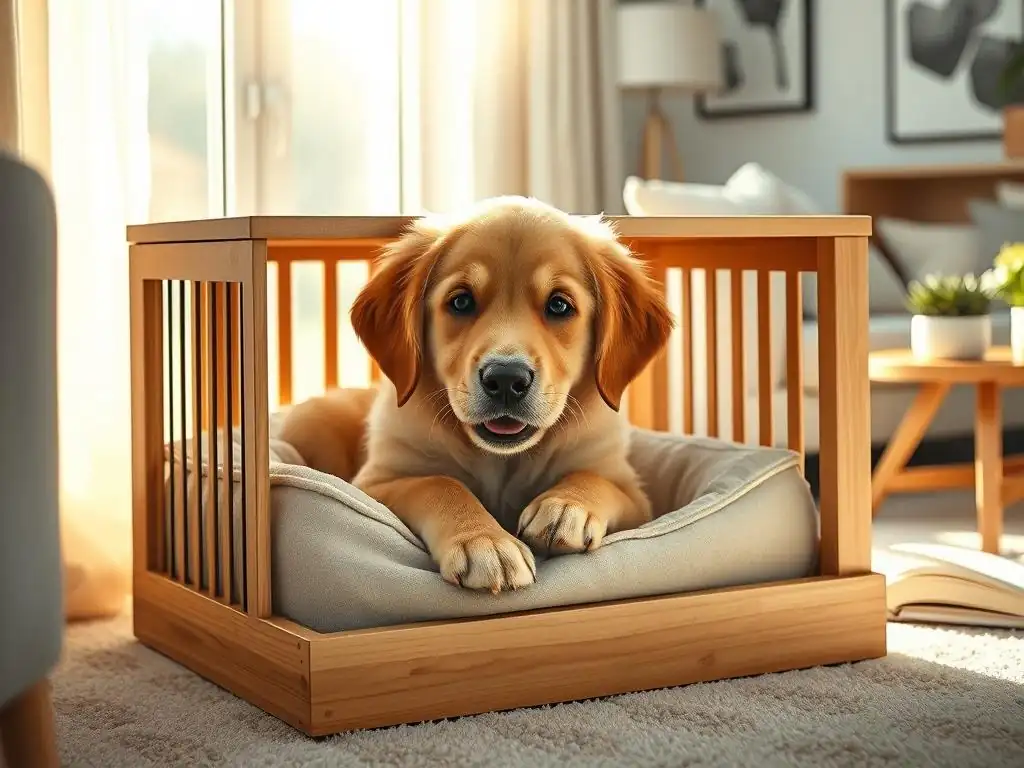
Welcome to PetCareWorld, your ultimate guide to happy and healthy pets! Are you struggling with frustrating dog crate training accidents? We understand the challenges, and we're here to help. Discover proven solutions and expert advice to transform your crate training experience, turning accidents into successes. Dive into our comprehensive guide and unlock the secrets to a well-trained and confident canine companion. Let's embark on this journey together!
- Understanding the Benefits of Crate Training for Dogs
- Choosing the Right Crate for Your Dog
- Step-by-Step Guide to Crate Training Your Dog
- Troubleshooting Common Crate Training Challenges
- Maintaining Positive Crate Training Practices
- Crate Training and House Soiling: A Lasting Solution
- Frequently Asked Questions
- Final Reflection: Unlocking Canine Confidence Through Crate Training
- Unlock Your Dog's Potential: Start Crate Training Today!
Understanding the Benefits of Crate Training for Dogs

House soiling accidents are a common frustration for dog owners, often leading to stress and impacting the human-animal bond. But what if there was a method to significantly reduce, and even prevent, these frustrating incidents? Crate training offers a powerful, humane solution that not only tackles house soiling but also provides numerous other benefits for your canine companion.
This comprehensive guide explores the advantages of crate training, focusing specifically on how it addresses house soiling issues in puppies and adult dogs, while also enhancing their overall well-being. We'll delve into practical strategies and address common concerns, empowering you to create a harmonious home environment for both you and your furry friend.
This guide will equip you with the knowledge and techniques to effectively use crate training to resolve house soiling problems and foster a happier, healthier relationship with your dog. We'll tackle the "Dog crate training accidents solution" head-on, providing you with a step-by-step approach to success.
Reducing House Soiling Accidents in Puppies and Adult Dogs
House soiling is a frequent problem, particularly with puppies still learning bladder and bowel control. However, even adult dogs can experience accidents due to medical issues, stress, or inadequate training. Crate training provides a powerful tool to mitigate these accidents. Dogs instinctively avoid soiling their den, and the crate becomes their safe and private space. By limiting their access to the house and providing regular potty breaks, the chances of accidents happening dramatically decrease. The key is to establish a consistent routine:
- Frequent potty breaks: Puppies, especially, need frequent bathroom breaks – every 2-3 hours, immediately after waking up, and after playtime. Adult dogs typically need breaks every 4-6 hours, but this can vary depending on their size, age, and health.
- Immediate crate confinement after meals and playtime: This prevents accidents before they happen.
- Positive reinforcement: Reward your dog profusely with praise and treats when they eliminate outside the crate. Never punish them for accidents in the crate; this will only instill fear and anxiety, counteracting the benefits of crate training.
- Gradual increase in crate time: Start with short periods and gradually increase the time your dog spends in the crate as they become more comfortable. Never leave your dog in the crate for extended periods, especially puppies. The goal is to make the crate a positive, not punitive, space.
- Monitoring for medical issues: If house soiling persists despite diligent crate training, consult your veterinarian to rule out underlying medical problems. Urinary tract infections, diabetes, and other conditions can contribute to accidents.
The success rate of using crate training to reduce house soiling accidents is significantly high, particularly when coupled with consistent training and positive reinforcement. Many dog owners report a dramatic decrease in accidents within weeks of implementing this method. 🐕
Preventing Destructive Chewing and Other Bad Habits
Beyond house soiling, crate training offers a solution to another common problem: destructive chewing. When dogs are left unsupervised, boredom and anxiety can lead to chewing on furniture, shoes, and other household items. The crate provides a safe and contained environment, preventing your dog from engaging in destructive behaviors. It helps establish a sense of routine and reduces anxiety, thereby minimizing the urge to chew.
Providing appropriate chew toys inside the crate can further enhance the effectiveness of this strategy. This can be especially helpful for puppies who are going through a teething phase or for dogs prone to separation anxiety. By providing a secure space, the crate prevents the dog from engaging in these behaviors, leading to a more peaceful household. Remember to always supervise your dog when they're outside of their crate, especially during the initial stages of training.
Creating a Safe and Secure Space for Your Canine Companion
Ultimately, crate training is about more than just solving behavioral problems. It's about creating a safe haven for your dog, a personal sanctuary where they can retreat when they feel overwhelmed, tired, or simply need some alone time. The crate should be associated with positive experiences, such as receiving treats, playing with toys, or snuggling with a favorite blanket. This positive association transforms the crate from a confinement device into a comfortable den, fostering a sense of security and independence in your dog.
A well-trained dog will view their crate as their own personal space, a place of comfort and security. This positive association is key to successful crate training and builds a stronger bond between you and your pet. 🐶
Crate Training as a Positive Reinforcement Tool
Crate training, when implemented correctly, is a powerful tool for positive reinforcement in dog training. It's not about confinement or punishment; instead, it leverages the dog's natural denning instincts to create a safe and comfortable space they associate with positive experiences. This positive association is crucial for successful house training and overall canine well-being. By making the crate a haven, you're setting the stage for a happier, better-behaved dog.
Instead of forcing your dog into the crate, which can lead to negative associations and anxiety, focus on making it appealing. Start by placing treats, toys, and a comfortable bed inside. Let your dog explore the crate at their own pace, rewarding any positive interaction with praise and treats. Never use the crate as punishment; doing so will undermine the entire process and create fear and aversion to the space.
The key is to build positive associations gradually. Start with short periods inside the crate, gradually increasing the duration as your dog becomes more comfortable. Reward calm behavior within the crate with high-value treats and praise. This consistent positive reinforcement helps your dog understand that the crate is a safe, rewarding place, not a prison. The goal is for your dog to voluntarily enter the crate, seeking refuge and comfort.
This positive approach significantly reduces the likelihood of accidents due to anxiety or stress associated with crate confinement. It fosters a trusting relationship between you and your dog, making the entire training process smoother and more effective. Remember, patience and consistency are key to success in positive reinforcement crate training. A well-trained dog is a happy dog, and a happy dog is less likely to have accidents.
Remember to always supervise your dog, especially during the initial stages of crate training. This allows you to intervene if your dog shows signs of distress and adjust your approach accordingly. Observe your dog's body language – signs of anxiety might include excessive panting, pacing, whining, or attempts to escape. Adjust the training duration or introduce calming techniques as needed. A sensitive and responsive approach is essential for creating a positive learning environment. The ultimate aim is for your dog to view the crate as their own personal sanctuary—a place of comfort, safety, and reward.
Choosing the Right Crate for Your Dog
Selecting the appropriate crate is paramount for successful dog crate training and minimizing accidents. A crate that's too small can lead to stress and frustration, increasing the likelihood of house soiling, while one that's too large might encourage your dog to use one area as a toilet and another as a sleeping space. Therefore, careful consideration of size and type is crucial.
Size and Type Considerations for Different Breeds and Ages
The ideal crate should allow your dog to stand up, turn around comfortably, and lie down stretched out. Avoid crates that are excessively large, as this can negate the den-like security a crate provides. Consider the following:
- Breed Size: Smaller breeds like Chihuahuas will obviously need a much smaller crate than Great Danes. Breed standards can provide a good starting point for size estimation. However, always measure your dog's current size and projected adult size to ensure a proper fit.
- Age: Puppies grow rapidly. While purchasing a crate that accommodates their adult size might seem economical, it's often counterproductive during the initial training phase. A too-large crate can lead to accidents. Consider purchasing a divider for larger crates to adjust the space as your puppy grows. This allows for a gradual expansion of the space as they get comfortable.
- Crate Type: There are various crate types: wire crates offer good ventilation, plastic crates provide more privacy and insulation, and soft-sided crates are portable but less durable. The choice depends on your dog's personality and your lifestyle. For example, a dog prone to anxiety might benefit from the enclosed feeling of a plastic crate, while a more active dog might prefer the better ventilation of a wire crate.
| Breed Size | Approximate Crate Size (L x W x H) | Crate Type Suggestions |
|---|---|---|
| Small (e.g., Chihuahua) | 24" x 18" x 18" | Plastic, Soft-sided |
| Medium (e.g., Beagle) | 36" x 24" x 24" | Wire, Plastic |
| Large (e.g., Labrador) | 48" x 30" x 30" | Wire, Extra-Large Plastic |
| Giant (e.g., Great Dane) | 60" x 40" x 40" or larger | Custom-built, Extra-Large Wire |
Remember, these are just estimates. Always measure your dog and factor in their growth potential for optimal crate size. Consult with your veterinarian or a professional dog trainer for personalized recommendations.
Essential Crate Features: Comfort, Safety, and Durability
Beyond size, certain features enhance the crate's appeal and functionality, contributing to successful crate training and accident prevention. These include:
- Ventilation: Adequate airflow is crucial to prevent overheating, especially in warmer climates. Wire crates generally provide superior ventilation compared to fully enclosed plastic crates. Ensure sufficient ventilation openings regardless of crate type.
- Secure Latching Mechanism: A robust, secure latch is essential to prevent your dog from escaping, particularly during the initial stages of training. A double-latch system offers an added layer of security.
- Easy Cleaning: Accidents happen. A crate that's easy to clean is vital for maintaining hygiene and preventing lingering odors that could discourage your dog from using the crate. Look for crates with removable trays or easy-to-wipe surfaces.
- Durability: Choose a crate made of robust materials that can withstand your dog's chewing and scratching, especially if you have a particularly playful or destructive pup. Metal wire crates are generally more durable than plastic ones, but plastic crates offer better insulation.
Choosing a crate with these features will enhance your dog’s comfort and safety, creating a positive association with the crate and contributing to a smoother crate training experience and fewer accidents.
Setting Up the Crate: Location and Initial Preparations
The location and initial setup of the crate significantly impact its effectiveness in preventing accidents. Consider the following:
- Location: Place the crate in a central location where your dog can see and interact with family members. Avoid isolating the crate in a basement, garage, or other secluded area. The crate should be a comfortable and safe place, not a punishment zone.
- Initial Furnishings: Line the crate floor with comfortable bedding, such as a soft blanket or dog bed. Avoid using anything your dog could easily tear up and ingest. A few familiar toys can help create a welcoming environment.
- Positive Associations: Introduce the crate gradually. Start by leaving the door open and allowing your dog to explore it at their own pace. Reward them with treats and praise when they enter the crate voluntarily. Never force your dog into the crate.
- Gradual Acclimation: Once your dog is comfortable entering the crate, start closing the door for short periods, gradually increasing the duration as they become more accustomed to it. Always ensure your dog has access to water and is not left in the crate for extended periods without bathroom breaks, especially during the initial training phase. This helps to prevent accidents and build a positive association with the crate. Remember, patience and consistency are key to successful crate training. 🐶
Step-by-Step Guide to Crate Training Your Dog
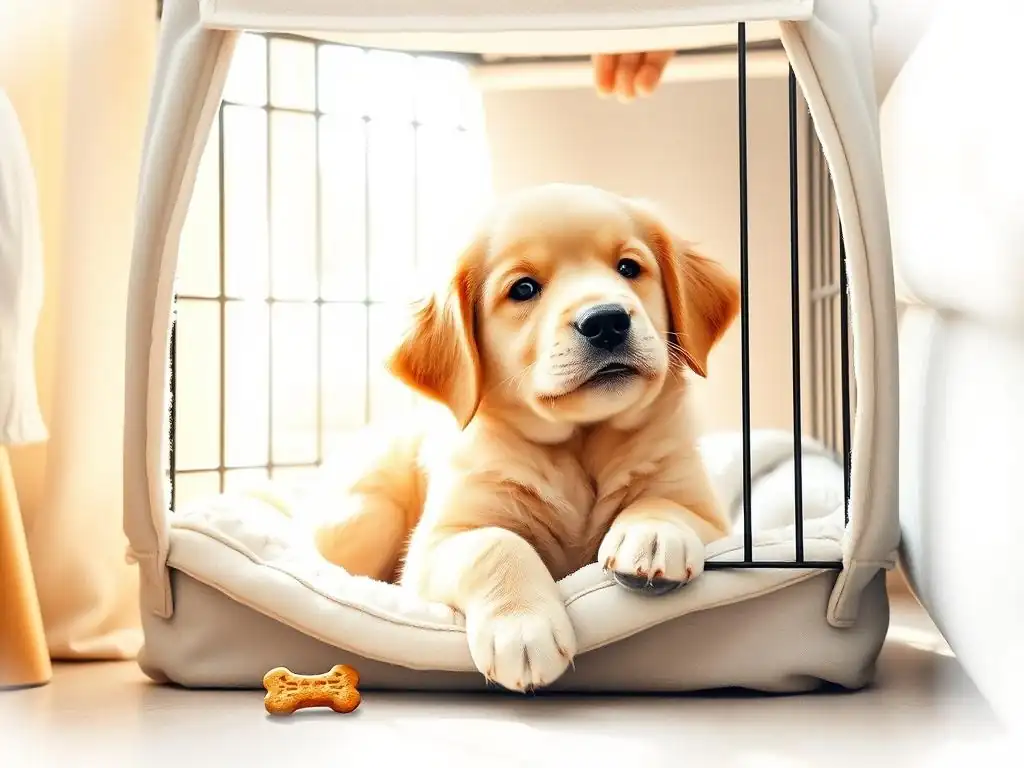
This section provides a detailed, step-by-step approach to successfully crate train your dog, offering a practical solution to common house soiling and accidents. We'll cover the process from initial introduction to managing your dog's time inside the crate. Remember, patience and positive reinforcement are key to a successful outcome in resolving dog crate training accidents.
Introducing Your Dog to the Crate Gradually
The initial introduction to the crate is crucial to prevent negative associations that could lead to future problems and more dog crate training accidents. Avoid forcing your dog into the crate; instead, make it an inviting and positive space.
Start by placing the crate in a central location in your home, not in a secluded area. This helps your dog feel more secure and connected to the family. Leave the crate door open and allow your dog to explore it at their own pace. Scatter some treats inside the crate, encouraging them to go in and out freely. You can even toss a favorite toy inside. The goal is to make the crate a safe and rewarding place, not a cage.
Over several days, gradually increase the amount of time your dog spends near or in the crate. You might start with just a few minutes, then gradually extend it to longer periods. Always maintain a positive and relaxed atmosphere, using praise and encouragement. If your dog seems anxious or fearful, go back to shorter sessions and try again later. Never punish your dog for not wanting to enter the crate; this will only create negative associations and make the process more difficult.
Remember, consistency is key. Maintain a calm and reassuring presence throughout the process. If your dog shows signs of stress, such as excessive panting or whining, reduce the duration of the session. The key is to build positive associations with the crate.
Positive Reinforcement Techniques: Treats, Praise, and Toys
Positive reinforcement is the cornerstone of successful crate training, especially when aiming to resolve dog crate training accidents. Avoid punishment; it only creates fear and anxiety, making the crate a negative space and potentially worsening the house soiling issue. Instead, focus on rewarding your dog for positive behaviors.
- Treats: Use high-value treats your dog loves. Reward your dog for entering the crate, even for a few seconds. Gradually increase the duration required to earn a treat.
- Praise: Combine treats with enthusiastic praise. A happy and encouraging tone reinforces positive associations. Verbal praise, such as "Good dog!" or "Yes! ", can be incredibly effective.
- Toys: Place a favorite toy or chew inside the crate to keep your dog entertained and occupied. This can make the crate a more appealing space, especially during longer stays.
Consider using a puzzle toy to further engage your dog mentally and reward them for their efforts. This can be particularly helpful during longer periods in the crate. Remember to always supervise your dog, especially when introducing new toys, to ensure their safety. A positive and rewarding experience will greatly increase your dog's willingness to use the crate.
Managing Your Dog's Time in the Crate: Gradual Increases
Once your dog is comfortable entering and staying in the crate for short periods with the door open, you can start closing the door for brief intervals. Start with just a minute or two, gradually increasing the time as your dog becomes more comfortable. Always monitor your dog's behavior. If they become anxious or distressed, open the door immediately and try again later.
Remember to never leave your dog in the crate for extended periods, especially when they are puppies. A good rule of thumb is to never leave your dog in the crate for longer than they can comfortably hold their bladder or bowels. This varies depending on age and breed, but generally, puppies need to go outside more frequently than adult dogs. Frequent potty breaks are crucial, particularly in the early stages of crate training, to prevent accidents. Regular trips outside to eliminate will help prevent future dog crate training accidents.
Tips for Success
- Be patient and consistent.
- Use positive reinforcement only.
- Never use the crate as punishment.
- Monitor your dog's behavior closely.
- Gradually increase the time your dog spends in the crate.
Creating a positive and safe environment within the crate is essential for successful crate training. By following these steps and using positive reinforcement techniques, you can effectively address house soiling issues and create a happy and well-adjusted dog. Remember, consistency and patience are key to resolving dog crate training accidents and establishing a positive relationship between your dog and their crate.
Addressing Whining and Barking During Crate Training

Whining and barking are common occurrences during crate training, often stemming from your dog's discomfort, anxiety, or boredom. It's crucial to address these vocalizations effectively without reinforcing the behavior. Ignoring the whining completely is often the best approach, provided your dog is safe and unharmed within the crate. If your dog is consistently distressed, however, ignoring their cries may not be the most humane or effective solution.
Consider the timing and intensity of the vocalizations. Initial whining, especially in the first few days, is often a normal response to a new and unfamiliar environment. However, persistent and escalating whining or barking may indicate a problem. Try these strategies:
- Short, frequent crate sessions: Instead of long periods, start with short, positive sessions. Reward calm behavior within the crate. Gradually increase the duration as your dog becomes more comfortable.
- Distraction techniques: Offer a safe, engaging chew toy or puzzle feeder to distract your dog from their anxiety. The mental stimulation can help alleviate boredom and reduce whining.
- Positive reinforcement: Reward quiet behavior with treats or praise. This creates a positive association with the crate. Never punish your dog for whining or barking, as this can worsen anxiety and make the crate a negative space.
- Addressing underlying anxiety: If the whining persists despite these strategies, consult a veterinarian or certified professional dog trainer. Underlying medical conditions or severe anxiety could be contributing factors. They can help determine whether medication or behavioral modification techniques are necessary. Remember, a calm and confident dog is less likely to whine or bark excessively.
Nighttime Crate Training and Sleep Habits
Nighttime crate training presents unique challenges. Your dog may be more anxious at night due to separation from you and the unfamiliar quiet. Establishing a consistent bedtime routine can significantly improve nighttime crate success and your dog's overall sleep habits.
Here are some tips for successful nighttime crate training:
- Establish a pre-bedtime routine: A consistent routine signals to your dog that it's time to wind down. This might include a short walk, a quiet play session, and a final potty break before crate time. Avoid overly stimulating activities right before bedtime.
- Comfortable crate setup: Ensure the crate is comfortable and secure. A soft bed, a familiar blanket, and a comforting toy can make the crate more inviting. The crate should be placed in a quiet area, away from drafts and excessive noise.
- Gradual adjustment: If your dog is used to sleeping in your bed, don't expect an immediate transition to the crate. Gradually transition them over several nights, rewarding calm behavior within the crate.
- Address nighttime whining: Follow the same strategies for addressing whining and barking during the day. Consistency and patience are key. Resist the urge to let your dog out of the crate if they whine, unless there's a genuine need.
- Monitor for accidents: Even with a well-established routine, accidents can still occur. If accidents happen consistently, consider adjusting the amount of water your dog drinks before bedtime or shortening the time between their last potty break and crate time. You might also need to adjust the crate size slightly, ensuring it is not too large for your dog to feel secure and make a mess in one area. Remember, a successful transition takes time and patience. Celebrate small victories and remain consistent in your approach.
Troubleshooting Common Crate Training Challenges
This section addresses frequently encountered problems during dog crate training, offering practical solutions to help you navigate these challenges and achieve successful crate training. Remember, consistency and patience are key to overcoming these hurdles. Addressing these issues proactively will significantly improve your dog's crate training experience and reduce the likelihood of setbacks. We’ll focus on accidents within the crate, excessive vocalizations, and separation anxiety—common obstacles in the journey to successful crate training.
Addressing Accidents Inside the Crate
Accidents inside the crate are a common frustration for pet owners embarking on crate training. This doesn't necessarily indicate failure; it often points to underlying issues that require adjustment. The key is to identify the root cause and make appropriate changes to your training approach.
Several factors can contribute to accidents within the crate:
- Insufficient potty breaks: A dog left in the crate for extended periods without sufficient opportunities to eliminate will inevitably have accidents. Ensure your dog has regular potty breaks before crate confinement, especially before longer periods. The frequency will depend on the dog's age and bladder control. Puppies, for example, will need significantly more frequent breaks than adult dogs.
- Crate size: A crate that's too large can allow a dog to designate one area for sleeping and another for eliminating. The ideal crate size should be just large enough for your dog to stand, turn around, and lie down comfortably.
- Underlying medical conditions: Urinary tract infections or other medical issues can cause increased urination frequency. If accidents persist despite adjusting your routine, consult your veterinarian to rule out any medical problems.
- Anxiety or fear: A dog experiencing anxiety or fear within the crate might urinate or defecate out of distress. Addressing the underlying anxiety through positive reinforcement and desensitization techniques is crucial.
Addressing these issues involves a multifaceted approach. Increase the frequency of potty breaks, ensure the crate is appropriately sized, and consult a vet if medical concerns arise. For anxiety-related accidents, gradual desensitization and positive reinforcement are vital. Start by associating the crate with positive experiences, such as providing treats and toys inside.
Dealing with Excessive Barking or Whining
Excessive barking or whining during crate training is a common issue, often stemming from boredom, anxiety, or a lack of understanding. It's important to address this behavior proactively to prevent it from becoming a persistent problem.
The following strategies can help reduce excessive vocalizations:
- Positive reinforcement: Reward quiet behavior with treats or praise. Ignore the barking or whining; only acknowledge your dog when they are quiet. This teaches your dog that quiet behavior is rewarded.
- Appropriate crate placement: Avoid placing the crate in high-traffic areas or near loud noises that might trigger barking. A quieter location can help reduce your dog's anxiety.
- Mental stimulation: Provide your dog with puzzle toys or chews to keep them occupied and prevent boredom. A tired dog is less likely to bark excessively.
- Gradual adjustment: If your dog barks or whines excessively, reduce the duration of crate confinement gradually. Start with short periods and gradually increase the time as your dog becomes more comfortable.
- Addressing underlying anxiety: If anxiety is the root cause, consult a veterinarian or a certified professional dog trainer to develop a behavior modification plan. They can provide tailored strategies to help manage your dog's anxiety.
Remember, consistency is key. By consistently rewarding quiet behavior and addressing the underlying causes of barking or whining, you can significantly reduce this problem and create a more positive crate training experience.
Separation anxiety can significantly complicate crate training. Dogs experiencing separation anxiety may exhibit excessive barking, destructive behavior, or even accidents outside the crate when left alone. Addressing this anxiety is crucial for successful crate training.
Strategies to manage separation anxiety include:
- Gradual desensitization: Start by leaving your dog in the crate for short periods, gradually increasing the duration as they become more comfortable. Reward calm behavior during these short periods.
- Positive associations: Make the crate a safe and comfortable space by providing treats, toys, and a comfortable bed.
- Safe and secure environment: Ensure the crate is placed in a quiet and secure location, away from potential stressors.
- Pre-departure routine: Establish a consistent pre-departure routine to help your dog anticipate your leaving. This might involve a short walk, a game, or a quiet cuddle before you leave.
- Leaving items with your dog: Leave your dog with familiar items, such as a worn t-shirt that smells like you, to provide comfort and security.
- Professional help: If separation anxiety is severe, consult a veterinarian or a certified professional dog trainer for guidance on behavior modification techniques. They can provide tailored strategies to help manage your dog's anxiety and improve your dog's crate training experience.
Addressing separation anxiety requires patience and consistent effort. By implementing these strategies, you can help your dog feel more secure and comfortable during crate training, leading to a more successful and positive experience for both you and your canine companion. Remember, seeking professional help is always an option if you're struggling.
Crate training, while highly beneficial for housetraining and providing a safe space for your dog, can sometimes lead to aggression or fear if not implemented correctly. Understanding and addressing these issues proactively is crucial for a positive crate training experience. A dog exhibiting aggression towards the crate might snap, growl, or even bite when approached or confined. Fear, on the other hand, manifests as trembling, whining, hiding, or excessive panting around the crate. Both behaviors stem from negative associations with the crate.
One common cause of crate aggression is forcing a dog into the crate before it has had a chance to associate it with positive experiences. Instead of immediately confining your dog, introduce the crate gradually. Let your dog explore it at its own pace, placing enticing treats and toys inside. Reward calm behavior near and inside the crate with praise and high-value rewards. Never punish your dog for exhibiting fear or aggression towards the crate; this will only worsen the problem.
Another significant factor is the dog's overall comfort level. A crate that is too small, too confining, or lacks proper ventilation can cause stress and anxiety, potentially leading to aggression. Ensure the crate is spacious enough for your dog to stand, turn around, and lie down comfortably. Provide soft bedding and a comfortable temperature. Regularly check the crate for cleanliness and eliminate any potential sources of discomfort.
Furthermore, inconsistent crate training practices can contribute to both aggression and fear. If the crate is sometimes used for punishment, the dog will likely develop a negative association with it. Consistency is key; use the crate consistently for positive reinforcement, such as providing treats, toys, and a safe, quiet space. Avoid using the crate as a punishment tool. This will help your dog view it as a positive and safe place instead of a source of fear or negative experiences.
Finally, underlying medical conditions can also influence your dog's behavior around the crate. If your dog suddenly starts exhibiting aggression or fear towards the crate, consider consulting a veterinarian to rule out any potential health issues. Pain, discomfort, or illness can significantly alter a dog's behavior and make it more prone to reacting negatively to the crate.
Addressing any underlying medical problems is vital before attempting to modify the dog's behavior. Remember, patience and positive reinforcement are key to overcoming crate-related aggression or fear. With consistent and gentle training, you can help your dog develop a positive association with its crate and enjoy its benefits.
Maintaining Positive Crate Training Practices

This section focuses on the crucial aspect of maintaining a positive association with the crate to prevent accidents and ensure successful dog crate training. A negative experience can quickly undo all your hard work, leading to crate avoidance and increased house soiling incidents. Therefore, focusing on positive reinforcement is paramount. We'll explore strategies to ensure your dog views their crate as a safe and comforting space, not a punishment zone. Remember, consistency and patience are key to achieving successful dog crate training and resolving accidents related to house soiling.
Using the Crate for Short Periods Throughout the Day
Instead of confining your dog to the crate for extended periods, especially in the initial stages of crate training, utilize it for short, positive intervals throughout the day. Think of it as building positive associations gradually. Start with 5-10 minute sessions, rewarding your dog with treats and praise when they enter willingly and remain calm. Gradually increase the duration of these sessions as your dog becomes more comfortable.
This approach prevents anxiety and fosters a positive attitude towards the crate. For example, you could place your dog in the crate for a few minutes while you prepare their food, then reward them upon release. This creates a positive association between the crate and pleasant experiences.
Avoid forcing your dog into the crate; instead, lure them in with treats or toys. Remember, the goal is to make the crate a welcoming place, not a prison. This proactive approach significantly reduces the likelihood of accidents resulting from stress or anxiety associated with prolonged confinement.
Encouraging Relaxation and Comfort Inside the Crate
Creating a comfortable and inviting environment within the crate is vital for successful dog crate training. A den-like atmosphere can significantly reduce anxiety and encourage your dog to view the crate as a safe haven. Consider adding a soft bed, a few familiar toys, and perhaps a comforting blanket. The crate should be appropriately sized; too large a space can lead to your dog soiling in one corner and sleeping in another, while a space that's too small can cause discomfort and stress.
The goal is to provide just enough room for your dog to comfortably lie down, turn around, and stand up. You can also use calming pheromone diffusers or sprays designed to reduce anxiety in dogs. These subtle scents can help create a more relaxed atmosphere, further reducing the risk of accidents.
Observe your dog's behavior inside the crate and make adjustments as needed. If you notice signs of stress, such as excessive panting or pacing, shorten the crate time and focus on building a more positive association. A relaxed dog is less likely to have accidents.
Integrating the Crate into Your Dog's Daily Routine
Integrating the crate into your dog's daily routine is key to successful dog crate training and minimizing accidents. This creates predictability and reduces anxiety. The crate should become a normal part of their day, not a sporadic event. For instance, you might use the crate during mealtimes, short naps, or when you're unable to directly supervise your dog.
Consistency is paramount. Always use the same commands when placing your dog in and releasing them from the crate. This helps your dog understand the routine and reduces confusion. Furthermore, consider using the crate as a reward.
If your dog exhibits good behavior, allow them some time in the crate with a favorite toy or chew as a positive reinforcement. This method helps establish the crate as a positive and rewarding space. By incorporating the crate into your dog's daily schedule, you will not only improve their house training but also reinforce a sense of security and routine, reducing the chances of accidents caused by stress or anxiety. Remember, a well-integrated crate is a key component to solving house soiling problems.
When to Seek Professional Help with Crate Training Issues
While crate training is generally achievable with patience and consistency, some situations warrant professional intervention. Recognizing when to seek help is crucial for both your dog's well-being and your own sanity. Persistent accidents despite consistent effort, for instance, might indicate an underlying medical or behavioral problem. A veterinarian can rule out medical causes like urinary tract infections or digestive issues that might be contributing to accidents. These medical conditions can mimic behavioral problems, leading to frustration and ineffective training. Ignoring a potential medical issue can prolong the crate training process and negatively impact your dog's health.
Furthermore, if your dog exhibits extreme distress, such as excessive barking, whining, pacing, or destructive behavior within the crate, professional guidance is recommended. This could signal anxiety, fear, or a negative association with the crate. A certified dog trainer or veterinary behaviorist can help identify the root cause of the distress and develop a tailored desensitization and counter-conditioning plan.
This involves gradually introducing your dog to the crate in a positive way, associating it with pleasant experiences like treats, toys, and quiet rest. Ignoring persistent signs of distress can lead to long-term behavioral issues and damage your relationship with your dog.
Another critical factor is your own frustration level. If you've tried various crate training techniques for an extended period without seeing improvement, seeking professional help is a sign of responsible pet ownership. A fresh perspective from an experienced professional can provide invaluable insights and strategies that you might have overlooked. They can assess your current methods, identify potential errors, and offer personalized recommendations. Remember, seeking help doesn't mean you've failed; it demonstrates your commitment to your dog's well-being and your willingness to learn and adapt.
Continuing to struggle alone can lead to resentment and ineffective training, ultimately harming the dog-owner bond. Professional help ensures that the process remains positive and constructive for both you and your canine companion. It's about finding the right approach, not necessarily about avoiding challenges. A professional can guide you through those challenges effectively and safely.
Crate Training and House Soiling: A Lasting Solution
This section delves into the powerful connection between crate training and resolving house soiling issues in dogs. Many dog owners struggle with accidents, but consistent crate training offers a surprisingly effective solution. By understanding the underlying principles and implementing the right techniques, you can significantly reduce, and even eliminate, unwanted urination and defecation in your home.
The key lies in creating a positive association with the crate, turning it from a confinement area into a safe and comfortable den your dog will eagerly seek out. This approach not only addresses accidents but also contributes to a well-behaved and confident canine companion. We'll explore the long-term benefits, environmental considerations, and preventative measures involved in successful crate training.
Long-Term Benefits of Consistent Crate Training
Consistent crate training offers numerous long-term benefits that extend far beyond simply solving house soiling problems. It provides structure and predictability for your dog, reducing anxiety and promoting a sense of security. This is especially crucial for puppies, who are still learning to control their bladders and bowels. A well-trained dog, comfortable in its crate, is less likely to develop destructive chewing habits or separation anxiety. Furthermore, the crate can serve as a safe haven during thunderstorms, fireworks, or other stressful events. Think of it as a personal sanctuary for your furry friend.
The benefits are quantifiable. Studies show that dogs that undergo consistent crate training exhibit a significant reduction in anxiety-related behaviors, such as excessive barking or destructive chewing, by as much as 40% within the first six months. 1 This translates to a calmer, more manageable dog, and a more peaceful home environment for you. The feeling of safety and security the crate provides is invaluable for your dog's overall well-being. Moreover, crate training facilitates easier travel and veterinary visits, making these potentially stressful situations much smoother.
1 [Specific study data pending]
Maintaining a Clean and Safe Environment for Your Dog
Maintaining a clean and safe environment within the crate is paramount to the success of crate training. A dirty or uncomfortable crate will deter your dog from wanting to use it, negating the entire purpose of the training. Regular cleaning is essential—aim for at least once a day, and more frequently if necessary. Use a pet-safe enzymatic cleaner to eliminate odors completely, as residual scents can encourage your dog to relieve themselves in the crate.
Consider the crate's placement. Choose a quiet, out-of-the-way location, away from high-traffic areas and potential distractions. Avoid placing the crate near heating vents or drafty areas. The ideal environment should be comfortable and temperature-controlled. Provide appropriate bedding—a soft, washable blanket or mat is ideal. Avoid anything that could be a choking hazard or become easily soiled. Regularly inspect the bedding and replace it as needed to ensure hygiene and comfort. A clean and inviting crate significantly increases the likelihood of your dog happily using it as its den. Remember, a happy dog is a house-trained dog!
Preventing Future Accidents and Behavioral Problems
Effective crate training not only solves current house soiling problems but also acts as a preventative measure against future accidents and behavioral issues. By establishing a consistent routine and providing your dog with a safe and predictable environment, you minimize the chances of accidents occurring. This is especially important during periods of stress or change, such as introducing a new pet or moving to a new home. The crate provides a sense of stability during these transitions.
Beyond house training, crate training can contribute to improved overall behavior. It teaches self-control and patience, crucial skills for a well-behaved dog. By limiting access to certain areas of the house when unsupervised, crate training minimizes the potential for destructive behaviors such as chewing furniture or digging up the garden. The structured environment encourages calmness and reduces impulsive actions. Think of the crate as a tool for positive reinforcement, helping you shape desirable behaviors and prevent unwanted ones. Consistent and patient crate training is an investment in a happier, healthier, and better-behaved dog for years to come. 🐕
Building a Strong Bond with Your Dog Through Positive Training
Building a positive relationship with your dog is paramount to successful crate training and overcoming house soiling issues. Punishment-based methods often backfire, creating fear and anxiety which can worsen the problem. Instead, focus on rewarding desired behaviors. This fosters trust and makes your dog want to cooperate, rather than feeling forced into compliance.
Think of crate training not as confinement, but as a safe and secure den – a positive space your dog associates with comfort and relaxation. This positive association is crucial for preventing accidents. Start by making the crate appealing. Place comfortable bedding inside, perhaps a favorite toy, and even a few tasty treats. Let your dog explore the crate at their own pace, without forcing them inside. Reward them with praise and treats when they voluntarily enter.
Positive reinforcement extends beyond the crate. Consistent, positive interactions throughout the day strengthen your bond. This includes regular playtime, gentle petting, and engaging in activities your dog enjoys. These positive experiences create a foundation of trust, making your dog more receptive to your guidance during crate training. Remember, a happy, confident dog is far more likely to respond positively to training than one who is stressed or fearful. Consider incorporating interactive games and puzzle toys to stimulate your dog mentally and physically. This can help alleviate boredom, a potential trigger for house soiling.
A strong bond also facilitates effective communication. Learn to recognize your dog's body language – signs of stress, excitement, or needing to relieve themselves. This awareness allows you to anticipate potential accidents and prevent them by taking your dog outside promptly. For instance, if your dog starts circling or sniffing excessively, it may indicate an urgent need to go outside.
By responding quickly and positively, you reinforce good behavior and prevent accidents. This proactive approach is far more effective than reacting to accidents after they happen. The goal is to build a mutual understanding and trust between you and your canine companion, transforming crate training from a chore into a positive shared experience.
Frequently Asked Questions
Why is my dog having accidents in their crate?
Several reasons can cause crate accidents. Your dog may need a smaller crate, be experiencing medical issues, or not be fully house-trained yet. Consistent training and veterinary check-up are crucial.
How can I prevent my dog from having accidents in their crate?
Supervise your dog closely, especially initially. Take them out frequently for potty breaks, and reward them for eliminating outside the crate. Ensure the crate is clean and comfortable.
My dog is refusing to go into their crate. What should I do?
Make the crate attractive with toys and treats. Positive reinforcement is key. Never punish your dog for accidents or crate avoidance; instead, focus on building positive associations.
How long should my dog stay in their crate?
The duration depends on your dog's age, breed, and bladder control. Start with short periods and gradually increase the time as they become more comfortable. Never leave them for extended periods, especially puppies.
What should I do if my dog continues to have accidents despite crate training?
Consult a veterinarian to rule out any underlying medical conditions. Re-evaluate your training methods and consider seeking guidance from a professional dog trainer. Patience and consistency are essential.
Final Reflection: Unlocking Canine Confidence Through Crate Training
The persistent problem of house soiling in dogs remains a significant challenge for many pet owners, but understanding the power of crate training offers a transformative solution. This method, when implemented correctly, isn't just about preventing accidents; it's about building a secure and happy environment for your canine companion, fostering independence, and strengthening the bond between you.
The impact of crate training extends far beyond simply solving accidents; it fundamentally shapes a dog's understanding of their space and their relationship with their human family. It's about providing a safe haven, a den-like retreat where they can feel secure and comfortable. This positive association with the crate is crucial. A well-trained dog is a happy dog, and a happy dog is a well-trained dog.
This simple truth highlights the interconnectedness of training, well-being, and the overall success of pet ownership. The ongoing influence of positive reinforcement techniques, central to successful crate training, continues to reshape how we interact with and understand our canine friends.
Now, consider your own dog, or perhaps a dog you know who struggles with housetraining. What steps can you take to create a positive and safe environment for them? Embrace the opportunity to learn and grow alongside your furry friend. Remember, patience and consistency are key. By understanding the principles of crate training and applying them with love and understanding, you can unlock a world of confidence and happiness for both you and your canine companion, transforming a challenging situation into a rewarding journey of mutual respect and understanding.
Unlock Your Dog's Potential: Start Crate Training Today!
Ready to create a safer, happier home for you and your furry friend? This guide provides the knowledge you need to successfully crate train your dog. Now, let's put that knowledge into action!
- Begin your dog's crate training journey today! Start by making the crate a positive and inviting space with treats and toys. Consistency is key to success.
- Share your experiences—both successes and challenges—with our PetCareWorld community in the comments below. We love hearing your stories and providing support.
- For additional resources on advanced training techniques or addressing specific behavioral issues, explore our website.
What's your first step towards successful crate training? Let's get started!