
Manx Cat Grooming: Understanding Their Unique Tailless Needs

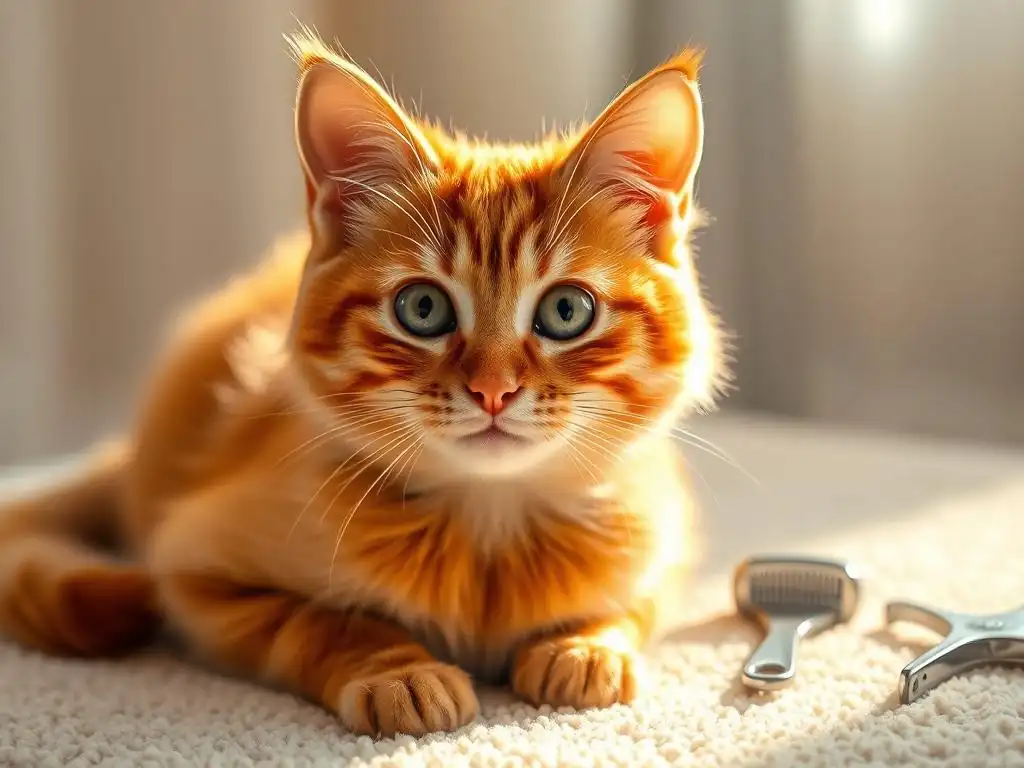
Welcome to PetCareWorld, your ultimate guide to happy and healthy pets! Are you ready to unlock the secrets to perfectly grooming your unique feline friend? Our comprehensive Manx cat grooming guide delves into the specific needs of this tailless breed, offering expert advice and practical tips to keep your Manx looking and feeling their best. Discover the essential techniques and learn how to address the particular challenges of their coat and body structure. Dive in and start your journey to mastering Manx cat care today!
- The Manx Cat's Unique Coat: A Grooming Guide
- Essential Manx Cat Grooming Tools and Supplies
- Step-by-Step Manx Cat Grooming Routine
- Addressing Specific Grooming Challenges in Manx Cats
- Maintaining a Healthy Coat: Diet and Nutrition for Manx Cats
- When to Seek Professional Grooming for Your Manx Cat
- Finding a Qualified Groomer for Your Manx Cat
- Frequently Asked Questions
- Final Reflection: The Enduring Charm and Unique Needs of the Manx Cat
- Unlock Your Manx Cat's Grooming Secrets!
The Manx Cat's Unique Coat: A Grooming Guide
The Manx cat, renowned for its charming tailless appearance, also possesses a coat that requires specific grooming attention. Unlike many other cat breeds, the Manx cat's coat can vary significantly in texture and density, demanding a tailored grooming approach to maintain its health and shine. This comprehensive guide will delve into the specifics of Manx cat grooming, providing you with the knowledge and techniques to keep your feline friend looking and feeling their best.
We'll cover everything from understanding the nuances of their coat to identifying potential coat-related issues and implementing appropriate grooming solutions. This guide aims to be your ultimate resource for ensuring your Manx cat's coat remains healthy and beautiful, contributing to their overall well-being. Proper grooming is not just about aesthetics; it’s a crucial aspect of preventative healthcare for your beloved pet.
Regular grooming can help detect early signs of skin conditions, parasites, and other health problems. Let's dive into the specifics of caring for your unique Manx cat's coat.
Understanding the Manx Cat's Coat Texture and Variations
The Manx cat's coat is one of its most distinctive features, contributing significantly to its overall appearance and requiring specific grooming considerations. While some Manx cats boast a short, smooth coat, others possess a longer, plusher coat. This variation stems from genetic factors and can significantly influence your grooming routine.
- Short-haired Manx: These cats have a dense, short coat that requires less frequent brushing than their long-haired counterparts. However, regular brushing (at least once or twice a week) is still crucial for removing loose fur and preventing mats. This helps minimize hairballs and keeps their coat looking its best.
- Long-haired Manx: These cats, sometimes referred to as "longhairs" or "plush," have a significantly longer and denser coat that is prone to matting if not brushed regularly. Daily brushing is often recommended to prevent tangles and mats, particularly around the hindquarters and tail stump. Using a de-shedding tool can also be beneficial during shedding seasons.
The variations in coat length aren't the only factor. Coat texture also plays a role. Some Manx cats may have a slightly coarser coat, while others have a softer, finer texture. Understanding your cat's specific coat type will help you select the appropriate grooming tools and techniques. Remember to always use gentle strokes to avoid discomfort for your cat.
Assessing Your Manx Cat's Coat Condition: Identifying Potential Issues
Regularly assessing your Manx cat's coat condition is paramount for early detection of potential problems. A healthy Manx cat's coat will be shiny, smooth, and free from mats, tangles, and excessive shedding. However, several issues can manifest in their coat, requiring prompt attention.
Here's a checklist to help you assess your Manx cat's coat health:
| Condition | Description | Action |
|---|---|---|
| Excessive Shedding | More hair than usual is coming out, potentially indicating nutritional deficiencies or stress. | Adjust diet, consult veterinarian, reduce stress triggers. |
| Dull Coat | Lack of shine, indicating possible nutritional deficiencies, underlying health issues, or parasite infestation. | Adjust diet, consult veterinarian, check for parasites. |
| Matting/Tangles | Knotted fur, often caused by infrequent brushing, especially in long-haired Manx cats. | Gentle detangling with appropriate tools, possibly professional grooming if severe. |
| Skin Irritation | Redness, inflammation, or scratching, possibly due to allergies, parasites, or infections. | Consult veterinarian immediately for diagnosis and treatment. |
| Flea/Tick Infestation | Presence of fleas or ticks, causing itching and discomfort. | Use appropriate flea and tick preventative measures, consult veterinarian if infestation is severe. |
By regularly checking for these issues and addressing them promptly, you'll contribute significantly to your Manx cat's health and happiness. Remember, preventative care is key to maintaining a healthy and beautiful coat for your beloved companion. 😻
Essential Manx Cat Grooming Tools and Supplies
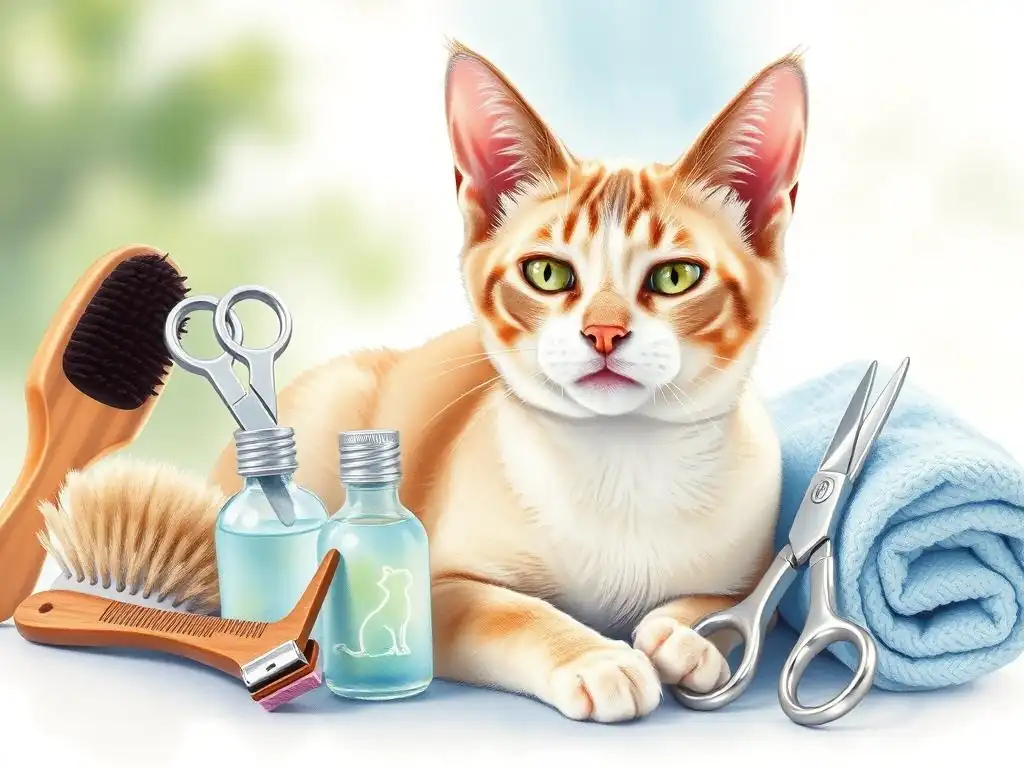
This section provides a comprehensive guide to the essential tools and supplies needed for effective Manx cat grooming. Proper grooming is crucial for maintaining your Manx cat's health and coat condition, especially considering their unique tailless characteristic which can sometimes affect coat distribution. We'll cover the selection of brushes, combs, and other necessities to ensure a smooth and comfortable grooming experience for both you and your feline friend. Remember, regular grooming is a key component of a complete Manx cat grooming guide.
Choosing the Right Brush for Your Manx Cat's Coat
The type of brush you choose will depend largely on your Manx cat's coat type. While Manx cats are known for their diverse coat variations, ranging from short and smooth to long and fluffy, selecting the appropriate brush is crucial for preventing matting and promoting a healthy shine.
- For short-haired Manx cats: A rubber curry brush is excellent for removing loose hair and stimulating the skin. Its gentle action helps distribute natural oils, leaving the coat healthy and glossy. A soft bristle brush can be used for a final touch, removing any remaining loose hair and adding a polished finish.
- For long-haired Manx cats: A slicker brush is essential for detangling and removing mats. Its fine wire bristles penetrate the coat effectively, but gentle strokes are vital to avoid pulling or irritating the cat's skin. Following with a wide-tooth comb helps to further remove any tangles and ensure the coat is completely smooth. Consider using a de-shedding tool to manage the heavier shedding periods.
- Important Considerations: Regardless of coat length, always check your Manx cat's skin for any irritations, fleas, or abnormalities during brushing. Regular brushing helps you identify potential problems early on. Make the grooming experience positive by using gentle strokes and rewarding your cat with treats or praise. This positive reinforcement is vital for creating a positive association with grooming, making future sessions easier. Remember, consistency is key! Regular brushing, even just a few minutes daily, will significantly reduce the risk of matting and keep your Manx cat looking and feeling their best.
Essential Grooming Supplies for Manx Cats
Beyond brushes, several other grooming supplies are beneficial for maintaining your Manx cat's hygiene and overall well-being. These items, when used correctly, contribute to a complete and effective Manx cat grooming routine. This section will detail these essential supplies and their proper usage.
| Grooming Supply | Description | Usage |
|---|---|---|
| Wide-Tooth Comb | Gently detangles longer hair and removes mats. | Use after brushing, especially on long-haired Manx cats. |
| Nail Clippers | Safely trims your cat's nails. | Trim nails regularly to prevent overgrowth and scratching. |
| Cat Shampoo | Specialized formula designed for cats' sensitive skin. | Use sparingly and only when necessary. Rinse thoroughly to avoid skin irritation. |
| Soft Towels | Absorbs excess water after bathing. | Dry your Manx cat gently after bathing to prevent chills. |
| Cotton Balls/Pads | For cleaning eyes and ears. | Gently clean eyes and ears using a clean cotton ball or pad for each eye/ear. |
| Ear Cleaning Solution | Specifically formulated for cats' ears. | Use as directed on the product label. |
| Toothbrush & Toothpaste | Essential for maintaining good oral hygiene. | Brush your cat's teeth regularly to prevent dental problems. |
Remember, creating a comfortable and positive grooming environment is crucial. A calm and relaxed atmosphere will make the entire process easier for both you and your Manx cat. Regular grooming is not just about aesthetics; it's a vital part of your Manx cat's overall health and well-being, strengthening your bond and ensuring many happy years together. 😻
Step-by-Step Manx Cat Grooming Routine
This section provides a comprehensive guide to grooming your Manx cat, focusing on their unique needs and characteristics. Remember, regular grooming is crucial for maintaining your Manx's coat health, preventing matting, and strengthening your bond. A consistent grooming routine will also help you detect any potential skin issues or health problems early on.
This Manx cat grooming guide will walk you through the essential steps, offering tips and techniques for a positive grooming experience for both you and your feline friend. The frequency of these grooming activities will depend on your cat's coat type and lifestyle, but generally, a weekly grooming session is recommended. Always prioritize your cat's comfort and safety throughout the process.
Brushing Your Manx Cat: Techniques and Frequency
The Manx cat's coat, while varying in length depending on the specific type (Longhair, Shorthair), requires regular brushing to prevent matting and tangles. Shorthaired Manx cats need less frequent brushing, perhaps once or twice a week, while Longhair Manx cats may require daily brushing, especially during shedding seasons.
Use a brush appropriate for your cat's coat type. A soft-bristled brush is suitable for shorthairs, while a slicker brush or a de-shedding tool may be necessary for longhairs. Gentle, methodical strokes are key. Start at the head and work your way down the body, paying close attention to areas prone to matting, such as behind the ears and around the hindquarters. Always brush in the direction of hair growth to avoid discomfort and potential skin irritation.
Regular brushing also helps distribute natural oils, keeping the coat healthy and shiny. During shedding seasons, you might notice an increase in hair loss; more frequent brushing will help manage this. Consider using a grooming mitt for a more gentle approach, especially with cats who are less tolerant of brushing. Remember to reward your cat with treats and praise throughout the process to create a positive association with grooming.
Bathing Your Manx Cat: A Gentle Approach
Bathing your Manx cat shouldn't be a frequent occurrence. Over-bathing can strip their coat of essential oils, leading to dryness and skin irritation. Most Manx cats only need a bath every few months, or only when absolutely necessary (e.g., after rolling in something unpleasant).
When bathing your Manx, use a cat-specific shampoo designed to be gentle on their skin. Avoid human shampoos, as they can be too harsh and disrupt the pH balance of their skin. Warm water is crucial; never use hot water. Wet your cat's fur thoroughly, avoiding getting water in their ears or eyes. Apply the shampoo gently, massaging it into the coat and paying attention to any particularly dirty areas.
Rinse thoroughly to remove all traces of shampoo, as residue can irritate their skin. Towel dry your cat as much as possible, and consider using a hairdryer on a low, cool setting if they tolerate it. If your cat strongly resists bathing, consult with a professional groomer. They have experience handling cats and can make the process easier and less stressful for both you and your pet.
Nail Trimming for Manx Cats: Safe and Effective Methods
Regular nail trimming is essential for your Manx cat's comfort and health. Overgrown nails can become ingrown, causing pain and infection. They can also snag on carpets and furniture, potentially causing injury.
Before you begin, gather your supplies: sharp cat nail clippers, styptic powder (to stop bleeding if you accidentally cut the quick), and a treat for positive reinforcement. Hold your cat securely but gently, making sure they feel safe and comfortable. Examine your cat's nails closely. The quick is the pink part of the nail containing blood vessels and nerves.
You want to trim only the white tip of the nail, avoiding the quick. If your cat's nails are dark, it can be more challenging to see the quick; trim small amounts at a time to avoid accidentally cutting into it. If you accidentally cut the quick, apply styptic powder to stop the bleeding immediately.
Reward your cat with treats and praise throughout and after the process to create a positive association with nail trimming. If you're unsure about trimming your cat's nails yourself, consult a veterinarian or professional groomer. They can show you the proper technique and help you build your cat's trust.
This detailed Manx cat grooming guide provides a thorough understanding of the specific needs of this unique breed. Remember that consistency and patience are key to a positive grooming experience for both you and your feline companion. Regular grooming is not just about aesthetics; it's a crucial aspect of ensuring your Manx cat's overall health and well-being.
Ear Cleaning for Manx Cats: Preventing Infections
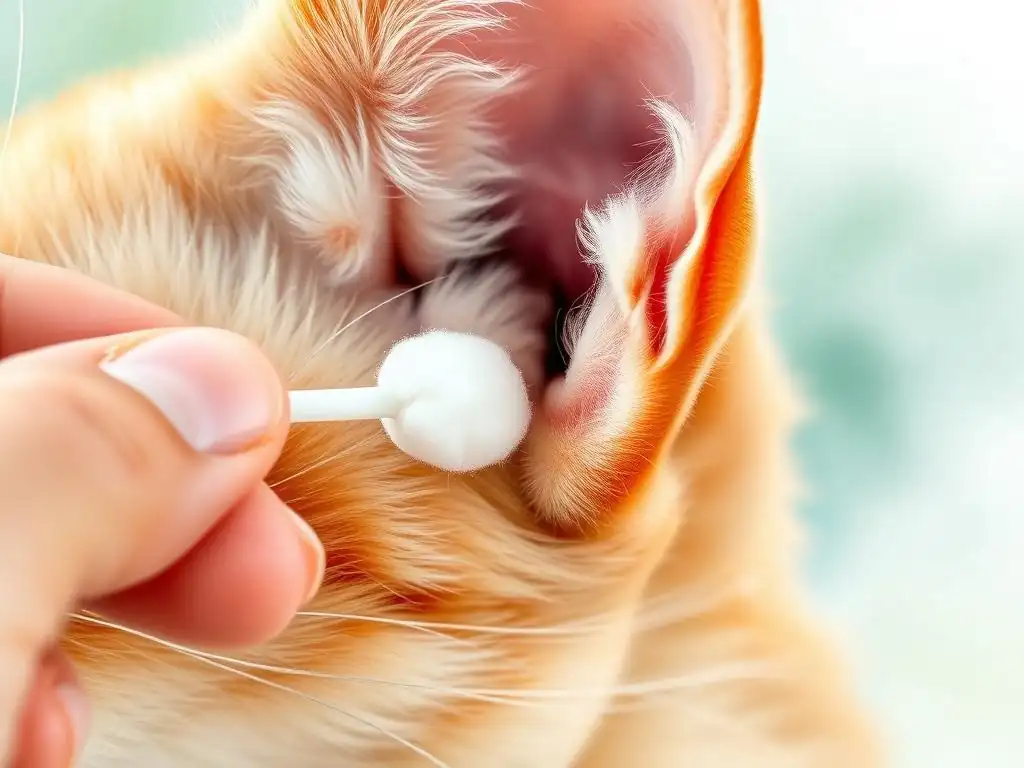
Regular ear cleaning is crucial for all cats, but especially for Manx cats. Their unique body structure doesn't inherently predispose them to more ear infections, but neglecting ear hygiene can lead to problems. A buildup of wax, dirt, and debris can create a breeding ground for bacteria and yeast, resulting in painful and potentially serious infections. These infections can manifest as head shaking, scratching at the ears, redness, swelling, and a foul odor. Early detection is key to effective treatment.
To clean your Manx cat's ears, use a veterinarian-recommended ear cleaning solution. Never use cotton swabs, as these can push debris further into the ear canal and potentially damage the eardrum. Instead, gently apply a small amount of the solution to a cotton ball or soft cloth. Gently wipe the inside of the ear flap, removing visible dirt and wax. Avoid inserting anything into the ear canal itself.
If you notice excessive wax buildup, redness, swelling, or a foul odor, consult your veterinarian immediately. Regular, gentle cleaning, ideally once or twice a month, is a proactive measure to prevent ear infections and maintain your cat's ear health. Remember to always reward your cat with treats and praise during and after the cleaning process to create a positive association. This will make future ear cleanings much easier. Observe your cat's ears regularly for any signs of irritation or infection.
Dental Care for Manx Cats: Maintaining Oral Hygiene
Dental disease is a significant concern for cats of all breeds, and Manx cats are no exception. Neglecting dental hygiene can lead to periodontal disease, characterized by gum inflammation, tooth decay, and even tooth loss. This can cause pain, difficulty eating, and even systemic infections. The bacteria from infected gums can spread throughout the body, potentially affecting the kidneys, heart, and other organs. Therefore, maintaining excellent oral hygiene is paramount to your Manx cat's overall health and well-being.
Brushing your Manx cat's teeth is the best way to prevent dental disease. Start by introducing your cat to the toothbrush gradually, allowing them to sniff and investigate it. Use a cat-specific toothbrush with soft bristles and a cat-friendly toothpaste – never use human toothpaste, as it can be toxic to cats. Begin with short brushing sessions, gradually increasing the duration as your cat becomes more comfortable.
Aim to brush your cat's teeth at least two to three times a week, ideally daily. In addition to brushing, you can provide dental chews and toys designed to help remove plaque and tartar. Regular veterinary checkups are essential for detecting and addressing any dental problems early on.
Your veterinarian can perform professional dental cleanings under anesthesia if necessary, removing tartar and plaque buildup that can't be managed at home. Early intervention can prevent more serious and costly treatments down the line. A healthy mouth contributes significantly to a happy and healthy Manx cat.
Addressing Specific Grooming Challenges in Manx Cats
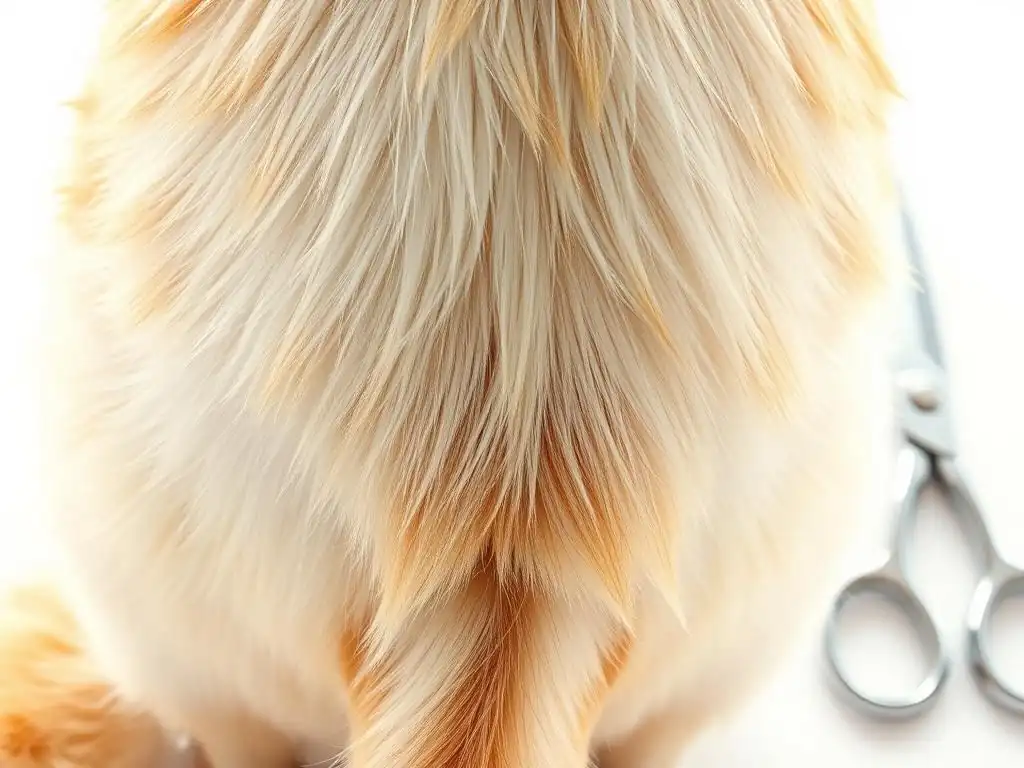
Manx cats, known for their charming taillessness, present unique grooming considerations compared to other cat breeds. Their coat, while generally short to medium in length, can be prone to matting, especially around the rump and hindquarters where the tail would normally be. Regular grooming is crucial for maintaining their coat health and preventing discomfort.
This section delves into the specific challenges of Manx cat grooming and offers practical solutions to ensure your feline friend remains happy and healthy. Understanding these breed-specific needs is key to providing optimal Manx cat grooming. This guide will help you master the art of Manx cat grooming, addressing common issues and promoting a healthy, shiny coat.
Dealing with Matted Fur in Manx Cats
Matted fur is a common problem in Manx cats, particularly in those with longer or denser coats. The lack of a tail can lead to increased friction and tangling, especially during shedding season. Early detection and intervention are crucial. Regular brushing, ideally daily, is the best preventative measure.
Use a slicker brush to remove loose undercoat and a wide-toothed comb to detangle any knots. For stubborn mats, a de-matting tool can be helpful, but use it gently to avoid pulling or hurting your cat's skin. If the mats are severe, it's best to seek professional grooming assistance to prevent skin irritation and potential infections.
Remember, gentle and consistent brushing is paramount to preventing matting and maintaining a healthy coat. Ignoring matted fur can lead to discomfort and even skin issues, so proactive grooming is essential in your Manx cat grooming routine. Consider the frequency of brushing; a daily routine is recommended for Manx cats to prevent mat formation.
Managing Shedding in Manx Cats: Seasonal Considerations
Manx cats, like other cats, experience seasonal shedding. This shedding is more pronounced in the spring and fall as their coats adjust to changing temperatures. During these periods, more frequent brushing is necessary to manage the increased amount of loose fur. This diligent grooming minimizes hairballs and keeps their coat looking its best.
While the Manx cat's coat is typically short to medium, the shedding can still be significant. Using a specialized shedding tool during these seasons can significantly reduce the amount of loose hair. Consider using a high-quality cat shampoo during bath time (infrequent baths are recommended) to help remove loose fur and condition the coat.
Regular vacuuming of your home is also helpful in managing the increased shedding. Understanding these seasonal variations will help you adapt your Manx cat grooming schedule for optimal results. Proper seasonal shedding management is a crucial part of your complete Manx cat grooming guide.
Skin Care for Manx Cats: Preventing and Treating Irritations
The skin of a Manx cat requires careful attention. Regular brushing helps to distribute natural oils, keeping the skin healthy and hydrated. However, some Manx cats are prone to skin allergies or irritations. Regularly inspect your cat's skin for any signs of redness, dryness, or unusual bumps.
If you notice any abnormalities, consult your veterinarian immediately. Avoid using harsh chemicals or scented products on your cat's skin, opting instead for gentle, cat-specific shampoos and conditioners. A balanced diet also plays a crucial role in maintaining healthy skin. Provide your cat with high-quality food that meets their nutritional needs.
A healthy diet contributes significantly to a healthy coat and skin. Proactive skin care is an essential part of a comprehensive Manx cat grooming guide, ensuring your pet's comfort and well-being. Remember, early detection and treatment of skin problems are key to preventing more serious issues. Regular checks and a gentle approach are crucial for optimal Manx cat skin care.
Maintaining a Healthy Coat: Diet and Nutrition for Manx Cats
A crucial aspect of Manx cat grooming, often overlooked, is the role of diet and nutrition in maintaining a healthy coat. A well-nourished Manx cat will boast a glossy, vibrant coat that's less prone to matting and shedding issues. This section delves into the specifics of nutritional requirements for a stunning Manx coat.
The Role of Nutrition in Manx Cat Coat Health
The quality of a Manx cat's coat is a direct reflection of its internal health. Essential fatty acids, like omega-3 and omega-6, are vital for maintaining skin elasticity and a lustrous coat. These fatty acids aren't synthesized by the cat's body; they must be obtained through their diet. A deficiency can lead to dry, flaky skin, dull fur, and increased shedding.
Furthermore, adequate protein intake is crucial for hair growth and repair. Proteins provide the building blocks for keratin, the primary structural protein of hair. A diet lacking sufficient protein can result in thin, brittle hair and slower hair growth. Vitamins and minerals also play a significant role.
Vitamin A, for example, supports skin cell growth and function, while zinc contributes to healthy skin and coat. Biotin, another essential vitamin, is vital for healthy hair growth and can be supplemented if necessary, but always consult with a veterinarian before adding supplements to your cat's diet. Observing your Manx cat's coat is a good way to assess their overall health. Changes in coat texture, shine, or shedding patterns can be indicative of underlying health issues.
Recommended Diet for a Healthy Manx Cat Coat
Choosing the right food is paramount. High-quality commercial cat food, specifically formulated for adult cats, often contains the necessary balance of nutrients for a healthy coat. Look for foods that list named meat sources (like chicken or salmon) as the primary ingredients, and avoid those with excessive fillers or artificial additives. The food should be rich in protein (at least 30%), and contain a good source of essential fatty acids.
You can also supplement their diet with occasional healthy treats like cooked fish (without bones) or a small amount of cooked, plain chicken. However, remember moderation is key to avoid weight gain and potential digestive issues. Always check the ingredient list carefully and consult your veterinarian for personalized dietary recommendations based on your cat's age, activity level, and any pre-existing health conditions.
A balanced diet, combined with regular grooming, will significantly contribute to the health and beauty of your Manx cat's unique coat. Remember, a shiny, healthy coat is a sign of a happy and healthy Manx cat! 😻
When to Seek Professional Grooming for Your Manx Cat
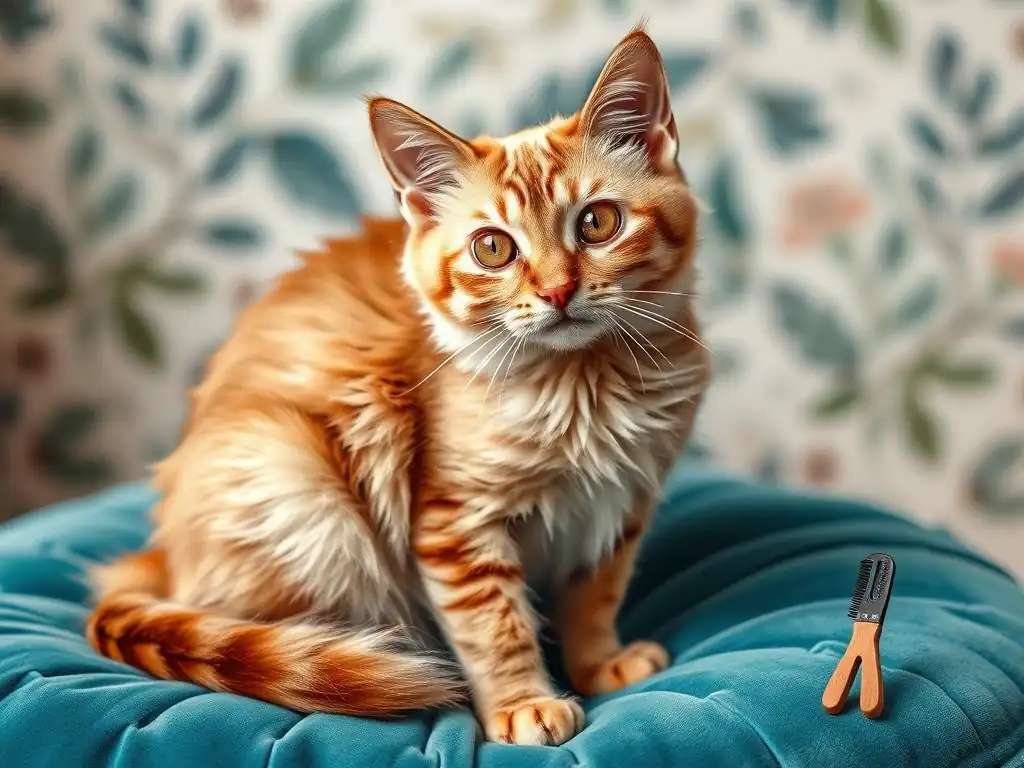
Professional grooming for your Manx cat isn't always necessary, but there are certain situations where it becomes highly beneficial, even crucial. This section will help you determine when to enlist the expertise of a qualified groomer. Regular at-home grooming is essential for maintaining your Manx's coat health, but professional assistance provides a deeper level of care and addresses specific needs. Understanding these nuances will help you make informed decisions about your cat's grooming routine. We'll explore both the signs indicating a need for professional help and how to locate a qualified groomer.
Recognizing When Professional Help is Needed
Several factors can signal the need for professional grooming for your Manx cat. These aren't necessarily emergencies, but rather indicators that a groomer's skills and tools can provide superior care. Consider professional help if:
- Matted Fur: Manx cats, while generally having a short, dense coat, can still develop mats, particularly around the rump and hindquarters. Severe matting can be painful and difficult to remove at home, potentially requiring sedation in extreme cases. A professional groomer possesses the expertise and specialized tools to safely detangle even the most stubborn mats.
- Difficulty with Bathing: While bathing a Manx cat at home is manageable, some cats are resistant to the process. A professional groomer has the experience to handle even the most apprehensive feline, using techniques that minimize stress and ensure a thorough cleaning. This is especially important because proper bathing helps prevent skin issues.
- Nail Trimming Challenges: Clipping your cat's nails can be daunting for first-timers. A groomer can safely and efficiently trim your Manx's claws, reducing the risk of injury to both you and your pet. They are also well-versed in identifying potential nail problems.
- Excessive Shedding: While shedding is natural, excessive shedding might indicate underlying health issues. A professional groomer can assess your cat's shedding patterns and alert you to potential problems, ensuring early intervention if necessary. This proactive approach is essential for maintaining your cat's overall well-being.
- Grooming for Show Purposes: If you plan to enter your Manx in cat shows, professional grooming is essential to ensure your cat looks its best and meets the breed standard. Experienced groomers are familiar with show requirements and can prepare your cat accordingly.
Remember, proactive grooming is key to preventing many potential problems. Regular brushing at home, combined with occasional professional grooming, is the ideal approach to maintaining your Manx's coat health and overall well-being.
Finding a Qualified Groomer for Your Manx Cat
Finding the right groomer for your Manx cat is crucial to ensure a safe and positive experience. Choosing a groomer who understands the specific needs of this breed is paramount. This section will guide you through the process of identifying and selecting a qualified professional. The right groomer will not only provide excellent grooming services but also prioritize your cat's comfort and safety.
Finding a Qualified Groomer for Your Manx Cat
Several factors are essential when searching for a qualified groomer specializing in Manx cats. Don't rush the process; thorough research is key. Consider the following:
- Experience with Manx Cats: Look for groomers who explicitly mention experience with Manx cats or similar short-haired breeds. This indicates a familiarity with their unique coat characteristics and potential grooming challenges. Ask directly about their experience with the breed during your initial contact.
- Reviews and Testimonials: Check online reviews and testimonials to gauge the groomer's reputation and client satisfaction. Look for consistent positive feedback regarding their handling of cats, especially those with unique needs.
- Grooming Techniques and Tools: Inquire about the groomer's techniques and the tools they use. A reputable groomer will employ safe and gentle methods, utilizing appropriate tools for your Manx's coat type. They should be comfortable discussing their approach to grooming.
- Cleanliness and Hygiene: A clean and hygienic grooming environment is crucial to prevent the spread of diseases. Observe the grooming facility's cleanliness during a visit or inquire about their hygiene protocols. This is essential for the health of your cat.
- Certification and Training: While not always mandatory, certification or specialized training in feline grooming can indicate a higher level of expertise and commitment to professional standards. This demonstrates a dedication to ongoing professional development.
Finding the right groomer may require some effort, but the investment in your Manx's well-being will be well worth it. Remember, a positive grooming experience is crucial for your cat's physical and emotional health. Take your time, do your research, and choose a groomer you trust.
Frequently Asked Questions
How often should I groom my Manx cat?
Manx cats, like other cats, benefit from regular grooming. Aim for at least once a week, brushing their coat to remove dead hair and prevent matting. More frequent brushing may be necessary during shedding seasons.
What special grooming needs do Manx cats have due to their taillessness?
While their lack of a tail doesn't directly impact grooming, pay close attention to their rump and hindquarters, as these areas can be prone to matting. Regular brushing is crucial to prevent this.
What type of brush is best for a Manx cat?
A combination brush with both bristle and fine-toothed components is ideal for a Manx cat's coat. This will effectively remove loose hair and prevent matting. Avoid brushes that are too harsh.
How do I bathe my Manx cat?
Bathing a Manx cat should be done only when necessary, as over-bathing can dry out their skin. Use a cat-specific shampoo and ensure the water is lukewarm. Thoroughly rinse all the shampoo.
Be mindful of skin irritations or abnormalities during grooming. Consult your veterinarian if you notice any unusual bumps, redness, or excessive shedding. Regular checks are vital for their overall health.
Final Reflection: The Enduring Charm and Unique Needs of the Manx Cat
The gentle curve of a Manx cat's rump, a testament to their unique genetic heritage, speaks volumes about their special grooming requirements. Understanding these needs isn't just about maintaining a healthy coat; it's about fostering a deeper connection with these captivating felines and ensuring their well-being for years to come. Their distinctive lack of tail necessitates a more attentive approach to grooming, making responsible ownership crucial.
The Manx cat's enduring popularity, despite their specific grooming needs, highlights our deep connection with animals and our willingness to adapt to their unique characteristics. Their playful personalities and affectionate natures have won over hearts worldwide, proving that a little extra effort in grooming is a small price to pay for the joy they bring. The love of a good cat is a pure and simple pleasure that asks little and gives much.
This sentiment perfectly encapsulates the rewarding relationship we can build with these special cats, provided we understand and meet their needs.
Now, consider your own relationship with your Manx cat, or perhaps with any pet that requires a little extra care. Embrace the opportunity to learn, adapt, and provide the best possible life for your furry companion. Take the time to master the techniques outlined in this guide, and remember that every brush stroke, every gentle comb, is an act of love and a testament to your commitment to their well-being. The reward? A purring, healthy, and deeply bonded relationship that will enrich both your lives.
Unlock Your Manx Cat's Grooming Secrets!
Congratulations on taking the first step towards mastering Manx cat grooming! You've already learned about the special care their unique bodies need. Now, let's put that knowledge into practice.
- Establish a Regular Grooming Routine: Dedicate just 15 minutes a week to brushing and cleaning your cat. This simple act prevents matting and keeps your feline friend happy and healthy. It's the most effective thing you can do.
- Share Your Expertise: Help other Manx cat owners by sharing your experiences and tips in the comments below! Let's build a supportive community together.
- Use Manx-Specific Grooming Products: Explore specialized brushes and shampoos formulated for their coat type. This will help you achieve optimal grooming results.
Ready to transform your Manx cat's grooming routine and see the amazing results? What's your biggest grooming challenge, and how do you plan to overcome it?