
Cold Weather Pet Gear: Essential Items for Hypothermia Prevention

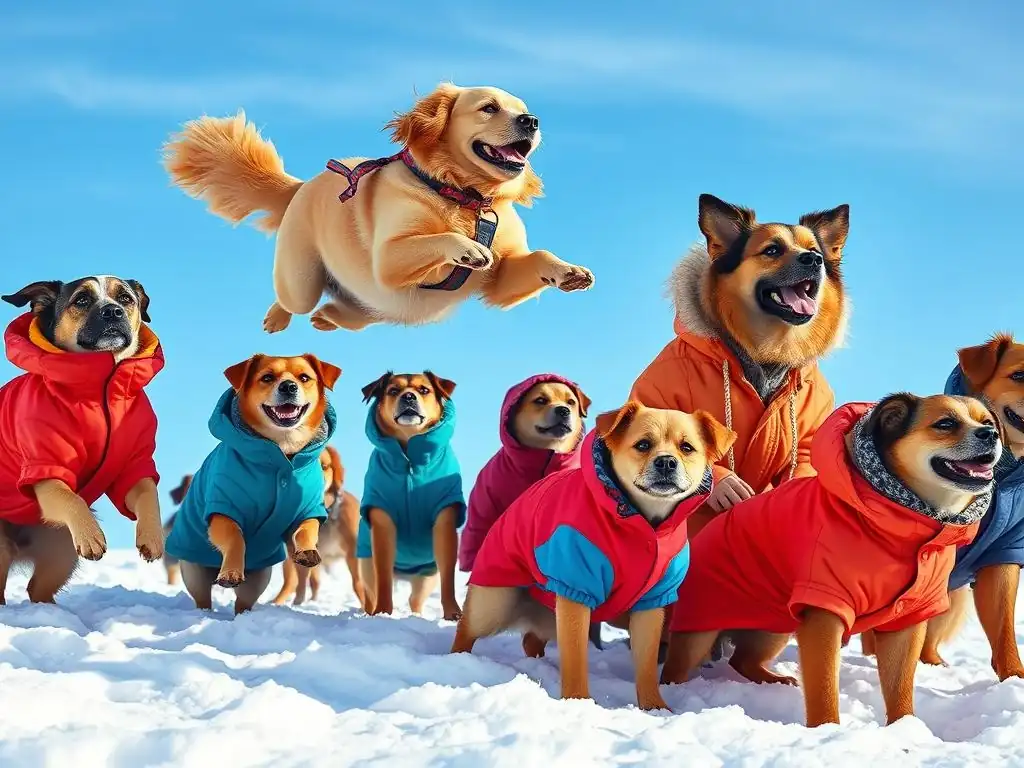
Welcome to PetCareWorld, your ultimate guide to a happier, healthier life for your beloved companion! Are you prepared for the winter chill? Discover our expert recommendations on the Best cold weather dog coats to ensure your furry friend stays warm and safe this season. Learn how to prevent hypothermia and keep your pet comfortable, no matter the temperature. Dive into our comprehensive guide and unlock the secrets to optimal pet care – your journey to better pet health starts here!
- Understanding Hypothermia in Pets
-
Best Cold Weather Dog Coats: A Comprehensive Guide
- Choosing the Right Size and Fit for Your Dog's Coat
- Materials for Optimal Warmth and Weather Protection: Down, Fleece, and Waterproof Options
- Features to Consider: Hoods, Leashes, and Reflective Strips for Nighttime Visibility
- Top-Rated Cold Weather Dog Coats: Reviews and Recommendations
- Best Cold Weather Coats for Small Breeds
- Best Cold Weather Coats for Large Breeds
- Beyond the Coat: Additional Cold Weather Pet Gear
- Protecting Your Pet from the Cold: Essential Tips
- Cold Weather Gear for Other Pets: Cats, Small Animals, and More
- Frequently Asked Questions
- Final Reflection: Shielding Our Furry Friends from Winter's Chill
- Ready to Bundle Up Your Best Friend?
Understanding Hypothermia in Pets
Winter's chill can pose a significant threat to our beloved pets, especially those susceptible to hypothermia. Hypothermia, a dangerously low body temperature, isn't just a concern for outdoor adventurers; it's a real and present danger for pets, regardless of breed or lifestyle. This comprehensive guide will equip you with the knowledge and tools to protect your furry friends from the perils of cold weather, focusing on essential gear and preventative measures. We'll explore the signs of hypothermia, identify at-risk pets, and detail crucial first-aid steps.
Understanding the risks and taking proactive steps is paramount to ensuring your pet's safety and well-being during the colder months. Choosing the right cold weather gear, like the best cold weather dog coats, is a crucial part of this preventative strategy. This article will help you navigate the options and select the most effective protection for your pet.
Recognizing the Signs of Hypothermia in Dogs and Cats
Recognizing the signs of hypothermia in your pet is crucial for prompt intervention. Early detection significantly increases the chances of a successful recovery. While the symptoms can vary depending on the severity of the hypothermia, some common indicators include:
- Shivering: Initially, your pet might shiver intensely, a natural response to cold temperatures. However, prolonged or severe shivering can be a warning sign.
- Lethargy and Weakness: A noticeable decrease in energy levels, apparent weakness, and a reluctance to move are common symptoms. Your pet might appear unusually sluggish or unresponsive.
- Slow Heart Rate and Breathing: Hypothermia slows down the body's metabolic processes, leading to a decreased heart rate and respiratory rate. Listen carefully for any unusual changes in their breathing pattern.
- Muscle Stiffness and Rigidity: As the body temperature drops further, muscles can become stiff and rigid, making movement difficult or painful for your pet.
- Pale Gums and Cold Extremities: Check your pet's gums; pale or bluish gums are a clear indicator of low blood circulation. Their paws, ears, and nose will also feel significantly colder than usual.
- Mental Confusion and Disorientation: In severe cases, hypothermia can cause mental confusion, disorientation, and even loss of consciousness.
Remember, early detection is key. If you observe any of these symptoms, seek immediate veterinary attention. Don't hesitate to contact your veterinarian, especially if your pet exhibits signs of severe hypothermia. The quicker you act, the better the outcome.
Hypothermia Risk Factors: Breed, Age, and Health Conditions
Certain factors significantly increase a pet's vulnerability to hypothermia. Understanding these risk factors allows for proactive preventative measures. Smaller breeds, senior pets, and those with underlying health conditions are particularly at risk.
- Breed Size and Coat: Smaller breeds with thin coats are more susceptible to heat loss than larger breeds with thicker fur. Breeds with short hair, like Chihuahuas or Greyhounds, need extra protection in cold weather.
- Age: Senior pets often have slower metabolisms and reduced ability to regulate their body temperature, making them more prone to hypothermia. Their immune systems might also be weaker, increasing their susceptibility to illness.
- Health Conditions: Pets with pre-existing health conditions, such as heart disease, diabetes, or hypothyroidism, are at a higher risk of developing hypothermia. These conditions can impair their ability to maintain a stable body temperature.
- Exposure to Cold: Prolonged exposure to cold temperatures, especially combined with wind and wet conditions, significantly increases the risk of hypothermia. Even short periods of exposure can be dangerous for vulnerable pets.
By understanding these risk factors, you can tailor your preventative measures to your pet's specific needs. Providing adequate shelter, warm bedding, and appropriate clothing can significantly reduce the risk.
First Aid for Hypothermia in Pets: Immediate Actions
If you suspect your pet is suffering from hypothermia, immediate action is crucial. Follow these first-aid steps while simultaneously contacting your veterinarian:
- Gentle Warming: Gently move your pet to a warm, sheltered location. Avoid sudden or drastic temperature changes, as this can be harmful. Wrap your pet in warm blankets or towels.
- Body Temperature Monitoring: Monitor your pet's body temperature using a thermometer if possible. This will help guide your warming efforts and provide valuable information to your veterinarian.
- Warm Water Bottles: Place warm (not hot!) water bottles wrapped in towels near your pet to provide gentle warmth. Avoid direct contact with the water bottles to prevent burns.
- Avoid Rubbing: Do not rub your pet vigorously to try to warm them up. This can damage their skin and cause further stress.
- Veterinary Care: Seek immediate veterinary care. Your veterinarian will provide proper treatment, including monitoring and potentially administering fluids or other supportive care. They might also perform tests to assess the extent of hypothermia and rule out other complications.
Remember, prevention is always better than cure. By understanding the risks and taking proactive measures, you can significantly reduce the chances of your pet experiencing hypothermia this winter. Investing in the best cold weather dog coats and other protective gear is a vital step in ensuring their safety and well-being. 🐶🥶
Best Cold Weather Dog Coats: A Comprehensive Guide
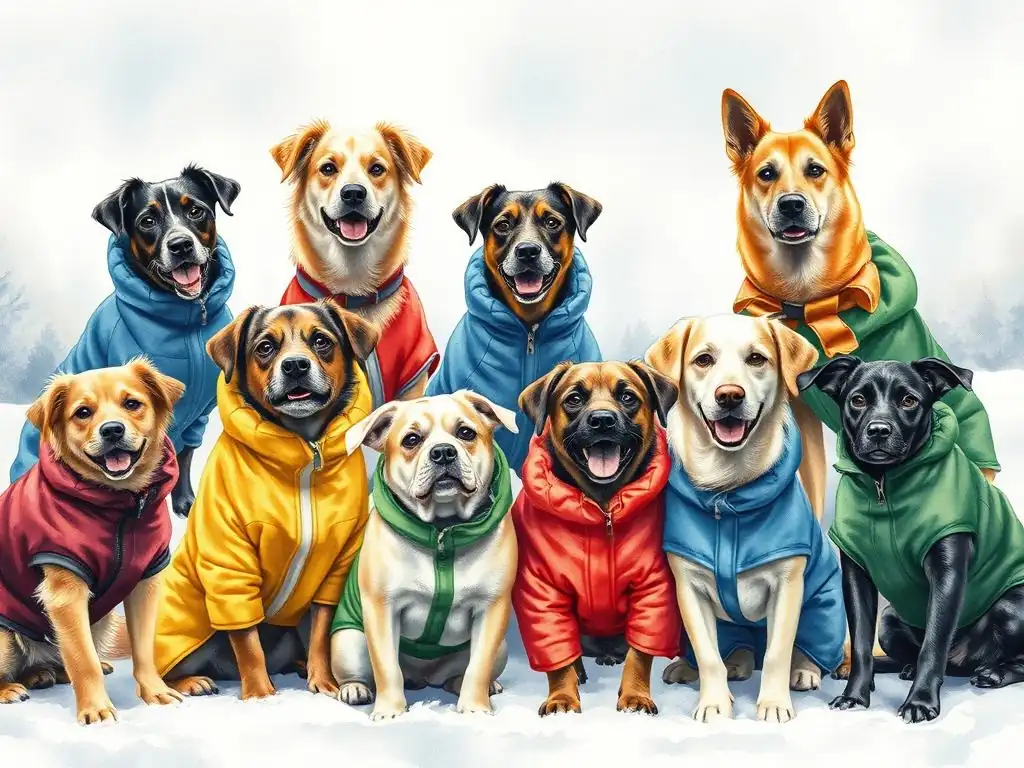
This section delves into the crucial aspects of selecting the best cold weather dog coat to keep your canine companion warm and comfortable during winter's chill. Finding the perfect coat involves careful consideration of several factors, ensuring your dog stays protected from hypothermia and enjoys optimal comfort. We'll explore essential elements to guide you in your selection process, helping you choose the best cold weather dog coats for your furry friend.
Choosing the Right Size and Fit for Your Dog's Coat
Selecting the correct size is paramount for effective warmth and unrestricted movement. A coat that's too small will restrict your dog's range of motion and may not provide adequate insulation. Conversely, a coat that's too large will be ineffective, allowing cold air to penetrate and negating its purpose.
To determine the appropriate size, measure your dog's back length (from the base of the neck to the base of the tail) and chest girth (the widest part of the chest, just behind the front legs). Refer to the manufacturer's size chart, which should provide detailed measurements for each size available.
Consider your dog's breed and build. Some breeds, like Huskies or Malamutes, have thicker coats naturally and may require less insulation than smaller, short-haired breeds like Chihuahuas or Greyhounds. A snug but not restrictive fit is ideal; your dog should be able to move freely without the coat bunching or riding up.
Remember to check the coat's length as well. A longer coat offers better coverage, protecting the belly and legs from the cold. Consider the dog's activity level; a more active dog might benefit from a slightly looser fit to allow for greater freedom of movement.
Materials for Optimal Warmth and Weather Protection: Down, Fleece, and Waterproof Options
The material of your dog's coat significantly impacts its effectiveness in protecting against cold and wet conditions. Different materials offer varying levels of warmth, water resistance, and breathability.
- Down: Down-filled coats provide exceptional warmth and insulation due to their fluffy, lightweight nature. Down is naturally water-resistant, but it's crucial to ensure the coat has a waterproof outer layer to prevent it from getting soaked and losing its insulating properties. Down is excellent for colder climates and less active dogs.
- Fleece: Fleece is a popular choice for its softness, warmth, and breathability. It's a good option for milder winter conditions and more active dogs, as it allows for better air circulation, preventing overheating. However, fleece is not waterproof, so it's not suitable for wet or snowy conditions.
- Waterproof Options: Waterproof coats are essential for wet and snowy conditions. Look for coats made from materials like nylon or polyester with a waterproof and breathable membrane. These materials will keep your dog dry and warm even in heavy rain or snow. Many waterproof coats also incorporate insulation, providing added warmth.
Choosing the right material depends on your climate and your dog's lifestyle. Consider factors like frequency of walks in wet conditions and your dog's level of activity to make an informed decision. A table summarizing the properties of each material can help clarify:
| Material | Warmth | Water Resistance | Breathability | Best For |
|---|---|---|---|---|
| Down | Excellent | Good (with outer layer) | Moderate | Cold climates, less active dogs |
| Fleece | Good | Poor | Excellent | Mild climates, active dogs |
| Waterproof | Varies | Excellent | Varies | Wet & snowy conditions |
Features to Consider: Hoods, Leashes, and Reflective Strips for Nighttime Visibility
Beyond the core material and fit, several additional features can enhance the functionality and safety of your dog's cold-weather coat.
- Hoods: A hood can provide extra protection for your dog's head and ears, particularly in very cold or windy conditions. However, ensure the hood is adjustable and doesn't restrict your dog's vision or movement.
- Leash Attachments: Many coats incorporate leash attachments, allowing you to attach your dog's leash directly to the coat. This can be particularly useful in preventing the coat from shifting or coming off during walks.
- Reflective Strips: Reflective strips or details are crucial for enhancing your dog's visibility during nighttime walks. These strips improve safety by making your dog more visible to drivers and other pedestrians. Consider the level of reflectivity; some materials are more effective than others. Look for coats with multiple reflective strips strategically placed for maximum visibility.
Choosing a coat with these features will significantly improve the overall experience for both you and your furry friend. The added safety and comfort provided by these features are worth considering when purchasing your best cold weather dog coat. Remember to always supervise your dog while wearing a coat, and check for any signs of discomfort or restriction. 🐶
Top-Rated Cold Weather Dog Coats: Reviews and Recommendations
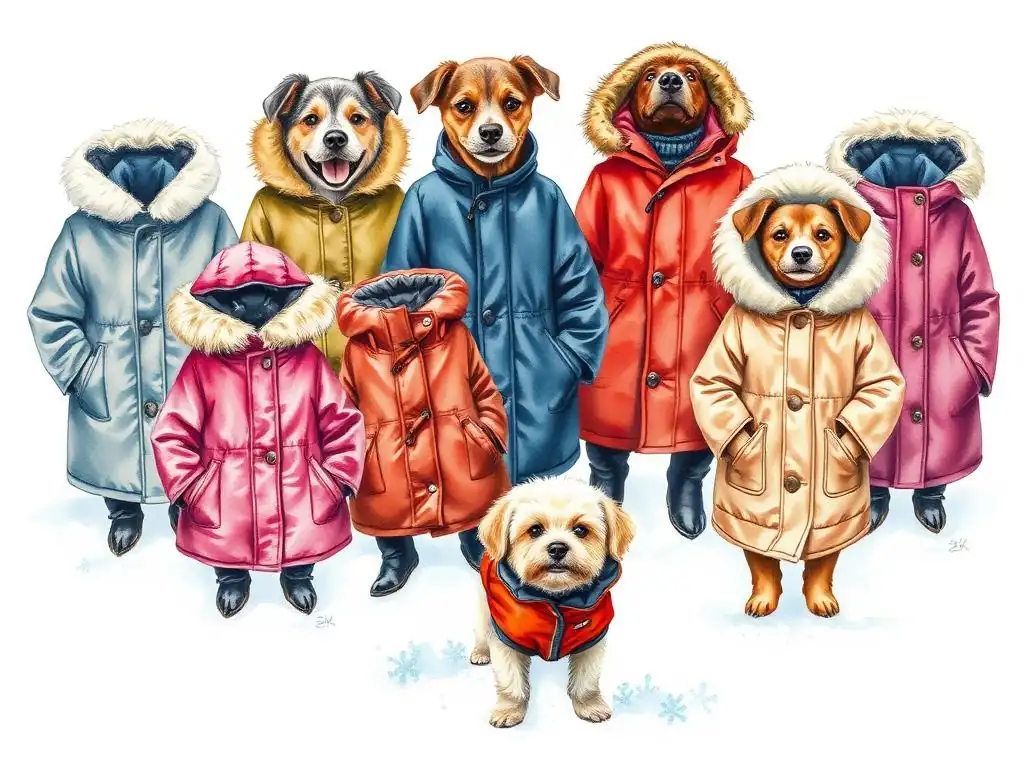
Choosing the best cold weather dog coat requires careful consideration of several factors, including your dog's breed, size, activity level, and the severity of the weather conditions. Many excellent coats are available, each with its own strengths and weaknesses. For instance, coats with a high-loft fleece lining offer superior insulation in extremely cold temperatures, keeping even the smallest breeds toasty warm during winter walks. These are often more expensive but provide exceptional warmth and protection against wind and snow.
Alternatively, water-resistant or waterproof coats are essential for dogs who love playing in the snow or who live in areas with frequent rain or sleet. These typically incorporate a durable outer layer and may feature taped seams to prevent water leakage. Remember to check the coat's sizing chart carefully to ensure a proper fit, as a coat that's too tight can restrict movement, while one that's too loose may not offer adequate protection.
Consider features like reflective strips for improved visibility during nighttime walks, and adjustable straps or closures for a secure and comfortable fit. Reading online reviews from other pet owners can provide valuable insights into the performance and durability of different coats. Look for reviews that mention specific experiences in various weather conditions and pay close attention to comments about the coat's ability to stay in place during active play.
Best Cold Weather Coats for Small Breeds
Small breeds, with their higher surface area-to-volume ratio, are particularly susceptible to cold weather. They lose heat more quickly than larger breeds, making it crucial to invest in a well-insulated coat designed specifically for their size. Look for coats that are lightweight yet warm, providing optimal protection without restricting movement. Many manufacturers offer coats specifically tailored to small breeds, often with features like shorter lengths and snugger fits to prevent drafts and ensure proper coverage.
Consider coats made from soft, comfortable materials like fleece or plush lining, especially for breeds with sensitive skin. Pay attention to the neck and belly areas – these are often vulnerable spots for small dogs. A coat that effectively covers these areas is essential for preventing hypothermia. When choosing a coat, prioritize comfort and warmth.
A poorly fitting coat can be uncomfortable and ineffective, potentially causing your small dog more stress than protection. Remember to always supervise your dog while they are wearing their coat, ensuring it remains secure and doesn't pose a safety hazard. Regularly check for any signs of chafing or discomfort and adjust the coat as needed. For especially chilly days, layering a thin undershirt under the coat can provide extra insulation.
Best Cold Weather Coats for Large Breeds
Large breeds may appear more resilient to cold weather, but they still benefit from the protection of a good quality coat, especially during prolonged exposure to low temperatures or wet conditions. For large breeds, durability and functionality are key considerations. Look for coats made from robust, weather-resistant materials that can withstand the rigors of active play or outdoor adventures. Reinforced stitching is crucial to ensure the coat can handle the strain of a powerful dog.
Larger dogs often require coats with more substantial insulation to maintain their body heat effectively. Features like adjustable straps and closures are essential for a proper fit, preventing the coat from slipping or becoming too loose, which can reduce its effectiveness. The coat's length is also important, ensuring it provides adequate coverage for the dog's torso and legs. Consider the activities your dog typically engages in during cold weather.
If your dog is particularly active, you may need a coat that is both warm and allows for a full range of motion. For dogs who tend to get muddy or wet, a waterproof or water-resistant coat is a wise investment. Regularly inspect your dog's coat for any signs of wear and tear, and replace it if necessary to ensure your dog continues to receive optimal protection from the cold. Remember that even large breeds can be vulnerable to hypothermia in extreme conditions.
Beyond the Coat: Additional Cold Weather Pet Gear
While a good quality coat is crucial for keeping your canine companion warm in freezing temperatures, it's only one piece of the puzzle when it comes to preventing hypothermia. Several other pieces of cold weather gear can significantly enhance your pet's comfort and protection, especially for breeds with short hair or those particularly susceptible to the cold. Choosing the best cold weather dog coats is just the starting point; let's explore some additional essential items. Remember, layering is key to maximizing warmth and protection against the elements.
Cold Weather Dog Boots: Protection Against Ice and Snow
Protecting your dog's paws from the harsh conditions of winter is paramount. Ice, snow, salt, and chemical de-icers can cause painful cracks, cuts, and irritation. Investing in a good pair of cold weather dog boots is a worthwhile investment, particularly for smaller breeds or those with sensitive paws.
Consider these factors when selecting boots:
- Material: Look for waterproof, durable materials that provide excellent insulation. Neoprene or similar materials are popular choices.
- Fit: Ensure a snug but not overly tight fit to prevent slippage and discomfort. Measure your dog's paws carefully before ordering.
- Traction: Boots with good traction are essential for preventing slips and falls on icy surfaces. Look for features like rugged soles or non-slip treads.
- Fastening: Secure closures are crucial to keep the boots in place. Velcro straps, buckles, or elastic bands are common choices.
Remember, introducing boots gradually will help your dog adjust to wearing them. Start with short periods indoors before venturing outdoors. Regularly check for any signs of irritation or discomfort. Many dogs may need a little training and positive reinforcement to get comfortable wearing boots. Treats and praise can be effective training tools.
Pet Sweaters and Jumpers for Extra Warmth
A sweater or jumper provides an extra layer of insulation, especially for dogs who spend significant time outdoors or in drafty areas. These garments are particularly beneficial for smaller breeds or those with thin coats. When selecting a pet sweater, prioritize materials that are soft, breathable, and warm. Avoid materials that are too bulky or restrictive, as these can hinder your pet's movement. Look for sweaters with comfortable necklines and easy-to-use closures. Again, introduce the sweater gradually and use positive reinforcement to make the experience positive for your dog. 🐕
Heated Dog Beds for Indoor Comfort
Even indoors, your dog might appreciate extra warmth, particularly during prolonged periods of cold weather. A heated dog bed offers a cozy and comfortable spot for your pet to relax and stay warm. Choose a bed with adjustable temperature settings to ensure optimal comfort. Look for beds made from durable, easy-to-clean materials.
Safety is paramount; ensure the bed has appropriate safety certifications and features to prevent overheating or electrical hazards. Regularly check the bed's condition for any signs of wear and tear. A warm and comfortable bed can contribute significantly to your dog's overall well-being during the cold winter months. 🏡
Choosing the right combination of cold-weather gear can make a world of difference in keeping your pet safe and comfortable during the winter months. Remember to monitor your pet closely for signs of hypothermia and adjust their gear as needed. By taking proactive steps to protect your furry friend, you'll ensure they enjoy the winter season as much as you do.
Cold Weather Pet Blankets for Outdoor Use

Choosing the right blanket can significantly impact your pet's comfort and safety during cold weather outings. Look for blankets specifically designed for outdoor use, prioritizing water resistance and wind-blocking properties. Materials like fleece offer excellent warmth, while ripstop nylon adds durability and protection against tearing. Consider the size and breed of your pet when selecting a blanket; a snug fit is crucial to maximize warmth retention.
Avoid blankets that are too bulky, as this can restrict your pet's movement and potentially lead to discomfort. A good quality blanket should be lightweight yet warm, allowing your pet to move freely while staying protected from the elements. Remember to check the blanket regularly for any signs of wear and tear, replacing it as needed to ensure continued protection against the cold. For smaller pets or those prone to shivering, layering blankets can provide extra insulation.
Always prioritize safety; ensure the blanket doesn't pose a choking hazard or get tangled around your pet's legs. Consider reflective strips for added visibility during nighttime walks, especially important for dark-colored pets in low-light conditions. Investing in a high-quality, durable blanket is a wise choice to ensure your furry friend remains warm and comfortable during winter adventures.
Pet First-Aid Kit Essentials for Winter Emergencies
A well-stocked first-aid kit is crucial for handling winter-related emergencies. Beyond the standard items, winter necessitates some specific additions. Include warming pads or blankets to treat hypothermia. Consider a space blanket for immediate insulation in case of exposure.
Pack antiseptic wipes and ointment for treating frostbite, and ensure you have pain relievers appropriate for your pet's size and breed (always consult your veterinarian before administering any medication). A thermometer is essential for monitoring body temperature, and you should include a pair of blunt-ended scissors for cutting through fabric or removing debris. Don't forget a sturdy carrier or crate for transporting your pet safely in an emergency. Having a comprehensive first-aid kit readily available will allow you to respond effectively to cold-weather mishaps, potentially saving your pet's life.
Remember to regularly check the expiration dates of medications and replace any items that are damaged or depleted. A well-maintained kit provides peace of mind, knowing you are prepared for any unforeseen circumstances. Consider including a small flashlight or headlamp for visibility in low-light conditions, and a waterproof bag to keep everything dry and organized. Regularly reviewing and updating your pet's first-aid kit is a vital part of responsible pet ownership, especially during harsh winter conditions.
Protecting Your Pet from the Cold: Essential Tips
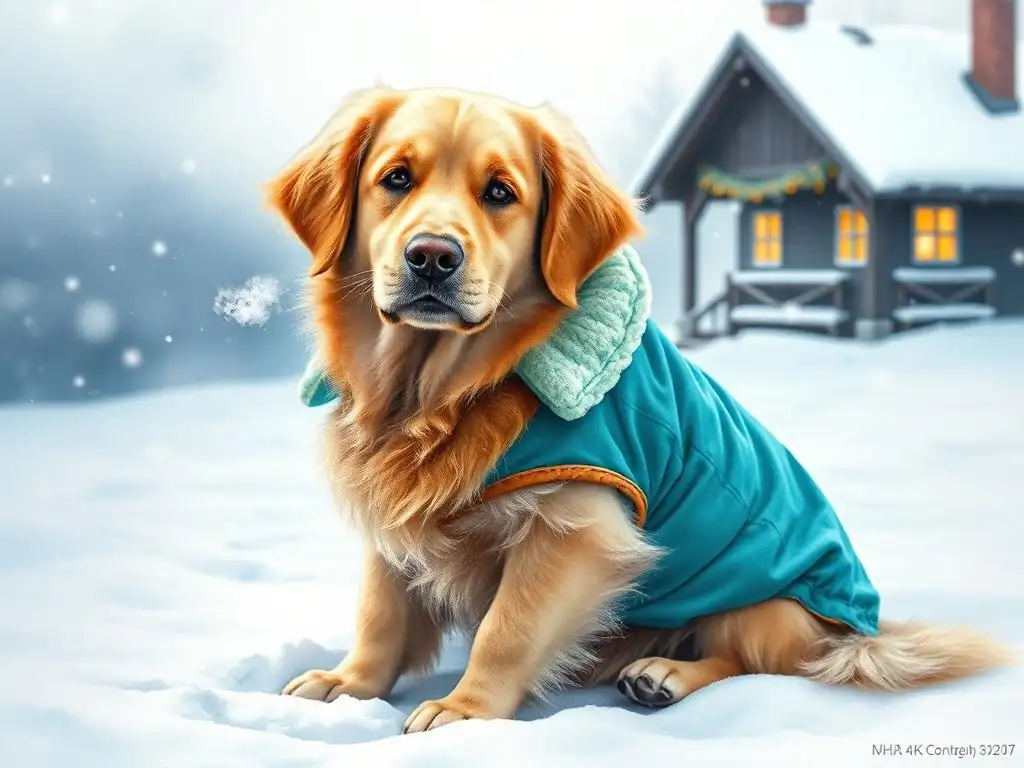
This section focuses on proactive measures to safeguard your pet against the dangers of hypothermia, especially when searching for the "best cold weather dog coats." Remember, even seemingly hardy breeds can suffer from the cold, especially during prolonged exposure to freezing temperatures or inclement weather. Proactive pet care is key to preventing emergencies.
Adjusting Walks Based on Temperature and Weather Conditions
The intensity and duration of your pet's outdoor activities should be carefully adjusted according to the weather. On extremely cold days (below 20°F or -7°C), significantly shorten walks and limit strenuous activity. Consider replacing long walks with shorter, more frequent trips outdoors for potty breaks. Always monitor your pet for signs of shivering, lethargy, or discomfort.
For example, a vigorous hour-long walk on a 50°F (10°C) day might be reduced to three 10-minute walks on a 15°F (-9°C) day. This allows your pet to relieve itself without prolonged exposure to the elements. Remember, pavement and snow can become extremely cold, potentially causing frostbite on paws. Consider using booties for added protection in severe conditions. Always prioritize your pet's comfort and safety. Observe their body language; if they seem reluctant to continue a walk, don't push them.
Providing Adequate Food and Water Intake During Cold Weather
Maintaining proper hydration and caloric intake is crucial during cold weather. Increased energy expenditure due to shivering necessitates a slightly higher calorie intake. This doesn't mean overfeeding, but rather ensuring your pet receives the recommended amount of high-quality food for their breed, size, and activity level. Consult your veterinarian for specific dietary recommendations, especially if your pet has pre-existing health conditions.
Water intake is equally vital. Frozen water bowls are a common problem in winter. Provide multiple bowls of fresh, unfrozen water throughout the day. Consider using heated water bowls to prevent freezing, or frequently replacing the water with fresh, warm water (not hot!). Dehydration can exacerbate the effects of cold stress and contribute to hypothermia. Remember, a well-nourished and hydrated pet is better equipped to withstand cold temperatures.
Prompt recognition and treatment of cold-related injuries are paramount. Hypothermia is a serious condition characterized by dangerously low body temperature. Symptoms include shivering, weakness, lethargy, slow heart rate, and shallow breathing. If you suspect your pet is suffering from hypothermia, seek immediate veterinary attention. While waiting for veterinary care, gently wrap your pet in warm blankets and provide a warm (not hot) water bottle wrapped in a towel for gentle warming.
Frostbite, another common cold weather injury, affects the extremities (paws, ears, tail). Symptoms include pale, gray, or bluish skin; swelling; and loss of feeling in the affected area. Do not rub the affected area. Gently warm the area using lukewarm water (never hot) and seek veterinary care. Prevention is key; using appropriate cold-weather gear, including the "best cold weather dog coats," can significantly reduce the risk of these injuries. Regularly check your pet for signs of frostbite, particularly after walks in snowy or icy conditions. Early intervention is crucial for optimal recovery.
Maintaining a Warm and Cozy Indoor Environment
Maintaining a comfortable indoor temperature is crucial, especially for smaller breeds, senior pets, or those with underlying health conditions. A consistently warm home significantly reduces their risk of hypothermia. While the ideal temperature varies depending on the pet and their breed, aiming for a temperature between 68°F and 72°F (20°C and 22°C) is generally recommended. However, some pets, particularly older animals or those with thin coats, may appreciate a slightly warmer environment. Observe your pet's behavior; shivering, lethargy, or seeking out unusually warm spots are signs they may need a warmer environment.
Consider using rugs or carpets to insulate cold floors. Hardwood or tile floors can quickly draw body heat from your pet, leading to chilling. Adding soft, thick bedding to their sleeping areas also helps retain body heat. For pets who love to snuggle, providing extra blankets or a heated pet bed can offer additional warmth and comfort. Remember to always supervise your pet with heated beds to prevent burns or overheating. Regularly check the temperature of the bed to ensure it's not excessively hot.
Don't underestimate the power of strategic placement of furniture and bedding. Positioning beds away from drafty windows and doors minimizes cold air exposure. Similarly, placing beds near heat sources (but not directly on them!) can help your pet stay warmer naturally. You can also consider using curtains or draft stoppers to seal off areas prone to drafts, preventing cold air from seeping into your home.
These small adjustments can make a considerable difference in maintaining a cozy and safe environment for your furry friend during the cold winter months. Regularly monitor the indoor temperature and adjust as needed to ensure your pet's comfort and safety. Remember, a warm and cozy home is the first line of defense against hypothermia in your beloved pet. 🐶🏠
Cold Weather Gear for Other Pets: Cats, Small Animals, and More
While the focus on "Best cold weather dog coats" is crucial, remember that many other beloved pets require protection from winter's chill. Neglecting their needs can lead to hypothermia and other health issues. This section details cold weather gear and considerations for cats, small animals, and other pets. Choosing the right gear involves understanding your pet's specific needs and breed characteristics. This is crucial for preventing hypothermia and ensuring their overall well-being during cold spells. Remember, even seemingly hardy breeds can succumb to the cold if not properly protected.
Keeping Cats Warm in Winter: Essential Supplies and Considerations
Cats, despite their furry coats, are susceptible to hypothermia, especially short-haired breeds, kittens, and senior cats. Providing adequate shelter and supplemental warmth is crucial. Unlike dogs, cats are often less receptive to bulky coats. Instead, focus on creating a warm and sheltered indoor environment.
- Indoor Shelters: A comfortable, enclosed cat bed placed in a warm, draft-free area is essential. Consider heated cat beds for extra warmth, but always supervise their use to avoid burns.
- Cozy Blankets and Bedding: Provide soft, thick blankets or bedding for your cat to snuggle into. Natural fibers like wool or fleece offer superior insulation.
- Window Perches: Cats love to bask in sunbeams. Provide a sunny window perch where they can soak up the warmth.
- Limited Outdoor Access: Minimize outdoor time, especially during the coldest parts of the day. If outdoor access is necessary, ensure a warm, sheltered area is available.
- Monitoring for Signs of Hypothermia: Be vigilant in monitoring your cat for signs of hypothermia, including lethargy, shivering, weakness, and pale gums. Seek immediate veterinary attention if you notice these symptoms.
Protecting Small Animals (Rabbits, Guinea Pigs) from the Cold
Small animals like rabbits and guinea pigs are particularly vulnerable to hypothermia due to their small size and high surface area to volume ratio. These animals require significantly more protection than larger pets.
- Insulated Housing: Their hutches must be insulated and protected from wind and rain. Consider using waterproof covers and adding extra bedding for warmth.
- Elevated Hutches: Raising the hutch off the ground prevents cold drafts and dampness from seeping in.
- Sufficient Bedding: Provide ample amounts of soft, dry bedding materials like hay, straw, and fleece. Deep bedding helps to trap heat and insulate the animals.
- Temperature Monitoring: Invest in a thermometer to monitor the hutch temperature. Ideal temperatures vary by species, but generally should stay above freezing.
- Avoid Direct Contact with Cold Surfaces: Ensure that the hutch is not placed directly on cold concrete or ground.
- Supplemental Heat: In extremely cold climates, consider supplemental heat sources, such as a low-wattage heat lamp or heating pad (always use with caution and ensure proper safety measures to prevent burns).
Winter Care for Reptiles and Birds: Maintaining Optimal Temperatures
Reptiles and birds are ectothermic and endothermic respectively, meaning their body temperatures are heavily influenced by their environment. Maintaining optimal temperatures is crucial for their survival during winter. Fluctuations can lead to severe health complications.
- Reptiles: Reptiles require specialized heating equipment to maintain their ideal temperature range. This includes heat lamps, under-tank heaters, and thermostats to monitor and control temperatures precisely. Failure to maintain appropriate temperatures can lead to lethargy, anorexia, and even death.
- Birds: Birds require warm, draft-free enclosures. Provide extra bedding and cover during cold weather. Monitor their behavior for signs of cold stress, such as ruffled feathers, lethargy, and decreased appetite. In extremely cold conditions, supplemental heat may be necessary but should be carefully monitored to prevent overheating. Ensure that the heat source is safe and cannot be easily accessed by the bird.
Remember that providing proper cold weather gear and maintaining optimal environmental conditions are essential for the well-being of all your pets. Regular monitoring and prompt veterinary attention are crucial to prevent hypothermia and ensure their health throughout the winter months.
Frequently Asked Questions
What are the signs of hypothermia in dogs?
Dogs experiencing hypothermia may show shivering, lethargy, weakness, and slow breathing. Seek immediate veterinary attention if you notice these symptoms.
Why is a coat important for cold weather protection for my dog?
A well-fitting coat provides an extra layer of insulation, protecting your dog from cold temperatures and wind chill, reducing the risk of hypothermia, especially for small or short-haired breeds.
What type of coat is best for my dog in cold weather?
The best coat depends on your dog's size, breed, and activity level. Consider water-resistant materials for wet conditions and insulated options for extreme cold. Check out PetCareWorld's guide on the best cold weather dog coats for more details!
How do I know what size coat to buy for my dog?
Measure your dog's back length, chest circumference, and neck circumference accurately. Refer to the size chart provided by the manufacturer to ensure a proper fit. A too-tight or too-loose coat is ineffective.
Besides a coat, what other cold weather gear should I consider for my dog?
Consider boots to protect paws from ice and salt, and a warm blanket for inside use. Always prioritize safe and comfortable gear.
Final Reflection: Shielding Our Furry Friends from Winter's Chill
The well-being of our beloved pets is inextricably linked to our own, and ensuring their safety during harsh winter months is a responsibility we must all embrace. Failing to protect our animals from the dangers of hypothermia can have devastating consequences, highlighting the urgent need for responsible pet ownership and proactive cold weather preparation. This is not merely about providing comfort; it's about safeguarding life.
The impact of cold weather on animals, particularly those with shorter coats or underlying health conditions, is often underestimated. We've explored the essential gear – from coats and sweaters to booties and harnesses – that can make a world of difference in protecting our canine companions. But beyond the practical advice, this article underscores a deeper connection: the bond we share with our animals and our commitment to their well-being. The greatness of a nation and its moral progress can be judged by the way its animals are treated.
- Mahatma Gandhi. This quote resonates deeply, reminding us that our care for animals reflects our values and our humanity.
Now, consider your own furry friend. Do they have the necessary protection against the elements? Take a moment to assess their needs, ensuring they are adequately prepared for the winter ahead. Beyond simply purchasing the "best cold weather dog coats," remember that consistent monitoring, attentive care, and a proactive approach are crucial. This winter, let's pledge to be vigilant guardians, ensuring our beloved pets not only survive but thrive, even in the face of freezing temperatures.
Ready to Bundle Up Your Best Friend?
Thank you for learning how to keep your furry friend safe and warm this winter! We hope you feel confident in protecting them from hypothermia. Now, let's put this knowledge into practice:
- Prioritize your pet's comfort: Check your pet's coat or sweater immediately. Ensure it fits well, provides adequate warmth for their breed, and is appropriate for the current weather. Don't wait for a cold spell to act!
- Share your knowledge: Spread the word! Tell your friends and family about the importance of winter pet safety and share this article to help other pet owners keep their animals warm and safe. A warm pet is a happy pet!
- Take extra steps: Consider purchasing cold-weather boots for your pet if they have sensitive paws or live in a particularly harsh climate.
What's one small change you'll make today to better protect your pet from the cold this winter?