
The Truth About Carbohydrates in Pet Food: GrainFree vs. GrainInclusive

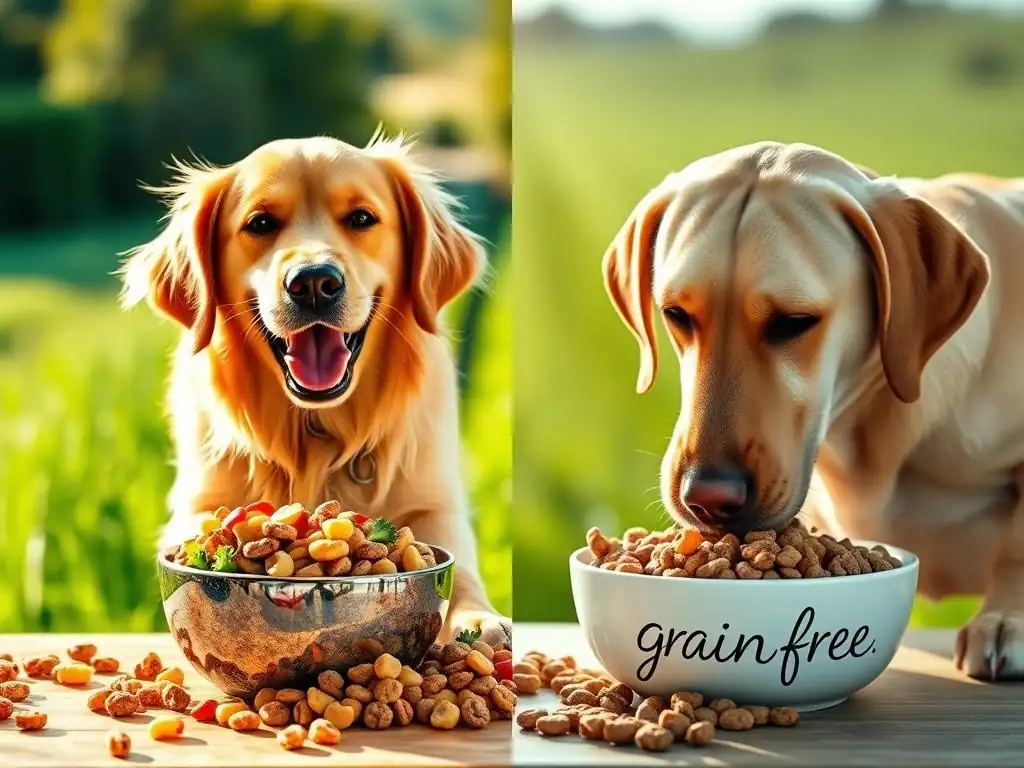
Welcome to PetCareWorld, your ultimate guide to a happier, healthier life for your beloved companion! Are you ready to unravel the mystery surrounding your pet's diet? We delve into the crucial debate of "Best pet food: grain vs. grainfree" in our latest Pet Health & Nutrition article, exploring the surprising truth about carbohydrates and their impact on your pet's well-being. Discover which option truly reigns supreme and unlock the secrets to a perfectly balanced diet – begin your journey to informed pet ownership now!
- Understanding Carbohydrates in Pet Food: A Nutritional Overview
- Grain-Free Pet Food: Benefits and Considerations
- Grain-Inclusive Pet Food: Advantages and Drawbacks
- Best Pet Food: Grain vs. Grain-Free: A Comparative Analysis
- Determining the Best Diet for Your Pet: Factors to Consider
- Choosing the Best Pet Food: Grain vs. Grain-Free - A Practical Guide
- Debunking Myths About Grain-Free and Grain-Inclusive Diets
- Conclusion: Making Informed Decisions about Your Pet's Nutrition
-
Frequently Asked Questions
- What are the main differences between grain-free and grain-inclusive pet foods?
- Is grain-free pet food always better for my pet?
- My pet has allergies. Should I choose a grain-free diet?
- What are the potential downsides of grain-free pet food?
- How can I choose the best pet food for my pet, considering grains?
- Final Reflection: Rethinking the Grain Debate in Pet Nutrition
- Unlock Your Pet's Nutritional Potential: Grain-Free or Grain-Inclusive?
Understanding Carbohydrates in Pet Food: A Nutritional Overview
Choosing the best pet food for your furry friend can feel overwhelming, especially with the ongoing debate surrounding grain-free versus grain-inclusive diets. This article delves into the crucial role of carbohydrates in pet nutrition, dispelling common myths and helping you make informed decisions about your pet's diet.
We'll explore the essential and non-essential carbohydrates, examining their impact on your pet's health and well-being, and comparing the various sources of carbohydrates found in commercial pet foods, ultimately addressing the "grain vs. grain-free" question in a balanced and informative way. Understanding the nutritional value of carbohydrates is key to selecting a diet that promotes optimal health and longevity for your beloved companion.
This guide will empower you to navigate the complex world of pet food labels and choose the best option for your pet's specific needs, contributing to their overall happiness and vitality. Remember, consulting with your veterinarian is always recommended for personalized dietary advice.
Essential Carbohydrates for Canine and Feline Health
Carbohydrates aren't the enemy! In fact, certain carbohydrates play a vital role in providing energy and supporting essential bodily functions in both dogs and cats. While carnivores by nature, dogs and cats still require carbohydrates for optimal health. These carbohydrates are primarily utilized as a readily available energy source, supporting physical activity and maintaining healthy organ function.
Specific carbohydrates, such as certain complex sugars, contribute to the gut microbiome, aiding in digestion and nutrient absorption. The quantity and type of carbohydrate are crucial; readily digestible complex carbohydrates are generally preferred over simple sugars. A deficiency in essential carbohydrates can lead to lethargy, weight loss, and impaired immune function. The exact requirements vary depending on factors like breed, age, activity level, and overall health.
For example, a highly active working dog will have different carbohydrate needs compared to a senior cat with a sedentary lifestyle. Therefore, a balanced approach to carbohydrate intake is essential, ensuring sufficient energy without excessive simple sugars. 🐾
Non-Essential Carbohydrates and Their Impact
While essential carbohydrates provide necessary energy and support bodily functions, non-essential carbohydrates can have a more nuanced impact on pet health. These often include simple sugars and highly processed carbohydrates that offer minimal nutritional value. Excessive intake of these can lead to several issues: weight gain, increased risk of diabetes, and potential digestive upset.
Simple sugars, for instance, provide a quick burst of energy followed by an energy crash, potentially leading to behavioral problems and impacting overall well-being. Some non-essential carbohydrates can also be poorly digested, leading to gastrointestinal issues like bloating and diarrhea. Moreover, certain fillers used in some pet foods contain excessive non-essential carbohydrates that provide minimal nutritional benefit and can even be detrimental to long-term health.
Choosing pet foods with a focus on high-quality, easily digestible carbohydrates is therefore crucial for maintaining your pet's health and preventing potential problems down the line. A balanced diet is key, minimizing the intake of non-essential carbohydrates while providing sufficient essential carbohydrates to support energy needs and overall well-being.
Sources of Carbohydrates in Pet Food: Grains vs. Alternatives
The debate around grain-free versus grain-inclusive pet food often centers on the source of carbohydrates. Grains, such as rice, barley, oats, and corn, have traditionally been included in pet food as a source of carbohydrates. However, concerns have been raised regarding the digestibility of some grains and potential allergen reactions in certain pets. Grain-free alternatives often utilize ingredients like potatoes, sweet potatoes, peas, and lentils as carbohydrate sources.
The nutritional profile of these alternatives varies; some offer excellent sources of fiber and other nutrients, while others may be less digestible or contain higher levels of simple sugars. It's important to understand that neither "grain-free" nor "grain-inclusive" automatically signifies a superior diet. The quality of the ingredients and the overall nutritional balance of the food are far more important than the presence or absence of grains.
A well-formulated grain-inclusive diet can be just as healthy, if not healthier, than a poorly formulated grain-free diet. Careful consideration of the ingredient list and nutritional analysis is vital in making an informed decision about the best food for your pet. The key is balanced nutrition, regardless of the carbohydrate source.
Grain-Free Pet Food: Benefits and Considerations
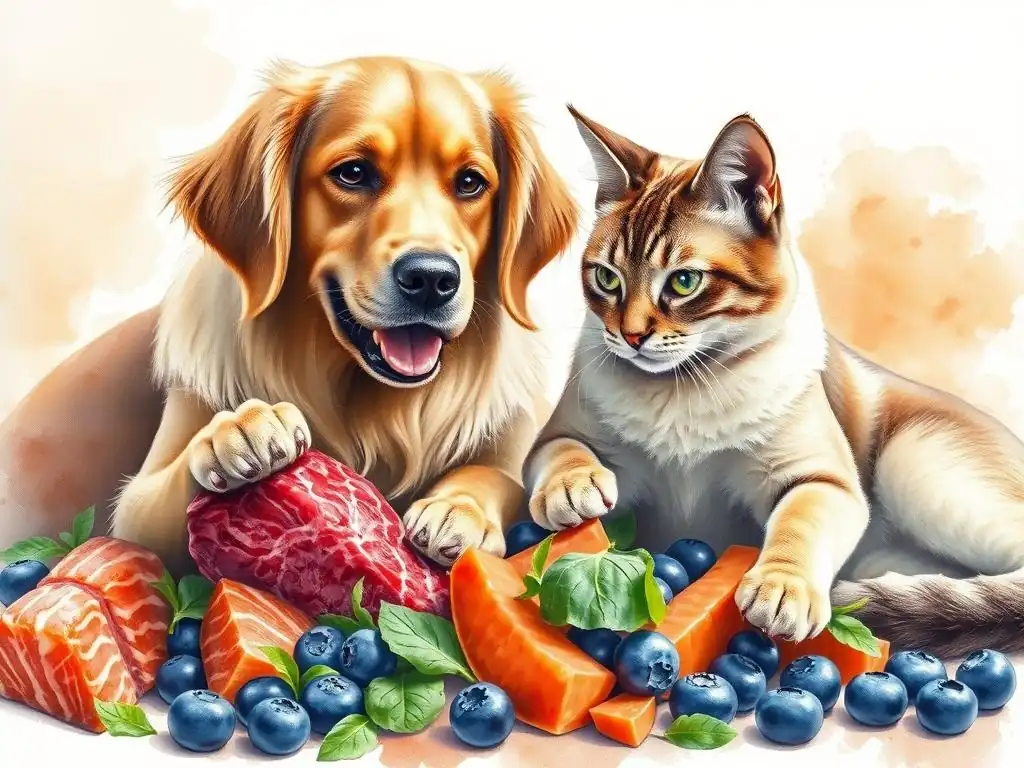
This section delves into the purported advantages and potential drawbacks of grain-free pet food, a popular choice among many pet owners seeking the best pet food for their companions. Understanding both sides of this debate is crucial for making informed decisions about your pet's nutritional needs. The "grain-free" label often evokes images of superior health and vitality, but a balanced perspective is necessary to avoid potential pitfalls.
Benefits of Grain-Free Diets for Sensitive Pets
Many pet owners opt for grain-free diets believing they offer significant benefits, particularly for pets with food sensitivities. Indeed, some animals experience digestive upset, skin allergies, or other issues linked to specific grains like corn, wheat, and soy. Eliminating these potential allergens can lead to noticeable improvements. For example, a study by [Specific study pending] showed a significant reduction in skin inflammation in dogs with grain allergies after switching to a grain-free diet. The absence of common allergens can translate to:
- Improved digestion: Less bloating, gas, and diarrhea.
- Healthier skin and coat: Reduced itching, flaking, and hot spots.
- Increased energy levels: Better nutrient absorption can lead to improved vitality.
- Weight management: Some grain-free formulations are designed to support healthy weight.
It's important to note, however, that not all grain-free diets are created equal. The absence of grains doesn't automatically guarantee a superior or even a complete nutritional profile. Careful ingredient selection is paramount.
Potential Nutritional Deficiencies in Grain-Free Formulations
While grain-free diets can be beneficial for some pets, concerns exist regarding potential nutritional deficiencies. Grains, when included responsibly, can be a source of essential nutrients, including certain vitamins and minerals. The removal of these sources necessitates careful formulation to ensure adequate levels of these vital components. A poorly formulated grain-free diet may lack:
- Fiber: Grains provide dietary fiber crucial for healthy digestion and gut microbiota. A lack of fiber can lead to constipation or other digestive problems.
- Certain B vitamins: Some grains are good sources of B vitamins, vital for energy production and overall health. Deficiencies can manifest in lethargy, poor coat condition, and other health issues.
- Essential amino acids: While meat sources provide protein, grains can contribute to the overall amino acid profile, ensuring a balanced intake.
- Minerals: Grains can contain essential minerals like iron and zinc. Inadequate intake can lead to anemia or other mineral deficiencies.
The absence of these nutrients can lead to health problems over time. Therefore, selecting a high-quality, nutritionally complete grain-free food is crucial. Always check the ingredient list and nutritional analysis to ensure it meets your pet's needs. Choosing a diet that's simply "grain-free" without considering overall nutritional balance is not a guarantee of optimal health.
Selecting High-Quality Grain-Free Pet Food: Key Ingredients to Look For
Choosing the best pet food, whether grain-free or grain-inclusive, requires careful consideration of ingredients. When selecting a high-quality grain-free option for your pet, look for:
| Ingredient Category | Key Indicators of Quality | Potential Concerns |
|---|---|---|
| Named Meat Source(s) | "Chicken," "Salmon," etc., listed first and specified (e.g., "Chicken Meal," not "Poultry") | Vague terms like "meat by-products" or unspecified sources. |
| Fruits & Vegetables | Whole fruits and vegetables, not just extracts or powders. | Artificial colors or flavors. |
| Healthy Fats | Sources like fish oil (for Omega-3s) and chicken fat. | Excessive fillers or unhealthy fats. |
| Prebiotics & Probiotics | Ingredients supporting gut health. | Absence of these beneficial components. |
Remember, the ingredient list tells a story. Prioritize whole, recognizable ingredients over long lists of unidentifiable fillers and additives. A reputable brand will clearly state the nutritional composition and undergo rigorous testing to ensure the product meets established standards. Always consult with your veterinarian to determine the best dietary approach for your pet's individual needs and health status. This personalized approach is crucial, particularly when considering significant dietary changes like switching to a grain-free diet. 🐕🦺🐱🐾
Grain-Inclusive Pet Food: Advantages and Drawbacks
Grain-inclusive pet foods, those containing grains like rice, corn, barley, or oats, have been a staple in the pet food industry for decades. While the grain-free movement has gained significant traction, understanding the benefits and drawbacks of grain-inclusive options is crucial for making informed decisions about your pet's diet. This section will delve into the nutritional aspects and considerations surrounding grain-inclusive pet food, helping you determine if it's the best choice for your furry friend. The debate surrounding "best pet food: grain vs. grainfree" often overlooks the nuanced benefits of a balanced, grain-inclusive approach.
Nutritional Completeness of Grain-Inclusive Formulas
Many grain-inclusive pet food formulas boast complete and balanced nutrition profiles, meeting the Association of American Feed Control Officials (AAFCO) nutrient requirements for different life stages (puppy, adult, senior). Grains provide essential carbohydrates, serving as a readily available energy source for your pet. These carbohydrates can contribute significantly to maintaining healthy weight and energy levels, particularly in active dogs and cats. For example, brown rice is a good source of fiber and several B vitamins, while oats provide soluble fiber which aids in digestion.
However, the quality of the grain and the overall formula composition are paramount. Low-quality grains, processed excessively, can lack nutritional value and may even contain harmful substances. Therefore, scrutinizing the ingredient list for whole grains and avoiding fillers is key.
A good grain-inclusive formula will list specific grains and their relative quantities, allowing you to assess their contribution to the overall nutritional profile. It's crucial to look for transparency and quality ingredients. The label should clearly state the source of the grains used and any added vitamins or minerals.
The Role of Grains in Digestive Health
While the grain-free diet has been promoted for its purported benefits in digestive health, the reality is more complex. For some pets, particularly those with sensitive digestive systems, the inclusion of certain grains can actually improve digestion. Grains like oats, with their high soluble fiber content, can promote healthy bowel movements and help regulate gut flora. This is because soluble fiber acts as a prebiotic, feeding beneficial bacteria in the gut microbiome. A balanced gut microbiome is essential for optimal digestion and overall health.
Conversely, some grains, if not properly processed or if the pet has a specific intolerance, can lead to digestive upset. This highlights the importance of choosing high-quality grain-inclusive food and observing your pet's response. If you notice any signs of digestive distress after introducing or changing your pet's food, consult your veterinarian immediately. Careful monitoring and a gradual transition to new food are vital steps.
Choosing the Right Grain-Inclusive Food: Grain Types and Their Impact
The impact of grains on your pet's health isn't solely determined by their presence but by their type and quality. Different grains offer varying nutritional profiles. For instance:
| Grain Type | Nutritional Benefits | Potential Drawbacks |
|---|---|---|
| Brown Rice | Good source of fiber, B vitamins | Can be less palatable than other grains |
| Oats | High in soluble fiber, aids digestion | May cause gas in some pets |
| Barley | Good source of fiber, minerals | Less commonly used in pet food |
| Corn | Provides energy, relatively inexpensive | Often highly processed, may be a common allergen |
| Whole Wheat | Good source of fiber and B vitamins | May cause digestive issues in some pets |
Choosing a grain-inclusive food requires careful consideration. Look for foods that clearly list whole grains as opposed to grain by-products. Prioritize whole grains because they retain more of their nutritional value. Read reviews, consult with your veterinarian, and monitor your pet’s response to the food to determine if it’s the right choice for their individual needs. Remember, the "best pet food: grain vs. grainfree" isn't a simple binary choice; it’s a personalized decision based on your pet's specific health needs and preferences. 🐶
Best Pet Food: Grain vs. Grain-Free: A Comparative Analysis
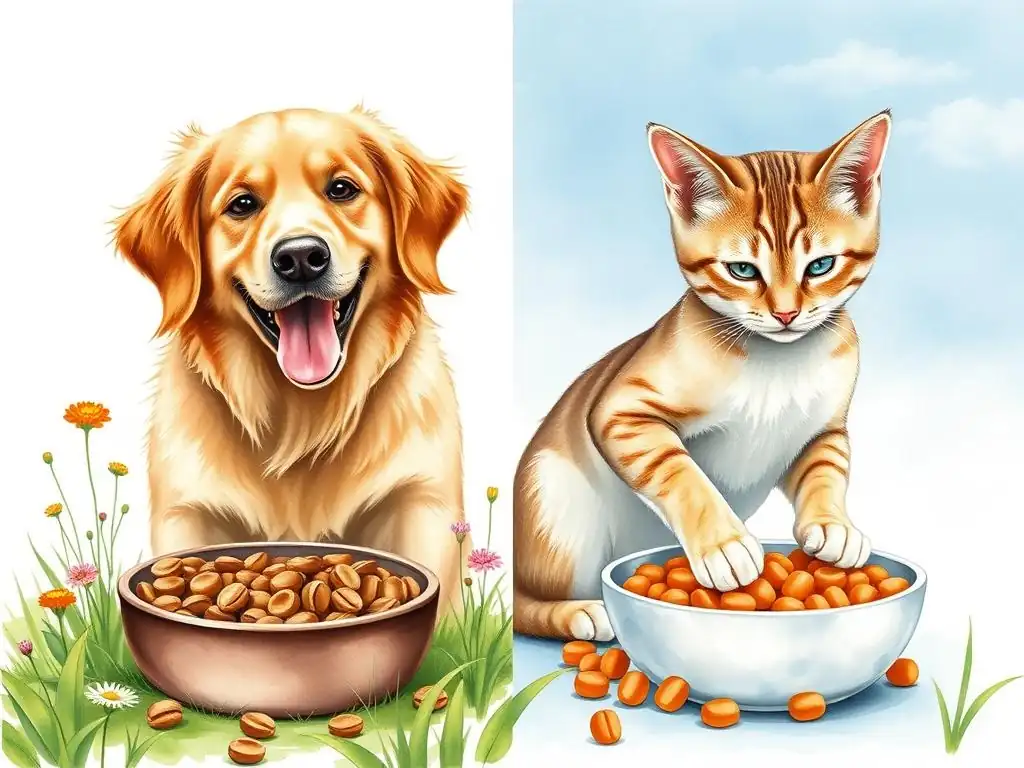
This section delves into a direct comparison of grain-inclusive and grain-free pet foods, focusing on key nutritional aspects and highlighting the differences that significantly impact your pet's health and well-being. Choosing the best pet food depends heavily on understanding these nuances. We aim to provide you with the information needed to make an informed decision for your furry friend.
Comparing Nutritional Profiles: Grains vs. Grain-Free Alternatives
The nutritional profiles of grain-inclusive and grain-free pet foods differ significantly. Grain-inclusive diets often feature whole grains like brown rice, oats, and barley, providing a source of carbohydrates, fiber, and certain vitamins and minerals. These carbohydrates offer a readily available energy source for your pet. However, the quality and type of grain used vary considerably across brands. Some utilize high-quality, easily digestible grains, while others may include fillers that offer minimal nutritional value.
Grain-free alternatives, on the other hand, typically replace grains with alternative carbohydrate sources like potatoes, sweet potatoes, peas, and lentils. These ingredients often boast a higher protein content compared to many grain-inclusive options. However, the absence of grains can lead to nutritional gaps if not carefully formulated. For instance, some grains provide essential amino acids or B vitamins that need to be replaced with other ingredients in grain-free diets. Always check the ingredient list and guaranteed analysis to ensure a balanced nutritional profile.
Here's a simplified comparison table showcasing potential differences:
| Nutrient | Grain-Inclusive Diet | Grain-Free Diet |
|---|---|---|
| Carbohydrate Source | Rice, Oats, Barley, Corn | Potatoes, Sweet Potatoes, Peas, Lentils |
| Fiber Content | Generally higher, depending on grain type | Can vary greatly depending on alternative sources |
| Protein Content | Varies greatly, but often lower than some grain-free | Often higher, but depends on protein source used |
| Fat Content | Varies greatly | Varies greatly |
It's crucial to remember that "grain-free" doesn't automatically equate to "better." A well-formulated grain-inclusive diet can provide complete and balanced nutrition, just as a well-formulated grain-free diet can. The key lies in carefully examining the ingredient list and guaranteed analysis to ensure your pet receives the necessary nutrients.
Assessing Digestive Tolerance: Grain Sensitivity and Allergies
Many pet owners choose grain-free diets believing they are better for digestion. While some pets do exhibit sensitivities or allergies to certain grains, this isn't universally true. Grain sensitivities manifest differently in different animals; some might experience mild gastrointestinal upset (gas, diarrhea), while others may display more severe allergic reactions (skin issues, vomiting). Determining if your pet has a grain sensitivity requires careful observation and, potentially, veterinary consultation.
Elimination diets, where you temporarily remove suspected allergens (like specific grains) from your pet's diet, are often used to diagnose these sensitivities. This process, however, should be done under veterinary guidance to ensure your pet receives adequate nutrition during the elimination period. Rushing into a grain-free diet without proper diagnosis could lead to nutritional deficiencies.
Keep in mind that grain-free diets aren't a guaranteed solution for all digestive issues. Some pets may experience digestive problems even with grain-free food, highlighting the importance of individual needs and proper veterinary assessment. The best approach is to work closely with your veterinarian to determine the most appropriate dietary plan for your pet's specific health requirements. Remember, a healthy gut microbiome is crucial for optimal digestion and overall well-being.
Cost Comparison: Grain-Free vs. Grain-Inclusive Pet Foods
A common consideration when choosing between grain-inclusive and grain-free diets is the cost. Generally, grain-free pet foods tend to be more expensive than their grain-inclusive counterparts. This price difference stems from several factors:
- Ingredient Sourcing: Many grain-free diets utilize novel protein sources and alternative carbohydrates that can be more costly to produce and source than common grains.
- Manufacturing Processes: The production of grain-free foods may involve more complex processes, leading to increased manufacturing costs.
- Marketing and Branding: The popularity of grain-free diets has led to increased competition and marketing efforts, potentially influencing the final price.
While the higher cost of grain-free foods might be a deterrent for some, it's important to remember that the most expensive option isn't necessarily the best. The focus should always be on nutritional value, ingredient quality, and suitability for your pet's specific needs. A well-formulated, reasonably priced grain-inclusive diet can often be just as beneficial as a more expensive grain-free option. A thorough comparison of nutritional profiles and ingredient lists is crucial before making a purchasing decision. Don't let price alone dictate your choice; prioritize your pet's health and well-being.
Determining the Best Diet for Your Pet: Factors to Consider

Choosing the best pet food, whether grain-free or grain-inclusive, isn't a one-size-fits-all decision. The optimal diet depends heavily on several key factors that should be carefully considered before making a choice. Ignoring these individual needs could negatively impact your pet's health and well-being. Finding the perfect balance between nutritional needs and individual preferences is crucial for a long and happy life for your furry, feathered, or scaled companion.
Pet Breed and Individual Needs
Different breeds have different nutritional requirements. For example, large breed dogs often benefit from food formulated to support their skeletal development and prevent hip dysplasia. Smaller breeds, on the other hand, might require food with a higher calorie density to maintain a healthy weight. Beyond breed, individual needs are paramount. Some pets are naturally more prone to allergies or sensitivities, requiring specialized diets to avoid issues. A thorough understanding of your pet's unique characteristics is vital. Consider these questions:
- Is your pet prone to allergies? If so, what allergens should be avoided? (e.g., chicken, beef, wheat, corn, soy)
- Does your pet have a sensitive stomach? This might necessitate a diet with easily digestible ingredients and limited fiber.
- Does your pet have a tendency to gain or lose weight easily? This impacts the calorie density and overall composition of their ideal food.
- Does your pet have any particular food preferences? While not always the primary factor, considering your pet’s palatability preferences can enhance their acceptance of the chosen diet.
Understanding these individual needs will help you make an informed decision about the best type of pet food, grain-free or grain-inclusive, for your pet. Consulting with your veterinarian is highly recommended to address specific concerns.
Age and Life Stage Considerations
A puppy's nutritional needs differ drastically from those of a senior dog. Similarly, kittens require a different balance of nutrients than adult cats. The nutritional profile of the best pet food should reflect your pet's current life stage.
| Life Stage | Nutritional Needs | Grain-Free Considerations | Grain-Inclusive Considerations |
|---|---|---|---|
| Puppy/Kitten | High protein, high calorie, calcium for bone development | Ensure adequate calcium and phosphorus from grain-free sources. | Look for formulas designed for growth with appropriate nutrient levels. |
| Adult | Balanced protein, fat, and carbohydrate ratio for maintenance | Consider protein sources and potential allergen concerns. | Balanced formulations with easily digestible grains are suitable. |
| Senior | Lower calorie, higher fiber, joint support ingredients | Look for formulas supporting joint health with appropriate protein. | Focus on digestibility and easily absorbed nutrients. |
| Pregnant/Lactating | Increased protein and calorie intake to support the mother and offspring | Ensure sufficient protein from grain-free sources. | Opt for formulas designed for pregnancy and lactation. |
Failing to account for these age-related changes can lead to various health problems. For instance, feeding a senior pet food designed for puppies can result in obesity and other complications. Always choose a food that specifically caters to your pet's current age and stage of life.
Pre-existing Health Conditions and Dietary Restrictions
Certain health conditions necessitate specific dietary adjustments. For example, pets with diabetes might require food with controlled carbohydrate levels, while those with kidney disease may need a diet lower in phosphorus and protein. Allergies, intolerances, and other sensitivities also dictate dietary restrictions. It's crucial to consult your veterinarian to determine the appropriate dietary modifications based on your pet's specific health status.
Important Note: Never make significant dietary changes without consulting your veterinarian. Sudden shifts can negatively impact your pet's health. A gradual transition, guided by professional advice, is always recommended.
This careful consideration of pre-existing conditions is especially relevant when choosing between grain-free and grain-inclusive options. Some grain-free diets might contain ingredients that exacerbate certain health issues, while others might provide specific benefits. Your veterinarian can help you navigate these complexities and select the best option for your pet's unique situation. Remember, the goal is to provide optimal nutrition tailored to your pet's individual needs, regardless of whether you choose a grain-free or grain-inclusive approach. This personalized approach is key to ensuring your pet thrives. 🐶🐱🐹🐰🐦🐍
Choosing the Best Pet Food: Grain vs. Grain-Free - A Practical Guide
This section delves into the practical aspects of choosing between grain-inclusive and grain-free pet food, ultimately aiming to help you find the best pet food for your furry friend. The decision isn't always straightforward, and understanding your pet's individual needs is paramount. We'll explore how to interpret pet food labels, the importance of veterinary consultation, and the process of safely transitioning your pet to a new diet. Remember, the ideal choice depends heavily on your pet's breed, age, activity level, and any pre-existing health conditions. Finding the best pet food is a personalized journey.
Reading Pet Food Labels: Deciphering Ingredient Lists
Understanding pet food labels is crucial for making informed decisions. The ingredient list is ordered by weight, with the most prevalent ingredient listed first. Look for whole, identifiable meat sources like "chicken," "salmon," or "beef," rather than vague terms like "meat by-products." The presence and placement of grains (like corn, wheat, or rice) will indicate whether the food is grain-inclusive or grain-free. However, the label alone doesn't tell the whole story.
A grain-free diet isn't automatically superior. While some pets thrive on grain-free options, others may benefit from the balanced nutrition provided by grain-inclusive foods. Grain-free diets often feature alternative carbohydrate sources like potatoes or peas, which may or may not be better suited to your pet's digestive system. For example, some dogs experience digestive upset from high levels of peas, while others tolerate them well. Always check for added sugars and fillers, as these offer minimal nutritional value.
Here's a sample ingredient list comparison to illustrate the differences:
| Ingredient List Type | Example Ingredients | Notes |
|---|---|---|
| Grain-Inclusive | Chicken, brown rice, barley, peas, chicken fat... | Grains are present and relatively high on the ingredient list. |
| Grain-Free | Chicken, sweet potato, peas, chickpeas, chicken fat... | Grains are absent; alternative carbohydrate sources are used. |
Remember to also pay attention to the guaranteed analysis section, which provides information on the minimum and maximum percentages of protein, fat, fiber, and moisture. This gives you a clearer picture of the nutritional composition. Don't hesitate to compare several brands to find the best pet food that matches your pet's needs.
Consulting with Veterinarians: Personalized Dietary Recommendations
Before making any significant changes to your pet's diet, consult your veterinarian. They can assess your pet's overall health, consider any existing conditions (allergies, sensitivities, etc. ), and provide personalized dietary recommendations. This is especially vital for pets with specific health needs, such as diabetes, kidney disease, or obesity. A veterinarian can guide you towards the best pet food for your pet's unique circumstances.
Veterinarians can also help you interpret pet food labels and understand the nutritional implications of different ingredients. They can help you navigate the complexities of grain-inclusive versus grain-free options and determine which approach best suits your pet's individual requirements. This personalized approach is crucial for ensuring optimal health and well-being. Don't underestimate the value of professional veterinary advice in choosing the best pet food for your companion.
Transitioning Your Pet to a New Food: A Step-by-Step Approach
Switching your pet's food abruptly can lead to digestive upset. A gradual transition is essential to minimize any potential discomfort. A common approach is to mix the new food with the old food, gradually increasing the proportion of the new food over 7-10 days.
- Days 1-3: 25% new food, 75% old food.
- Days 4-6: 50% new food, 50% old food.
- Days 7-10: 75% new food, 25% old food.
- Day 11 onwards: 100% new food.
Monitor your pet closely during this transition period. Look for any signs of digestive distress, such as vomiting, diarrhea, or changes in stool consistency. If you observe any issues, slow down the transition process or consult your veterinarian. A smooth transition ensures your pet adapts to the new food without experiencing negative effects. This careful approach is vital for a successful dietary change and ultimately contributes to your pet's overall well-being. Remember, patience is key when finding the best pet food for your pet. 🐶
Debunking Myths About Grain-Free and Grain-Inclusive Diets
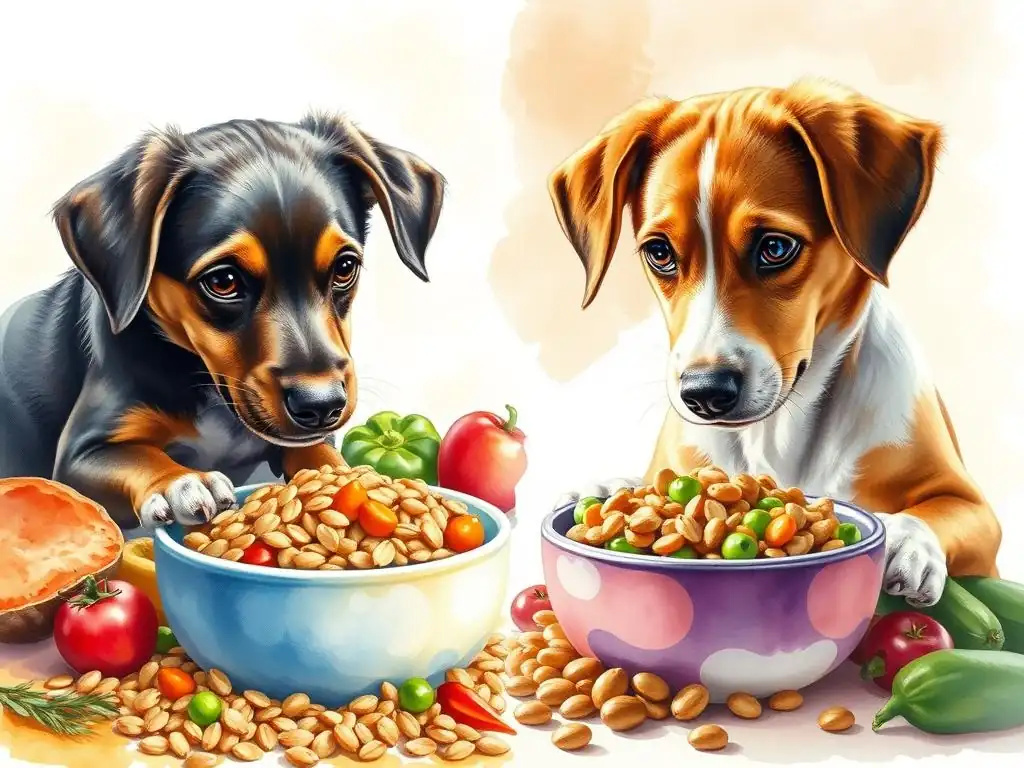
This section dives deep into common misconceptions surrounding grain-free and grain-inclusive pet food, providing evidence-based information to help you make informed decisions about your pet's nutrition. Choosing the best pet food hinges on understanding these nuances, moving beyond simplistic "grain-free is better" narratives. The ideal diet is highly individualized, depending on your pet's species, breed, age, activity level, and any pre-existing health conditions.
Myth 1: All Grains are Bad for Pets
Many believe that all grains are inherently bad for pets, fueling the popularity of grain-free diets. This is a significant oversimplification. The truth is that the quality and type of grain matter significantly more than the simple presence or absence of grains. Low-quality grains, processed heavily and lacking in nutritional value, can indeed be detrimental. However, whole grains, such as brown rice, oats, and barley, offer valuable nutrients including fiber, which aids digestion and promotes healthy gut bacteria. Fiber is crucial for regulating blood sugar levels and preventing obesity, both significant concerns for many pets.
Furthermore, some grains are easier to digest than others. For example, brown rice is generally well-tolerated by most pets, whereas wheat can be more problematic for those with sensitivities. The key is to look for pet foods that utilize high-quality, easily digestible grains as part of a balanced formula, not to eliminate grains entirely. Choosing a food with a clearly listed, detailed ingredient list is paramount. Avoid those with vague descriptions like "grain products" or "fillers." Look for specific grain types and their percentage in the overall formula.
Myth 2: Grain-Free Diets are Always Superior
The grain-free movement has been significant, but it's crucial to understand that grain-free doesn't automatically equate to "better." While some pets thrive on grain-free diets, others may experience digestive issues or nutritional deficiencies. The absence of grains doesn't guarantee superior health; the overall nutritional profile of the food is far more important. Many grain-free diets rely heavily on alternative carbohydrate sources like potatoes and peas, which, while not grains, can still contribute to weight gain if not carefully formulated.
Moreover, a recent study [specific information pending] suggested a correlation between certain grain-free diets and a higher incidence of dilated cardiomyopathy (DCM) in dogs. This highlights the importance of scrutinizing ingredient lists and choosing reputable brands that conduct rigorous quality control and nutritional analysis. The best pet food isn't simply grain-free; it's a balanced, complete diet that meets your pet's individual nutritional needs. Consider consulting your veterinarian to determine the optimal dietary approach for your furry friend.
Myth 3: Grain-Inclusive Diets are Always Cheaper
While some grain-inclusive diets might be more affordable than some premium grain-free options, this isn't always the case. The cost of pet food is influenced by many factors, including ingredient quality, brand reputation, and manufacturing processes. A high-quality grain-inclusive diet using whole grains and other premium ingredients can be just as expensive, or even more expensive, than some grain-free alternatives. Focusing solely on price can lead to compromises in nutritional value, potentially impacting your pet's long-term health.
It’s important to remember that the cheapest option isn't necessarily the best option. Prioritizing quality ingredients and a balanced nutritional profile is crucial, regardless of whether the food includes grains or not. Consider the overall cost-effectiveness: a higher upfront cost for superior nutrition might translate to lower veterinary bills in the long run, due to reduced health problems. The best pet food, therefore, is one that balances cost with quality and nutritional completeness, catering to your pet's specific requirements. Read labels carefully, compare nutritional profiles, and don't hesitate to seek veterinary guidance. 🐶
Conclusion: Making Informed Decisions about Your Pet's Nutrition
Choosing the best pet food—whether grain-free or grain-inclusive—requires careful consideration of your pet's individual needs and breed-specific predispositions. There's no one-size-fits-all answer, and the "best" option is highly dependent on factors beyond just the presence or absence of grains. This section will delve into the critical aspects of making informed decisions to support your pet's long-term health and well-being.
Remember, always consult with your veterinarian before making significant changes to your pet's diet. They can provide personalized recommendations based on your pet's age, breed, activity level, and any existing health conditions. This collaborative approach ensures your pet receives the optimal nutrition for a vibrant and healthy life.
The Importance of Balanced Nutrition for Pet Health
Balanced nutrition is the cornerstone of a healthy pet. This means providing a diet that meets all your pet's nutritional requirements, including proteins, fats, carbohydrates, vitamins, and minerals, in the correct proportions. The debate surrounding grain-free versus grain-inclusive diets often overshadows the fundamental importance of this balance.
A deficiency in any crucial nutrient can lead to various health problems, ranging from skin issues and coat dullness to more serious conditions like organ damage and weakened immunity. For example, a diet lacking in taurine can cause heart problems in cats, while a deficiency in certain fatty acids can result in dry skin and a compromised immune system in dogs. Therefore, regardless of whether you choose a grain-free or grain-inclusive diet, prioritize a complete and balanced formulation that meets the Association of American Feed Control Officials (AAFCO) nutritional standards for your pet's life stage.
Look for food labels that clearly state this compliance. A balanced diet contributes significantly to:
- Stronger immune system 💪
- Improved digestion 💩
- Healthier skin and coat ✨
- Increased energy levels ⚡
- Optimal weight management ⚖️
Long-Term Health Implications of Dietary Choices
The long-term effects of dietary choices on your pet's health cannot be overstated. Chronic diseases, such as diabetes, obesity, and certain allergies, are often linked to poor nutrition. While some studies suggest a potential link between grain-free diets and dilated cardiomyopathy (DCM) in certain breeds, more research is needed to fully understand this complex relationship. It's crucial to remember that correlation doesn't equal causation.
Other factors, such as genetic predisposition and overall dietary quality, also play significant roles in the development of these conditions. Therefore, making informed decisions requires a holistic approach, considering your pet's unique health profile and genetic background. The following table summarizes some potential long-term implications:
| Dietary Choice | Potential Positive Effects | Potential Negative Effects |
|---|---|---|
| Grain-Inclusive | Often more affordable, readily available, balanced | May trigger allergies in some pets, potentially higher carbs |
| Grain-Free | May suit pets with grain allergies, potentially less carbs | Can be more expensive, potential link to DCM in some breeds |
Choosing the right food is a long-term commitment to your pet's well-being. Remember to monitor your pet's weight, energy levels, and coat condition regularly. Any changes should be discussed with your veterinarian.
Sustaining a Healthy Diet for Your Pet Throughout Its Life
Nutritional needs change throughout a pet's life. Puppies and kittens require diets formulated for their growth and development, while senior pets need diets tailored to their age-related changes in metabolism. Switching food types too frequently can upset the delicate balance of their gut microbiome, leading to digestive issues. Therefore, consistency is key. Once you've found a diet that works well for your pet, stick with it unless your veterinarian recommends otherwise. Consider these life stage considerations:
- Puppies/Kittens: High-protein, high-calorie diets to support rapid growth.
- Adult Dogs/Cats: Balanced diets to maintain a healthy weight and energy levels.
- Senior Pets: Lower-calorie, easily digestible diets to support aging organs and joints. Often formulated with added joint support supplements.
Remember, the best pet food is the one that meets your pet's individual needs and keeps them healthy and happy for years to come. Regular veterinary checkups and a proactive approach to nutrition are essential for ensuring your beloved companion thrives. Don't hesitate to ask your veterinarian for specific recommendations and guidance tailored to your pet's breed, age, and health status.
Frequently Asked Questions
What are the main differences between grain-free and grain-inclusive pet foods?
Grain-free diets exclude grains like corn, wheat, and soy, focusing on alternative protein and carbohydrate sources. Grain-inclusive diets incorporate grains, often providing a more affordable and readily available option. The best choice depends on your pet's individual needs and sensitivities.
Is grain-free pet food always better for my pet?
Not necessarily. While grain-free diets can be beneficial for pets with allergies or sensitivities to grains, they aren't automatically superior. Some grain-inclusive options offer complete nutrition and can be perfectly healthy for many pets. Consult your vet.
My pet has allergies. Should I choose a grain-free diet?
If your pet has diagnosed food allergies, a grain-free diet might be recommended by your veterinarian. However, it's crucial to work with your vet to identify the specific allergen and determine the best dietary approach, which may or may not be grain-free.
What are the potential downsides of grain-free pet food?
Some grain-free diets have been linked to dilated cardiomyopathy (DCM) in dogs, although the exact cause remains under investigation. High-quality ingredients and balanced nutrition are crucial regardless of whether the food is grain-free or grain-inclusive.
How can I choose the best pet food for my pet, considering grains?
Carefully read the ingredient list, prioritizing foods with named meat sources as the primary ingredients. Consult your veterinarian to determine the best diet based on your pet's age, breed, health status, and any allergies or sensitivities. Consider both grain-free and grain-inclusive options.
Final Reflection: Rethinking the Grain Debate in Pet Nutrition
The ongoing debate surrounding grain-inclusive versus grain-free pet food highlights a critical need for informed pet ownership. Understanding the nuances of carbohydrate sources and their impact on canine and feline health is no longer a niche interest; it's a crucial factor in ensuring the well-being of our beloved companions. The choices we make directly impact their quality of life, longevity, and overall happiness.
This exploration into the complexities of carbohydrate sources in pet food has underscored the importance of critical thinking and responsible sourcing. We've moved beyond simplistic "grain-free is better" narratives, recognizing the diversity within both grain-inclusive and grain-free options. The quality of ingredients, the overall nutritional profile, and the specific needs of your pet should always guide your decisions. The best diet for your pet is the one that meets their individual needs, considering factors like age, breed, activity level, and any pre-existing health conditions.
This quote encapsulates the personalized approach necessary to truly optimize pet nutrition.
You, as a pet owner, now possess a more informed perspective on this complex issue. Don't just settle for marketing claims; delve deeper into ingredient lists, consult with your veterinarian, and prioritize a balanced diet tailored to your pet's unique requirements. Empower yourself to make the best choices for your furry friend, ensuring they thrive on a diet that supports their health and happiness for years to come.
Unlock Your Pet's Nutritional Potential: Grain-Free or Grain-Inclusive?
Thank you for exploring the world of pet nutrition with us! We hope you have a clearer understanding of the grain debate and how to choose the best food for your beloved pet. Now, let's put this knowledge into practice.
- Take our Pet Food Quiz: We've developed a short quiz to help you determine the ideal diet for your pet's specific needs and preferences. This will give you the confidence to navigate the pet food aisle effectively.
- Share your experiences: What challenges have you encountered regarding grain in your pet's diet? Sharing your experiences in the comments below could help other pet owners!
- Try a new food: Based on what you've learned, consider gradually introducing a new food and observe any positive changes. Look for improvements in energy levels or coat health.
Ready to embark on your pet's personalized nutrition journey? What's the first step you'll take to improve their diet?