
The Ultimate Guide to Grooming Your Persian Cat: What You Need to Know

Welcome to PetCareWorld, your ultimate guide to a happier, healthier life for your beloved pets! Are you ready to unlock the secrets to keeping your Persian cat looking and feeling its best? Our comprehensive Persian cat grooming guide reveals expert tips and tricks, ensuring your feline friend stays impeccably groomed and radiates confidence. Dive in and discover the essential techniques to maintain your cat's stunning coat, from brushing and bathing to nail trimming and more. Let's embark on this journey together!
- Understanding Your Persian Cat's Unique Grooming Needs
- Step-by-Step Guide to Grooming Your Persian Cat
- Recognizing and Addressing Common Grooming Problems
- Creating a Grooming Routine for Your Persian Cat
- Choosing the Right Groomer for Your Persian Cat
- Frequently Asked Questions
- Final Reflection: The Enduring Bond Through Dedicated Grooming
- Unlock Your Persian's Purrfect Potential!
Understanding Your Persian Cat's Unique Grooming Needs
Persian cats, with their luxurious, long coats, are undeniably stunning. However, their magnificent fur comes with a unique set of grooming requirements that go beyond a simple weekly brush. This ultimate guide will delve into the specifics of Persian cat grooming, providing you with the knowledge and techniques to keep your feline friend looking and feeling their best.
We'll cover everything from understanding the intricacies of their coat to mastering essential grooming techniques and addressing common challenges. This comprehensive approach will empower you to provide optimal care and prevent potential health issues associated with neglecting this vital aspect of Persian cat ownership. Maintaining a healthy coat is crucial for your Persian's overall well-being, preventing matting, skin irritations, and other problems.
This guide is designed to be your go-to resource for all things Persian cat grooming, helping you navigate the process with confidence and ease. Remember, a well-groomed Persian is a happy and healthy Persian!
The Persian Coat: Thickness, Texture, and Special Considerations
The Persian cat's coat is its defining characteristic. It's known for its exceptional length, density, and softness. This dense undercoat, combined with the long, flowing outer coat, requires diligent grooming to prevent matting and tangles. The texture can vary slightly between individuals, but it's generally described as silky and plush. This luxurious fur, while beautiful, is prone to matting, especially around the ears, behind the legs, and in the tail area.
Regular brushing is absolutely essential to prevent these mats from forming and causing discomfort. Furthermore, the long hair around their eyes and face can easily collect dirt and debris, potentially leading to eye irritation. Therefore, special attention must be paid to these areas during grooming sessions. Failure to address these unique considerations can lead to skin infections, discomfort, and even hairballs. Consider the following key features of the Persian coat:
- Thickness: Extremely dense, requiring frequent brushing.
- Texture: Silky and plush, but prone to matting.
- Special Considerations: Areas around the eyes, ears, and tail require extra attention.
Common Grooming Challenges Specific to Persians
Persian cats, due to their long and dense coats, face several grooming challenges that other breeds may not encounter. One of the most significant is matting. Mats occur when loose hair becomes tangled and clumped together, forming tight knots that can pull on the skin, causing discomfort and irritation. These mats can also harbor dirt and bacteria, leading to skin infections.
Another common issue is tear staining. The long fur around a Persian's eyes can trap tear secretions, leading to unsightly stains on their fur. Regular cleaning of the eyes and the surrounding fur is crucial to prevent this. Additionally, Persians are prone to hairballs, due to the amount of fur they ingest during grooming.
Providing your cat with preventative measures, such as hairball remedies, can mitigate this issue. Finally, regular bathing is necessary to keep their coats clean and healthy, preventing skin issues and maintaining a lustrous appearance. Here's a summary of common challenges:
- Matting: Frequent brushing is crucial to prevent matting, especially in areas with denser fur.
- Tear Staining: Regular cleaning of the eyes and surrounding fur is necessary.
- Hairballs: Providing hairball remedies can help minimize this issue.
- Skin Infections: Regular grooming and bathing help prevent skin issues.
Essential Grooming Tools for Persian Cats
Having the right tools is paramount for effective Persian cat grooming. A high-quality slicker brush is essential for removing loose undercoat and preventing matting. A wide-toothed comb is also necessary for gently detangling mats and removing knots. A soft bristle brush can be used for finishing touches and adding shine. Additionally, you'll need nail clippers to trim your cat's claws regularly.
An ear cleaning solution and cotton balls are needed for cleaning the ears. Finally, a cat-specific shampoo and conditioner are crucial for maintaining the health and shine of their coat. Investing in these tools will make grooming sessions easier, more efficient, and more enjoyable for both you and your cat. Consider these essential tools:
| Tool | Purpose |
|---|---|
| Slicker Brush | Removes loose undercoat and prevents matting |
| Wide-Toothed Comb | Detangles mats and removes knots |
| Soft Bristle Brush | Finishing touches and adding shine |
| Nail Clippers | Trimming claws |
| Ear Cleaning Solution | Cleaning ears |
| Cat Shampoo & Conditioner | Maintaining coat health and shine |
Remember, consistent grooming is key to maintaining your Persian's beautiful coat and overall health. This guide provides a solid foundation; however, always consult with your veterinarian if you have any concerns about your cat's health or grooming needs. 😻
Step-by-Step Guide to Grooming Your Persian Cat
This section provides a detailed, step-by-step guide to grooming your Persian cat, focusing on techniques and frequency to maintain their luxurious coat in optimal condition. Proper grooming is crucial for a Persian cat's health and well-being, preventing matting, skin issues, and overall discomfort. This guide emphasizes gentle handling and patience, essential for a positive grooming experience for both you and your feline friend. Remember, consistency is key to preventing significant grooming challenges.
Brushing Your Persian Cat: Techniques and Frequency
Regular brushing is paramount for Persian cats due to their long, dense coat. Neglecting brushing can lead to painful mats and tangles, requiring more extensive (and potentially stressful) grooming interventions. Aim for daily brushing, or at least every other day, to prevent mat formation and maintain a healthy, shiny coat. This dedication minimizes the need for more involved grooming sessions and keeps your cat feeling comfortable.
Detangling Mats and Tangles in Long Persian Hair
Mats and tangles are inevitable if brushing isn't consistent. When addressing these, avoid pulling or yanking, which can cause pain and skin irritation. Use a de-matting tool, specifically designed for delicate Persian coats. Work slowly and patiently, sectioning the matted area and gently teasing apart the knots with the de-matting tool. If a mat is particularly stubborn, consider using a small amount of cat-specific conditioner to loosen the hair before attempting to detangle it. Remember, patience is crucial; rushing can lead to injuries for your cat. For extremely severe matting, professional grooming may be necessary.
Brushing Techniques for Different Areas (Face, Body, Tail)
Different areas of your Persian cat's body require slightly different brushing techniques. The face, particularly around the eyes and nose, requires extra gentleness. Use a soft-bristled brush or a damp cloth to carefully remove any debris or loose fur. For the body, use long, smooth strokes following the direction of hair growth. The tail, often prone to matting, needs thorough brushing, paying special attention to the base where tangles are more likely to form. Always be mindful of your cat's comfort level and stop if they show signs of stress or discomfort.
Bathing Your Persian Cat: A Comprehensive Guide
Bathing your Persian cat shouldn't be a frequent occurrence, as over-bathing can strip their coat of essential oils, leading to dryness and irritation. However, occasional baths are necessary to maintain hygiene and prevent skin issues. The frequency depends on your cat's lifestyle and individual needs; some Persians may only require a bath every few months, while others might need one every 2-3 months. Always use a cat-specific shampoo and conditioner.
Choosing the Right Shampoo and Conditioner for Persians
Selecting the right shampoo and conditioner is crucial for maintaining your Persian's coat health. Avoid human shampoos, as these can disrupt the natural pH balance of your cat's skin, leading to dryness, irritation, and potential skin problems. Opt for a pH-balanced shampoo and conditioner specifically formulated for cats with long hair. Look for products that are gentle, moisturizing, and free from harsh chemicals and fragrances. Consider hypoallergenic options if your cat has sensitive skin. Always check the product label carefully before purchasing.
The Bathing Process: Step-by-Step Instructions
- Preparation: Gather all necessary supplies: lukewarm water, cat-specific shampoo and conditioner, several towels, a non-slip mat for the tub (or sink), and a cup for rinsing.
- Wetting: Gently wet your cat's coat with lukewarm water, avoiding getting water in their ears or eyes.
- Shampooing: Apply a small amount of shampoo, lathering gently and avoiding the face area.
- Conditioning: After rinsing the shampoo thoroughly, apply conditioner, focusing on the ends of the hair to prevent tangles.
- Rinsing: Rinse all the shampoo and conditioner completely to prevent residue buildup.
- Toweling: Wrap your cat in a towel and gently dry them.
Drying Your Persian Cat After Bathing: Preventing Chills
Thorough drying is essential to prevent chills, which can be detrimental to your Persian cat's health. Gently towel dry your cat as much as possible. You can also use a low-heat hairdryer set on a cool or low setting, keeping it at a safe distance to avoid burning your cat. Ensure the air is not too hot and that you are constantly monitoring your cat's comfort level. Never leave your cat unattended while using a hairdryer. Allow your cat to air dry completely in a warm, draft-free area. A completely dry coat prevents discomfort and potential health issues.
Trimming Your Persian Cat's Fur: Essential Tips
Persian cats, with their luxurious long coats, require regular grooming to prevent matting and tangles. Ignoring this can lead to uncomfortable skin irritation and even painful mats. The frequency of trimming depends on your cat's individual coat thickness and lifestyle, but generally, a trim every 4-6 weeks is recommended. However, for cats who spend a lot of time outdoors or are particularly prone to matting, more frequent trims might be necessary.
Before you begin, gather your supplies: a pair of sharp, cat-specific grooming scissors (blunt-ended are safest), a wide-tooth comb, a slicker brush, and possibly thinning shears for particularly thick fur. Always work in a well-lit area to ensure you can see clearly and avoid accidentally cutting your cat's skin. It's crucial to be gentle and patient throughout the process. If your cat shows any signs of stress or discomfort, take a break and try again later.
Positive reinforcement with treats and praise can make the experience much more pleasant for both you and your feline friend. Remember, safety first! Never rush the process, and if you're unsure about any aspect of trimming, consult a professional groomer. They can demonstrate proper techniques and provide valuable advice tailored to your cat's specific needs.
Trimming Around the Eyes and Ears
The fur around a Persian cat's eyes and ears is particularly prone to matting, as these areas are sensitive and collect debris easily. Regular trimming is essential to maintain hygiene and prevent eye and ear infections. Use your sharp, blunt-ended scissors to carefully trim away any excess fur that obscures the eyes or falls into the ears. Always work slowly and cautiously, ensuring you don't cut too close to the skin.
A small pair of blunt-ended scissors specifically designed for pet grooming is ideal for this delicate task. It's helpful to gently hold the fur taut with your fingers to ensure a clean cut and avoid accidental snips. If you notice any matting, gently detangle it with your fingers or a wide-tooth comb before trimming.
If the mats are severe, consider seeking professional help from a groomer to avoid causing your cat unnecessary discomfort. Keep the area clean and free from debris to prevent infection. Regular cleaning with a soft, damp cloth can help to remove any dirt or build-up.
Maintaining Hygiene: Nail Trimming and Ear Cleaning
Regular nail trimming is crucial for Persian cats, preventing overgrowth which can lead to discomfort and even ingrown nails. Use sharp, cat-specific nail clippers and carefully trim the tips of the nails, avoiding the quick (the pink part containing blood vessels). If you accidentally cut the quick, it will bleed, causing your cat pain and distress.
If you are unsure about trimming your cat's nails yourself, it's best to consult a veterinarian or professional groomer for guidance. They can show you the proper technique and help you feel confident in performing this essential task. Remember to reward your cat with treats and praise throughout the process to create a positive association with nail trimming.
Ear cleaning is another important aspect of Persian cat grooming. Use a pet-safe ear cleaning solution and a cotton ball or soft cloth to gently wipe the inside of your cat's ears. Avoid using cotton swabs, as these can push debris further into the ear canal. If you notice any excessive wax buildup, redness, or unusual odor, consult a veterinarian immediately, as this could indicate an infection.
Regular ear cleaning helps to maintain your cat's hygiene and prevents potential ear problems. This should be part of your regular grooming routine, alongside nail trimming and fur maintenance. Remember to always handle your cat gently and patiently during these procedures, focusing on creating a calm and positive environment. A stressed cat is less likely to cooperate, making grooming more difficult and potentially dangerous.
Recognizing and Addressing Common Grooming Problems
Persian cats, with their luxurious long coats, require diligent grooming to maintain their health and beauty. While regular brushing is crucial, even the most attentive owners may encounter grooming challenges. This section will address some common problems, providing practical advice for prevention and treatment. Understanding these issues is key to keeping your Persian looking and feeling their best, contributing to their overall well-being and preventing potential health complications. This guide will help you become a proficient Persian cat groomer, capable of handling most common issues effectively.
Matted Fur: Prevention and Treatment
Matted fur is a prevalent problem in long-haired breeds like Persians. It occurs when loose hair becomes tangled and compressed, forming unsightly clumps that can be painful and even lead to skin infections. Prevention is key. Daily brushing, using a quality slicker brush and a wide-tooth comb, is essential to remove loose undercoat and prevent mats from forming. Focus on areas prone to matting, such as behind the ears, under the armpits, and around the legs.
Regular bathing, using a cat-specific shampoo, helps to keep the coat clean and manageable, reducing the likelihood of matting. However, over-bathing can dry out the skin, so aim for a balance—typically every 4-6 weeks, adjusting based on your cat's individual needs. If mats do form, don't attempt to cut them out yourself, as this can injure your cat. Instead, consult a professional groomer who has the expertise and tools to safely remove them.
Ignoring mats can lead to skin irritation, infections, and discomfort for your beloved pet. Remember, consistent brushing is your best defense against matted fur. 📅 Consider scheduling regular grooming appointments to maintain a healthy coat.
Tear Stains: Causes and Solutions
Tear stains, those unsightly reddish-brown marks under a Persian cat's eyes, are a common aesthetic concern. While not always indicative of a serious health problem, they can be unsightly and persistent. Several factors contribute to tear staining, including excessive tear production (often due to allergies or eye infections), poor tear drainage (due to blocked tear ducts), and diet. A diet high in iron can exacerbate tear staining.
To address tear stains, start by identifying the underlying cause. Regularly clean the area around your cat's eyes with a soft, damp cloth. Avoid harsh chemicals or irritants. Consider switching to a high-quality, low-iron cat food. If tear staining persists despite these measures, consult your veterinarian to rule out any underlying medical conditions, such as allergies or infections. Early intervention is key to preventing persistent staining and potential eye irritation. 💧 Regular eye cleaning and a balanced diet are crucial steps in managing tear stains effectively.
Skin Issues: Identifying and Addressing Problems
Persian cats, with their dense coats, are susceptible to various skin issues. These can range from minor irritations to more serious conditions requiring veterinary attention. Common problems include allergies (environmental or food-related), fleas, mites, and fungal infections. Regularly inspect your cat's skin for any signs of redness, inflammation, excessive scratching, hair loss, or unusual bumps or lesions.
Early detection is crucial for effective treatment. If you notice any abnormalities, consult your veterinarian immediately. They can perform a thorough examination, identify the underlying cause, and recommend appropriate treatment. This might include topical medications, oral medications, or dietary changes. Remember, neglecting skin problems can lead to discomfort, secondary infections, and other complications. 🐾 Proactive monitoring and veterinary care are essential for maintaining your Persian's skin health. A healthy skin and coat are essential components of a happy and healthy cat.
Creating a Grooming Routine for Your Persian Cat
Establishing a consistent grooming routine is crucial for maintaining your Persian cat's luxurious coat and overall health. A well-structured routine prevents matting, reduces shedding, and allows for early detection of any skin issues. This proactive approach minimizes potential health problems and strengthens the bond between you and your feline companion.
Remember, consistency is key – a regular schedule helps your cat become accustomed to the process, reducing stress and making grooming a more positive experience. The frequency of grooming will depend on your cat's individual needs and coat type, but aiming for at least weekly brushing is recommended for Persians.
Scheduling Regular Grooming Appointments
Creating a grooming schedule requires careful consideration of your cat’s individual needs and your own availability. For Persian cats, with their long, dense coats, a weekly grooming session is a minimum requirement. However, many owners opt for more frequent sessions, especially during shedding seasons (spring and autumn). Consider these factors when establishing your schedule:
- Shedding Season: Increase grooming frequency during spring and autumn when your Persian sheds more heavily. Daily brushing might be necessary to prevent matting and keep the coat manageable.
- Coat Condition: If your cat's coat is prone to matting, more frequent brushing will be required. Regular checks for mats and tangles are essential.
- Your Availability: Choose a time that works best for both you and your cat. Consistency is paramount; even a short, daily brushing session is better than infrequent, lengthy ones.
- Professional Grooming: While regular at-home grooming is essential, professional grooming appointments are recommended every 4-6 weeks. A professional groomer can handle more complex grooming tasks like trimming nails, cleaning ears, and addressing stubborn mats.
Building a Positive Grooming Experience
Turning grooming time into a positive experience for both you and your Persian cat is vital. A stressed cat is more likely to struggle, making the grooming process difficult and potentially harmful. Here's how to create a positive association with grooming:
- Start Young: Begin grooming your kitten from a young age to accustom them to the process. Short, frequent sessions are more effective than infrequent long ones.
- Positive Reinforcement: Use treats, praise, and gentle petting to reward your cat during and after grooming. Make it a pleasurable experience.
- Relaxing Environment: Groom your cat in a quiet, comfortable space. A soft brush and gentle touch are essential.
- Patience and Calmness: Never force your cat to be groomed. If they become anxious or stressed, take a break and try again later. Your calm demeanor will help soothe them.
- Make it a Routine: Integrate grooming into your daily or weekly routine. This helps your cat anticipate the activity and reduces anxiety. The predictability of the routine can significantly improve their acceptance of the process.
Remember, a calm and patient approach is paramount. By creating a positive and consistent grooming routine, you'll ensure your Persian cat maintains a healthy, beautiful coat and enjoys the experience. This proactive approach to Persian cat grooming is key to preventing matting, reducing shedding, and strengthening the bond between you and your beloved pet. 😻
Choosing the Right Groomer for Your Persian Cat
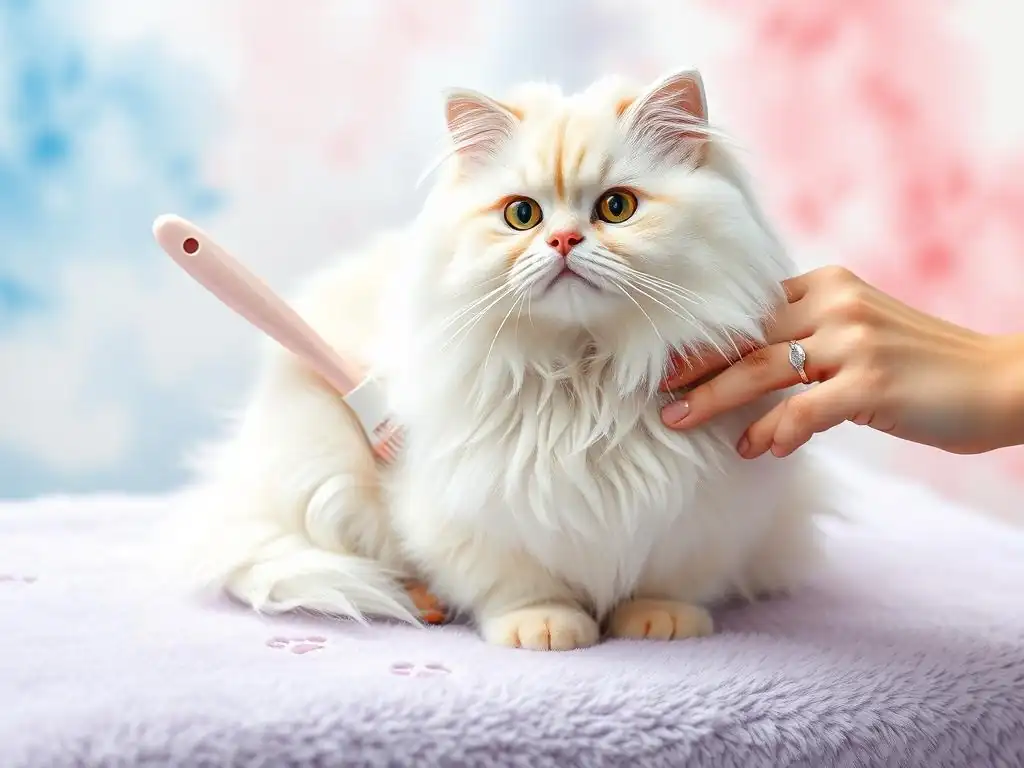
Finding the perfect groomer for your precious Persian cat is crucial for maintaining their luxurious coat and overall well-being. A poorly executed grooming session can lead to stress, injury, and even skin problems. Therefore, selecting a qualified and experienced professional is paramount. This section will guide you through the process of finding the ideal groomer for your feline friend, ensuring a positive and safe grooming experience.
Finding a Qualified and Experienced Groomer
The search for a qualified groomer should begin with thorough research. Don't just settle for the closest option; take the time to investigate different groomers in your area. Look for groomers who specifically mention experience with long-haired breeds like Persians. A groomer familiar with the unique needs of Persian cats will understand how to handle their dense, luxurious coats without causing discomfort or damage.
Consider checking online reviews on platforms like Yelp or Google Reviews. Look for consistent positive feedback regarding gentleness, professionalism, and expertise with Persian cats specifically. Pay close attention to any negative reviews, particularly those mentioning rough handling or inadequate skills. These reviews can provide valuable insight into a groomer's capabilities and approach.
Checking Credentials and Certifications
Beyond online reviews, consider investigating a groomer's credentials and certifications. While there isn't a universally recognized certification specifically for cat grooming, many groomers hold certifications from reputable organizations that demonstrate a commitment to professional development and ethical practices. Inquire about their experience and training, particularly in handling long-haired breeds.
A well-trained groomer should be able to discuss their techniques for detangling, trimming, and bathing Persian cats, minimizing stress and ensuring a comfortable experience for your pet. Don't hesitate to ask for references from previous clients. Speaking with other Persian cat owners who have used the groomer's services can offer valuable firsthand perspectives and insights.
Assessing the Grooming Environment
The grooming environment itself plays a vital role in your cat's comfort and safety during the grooming process. Before booking an appointment, schedule a visit to the grooming facility to observe the environment firsthand. A clean, well-maintained, and calming environment is essential for a positive grooming experience. Look for a clean and organized workspace, with appropriate tools and equipment.
The presence of calming elements, such as soft music or pheromone diffusers, can also significantly contribute to a relaxed atmosphere for your cat. Observe how the groomer interacts with other animals. A gentle and patient approach towards all animals is a positive indicator of their overall handling skills and care. A chaotic or stressful environment can negatively impact your cat's experience.
Understanding the Grooming Process and Pricing
Before committing to a groomer, discuss the grooming process in detail. Ask specific questions about their techniques for handling Persian fur, including detangling, bathing, and drying. Inquire about the products they use, ensuring they are safe and appropriate for your cat's sensitive skin. Transparency in pricing is also crucial. Ask for a detailed price breakdown, including the cost of different services, such as bathing, brushing, trimming, and nail clipping.
Avoid groomers who are vague about their pricing or who seem unwilling to answer your questions. A reputable groomer will be open and honest about their services and costs. Remember, choosing the right groomer is an investment in your Persian cat's health and well-being. A comfortable and stress-free grooming experience is essential for maintaining their beautiful coat and overall happiness. Don't rush the process; take your time to find the perfect fit for your beloved pet.
Frequently Asked Questions
How often should I groom my Persian cat?
Persian cats require daily grooming to prevent matting. Their long, luxurious coats need regular brushing to remove dead hair and keep them tangle-free. Daily brushing is key.
What tools do I need to groom my Persian cat?
You'll need a high-quality slicker brush, a comb to remove mats, and cat-specific shampoo and conditioner. Grooming scissors can also be helpful for trimming around the paws and face.
How do I prevent matting in my Persian cat's fur?
Regular brushing is essential. Pay special attention to areas prone to matting, such as behind the ears, under the arms, and around the tail. Consider using a detangling spray to help ease the process.
How often should I bathe my Persian cat?
While Persians need regular grooming, bathing is typically needed only every 4-6 weeks, or as needed if they get particularly dirty. Over-bathing can dry out their skin.
What are the signs of a grooming problem in my Persian cat?
Look for matted fur, excessive shedding, skin irritation, or unpleasant odors. If you notice any of these, consult your veterinarian immediately.
Final Reflection: The Enduring Bond Through Dedicated Grooming
The meticulous care involved in grooming a Persian cat is not merely a chore; it's a profound act of connection, strengthening the bond between pet and owner. This guide has explored the intricacies of maintaining a Persian's luxurious coat, from the essential tools to the techniques that ensure both beauty and health. But beyond the practical advice, lies a deeper understanding of the responsibility we bear towards our feline companions.
The impact of proper grooming extends far beyond a shiny coat; it's a testament to the deep emotional connection we share with our pets. It's in the gentle strokes of the brush, the careful combing out of mats, and the attentive examination of their skin that we truly understand their needs and build a lasting trust. As the renowned animal behaviorist, Temple Grandin, wisely stated: Animals are not things. They are sentient beings with feelings and emotions.
This sentiment underscores the importance of attentive grooming as a vital component of responsible pet ownership, fostering a relationship built on mutual respect and understanding.
Now, consider your own Persian cat. Reflect on the moments you share during grooming sessions – the purrs, the gentle nudges, the quiet trust exchanged. Embrace these moments as opportunities to deepen your bond, to truly appreciate the unique personality and needs of your feline companion. Remember the techniques and tips outlined in this guide, and use them not just as a routine, but as a ritual of connection, ensuring your Persian remains healthy, happy, and deeply loved for many years to come.
Unlock Your Persian's Purrfect Potential!
Thank you for learning about the unique grooming needs of your beautiful Persian cat! We hope this guide has provided you with the knowledge to keep your feline friend looking and feeling their best. Now let's put that knowledge into action.
- Master the art of Persian grooming: Dedicate some time this week to a grooming session, focusing on the techniques we've discussed. Consistency is crucial for maintaining your cat's beautiful coat.
- Share your grooming tips: Have you discovered a particularly effective method for detangling your cat's luxurious fur? Share your secret weapon with our community in the comments below! Helping others is rewarding and beneficial for all Persian cat owners.
- Elevate your grooming skills: Ready to take your grooming to the next level? Consider investing in professional-grade grooming tools or enrolling in a cat grooming class for expert instruction.
Ready to transform your Persian's grooming routine? Which grooming tip are you most excited to try today?