
The Science Behind Effective Dog Leash Training: Expert Tips

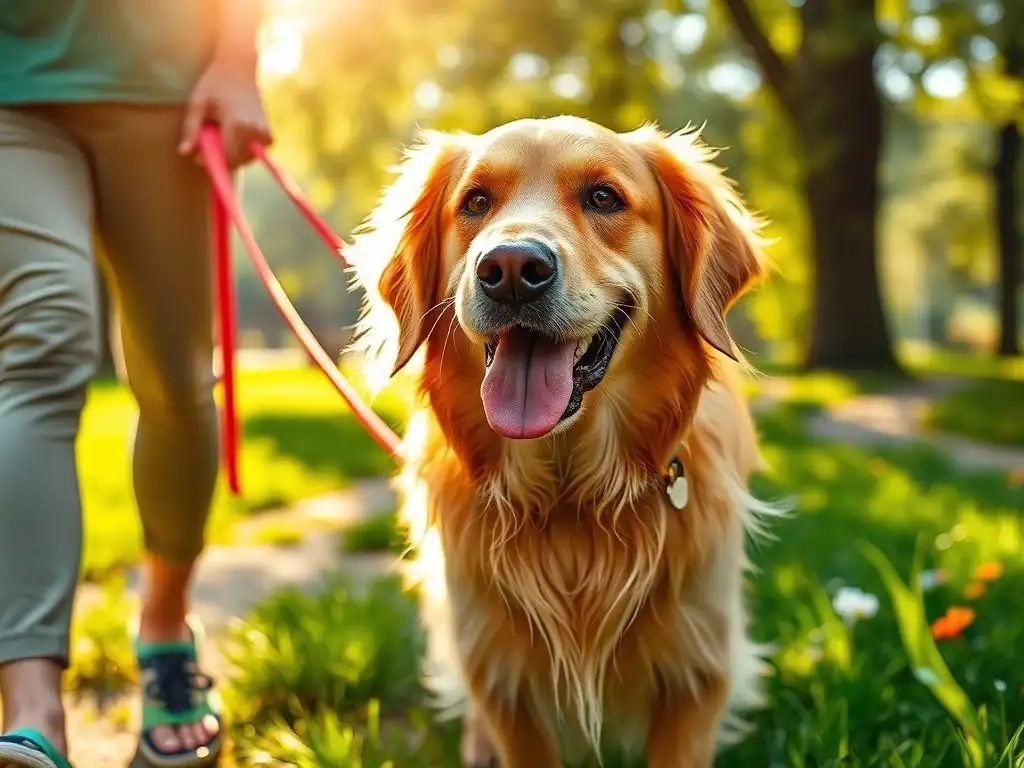
Welcome to PetCareWorld, your ultimate guide to a happier, healthier life for your beloved companion! Are you ready to unlock the secrets to effortless dog walks? Discover the science-backed strategies behind effective leash training in our Top Picks for Pet Owners section, featuring " dog leash training science tips". Prepare to transform your walks from frustrating struggles into joyful adventures – learn more now!
- Understanding Canine Behavior: The Foundation of Leash Training
- Choosing the Right Dog Leash: Science and Practicality
- Step-by-Step Guide to Effective Dog Leash Training Using Science-Based Methods
- Harnessing Technology for Enhanced Leash Training
- Troubleshooting Common Leash Training Challenges
- The Role of Professional Dog Trainers in Leash Training Success
- Maintaining Effective Leash Training: Long-Term Strategies
- Recommended Products for Effective Dog Leash Training
-
Frequently Asked Questions
- How does the science of operant conditioning apply to leash training?
- What are some common mistakes people make during dog leash training?
- How can I use positive reinforcement effectively in leash training?
- What is the best type of leash to use for leash training a dog?
- How long does it typically take to effectively leash train a dog?
- Final Reflection: Unleashing the Power of Understanding in Dog Leash Training
- Unlock Your Dog's Walking Potential: Start Training Today!
Understanding Canine Behavior: The Foundation of Leash Training
Effective dog leash training isn't just about controlling your dog's movements; it's about fostering a strong, positive relationship built on understanding canine behavior. This article delves into the science behind successful leash training, providing expert tips grounded in positive reinforcement techniques and a deep understanding of canine communication. We'll explore how to interpret your dog's body language, choose the right training methods, and address common behavioral challenges that can hinder progress. Mastering leash training not only ensures safer walks but also strengthens the bond between you and your canine companion, creating a more enjoyable experience for both of you.
This guide is designed to equip you with the knowledge and tools to navigate the often-challenging world of dog leash training, ultimately leading to a well-behaved and happy dog. Remember, patience and consistency are key to success! 🎉
Decoding Dog Body Language During Leash Training
Understanding your dog's body language is paramount to successful leash training. A dog communicating stress or anxiety might pull on the leash, exhibiting behaviors like stiffening, whale eye (showing the whites of their eyes), tucked tail, yawning, lip licking, or excessive panting. These are crucial signals indicating discomfort or fear. Conversely, a relaxed dog will generally walk loosely beside you, with a relaxed posture, wagging tail (not always!
), and soft eyes. Learning to recognize these subtle cues allows you to adjust your training approach accordingly. For example, if your dog displays signs of stress during a training session, you should immediately reduce the intensity or duration of the session and try again later. Remember, forcing a fearful dog to continue training will only worsen the situation.
Instead, focus on creating positive associations with the leash and walking by rewarding calm behavior. Consider using a variety of training aids, such as high-value treats and a comfortable harness, to aid in creating a more positive experience. The key is to create a safe and predictable environment where your dog feels confident and secure.
Positive Reinforcement vs. Punishment: Choosing the Right Approach for Leash Training
The most effective leash training methods rely heavily on positive reinforcement. This involves rewarding desired behaviors (like walking calmly beside you) with treats, praise, or toys. Positive reinforcement strengthens the desired behavior by associating it with something positive.
Conversely, punishment-based training, which involves using aversive techniques like shock collars or harsh verbal corrections, can be detrimental to your dog's well-being and may lead to fear, aggression, and a damaged relationship. Punishment often creates fear and anxiety, making it harder for your dog to learn and potentially leading to more serious behavioral issues. While a firm "no" can be used occasionally, it's crucial to avoid punishment and focus on rewarding good behavior.
The goal is to create a positive association with the leash and walking, turning it into a fun and rewarding experience for your dog. Data consistently shows that positive reinforcement techniques result in better long-term results and a stronger human-animal bond. Choosing this method fosters trust and cooperation, rather than fear and submission.
Addressing Common Dog Behavior Issues Affecting Leash Training
Several common dog behavior issues can impact leash training. Pulling on the leash is a frequent problem, often stemming from excitement, lack of training, or even underlying anxiety. Lunging at other dogs or people can be caused by fear, aggression, or lack of socialization. Barking excessively while on a leash can indicate excitement, fear, or a need for more mental stimulation.
Addressing these issues requires patience and a tailored approach. For pulling, consider using a front-clip harness or a head halter to gently redirect your dog's attention. For lunging, gradual desensitization and counter-conditioning techniques can be effective. This involves slowly exposing your dog to triggers (other dogs or people) at a safe distance, rewarding calm behavior.
For excessive barking, provide ample opportunities for exercise and mental stimulation to reduce anxiety. Remember to consult a certified professional dog trainer if you are struggling to address these issues independently. They can provide personalized guidance and support to help you and your dog achieve leash training success. Consistent training, patience, and positive reinforcement are vital in overcoming these challenges and building a strong, positive relationship with your dog.
Choosing the Right Dog Leash: Science and Practicality
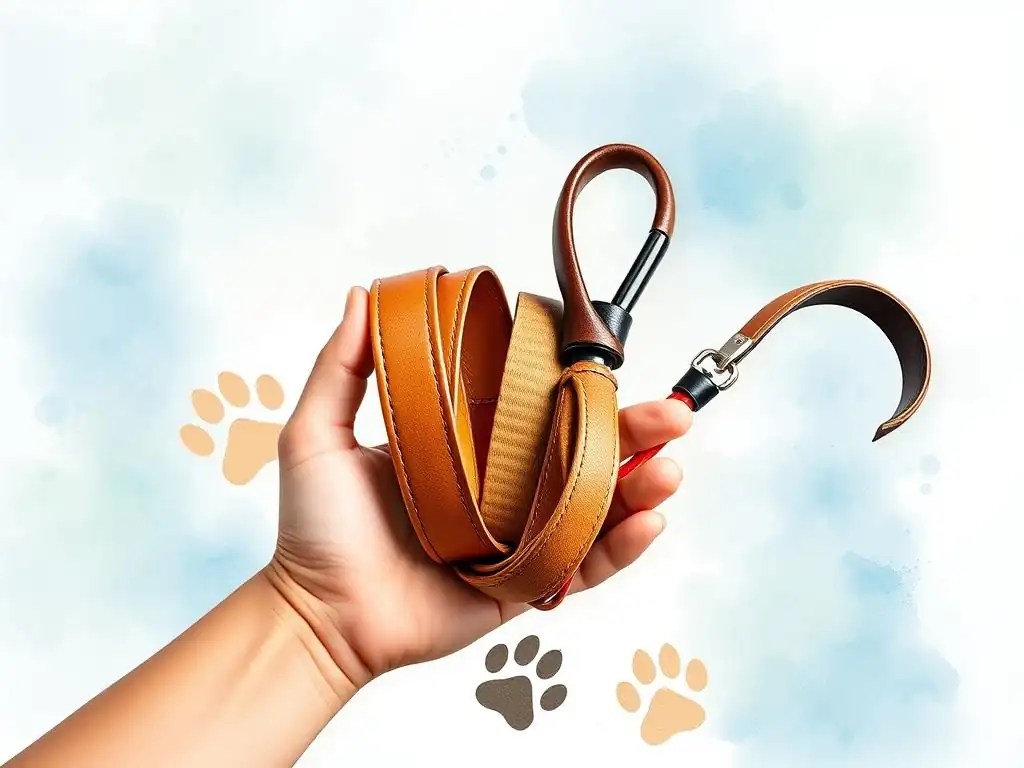
Selecting the appropriate dog leash is crucial for successful leash training. It's not simply about aesthetics; the leash's design, materials, and length directly impact your dog's comfort, your control, and ultimately, the effectiveness of your training. Understanding the science behind leash selection allows for a more informed approach, leading to a more positive and efficient training experience for both you and your canine companion.
This section delves into the key factors to consider when choosing a leash, moving beyond subjective preferences to a more data-driven approach to dog leash training science tips. We'll explore how different leash types, materials, and lengths influence your dog's behavior and your ability to guide them effectively.
Different Types of Dog Leashes: Head Halters, Standard Leashes, Retractable Leashes, and Their Effectiveness
Several leash types cater to different training needs and dog personalities. Each type offers unique advantages and disadvantages, impacting training outcomes. Let's analyze the most common types:
- Head Halters: These leashes attach around the dog's head, providing more control than a standard collar-and-leash setup. Studies suggest head halters can be effective in managing strong pullers, but their use requires careful introduction and proper fitting to avoid discomfort or injury. Improper use can lead to negative associations and hinder training progress. The effectiveness hinges on gentle, consistent training techniques.
- Standard Leashes: These are the most common type, typically made of nylon or leather. Their simplicity allows for basic control and is ideal for dogs with established leash manners. The length of the leash plays a crucial role; shorter leashes offer tighter control, suitable for initial training phases, while longer leashes provide more freedom once basic commands are mastered. The choice depends heavily on your dog's training level and your training goals.
- Retractable Leashes: These offer a significant amount of leash length, often appealing to owners seeking to give their dogs more freedom. However, retractable leashes can be problematic during training. The unpredictable length makes consistent control difficult, hindering the establishment of clear boundaries and commands. Additionally, the sudden stopping mechanism can be jarring for the dog and potentially cause injury. For leash training, retractable leashes are generally discouraged.
The table below summarizes the effectiveness of each leash type in different training scenarios:
| Leash Type | Suitable for | Less Suitable for | Effectiveness Rating (1-5, 5 being highest) | Notes |
|---|---|---|---|---|
| Head Halter | Strong pullers, reactive dogs | Dogs with neck or head injuries | 4 | Requires careful introduction and proper fitting |
| Standard Leash | Most dogs, all training stages | Highly reactive dogs (without prior training) | 3-5 (depending on length and training) | Versatility depends on leash length and training techniques |
| Retractable Leash | Dogs with established leash manners | Leash training, reactive dogs | 1 | Generally unsuitable for training due to inconsistent control and safety concerns |
The Importance of Leash Material and Construction for Optimal Dog Leash Training
The material and construction of the leash significantly impact its durability, comfort, and overall effectiveness in training. Nylon is a popular choice due to its strength and affordability. However, nylon leashes can be less comfortable for the dog's hands during longer walks. Leather leashes offer a more comfortable grip and are more durable, but can be more expensive. The strength of the leash is crucial; a weak leash can break under strain, creating a safety hazard and disrupting training. Consider the following:
- Strength: The leash should be strong enough to withstand your dog's pulling force without breaking. This is particularly important for strong or large breeds.
- Durability: A durable leash will withstand daily use and the elements, extending its lifespan and ensuring consistent training.
- Comfort: The leash's material and handle should be comfortable for both you and your dog. A comfortable grip for you reduces fatigue during training, while a soft material prevents discomfort for your dog.
Choosing a leash made of high-quality, durable materials is an investment in the success of your dog leash training. A well-made leash provides consistent control and reliability, fostering a positive training experience.
Leash Selection: Matching Leash Type to Dog and Training Goals
Matching the leash type to your dog's personality and your training goals is key to success. For a puppy just starting leash training, a short, standard leash offers greater control. For a strong puller, a head halter might be necessary, but only after careful introduction and training. For a dog with established leash manners, a longer leash allows for more freedom while still maintaining control. Consider these factors:
- Dog's Size and Strength: A larger, stronger dog will require a more robust leash than a smaller dog.
- Dog's Temperament: A reactive dog might benefit from a head halter or a shorter leash to minimize triggers. A calm, well-trained dog can handle a longer leash.
- Training Goals: The leash type should support your specific training goals. Are you working on basic obedience, loose-leash walking, or more advanced commands? Your choice of leash should facilitate this process.
Careful consideration of these factors will improve the effectiveness of your dog leash training. The right leash isn't just a tool; it's a crucial component of a successful training partnership, enhancing communication and building a stronger bond between you and your dog. Remember that consistent training and positive reinforcement remain paramount regardless of your leash choice.
Step-by-Step Guide to Effective Dog Leash Training Using Science-Based Methods
This section delves into the scientific principles underpinning successful dog leash training, offering a structured approach based on positive reinforcement and gradual habituation. Understanding the canine mind and applying evidence-based techniques are crucial for building a strong, positive bond with your dog while ensuring safe and enjoyable walks. We'll explore the key phases involved, emphasizing patience, consistency, and reward-based methods. Remember, effective dog leash training science tips hinge on understanding your dog's individual learning style and adapting your approach accordingly.
Phase 1: Habituation – Introducing the Leash and Harness
The initial phase focuses on familiarizing your dog with the leash and harness, creating positive associations before even attempting to walk. This crucial step lays the groundwork for future success. Avoid forcing the equipment on your dog; instead, make it a positive experience.
Start by letting your dog sniff and explore the harness and leash. Reward them with high-value treats and praise whenever they show curiosity or approach the equipment. Once they seem comfortable, gently place the harness on your dog, giving them treats and praise throughout the process. Keep the sessions short (5-10 minutes) and end on a positive note. Repeat this process daily until your dog shows no signs of fear or anxiety when the harness is placed on them.
It’s important to note individual differences. Some dogs may adapt quickly, others may require more time and patience. Observe your dog's body language closely. Signs of stress include tucked tail, whale eye (showing the whites of their eyes), yawning, lip licking, and panting. If you observe these, take a break and return to the habituation process later. Remember, the goal is to build confidence, not force compliance. This initial dog leash training science involves creating a positive emotional response to the equipment.
Phase 2: Loose Leash Walking – Building Positive Associations
Once your dog is comfortable with the harness and leash, the next phase involves teaching loose-leash walking. This doesn't mean your dog will be perfectly still beside you initially, but it aims to teach them to walk calmly beside you without pulling.
Use high-value treats strategically. Reward your dog every time they walk beside you with a loose leash. The moment the leash tightens, stop walking and wait for the leash to go slack. Once it does, praise and reward them immediately. This reinforces the desired behavior. Avoid pulling on the leash; this will only create a negative association and potentially lead to resistance.
This phase requires patience and consistency. Short, frequent training sessions are more effective than long, infrequent ones. Aim for several short walks throughout the day, focusing on rewarding loose-leash walking. Consider using a clicker for more precise marking of desired behavior. The clicker acts as an immediate marker, followed by the reward, strengthening the association between loose-leash walking and positive reinforcement. This approach aligns with proven dog leash training science tips that emphasize positive reinforcement.
Phase 3: Advanced Techniques – Handling Distractions and Different Environments
The final phase involves gradually introducing distractions and different environments to test your dog's skills. Start with minimal distractions, gradually increasing the complexity. For example, begin in a quiet, familiar area before moving to busier streets or parks.
Introduce distractions incrementally. This could involve other dogs, people, or even moving objects. Maintain a positive and rewarding approach, especially when encountering distractions. If your dog becomes distracted and pulls on the leash, calmly redirect their attention to you and reward them for returning to loose-leash walking.
Vary your training locations to help your dog generalize their learned behavior. Walking in different environments helps build resilience and prevents your dog from associating loose-leash walking only with specific locations. Remember, consistency is key. Continue to reward loose-leash walking in all environments to solidify the behavior. This phase of dog leash training science focuses on building generalization and robustness of the learned behavior. By carefully managing distractions and varying environments, you can ensure your dog maintains loose-leash walking skills in diverse situations.
Remember, consistency and patience are paramount. Every dog learns at their own pace. Celebrate small victories and remain positive throughout the process. The ultimate goal is to establish a safe and enjoyable walking experience for both you and your canine companion.
Phase 4: Maintaining Good Leash Manners – Ongoing Training and Reinforcement
Maintaining good leash manners isn't a one-time achievement; it's an ongoing process requiring consistent reinforcement and adaptation. Think of it like brushing your teeth – you do it every day to maintain good oral hygiene. Similarly, daily practice keeps your dog's leash skills sharp and prevents regression. This phase focuses on preventing bad habits from resurfacing and solidifying the positive associations your dog has learned.
One crucial aspect is the continued use of positive reinforcement. Even after your dog consistently walks well on the leash, rewarding good behavior with treats, praise, or a favorite toy remains essential. This isn't about bribing your dog; it's about reinforcing the desired behavior and strengthening the positive association with walking nicely on the leash. Remember to vary your rewards to keep your dog engaged and prevent habituation. A simple "Good dog!" coupled with a pat on the head can be just as effective as a treat, especially if delivered enthusiastically.
Another vital element is adjusting your training to different environments. While your dog might walk beautifully in your quiet neighborhood, a bustling park or a crowded street presents new challenges. Gradually expose your dog to these more stimulating environments, starting with less intense situations and progressively increasing the level of distraction. This gradual desensitization helps your dog maintain composure and focus on you even when faced with tempting distractions. Remember to reward calm behavior even in these challenging settings.
Furthermore, it's important to recognize that even the best-trained dogs can sometimes revert to old habits. This is perfectly normal, especially when they're stressed, excited, or facing a novel situation. Instead of getting frustrated, use these moments as opportunities for retraining. If your dog pulls, calmly redirect their attention back to you using positive reinforcement techniques. Avoid punishment; it can damage your relationship with your dog and undermine the progress you've made. Remember, consistency and patience are key.
Finally, consider incorporating new challenges to keep your dog engaged and prevent boredom. This could involve introducing new commands, such as "leave it" or "heel," which can be useful in different contexts. You might also explore different walking routes or environments to add variety to your training sessions. The goal is to keep the training enjoyable for both you and your dog, ensuring that leash walking remains a positive experience.
This ongoing engagement will help maintain your dog's excellent leash manners for years to come. Remember, a well-trained dog is a happy dog, and a happy dog is a well-behaved dog! 🐶
Harnessing Technology for Enhanced Leash Training
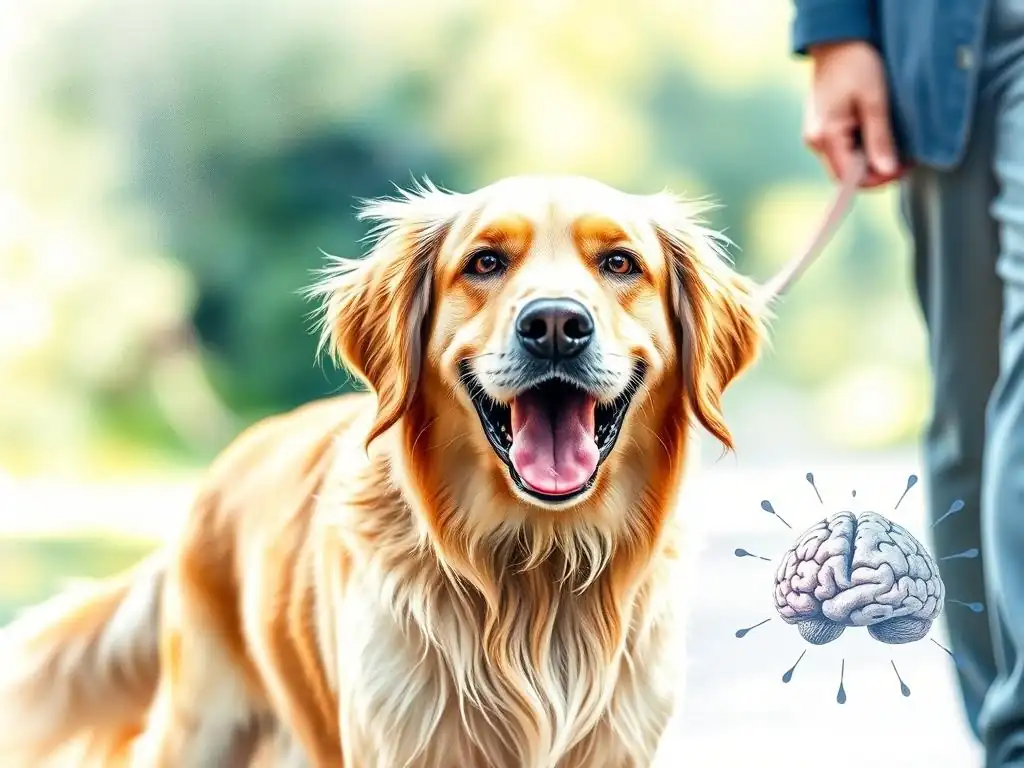
Technology is rapidly transforming the pet care landscape, and dog leash training is no exception. Integrating smart devices and applications can significantly improve training outcomes, providing pet owners with valuable data and personalized guidance. This section explores how leveraging technology can elevate your dog leash training experience, making it more efficient and effective. The science behind effective training is enhanced by the precision and objective data these tools offer, moving beyond subjective observation to a more data-driven approach to dog leash training science tips.
Smart Leashes and Trackers: Monitoring and Improving Training Outcomes
Smart leashes and trackers offer a wealth of data that can significantly improve your dog's leash training. These devices often incorporate GPS tracking, activity monitoring, and even features that detect pulling or unusual behavior. This objective data allows you to identify patterns in your dog's behavior, pinpoint areas needing improvement, and measure progress over time.
For example, a smart leash might record the distance your dog pulls on the leash during a walk, providing quantifiable data to assess the effectiveness of different training techniques. Analyzing this data allows for adjustments to your training approach, optimizing the process and leading to faster, more consistent results. Some advanced models even provide feedback in real-time, alerting you to problematic behaviors as they occur.
This immediate feedback loop allows for prompt correction, further reinforcing positive training habits. The consistent monitoring provided by these devices supports a scientific approach to dog leash training, offering objective measures of success and areas for improvement. The shift from relying solely on observation to leveraging data-driven insights is a significant advancement in dog leash training science tips.
Using Apps for Dog Training: Tracking Progress and Receiving Expert Guidance
Beyond smart leashes, numerous dog training apps offer valuable tools to enhance your training efforts. These apps often provide structured training programs, progress tracking features, and even access to certified dog trainers. Progress tracking within these apps allows you to monitor your dog's performance over time, visualizing improvement through charts and graphs.
This visual representation of progress can be incredibly motivating for both you and your dog. Many apps incorporate positive reinforcement techniques, providing rewards and encouragement at key milestones. Furthermore, some apps connect you with expert trainers who can provide personalized guidance and address specific challenges you may encounter.
This expert support is particularly valuable for addressing complex behavioral issues or refining your training techniques. By combining the structured approach of the app with the personalized guidance of an expert, you can adopt a scientifically informed and tailored approach to dog leash training, ensuring optimal results. The data-driven insights and expert support provided by these apps contribute significantly to the overall effectiveness of your dog leash training science tips.
Troubleshooting Common Leash Training Challenges
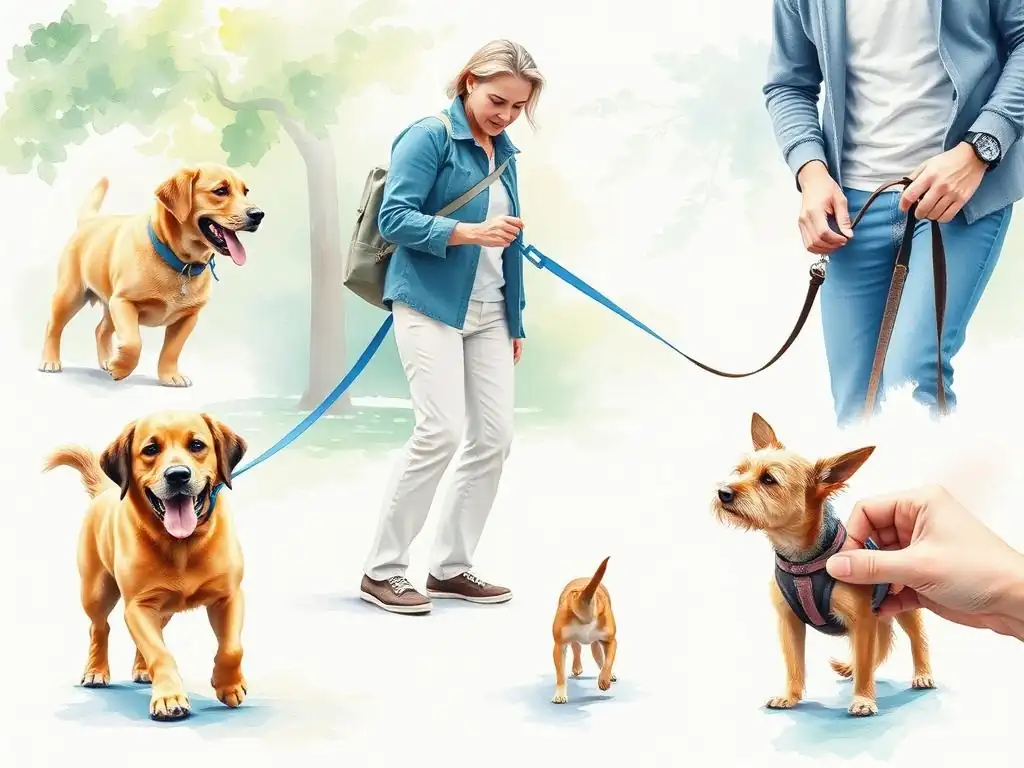
This section delves into the practical application of scientific principles to overcome common hurdles in dog leash training. We'll explore proven techniques to address specific behavioral issues, transforming frustrating walks into enjoyable experiences for both you and your canine companion. Remember, consistency and positive reinforcement are key to success in dog leash training science tips.
Addressing Pulling and Lunging Behaviors Through Scientifically Proven Methods
Pulling on the leash is a frequent problem stemming from a dog's natural excitement or desire to explore. Lunging, often a reaction to perceived threats, can escalate into more serious behavioral problems. Addressing these behaviors requires understanding the underlying causes and employing scientifically-backed methods.
One effective strategy is to utilize a positive reinforcement approach. Instead of punishing pulling, reward your dog for walking calmly beside you. This involves using high-value treats and praise to reinforce desired behavior. Start with short training sessions in low-distraction environments, gradually increasing the duration and complexity of the walks as your dog improves.
Another crucial aspect is managing your dog's arousal levels. If your dog is overly excited, it's harder to maintain calm behavior. Before you start your walk, engage in a calming activity like a short period of quiet play or a gentle brushing session.
Consider using equipment that aids in leash management, such as a front-clip harness. These harnesses gently redirect your dog's pull, making it easier to control their movement. However, it's vital to combine equipment with consistent training for optimal results. Avoid using harsh correction methods, as these can damage the bond between you and your dog and potentially exacerbate the problem.
Let's illustrate with a concrete example: Imagine a Labrador Retriever named Max who consistently pulls on the leash. Instead of jerking the leash, the owner starts by rewarding Max with a treat every time he walks calmly beside her for even a few steps. Gradually, the intervals between rewards increase as Max learns to associate walking calmly with positive reinforcement. Through this method, Max learns to self-regulate his excitement and enjoys the walks more.
Managing Reactivity on Leash Walks: A Step-by-Step Guide
Reactivity, manifested as barking, lunging, or growling at other dogs or people, is a significant challenge in leash training. Understanding the root cause – fear, anxiety, or learned behavior – is crucial for effective management. A multi-faceted approach combining desensitization, counter-conditioning, and management strategies is often necessary.
Desensitization involves gradually exposing your dog to triggers (e.g., other dogs) at a distance where they remain calm. As their comfort level increases, the distance is progressively reduced. Counter-conditioning pairs these triggers with positive associations, such as treats or praise, to create a more positive response.
This process is best undertaken with the guidance of a certified professional dog trainer who can help to tailor the approach to your dog's specific needs and sensitivities. Rushing this process can be counterproductive. It's more beneficial to take small, incremental steps and celebrate every tiny success.
Here’s a step-by-step guide:
- Identify Triggers: Observe your dog to determine what specifically triggers their reactive behavior.
- Distance Management: Maintain enough distance from the trigger to keep your dog calm.
- Positive Reinforcement: Immediately reward calm behavior with high-value treats and praise.
- Gradual Desensitization: Slowly decrease the distance to the trigger as your dog's comfort level increases.
- Counter-Conditioning: Pair the trigger with positive experiences to create a positive association.
- Consistency: Maintain consistent training in various environments.
Remember, patience and consistency are paramount. Progress may be slow, but each small victory contributes to overall improvement.
Overcoming Fear and Anxiety in Leash Trained Dogs
Fear and anxiety can significantly hinder leash training progress. Dogs experiencing these emotions may exhibit various behaviors, including avoidance, trembling, hiding, and excessive barking. Addressing these underlying emotional states is critical for effective training.
A holistic approach is often necessary, combining behavioral modification techniques with environmental adjustments. Creating a safe and predictable environment for your dog is a foundational step. This involves minimizing exposure to stressful stimuli and providing ample opportunities for rest and relaxation.
Furthermore, incorporating calming aids, such as pheromone diffusers or calming supplements (always consult your veterinarian first! ), can help to reduce anxiety levels. However, these are best used as supplementary tools, not as primary solutions. The core of the solution lies in addressing the underlying fear through desensitization and counter-conditioning as outlined in the previous section.
For dogs with severe anxiety, professional guidance from a veterinarian or certified veterinary behaviorist is highly recommended. They can assess the dog's specific needs and recommend appropriate treatment strategies, potentially including medication in conjunction with behavioral modification. This collaborative approach ensures a humane and effective resolution to address the root cause of the dog's fear and anxiety, ultimately leading to successful leash training.
The Role of Professional Dog Trainers in Leash Training Success
Professional dog trainers play a crucial role in achieving successful leash training. Their expertise goes beyond simply teaching a dog to walk politely on a leash; they understand the underlying canine behavior and learning principles, enabling them to tailor training methods to individual dogs and their owners. This personalized approach is key to overcoming common challenges and building a strong, positive relationship between dog and owner, leading to better leash manners and a more enjoyable experience for both.
Ignoring the science behind dog behavior can lead to frustration and ineffective training, highlighting the importance of professional guidance. The science of dog leash training involves understanding canine communication, motivation, and learning styles, all areas where a skilled trainer excels.
Finding a Qualified and Certified Dog Trainer
Locating a qualified and certified dog trainer is the first step towards successful leash training. Avoid trainers who rely solely on punishment-based methods; positive reinforcement techniques are far more effective and humane. Look for trainers with certifications from reputable organizations, indicating a commitment to professional development and ethical training practices. Check online reviews and ask for references to gauge the trainer's experience and success rate with similar cases.
Consider the trainer's specialization; some focus on specific breeds or behavioral issues, offering a more targeted approach to your dog's needs. A good trainer will also provide you with resources and support beyond the training sessions, empowering you to continue the training at home and maintain positive leash manners in the long run. Remember, investing in a qualified trainer is an investment in your dog's well-being and your relationship.
The Benefits of Professional Dog Training for Leash Manners
The benefits of professional dog training extend far beyond simply teaching your dog to walk nicely on a leash. A skilled trainer can identify and address underlying behavioral issues that might be contributing to leash pulling or other problematic behaviors. This could include anxieties, fear-based reactions, or lack of socialization.
Professional guidance helps owners understand canine body language and communication, enabling them to better interpret their dog's signals and respond appropriately. This improved understanding fosters a stronger bond, crucial for effective training. Furthermore, a trainer can teach owners effective communication techniques, ensuring consistent and positive reinforcement, which is key to long-term success.
Professional training also provides owners with the tools and knowledge to prevent future behavioral problems, saving time and potential frustration down the line. The investment in professional training ultimately leads to a safer, more enjoyable experience for both dog and owner, promoting a harmonious relationship built on mutual understanding and respect.
When to Seek Professional Help for Difficult Leash Training Cases
While many dogs respond well to basic leash training techniques learned from books or online resources, some cases require the intervention of a professional. Seek professional help if your dog exhibits extreme reactivity on the leash, such as aggressive lunging or biting, excessive barking, or intense fear responses. Similarly, if your dog displays consistent pulling despite your best efforts, or if you're struggling to make progress with home training, professional guidance becomes crucial.
Other red flags include signs of underlying medical conditions that could affect your dog's behavior, such as pain or discomfort. A professional trainer can assess the situation, rule out any medical causes, and develop a tailored training plan to address the specific challenges. Don't hesitate to seek professional help; it's a sign of responsible pet ownership and can significantly improve your dog's well-being and your relationship.
Early intervention is key to preventing more serious behavioral problems from developing. Remember, a professional trainer is an invaluable resource in achieving successful and humane dog leash training.
Maintaining Effective Leash Training: Long-Term Strategies

Successfully initiating dog leash training is only half the battle. Maintaining consistent, positive reinforcement is crucial for long-term success and preventing unwanted behaviors from resurfacing. This section delves into the science-backed strategies for ensuring your dog remains well-behaved on the leash, even after initial training is complete. Understanding the underlying principles of operant conditioning – specifically positive reinforcement – is paramount to achieving lasting results in dog leash training science.
Consistency is Key: Maintaining Leash Training Practices
Consistency is the cornerstone of successful long-term leash training. Dogs thrive on routine and predictability; inconsistent commands and training methods lead to confusion and ultimately, poor leash manners. Think of it like this: if you sometimes allow your dog to pull on the leash and other times correct them, they won't understand what behavior is expected. This inconsistency undermines the learning process and can lead to frustration for both you and your canine companion.
To maintain effective leash training, establish a clear set of rules and consistently apply them. This means using the same commands, hand signals, and correction methods each time you take your dog for a walk. Even seemingly minor variations can confuse your dog. For example, if you usually use a gentle tug on the leash to correct pulling, avoid using verbal commands instead. This inconsistency can weaken the effectiveness of your training.
Furthermore, consistency extends beyond walks. Practice leash manners in various environments. This helps generalize the learned behavior and prevents your dog from associating good leash behavior solely with familiar locations. This could include short training sessions in your backyard, brief walks around the block, or visits to less familiar places. The more consistent the training, the more reliable the results. A well-trained dog will exhibit excellent leash manners regardless of the setting.
Rewarding Good Behavior: Positive Reinforcement Strategies for Long-Term Success
Positive reinforcement is not just about rewarding good behavior during initial training; it's also vital for maintaining it over time. Continuing to reward your dog for walking nicely on the leash reinforces the desired behavior and strengthens the positive association. This doesn't necessarily mean treats every single time, but it does require consistent positive feedback.
Consider using a variety of rewards, such as praise, petting, and occasional high-value treats. Varying the rewards prevents your dog from becoming bored or desensitized to a single reward. Remember, the goal is to maintain a positive and enjoyable experience for your dog, making leash walks something they look forward to. This positive association is crucial for long-term compliance.
A structured reward system can be incredibly effective. For instance, you could reward your dog every few steps for walking calmly beside you. Gradually increase the interval between rewards as your dog's leash manners improve. This method, known as intermittent reinforcement, is particularly effective in maintaining learned behaviors over the long term. It prevents your dog from becoming reliant on constant rewards while still providing positive reinforcement for consistent good behavior. This approach is based on sound dog leash training science principles.
Addressing Setbacks and Regressions in Leash Training
Even with consistent training and positive reinforcement, setbacks can occur. Dogs may regress due to various factors, including distractions, changes in environment, or even hormonal fluctuations. The key is to address these setbacks calmly and patiently, returning to the foundational principles of leash training.
If your dog starts pulling on the leash again, don't punish them. Instead, analyze the situation. Are there more distractions than usual? Has the environment changed significantly? Understanding the reason for the regression is the first step towards correcting it. Once you identify the trigger, you can adjust your training approach accordingly. For example, if distractions are the problem, you may need to work on your dog's focus and impulse control in a more controlled environment before gradually introducing more distractions.
Regression doesn't signal failure; it's an opportunity to reinforce the training and adjust your strategy. Consistency remains key. Continue to use positive reinforcement, focusing on rewarding even small improvements. Remember, patience and understanding are crucial when dealing with setbacks. By addressing the underlying cause and consistently applying positive reinforcement, you can help your dog overcome these challenges and maintain good leash manners. This reinforces the scientific principles of positive reinforcement and consistency in dog leash training.
Recommended Products for Effective Dog Leash Training
Choosing the right equipment is crucial for successful dog leash training. The science behind effective training involves understanding your dog's physical and behavioral needs, and selecting tools that facilitate positive reinforcement and minimize stress. This section explores key product recommendations, focusing on harness and leash choices, and supplementing with other valuable tools. Remember, the best products are those that fit your dog's specific needs and your training style. Always prioritize safety and comfort for your canine companion. The goal is to create a positive association with walking on a leash, rather than instilling fear or anxiety.
Top Picks for Dog Harnesses for Leash Training
Harness selection is paramount. Avoid harnesses that pull against the dog's neck, as these can cause discomfort and injury. Instead, opt for front-clip or no-pull harnesses which redirect pulling behavior. Here's a breakdown of some popular choices, categorized by features:
| Harness Type | Description | Suitable for | Pros | Cons |
|---|---|---|---|---|
| Front-Clip Harness | Clips in front of the chest; discourages pulling by turning the dog towards you. | Most dogs, especially strong pullers. | Effective at preventing pulling, comfortable design for many dogs. | Can be confusing for some dogs initially; may not fit all body types. |
| No-Pull Harness | Distributes pressure evenly; discourages pulling without causing pain. | Most dogs; particularly good for sensitive dogs. | Gentle on the dog's body; prevents choking or neck strain. | May require adjustment; less effective for extreme pullers. |
| Step-in Harness | Easy to put on and take off. | Most dogs, especially those who dislike harness placement. | Convenient; quick to use. | Can be less secure than other harness types. |
Remember to measure your dog accurately before purchasing to ensure a proper fit. A harness that's too loose or too tight can compromise its effectiveness and potentially harm your dog.
Best Leashes for Different Dog Breeds and Sizes
The leash itself plays a vital role in leash training. The length and material impact the dog's experience and the trainer's control. Consider these factors when selecting a leash:
- Length: Shorter leashes (4-6 feet) offer better control, ideal for training and crowded areas. Longer leashes (15-20 feet) provide more freedom for relaxed walks in safe environments.
- Material: Nylon leashes are durable and affordable. Leather leashes are stylish but require more maintenance. Consider a padded handle for added comfort during training sessions, especially with larger or stronger dogs.
- Breed and Size: Small dogs may benefit from lightweight leashes, while large, powerful breeds might need sturdier options. Always select a leash that can handle your dog's strength without breaking or causing discomfort.
Choosing the right leash is a critical aspect of effective dog leash training, ensuring both safety and a positive learning experience. Remember to match the leash's strength to your dog's size and pulling power.
Essential Training Tools: Clickers, Treats, and More
Beyond harnesses and leashes, other tools significantly enhance the training process. Positive reinforcement techniques are central to effective dog leash training, and these tools facilitate that approach:
- Clickers: These small devices emit a distinct sound that marks the precise moment your dog performs the desired behavior. Consistency in using a clicker paired with a reward reinforces the desired action. The click serves as a bridge between the action and the reward.
- High-Value Treats: Small, tasty treats act as immediate rewards, strengthening the positive association with walking on a leash. Experiment to discover your dog's favorite treats for optimal results. The reward should be delivered immediately after the click and the desired behavior.
- Training Bags: Convenient for carrying treats, poop bags, and other essentials during training sessions. This ensures you're always prepared to reward desired behaviors and maintain cleanliness.
Implementing these tools effectively requires patience and consistency. Remember that every dog learns at its own pace. Focus on positive reinforcement and celebrate even small successes. The science of dog training lies in building a positive relationship and rewarding desired behaviors. This approach is significantly more effective than relying on punishment or intimidation.
Frequently Asked Questions
How does the science of operant conditioning apply to leash training?
Operant conditioning, using positive reinforcement like treats and praise for good behavior, is crucial. Rewarding desired actions (loose leash walking) strengthens those behaviors, while ignoring or redirecting unwanted actions (pulling) weakens them.
What are some common mistakes people make during dog leash training?
Many owners use punishment-based methods, which can create fear and anxiety, hindering progress. Another mistake is inconsistent training, leading to confusion for the dog. Lack of patience is also a major hurdle.
How can I use positive reinforcement effectively in leash training?
Immediately reward even small improvements in leash manners with high-value treats and enthusiastic praise. Keep training sessions short and frequent, focusing on building a positive association with the leash.
What is the best type of leash to use for leash training a dog?
A lightweight, comfortable leash is ideal. A six-foot leash is often recommended for giving your dog some freedom while still maintaining control. Avoid retractable leashes, as they can encourage pulling.
How long does it typically take to effectively leash train a dog?
The timeframe varies depending on the dog's age, breed, and prior experiences. Some dogs learn quickly, while others may require more time and patience. Consistency and positive reinforcement are key to success, regardless of the time involved.
Final Reflection: Unleashing the Power of Understanding in Dog Leash Training
The science of dog leash training isn't just about achieving perfect heelwork; it's about building a stronger, more trusting bond between you and your canine companion. Understanding the underlying principles of canine behavior and learning theory allows for a more humane and effective training process, leading to a happier and safer experience for both dog and owner. This knowledge transcends simple obedience; it's the key to unlocking a truly harmonious relationship.
The impact of positive reinforcement training methods, highlighted throughout this article, extends far beyond the leash. It's reshaping our understanding of animal communication and learning, fostering a more compassionate approach to pet ownership. The greatest reward is not what we get for our work, but what we become by our work.
This quote, while not specifically about dogs, perfectly encapsulates the transformative power of consistent, positive training – transforming not only our dogs' behavior, but also our own understanding and patience.
Now, consider your own relationship with your dog. What aspects of positive reinforcement training can you immediately implement? Perhaps it's focusing on rewarding calm behavior instead of solely correcting unwanted actions, or perhaps it's dedicating more time to understanding your dog's individual learning style. Take this knowledge, apply it with patience and consistency, and witness the incredible transformation that unfolds in your relationship. The journey of leash training is not just about a well-behaved dog; it's about building a deeper connection, founded on mutual respect and understanding.
Unlock Your Dog's Walking Potential: Start Training Today!
Thank you for learning about effective leash training! We hope you feel empowered to create a more enjoyable walking experience for both you and your dog. Ready to put this knowledge into practice?
- Begin using the key training techniques we've discussed. Start with one or two, focusing on consistency and positive reinforcement. Even small improvements make a big difference!
- Share your training progress (and any challenges!) with other PetCareWorld readers in the comments below. Let's build a supportive community where we can all learn from each other.
- Experiment with different leashes and training aids to find what works best for you and your dog.
What's one small change you'll make to your dog's leash training routine today?