
Choosing the Right Perches for Different Bird Species: A Foot Health Perspective

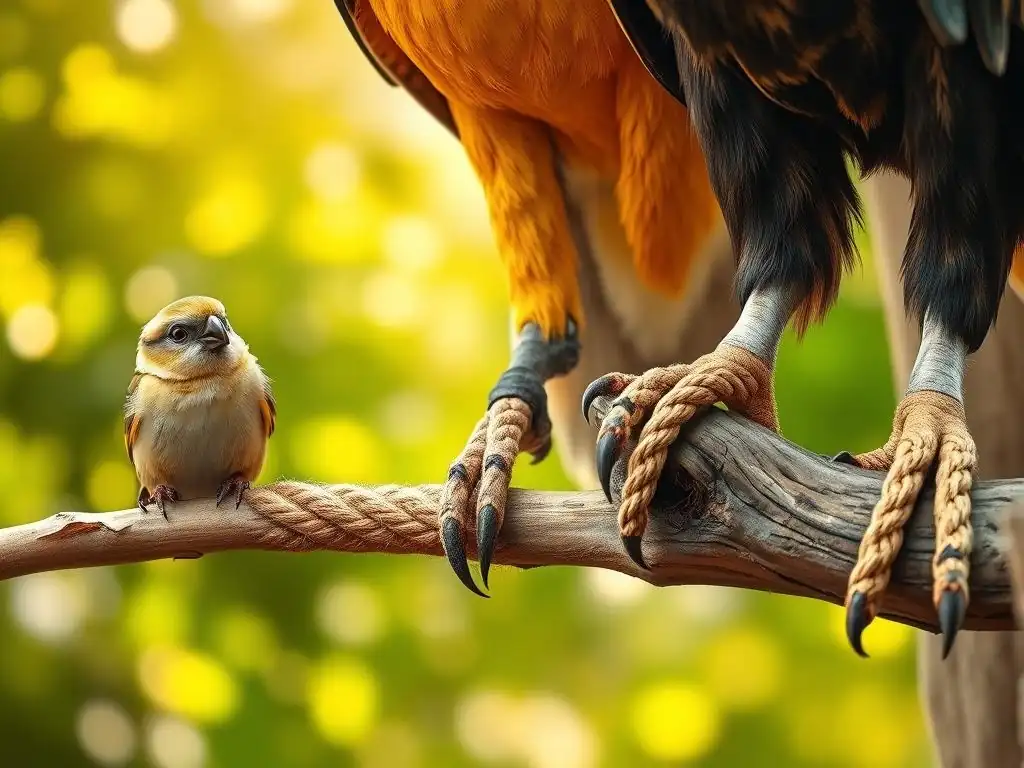
Welcome to PetCareWorld, your ultimate guide to a happier, healthier life for your beloved pets! Are you ready to unlock the secret to optimal foot health for your feathered friend? Discover how choosing the right bird perch can dramatically impact your bird's well-being and prevent potential foot problems. Dive into our expert guide on "Best bird perch foot health" and learn how to select the perfect perch for your bird's species, ensuring a long and comfortable life. Let's explore the world of avian foot care together!
- Understanding Avian Foot Health and Perch Selection
- Best Bird Perch Materials for Foot Health: A Comparative Analysis
- Best Bird Perch Designs for Optimal Foot Health
- Selecting Perches Based on Bird Species: A Guide
- Maintaining Your Bird's Foot Health: Beyond Perch Selection
- Where to Buy the Best Bird Perches for Foot Health
- Frequently Asked Questions
- Final Reflection: A Foundation for Flight: Perch Choice and Avian Wellbeing
- Elevate Your Feathered Friends' Wellbeing: Design the Perfect Perch Today!
Understanding Avian Foot Health and Perch Selection
Choosing the right perch for your feathered friend is crucial for their overall well-being, especially their foot health. Avian feet are remarkably complex and delicate structures, perfectly adapted for gripping branches and navigating their natural environments. However, improper perching surfaces in captivity can lead to a variety of foot problems, significantly impacting their quality of life.
This article delves into the critical relationship between perch selection and avian foot health, providing you with the knowledge to make informed choices that promote your bird's comfort and prevent potential issues. We'll explore the ideal perch diameters, signs of foot problems, common ailments, and how to mitigate these risks through careful perch selection. This guide aims to help you select the best bird perch for foot health, ensuring your beloved bird enjoys a long and healthy life.
Understanding the nuances of avian foot anatomy and the impact of perching surfaces is essential for responsible bird ownership. Let's delve into the specifics to ensure your bird's feet remain healthy and happy.
The Importance of Proper Perch Diameter for Bird Foot Health
The diameter of a perch is paramount to maintaining healthy bird feet. Birds naturally grasp branches of varying thicknesses, exercising their feet and preventing muscle atrophy. Perches that are too thin or too thick can cause significant problems. Too thin, and the bird's toes will be forced into an unnatural position, leading to strain and potential injury. Too thick, and the bird may not be able to properly grasp the perch, resulting in discomfort and potentially bumblefoot.
The ideal perch diameter varies greatly depending on the species and size of your bird. Smaller birds, such as finches, require thinner perches, while larger birds, like macaws, need significantly thicker ones. Providing a variety of perch diameters is crucial to mimicking a bird's natural environment and promoting healthy foot development. Think of it as a natural foot exercise regime! 🐦💪
Consider these guidelines: Smaller birds (finches, canaries) benefit from perches ranging from 0.5 to 1 inch in diameter. Medium-sized birds (cockatiels, lovebirds) should have perches between 1 and 1.5 inches in diameter. Larger birds (macaws, amazons) need perches ranging from 1.5 to 2.5 inches or even larger, depending on the individual bird's size and species. Always observe your bird's posture and grip on the perch to ensure a comfortable fit.
Identifying Signs of Foot Problems in Birds: Bumblefoot Prevention
Recognizing early signs of foot problems is crucial for preventing serious complications. Bumblefoot, a bacterial infection of the foot pads, is a common and painful condition often linked to improper perching. Early detection is key to effective treatment.
Here are some signs to watch out for:
- Swelling: Noticeable swelling or inflammation of the foot pads or toes.
- Limping: Your bird may limp or favor one leg.
- Changes in behavior: Lethargy, decreased activity, or reluctance to perch.
- Redness or discharge: Redness, pus, or any other discharge from the foot pads.
- Difficulty perching: Noticeable difficulty grasping or staying on the perch.
Regularly inspect your bird's feet for any abnormalities. If you observe any of these signs, consult an avian veterinarian immediately. Prevention is always better than cure; providing appropriate perches is the first step in bumblefoot prevention. Remember, proactive care ensures a happier and healthier bird.
Common Bird Foot Problems and Their Relation to Perch Type
Several common foot problems in birds are directly linked to inappropriate perching surfaces. These include:
| Foot Problem | Description | Perch Type Relation |
|---|---|---|
| Bumblefoot | Bacterial infection of the foot pads. | Too smooth, too thin, or consistently dirty perches. |
| Tendonitis | Inflammation of the tendons in the feet. | Too thin or uneven perches. |
| Arthritis | Joint inflammation causing stiffness and pain. | Lack of perch variety and exercise. |
| Foot pad calluses | Thickened, hardened skin on the foot pads. | Too rough or abrasive perches. |
| Toe deformities | Crooked or twisted toes. | Consistently inappropriate perch diameter. |
Providing a variety of perches with different textures, materials, and diameters is vital in preventing these issues. Remember, mimicking their natural environment is key to their health and happiness. Regular inspections and prompt veterinary care are essential components of responsible bird ownership. By making conscious decisions about perch selection, you significantly contribute to your bird's long-term foot health and overall well-being.
Best Bird Perch Materials for Foot Health: A Comparative Analysis
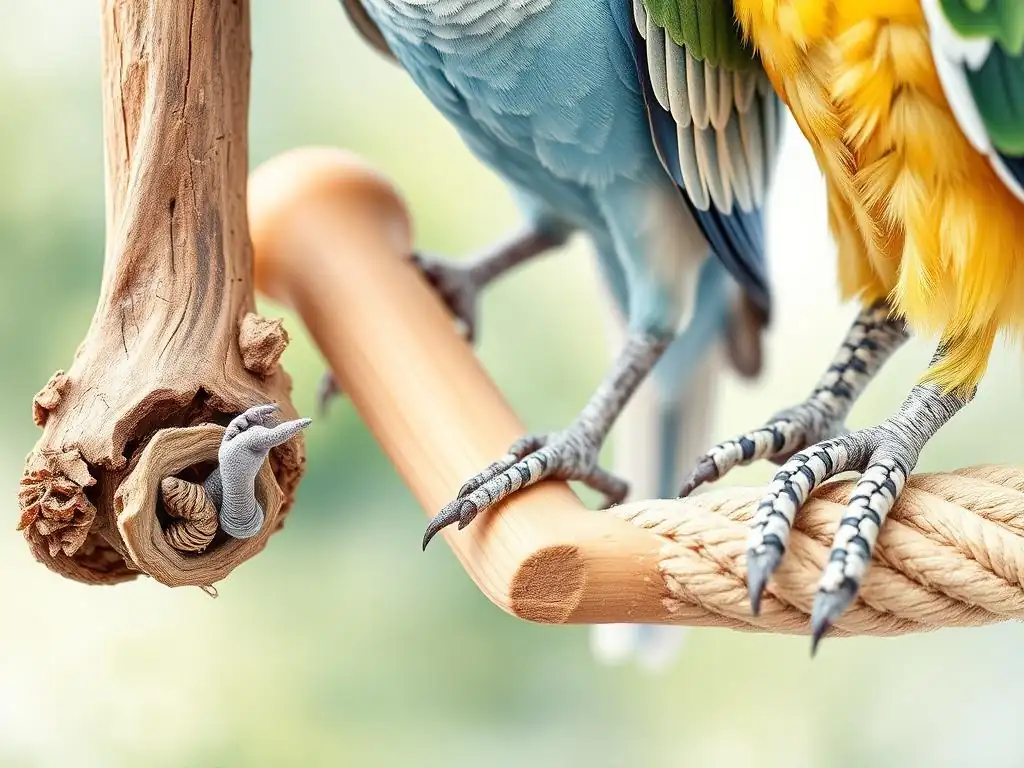
Choosing the right perch material significantly impacts your bird's foot health. A perch that's too smooth, too rough, or made of inappropriate material can lead to foot problems like bumblefoot, overgrown talons, and joint issues. Selecting the best bird perch for foot health requires careful consideration of various materials and their respective properties. This section analyzes the most popular perch materials, highlighting their benefits and drawbacks to help you make an informed decision for your feathered friend. Understanding the nuances of each material is crucial for promoting optimal avian foot health and overall well-being.
Natural Wood Perches: Benefits and Drawbacks
Natural wood perches are often considered the gold standard for bird foot health. The natural texture and varying diameters provide a stimulating and beneficial surface for your bird's feet. However, not all wood is created equal. The choice between different types of wood and proper maintenance are key factors in maximizing the benefits and minimizing the drawbacks. Providing a variety of wood perches with different textures and sizes is also recommended for optimal foot stimulation and exercise.
Analyzing Wood Types: Hardwood vs. Softwood Perches
Hardwood perches, such as those made from applewood, oak, or manzanita, are generally preferred. Their denser structure is more durable, less prone to splintering, and provides a better grip for your bird's claws. This helps prevent excessive wear and tear on their talons and promotes healthy foot development. Softwoods like pine, while cheaper, are more likely to splinter and become dangerously rough over time, increasing the risk of injury.
| Wood Type | Durability | Grip | Splintering Risk | Cost |
|---|---|---|---|---|
| Hardwood (Oak) | High | Excellent | Low | High |
| Hardwood (Apple) | High | Excellent | Low | Medium |
| Softwood (Pine) | Low | Poor | High | Low |
Maintaining a variety of perch types and diameters is crucial for preventing repetitive strain injuries. A bird spending hours gripping the same diameter perch can develop issues. Therefore, consider a combination of hardwood perches varying in thickness and diameter to ensure optimal foot health.
Maintaining Hygiene on Wooden Perches
Regular cleaning is essential to prevent the buildup of bacteria and fungi, which can contribute to foot infections. Wooden perches should be cleaned frequently, ideally once a week, using a pet-safe disinfectant. Avoid harsh chemicals that could damage the wood or harm your bird. Always rinse thoroughly with clean water and allow the perches to dry completely before replacing them in the cage. Consider rotating perches to extend their lifespan and maintain hygiene. Discard any perches that show significant signs of wear, cracking, or splintering. Regular inspection is key to proactive foot health maintenance.
Rope Perches: Pros, Cons, and Species Suitability
Rope perches offer a different texture and tactile experience compared to wood, providing a good alternative and encouraging different foot postures and exercises. However, they are not suitable for all bird species and require careful consideration.
Preventing Rope Perch Wear and Tear
Rope perches, while providing a varied texture, are prone to fraying and wear. Regular inspection is crucial to identify any loose strands or damaged areas that could pose a risk of entanglement or injury. Replace worn-out rope perches promptly to prevent accidents. To extend the lifespan of rope perches, avoid placing them in areas of the cage that are frequently soiled.
Regular cleaning with a pet-safe disinfectant can also help maintain hygiene and slow down deterioration. Consider using several rope perches of varying thickness and materials to provide a stimulating environment, while ensuring regular monitoring and timely replacement. This proactive approach significantly contributes to maintaining a safe and healthy environment for your bird.
Concrete Perches: Benefits, Drawbacks and Appropriate Use Cases
Concrete perches, while perhaps not the most aesthetically pleasing option, offer unique benefits for avian foot health, particularly for larger, heavier bird species. Their robust nature provides excellent stability, minimizing the risk of slips and falls that can lead to injuries. The rough texture can also help stimulate blood flow and prevent the development of bumblefoot, a common foot infection in birds.
This textural stimulation is particularly beneficial for birds prone to overgrown nails or calluses. Moreover, concrete perches are highly durable and resistant to chewing, a significant advantage for birds known for their destructive tendencies. This longevity translates to cost-effectiveness in the long run, reducing the frequency of perch replacements.
However, concrete perches also present several drawbacks. Their weight can be a significant concern, making them unsuitable for smaller cages or birds with weaker legs. The lack of give or flexibility can lead to discomfort and even joint problems over time if used exclusively. The hard surface can also be abrasive, potentially causing excessive wear on nails or even minor injuries if the bird's grip is not secure. Finally, cleaning concrete perches requires extra care; they are more difficult to sanitize thoroughly than wood or other materials, increasing the risk of bacterial or fungal growth if not properly maintained.
Therefore, concrete perches are best suited for larger bird species with strong legs, and ideally, as one option within a variety of perch types. Providing a diverse range of perch materials with varying textures and diameters is crucial for promoting optimal foot health and preventing repetitive strain injuries. Smaller birds, or birds with pre-existing foot conditions, should definitely avoid concrete perches.
Always monitor your bird's feet for any signs of injury or discomfort, regardless of the perch material used. Regular foot inspections are a critical part of responsible bird ownership. The best “best bird perch foot health” strategy involves variety and careful observation.
Concrete Perch Safety and Maintenance
Ensuring the safety of your bird when using concrete perches is paramount. Before introducing a concrete perch, carefully inspect it for any sharp edges or cracks that could injure your bird's feet. Smooth out any rough areas with fine-grit sandpaper to prevent scratches. The perch should be securely fastened to the cage to prevent accidental falls.
Avoid using adhesives that could be toxic to your bird. Always supervise your bird, especially during the initial introduction to a new perch, to ensure it's comfortable and using it correctly. Observe your bird for any signs of discomfort, such as limping or favoring one leg.
Maintaining hygiene is crucial for preventing bacterial and fungal infections. Concrete perches should be cleaned regularly, ideally once a week, using a bird-safe disinfectant. Avoid harsh chemicals that could be harmful to your bird. Thoroughly rinse the perch with clean water after cleaning and allow it to air dry completely before returning it to the cage.
Regularly check for any signs of cracks or damage, and replace the perch if necessary. A damaged perch poses a significant risk to your bird's foot health and overall well-being. Remember, preventative maintenance is key to ensuring the longevity of your concrete perch and the safety of your feathered friend. Proactive care is the best approach to achieving “best bird perch foot health”.
Best Bird Perch Designs for Optimal Foot Health
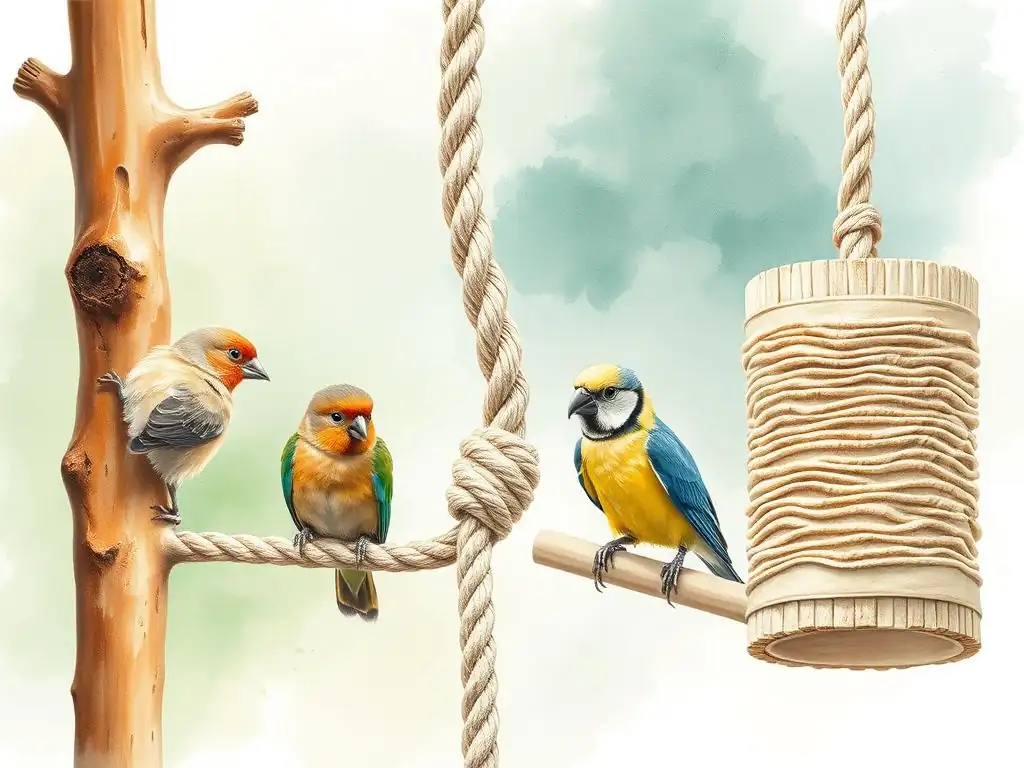
This section delves into the specifics of perch design and how it directly impacts avian foot health. Choosing the right perch isn't just about aesthetics; it's crucial for preventing foot problems common in captive birds. We'll explore designs that promote natural foot movements and minimize the risk of bumblefoot and other ailments. Achieving "best bird perch foot health" requires a multifaceted approach, encompassing perch material, size, spacing, and overall cage arrangement.
Multiple Perch Sizes and Materials for Variety
Providing a variety of perches is paramount for maintaining healthy bird feet. Monotony in perch design can lead to repetitive strain injuries and deformities. Consider offering a mix of sizes and materials to encourage natural foot exercises.
- Size Variation: Offer perches of varying diameters. Thicker perches (around 1-1.5 inches in diameter for larger birds, and proportionately smaller for smaller birds) encourage a more natural grip, distributing weight evenly across the foot. Thinner perches (around 0.5 - 1 inch in diameter, again adjusting for bird size), challenge the bird's grip and promote more active use of their toes. Avoid extremely thin perches, as these can lead to unnecessary strain. A good rule of thumb is to ensure the perch diameter allows the bird to comfortably wrap its toes around at least three-quarters of the circumference.
- Material Diversity: Wood is a popular choice, but the type of wood matters. Avoid treated lumber and opt for natural, untreated wood like:
- Manzanita
- Willow
- Grapevine
- Birch
These offer varying textures and grip, stimulating different muscle groups in the bird's feet. Additionally, consider incorporating rope perches (natural fibers only, avoid synthetic materials) and other textured options to provide further variety. Always ensure the materials are safe and non-toxic for your specific bird species.
| Perch Material | Pros | Cons | Suitability |
|---|---|---|---|
| Manzanita | Strong, durable, naturally textured | Can be expensive, may need occasional cleaning | Most bird species |
| Willow | Soft, pliable, good for smaller birds | Less durable than manzanita, can get chewed | Smaller birds, birds with sensitive feet |
| Grapevine | Durable, textured, provides good grip | Can splinter if not properly prepared | Most bird species |
| Birch | Smooth, durable, easy to clean | Less textured than other options | Birds that prefer smoother perches |
| Natural Rope (Sisal) | Textured, encourages gripping and climbing | Can fray over time, needs regular inspection | Most bird species, especially active climbers |
The Importance of Perch Spacing and Placement within the Cage
The placement and spacing of perches within the cage are as crucial as the perches themselves. Incorrect spacing can limit natural movement and lead to musculoskeletal issues.
Poorly spaced perches force unnatural postures and limit natural climbing behaviors. This can result in:
- Joint strain: Birds might stretch unnaturally to reach perches, leading to joint pain and inflammation.
- Muscle imbalances: Continuous use of certain muscles while others remain underused creates imbalances, potentially causing deformities.
- Increased risk of falls: Widely spaced perches increase the risk of falls, which can cause injuries.
Optimal spacing ensures a smooth transition between perches, allowing for natural climbing and hopping. Perches should be positioned at varying heights and angles to encourage a variety of movements. Consider creating a 'climbing gym' within the cage, with perches placed strategically to encourage natural behaviors. The spacing should vary depending on the bird's size and species, but a general guideline is to have perches close enough for easy movement but far enough apart to prevent constant hopping. Observe your bird's natural movements and adjust perch placement accordingly.
Creating a Natural Climbing Environment with Different Perch Types
To truly promote "best bird perch foot health," strive to create a stimulating and natural environment within the cage. This extends beyond simply providing a variety of perches; it encompasses the overall cage setup.
Consider incorporating:
- Branches: Real, untreated branches from safe trees (ensure they are free from pesticides and other harmful substances) offer a natural and stimulating environment. Vary the thickness and curvature to provide a range of challenges for your bird's feet.
- Toys: Interactive toys that encourage climbing and foraging can further enhance foot health by providing varied physical activity.
- Vertical Space: Utilize the vertical space of the cage effectively. Avoid overcrowding perches, but ensure there is ample opportunity for your bird to climb, hop, and explore.
Remember, regular observation is key. Monitor your bird's feet for any signs of injury or discomfort. If you notice any abnormalities, consult with an avian veterinarian immediately. By providing a carefully considered and varied perch arrangement, you can significantly contribute to your bird's overall well-being and foot health. 🐦
Introducing New Perches Gradually to Avoid Stress
Introducing a new perch into your bird's cage shouldn't be a sudden, disruptive event. Birds, especially those prone to anxiety, can react negatively to abrupt changes in their environment. A gradual introduction minimizes stress and encourages acceptance of the new perch. Start by placing the new perch near the bird's existing favorite perches.
Allow your feathered friend to observe it from a safe distance for a few days. This allows them to investigate the new addition at their own pace, reducing the feeling of being overwhelmed. You might notice your bird cautiously approaching the perch, perhaps even touching it with its beak or feet before fully committing to using it. This is normal and a positive sign.
Once your bird shows a degree of curiosity and comfort around the new perch, you can gently encourage its use. You can try placing a favorite treat near it or moving one of their familiar toys closer. Positive reinforcement, like offering a small reward after successful use, can significantly speed up the adaptation process. Never force your bird onto the new perch. Instead, create a positive association so they willingly explore and adopt it as part of their environment.
Remember, patience is key. Some birds may take days, others weeks, to fully accept a new perch. Observe your bird's behavior closely and adjust your approach accordingly. If you notice signs of stress, such as ruffled feathers, increased vocalizations, or avoidance behavior, slow down the introduction process and give your bird more time to adjust.
The goal is a smooth transition, ensuring a happy and healthy bird. A stressed bird is more susceptible to illness, and a gradual introduction of new perches contributes significantly to their overall well-being. This careful approach is crucial for maintaining their physical and mental health. The transition to a new perch should be a positive experience, not a source of anxiety.
Selecting Perches Based on Bird Species: A Guide
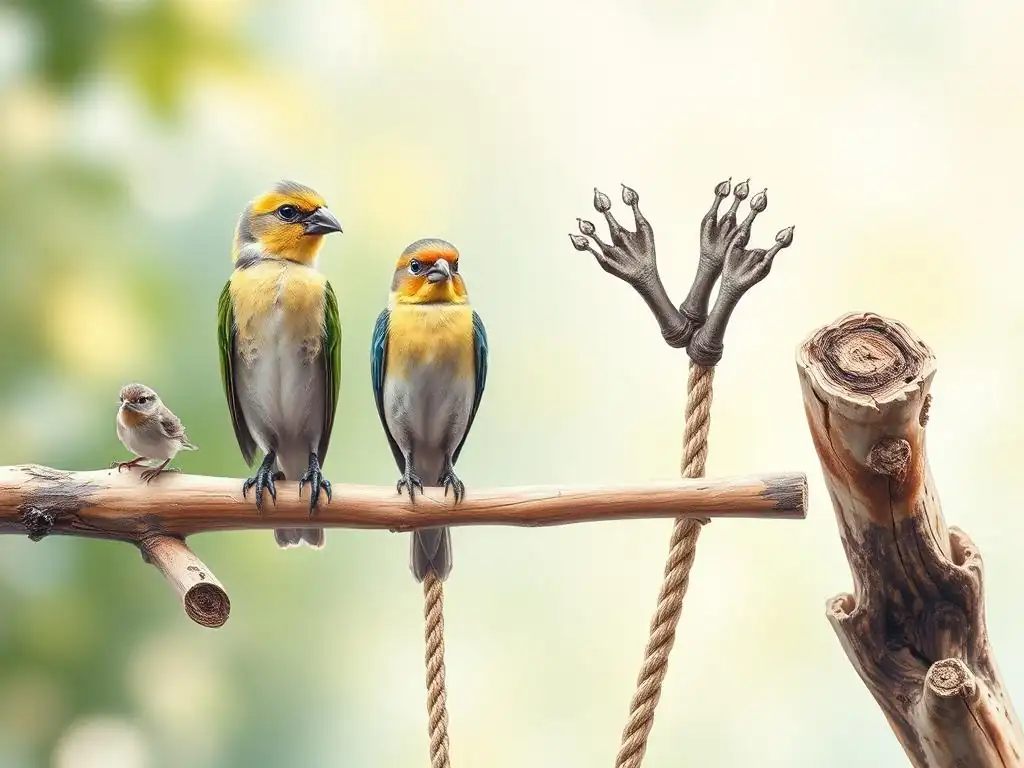
Choosing the best bird perch for foot health requires careful consideration of your bird's species and size. Different bird species have varying foot structures and weight distributions, necessitating different perch designs to promote optimal foot health and prevent injuries. Ignoring these species-specific needs can lead to foot problems like bumblefoot, overgrown nails, and joint issues. This section delves into specific perch recommendations for various parrot sizes, focusing on materials, diameters, and surface textures that best support avian foot health.
Perch Recommendations for Small Parrots
Small parrots, such as budgies, cockatiels, and lovebirds, have relatively small and delicate feet. Providing them with inappropriately sized or textured perches can lead to significant discomfort and injury. Optimal perches for these birds should prioritize a smaller diameter and a variety of textures to stimulate their feet and prevent boredom.
- Diameter: Perches with a diameter of 0.5 to 0.75 inches are generally ideal. Smaller diameters encourage a more natural grip and help strengthen their foot muscles. Avoid perches that are too thin, as this can lead to strain and potential injury.
- Materials: Natural wood perches, such as untreated applewood or manzanita branches, are excellent choices. These offer a slightly rough texture that helps maintain good foot grip. Avoid smooth, slippery materials like plastic or metal.
- Texture Variation: Providing a variety of perch textures is crucial. In addition to natural wood branches, consider incorporating rope perches (with tightly woven fibers) and even sandpaper perches (used sparingly and monitored closely). This variety encourages natural foraging behavior and prevents the development of calluses or sores.
- Placement: Small parrots often appreciate perches at various heights and locations within their cage. This allows them to explore their environment and exercise their feet naturally. Consider adding a few different styles and sizes of perches to their cage to cater to their preferences and provide a stimulating environment.
Perch Recommendations for Medium-Sized Parrots
Medium-sized parrots, including Quaker parrots, Senegals, and Caiques, require perches that balance support with the ability to comfortably grip. These birds are larger and heavier than small parrots, demanding sturdier perches that can withstand their weight and activity levels.
- Diameter: The ideal diameter for medium-sized parrots generally ranges from 0.75 to 1.25 inches. This provides sufficient surface area for comfortable gripping while still encouraging natural foot muscle engagement. Too large a diameter can make it difficult for the bird to maintain a secure grip.
- Materials: Natural wood perches remain a preferred option, with varieties like java wood and grapevine offering both strength and texture. Consider incorporating thicker rope perches as well, ensuring they are securely fastened to prevent accidents.
- Texture and Spacing: Medium-sized parrots benefit from a variety of textures and spacing between perches. This allows them to change their grip and posture frequently, which is vital for foot health. Avoid overcrowding the cage with perches.
- Additional Considerations: Medium-sized parrots are often more active than their smaller counterparts. Ensure that perches are securely attached and capable of withstanding their more energetic movements. Regular inspection of perches for wear and tear is also crucial to prevent potential hazards.
Perch Recommendations for Large Parrots
Large parrots, including Amazons, African Greys, and Macaws, have powerful feet and require exceptionally sturdy and appropriately sized perches. Improper perches can lead to significant foot problems in these larger, heavier birds.
- Diameter: Large parrots need perches with a diameter of 1.25 inches or larger, often up to 2 inches or more depending on the species and individual size. These larger diameters provide essential support and prevent excessive strain on their feet and legs.
- Materials: Strong, durable materials are essential. Thick branches of hardwood trees like oak or eucalyptus are excellent choices. For larger birds, consider using multiple perches of varying diameters to provide choices and prevent overuse of any single perch.
- Placement and Stability: The perches should be securely affixed to the cage and be able to withstand significant weight and movement. The placement should also allow for easy access to food, water, and toys. The stability of the perch is paramount to prevent falls and injuries.
- Foot Health Monitoring: Regularly inspect the bird's feet for any signs of injury, such as swelling, redness, or lesions. Immediate veterinary attention is necessary for any observed problems. Proactive monitoring is crucial for maintaining the foot health of large parrots.
Choosing the right perch is a crucial aspect of providing excellent care for your feathered friend. Remember to prioritize the best bird perch for foot health by carefully considering your bird's species, size, and activity level. A diverse range of perches with varying diameters, materials, and textures will contribute significantly to your bird’s overall well-being and prevent potential foot problems.
Perch Selection for Other Bird Species
Beyond the common parrot and smaller songbird species, many other avian companions require careful consideration when selecting perches to promote optimal foot health. The size, weight, and natural behaviors of these birds significantly influence their perch needs. For example, larger birds like macaws and cockatoos require substantially thicker and more robust perches to support their weight and prevent joint strain.
Thin perches can lead to significant discomfort and even injuries in these heavier species. Providing a variety of perch diameters is crucial, mirroring the natural diversity of branches found in their wild habitats. This variety encourages natural foot exercises and prevents the development of repetitive strain injuries.
Furthermore, the species-specific foot structure must be taken into account. Birds like cockatoos have zygodactyl feet (two toes facing forward and two facing backward), requiring perches that allow for a secure grip and prevent slipping. Rougher bark-like surfaces can be beneficial for these birds, enhancing their grip and providing natural stimulation. In contrast, smaller species like finches might benefit from slightly smoother perches, while still offering a textured surface to prevent boredom and encourage natural foraging behaviors that promote foot health. Always prioritize natural materials whenever possible, avoiding smooth, artificial materials that offer little to no foot stimulation.
Consider also the bird's activity level. Highly active birds, such as some species of conures, benefit from a variety of perches with different textures, diameters, and angles to encourage movement and prevent boredom. Monotony can lead to foot problems, as well as behavioral issues. Providing an array of perches will stimulate natural behaviors and promote healthy foot development.
Remember, providing the right perches is about more than just preventing foot problems; it's about enriching the bird's environment and promoting its overall well-being. A thoughtful selection of perches directly contributes to a happier, healthier, and more active bird. Failing to provide appropriate perches can lead to foot deformities, arthritis, and other health problems later in life, underscoring the importance of thoughtful perch selection for all bird species. Consult with an avian veterinarian for species-specific recommendations, particularly for less common or exotic bird species.
Maintaining Your Bird's Foot Health: Beyond Perch Selection
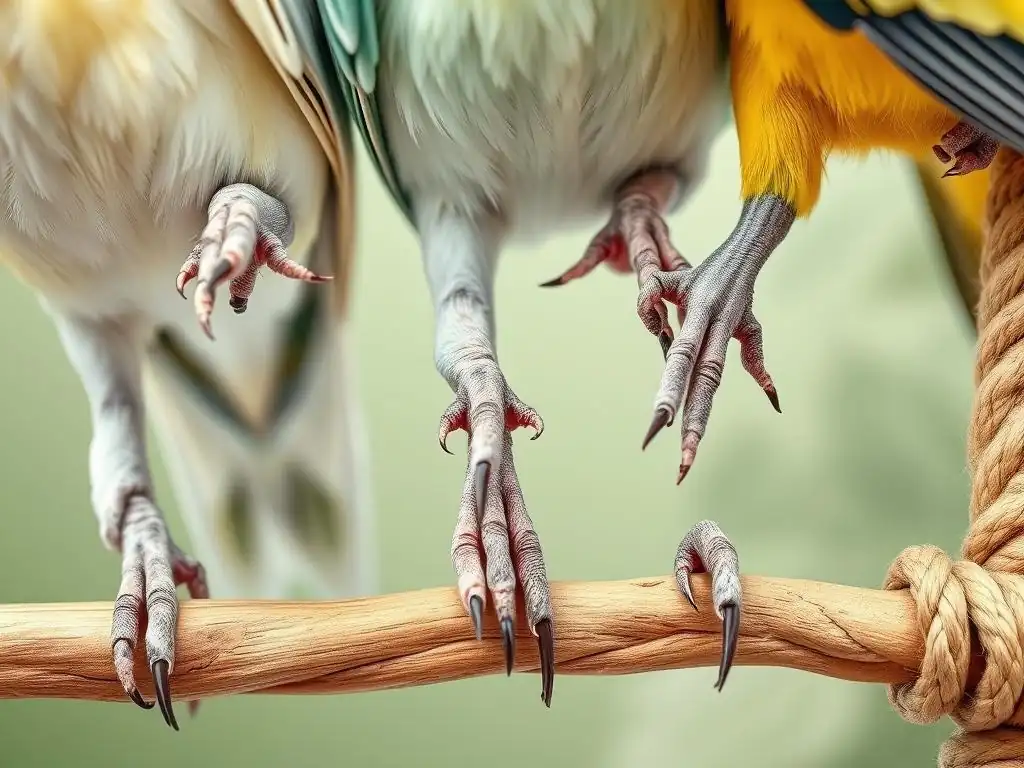
Optimal perch selection is a crucial aspect of maintaining your bird's foot health, but it's only one piece of the puzzle. A holistic approach to avian foot care involves several interconnected elements, ensuring your feathered friend enjoys a long and comfortable life. Neglecting any of these areas can lead to serious foot problems, impacting your bird's mobility and overall well-being. This section delves into essential practices beyond choosing the best bird perch foot health options.
Regular Foot Inspections and Cleaning
Regularly inspecting your bird's feet is paramount for early detection of potential issues. Aim for a weekly visual check, looking for any signs of injury, infection, or abnormalities. This proactive approach can significantly improve your bird's quality of life and prevent minor problems from escalating into major health concerns.
Specifically, look for:
- Swelling: Any unusual swelling or inflammation in the toes or legs warrants immediate attention.
- Bleeding: Even minor bleeding requires careful monitoring and potentially veterinary care.
- Sores or lesions: Open wounds or sores can easily become infected, necessitating prompt cleaning and treatment.
- Abnormal nail growth: Overgrown or deformed nails can hinder mobility and cause discomfort. Regular trimming is often necessary.
- Scale changes: Changes in the texture or appearance of the scales on the legs and feet may indicate a skin condition.
Cleaning your bird's feet should be a gentle and routine part of your care regimen. Use a soft, damp cloth to remove any dirt, debris, or droppings. Avoid harsh chemicals or soaps, which can irritate the delicate skin. For stubborn dirt, a diluted solution of warm water and a mild, avian-safe cleanser can be used sparingly.
Always dry the feet thoroughly afterwards to prevent fungal or bacterial growth. Remember, gentle handling is key to minimizing stress for your bird during this process. A calm and patient approach will make the experience more positive for both you and your feathered companion.
Dietary Considerations for Strong Bird Feet
Nutrition plays a vital role in maintaining strong and healthy bird feet. A balanced diet rich in essential vitamins and minerals is crucial for proper bone development, blood circulation, and overall foot health. A deficiency in certain nutrients can weaken the bones and tissues, increasing the susceptibility to injuries and infections.
Consider these dietary aspects for optimal foot health:
- Calcium: Crucial for strong bones and preventing metabolic bone disease (MBD), a common condition in birds. Ensure your bird's diet includes adequate calcium sources, such as cuttlebone or calcium supplements.
- Vitamin D3: Essential for calcium absorption. Sunlight exposure (through a UV-B lamp) plays a vital role, but dietary sources are also important.
- Vitamin A: Important for maintaining healthy skin and mucous membranes. This is especially crucial for preventing infections.
- Protein: Essential for building and repairing tissues, including those in the feet. High-quality protein sources are essential in a bird's diet.
Providing a varied and nutritious diet, supplemented with appropriate vitamins and minerals as needed, will significantly contribute to your bird's overall health, including the strength and resilience of its feet. Consult with an avian veterinarian for specific dietary recommendations tailored to your bird's species and individual needs. Remember, a healthy diet is a fundamental aspect of preventative care.
When to Consult an Avian Veterinarian
While regular inspections and a balanced diet are crucial for preventative care, some situations necessitate professional veterinary attention. Don't hesitate to consult an avian veterinarian if you observe any of the following:
- Persistent lameness or limping: This indicates a possible injury or underlying health problem.
- Significant swelling or bleeding: These symptoms may indicate a serious injury or infection.
- Open wounds or sores: Untreated wounds can quickly become infected.
- Rapid or unexplained weight loss: This could be a sign of a systemic illness affecting your bird's overall health, including its feet.
- Changes in gait or posture: Noticeable changes in how your bird walks or perches might indicate underlying health issues.
- Signs of pain or discomfort: Be attentive to any behavioral changes that suggest your bird is in pain.
Early intervention is key to successful treatment. Don't delay seeking professional help if you suspect something is wrong with your bird's feet. An avian veterinarian has the expertise to diagnose and treat various foot conditions, ensuring your bird receives the best possible care and maximizing its chances for a full recovery. Prevention is always better than cure, but prompt veterinary attention is crucial when necessary. The health and happiness of your beloved bird depend on your vigilance and proactive approach to foot care.
Where to Buy the Best Bird Perches for Foot Health
Finding the best bird perches for optimal foot health requires careful consideration of material, size, and design. But equally crucial is sourcing them from reputable suppliers who prioritize quality and understand avian needs. This section explores where to find these superior perches, focusing on both online and brick-and-mortar options. The right perch can significantly impact your bird's foot health, preventing issues like bumblefoot and promoting overall well-being. Choosing wisely is an investment in your feathered friend's long-term comfort and health. Remember, the "best bird perch foot health" solution isn't just about the perch itself; it's about the source too.
Online Retailers Offering High-Quality Bird Perches
The convenience of online shopping is undeniable, particularly for specialized pet supplies. However, careful selection of your online retailer is paramount. Look for established online stores with positive customer reviews focusing specifically on the quality and durability of their bird perches. Pay close attention to descriptions highlighting materials like natural wood (avoiding treated lumber!
), the perch's dimensions, and any safety certifications. Reputable online retailers often showcase detailed product images and offer comprehensive information on the sourcing and manufacturing of their perches. This transparency is a key indicator of quality and commitment to pet well-being.
Don't hesitate to read customer reviews to gauge the overall experience and identify any potential issues with specific perch designs. Consider factors such as shipping costs and return policies before making your purchase. A well-regarded online retailer will prioritize both product quality and customer satisfaction, making the online purchasing experience a positive one for your bird's foot health.
Local Pet Stores with Expert Advice on Perch Selection
While online shopping offers convenience, the personalized expertise of a local pet store can be invaluable when choosing perches. These stores often employ staff knowledgeable about avian health and can provide tailored recommendations based on your bird's species, size, and individual needs. This personalized guidance is particularly helpful for less common bird species, where finding the perfect perch size and material can be more challenging.
Visiting a local pet store allows for hands-on inspection of the perches, enabling you to assess the quality of the materials and the overall craftsmanship. You can ask about the materials used, the manufacturing process, and the store's return policy. Furthermore, building a relationship with a knowledgeable local pet store owner can provide ongoing support and advice on all aspects of your bird's care, enhancing your bird's overall well-being.
Don't underestimate the value of in-person interaction when it comes to selecting the best bird perch for foot health. The personalized service can lead to better choices and peace of mind.
Choosing the right perch is a crucial step in providing excellent bird care. Remember, the best bird perch for foot health is one that is appropriately sized, made from safe materials, and sourced from a reputable seller – whether online or in your local community. 🐦
Frequently Asked Questions
What are the best types of perches for promoting bird foot health?
Natural wood perches, such as manzanita, applewood, and willow, are excellent choices. Avoid perches that are too smooth or too small in diameter, as these can lead to foot problems. Variety in perch sizes and textures is key.
How often should I change my bird's perches?
You should replace perches every few months, or more frequently if they become excessively worn or soiled. Regular replacement helps maintain hygiene and prevents bacterial growth.
What perch diameters are best for different bird species?
Perch diameter should be varied to allow for proper foot gripping and exercise. Smaller birds need thinner perches, while larger birds need thicker ones. Research the specific needs of your bird species.
My bird seems to have foot problems. What should I do?
If you notice any signs of foot problems, such as sores, swelling, or difficulty perching, consult an avian veterinarian immediately. Early intervention is crucial for successful treatment.
Are there any perches I should avoid using for my bird?
Avoid plastic or metal perches as these offer no foot stimulation and can be damaging. Also, avoid perches that are too slippery or have sharp edges. Always prioritize natural, textured perches.
Final Reflection: A Foundation for Flight: Perch Choice and Avian Wellbeing
The health of a bird's feet directly impacts its quality of life, and choosing the appropriate perch is a crucial, often overlooked, aspect of responsible bird ownership. Providing the right perches isn't merely about comfort; it's about preventing debilitating foot conditions and ensuring a long, happy life for our feathered companions. This seemingly small detail holds immense significance for their overall wellbeing.
The impact of proper perch selection extends beyond the individual bird, influencing the broader conversation surrounding animal welfare and responsible pet ownership. We've explored the diverse needs of different species, highlighting the importance of understanding their natural behaviors and adapting their environment accordingly. This understanding fosters a deeper connection with our avian friends, moving beyond simply providing food and water to creating a truly enriching and healthy habitat. The care of a bird is not a matter of convenience; it is a commitment to a life entrusted to our care.
This sentiment underscores the responsibility we bear in ensuring their physical and emotional well-being.
Consider the implications of this knowledge. Are you providing your bird with the best possible perches? Take a moment to examine their current setup. Do you understand the specific needs of your bird's species? This isn't just about preventing foot problems; it's about fostering a thriving, healthy life for your feathered friend. By making informed choices about perches, you are actively contributing to their overall happiness and longevity. Let this reflection inspire you to create a truly enriching environment for your bird, one perch at a time.
Elevate Your Feathered Friends' Wellbeing: Design the Perfect Perch Today!
Thank you for learning about the crucial role perches play in your birds' foot health! You've gained valuable insights into creating a happier, healthier home for your avian companions. Now, let's put that knowledge into practice:
- Design and build the perfect perches: Consider the size, texture, and material of the perch to create a foot-friendly environment tailored to your specific bird species. This is a primary step towards improved bird health! You can either build your own or purchase a pre-made perch.
- Share your perch-building experience (or photos of your new perch!): Inspire other bird owners in the PetCareWorld community! Share your successes and experiences in the comments below.
- Explore different natural materials: Research options like branches and vines – there are many creative possibilities for perch designs!
Ready to give your birds the gift of happy, healthy feet? What unique perch design or material are you most excited to try?