
Munchkin Cat Grooming: Special Considerations for Their Short Legs

Welcome to PetCareWorld, your ultimate guide to a happier, healthier life for your beloved pet! Are you ready to unlock the secrets to perfectly pampering your unique feline friend? We delve into the intriguing world of Munchkin cat grooming, addressing the special considerations needed for their adorably short legs. Discover expert tips and techniques to ensure your Munchkin stays clean, comfortable, and utterly content. Dive in and explore the essential grooming practices that will keep your short-legged companion looking and feeling their best!
- Understanding the Munchkin Cat's Unique Anatomy
- Essential Grooming Tools for Munchkin Cats
- Step-by-Step Grooming Guide for Munchkin Cats
- Dealing with Specific Grooming Challenges in Munchkin Cats
- Maintaining Your Munchkin Cat's Oral Hygiene
- Creating a Comfortable Grooming Environment for Your Munchkin Cat
- Addressing the Unique Grooming Needs of Munchkin Cat Short Legs
- When to Seek Professional Grooming for Your Munchkin Cat
-
Frequently Asked Questions
- How often should I groom my Munchkin cat?
- What special considerations should I take for their short legs during grooming?
- What type of brush is best for a Munchkin cat's coat?
- Do Munchkin cats need their nails trimmed more often?
- Are there any specific health concerns related to their short legs that I should watch out for?
- Final Reflection: Embracing the Unique Charm of Munchkin Cat Grooming
- Unlock Your Munchkin's Grooming Potential!
Understanding the Munchkin Cat's Unique Anatomy
Munchkin cats, beloved for their endearingly short legs, require a grooming approach that differs significantly from other cat breeds. Their distinctive physique, a result of a naturally occurring genetic mutation affecting bone growth, presents both charming characteristics and unique grooming challenges. This guide delves into the specific considerations for grooming a Munchkin cat, focusing on the care of their short legs and addressing potential skin and coat issues specific to this breed. Understanding their anatomy is crucial for responsible and effective grooming, ensuring your Munchkin cat remains healthy, comfortable, and looking its best.
We'll explore the potential difficulties posed by their short legs and provide practical advice to avoid injury and maintain their overall well-being. This detailed guide will equip you with the knowledge to provide optimal care for your adorable, short-legged companion. 😻
The Munchkin Cat's Short Legs: A Grooming Challenge
The Munchkin cat's most striking feature—its short legs—presents both adorable charm and practical grooming considerations. Their shortened limbs can make reaching certain areas for cleaning more difficult. Regular grooming is essential, but special care must be taken to avoid causing discomfort or injury. For example, when brushing, extra gentleness is required around the joints, particularly the knees and ankles.
Using a soft-bristled brush and working slowly and patiently is key. Avoid pulling or tugging on the fur, which could cause pain or even damage the skin. Furthermore, the proximity of their legs to the ground increases the risk of dirt, debris, and burrs accumulating in their fur. Regular cleaning of their legs and paws is therefore crucial, preferably with a damp cloth or pet-specific wipes.
Remember, a calm and patient approach is essential throughout the grooming process to ensure a positive experience for your cat. Regular nail trims are also important, as long nails can become entangled in their shorter fur and cause discomfort. Consider using nail clippers specifically designed for cats and seek professional guidance if you're unsure how to perform this task safely and effectively.
Potential Skin and Coat Issues in Munchkin Cats
While Munchkin cats generally have healthy coats, certain skin and coat issues warrant attention. Their short legs, while undeniably cute, can sometimes lead to increased friction and irritation against the ground, potentially causing minor abrasions or skin inflammation. Regularly checking their legs and paws for any signs of redness, swelling, or cuts is crucial.
Furthermore, while their coat is typically short and easy to maintain, regular brushing helps prevent matting and removes any loose fur or debris, minimizing the risk of skin irritation. Observing your cat's coat for changes in texture, shine, or shedding patterns can also be indicative of underlying health issues. Any unusual changes should be addressed by consulting a veterinarian promptly.
A balanced diet and regular veterinary checkups are essential preventative measures to support healthy skin and coat condition in your Munchkin cat. Remember, early detection and intervention are key to managing any potential skin or coat problems. Providing your Munchkin cat with a healthy environment and attentive grooming will contribute significantly to their overall health and well-being.
Essential Grooming Tools for Munchkin Cats
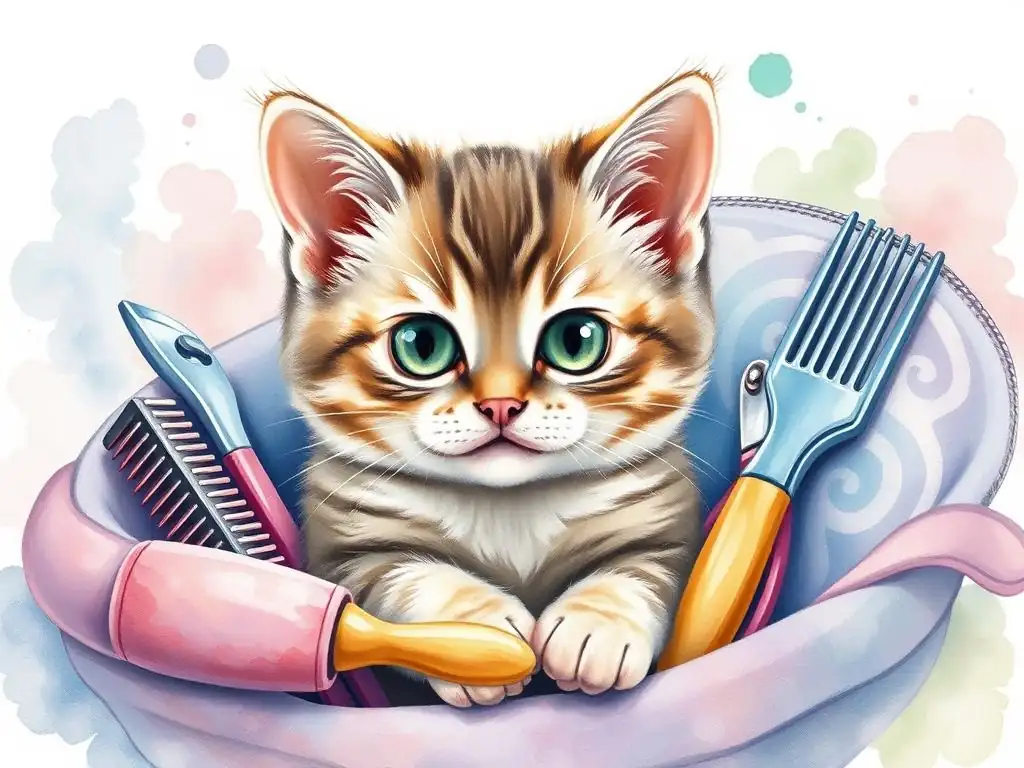
Munchkin cats, with their endearingly short legs, require a grooming routine tailored to their unique physical characteristics. While the basic principles of cat grooming remain consistent across breeds, certain tools and techniques are particularly beneficial for these charming felines. Optimizing your grooming approach ensures the health and happiness of your Munchkin companion.
Proper grooming is essential for maintaining their coat's health, preventing matting, and detecting potential skin issues early. Remember, regular grooming is key to preventing more serious problems down the line, ultimately saving you time and money on veterinary visits. This section focuses on selecting the appropriate tools to make grooming your Munchkin cat a positive experience for both of you.
Selecting the Right Brushes for Short-Legged Cats
Munchkin cats, despite their short legs, typically possess a relatively short and fine coat. However, the density and texture can vary depending on the individual cat. Therefore, choosing the appropriate brush is crucial for effective grooming without causing discomfort. Avoid brushes with stiff bristles, which can irritate their sensitive skin. Instead, opt for gentler options that effectively remove loose hair and prevent matting.
Here's a breakdown of suitable brush types:
- Soft Bristle Brush: This is an excellent choice for daily grooming. The soft bristles gently remove loose hair and dirt without scratching the skin. It's ideal for maintaining the coat's shine and preventing matting. Look for brushes with rounded bristles to minimize irritation.
- Rubber Curry Brush: While not necessary for daily use, a rubber curry brush can be helpful for removing loose undercoat, particularly during shedding season. Use it gently and avoid applying excessive pressure. The flexibility of the rubber helps to massage the skin and stimulate blood flow.
- Grooming Mitt: A grooming mitt provides a comfortable grip and allows for a gentle massage while removing loose hair. It’s a great option for cats who aren't keen on traditional brushes.
Choosing the right brush is a crucial step in Munchkin cat short leg grooming. Remember to always brush in the direction of hair growth to avoid pulling or discomfort. Regular brushing sessions, even just a few minutes each day, will contribute significantly to the health and well-being of your pet. Consider your cat's individual preferences when selecting a brush. Some cats may prefer a particular texture or style over others.
Nail Trimmers and Other Necessary Supplies
Beyond brushes, other tools are equally important for comprehensive Munchkin cat grooming. Regular nail trimming is essential to prevent overgrowth, which can lead to discomfort and potential injuries. Additionally, having the right supplies on hand streamlines the grooming process and ensures a smooth and safe experience.
Here's a list of essential supplies:
| Supply | Description | Importance |
|---|---|---|
| Nail Trimmers | High-quality trimmers designed for cats, with sharp blades for a clean cut. | Prevents overgrown nails, which can cause discomfort and injury. |
| Soft Cloth | For wiping down the cat's face and paws after cleaning. | Removes excess moisture and ensures a clean finish. |
| Ear Cleaning Solution (Vet Recommended) | A gentle solution specifically designed for cat ears. | Prevents ear infections by removing wax and debris. |
| Cotton Balls/Pads | For applying the ear cleaning solution and gently cleaning the ears. | Ensures safe and effective ear cleaning. |
| Cat Toothbrush & Toothpaste (Vet Recommended) | A small toothbrush and cat-specific toothpaste designed to prevent dental issues. | Maintains good oral hygiene. |
Remember to always approach grooming with patience and gentleness. If your Munchkin cat shows signs of stress or discomfort, stop the grooming session and try again later. Positive reinforcement, such as treats and praise, can make the experience more enjoyable for both you and your feline friend. Regular nail trimming is particularly important for Munchkin cat short leg grooming, as their shorter legs can make it easier for their nails to become overgrown and cause problems. The key is consistency and a gentle touch. Always consult your veterinarian if you have any concerns about your cat's grooming needs. 😻
Step-by-Step Grooming Guide for Munchkin Cats
This guide provides a comprehensive approach to grooming your Munchkin cat, focusing on the unique challenges presented by their short legs. Remember, regular grooming is crucial for maintaining your Munchkin's health and well-being, preventing matting, and strengthening your bond. Consistent grooming minimizes the risk of skin issues and allows for early detection of any potential health problems. The frequency of grooming will depend on your cat's coat type and lifestyle, but aiming for at least once a week is generally recommended.
Brushing Techniques for Munchkin Cats' Short Hair
Munchkin cats, despite their short hair, still require regular brushing. Their short coat doesn't mean it's maintenance-free! While they shed less than long-haired breeds, regular brushing helps remove loose hair, preventing hairballs and keeping their coat shiny and healthy. The key is using the right brush. Avoid brushes with stiff bristles, which can irritate their skin. Instead, opt for a soft-bristled brush or a grooming glove.
Gentle, short strokes are best. Start by brushing in the direction of hair growth, paying attention to areas prone to matting, such as behind the ears and around the tail. Work your way from the head to the tail, being particularly mindful of the belly area, which some Munchkins can be sensitive about.
A few minutes of daily brushing will make a significant difference in maintaining your cat's coat. Remember to reward your cat with treats and praise throughout the grooming session to make it a positive experience. This positive reinforcement is key for successful "Munchkin cat short leg grooming".
Cleaning the Munchkin Cat's Ears and Eyes
Cleaning your Munchkin's ears and eyes is an essential part of their grooming routine. Ear infections and eye irritations are common in cats, and early detection is vital. For ear cleaning, use a veterinarian-recommended ear cleaning solution and a cotton ball or soft cloth. Gently wipe the inside of the ear flap, avoiding pushing anything deep into the ear canal, which could cause injury. Excess wax or dirt indicates a potential problem; consult your vet if you notice anything unusual.
Eye cleaning should be done with a damp, soft cloth. Gently wipe away any discharge from the corners of their eyes. Again, if you notice excessive discharge, redness, or swelling, consult your veterinarian immediately. Regularly checking for these issues is a vital aspect of responsible Munchkin cat short leg grooming, ensuring their comfort and good health.
Munchkin Cat Paw Care: Trimming Nails and Cleaning Paws
Munchkin cats' short legs might make nail trimming seem more challenging, but it's still crucial. Overgrown nails can cause discomfort and even injury. Use sharp, high-quality cat nail clippers. If you're unsure how to trim your cat's nails safely and effectively, seek guidance from your veterinarian or a professional groomer. They can show you the correct technique to avoid cutting the quick (the pink part of the nail containing nerves and blood vessels).
Cleaning your Munchkin's paws is also important, especially if they spend time outdoors. Use a damp cloth or paw wipes to clean dirt and debris from between their toes. Check for any cuts, irritations, or foreign objects lodged in their paws. This careful attention to detail contributes significantly to the overall health and well-being of your cat, representing a key component of comprehensive "Munchkin cat short leg grooming". Remember, regular paw care and nail trimming prevent discomfort and potential health problems.
Bathing Your Munchkin Cat: A Gentle Approach
Bathing your Munchkin cat, while seemingly straightforward, requires a gentle touch and careful consideration of their unique physical characteristics, particularly their short legs. These adorable felines, known for their charmingly stubby limbs, may find the bathing process more challenging than other breeds due to their reduced mobility and potentially increased sensitivity in certain areas. The key is to make the experience as stress-free and positive as possible.
Before you even begin, gather your supplies. You'll need lukewarm water (never hot! ), a gentle, cat-specific shampoo – avoid human shampoos as they can disrupt your cat's skin pH balance – a few soft towels, and possibly a non-slip mat for the bathtub or sink to prevent slips and falls. Consider having a helper on hand, especially if your Munchkin is particularly resistant to baths. One person can hold and soothe the cat while the other washes.
The process itself should be slow and deliberate. Begin by wetting your cat's fur thoroughly, avoiding getting water in their ears or eyes. Apply the shampoo sparingly, working it into a lather with gentle, circular motions. Pay particular attention to areas prone to matting, such as behind the ears and under the belly. However, be extra cautious when washing around their short legs and feet; these areas are more delicate and prone to injury.
Rinse the shampoo completely. Any residual shampoo can irritate their skin. Use a gentle stream of lukewarm water, ensuring you remove all traces of soap. Thoroughly drying your cat is crucial to prevent chills and discomfort. Gently towel-dry your Munchkin, paying attention to their short legs to ensure they are completely dry to avoid skin irritation. You can also use a hairdryer on a low, cool setting if your cat tolerates it. Never use a hot hairdryer as this can burn their skin.
Remember, positive reinforcement is key. Throughout the bath, use a calm, soothing voice and offer treats or praise. If your cat becomes overly stressed, stop the bath and try again another day. The goal is to create a positive association with bath time, minimizing any negative experiences that could lead to future resistance.
Regular, gentle bathing, perhaps every few months depending on your cat's coat and lifestyle, will help keep your Munchkin clean, healthy, and happy. Always prioritize your cat's comfort and well-being during the process. Remember, a stressed cat is more likely to scratch or bite, so patience is paramount when grooming your Munchkin cat.
Dealing with Specific Grooming Challenges in Munchkin Cats
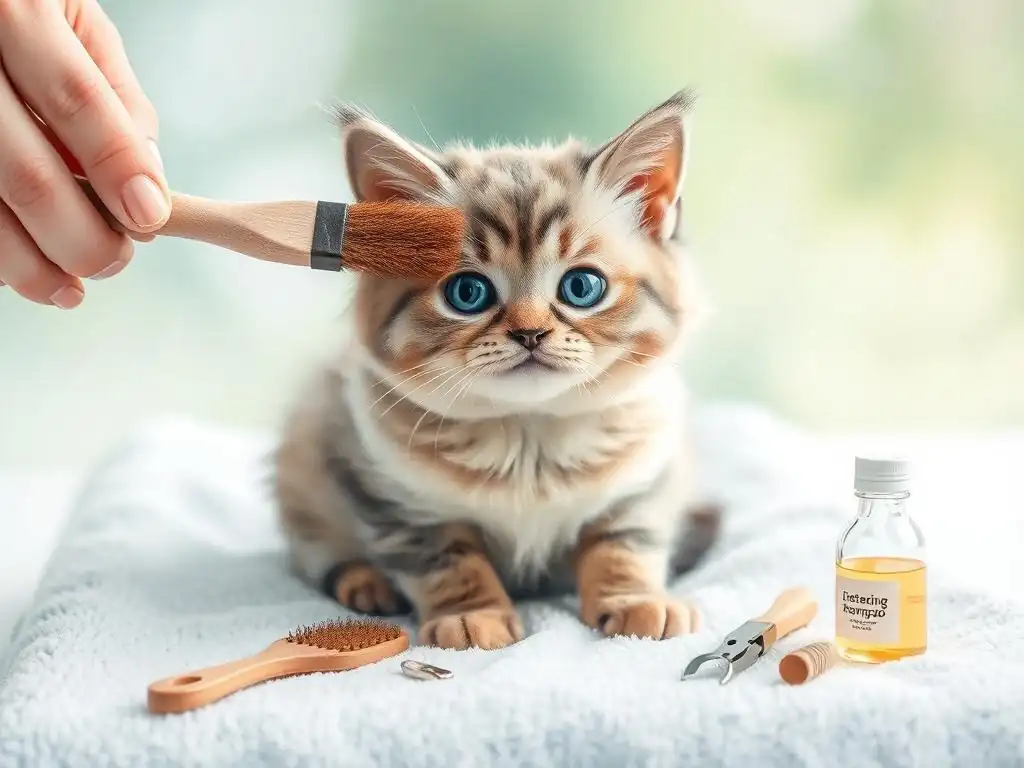
Munchkin cats, beloved for their charmingly short legs, present unique grooming considerations. While their short hair is generally easy to maintain, their body structure necessitates a slightly different approach than grooming other cat breeds. This section focuses on the specific challenges posed by their unique physique and offers practical solutions for maintaining their coat and overall hygiene. Understanding these nuances is crucial for ensuring the health and comfort of your Munchkin companion.
Proper grooming isn't just about aesthetics; it's a vital component of preventative healthcare for your pet. Regular grooming can help detect early signs of skin problems, parasites, or injuries, allowing for timely intervention. This is particularly important for the Munchkin cat, given their propensity for certain health issues related to their legs.
Managing Matting and Tangles in Munchkin Cats
Munchkin cats, despite their short hair, are not immune to matting and tangles. These can occur most frequently around areas where the fur is denser, such as the neck, behind the ears, and in the groin area. Their shorter legs might make certain areas harder to reach for self-grooming, leading to increased mat formation. Regular brushing is key to preventing matting. A soft-bristled brush or a grooming mitt is ideal for their delicate coat. Aim for at least twice a week, increasing the frequency during shedding seasons.
Pro Tip: When brushing your Munchkin, use gentle strokes, paying close attention to areas prone to matting. If you encounter a mat, try to gently work it out with your fingers. If it's too tight, consult a professional groomer to prevent causing your cat discomfort or skin irritation.
Here's a helpful table summarizing brushing recommendations:
| Frequency | Brush Type | Focus Areas |
|---|---|---|
| Daily (Shedding) | Soft-bristled brush | Entire body, paying close attention to dense areas |
| 2-3x/Week | Grooming mitt | Neck, behind ears, groin |
| Weekly | De-shedding tool (optional) | To remove loose undercoat during shedding season |
Failing to address matting can lead to skin irritation, discomfort, and even infection. Early detection and careful removal are crucial for maintaining your Munchkin's well-being. Remember, gentle handling is paramount throughout the grooming process.
Addressing Skin Issues: Prevention and Treatment
Munchkin cats, like other breeds, can be susceptible to various skin issues. Their short legs can make it challenging for them to reach certain areas for thorough grooming, potentially increasing the risk of skin problems. Regular skin checks are essential. Look for any signs of redness, inflammation, lesions, or excessive dryness. Early detection allows for prompt treatment, preventing complications.
Important Note: If you notice any unusual skin conditions, such as excessive scratching, hair loss, or persistent redness, consult your veterinarian immediately. Self-treating can be harmful and delay proper diagnosis.
Preventing skin problems involves maintaining a healthy diet, providing a clean environment, and using appropriate grooming techniques. High-quality cat food provides essential nutrients for healthy skin and coat. Regular bathing (every 4-6 weeks) can help remove dirt and excess oil, but avoid over-bathing, which can dry out their skin. Always use a cat-specific shampoo and conditioner.
A balanced approach that combines preventative measures with attentive care will ensure your Munchkin cat maintains healthy, beautiful skin and coat. Remember, regular grooming is not just about aesthetics; it's a crucial part of preventative health care, safeguarding your beloved pet's well-being. 😻
Maintaining Your Munchkin Cat's Oral Hygiene
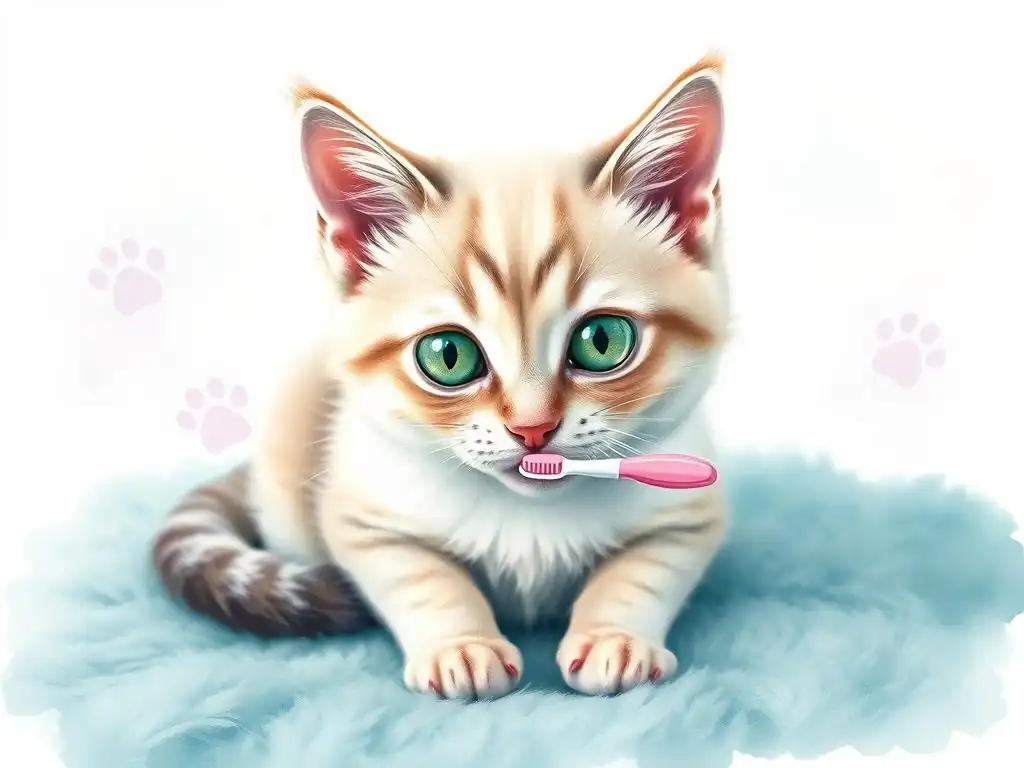
Maintaining optimal oral hygiene is crucial for all cats, but Munchkin cats, with their unique physical characteristics, may present some specific challenges and considerations. Neglecting dental care can lead to periodontal disease, a painful and potentially life-threatening condition affecting their overall health. Regular dental care is a key component of responsible Munchkin cat ownership and contributes significantly to their longevity and well-being. This section focuses on practical strategies and techniques to ensure your Munchkin cat enjoys a healthy and happy smile.
Dental Care for Munchkin Cats: Brushing and Professional Cleanings
Brushing your Munchkin cat's teeth is the cornerstone of good oral hygiene. Ideally, you should aim to brush their teeth daily, but even two to three times a week makes a significant difference. Start slowly, introducing the toothbrush gradually to help your cat become accustomed to the process. Use a cat-specific toothbrush with soft bristles and a palatable cat toothpaste – never use human toothpaste, as it can be toxic to cats.
Begin by gently lifting your cat's lip and letting them sniff the toothpaste. Reward them with treats and praise. Then, introduce the toothbrush, making short, gentle strokes along the gum line. Focus on the outer surfaces of the teeth initially, gradually working your way to the inner surfaces as your cat becomes more comfortable. Be patient and understanding; it may take time and consistent effort for your cat to accept toothbrushing. If your cat resists, try shorter brushing sessions more frequently.
Despite your best efforts, professional cleanings are often necessary. Veterinarians and veterinary technicians are trained to perform thorough dental cleanings under anesthesia. This procedure involves removing plaque and tartar buildup, which can harbor harmful bacteria. Professional cleanings typically include a dental X-ray to assess the health of the teeth and roots. The frequency of professional cleanings will depend on your cat's individual needs and oral health, but it's generally recommended at least once a year, or more frequently if your vet advises.
Regular veterinary check-ups are also essential to catch any potential dental issues early. Early detection and intervention are key to preventing more serious problems and ensuring your Munchkin cat maintains optimal oral health. Remember, a healthy mouth contributes to a healthy and happy cat! 😻
Addressing Potential Challenges in Munchkin Cat Dental Care
Due to their short legs, some owners might find it more challenging to comfortably position a Munchkin cat for dental care. The cat's unique body structure might require a slightly different approach to ensure both your safety and your cat's comfort. Experiment with different positions: holding your cat securely on your lap, using a towel to support them, or even seeking assistance from another person. The key is to find a position that allows you to safely and effectively brush your cat's teeth without causing them stress or discomfort.
Furthermore, some Munchkin cats may have a predisposition to certain dental issues due to their genetics or breed characteristics. [Specific information pending on breed-specific dental problems in Munchkin cats]. Regular veterinary check-ups are crucial to identify and address these potential issues early. Your veterinarian can provide tailored advice and preventive measures to minimize the risk of dental problems and ensure your Munchkin cat's dental health remains optimal throughout their life. Early detection and intervention are particularly important for preventing more severe complications.
Dietary Considerations for Oral Health in Munchkin Cats
Diet plays a significant role in maintaining your Munchkin cat's oral health. Dry kibble, due to its abrasive nature, can help to naturally scrub the teeth during chewing, reducing plaque buildup. However, solely relying on dry food might not be sufficient; it's crucial to combine it with proper brushing and regular veterinary check-ups. Some commercially available cat foods are specifically formulated to support dental health, containing ingredients that help reduce tartar and plaque formation. These foods often have a texture that promotes chewing and cleaning.
Consider supplementing your Munchkin cat's diet with dental chews or treats designed to help clean teeth and freshen breath. Always choose cat-specific dental chews; human dental products are not suitable for cats. These chews should be given in moderation as part of a balanced diet.
Avoid giving your cat excessive amounts of sugary treats, as these contribute to tooth decay. A balanced and appropriate diet, combined with diligent brushing and regular veterinary care, forms a comprehensive approach to maintaining optimal oral health for your beloved Munchkin cat. Remember to always consult with your veterinarian before making significant changes to your cat's diet.
Creating a Comfortable Grooming Environment for Your Munchkin Cat
Creating a positive grooming experience is crucial, especially for a breed like the Munchkin cat, known for its unique short legs and potentially sensitive personality. A comfortable and reassuring environment minimizes stress and makes grooming easier for both you and your feline friend. This involves careful consideration of several factors. The goal is to build a positive association with grooming, transforming it from a chore into a bonding experience.
Tips for a Stress-Free Grooming Experience
Several key strategies contribute to a stress-free grooming session. First, choose the right time. Avoid grooming when your cat is already agitated, hungry, or tired. Prime time is often after a meal or playtime when they are relaxed and content. A quiet, familiar space is also essential. This could be a dedicated grooming area, or simply a quiet corner of a room. Avoid loud noises and sudden movements that might startle your cat.
A second crucial step is gentle handling. Munchkin cats, while generally friendly, might be sensitive around their legs due to their unique conformation. Always approach your cat calmly and speak in a soothing voice. Never force your cat into a position they don't like. If they resist, stop and try again later. Patience is key.
Third, introduce grooming tools gradually. Don't overwhelm your cat with all the brushes and combs at once. Start with one tool and let your cat investigate it, rewarding them with treats and praise. Gradually introduce other tools as they become comfortable. Positive reinforcement is highly effective; associate grooming with positive experiences like treats, petting, or playtime.
Finally, keep sessions short and sweet. Especially for initial grooming sessions, aim for short, five to ten-minute sessions. As your cat becomes more comfortable, you can gradually increase the duration. Always end the session on a positive note, even if you haven't completed all the grooming tasks. Remember, consistency is key. Regular, short grooming sessions are more effective than infrequent, longer ones. This approach minimizes stress and builds a positive association with grooming.
Addressing the Unique Grooming Needs of Munchkin Cat Short Legs
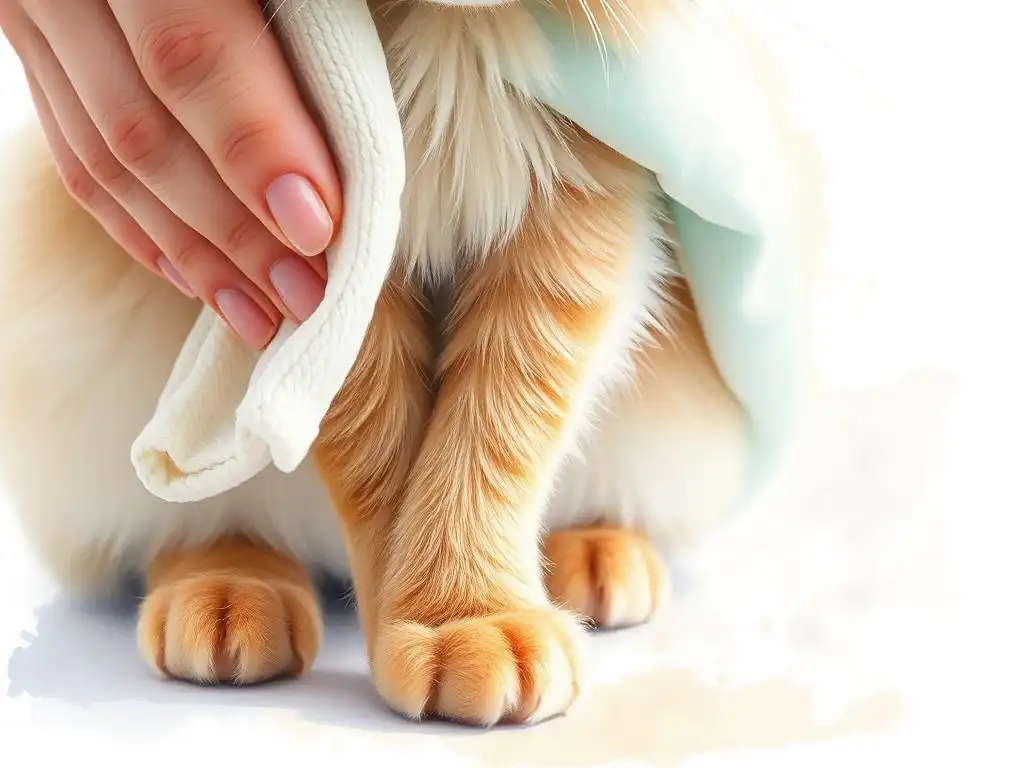
The Munchkin cat's signature short legs require special attention during grooming. Their unique body structure presents both challenges and opportunities. Understanding these nuances is vital for ensuring their comfort and hygiene. Neglecting these specific needs can lead to discomfort and potential health issues.
Careful Cleaning of Short Legs and Feet
The Munchkin cat's short legs are prone to accumulating dirt and debris, particularly between the toes. Therefore, regular cleaning is essential. Gently wipe their paws with a damp cloth after walks or playtime to remove any dirt or mud. Pay special attention to the areas between their toes, ensuring you remove any trapped debris. Using a soft-bristled brush can also help remove loose dirt and matted fur. If you notice any signs of injury or infection (redness, swelling, discharge), consult your veterinarian immediately.
Preventing Matting and Tangles
While Munchkin cats generally have short hair, matting can still occur, particularly around the legs and tail where fur is denser. Regular brushing, preferably daily, helps prevent matting and keeps their coat healthy and shiny. Use a brush suitable for short-haired cats, avoiding harsh brushes that could irritate their skin. Gentle strokes are crucial, especially around the sensitive areas of their short legs. The frequency of brushing may need adjustments based on the season and your cat's coat condition. For instance, during shedding season, more frequent brushing might be necessary.
Nail Trimming and Paw Pad Care
Regular nail trimming is essential for all cats, but especially important for Munchkins due to their shorter legs. Overgrown nails can cause discomfort and hinder their movement. Trim nails carefully, avoiding the quick (the pink part of the nail containing blood vessels). If you're unsure how to trim your cat's nails, consult your veterinarian or a professional groomer. Regularly inspect their paw pads for any cuts, cracks, or foreign objects. Keep them clean and moisturized, especially during dry weather. A small amount of paw balm can help protect the pads and keep them soft. 🐾
When to Seek Professional Grooming for Your Munchkin Cat
Even with diligent home grooming, there may be times when professional help is necessary for your Munchkin cat. Their unique short legs, while adorable, can present challenges for certain grooming tasks, making professional intervention beneficial in specific situations. Understanding when to seek professional grooming ensures your Munchkin cat receives the best possible care and maintains optimal hygiene. This section will detail scenarios where professional grooming is advisable and will help you make informed decisions about your cat's grooming needs.
Recognizing Signs Your Munchkin Cat Needs Professional Help
Several indicators suggest your Munchkin cat might benefit from professional grooming. These aren't necessarily emergencies, but rather signals that a skilled groomer's expertise would be advantageous. For example, if your cat has developed significant matting despite regular brushing, a professional can safely and effectively remove these tangles, preventing skin irritation and discomfort. Munchkin cats, with their shorter legs and potentially less agile movements, may struggle to reach certain areas for thorough cleaning, leading to build-up of dirt and debris. A professional groomer possesses the skills and tools to address these less accessible areas, ensuring complete cleanliness.
Another crucial sign is if your cat displays signs of stress or discomfort during home grooming sessions. Some cats simply don't tolerate being brushed or bathed, regardless of breed. A professional groomer is trained in handling anxious cats, using techniques to minimize stress and ensure a positive experience. This is particularly important for Munchkin cats, as their potentially sensitive nature could be exacerbated by forceful home grooming attempts. Remember, a relaxed cat is a safer cat during grooming.
Dealing with Difficult Matting and Tangles
Matted fur is a common problem, but it's especially problematic for Munchkin cats due to their short legs and the potential for restricted movement. Severe matting can pull on the skin, causing discomfort, skin irritation, and even infection. While you might attempt to gently detangle minor mats at home, extensive matting often requires the expertise of a professional groomer.
They possess specialized tools and techniques to safely remove even the most stubborn mats without harming your cat's skin. This prevents potential damage and ensures your cat's comfort. The cost of professional de-matting might seem high, but it’s significantly less than the veterinary bills associated with treating skin infections or injuries caused by neglected matting.
Consider the following scenario: Imagine your Munchkin cat has developed a large mat behind its legs, an area difficult to reach and groom effectively at home. A professional groomer can carefully work through the mat, using specialized tools and techniques to minimize discomfort and prevent skin damage. This ensures a more thorough and less stressful grooming experience for your beloved pet.
Assessing Your Own Grooming Capabilities
Before deciding whether to seek professional help, honestly assess your own skills and comfort level with grooming. Are you confident in handling your cat during grooming sessions? Can you efficiently remove mats and tangles without causing your cat distress? If you're unsure, or if your cat consistently resists home grooming attempts, it's best to seek professional assistance.
Remember, the goal is to provide your Munchkin cat with a positive and safe grooming experience, and sometimes, professional help is the best way to achieve this. Don't hesitate to seek professional help; it's a sign of responsible pet ownership, not a failure. Regular professional grooming can also help you identify potential health issues early on, such as skin conditions or parasites.
The Cost-Benefit Analysis of Professional Munchkin Cat Grooming
While professional grooming services come with a cost, it's crucial to weigh this against the potential benefits. The cost of professional grooming for a Munchkin cat will vary depending on the services required, the location, and the groomer's experience. However, the long-term benefits of professional care often outweigh the initial expense. Preventing skin infections, ensuring complete cleanliness, and minimizing stress during grooming are all significant advantages.
Consider it an investment in your cat's health, comfort, and overall well-being. A happy, healthy cat is a priceless reward. Regular professional grooming, even if only a few times a year, can contribute significantly to your Munchkin cat's quality of life. The cost of professional grooming is a small price to pay for the peace of mind knowing your cat is receiving the best possible care.
Frequently Asked Questions
How often should I groom my Munchkin cat?
Munchkin cats, like other breeds, benefit from regular grooming, ideally once or twice a week. This helps prevent matting and keeps their coat healthy and shiny.
What special considerations should I take for their short legs during grooming?
Because of their short legs, you might need to adjust your grooming position. Consider grooming them on a raised surface or using a grooming table for easier access.
What type of brush is best for a Munchkin cat's coat?
A soft-bristled brush or a slicker brush are generally suitable for Munchkin cats. Avoid brushes that are too harsh, as they could irritate their skin.
Do Munchkin cats need their nails trimmed more often?
While not directly related to their short legs, Munchkin cats still need regular nail trims. Check their nails weekly and trim them as needed to prevent overgrowth and discomfort.
While Munchkin cats are generally healthy, their short legs can predispose them to certain conditions. Monitor their joints for signs of lordosis or other skeletal issues. Regular vet checkups are crucial.
Final Reflection: Embracing the Unique Charm of Munchkin Cat Grooming
The unique physical characteristics of Munchkin cats, specifically their short legs, demand a specialized approach to grooming, ensuring both their comfort and well-being. Failing to adapt grooming techniques to their shorter stature can lead to unnecessary stress and potential injury for these beloved companions. This understanding is crucial for responsible Munchkin cat ownership in today's world, where responsible pet care is increasingly valued.
The journey of understanding Munchkin cat grooming has highlighted the importance of adapting our practices to accommodate the diverse needs of our animal companions. It's a testament to the evolving relationship between humans and animals, one where we strive to provide the best possible care, tailored to each creature's unique requirements. The greatness of a nation and its moral progress can be judged by the way its animals are treated.
- Mahatma Gandhi. This quote resonates deeply, reminding us that our care for Munchkin cats reflects our broader commitment to ethical and compassionate animal care.
Now, consider your own Munchkin cat, or perhaps a friend's. Are you equipped with the knowledge to provide the best possible grooming experience? Take a moment to reflect on the techniques discussed and identify areas where you can improve your approach. By embracing a mindful and adaptable grooming routine, you'll not only enhance your cat's physical well-being but also strengthen the bond you share, creating a richer and more fulfilling relationship built on mutual respect and understanding.
Unlock Your Munchkin's Grooming Potential!
Thank you for learning about the unique grooming needs of your beloved Munchkin cat! We hope you found our tips helpful and feel more confident caring for your short-legged friend.
Now, let's put that knowledge into action:
- Master the Art of Munchkin Grooming: Schedule a grooming session this week, focusing on the techniques discussed, paying special attention to those hard-to-reach areas.
- Share your grooming experiences and tips with other Munchkin owners! Start a conversation in the PetCareWorld comments section – what's your favorite grooming tool or technique?
- Try a new brush designed for short-haired cats; you might be surprised by the results!
Ready to transform your Munchkin's grooming routine and give them the pampered life they deserve?