
Dog House Soiling: How to Create a Consistent Potty Schedule

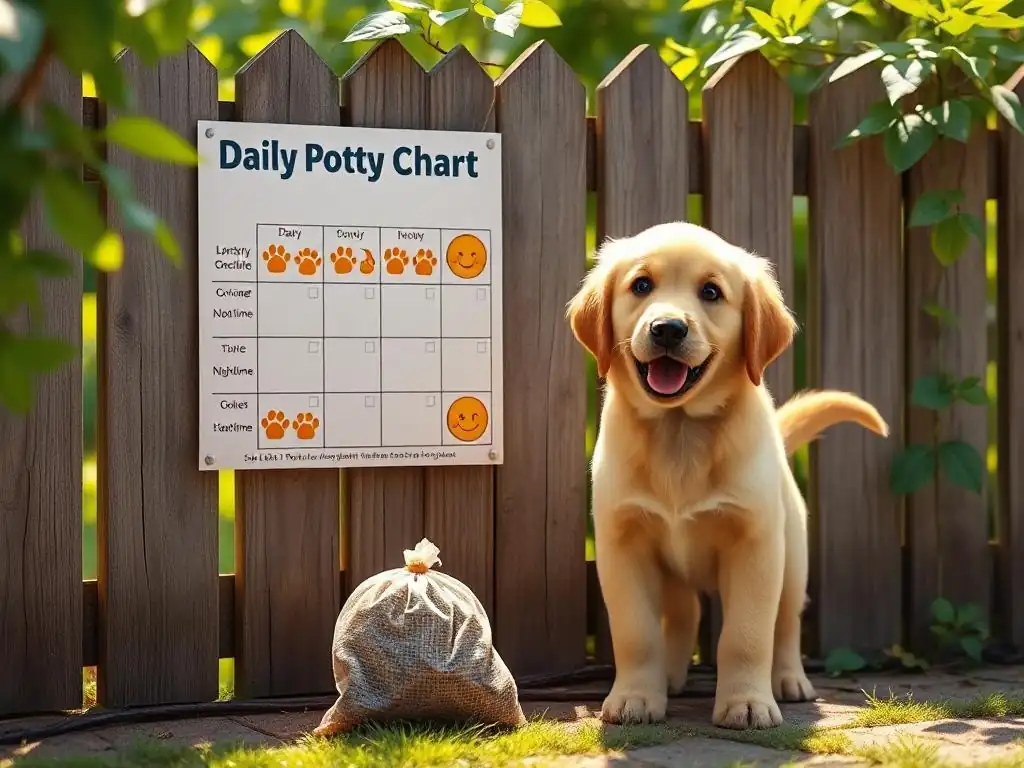
Welcome to PetCareWorld, your ultimate guide to a happier, healthier life for your beloved pet! Are you struggling with unpredictable potty breaks? Learn how establishing a consistent potty schedule can transform your dog's house training and eliminate frustrating accidents. Discover expert advice and practical solutions within our comprehensive guide on "Dog House Soiling: How to Create a Consistent Potty Schedule" – and unlock the key to a cleaner, more harmonious home. Let's embark on this journey together!
- Understanding the Root Causes of Dog House Soiling
- Establishing a Reliable Dog Potty Schedule: A Step-by-Step Guide
- Enhancing Your Dog's Potty Training Success: Tips and Techniques
- Advanced Strategies for Dog Potty Schedule Consistency
-
Frequently Asked Questions
- How important is consistency when establishing a dog potty schedule?
- My dog is still having accidents despite a consistent schedule. What should I do?
- What's the best way to create a consistent potty schedule for a puppy?
- How often should I take my adult dog outside to potty?
- My dog is suddenly having more accidents after a period of success. What could be causing this?
- Final Reflection: Unlocking the Key to a Happy, House-Trained Dog
- Unlock Your Dog's Potty Training Potential!
Understanding the Root Causes of Dog House Soiling

House soiling, or accidents in the house, is a common problem for dog owners, often causing frustration and impacting the harmonious relationship between pet and owner. Successfully addressing this issue requires understanding its root causes, which extend far beyond simple disobedience. This article delves into the key factors contributing to dog house soiling, focusing on medical conditions, behavioral issues, and environmental influences. By identifying the underlying cause, you can develop a tailored approach to establishing a consistent potty schedule and resolving the problem effectively, leading to a happier and cleaner home for both you and your canine companion. This guide is crucial for achieving Dog potty schedule consistency and fostering a positive training experience.
Medical Reasons for Accidents: Identifying Underlying Health Issues
Urinary tract infections (UTIs), kidney disease, diabetes, and other medical conditions can significantly impact a dog's ability to control their bladder or bowels. A dog experiencing discomfort or pain associated with these conditions may not be able to hold it until they reach their designated potty area. Frequent urination, straining to urinate or defecate, increased thirst, changes in appetite, and lethargy are all potential signs of an underlying health problem. It's crucial to consult a veterinarian immediately if you suspect a medical issue.
Early diagnosis and treatment are vital for improving your dog's comfort and resolving the house soiling. Ignoring potential medical causes can lead to more serious health complications and prolong the house soiling problem. The vet may run tests such as urinalysis, blood work, and possibly even imaging to pinpoint the problem. Remember, a healthy dog is more likely to successfully adopt a consistent potty schedule.
Behavioral Reasons for Accidents: Stress, Anxiety, and Lack of Training
Beyond medical reasons, behavioral issues are a frequent culprit in dog house soiling. Stress, anxiety, and a lack of proper training can all contribute to accidents. Changes in the household, such as a new pet, a move, or even a change in family routine, can trigger anxiety and lead to inappropriate elimination. Submissive urination, a common behavioral issue, often manifests as small amounts of urine released when a dog feels threatened or intimidated. Insufficient housetraining, where the dog hasn't learned to associate going outside with relieving themselves, is another major cause. Inconsistency in training methods and a lack of positive reinforcement also contribute to this problem. Understanding the underlying anxieties and establishing a consistent, positive training regime is key to overcoming these behavioral challenges. A clear and consistent training plan, coupled with positive reinforcement, is a cornerstone of establishing Dog potty schedule consistency.
Environmental Factors Contributing to House Soiling: Changes in Routine, New Pets, and More
Environmental factors play a significant role in house soiling. Changes in routine, such as a shift in your work schedule, can disrupt a dog's established potty habits. Introducing a new pet into the home can also lead to competition for resources and increased stress, resulting in accidents. Lack of access to appropriate potty areas, either due to limited outdoor space or infrequent opportunities to go outside, can also contribute to the problem. Furthermore, certain household cleaners can contain ammonia, which has a scent similar to urine, potentially attracting your dog back to the same spot. Addressing these environmental factors requires careful observation and adjustment. Creating a predictable and comfortable environment is crucial for building Dog potty schedule consistency. This includes providing frequent access to outdoor potty areas, consistent routines, and a stress-free home environment.
Establishing a Reliable Dog Potty Schedule: A Step-by-Step Guide

This section delves into the practical application of creating a consistent potty schedule for your canine companion. Achieving dog potty schedule consistency is crucial for successful house training and maintaining a harmonious home environment. Remember, consistency is key – both in timing and location. Any deviation from the established routine can lead to accidents and setbacks.
Creating a Consistent Feeding and Watering Schedule for Predictable Elimination
A predictable feeding and watering routine directly impacts your dog's elimination patterns. Dogs, like humans, need to eliminate after consuming food and water. Establishing a regular schedule makes it easier to anticipate when your dog will need to go outside. For example, feeding your dog at 7:00 AM and 6:00 PM, with water available throughout the day but potentially restricted slightly closer to bedtime, creates a predictable pattern.
This predictability is a cornerstone of dog potty schedule consistency. By noting the time elapsed between feeding/watering and elimination, you can create a reliable timeframe for potty breaks. For instance, if your dog consistently needs to urinate 30 minutes after eating and defecate an hour after, you can plan your walks accordingly. Keep a detailed log for at least a week to identify these crucial time windows.
Consider your dog's age and breed. Puppies, with their smaller bladders, will require more frequent potty breaks than adult dogs. Similarly, some breeds have naturally higher metabolisms and thus need to eliminate more often. Adjusting the schedule to accommodate these individual needs is essential for dog potty schedule consistency. Failing to do so might lead to accidents, increased stress for both you and your dog, and a general disruption of the training process.
Identifying Your Dog's Potty Signals: Recognizing the Signs
Before accidents happen, your dog likely displays subtle cues signaling their need to eliminate. Learning to recognize these signals is paramount to successful potty training and maintaining dog potty schedule consistency. These signals can vary depending on the dog, but common indicators include:
- Restlessness: Pacing, whining, or circling.
- Sniffing: Intense sniffing of the floor or ground.
- Scratching at the door: A clear indication of needing to go outside.
- Whimpering or barking: Can be accompanied by other signs.
- Body posture: A lowered posture, squatting, or tail tucking.
Observing your dog closely during their typical elimination periods will help you identify their unique signals. Keep a detailed journal noting these behaviors alongside the time of day. This will help you anticipate their needs and get them outside before an accident occurs, thus reinforcing dog potty schedule consistency. For example, if you notice your dog starts sniffing the floor excessively around 8:00 PM, it's time to head outdoors for a potty break. This proactive approach is far more effective than reacting to an accident.
Choosing the Right Potty Training Spots: Accessibility and Comfort
The location you choose for your dog's potty breaks plays a significant role in the success of your potty training efforts. Choosing the right spot contributes significantly to dog potty schedule consistency.
The ideal potty spot should be:
- Easily accessible: Avoid areas requiring a long walk, especially for puppies or elderly dogs. A designated area near your back door is often ideal.
- Safe and comfortable: The area should be free of hazards, such as traffic or poisonous plants. A well-lit area, especially at night, enhances safety.
- Consistent: Always use the same spot for potty breaks to help your dog learn to associate that location with elimination. Inconsistency here can confuse your dog and hinder progress.
A consistent potty spot reduces confusion and helps your dog develop a strong association between the location and the act of elimination. This consistency reinforces the habits you're trying to establish, thereby improving dog potty schedule consistency and reducing accidents. For example, if you always take your dog to the same patch of grass in your backyard, they will learn to quickly associate that spot with elimination. Avoid changing the location unless absolutely necessary, and if you must, do so gradually. Changing location too frequently will confuse your dog and create further challenges in establishing a reliable routine.
Implementing a Regular Potty Break Routine: Frequency and Timing
Establishing a consistent potty schedule is crucial for achieving success in house training your dog and preventing accidents. The frequency of potty breaks depends heavily on several factors, including your dog's age, breed, size, and overall health. Puppies, for instance, require far more frequent bathroom trips than adult dogs due to their smaller bladders and less developed bladder control. A general guideline suggests taking puppies out every 1-2 hours, or even more frequently after waking up or eating.
Older dogs, especially those with established bladder control, might only need to go out every 4-6 hours, though this can vary. Consider factors like your dog's breed; smaller breeds often have smaller bladders and require more frequent trips than larger breeds. Additionally, health conditions can impact bladder control, so consult your veterinarian if you notice any unusual changes in your dog's urination habits.
Remember, observing your dog's behavior is key. Signs of needing to go can include restlessness, circling, whining, or squatting. It's always better to err on the side of caution and take your dog out more often, especially during the initial house training phase.
Timing is just as important as frequency. Consistency is the name of the game when it comes to dog potty schedule consistency. Try to establish a routine that works for both you and your dog. This might involve taking your dog out first thing in the morning, after each meal, before bedtime, and at regular intervals throughout the day.
Creating a visual schedule, perhaps using a whiteboard or app, can help you stay organized and maintain consistency. Weekend schedules may differ slightly, but it's vital to maintain a regular routine as much as possible to avoid confusing your dog. Sticking to a predictable schedule helps your dog learn to anticipate when they'll be taken outside, strengthening the association between going outside and eliminating. This predictability significantly aids in building a strong and reliable house training routine.
Remember, even small deviations from your established schedule can disrupt your dog's learning process and lead to more accidents. Therefore, establishing a realistic and sustainable routine is crucial for long-term success. Be patient and persistent, and celebrate the small victories along the way. The positive reinforcement provided through praise and rewards will further solidify the desired behavior.
Enhancing Your Dog's Potty Training Success: Tips and Techniques

This section delves into practical strategies to improve your dog's potty training consistency, focusing on techniques beyond simply establishing a schedule. Achieving reliable "dog potty schedule consistency" requires understanding your dog's individual needs and employing effective reinforcement methods. Remember, patience and consistency are key to success.
Positive Reinforcement: Rewards and Praise for Successful Elimination
Positive reinforcement is the cornerstone of effective potty training. Instead of punishing accidents (which can lead to fear and anxiety, hindering progress), focus on rewarding successful eliminations. This creates a positive association between going potty outside and receiving something desirable.
The best rewards are highly motivating to your dog. This might include small, high-value treats like cooked chicken or bits of cheese, enthusiastic praise ("Good dog! "), or even a favorite toy. The timing is crucial; reward your dog immediately after they finish eliminating outside. Delaying the reward even slightly diminishes its effectiveness.
Consider using a specific cue word, like "Potty," associated with the act of elimination. Say the word just as your dog begins to urinate or defecate. Over time, this cue will help your dog understand what behavior is being rewarded.
Here's a sample reward schedule you can adapt to your dog's needs:
| Time of Day | Activity | Reward Type | Notes |
|---|---|---|---|
| First thing in AM | Successful elimination | Small piece of chicken | Immediately after finishing |
| After each walk | Successful elimination | Enthusiastic praise | Combine with a treat if needed |
| Before bedtime | Successful elimination | Favorite chew toy | Allows for a relaxing end to the day |
Remember to vary your rewards to keep your dog engaged and prevent them from becoming bored with a single reward.
Managing Accidents Effectively: Cleaning Up Without Reinforcing the Behavior
Accidents happen, especially during the initial stages of potty training. The key is to clean them up efficiently without inadvertently rewarding the behavior. Never rub your dog's nose in the accident; this is counterproductive and can create fear and anxiety.
Use an enzymatic cleaner specifically designed for pet messes. These cleaners break down the odor-causing components, preventing your dog from being attracted back to the same spot. Regular household cleaners might mask the smell, but won't eliminate it entirely, potentially leading to repeat offenses.
After cleaning, thoroughly air out the affected area. Consider using a pet-safe air freshener with a scent that is not overly strong or appealing to your dog. The goal is to neutralize the odor completely, removing any temptation for your dog to revisit the soiled area.
Documenting accidents can be helpful. Keep a small notebook or use a digital log to record the time, location, and circumstances surrounding each accident. This data can reveal patterns, such as your dog consistently having accidents after a certain activity or at a specific time of day, providing valuable insights to adjust your potty training strategy.
Addressing Common Challenges: Nighttime Accidents, Travel, and More
Maintaining "dog potty schedule consistency" can be challenging under specific circumstances. Nighttime accidents are common, especially in puppies. Consider limiting water intake an hour or two before bedtime. If accidents persist, you might need to wake up during the night to take your dog outside for a potty break.
Travel can disrupt your dog's established routine. Pack your dog's favorite treats and a familiar toy to help alleviate stress. Plan for frequent potty breaks, even if they seem unnecessary, especially during long car trips.
Other challenges include medical issues. Urinary tract infections, for example, can cause increased frequency or accidents. If you suspect a medical problem, consult your veterinarian immediately. Consistent accidents after a change in your routine or environment may indicate anxiety or stress. Consider consulting a certified professional dog trainer for additional guidance and support in managing these complex situations. Remember, persistent problems warrant professional help to ensure your dog's well-being and successful potty training.
Consistency is Key: Maintaining the Schedule for Long-Term Success
Maintaining a consistent potty schedule is crucial for long-term success in house training your dog. Think of it like building a strong habit – the more regularly you reinforce the desired behavior (eliminating outside), the stronger the habit becomes. Inconsistent schedules send mixed signals to your canine companion, leading to confusion and setbacks. Imagine trying to learn a new language by studying sporadically; you wouldn't expect fluency! Similarly, your dog needs predictable routines to understand and reliably perform the desired behavior.
One common mistake is to allow flexibility in the schedule, particularly on weekends or holidays. While it's tempting to sleep in or deviate from the routine, sticking to the schedule, even slightly adjusting timings, is far more beneficial in the long run. This consistency prevents accidents and reinforces the association between the designated potty spot and elimination. Even a small deviation can disrupt the learned behavior, resulting in accidents indoors.
Consider using visual aids like a whiteboard or a simple chart to track your dog's potty breaks. This helps visualize the routine and ensures you don't miss any scheduled outings. This is particularly useful during busy periods or when multiple family members are involved in the care of the dog. A shared visual schedule ensures everyone is on the same page and contributes to the overall success of the potty training. Remember, consistency isn't just about the timing of the potty breaks; it's about everyone involved consistently adhering to the established routine.
Furthermore, be aware of your dog's individual cues. Even with a consistent schedule, pay attention to signs your dog needs to go, such as restlessness, sniffing, circling, or whining. Responding promptly to these cues further reinforces the positive association between going outside and positive reinforcement. This proactive approach reduces the likelihood of accidents and strengthens the bond between you and your dog. A consistent and responsive approach, combining scheduled breaks with attentive observation, is the key to achieving and maintaining a reliably house-trained dog. The reward is a happy, well-behaved dog and a cleaner home! 🐶
Advanced Strategies for Dog Potty Schedule Consistency

This section delves into more sophisticated techniques to solidify your dog's potty schedule consistency, moving beyond the basics of regular feeding and watering routines. Remember, consistency is key, and these advanced strategies require patience and dedication. Even with a well-established schedule, occasional accidents can happen, especially with puppies or dogs experiencing underlying health issues. The goal is to minimize these accidents and build a reliable, predictable potty routine. We'll explore additional tools and address potential behavioral roadblocks.
Using Potty Training Aids: Crates, Bells, and Other Tools
Potty training aids can significantly enhance your dog's understanding and your success rate in establishing a consistent potty schedule. These tools aren't magic solutions, but rather supportive elements within a comprehensive training plan.
- Crates: Crates provide a safe and secure space for your dog, and many dogs instinctively avoid soiling their den. Using a crate appropriately can prevent accidents during the night or when you can't directly supervise your dog. The crate should be just large enough for your dog to stand, turn around, and lie down comfortably – not so spacious that they can eliminate in one corner and sleep in another. Never use the crate as punishment.
- Bells: Training your dog to ring a bell to signal their need to go outside is a proactive approach. Hang a bell near the door leading outside. Each time you take your dog outside to eliminate, gently tap the bell with their nose. Repeat this consistently, associating the bell ringing with the act of going outside. With patience and positive reinforcement, your dog will learn to ring the bell themselves when they need to relieve themselves. This method encourages communication and reduces accidents caused by your dog not being able to communicate their needs effectively.
- Potty Pads (with caution): While convenient, potty pads can sometimes hinder the transition to outdoor elimination. They can be useful for puppies or dogs with mobility issues, but only as a temporary measure. If using potty pads, gradually move them closer to the desired outdoor elimination spot over time to encourage the transition.
The successful implementation of these tools hinges on positive reinforcement. Reward your dog immediately and enthusiastically when they use the designated potty area (outside or on the pad, if applicable). Positive reinforcement strengthens the desired behavior and makes the learning process more enjoyable for both you and your dog.
Addressing Underlying Behavioral Issues: Professional Help and Training
Even with a consistent potty schedule and training aids, accidents might persist due to underlying behavioral problems. Some dogs exhibit soiling behaviors because of stress, anxiety, medical conditions, or even marking territory. In these cases, professional guidance is invaluable.
Ignoring these underlying issues can lead to a vicious cycle of accidents and frustration. A certified professional dog trainer or veterinary behaviorist can help identify the root cause of the problem and recommend tailored solutions. They can assess your dog's behavior, conduct a thorough evaluation, and develop a customized training plan that addresses the specific challenges your dog faces.
This may involve behavioral modification techniques, medication in some cases (under veterinary supervision), or a combination of approaches. Don't hesitate to seek professional help if you suspect an underlying behavioral issue is contributing to your dog's house soiling. Early intervention is key to resolving these problems and establishing a consistent potty schedule.
Monitoring Progress and Making Adjustments: Adapting to Your Dog's Needs
Establishing a consistent potty schedule isn't a one-size-fits-all endeavor. Regular monitoring and adjustments are crucial for long-term success. Keep a detailed record of your dog's potty breaks – the times, the amount of urine or stool, and any unusual behaviors observed. This data can provide valuable insights into your dog's elimination patterns and help you identify potential problems early on.
You might need to adjust the schedule based on your dog's age, breed, activity level, diet, and overall health. For instance, puppies need more frequent potty breaks than adult dogs. Similarly, a dog with increased activity might require more opportunities to eliminate. Pay close attention to your dog's cues – restlessness, sniffing, circling – as these can signal their need to go outside. Don't wait until an accident happens; anticipate your dog's needs and take them outside proactively.
Remember, patience and consistency are vital. Even with careful planning, occasional accidents are normal, especially during the training process. The key is to maintain a positive and supportive approach, focusing on rewarding the desired behavior and gradually adjusting the schedule to suit your dog's individual needs. Celebrate successes and learn from setbacks – this journey is about building a strong bond with your canine companion.
Frequently Asked Questions
How important is consistency when establishing a dog potty schedule?
Consistency is absolutely crucial. A regular routine helps your dog understand expectations and reduces accidents. Inconsistent schedules lead to confusion and more frequent house soiling.
My dog is still having accidents despite a consistent schedule. What should I do?
Consider underlying medical issues, such as urinary tract infections. Consult your vet to rule out any health problems. Review your schedule and training methods for potential improvements.
What's the best way to create a consistent potty schedule for a puppy?
Start with frequent, short potty breaks, gradually increasing the intervals as your puppy's bladder control improves. Positive reinforcement is key to successful training.
How often should I take my adult dog outside to potty?
The frequency depends on your dog's age, breed, and size. However, a general guideline is every 4-6 hours, with additional breaks after waking up, eating, and playing.
My dog is suddenly having more accidents after a period of success. What could be causing this?
Changes in routine, stress, or illness can disrupt a previously established potty schedule. Consider recent changes in your dog's life and consult your vet if necessary.
Final Reflection: Unlocking the Key to a Happy, House-Trained Dog
The quest for a consistent potty schedule isn't just about clean floors; it's about building a strong, trusting bond with your canine companion. Successfully navigating this crucial aspect of dog ownership unlocks a world of peace and harmony for both you and your furry friend, significantly reducing stress and improving your overall quality of life together.
The impact of a reliable potty routine extends far beyond the immediate benefit of a clean home. It speaks to the very core of responsible pet ownership, fostering a deeper understanding of your dog's needs and communication styles. A well-trained dog is a happy dog, and a happy dog makes a happy owner.
This simple truth underscores the profound connection between consistent training and a fulfilling relationship with your pet. The journey to achieving this consistency teaches patience, empathy, and the importance of observing subtle cues – skills applicable far beyond the realm of house training.
Now, consider the lessons learned. Think about the patience you've cultivated, the observations you've made about your dog's individual rhythms, and the sense of accomplishment you feel with each successful potty break. You are now equipped with the tools to build a stronger, more harmonious relationship with your dog, based on mutual understanding and respect. Embrace this knowledge, continue to adapt your approach as needed, and celebrate the small victories along the way. The journey towards a consistently house-trained dog is a testament to the power of patience, observation, and the unwavering bond between human and animal.
Unlock Your Dog's Potty Training Potential!
Thank you for taking the time to learn how to create a consistent potty schedule for your dog! We hope this guide has provided you with the knowledge and tools to effectively manage accidents. Now it's time to put that knowledge into practice.
- Implement the schedule: Begin today! Even small steps towards consistency will significantly improve your dog's house training. Be patient and celebrate every success!
- Monitor your dog's progress: Keep a simple potty log to track your dog's bathroom habits and identify any patterns. This will provide valuable insights into their routine.
- Share your successes (and challenges!) with our PetCareWorld community in the comments below. Let's support each other in raising happy, well-trained dogs!
Ready to transform your dog's potty habits and enjoy a cleaner, happier home?