
Avian Vet Telemedicine: Is Online Care a Good Option for Your Bird?

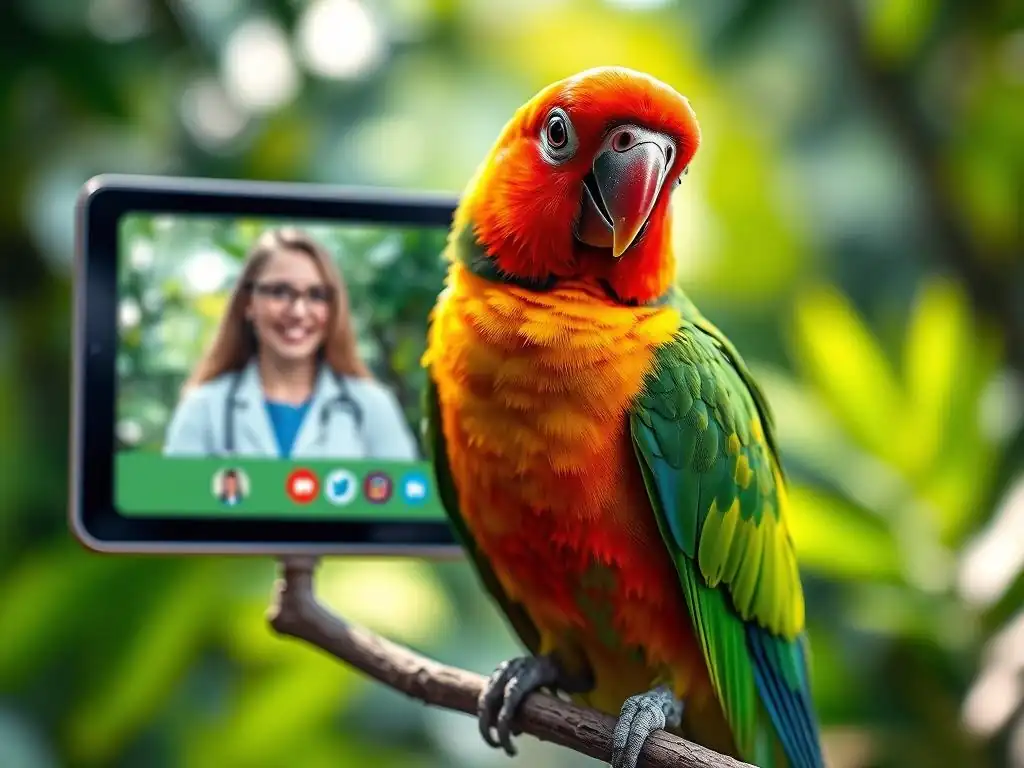
Welcome to PetCareWorld, your ultimate guide to a happier, healthier life for your beloved companions! Are you seeking innovative solutions for your feathered friend's well-being? Then discover the exciting possibilities of bird telehealth vet options and revolutionize how you access avian veterinary care. Explore the world of online consultations and learn how this cutting-edge approach can benefit your bird. Dive in and unlock a new level of convenient and effective pet care!
-
Understanding Bird Telehealth Vet Options: Benefits and Limitations
- Accessibility of Avian Telemedicine: Reaching Specialists for Remote Bird Care
- Cost-Effectiveness of Online Avian Veterinary Consultations: Comparing Prices with In-Person Visits
- Convenience and Time Savings with Bird Telehealth: Scheduling Appointments and Avoiding Travel
- Limitations of Bird Telehealth: When In-Person Care is Necessary
-
Choosing the Right Avian Telehealth Platform: Features to Consider
- Finding Reputable Bird Telehealth Services: Vet Credentials and Experience
- Tech Requirements for Successful Bird Telehealth Consultations: Software and Equipment Needs
- Communication Tools in Avian Telehealth: Live Video, Messaging, and Photo Sharing
- Data Security and Privacy in Avian Telehealth: Protecting Your Bird's Medical Information
- Case Studies: Real-Life Examples of Successful Bird Telehealth
- When to Opt for In-Person Avian Veterinary Care: Situations Requiring Physical Examination
-
Finding the Best Bird Telehealth Vet for Your Feathered Friend: A Step-by-Step Guide
- Researching Avian Veterinarians Offering Telemedicine Services: Online Directories and Reviews
- Checking Credentials and Experience: Board Certification and Specializations in Avian Medicine
- Scheduling Your First Bird Telehealth Consultation: Preparing for a Successful Appointment
- Communicating Effectively with Your Avian Telehealth Veterinarian: Asking Questions and Providing Information
- Maximizing the Benefits of Avian Telemedicine: Tips for a Successful Consultation
- The Future of Avian Telemedicine: Emerging Technologies and Trends
- Frequently Asked Questions
- Final Reflection: The Wings of Progress: Reimagining Avian Healthcare
- Unlock Your Bird's Health Potential: Take Charge Today!
Understanding Bird Telehealth Vet Options: Benefits and Limitations
Owning a bird brings immense joy, but it also comes with the responsibility of ensuring their health and well-being. Finding a qualified avian veterinarian can sometimes be challenging, especially depending on your geographic location. This is where the burgeoning field of avian telemedicine, or bird telehealth, offers a potential solution. This article explores the benefits and drawbacks of using online veterinary services for your feathered friend, helping you determine if bird telehealth is the right option for your specific circumstances.
We'll examine accessibility, cost-effectiveness, and convenience, providing you with the information you need to make an informed decision about your bird's healthcare. Understanding the nuances of bird telehealth is crucial for navigating the complexities of avian veterinary care and ensuring your pet receives the best possible attention. We will focus specifically on the keyword "bird telehealth vet options" to provide you with a comprehensive overview of your choices.
Accessibility of Avian Telemedicine: Reaching Specialists for Remote Bird Care
Finding a qualified avian veterinarian can be a significant hurdle for many bird owners. Specialized avian vets are not as common as general practitioners for cats and dogs, and the need to travel long distances for in-person appointments can be both time-consuming and expensive. Bird telehealth dramatically improves accessibility. Through video conferencing and secure messaging platforms, owners can connect with avian specialists located anywhere in the world, regardless of their physical proximity.
This is particularly beneficial for owners in rural areas or regions with limited access to avian veterinary professionals. For example, an owner in a remote area could consult with a renowned avian specialist from a major city, overcoming geographical limitations that might otherwise prevent their bird from receiving timely and expert care. The expansion of telehealth options is democratizing access to specialized avian veterinary care, making it available to a wider range of bird owners.
Cost-Effectiveness of Online Avian Veterinary Consultations: Comparing Prices with In-Person Visits
While the cost of avian veterinary care can vary widely depending on the vet's location and the type of service required, bird telehealth can potentially offer cost savings. Eliminating travel expenses, such as gas, tolls, and parking, can significantly reduce the overall cost of a consultation. Moreover, some telehealth platforms offer competitive pricing compared to traditional in-person visits. However, it's crucial to compare prices across different platforms and providers before making a decision.
While some initial consultations might be less expensive online, the cost of subsequent treatments or procedures might still necessitate an in-person visit, potentially negating some of the initial cost savings. A thorough cost-benefit analysis considering both immediate and potential future expenses is recommended. Specific pricing information should be obtained directly from the chosen telehealth provider.
Convenience and Time Savings with Bird Telehealth: Scheduling Appointments and Avoiding Travel
One of the most significant advantages of bird telehealth is its unparalleled convenience. Scheduling appointments is often simpler and more flexible than with traditional in-person visits, often allowing for appointments outside of standard business hours. This flexibility is especially valuable for busy pet owners. Furthermore, eliminating the need for travel saves a considerable amount of time.
Instead of spending hours traveling to and from the veterinary clinic, owners can consult with a veterinarian from the comfort of their own home. This convenience can be particularly beneficial in emergency situations, allowing for quicker access to veterinary advice and potentially improving the outcome for the bird. The time saved can be used for other essential tasks, or simply to spend more quality time with your avian companion. The ease of scheduling and the time saved contribute significantly to the overall appeal of bird telehealth.
Limitations of Bird Telehealth: When In-Person Care is Necessary
Telemedicine offers incredible convenience and accessibility for bird owners, but it's crucial to understand its limitations. Bird telehealth is not a replacement for in-person veterinary care in all situations. While a virtual consultation can be invaluable for routine check-ups, minor issues, or medication refills, certain conditions absolutely require a hands-on examination.
Several factors necessitate an in-person visit to an avian veterinarian. Firstly, physical examination is paramount for accurate diagnosis. Many avian illnesses present subtly, requiring a trained professional to palpate the bird, assess its respiratory system, and observe its behavior in a controlled environment. A virtual consultation simply cannot replicate this level of detail. For instance, subtle changes in feather quality, subtle breathing irregularities, or a slight limp might be missed through a video call, delaying crucial treatment. Early detection is key to successful avian healthcare, and telehealth can sometimes hinder this process.
Secondly, diagnostic testing often requires in-person visits. Blood tests, fecal exams, and radiographs are essential for diagnosing many avian diseases. While some basic tests might be performed at home with guidance from a vet, many require specialized equipment and expertise found only in a veterinary clinic. Similarly, advanced imaging techniques like CT scans or ultrasounds are impossible to conduct remotely. This limitation can delay diagnosis and treatment, potentially impacting the bird's prognosis.
Thirdly, certain procedures require hands-on intervention. Emergency situations, such as severe injuries, respiratory distress, or sudden illness, demand immediate, in-person care. While a telehealth consultation might offer preliminary advice, it cannot replace the immediate interventions that can save a bird's life. Similarly, many surgical procedures, beak trims, and other treatments simply cannot be performed remotely.
Finally, building a strong veterinarian-client-patient relationship often benefits from in-person interaction. While telehealth can foster communication, it can lack the personal touch that allows for a thorough understanding of the bird's history, behavior, and overall well-being. This holistic approach to avian care is best achieved through regular, in-person check-ups, allowing for a more comprehensive assessment of the bird's health status. Trust and rapport are essential components of effective avian healthcare, and these are often best established during in-person visits.
Therefore, while bird telehealth offers valuable advantages, it should be viewed as a supplemental tool, not a complete replacement for traditional avian veterinary care. Knowing when to utilize each approach is vital for ensuring the best possible outcome for your feathered friend. 🐦
Choosing the Right Avian Telehealth Platform: Features to Consider

Choosing the right avian telehealth platform is crucial for ensuring a successful and informative consultation for your feathered friend. Several key features should be prioritized when evaluating different options. Don't just focus on the price; consider the overall user experience and the platform's capabilities to support effective bird telehealth.
Finding Reputable Bird Telehealth Services: Vet Credentials and Experience
Before committing to any bird telehealth service, thoroughly investigate the veterinarian's credentials and experience. Look for veterinarians specializing in avian medicine (avian vets) with demonstrable experience and a strong reputation. Many platforms list their veterinarians' profiles, including their qualifications, years of experience, and areas of expertise. Don't hesitate to check online reviews and testimonials from other bird owners.
A highly-rated avian vet with extensive experience in treating common bird illnesses, such as psittacosis or aspergillosis, will provide more reliable care. Remember, your bird's health is paramount; choosing a qualified avian vet should be your top priority when exploring bird telehealth vet options. Consider looking for board certification in avian medicine – this signifies a higher level of expertise and commitment to the field. The platform itself should also be transparent about its vetting process for its associated practitioners.
Tech Requirements for Successful Bird Telehealth Consultations: Software and Equipment Needs
Successful bird telehealth consultations hinge on reliable technology. Before your appointment, ensure your device (smartphone, tablet, or computer) meets the platform's technical requirements. This usually involves a stable internet connection and compatible software. A high-quality camera and microphone are essential for clear video and audio communication. The platform's user interface should be intuitive and easy to navigate, even under pressure.
Consider the potential need for additional equipment, such as a good quality light source to illuminate your bird clearly during the video consultation. Poor lighting can significantly hinder the vet's ability to assess your bird's condition. Furthermore, having a pre-appointment checklist provided by the platform, detailing the necessary equipment and software, can help avoid last-minute technical glitches. A smooth technical experience is vital for a productive telehealth visit.
Communication Tools in Avian Telehealth: Live Video, Messaging, and Photo Sharing
Effective communication is central to successful avian telehealth. The platform should offer a variety of communication tools to facilitate seamless interaction between you and the veterinarian. Live video consultations are essential for real-time assessment of your bird's physical condition and behavior. However, the ability to share photos and videos pre- and post-consultation can be invaluable for documenting your bird's symptoms or progress. Secure messaging capabilities allow for asynchronous communication, enabling you to ask questions and receive responses outside of the scheduled consultation time.
Consider platforms offering features such as screen sharing, allowing the vet to guide you through specific tasks or demonstrate techniques. The availability of these diverse communication tools significantly enhances the overall effectiveness and convenience of bird telehealth. A platform that seamlessly integrates these features ensures a comprehensive and efficient communication experience. Look for platforms that prioritize secure data transmission to protect your bird’s medical information.
Data Security and Privacy in Avian Telehealth: Protecting Your Bird's Medical Information
Data security and privacy are paramount when choosing a bird telehealth platform. Your bird's medical information is sensitive and requires the highest level of protection. Reputable platforms will employ robust security measures to safeguard this data from unauthorized access or breaches.
Look for platforms that clearly outline their security protocols and privacy policies, ideally adhering to industry best practices like HIPAA compliance (even if not legally required for all avian telehealth services). This should include details on data encryption both in transit and at rest, regular security audits, and measures to prevent data loss. Consider the platform's commitment to transparency; a platform that openly shares its security practices demonstrates a greater commitment to protecting your pet's information.
A crucial aspect is understanding how the platform handles your bird's medical records. Will they be stored securely and for how long? What measures are in place to prevent unauthorized access by employees or third parties?
The platform's policy on data sharing with other healthcare providers or researchers should be clearly stated, along with your rights concerning access, modification, and deletion of your bird's data. Be wary of platforms that are vague or lack transparency in these areas – this could be a red flag indicating a lack of commitment to data security. Thoroughly review their privacy policy before signing up, paying close attention to how your data will be used and protected.
Opting for a platform with a strong reputation for security and a proven track record of data protection is a prudent choice when dealing with sensitive medical information for your feathered friend. Remember, protecting your bird's health information is just as crucial as protecting their physical health. 🐦
Case Studies: Real-Life Examples of Successful Bird Telehealth
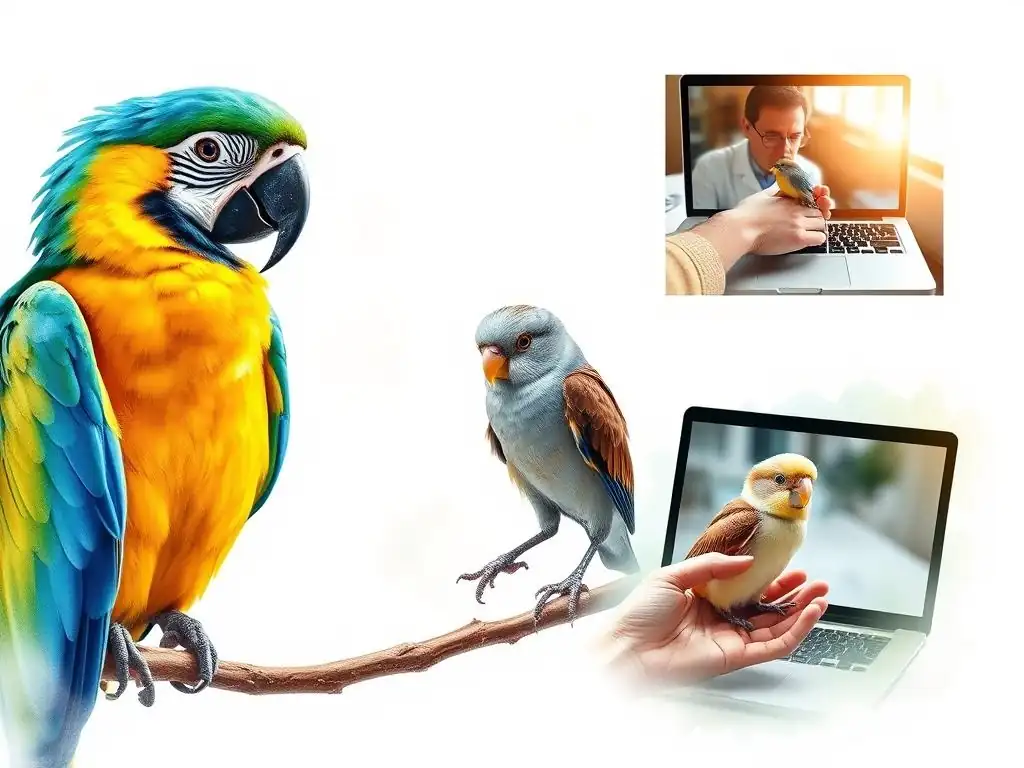
This section presents real-world examples showcasing the effectiveness of avian telehealth in various scenarios. These case studies highlight how bird telehealth vet options can provide timely and effective care, improving the overall well-being of avian companions. Understanding these success stories can help you assess the potential benefits of utilizing telehealth for your feathered friend.
Case Study 1: Successful Telemedicine Treatment
A cockatoo named Coco presented with lethargy and decreased appetite. Her owner, concerned about a potential underlying illness, initially contacted their avian veterinarian's office. Due to Coco's age and sensitivity to transport stress, the vet recommended an initial telehealth consultation. Through a video call, the veterinarian observed Coco's behavior, assessed her plumage condition, and asked detailed questions about her diet, droppings, and recent activities. Based on this remote assessment, the vet suspected a mild bacterial infection and prescribed a course of antibiotics, along with dietary recommendations.
Follow-up telehealth appointments allowed for monitoring Coco's progress, adjusting medication as needed. Within two weeks, Coco showed significant improvement, regaining her energy and appetite. This successful outcome demonstrates how telehealth can provide effective treatment for avian patients without the stress of travel. The successful resolution of Coco’s case underscores the value of bird telehealth vet options for managing common avian illnesses.
Case Study 2: Early Detection of Avian Illness Through Remote Consultation
A Senegal parrot named Sunny began exhibiting subtle behavioral changes, including increased preening and occasional feather plucking. His owner, initially unsure if these were significant, scheduled a telehealth consultation. The avian veterinarian, through careful observation during the video call, noticed subtle signs of feather damage indicative of potential underlying stress or a nutritional deficiency. Further questioning revealed a recent change in Sunny's diet. The veterinarian advised on dietary adjustments and stress-reduction techniques.
Regular telehealth check-ups allowed for ongoing monitoring of Sunny's behavior and feather condition. Early intervention, facilitated by telehealth, prevented the condition from escalating into a more severe problem. This highlights the crucial role of bird telehealth vet options in early detection and proactive management of avian health concerns. The proactive approach enabled by telehealth significantly improved Sunny's long-term well-being.
Case Study 3: Managing Chronic Conditions in Birds with Ongoing Telehealth Support
An elderly African Grey parrot named Charlie suffered from chronic arthritis. Regular in-person visits were challenging due to his age and fragility. His veterinarian implemented a telehealth program incorporating regular video consultations, allowing for ongoing monitoring of Charlie's mobility, pain levels, and medication effectiveness. The veterinarian adjusted his pain management plan remotely based on the owner's reports and observations.
Through this ongoing telehealth support, Charlie's quality of life was significantly improved, maintaining a comfortable level of mobility and reducing pain episodes. This case illustrates the long-term benefits of bird telehealth vet options in managing chronic conditions, improving the quality of life for both the bird and the owner. The ongoing support provided via telehealth allowed for a personalized and effective management plan for Charlie's chronic arthritis. This highlights the value of bird telehealth vet options for long-term care.
The success of these case studies underscores the increasing role and importance of bird telehealth vet options in modern avian care. They demonstrate how telehealth can be a valuable tool for both routine care and the management of acute and chronic conditions in birds. The convenience and reduced stress factors associated with telehealth are particularly beneficial for elderly or sensitive avian patients.
When to Opt for In-Person Avian Veterinary Care: Situations Requiring Physical Examination
Choosing the right care pathway for your feathered friend is crucial. While telehealth offers convenience, certain situations necessitate a traditional in-person visit to an avian veterinarian. Understanding these scenarios ensures your bird receives the most appropriate and effective treatment. This section details when a physical examination by an avian vet is paramount for your bird's health and well-being. Remember, your bird's health is your top priority.
Emergency Situations Requiring Immediate Avian Veterinary Attention: Recognizing Critical Signs
Time is of the essence when dealing with avian emergencies. Delaying treatment can have severe consequences. Recognizing critical signs is the first step in securing prompt, life-saving care. These situations demand an immediate in-person visit to an experienced avian veterinarian, bypassing telehealth options entirely.
Several critical signs demand immediate attention:
- Respiratory Distress: Labored breathing, gasping, open-mouthed breathing, or cyanosis (bluish discoloration of the beak, feet, or wattles) indicates a serious respiratory problem requiring immediate veterinary intervention. These issues often need immediate hands-on assessment and treatment, making telehealth unsuitable.
- Sudden Weakness or Lethargy: A dramatic change in your bird's behavior, such as extreme lethargy, inability to perch, or falling from the perch, necessitates immediate veterinary attention. This could signal various underlying health issues requiring a thorough physical examination.
- Severe Bleeding: Any significant bleeding, whether from an injury or an internal source, requires immediate veterinary care to control the bleeding and address the underlying cause. This is a situation where immediate, in-person attention is vital.
- Seizures: Avian seizures are a serious medical emergency. Immediate veterinary intervention is crucial for diagnosis and treatment to minimize long-term neurological damage. Telehealth is not appropriate in this emergency.
- Trauma: Any significant trauma, such as a fall, impact injury, or attack by another animal, requires a thorough physical examination to assess for fractures, internal injuries, or other complications.
Procedures Requiring Hands-On Care: Surgery, Blood Tests, and Physical Examinations
Many avian veterinary procedures inherently require hands-on care and cannot be performed remotely. These procedures necessitate the precision and expertise of an avian vet in a clinical setting. Examples include:
| Procedure | Reason for In-Person Care |
|---|---|
| Surgery (e.g., tumor removal) | Requires surgical precision, sterile environment, and immediate post-operative monitoring. |
| Blood Tests | Requires venipuncture (drawing blood) and immediate laboratory analysis. |
| Physical Examinations | Thorough assessment of physical condition, including palpation, auscultation, and visual inspection. |
| Radiographs (X-rays) | Requires specialized equipment and interpretation by an avian veterinarian. |
| Crop Empties | Requires physical examination to assess the crop and potentially remove impacted material. |
These procedures are best handled in a fully equipped veterinary clinic, where immediate access to diagnostic tools and monitoring equipment is available.
Complex Avian Medical Cases: When Specialist Expertise On-Site is Crucial
Certain avian medical cases necessitate the expertise of a specialist avian veterinarian. These cases often involve complex diagnostic challenges or require specialized treatment protocols beyond the scope of general telehealth consultations. Examples include:
- Advanced Diagnostics: Cases requiring advanced imaging (CT scans, MRI), specialized laboratory tests, or consultations with avian specialists often need in-person assessment.
- Chronic Illnesses: Birds with chronic conditions, such as feather plucking, psittacosis, or proventricular dilatation disease (PDD), often require ongoing monitoring and adjustments to treatment plans, best managed through regular in-person visits.
- Surgical Interventions: Complex surgical procedures require a skilled avian surgeon and the capabilities of a well-equipped surgical suite. Post-operative care also necessitates close monitoring.
- Genetic Disorders: Diagnosis and management of genetic disorders require specialized expertise and often involve extensive testing and genetic counseling.
While bird telehealth vet options offer convenience for routine checkups and minor issues, prioritizing in-person care for critical situations, complex cases, and procedures demanding hands-on attention is crucial for ensuring the best possible outcome for your bird's health. 🐦
Finding the Best Bird Telehealth Vet for Your Feathered Friend: A Step-by-Step Guide
This section guides you through the process of selecting a suitable avian veterinarian offering telehealth services, ensuring your feathered friend receives the best possible care. Finding the right avian vet is crucial, as their expertise directly impacts your bird's health and well-being. Navigating the world of bird telehealth vet options requires careful consideration and research. Let's explore the key steps involved.
Researching Avian Veterinarians Offering Telemedicine Services: Online Directories and Reviews
Locating avian veterinarians who provide telehealth services requires a strategic approach. Don't simply rely on general online searches; instead, leverage specialized resources designed to connect pet owners with qualified avian specialists. Several online directories focus specifically on veterinary services, often allowing you to filter by species (avian), location, and services offered, including telehealth. These directories frequently include reviews from other pet owners, providing valuable insights into the quality of care, communication styles, and overall experience with particular veterinarians.
Pay close attention to reviews mentioning telehealth experiences specifically. Look for consistent positive feedback regarding responsiveness, thoroughness of consultations, and the veterinarian's ability to address concerns effectively through a virtual platform. Remember to cross-reference information found on these directories with the veterinarian's official website to verify details.
The availability of avian telehealth vets can vary significantly by geographic location. Rural areas may have fewer options than densely populated urban centers. Be prepared to broaden your search radius if necessary to locate a qualified professional who offers telehealth consultations. Consider factors such as time zone differences and potential communication delays when choosing a vet outside your immediate area.
Checking Credentials and Experience: Board Certification and Specializations in Avian Medicine
Once you've identified potential avian telehealth vets, meticulously scrutinize their credentials. Avian medicine is a specialized field requiring extensive knowledge and experience. Look for board certification through the American College of Avian Medicine (ACAM). Board certification signifies that a veterinarian has undergone rigorous training and examination, demonstrating a high level of expertise in avian health. This certification is a strong indicator of a veterinarian's commitment to ongoing professional development and adherence to the highest standards of care.
Beyond board certification, investigate the veterinarian's specific experience with the type of bird you own. Different avian species have unique health needs and vulnerabilities. For example, a veterinarian experienced with parrots may have a different skill set than one specializing in smaller songbirds. The veterinarian's website or online profile should clearly outline their areas of expertise. Don't hesitate to contact the veterinary practice directly to inquire about their experience with your specific bird species and any relevant health conditions. This proactive approach ensures that your bird receives appropriate and effective care.
Scheduling Your First Bird Telehealth Consultation: Preparing for a Successful Appointment
Scheduling your first telehealth consultation requires preparation to maximize its effectiveness. Before the appointment, gather as much relevant information as possible about your bird's health history, including any existing medical conditions, medications, and recent behavioral changes. Prepare a list of specific questions you want to ask the veterinarian, focusing on your bird's current concerns. Having this information readily available ensures a more efficient and productive consultation.
During the consultation, maintain clear communication and provide detailed descriptions of your bird's symptoms. High-quality photos or short videos can be invaluable in allowing the veterinarian to assess your bird's physical condition and behavior remotely. Be prepared for the veterinarian to ask you to perform specific observations or tasks during the consultation, such as weighing your bird or checking its droppings. Follow the veterinarian's instructions carefully to enable them to make an accurate diagnosis and recommend appropriate treatment.
Remember to note down all instructions and recommendations provided by the veterinarian to ensure you follow the prescribed treatment plan diligently. A successful telehealth consultation hinges on clear communication and active participation from the pet owner. This collaborative approach ensures the best possible outcome for your feathered friend.
Communicating Effectively with Your Avian Telehealth Veterinarian: Asking Questions and Providing Information
Effective communication is paramount when utilizing bird telehealth vet options. Unlike in-person visits, you're responsible for conveying crucial information accurately and efficiently. This requires preparation and a clear understanding of what your avian veterinarian needs to know. Before your appointment, gather all relevant information, including your bird's species, age, weight, and any pre-existing health conditions. Detailed records of previous veterinary visits, including diagnoses, treatments, and medications, are invaluable.
Maintain a clear and concise record of your bird's recent behavior, diet, and any observed symptoms. Note the frequency, duration, and severity of any issues. For example, instead of saying "My bird is sick," describe the symptoms: "My cockatiel has been lethargic for three days, exhibiting ruffled feathers, decreased appetite, and watery droppings." The more detail you provide, the better equipped your veterinarian will be to offer accurate advice and potential diagnoses.
Remember to have your bird readily accessible during the telehealth consultation. Good lighting is essential for the veterinarian to get a clear view of your bird. Having a second person assist you can be beneficial, as one person can handle the bird while the other manages the technology and asks questions. Prepare a list of questions beforehand to avoid forgetting important details during the consultation.
Prioritize your questions, focusing on the most pressing concerns first. Don't hesitate to ask for clarification if you don't understand something; it's better to seek clarification than to act on misinformation. Your avian telehealth veterinarian is there to help, and open communication is key to a successful outcome for your feathered friend. Consider taking notes during the consultation to ensure you don't miss any crucial information or instructions.
This detailed record can also prove helpful for future reference. After the consultation, follow up with any questions you may have forgotten to ask or if you notice any changes in your bird's condition. Proactive communication ensures the best possible care for your pet bird. Remember, your active participation is crucial for successful avian telehealth.
Maximizing the Benefits of Avian Telemedicine: Tips for a Successful Consultation
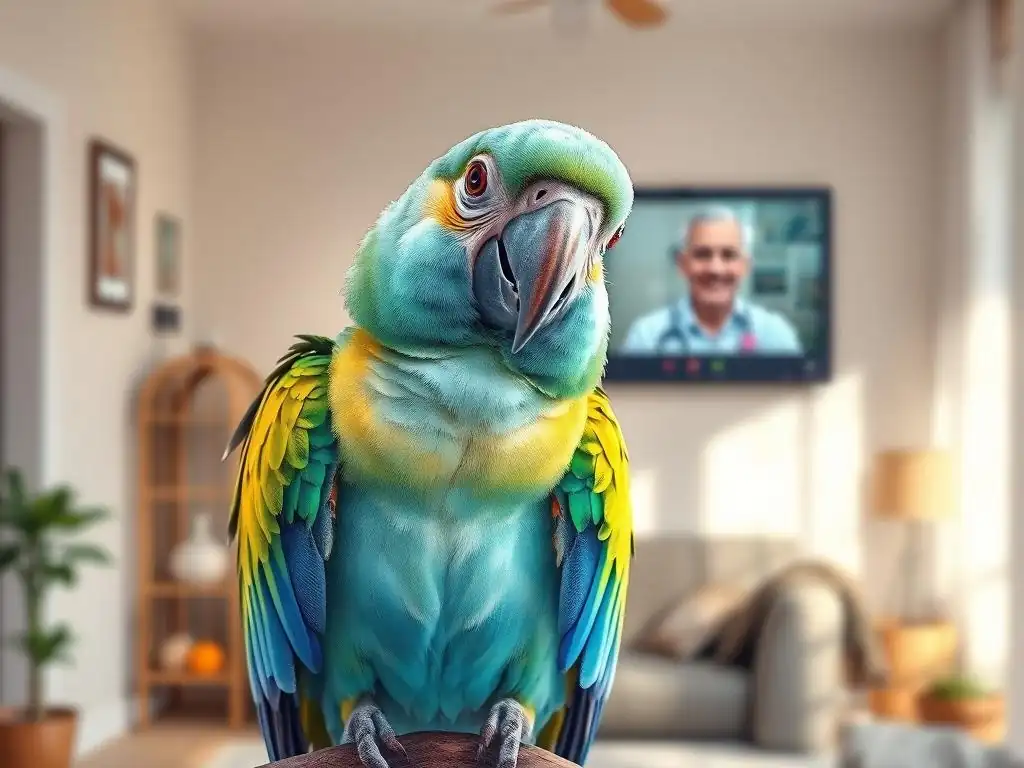
Avian telehealth, or bird telehealth vet options as they're often called, offer a convenient and potentially cost-effective way to access veterinary care for your feathered friend. However, to truly maximize the benefits, preparation and proactive participation are key. Successful bird telehealth relies heavily on clear communication and providing the veterinarian with comprehensive information. This section will explore strategies to optimize your telehealth consultation and ensure the best possible outcome for your bird's health. Remember, while telehealth can be incredibly beneficial, it's not a replacement for in-person examinations when critical situations arise.
Preparing Your Bird for a Telehealth Appointment: Creating a Calm and Comfortable Environment
Your bird's comfort level significantly impacts the success of a telehealth appointment. A stressed bird might be difficult to examine, hindering the veterinarian's ability to accurately assess its condition. Before the appointment, create a calm and familiar environment. This means minimizing noise and distractions. Consider placing your bird in its usual cage, or a secure, quiet carrier.
Ensure good lighting so the veterinarian can clearly see your bird. Having a helper can be invaluable – one person can handle the bird while the other manages the technology and communicates with the vet. A comfortable, stress-free bird will be much more cooperative during the consultation. Think of it like this: a relaxed bird is a healthier bird, and a healthier bird makes for a more accurate diagnosis. 🦜
Gathering Necessary Information Beforehand: Medical History, Symptoms, and Photos
Before your appointment, compile all relevant information about your bird's medical history and current symptoms. This includes:
- Complete medical history: This should include previous illnesses, treatments, vaccinations, and any known allergies. Keep records of previous vet visits, including lab results.
- Detailed description of symptoms: Note the onset, duration, and severity of any symptoms. Be precise – "diarrhea" is less helpful than "frequent, watery, green droppings for the past three days."
- High-quality photos and videos: Visual aids are crucial in avian telehealth. Take clear photos and, if possible, short videos showing your bird's behavior, droppings, and any affected areas. Good lighting is essential for clear images.
- Diet and environment details: Provide information on your bird's diet, including brand names and quantities of food. Describe its housing conditions, including cage size, perches, toys, and cleanliness. Even seemingly insignificant details can be relevant.
Consider organizing this information into a concise document or spreadsheet for easy access during the consultation. This preparedness will allow for a more efficient and effective telehealth visit, ensuring your bird receives the best possible care.
Following Post-Consultation Instructions: Medication Administration and Follow-Up Care
After your telehealth appointment, carefully follow all instructions provided by the avian veterinarian. This includes administering any prescribed medications accurately and consistently. Understand the dosage, frequency, and method of administration. Some medications require specific techniques, and any uncertainty should be clarified with the veterinarian immediately. Keep detailed records of medication administration, noting the date, time, and amount given. This meticulous record-keeping will be beneficial for future consultations and helps ensure your bird receives the correct treatment.
Furthermore, diligently follow up on any recommended follow-up appointments or tests. Regular monitoring is crucial, especially when dealing with avian health issues, as their conditions can change rapidly. Don’t hesitate to contact the veterinarian if you notice any changes in your bird's condition, even if they seem minor. Proactive communication is key to ensuring a successful outcome and maintaining your bird's well-being. Remember, responsible bird ownership involves vigilant monitoring and prompt action.
The Future of Avian Telemedicine: Emerging Technologies and Trends
The field of avian telemedicine is rapidly evolving, driven by advancements in technology and a growing demand for convenient and accessible veterinary care. This section explores the exciting innovations shaping the future of bird telehealth vet options and their potential impact on avian healthcare. While currently, many bird telehealth vet options focus on basic consultations and advice, the horizon holds significant potential for more sophisticated remote care.
The integration of new technologies promises to revolutionize how we diagnose, treat, and prevent diseases in our feathered friends. This improved access to care can be particularly beneficial for owners of exotic birds in remote areas or those with mobility challenges.
Advancements in Remote Diagnostics for Birds: Improved Imaging and Monitoring Technologies
Significant progress is being made in developing portable and user-friendly diagnostic tools for avian telehealth. Improved imaging technologies, such as high-resolution smartphone cameras with specialized lenses and attachments, allow for detailed examination of a bird’s plumage, skin, and even internal structures with the assistance of appropriate lighting. This allows veterinarians to assess potential injuries, infections, or abnormalities remotely.
Furthermore, the development of miniaturized sensors and wearable technology for birds is on the horizon. Imagine small, lightweight devices that can continuously monitor a bird's vital signs – heart rate, respiration, body temperature – and transmit this data wirelessly to a veterinarian for real-time analysis. This continuous monitoring could provide early warning signs of illness, allowing for prompt intervention and potentially preventing more serious health issues.
Data analysis from these devices could also contribute to a larger database enhancing our understanding of avian health trends and disease patterns. The adoption of such advanced remote diagnostic tools is crucial to further establishing the viability and effectiveness of bird telehealth vet options.
Artificial Intelligence in Avian Veterinary Care: Potential Applications and Benefits
Artificial intelligence (AI) holds immense promise for transforming avian veterinary care. AI algorithms can analyze large datasets of avian medical images, lab results, and patient histories to identify patterns and assist veterinarians in making more accurate diagnoses. For example, AI could be trained to detect subtle signs of disease in radiographs or blood work that might be missed by the human eye, leading to earlier and more effective treatment.
Furthermore, AI-powered chatbots could provide initial triage and support to bird owners, answering common questions and guiding them towards appropriate veterinary care. This could alleviate the burden on avian specialists, particularly during peak hours or when dealing with a high volume of inquiries. The development of AI-driven diagnostic tools and decision support systems could significantly enhance the accuracy and efficiency of avian telehealth, making it a more reliable and accessible option for bird owners worldwide.
The ethical implications of using AI in veterinary medicine must also be carefully considered, ensuring data privacy and responsible implementation. The future of bird telehealth vet options is intertwined with the responsible and effective integration of AI.
Frequently Asked Questions
What is avian telehealth, and how does it work?
Avian telehealth uses video conferencing to connect you with an avian veterinarian. This allows for virtual consultations, saving you travel time and potentially costs. Diagnosis and treatment plans may be discussed but physical exams are usually not possible.
Is avian telehealth a good alternative to in-person visits?
Telehealth is a valuable supplement, not a complete replacement, for in-person care. It's excellent for routine check-ups, medication follow-ups, or less urgent issues. However, serious illnesses always require an in-person visit.
What kind of bird health issues can be addressed via telehealth?
Telehealth can help with issues like minor injuries, behavioral problems, diet questions, and medication management. It's useful for monitoring chronic conditions under the guidance of your avian vet. However, emergency situations require immediate in-person care.
How do I find a veterinarian offering avian telehealth services?
Many avian vets now offer telehealth. Check your local veterinary clinics or search online for "avian telehealth" or "telemedicine avian vet". PetCareWorld may also have a directory of vet services in your area (this feature is planned for future development).
What are the costs associated with avian telehealth?
Costs vary depending on the veterinarian and the length of the consultation. Expect to pay a fee for the virtual consultation, similar to an in-person visit, but potentially less than traveling to a specialist. Prescription medications may also incur additional costs.
Final Reflection: The Wings of Progress: Reimagining Avian Healthcare
The accessibility and convenience of avian telehealth are revolutionizing bird care, offering a lifeline to bird owners previously limited by geographical constraints or financial burdens. This shift towards online veterinary consultations represents a significant leap forward in ensuring the well-being of our feathered companions, regardless of location.
The impact of telehealth on avian healthcare is undeniable, extending beyond simple convenience to foster a deeper connection between bird owners and veterinary professionals. It allows for more frequent monitoring of chronic conditions, quicker responses to emergencies, and a more proactive approach to preventative care. This democratization of access to expert advice is particularly crucial for specialized avian care, often scarce in many regions. The greatest glory in living lies not in never falling, but in rising every time we fall.
This resilience, both in our birds and in our approach to their care, is amplified by the readily available support of telehealth.
Consider the possibilities: Imagine the peace of mind knowing you can connect with a specialist at any time, day or night, to address a concerning symptom. Imagine the improved health outcomes resulting from early intervention and consistent monitoring. This isn't just about convenience; it's about empowering you to become a more informed and proactive caregiver for your beloved bird. Embrace the future of avian healthcare, explore the available telehealth options, and embark on a journey of enhanced well-being for your feathered friend.
Unlock Your Bird's Health Potential: Take Charge Today!
Thank you for exploring the world of avian telemedicine with us! We hope you've gained valuable insights into how online veterinary care can benefit your feathered friend. Now, let's put that knowledge into practice:
- Schedule a virtual consultation: Take the first step towards proactive bird care by searching for online avian veterinary services in your area. This is a crucial step in ensuring your bird receives the best possible care.
- Share this article: Help other bird owners discover the convenience and benefits of avian telemedicine by sharing this information with your friends and family.
- Join our community forum: Connect with fellow bird lovers and share your experiences—both positive and challenging—on our discussion board.
What specific health concerns do you have about your bird that you'd like to address using telemedicine?