
Advanced Techniques to Control Jumping in Dogs: Beyond Basic Commands

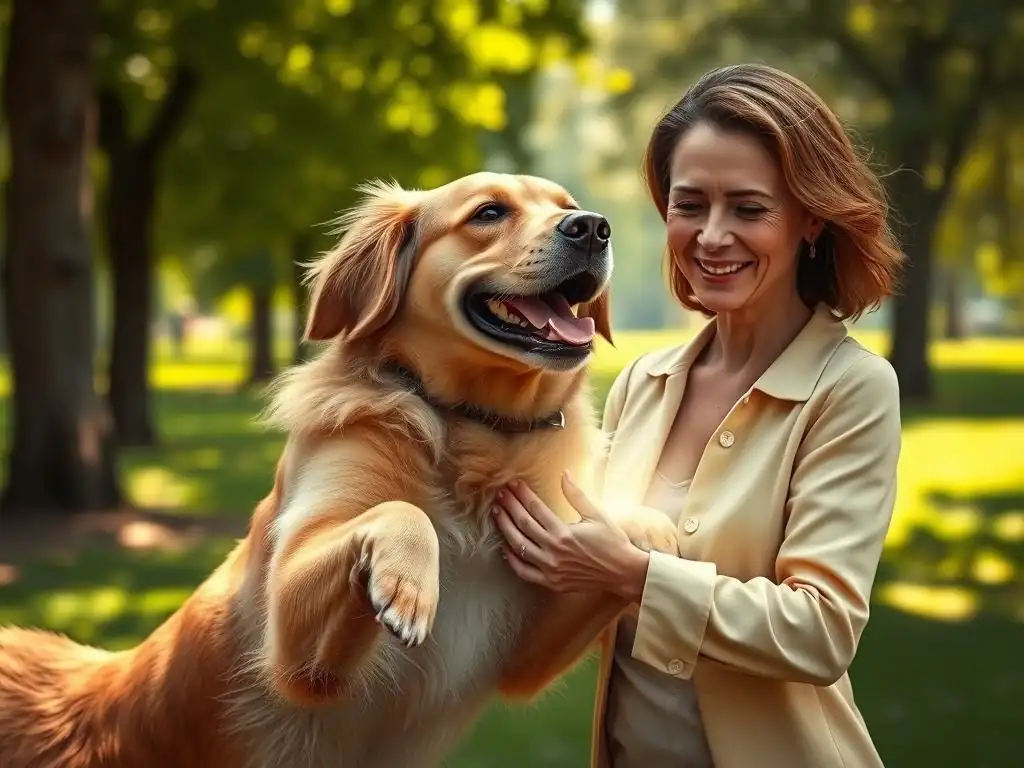
Welcome to PetCareWorld, your ultimate guide to a happier, healthier life for your beloved companion! Are you struggling with an overly enthusiastic jumper? Then you've come to the right place. Discover advanced techniques to finally conquer the frustrating habit of dog jumping, moving beyond basic commands with our insightful guide on "Stop dog jumping advanced training." Uncover the secrets to effective training and build a stronger, more harmonious bond with your canine friend. Let's begin your journey towards a jump-free future!
- Understanding the Root Cause of Jumping in Dogs
- Advanced Training Methods to Stop Dog Jumping
- Harnessing the Power of Environmental Control to Prevent Jumping
- Advanced Tools and Aids for Jumping Prevention
- Addressing Stubborn Jumping Cases: When Basic Training Fails
- Maintaining Jump-Free Behavior: Long-Term Strategies
- Stop Dog Jumping: Advanced Training Resources and Further Reading
-
Frequently Asked Questions
- What if basic training methods haven't worked to stop my dog from jumping?
- Are there any specific advanced training methods for stopping dog jumping?
- How long does it typically take to stop a dog from jumping using advanced techniques?
- What should I do if my dog jumps on visitors despite advanced training?
- My dog only jumps on certain people; is there a specific advanced training approach for this?
- Final Reflection: Beyond the Leap: Mastering Canine Communication
- Unlock Your Dog's Calm: Master Jumping, Once and For All!
Understanding the Root Cause of Jumping in Dogs
Jumping is a common behavioral issue in dogs, often frustrating for owners and potentially harmful in certain situations. While simple commands like "off" can be effective in some cases, truly addressing the problem requires a deeper understanding of why your dog jumps. This article delves into advanced techniques to control dog jumping, moving beyond basic training methods to tackle the underlying causes and achieve long-term behavioral modification.
We'll explore how to identify the root of the problem, assess your dog's body language, and differentiate between various types of jumping behaviors to create a tailored training plan for your canine companion. Successfully addressing this issue not only improves your relationship with your dog but also ensures a safer and more harmonious environment for both of you. This guide provides a structured approach to effectively manage and eliminate unwanted jumping, transforming frustrating interactions into positive reinforcement opportunities.
Let's begin our journey to a jump-free life with your furry friend! 🎉
Identifying Underlying Issues: Fear, Excitement, or Attention-Seeking
Understanding the motivation behind your dog's jumping is crucial for effective training. Dogs jump for various reasons, and each requires a different approach. Let's examine three common underlying issues:
- Fear: A fearful dog might jump to escape a perceived threat or uncomfortable situation. They may be attempting to put distance between themselves and the perceived danger. This often manifests as a quick, nervous jump, sometimes accompanied by other signs of fear such as tucked tail, whale eye, and panting.
- Excitement: A common cause of jumping, especially in puppies and young dogs, is overwhelming excitement. The dog is so happy to see you or another person that they express their joy through jumping. This type of jump is often more playful and energetic.
- Attention-Seeking: Some dogs jump to get attention, positive or negative. Even scolding can reinforce the behavior if the dog receives any attention at all. This type of jumping is often persistent and may increase in frequency if it's successful in eliciting a response.
Identifying the root cause – whether fear, excitement, or attention-seeking – is the first step towards choosing the most effective training strategy. Careful observation of your dog's behavior in various situations is key to making this determination. For example, does your dog jump more when strangers approach, or only when family members enter the home? This information will provide valuable insights into the underlying cause.
Assessing Your Dog's Body Language: Recognizing Jumping Cues
Before your dog even begins to jump, there are often subtle behavioral cues that indicate they are about to do so. Recognizing these precursors is essential for proactive intervention. This allows you to interrupt the behavior before it even starts, reinforcing positive alternatives. These cues can vary depending on the dog and the underlying cause of the jumping, but some common signs include:
- Increased alertness: The dog might suddenly become very attentive, with ears pricked and eyes focused on the approaching person.
- Tail wags: While often associated with happiness, a stiff, high tail wag can precede a jump, especially if accompanied by other tense body language.
- Shifting weight: The dog might subtly shift its weight onto its hind legs, preparing for the jump.
- Slight rise in body posture: A subtle lifting of the front half of the body can be an indicator that a jump is imminent.
Learning to read these subtle cues allows you to implement preventative measures, such as turning away, kneeling down, or offering a positive alternative behavior before the jump occurs. This proactive approach is far more effective than reacting to the jump after it happens.
Differentiating Between Playful Jumps and Dominant Behaviors
It's crucial to distinguish between playful jumps, often stemming from excitement, and jumps that might indicate dominance or territorial behavior. While both involve jumping, the underlying motivations and training approaches differ significantly.
- Playful Jumps: These jumps are usually accompanied by other playful behaviors, such as loose body language, wagging tail, and soft vocalizations. The dog is generally relaxed and not trying to assert dominance.
- Dominant Jumps: Dominant jumps are often more forceful and deliberate. The dog might hold its body stiffly, stare intensely, and may even attempt to mount the person. These jumps are an attempt to assert dominance or establish control over the situation or person.
Understanding this distinction is vital for selecting the appropriate training techniques. While playful jumps can be addressed with positive reinforcement and redirection, dominant jumps require a different approach, often involving assertive body language and consistent, clear boundaries. Ignoring the dog, turning your back, or using a firm "no" can be effective, but consistency is paramount. In cases of persistent dominant jumping, seeking professional help from a certified dog trainer or behaviorist is recommended.
Advanced Training Methods to Stop Dog Jumping
This section delves into advanced techniques to address persistent jumping in dogs, going beyond the basic "sit" and "down" commands. We'll explore strategies that focus on modifying your dog's underlying motivations for jumping and rewarding alternative behaviors. Remember, consistency and patience are key to success in any dog training endeavor. Effective training requires understanding your dog's individual personality and learning style.
Counter-Conditioning and Desensitization Techniques for Jumping
Counter-conditioning aims to change your dog's emotional response to the trigger (e.g., visitors arriving) that causes jumping. Desensitization gradually reduces your dog's reactivity to that trigger. The process involves systematically exposing your dog to the trigger at a low intensity, while simultaneously pairing it with a positive experience (e.g., high-value treats).
For example, if your dog jumps when visitors arrive, start by having a friend stand far away, rewarding your dog for calm behavior with small, tasty treats. Gradually decrease the distance as your dog maintains calm behavior. If jumping occurs, immediately stop the interaction and move further away, restarting the process when your dog is calm. This teaches your dog that calm behavior, not jumping, leads to positive reinforcement. This process requires patience and consistency. You might need several sessions, gradually increasing the intensity of the trigger (distance of the visitor) as your dog’s response improves.
You can also incorporate desensitization by using visual cues. For instance, if your dog jumps when seeing someone approach, start by showing them a picture of a person from a distance. Reward calm behavior with treats. Slowly decrease the distance of the picture. Eventually, you can practice with a person standing far away. Always remember to reward calmness and ignore the jumping behavior.
Implementing a Consistent "No Jump" Protocol Across All Environments
Consistency is paramount. A "no jump" protocol should be implemented everywhere – at home, with family, with friends, during walks, and in any other environment where your dog might encounter people. This requires everyone in the household to understand and follow the same rules. Inconsistency sends mixed signals to your dog, hindering progress.
Consider creating a visual aid, such as a chart or checklist, to remind everyone of the protocol. This could include specific cues like a hand signal or verbal command ("All fours!") to indicate the desired behavior. The goal is to consistently reinforce the "no jump" rule regardless of the situation. This uniformity minimizes confusion for your dog and maximizes training effectiveness. Documenting your progress, noting successes and setbacks, can help identify areas needing further attention.
Using Positive Reinforcement to Reward Desired Behaviors (Sit, Stay)
Instead of solely focusing on punishing the jumping behavior, actively reward desired alternatives. Before guests arrive, or when anticipating a situation where jumping might occur, proactively encourage your dog to sit or stay. Immediately reward any instance of sitting or staying with high-value treats, praise, or a favorite toy. This teaches your dog that these behaviors are more rewarding than jumping.
Positive reinforcement focuses on building a positive association with the desired behavior. Think of it as shaping your dog's behavior towards the desired outcome. For example, if your dog sits when someone approaches, immediately reward them. If they jump, calmly ignore them and redirect them to a sit with a cue. Rewarding the sit reinforces the correct behavior and makes it more likely to be repeated.
The goal is to make "sit" and "stay" more rewarding than the excitement of jumping. This requires patience and consistent rewarding of the desired behavior. Consider using a clicker for precise timing of rewards. The clicker marks the exact moment of the desired behavior, followed immediately by the reward. This improves the dog's understanding of what is being rewarded.
Managing Jumping During Greetings: Controlled Introductions
Jumping up on guests is a common problem, but controlled introductions can significantly reduce this behavior. The key is to prevent the opportunity for jumping before it even arises. Instead of letting your dog greet visitors at the door in a flurry of excitement, establish a designated greeting area, perhaps a hallway or a specific spot in a room. This creates a controlled environment, allowing you to manage your dog's behavior more effectively.
Before the visitor arrives, have your dog sit or lie down in the designated area. Reward calm behavior with high-value treats and praise. When the visitor arrives, instruct them to ignore the dog completely—no eye contact, no talking, no touching—until the dog is calm and remains in a sitting or lying down position. This teaches the dog that jumping doesn't get attention; stillness does.
The visitor should then slowly approach the dog, offering a treat from a low position, avoiding direct eye contact. If the dog remains calm, the visitor can offer gentle petting. However, any sign of jumping should immediately result in the visitor turning their back and ignoring the dog until calm behavior resumes. Consistency is crucial; everyone who interacts with your dog must follow this protocol.
This controlled introduction method teaches impulse control and rewards calm greetings, effectively reducing the likelihood of jumping. It requires patience and consistent reinforcement, but the results are well worth the effort. Remember to use positive reinforcement consistently; focusing on rewarding calm behavior rather than punishing jumping is key to effective training.
Consider using a leash during these introductions, even indoors. This provides an extra layer of control, allowing you to gently guide your dog into a sit or down position if needed. The leash should not be used to pull or jerk your dog, but rather as a gentle aid to help maintain a calm posture.
Remember, the goal is to create a positive and controlled environment, fostering a calm and respectful interaction between your dog and visitors. This method is particularly effective in preventing the escalation of excitement that often leads to jumping. Over time, with consistent practice, your dog will learn to greet visitors calmly and politely.
Harnessing the Power of Environmental Control to Prevent Jumping
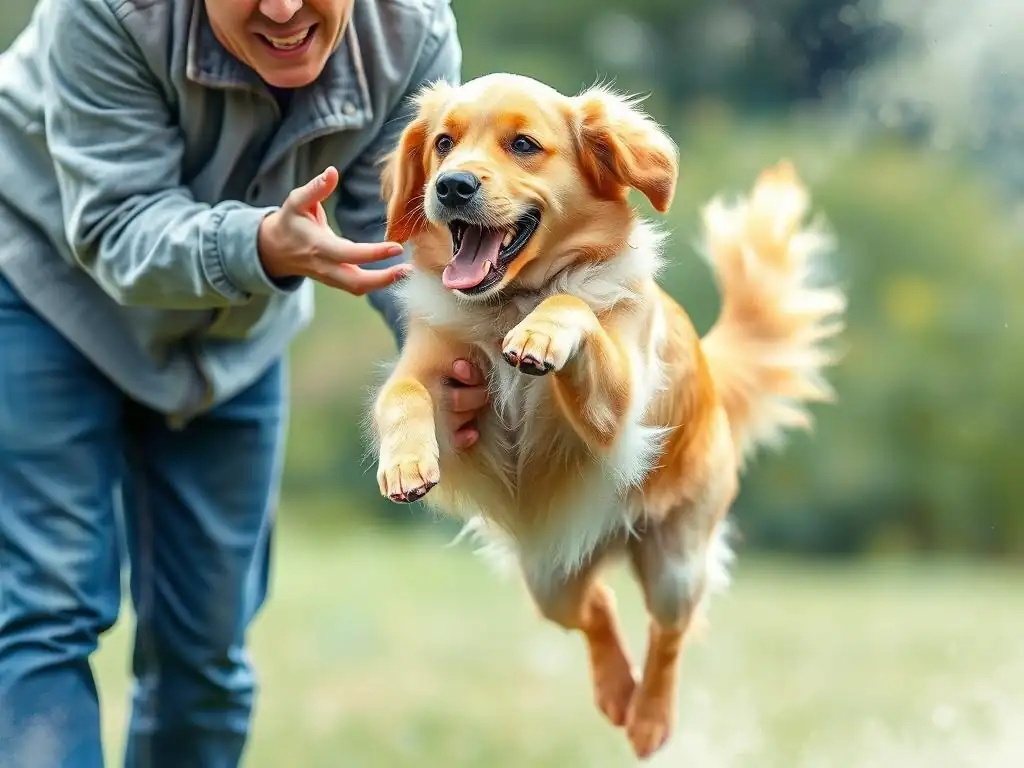
Environmental modification is a cornerstone of effective dog training, particularly when tackling persistent behavioral issues like jumping. Instead of solely relying on commands, proactively managing your dog's environment significantly reduces opportunities for unwanted behaviors, making training more efficient and less frustrating for both you and your canine companion. This proactive approach, focusing on "Stop dog jumping advanced training," minimizes the need for constant corrections and builds a more positive training experience.
By strategically altering your dog's surroundings, you can dramatically decrease the frequency of jumping incidents, paving the way for more effective command-based training. This section explores various methods to achieve this.
Strategic Use of Physical Barriers: Gates, Leashes, and Training Aids
Physical barriers are invaluable tools in managing jumping. They provide a safe and effective way to prevent your dog from accessing areas where jumping is most likely to occur, such as near guests or on furniture. Strategic placement of baby gates can restrict access to specific rooms or zones, preventing unwanted encounters. For example, keeping your dog confined to a safe, comfortable area when guests arrive prevents immediate interactions that might trigger jumping.
A properly used leash isn't just for walks. Keeping your dog on a short leash indoors during training sessions or when guests are present allows for immediate control and prevents jumping before it starts. This provides a readily available safety net, enabling you to quickly guide your dog away from tempting situations.
Training aids, such as a gentle leader head halter or a harness that discourages pulling, can complement physical barriers. These tools aren't meant to punish but rather to provide you with more control and influence your dog's body language, making it less likely to jump. For instance, a properly fitted head halter can gently redirect your dog's attention, preventing them from launching themselves at visitors. Remember, consistency is key – always use these aids appropriately and with positive reinforcement.
Modifying Your Dog's Environment to Minimize Triggering Situations
Identifying and removing triggers is crucial. What situations consistently lead to jumping? Is it the arrival of guests, children running, or the sight of food? Understanding these triggers allows you to modify the environment to minimize their impact. For instance, if your dog jumps when excited to see you, try to minimize overly exuberant greetings. Instead of rushing towards them, approach calmly, crouch down, and wait for them to settle before offering any interaction.
Another example: If your dog jumps when they see food, remove food items from low counters or tables. This eliminates the temptation and prevents the behavior from being reinforced. Training a dog to "leave it" is also helpful in these situations. By proactively removing enticing triggers, you greatly reduce the likelihood of jumping behavior. This proactive approach is essential for effective "Stop dog jumping advanced training".
Creating Calm and Predictable Routines to Reduce Anxiety
A dog's anxiety can significantly contribute to jumping. Inconsistent routines and unpredictable environments can increase stress levels, making them more likely to jump out of nervousness or excitement. Establishing a calm and predictable daily schedule can help reduce anxiety and improve your dog's overall behavior.
This includes consistent feeding times, regular walks, and designated playtimes. A structured routine provides security and reduces uncertainty, making your dog feel more comfortable and less likely to resort to jumping as a coping mechanism. Incorporating calming activities, such as quiet playtime with puzzle toys or gentle brushing, further contributes to a relaxed environment. Remember, a calm dog is less likely to exhibit unwanted behaviors, making the entire "Stop dog jumping advanced training" process significantly easier. A well-structured routine is a cornerstone of advanced training techniques.
Advanced Tools and Aids for Jumping Prevention
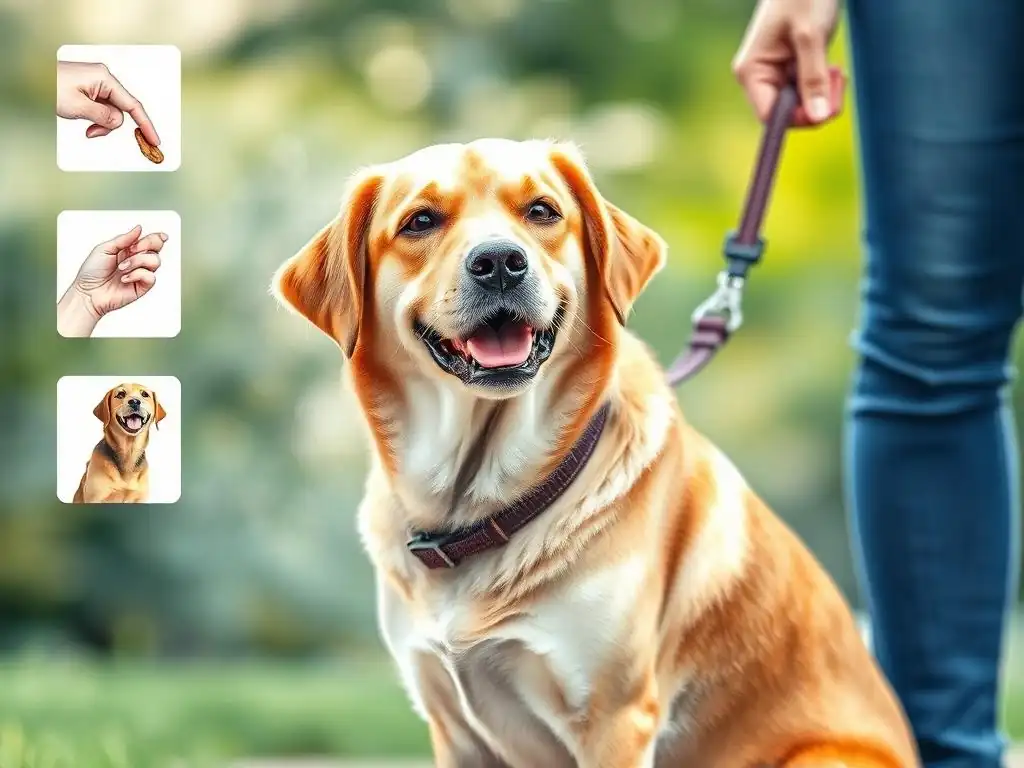
This section delves into advanced tools and aids that can significantly enhance your dog's jumping prevention training, going beyond basic commands like "Sit" and "Down." These tools, when used responsibly and ethically, can provide valuable support in achieving consistent results. Remember, consistent training and patience are key to success in stopping unwanted jumping behavior in your canine companion. The goal is not to suppress the behavior but to redirect and replace it with more appropriate actions.
Specialized Harnesses and Collars Designed for Jumping Control
Specialized harnesses and collars can provide a gentle yet effective deterrent to jumping. Unlike punitive methods, these tools aim to interrupt the jumping action without causing pain or fear. They work by subtly discouraging the dog from rearing up on its hind legs. For example, some harnesses are designed with a strategically placed strap across the chest, which gently restricts upward movement when the dog jumps. Others utilize a front-clip attachment, redirecting the dog's momentum when it attempts to leap.
These tools are most effective when combined with consistent positive reinforcement training. Choosing the right fit is crucial; a poorly fitting harness can be uncomfortable and ineffective. Always prioritize your dog's comfort and consult with a veterinarian or certified dog trainer for guidance on selecting the appropriate type and size. Careful selection and appropriate usage are paramount to prevent injury or discomfort for your pet.
Remote Training Tools: Clickers, Electronic Collars (Ethical Considerations)
Remote training tools, such as clickers and electronic collars, offer a level of control and precision that can be advantageous in advanced jumping prevention training. However, their use necessitates careful consideration of ethical implications.
A clicker, when used correctly, can create a positive association with desired behaviors. The click marks the exact moment a dog performs the desired action (e.g., sitting instead of jumping), followed immediately by a reward. This precise timing is crucial for effective learning. However, clicker training requires patience and consistent reinforcement.
Electronic collars, on the other hand, are more controversial. While some trainers utilize them to interrupt unwanted behaviors like jumping, ethical concerns arise regarding the potential for causing pain or fear. The responsible use of an electronic collar demands extensive knowledge and understanding of canine behavior and training principles. It's crucial to only use these devices under the strict guidance of a certified professional trainer who can ensure their ethical and humane application.
Improper usage can lead to behavioral problems, anxiety, and a damaged relationship with your dog. Always prioritize positive reinforcement methods whenever possible. The choice to use an electronic collar should be made only after careful consideration and consultation with a qualified professional.
Effective Use of Positive Reinforcement Training Treats
Positive reinforcement using high-value treats is a cornerstone of effective jumping prevention. The key lies in selecting treats your dog finds irresistibly appealing and using them strategically. Timing is paramount; the treat should be given immediately after the dog performs the desired behavior (e.g., sitting calmly instead of jumping). This creates a strong association between the desired action and the reward.
Consider these strategies for optimal treat usage:
- High-value treats: Use small, easily digestible treats that your dog loves. Experiment to find what motivates your dog best.
- Strategic placement: Keep treats readily available during training sessions to reward desired behaviors promptly.
- Varying rewards: Incorporate a variety of rewards, such as verbal praise, petting, and playtime, to keep your dog engaged and motivated. This prevents the dog from associating rewards solely with food.
- Consistency is key: Maintain consistency in your training sessions and reward system. Inconsistent rewards can confuse your dog and hinder progress.
The effectiveness of positive reinforcement hinges on consistency and patience. Celebrate even small successes and adjust your training methods as needed. Remember, building a strong bond with your dog through positive reinforcement is crucial for long-term success in managing jumping and other behavioral issues. This approach fosters trust and cooperation, leading to a happier and more well-behaved canine companion.
Addressing Stubborn Jumping Cases: When Basic Training Fails
Even with consistent application of basic training methods like "leave it" and rewarding calm behavior, some dogs stubbornly persist in jumping. This often stems from underlying issues beyond simple excitement or lack of training. Understanding these underlying factors is crucial to successfully stopping the jumping behavior. We're not just talking about a playful pounce; we're addressing persistent, ingrained jumping that disrupts daily life and potentially poses safety risks.
Seeking Professional Guidance: Certified Dog Trainers and Behaviorists
When basic training proves ineffective, seeking professional help is paramount. Certified dog trainers and veterinary behaviorists possess the expertise to diagnose the root cause of your dog's jumping. They can assess your dog's behavior in detail, considering factors such as breed predisposition, past experiences (e.g., trauma, inconsistent training), and environmental triggers. A professional can create a customized training plan that addresses the specific needs of your dog and your lifestyle.
This personalized approach is far more effective than generic solutions, and it significantly increases the chances of success in achieving long-term behavioral modification. Look for trainers certified by reputable organizations, ensuring they employ positive reinforcement methods that prioritize your dog's well-being. Remember to ask about their experience with similar cases and their success rates. Investing in professional guidance can save you time, frustration, and potentially prevent the problem from escalating.
Advanced Training Programs: Specialized Jumping Prevention Courses
Beyond individual consultations, specialized training programs offer structured approaches to address persistent jumping. These programs often involve group classes or intensive workshops focusing specifically on impulse control and managing excitement. These programs often incorporate advanced techniques like:
- Counter-conditioning: This method involves associating the trigger (e.g., visitors arriving) with positive experiences (e.g., high-value treats) to gradually reduce the dog's anxious or excited response.
- Desensitization: This process gradually exposes the dog to the trigger at a low intensity, increasing the intensity slowly as the dog remains calm.
- Environmental modification: This strategy involves altering the environment to minimize opportunities for jumping (e.g., using baby gates to control access to certain areas, teaching alternate greetings).
Such programs provide a structured learning environment, allowing your dog to practice new behaviors and receive consistent feedback under the guidance of an expert. The social aspect of group classes can also be beneficial for some dogs, providing opportunities for positive interaction with other well-behaved canines. The cost of these programs varies widely, but the long-term benefits of effectively managing your dog's jumping behavior can be substantial.
Medication as a Last Resort: Consulting Your Veterinarian
In some severe cases of jumping, particularly when linked to underlying anxiety or compulsive disorders, medication may be considered as a supplementary treatment. However, medication should never be the first line of defense. It's crucial to rule out underlying medical conditions and only use medication in conjunction with a comprehensive behavioral modification program, guided by both a veterinarian and a certified dog behaviorist. Medication can help manage the dog's anxiety or compulsive behaviors, making it easier for them to respond to training.
The veterinarian will carefully monitor the dog's response to the medication and adjust the dosage as needed. This approach requires a collaborative effort between the veterinarian, behaviorist, and owner, ensuring the dog's safety and well-being throughout the process. Remember, medication is not a magic solution; it works best when combined with consistent training and environmental modifications. 🐶
Maintaining Jump-Free Behavior: Long-Term Strategies

Successfully stopping your dog from jumping is a journey, not a destination. Initial training provides the foundation, but consistent effort is crucial for maintaining a jump-free lifestyle. This section focuses on advanced techniques to ensure long-term success in managing this common canine behavior issue. Remember, patience and understanding are key ingredients in this process.
We'll explore strategies to solidify your dog's understanding and prevent future relapses. Mastering these techniques will significantly improve your relationship with your canine companion and create a more harmonious home environment. The goal is to integrate these strategies seamlessly into your daily routine, making them a natural part of your dog's life.
Consistent Reinforcement and Regular Training Sessions
Consistent reinforcement is paramount in maintaining your dog's newly acquired jump-free behavior. Think of it as a continuous process of positive reinforcement, not just a one-time fix. Short, frequent training sessions are far more effective than infrequent, lengthy ones. Aim for several short sessions (5-10 minutes) daily, rather than one long session once a week. This approach keeps your dog engaged and prevents boredom or frustration.
Regular training sessions should not only reinforce the "no jump" command but also incorporate other obedience training to maintain overall focus and impulse control. These sessions should be positive and rewarding. Reward your dog immediately and generously for any desired behavior, such as sitting calmly when greeted.
Here's a sample training schedule you can adapt to your dog's needs:
| Day | Time of Day | Training Focus | Reward | Duration |
|---|---|---|---|---|
| Monday | Morning, Evening | "No jump" command, Sit | Treats, praise | 10 mins |
| Tuesday | Morning, Evening | "No jump", Stay, Come | Toys, petting, praise | 5 mins |
| Wednesday | Morning, Evening | "No jump", Loose-leash walking | Treats, enthusiastic praise | 7 mins |
| Thursday | Morning, Evening | "No jump" command review, recall | Treats, a favorite toy | 10 mins |
| Friday | Morning, Evening | "No jump", Down | Treats, head scratches | 5 mins |
| Weekend | Variable | Review all commands, playtime | Variety of rewards | 10-15 mins |
Remember to vary your reward system to keep your dog engaged. Sometimes a simple "Good dog!" is enough; other times, a favorite toy or extra playtime will work better. The key is consistency and positive reinforcement. Avoid punishment, as it can damage your relationship with your dog and hinder the learning process.
Ongoing Monitoring and Adjustment of Training Techniques
Even with consistent training, you need to monitor your dog's behavior closely. This involves observing your dog in various situations and with different people. Pay attention to the triggers that might lead to jumping. Is it excitement, anxiety, or a lack of understanding? Understanding the underlying cause can help you refine your training techniques.
If you notice a slip-up, don't get discouraged. Analyze the situation: What happened just before the jump? Was your dog overly excited, or did they misinterpret a cue? Adjust your training based on this observation. You might need to increase the intensity of training or modify your approach. For example, if your dog jumps when guests arrive, try implementing a “leave it” command and rewarding calm behavior before greeting visitors.
Remember, every dog learns at a different pace. Some dogs might grasp the concept quickly, while others might require more time and patience. Adjust your expectations accordingly, and celebrate even small victories. This ongoing assessment and adjustment are crucial for long-term success in "stop dog jumping advanced training."
Addressing Relapses and Preventing Future Jumping Incidents
Relapses are a normal part of the training process. They don't mean you've failed; they simply indicate that you might need to revisit certain aspects of your training. If your dog starts jumping again, don't punish them. Instead, calmly redirect their behavior. Use the same techniques you used during initial training, and reinforce the "no jump" command.
To prevent future jumping incidents, consider these strategies:
- Manage the environment: If your dog tends to jump when excited, minimize opportunities for jumping. For example, keep them on a leash when greeting visitors until they are consistently calm.
- Practice in different settings: Practice the "no jump" command in various locations – at home, in the park, at a friend's house – to generalize the behavior.
- Train family and friends: Ensure everyone in the household consistently enforces the "no jump" command. Inconsistency can confuse your dog and undermine your progress.
- Seek professional help: If you're struggling to manage your dog's jumping, consider consulting a certified professional dog trainer or behaviorist. They can provide personalized guidance and address any underlying behavioral issues.
By consistently applying these advanced techniques, you can effectively manage your dog's jumping behavior and build a strong, positive relationship based on mutual understanding and respect. Remember, patience, persistence, and a positive approach are the keys to success in "stop dog jumping advanced training". 🐶
Stop Dog Jumping: Advanced Training Resources and Further Reading
This section provides a curated list of resources to help you delve deeper into advanced dog training techniques for curbing jumping behavior. Remember, consistency and patience are key to success in any dog training endeavor. The information provided here complements the techniques discussed earlier and offers avenues for continued learning and professional development in addressing this common canine behavior issue. Successfully addressing "stop dog jumping" requires dedication and a comprehensive approach.
Recommended Books and Online Courses for Advanced Dog Training
Finding the right resources is crucial for mastering advanced dog training techniques. Many excellent books and online courses offer in-depth knowledge and practical exercises to improve your dog training skills significantly. Here are some examples focusing on behavior modification and addressing jumping specifically:
- Book: "Canine Behavior: A Guide to Understanding and Modifying Problem Behaviors" – This hypothetical book (replace with a real, reputable title) provides a comprehensive overview of canine behavior, including detailed chapters on addressing unwanted behaviors like jumping. It often includes case studies and practical exercises to implement the learned techniques. The focus on positive reinforcement methods is a key element to look for.
- Book: "The Art of Raising a Puppy" – While not solely focused on jumping, this hypothetical book (replace with a real, reputable title) covers foundational training principles crucial for preventing jumping behaviors from developing in the first place. Early socialization and consistent training are emphasized.
- Online Course: "Advanced Dog Training: Behavior Modification Techniques" – This hypothetical online course (replace with a real, reputable title) provides a structured curriculum, often including video demonstrations, quizzes, and feedback from experienced instructors. Look for courses that emphasize evidence-based methods and positive reinforcement. This is crucial for effectively addressing "stop dog jumping" issues. The course should cover various training methods, helping you find what best suits you and your dog.
- Online Course: "Understanding Canine Body Language" – This hypothetical online course (replace with a real, reputable title) focuses on interpreting your dog's communication, allowing for a more proactive approach to training. Understanding your dog's signals is essential for preventing jumping before it starts and for effective reinforcement. This will significantly enhance your "stop dog jumping" training.
Remember to always choose resources that advocate for humane and positive reinforcement-based training methods. Avoid any material that promotes punishment or aversive techniques. These can damage your relationship with your dog and are not effective for long-term behavior modification.
Reputable Organizations Offering Certification in Dog Behavior Modification
For those seeking a more formal and structured approach to addressing dog behavior issues, including jumping, several organizations offer certifications in dog behavior modification. These certifications demonstrate a commitment to professional development and provide access to a network of experienced trainers. The certifications below are hypothetical examples; replace them with actual organizations.
| Organization Name | Certification Offered | Focus Areas | Accreditation (if applicable) |
|---|---|---|---|
| The Association of Professional Dog Trainers (APDT) | Certified Professional Dog Trainer (CPDT-KA) | Positive reinforcement, behavior modification | [Accreditation details pending] |
| International Association of Animal Behavior Consultants (IAABC) | Certified Professional Dog Trainer (CPDT-KA) | Behavior modification, canine body language | [Accreditation details pending] |
| [Organization Name Pending] | [Certification Name Pending] | [Focus Areas Pending] | [Accreditation details pending] |
These organizations typically require extensive training, practical experience, and examinations to ensure a high standard of competence. Choosing a certified professional can significantly increase your chances of success in modifying your dog's jumping behavior and mastering the art of "stop dog jumping." Remember to always check the credentials and reputation of any professional you consider hiring. A strong understanding of positive reinforcement methods is paramount.
Frequently Asked Questions
What if basic training methods haven't worked to stop my dog from jumping?
If basic commands like "sit" haven't stopped your dog's jumping, it's time to move to more advanced techniques. This might involve managing the environment to prevent jumping opportunities or using positive reinforcement with higher-value rewards. Consider professional help from a certified dog trainer.
Are there any specific advanced training methods for stopping dog jumping?
Yes! Advanced techniques include lure and reward methods using high-value treats, teaching an alternative behavior (like sitting), and consistent management to prevent jumping opportunities. Counter-conditioning can also be highly effective.
How long does it typically take to stop a dog from jumping using advanced techniques?
The time it takes varies greatly depending on the dog, their age, previous training, and consistency of your efforts. Some dogs respond quickly, while others may require several weeks or even months of consistent training. Patience and persistence are key.
What should I do if my dog jumps on visitors despite advanced training?
Even with advanced training, occasional jumping might occur, especially with unfamiliar people. Manage the situation by controlling access (e.g., using a leash or barrier) and redirecting your dog to a calmer behavior. Reward calm behavior near visitors.
My dog only jumps on certain people; is there a specific advanced training approach for this?
Yes, this suggests your dog is responding to specific cues from those individuals. Focus on identifying those cues and teaching your dog an alternative behavior in the presence of those people. Consistent training and management are critical. Professional guidance can be beneficial in understanding the underlying reasons.
Final Reflection: Beyond the Leap: Mastering Canine Communication
The persistent problem of dog jumping isn't merely a matter of bad manners; it's a communication breakdown. Understanding the underlying reasons—from excitement to insecurity—is crucial to achieving lasting behavioral change. Ignoring the root cause only leads to temporary fixes and frustrated owners.
This journey into advanced dog training techniques has profoundly impacted my understanding of the human-animal bond. It's not just about enforcing obedience; it's about building trust and fostering a deeper connection. The greatest reward in life is to love and be loved in return.
This sentiment, often applied to human relationships, rings equally true for the bond between humans and their canine companions. Successfully addressing jumping isn't just about a well-behaved dog; it's about creating a harmonious partnership based on mutual respect and understanding.
Now, consider your own relationship with your dog. Are you truly listening to their cues? Are you providing consistent, positive reinforcement? Take the lessons learned here—from understanding canine body language to implementing consistent training strategies—and apply them to your daily interactions. The reward? A stronger bond, a happier dog, and a home filled with less jumping and more joyful companionship. Embrace the challenge, and witness the transformative power of truly understanding your furry friend.
Unlock Your Dog's Calm: Master Jumping, Once and For All!
Thank you for exploring advanced techniques to manage your dog's jumping! We hope you've gained valuable insights to strengthen your bond with your furry friend. Ready to put your new knowledge into practice?
- Focus on one new technique: Choose one of the methods discussed, such as consistent redirection or positive reinforcement training, and dedicate the next week to mastering it with your dog. Even small, consistent steps make a huge difference!
- Share your progress!: Let us know in the comments which technique you've chosen and how it's going. We love hearing your success stories (and challenges! ).
- Enhance training with new tools: Consider using a new training tool, like a long line or a puzzle feeder, to make training more engaging and effective.
What small step will you take today to help your dog conquer jumping and build a stronger bond?