
Professional Pet Dental Cleaning vs. AtHome Care: What's the Difference?

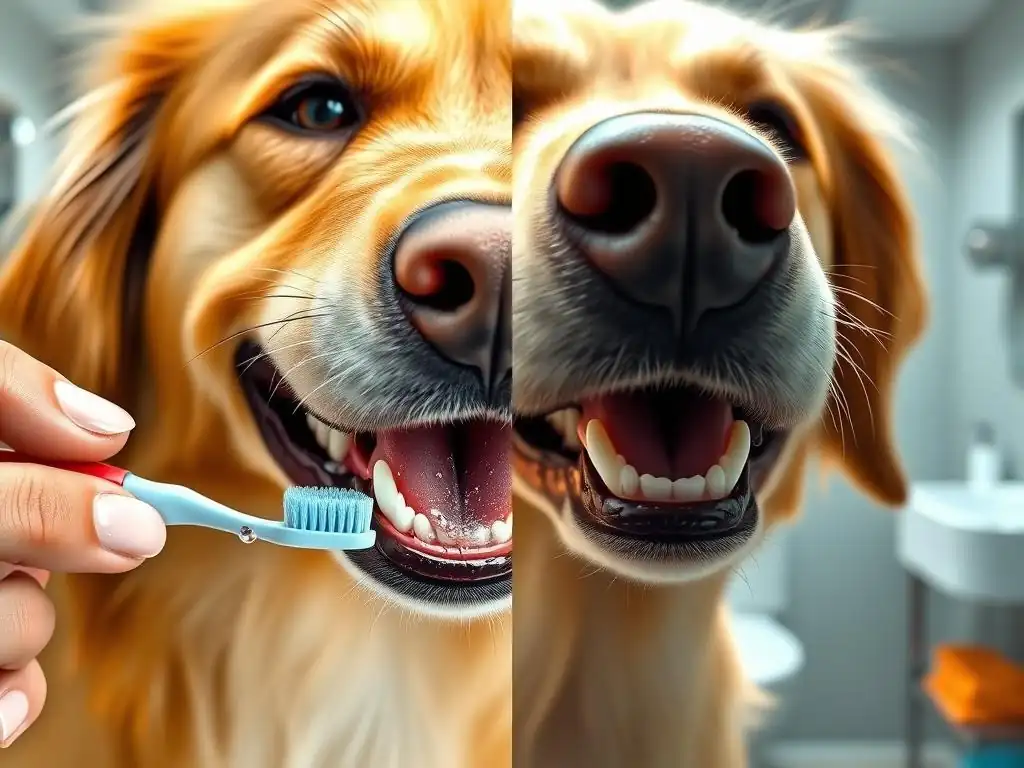
Welcome to PetCareWorld, your ultimate guide to a happier, healthier life for your beloved companion! Are you wondering about the best way to keep your furry friend's smile sparkling? We delve into the crucial question of dog teeth cleaning at home vs. professional dental care, exploring the pros and cons of each approach to help you make the informed decision that's right for your canine companion. Discover the secrets to optimal oral hygiene and ensure your dog enjoys a long and healthy life – read on to learn more!
- Understanding the Importance of Canine Dental Hygiene
- Professional vs. At-Home Canine Dental Care: A Detailed Comparison
- Professional Pet Dental Cleaning: A Closer Look
- At-Home Pet Dental Care: Practical Tips and Tricks
- When to Seek Professional Pet Dental Care
- Maintaining Optimal Pet Dental Health: A Holistic Approach
- Frequently Asked Questions
- Final Reflection: The Pawsitive Impact of Proactive Pet Dental Care
- Unleash Your Pet's Sparkling Smile: Take Action Today!
Understanding the Importance of Canine Dental Hygiene
Maintaining optimal oral hygiene for your canine companion is paramount to their overall health and well-being. Just like humans, dogs are susceptible to a range of dental problems, from simple plaque buildup to severe periodontal disease. Neglecting your dog's teeth can lead to significant health complications, impacting not only their mouth but also their heart, kidneys, and other vital organs.
This article delves into the crucial differences between professional pet dental cleaning and at-home care, empowering you to make informed decisions about your dog's dental health and helping you understand why regular dental care is a vital part of responsible pet ownership. We'll explore practical at-home techniques and highlight the telltale signs of dental disease, ultimately guiding you towards the best approach for your furry friend's pearly whites.
Choosing between professional cleaning and at-home care depends on several factors, including your dog's breed, age, overall health, and your own ability and commitment to consistent at-home care. Let's explore the options!
Dog Teeth Cleaning at Home: Basic Techniques and Tools
Effective at-home dog teeth cleaning involves a consistent routine and the right tools. This is not a one-time task, but rather a regular commitment. Begin by introducing your dog to the process gradually. Start with gentle finger brushing to get them used to the sensation. Then, transition to a pet-specific toothbrush and toothpaste – never use human toothpaste, as it can be toxic to dogs. Many pet stores offer a variety of toothbrushes designed for different dog sizes and sensitivities, including finger brushes, small-headed brushes, and even toothbrush-like wraps for your finger.
Here's a breakdown of the process:
- Gather your supplies: Pet-specific toothpaste (flavored to encourage acceptance), a toothbrush designed for dogs, and potentially some dental chews or toys.
- Establish a routine: Aim for daily brushing, but even 2-3 times a week is beneficial.
- Gentle approach: Start with short brushing sessions (30 seconds to a minute) and gradually increase the duration as your dog becomes more comfortable.
- Positive reinforcement: Use treats and praise to reward your dog's cooperation during brushing.
- Focus on the gum line: This is where plaque and tartar accumulate most readily.
- Monitor for bleeding: If you notice bleeding, reduce the intensity of brushing and consult your veterinarian.
Remember, consistency is key! Supplement brushing with dental chews and toys designed to help scrape away plaque. These can be a helpful addition to your at-home cleaning routine, but they should not replace brushing entirely. Regular veterinary check-ups also remain crucial for a comprehensive approach to canine dental health.
Recognizing Early Signs of Canine Dental Disease
Early detection of dental problems is crucial for effective treatment and preventing more serious complications. While regular brushing can help prevent many issues, it's important to know the signs of developing dental disease. These can range from subtle changes to more obvious indicators requiring immediate veterinary attention.
Some early warning signs include:
- Bad breath (halitosis): This is often one of the first noticeable signs.
- Red or swollen gums: Inflammation is a clear indication of gingivitis.
- Loose teeth: This signifies advanced periodontal disease.
- Excessive drooling: This can be a symptom of oral discomfort.
- Changes in eating habits: Difficulty chewing or loss of appetite can indicate dental problems.
- Pawing at the mouth: Your dog may try to alleviate discomfort by pawing at their mouth.
- Bleeding gums: This is a sign of gum inflammation and potential infection.
If you observe any of these signs, schedule an appointment with your veterinarian immediately. Early intervention can often prevent more extensive and costly treatments later on. Don't hesitate to seek professional help; your dog's dental health is directly linked to their overall well-being.
The Long-Term Impact of Neglecting Pet Dental Health
Ignoring your dog's dental health can have severe long-term consequences. Poor oral hygiene leads to the buildup of plaque and tartar, which can cause gingivitis (gum inflammation) and eventually periodontitis (infection of the gums and supporting structures of the teeth). This can result in tooth loss, but the implications extend far beyond the mouth.
Bacteria from infected gums can enter the bloodstream, potentially affecting vital organs such as the heart, kidneys, and liver. This can lead to serious health issues, including:
- Infective endocarditis (heart infection): Bacteria can travel to the heart valves, causing infection.
- Kidney disease: Bacteria can damage the kidneys.
- Liver disease: Similar to kidney disease, bacteria can cause liver damage.
- Pain and discomfort: Dental disease causes significant pain and discomfort for your dog.
The costs associated with treating advanced dental disease can be substantially higher than the preventative measures of regular brushing and professional cleanings. Furthermore, the emotional toll of seeing your dog suffer from preventable pain is significant. Investing in your dog's dental health is an investment in their overall quality of life and longevity. Prevention is always better than cure! 🐶
Professional vs. At-Home Canine Dental Care: A Detailed Comparison
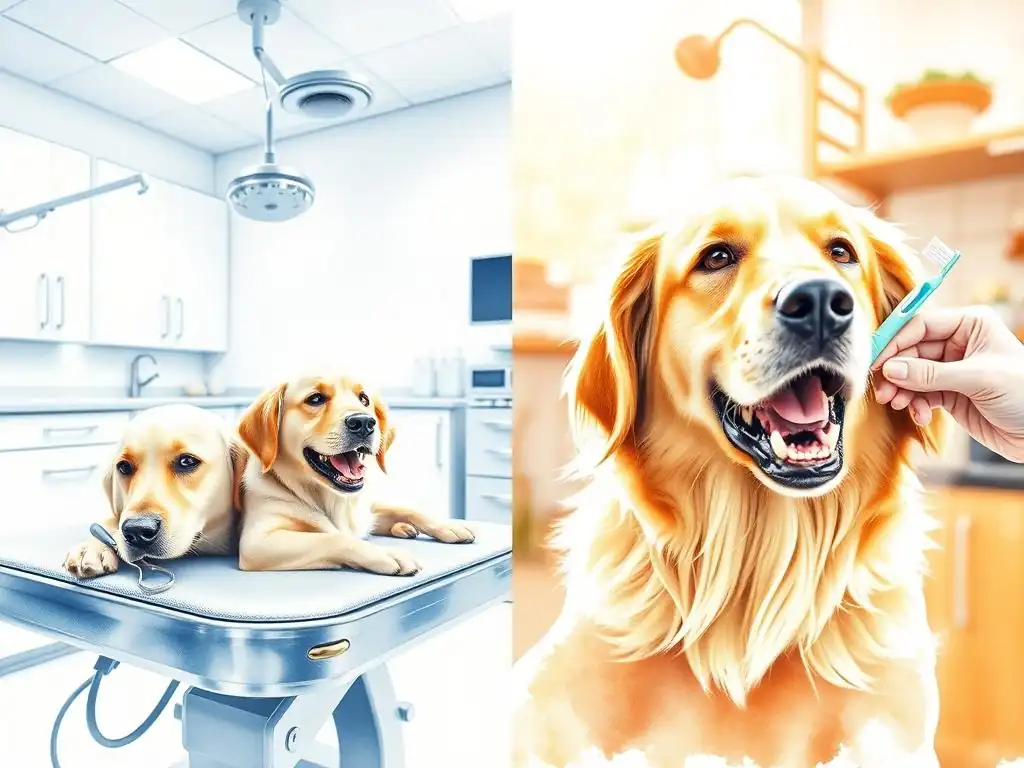
This section delves into the crucial differences between professional and at-home dog teeth cleaning, offering a comprehensive comparison to help you make an informed decision about your canine companion's dental health. Choosing the right approach significantly impacts your dog's overall well-being, preventing potential health issues down the line. Understanding the nuances of each method is key to ensuring optimal oral hygiene for your furry friend. We'll examine the benefits and limitations of both approaches, providing a clear picture of what to expect. Remember, regular dental care is a cornerstone of preventative veterinary medicine for dogs.
At-Home Pet Dental Care: Benefits and Limitations
At-home dog teeth cleaning offers convenience and cost-effectiveness. However, its effectiveness is limited compared to professional cleanings. Let's explore the advantages and drawbacks:
Benefits:
- Convenience: You can perform this daily or weekly, integrating it into your routine.
- Cost-effective: The initial investment is relatively low (toothbrushes, toothpaste, dental chews). This is a significant advantage compared to professional cleanings, especially for long-term maintenance.
- Bonding opportunity: Brushing your dog's teeth provides a chance for positive interaction and strengthens your bond.
Limitations:
- Limited reach: At-home methods can't remove tartar and plaque buildup below the gum line, where periodontal disease often starts.
- Incomplete cleaning: Even with diligent brushing, reaching all areas of the mouth can be challenging, leading to missed spots and potential bacterial growth.
- Technique dependence: Improper brushing techniques can damage gums or enamel. Many pet owners lack the expertise to perform thorough and effective cleaning.
- Resistance: Some dogs resist at-home cleaning, making consistent care difficult.
The effectiveness of at-home care hinges heavily on the owner's consistency and technique. While it plays a crucial role in preventative care, it shouldn't replace professional cleanings. Think of it as a supplementary measure, not a complete solution for maintaining optimal dental hygiene. Regular professional cleanings are still essential for thorough plaque and tartar removal.
Professional Pet Dental Cleaning: Advantages and Procedures
Professional pet dental cleaning offers a superior level of thoroughness and effectiveness in addressing canine dental issues. This involves a comprehensive approach that goes beyond what's achievable at home. Let's examine the advantages and common procedures involved:
Advantages:
- Comprehensive cleaning: Professional cleaning removes plaque and tartar from above and below the gum line, addressing the root causes of periodontal disease.
- Advanced tools and techniques: Veterinary dentists utilize specialized tools like ultrasonic scalers and polishers for a more effective and gentle cleaning.
- Early disease detection: A professional cleaning allows for early detection of dental problems like cavities, gum disease, and oral tumors.
- Anesthesia: For thorough cleaning, anesthesia is often necessary to ensure the safety and comfort of your pet.
Procedures:
- Pre-anesthetic examination: This includes a thorough physical exam and blood work to assess your dog's overall health and suitability for anesthesia.
- Anesthesia: Your dog will receive safe and monitored anesthesia to ensure comfort and cooperation throughout the cleaning.
- Professional cleaning: The vet uses specialized tools to remove plaque, tartar, and stains from the teeth and gum line. X-rays may be taken to assess the extent of any underlying dental issues.
- Polishing: After cleaning, the teeth are polished to smooth the surface and prevent future plaque buildup.
- Dental charting: A record of the dog's oral health is documented, detailing any existing or potential problems.
- Post-operative care: Instructions for post-operative care, including pain management and dietary recommendations, are provided.
Professional cleanings are a vital investment in your dog's long-term health. While more costly than at-home care, the benefits far outweigh the expense, preventing costly and potentially life-threatening complications in the future.
Cost Comparison: At-Home vs. Professional Dental Cleaning for Dogs
The cost of dog teeth cleaning varies significantly depending on location, the veterinarian's fees, and the extent of dental work required. However, a general comparison can illustrate the difference:
| Cleaning Method | Initial Cost | Recurring Cost | Long-Term Cost Implications |
|---|---|---|---|
| At-Home Cleaning | Low (toothbrush, toothpaste) | Low (dental chews, treats) | Potentially high if problems develop |
| Professional Cleaning | Moderate to High | Moderate to High (depending on frequency) | Lower long-term if preventative |
At-home care involves a relatively low upfront cost, primarily for supplies. However, neglecting professional cleanings can lead to significant veterinary bills down the line if periodontal disease develops. Regular professional cleanings, while more expensive initially, often prove more cost-effective in the long run by preventing serious dental problems. Consider professional cleanings as a proactive investment in your dog's health and longevity. The cost of preventative care is significantly lower than the cost of treating advanced dental disease. The choice should reflect a balance between immediate cost and long-term health management.
Professional Pet Dental Cleaning: A Closer Look
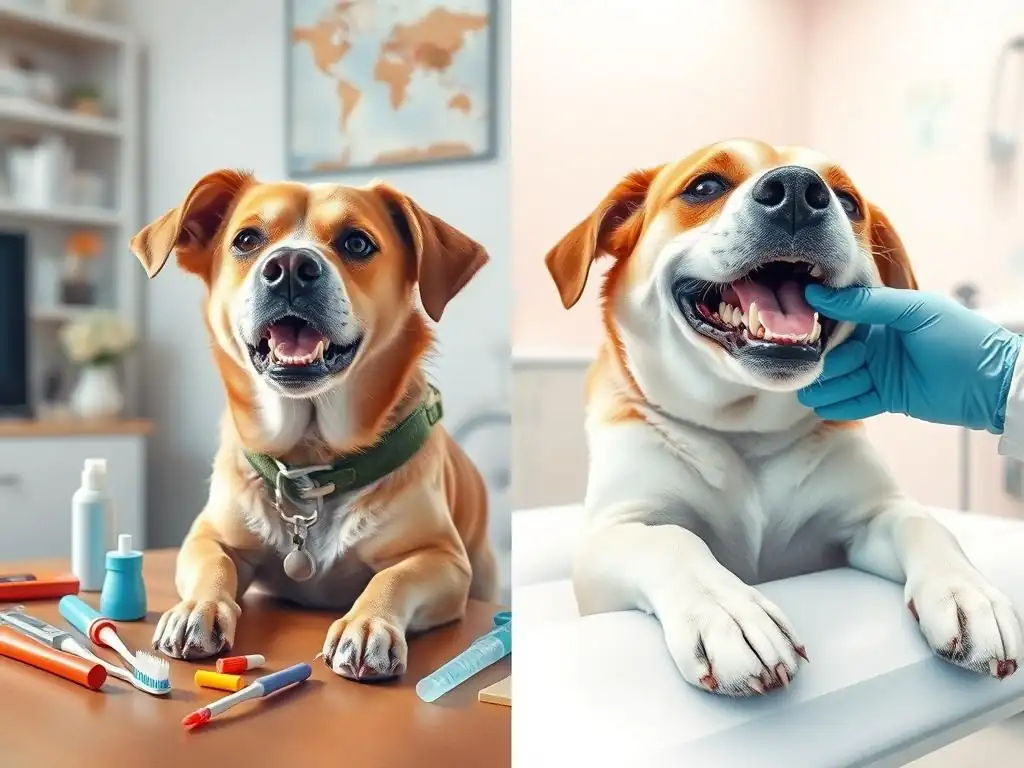
This section delves into the specifics of professional dog teeth cleaning, comparing it directly to at-home care and highlighting the advantages of professional intervention. We'll examine the process, anesthesia considerations, and post-cleaning care to provide a comprehensive understanding of what to expect. Remember, regular professional cleanings are crucial for maintaining your dog's oral health and overall well-being, even with diligent at-home care. The differences are significant, affecting both the effectiveness of cleaning and the long-term health of your canine companion.
The Professional Cleaning Process: Step-by-Step Guide
Professional dog teeth cleaning is a multi-step procedure performed by a veterinarian or veterinary technician specializing in animal dentistry. The process typically involves the following steps:
- Initial Examination: A thorough oral examination is conducted to assess the overall health of your dog's teeth and gums. This includes checking for periodontal disease, tooth decay, fractures, and any other abnormalities. The vet will note existing tartar buildup, gum recession, and potential areas of concern.
- Pre-Cleaning Preparation: Depending on the dog's temperament and the extent of dental disease, pre-cleaning preparation might involve administering anesthesia or sedation to ensure a safe and comfortable cleaning. This is especially crucial for dogs who are anxious or exhibit aggressive behavior during dental procedures.
- Scaling and Polishing: Using specialized ultrasonic scalers, the veterinary professional removes plaque and tartar buildup from above and below the gum line. This process is far more effective than any at-home method, reaching areas inaccessible with standard toothbrushes and tools. Following the scaling, the teeth are polished to create a smooth surface that’s less prone to plaque and tartar accumulation.
- Radiographs (X-rays): In many cases, X-rays are taken to assess the condition of the teeth's roots and detect any underlying issues not visible during a visual examination. This is particularly important for detecting periodontal disease that might not be apparent on the surface.
- Tooth Extraction (if necessary): If the examination reveals severely damaged or diseased teeth, extractions might be necessary to prevent further infection or pain. This is a crucial part of preventative care, as diseased teeth can negatively affect overall health.
- Fluoride Treatment (optional): A fluoride treatment may be applied to strengthen the enamel and help prevent future decay. This is a common preventative measure following a professional cleaning.
The entire process is meticulously documented, providing owners with a clear understanding of their dog's dental health and any necessary follow-up care. This level of detail is simply not achievable with at-home methods.
Anesthesia and Sedation During Professional Cleanings
The use of anesthesia or sedation during professional dog teeth cleaning is a common practice, especially for dogs that are anxious, aggressive, or have extensive dental disease. While some owners may have concerns about anesthesia, the benefits often outweigh the risks. The procedure is safer and more effective when the dog is relaxed and unable to move, preventing potential injury to both the animal and the veterinary staff.
The type and amount of anesthesia or sedation used are determined by the veterinarian based on the individual dog's size, breed, health history, and the complexity of the cleaning. Modern veterinary anesthesia is very safe and monitored closely throughout the procedure. Post-anesthesia recovery is carefully managed to ensure a smooth transition back to consciousness. The veterinarian will provide detailed instructions on post-operative care to minimize discomfort and ensure a speedy recovery. Choosing a veterinarian with experience and expertise in animal dentistry is crucial for minimizing any risks associated with anesthesia.
Post-Cleaning Care Instructions for Dogs
Following a professional dental cleaning, it's crucial to follow the veterinarian's post-operative care instructions. These instructions typically include:
- Pain Management: Pain medication may be prescribed to manage any post-operative discomfort. Administering medication as directed is essential for a comfortable recovery.
- Diet: A soft food diet might be recommended for the first few days to minimize stress on the gums and teeth. Gradual reintroduction of regular food should be done as advised by the veterinarian.
- Oral Hygiene: Continue practicing at-home oral hygiene, such as brushing your dog's teeth regularly. This helps prevent the rapid re-accumulation of plaque and tartar. Your vet can recommend appropriate toothbrushes and toothpaste for your dog.
- Monitoring: Closely monitor your dog for any signs of infection, such as swelling, excessive bleeding, or changes in appetite or behavior. Contact your veterinarian immediately if any concerns arise.
Following these instructions carefully is vital for ensuring a successful outcome and preventing future dental problems. Remember, consistent at-home care, combined with regular professional cleanings, is the best approach for maintaining optimal dental health for your canine companion. This proactive approach can significantly improve your dog's quality of life and prevent more serious, and costly, health issues down the line. 🐕
Potential Risks and Complications of Professional Cleanings
While professional dog teeth cleaning offers significant benefits, it's crucial to acknowledge potential risks and complications. These are thankfully rare with experienced veterinary professionals, but understanding them allows for informed decision-making. One potential risk is anesthesia. Many professional cleanings necessitate general anesthesia to ensure the pet's safety and cooperation during the procedure.
While generally safe, anesthesia carries inherent risks, particularly for older or pets with pre-existing health conditions. These risks can range from mild discomfort and post-operative lethargy to, in rare cases, more serious complications. Thorough pre-anesthetic bloodwork and careful monitoring during and after the procedure are crucial to mitigate these risks. A detailed discussion with your veterinarian regarding your pet's health history is paramount before proceeding with anesthesia.
Another potential complication is post-operative bleeding. Minor bleeding from the gums is not uncommon after a professional cleaning, but excessive bleeding requires immediate veterinary attention. Similarly, infection at the cleaning site is a possibility, although again, relatively rare with proper sterilization techniques and post-operative care. Signs of infection might include swelling, redness, discharge, and increased pain.
Prompt veterinary care can address these issues effectively, preventing further complications. Your veterinarian will likely provide you with post-operative instructions, including recommendations for pain management and monitoring for any signs of infection or other problems. Following these instructions diligently is vital for a smooth recovery.
Finally, while less frequent, there's a small chance of damage to the teeth or gums during the cleaning process. This can range from minor scratches to more significant issues depending on the complexity of the dental work. Experienced veterinary dentists minimize this risk with careful technique and appropriate instrumentation. It's important to choose a veterinary practice with a strong reputation and experienced professionals who prioritize patient safety and utilize advanced dental equipment.
Open communication with your veterinarian about any concerns you have will help to ensure a positive outcome. Remember, a thorough discussion of risks and benefits is an integral part of responsible pet care. The advantages of professional cleaning often outweigh the relatively minor risks, particularly when compared to the long-term consequences of untreated periodontal disease.
At-Home Pet Dental Care: Practical Tips and Tricks
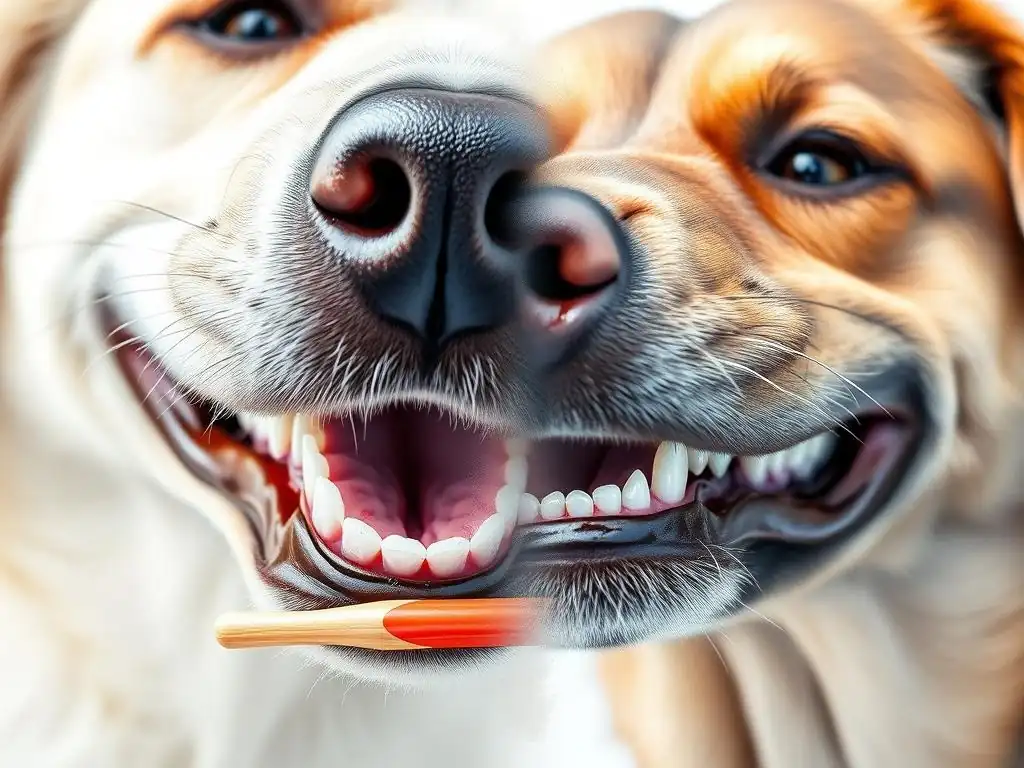
At-home pet dental care is crucial for maintaining your pet's oral health and preventing costly veterinary visits down the line. While professional cleanings are essential, consistent at-home care significantly reduces plaque and tartar buildup, minimizing the frequency of professional interventions. This section provides practical tips and tricks to help you effectively care for your pet's teeth. Remember, consistency is key! Early intervention is important for preventing more serious dental problems in dogs and cats. Regular at-home care can significantly improve your pet's overall well-being.
Effective Brushing Techniques for Dogs and Cats
Brushing your pet's teeth should become a regular part of your routine, ideally daily. However, even brushing two to three times a week offers significant benefits. The technique varies slightly between dogs and cats due to their differing temperaments and tooth structures.
For dogs, start slowly. Let them sniff and lick the toothbrush and toothpaste to get used to the sensations. Gently lift their lip and start brushing in small circular motions, focusing on the gum line where plaque builds up most readily. Begin with just a few seconds and gradually increase the duration as your pet becomes more comfortable. Positive reinforcement with treats and praise is essential. You may need to start with just a small area and gradually increase the area you brush over time.
With cats, the approach needs to be even more gentle and patient. Many cats are initially resistant. Use a small, soft-bristled toothbrush, and consider using a finger brush for easier access. Similarly, start with short sessions and gradually increase the duration. Some cats may tolerate brushing only certain parts of their mouth. Focus on those areas and celebrate even small successes. You can try different types of cat treats or toys to increase their compliance. Remember, a little progress each day is better than no progress at all.
Remember to always monitor your pet's reaction and stop if they show signs of stress or discomfort.
Choosing the Right Toothbrush and Toothpaste for Your Pet
Selecting the appropriate toothbrush and toothpaste is crucial for effective cleaning and your pet's safety. Human toothpaste is toxic to pets; never use it. Pet toothpastes are formulated specifically for their needs, often coming in flavors like chicken or beef to make the experience more palatable.
Several toothbrush types cater to different pets and preferences. Small-headed toothbrushes are ideal for small dogs and cats, allowing for better access to all areas of the mouth. Finger brushes provide a gentler approach, especially for sensitive pets. Ultrasonic toothbrushes are also available and are becoming more popular due to their effectiveness.
When choosing a toothpaste, look for an enzymatic formula that helps break down plaque and tartar. Avoid abrasive toothpastes, as these can damage the enamel. The texture and flavor are also important considerations; some pets may prefer a gel-like consistency, while others may prefer a foam.
Dental Chews and Toys: Their Role in Maintaining Oral Hygiene
Dental chews and toys play a supplementary role in maintaining your pet's oral hygiene. While they shouldn't replace brushing, they help to remove plaque and tartar through mechanical action. However, not all chews are created equal. Look for chews that are durable and designed specifically for dental health. Avoid hard, brittle chews that can break teeth. The Veterinary Oral Health Council (VOHC) seal of approval indicates that the product has been scientifically proven to be effective in reducing plaque and tartar buildup.
Here's a table summarizing the key considerations when choosing dental chews:
| Feature | Description | Importance |
|---|---|---|
| Material | Nylon, rubber, or other durable materials | Prevents the chew from breaking apart and causing choking hazards. |
| Size & Shape | Appropriate for your pet's size and breed to prevent choking and ensure effectiveness. | Improves access to different areas of the mouth and promotes thorough cleaning. |
| VOHC Seal | Indicates that the product has been scientifically proven to reduce plaque and tartar. | Ensures effectiveness and safety. |
| Flavor | Chicken, beef, or other appealing flavors to encourage your pet to use the chew. | Increases compliance and makes dental care more enjoyable. |
Remember, regular professional dental cleanings are still vital, even with diligent at-home care. This combination provides the best possible protection for your pet's dental health. 🐾
Home Remedies for Pet Dental Care
While professional cleanings are crucial for maintaining optimal oral health, incorporating at-home remedies can significantly supplement these efforts and help prevent dental issues between vet visits. Remember, these methods are supplementary and should not replace professional dental cleanings. Consistent at-home care is key to preventing serious dental problems in your canine companion. Ignoring your dog's dental hygiene can lead to painful conditions like periodontal disease, which can affect their overall health.
Many pet owners wonder about the efficacy of various home remedies. Some options, while seemingly harmless, may be ineffective or even detrimental. For example, using baking soda to brush your dog's teeth might seem like a natural solution, but excessive use can damage tooth enamel over time. Similarly, while some advocate for using apple cider vinegar, its acidity can also erode enamel if used improperly. Always consult your veterinarian before trying any new home remedy, especially if your dog has pre-existing health conditions. They can advise on appropriate techniques and products to avoid any potential harm.
Effective at-home care focuses on regular brushing, using a pet-specific toothpaste. Human toothpaste contains ingredients toxic to dogs, so using the right product is paramount. Choose a toothpaste formulated for dogs, often with palatable flavors like chicken or beef to encourage cooperation. Gentle, circular motions are best, focusing on all tooth surfaces.
Even better than simply brushing, dental chews and toys designed to scrape plaque and tartar off teeth are a great addition to your dog's dental hygiene routine. These come in various sizes and textures to suit different breeds and chewing styles. Remember that while these are helpful, they are not a substitute for professional cleaning and regular brushing.
The frequency of at-home dental care is also crucial. Aim for daily brushing if possible, but even several times a week is beneficial. Consistency is key to preventing the buildup of plaque and tartar, the primary culprits behind periodontal disease. Regularly checking your dog's teeth for signs of redness, swelling, or unusual discharge is also vital. Early detection of dental problems allows for timely intervention, preventing more serious complications down the line. Remember, proactive dental care is an investment in your pet's long-term health and well-being. A happy, healthy mouth contributes to a happy, healthy dog! 🐶
When to Seek Professional Pet Dental Care
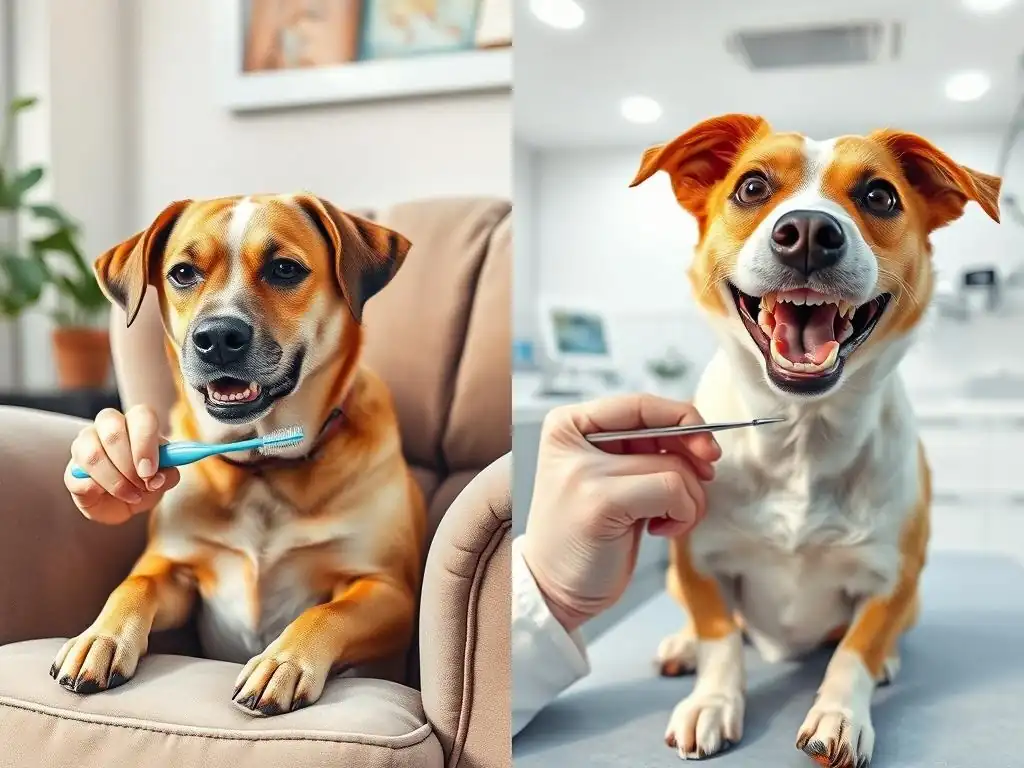
Professional dental care for your pet is crucial for maintaining their overall health and well-being. While at-home care plays a vital role in preventing dental issues, certain situations necessitate the expertise of a veterinary dentist. Understanding when to seek professional help is key to ensuring your pet receives the best possible dental care. Ignoring warning signs can lead to serious, and potentially costly, complications down the line. This section will help you differentiate between situations manageable at home and those demanding professional intervention. Remember, preventative care is significantly cheaper and less stressful for your pet than emergency treatment.
Identifying Situations Requiring Professional Intervention
Many dental problems are subtle in their early stages, making regular professional check-ups essential. Here are some key indicators that your pet needs professional dental care:
- Persistent bad breath (halitosis): While occasional bad breath is normal, persistently foul-smelling breath often signifies underlying dental disease, such as periodontal disease or infection. This is a common sign that should not be ignored.
- Visible signs of dental disease: This includes loose teeth, broken teeth, inflamed gums (gingivitis), bleeding gums, receding gums, or the presence of plaque and tartar buildup that you can't remove with at-home brushing. A visual inspection by a vet is crucial for accurate assessment.
- Difficulty chewing or eating: If your pet shows reluctance to eat, drops food, or struggles to chew, it could indicate dental pain or discomfort. This warrants immediate veterinary attention.
- Excessive drooling or pawing at the mouth: These behaviors often indicate discomfort or pain in the mouth and need prompt investigation.
- Swelling or discharge around the mouth: Any swelling, redness, or unusual discharge from the mouth should be considered a serious sign and requires immediate veterinary attention.
- Changes in behavior: Increased lethargy, irritability, or other behavioral changes could be linked to dental pain.
- Regular veterinary check-ups reveal issues: Even if your pet doesn't show obvious symptoms, your veterinarian may detect problems during routine check-ups, highlighting the importance of regular visits. Your vet can provide personalized advice on dog teeth cleaning at home vs. pro care based on your pet's needs.
Emergency Dental Care for Pets: Recognizing the Signs
Some dental emergencies require immediate veterinary intervention. Delaying treatment in these cases can have severe consequences, potentially leading to life-threatening complications. Be aware of these critical signs:
- Severe bleeding from the mouth: This is a clear indication of a serious dental problem that requires immediate attention.
- Facial swelling: Significant swelling around the face, particularly near the mouth or jaw, could signify an infection or abscess requiring urgent treatment.
- Trauma to the mouth: If your pet suffers an injury to the mouth, such as a broken tooth or a laceration, immediate veterinary care is essential.
- Difficulty breathing: If dental problems are impacting your pet's ability to breathe, seek immediate emergency veterinary care. This is a life-threatening situation.
- Inability to open the mouth: Lockjaw or inability to open the mouth is a serious sign of a possible infection or injury requiring immediate professional attention.
It's crucial to remember that early detection and intervention are key to effective and less invasive dental care for your pet. Regular professional dental cleanings, combined with diligent at-home care, will significantly reduce the risk of serious dental problems and contribute to your pet's overall health and happiness. Knowing when to seek professional help is a vital part of responsible pet ownership. 🐶
Maintaining Optimal Pet Dental Health: A Holistic Approach
Maintaining optimal pet dental health requires a multifaceted approach that combines diligent at-home care with regular professional cleanings. Ignoring either aspect significantly increases the risk of periodontal disease, a painful and potentially life-threatening condition affecting many pets. This section delves into the synergistic relationship between these two crucial components, highlighting their individual contributions to a comprehensive dental health plan.
Understanding this balance is key to ensuring your pet enjoys a long and healthy life, free from the discomfort and complications of dental issues. The term "dog teeth cleaning at home vs pro" often arises, but the reality is that both are essential.
Combining At-Home Care with Professional Cleanings
At-home dental care forms the foundation of a strong preventative strategy. Daily brushing, using a pet-specific toothpaste (never human toothpaste! ), is crucial for removing food particles and plaque buildup. However, even the most diligent at-home efforts cannot completely eliminate tartar and calculus that accumulate below the gum line. This is where professional cleanings step in.
Professional cleanings, performed by a veterinarian or veterinary technician, involve a thorough scaling and polishing of the teeth, removing tartar and plaque that home brushing can't reach. This process is often followed by fluoride treatments to strengthen tooth enamel and help prevent future decay. The frequency of professional cleanings depends on your pet's breed, age, and overall oral health, but typically ranges from once to twice a year. Some pets, especially those prone to periodontal disease, may require more frequent visits.
Consider this example: a small breed dog with a history of gingivitis might need professional cleanings every six months, whereas a large breed dog with excellent at-home care might only need them annually. Regular veterinary check-ups are vital to assess your pet's oral health and determine the appropriate cleaning schedule. Remember, early detection and intervention are key to preventing more serious dental problems. The cost of professional cleanings is often outweighed by the long-term savings associated with preventing costly dental extractions or other procedures down the line.
Long-Term Dental Health Plan for Your Pet
Developing a comprehensive, long-term dental health plan for your pet is an investment in their overall well-being. This plan should integrate both at-home care and professional veterinary cleanings, tailored to your pet's specific needs. Consider the following steps to create a customized plan:
- Regular Veterinary Check-ups: Schedule annual (or more frequent) check-ups to assess your pet's oral health. Your veterinarian can identify potential problems early, before they become serious.
- Daily Brushing: Make daily brushing a part of your pet's routine. Positive reinforcement techniques can make this a pleasant experience for both you and your pet.
- Dental Chews and Toys: Incorporate dental chews and toys into your pet's routine. These can help to scrape away plaque and massage the gums. However, always supervise your pet when they are chewing on these items.
- Professional Cleanings: Schedule professional cleanings based on your veterinarian's recommendations. This is essential for removing tartar and plaque that cannot be removed through at-home care.
- Dietary Considerations: Choose pet foods that are formulated to support dental health, or consider dental-specific treats. These often contain ingredients that help to reduce plaque and tartar buildup.
This proactive approach minimizes the risk of serious dental problems, saving you money and ensuring your pet maintains a healthy, happy smile for years to come. A well-structured plan is a testament to responsible pet ownership and a commitment to your pet's long-term health.
The Role of Diet in Maintaining Healthy Teeth and Gums in Pets
Diet plays a significant role in maintaining healthy teeth and gums in pets. While daily brushing and professional cleanings are crucial, the food your pet consumes directly impacts plaque and tartar formation. Choosing the right diet can significantly reduce the risk of dental disease.
Certain pet foods are specifically formulated to promote dental health. These often contain ingredients that help to reduce plaque and tartar buildup, such as:
- Fiber-rich ingredients: These help to scrape away plaque as your pet chews.
- Polyphosphates: These bind to calcium, inhibiting the formation of tartar.
- Antioxidant-rich ingredients: These help to protect against oxidative stress, which can contribute to periodontal disease.
However, it's crucial to remember that no diet can completely replace regular brushing and professional cleanings. Dietary choices should be considered as a supplement to, not a replacement for, these other essential practices. Always consult your veterinarian before making significant changes to your pet's diet, especially if they have pre-existing health conditions.
Furthermore, avoid giving your pet sugary treats or foods that stick to their teeth, as these contribute significantly to plaque buildup. A balanced diet, combined with proper dental hygiene, is the most effective way to maintain your pet's optimal oral health. This holistic approach contributes significantly to a longer, healthier life for your furry friend.
Frequently Asked Questions
What are the benefits of professional dog teeth cleaning?
Professional cleanings remove tartar and plaque buildup that's impossible to reach at home. They also allow for a thorough oral exam, detecting potential problems early. This leads to improved long-term dental health.
How often should I brush my dog's teeth at home?
Ideally, you should brush your dog's teeth daily. Even brushing two to three times a week provides significant benefits. Consistency is key to preventing plaque and tartar buildup.
Can I use human toothpaste on my dog?
No, human toothpaste is toxic to dogs. Always use a dog-specific toothpaste formulated for their sensitive gums and designed to be swallowed safely.
What are the signs of dental problems in dogs?
Look out for bad breath, excessive drooling, difficulty eating, red or swollen gums, and loose teeth. If you notice any of these, consult your veterinarian immediately.
How much does professional dog teeth cleaning cost?
The cost varies depending on your location and your dog's size and needs. Expect to pay anywhere from $100 to $500 or more for a professional cleaning. Regular at-home care can help reduce the frequency and cost of professional cleanings.
Final Reflection: The Pawsitive Impact of Proactive Pet Dental Care
The health of our canine companions is inextricably linked to their oral hygiene, and the choice between professional and at-home care significantly impacts their overall well-being and longevity. Ignoring dental health can lead to serious, costly, and even life-threatening complications down the line, highlighting the critical need for informed decision-making.
The ongoing influence of this choice extends far beyond the individual pet; it shapes our understanding of responsible pet ownership and underscores the human-animal bond. We are increasingly recognizing the importance of preventative care, not just for our own health, but for the well-being of our beloved animals. The bond with a pet is as powerful as any human relationship.
This quote speaks to the responsibility we hold in ensuring their comfort and health, and dental care is a fundamental part of that responsibility. The shift towards proactive pet dental care reflects a growing societal awareness of animal welfare and the crucial role we play in their lives.
Now, consider your own furry friend. Are you equipped with the knowledge and tools to provide the best possible dental care? This article has hopefully illuminated the differences between at-home care and professional cleanings, empowering you to make informed decisions that prioritize your pet's health. Take the next step: Schedule a dental checkup for your pet, research appropriate at-home techniques, and commit to a proactive approach to their oral hygiene. Your pet will thank you for it, with years of happy, healthy smiles.
Unleash Your Pet's Sparkling Smile: Take Action Today!
Thank you for learning about the crucial differences between professional and at-home pet dental care. We hope you feel confident making informed decisions about your furry friend's oral health. Ready to take the next step?
- Schedule a professional dental cleaning: This is the most effective way to ensure your pet's long-term dental health. Don't delay—your pet deserves a healthy smile!
- Enhance your at-home dental routine: Consider adding a new toothbrush, toothpaste, or dental chew to your pet's daily care. Even small improvements can significantly benefit their oral health.
- Share this article with other pet owners: Help spread awareness about the importance of proactive pet dental care. Let's create a healthier, happier community of pet lovers together.
What dental care tip will you try first for your pet? Let's discuss in the comments below!