
StepbyStep: Understanding the Process of a Professional Pet Dental Cleaning

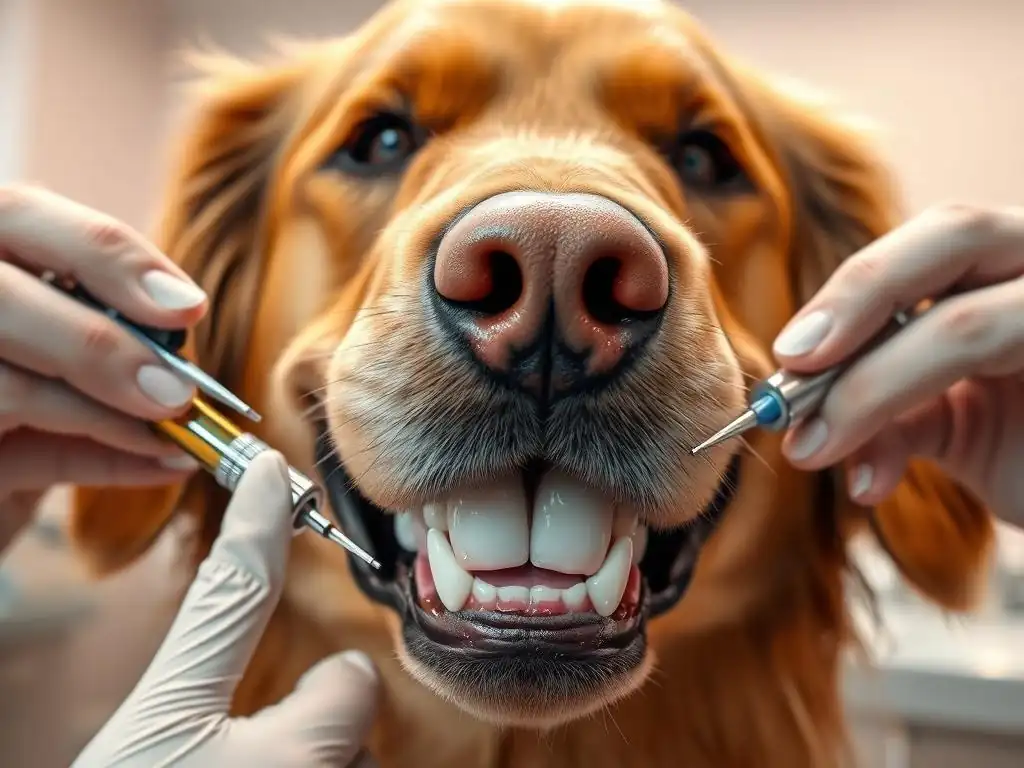
Welcome to PetCareWorld, your ultimate guide to a happier, healthier life for your beloved companion! Are you concerned about your pet's oral hygiene? Discover the secrets to a sparkling smile with our in-depth guide on Professional Pet Dental Cleaning Steps. Learn the crucial steps involved in a professional cleaning and ensure your furry friend enjoys a lifetime of healthy chompers. Dive in and unlock the knowledge you need to keep your pet's teeth – and overall health – in tip-top shape!
- Pre-Cleaning Examination and Assessment for Professional Pet Dental Cleaning
- Anesthesia and Preparation for Professional Pet Dental Cleaning
- The Professional Pet Dental Cleaning Procedure: Step-by-Step
- Post-Cleaning Care and Follow-up for Professional Pet Dental Cleaning
- Addressing Specific Dental Issues During Professional Pet Dental Cleaning
- Choosing a Veterinarian for Professional Pet Dental Cleaning
-
Frequently Asked Questions
- What are the key steps involved in professional pet dental cleaning?
- Why is anesthesia usually necessary for professional pet dental cleaning?
- How often should my pet have a professional dental cleaning?
- What are the signs of dental problems in pets I should look out for?
- What can I do at home to help maintain my pet's dental health between professional cleanings?
- Final Reflection: The Lasting Impact of Professional Pet Dental Care
- Unlock Your Pet's Sparkling Smile: Next Steps to a Healthier Mouth
Pre-Cleaning Examination and Assessment for Professional Pet Dental Cleaning
Professional pet dental cleaning is a crucial aspect of maintaining your pet's overall health and well-being. Neglecting dental hygiene can lead to serious complications, impacting not only their oral health but also their heart, kidneys, and other vital organs. This comprehensive guide details the step-by-step process involved in a professional pet dental cleaning, providing pet owners with a clear understanding of what to expect.
Understanding this process empowers you to make informed decisions and advocate for your pet's optimal oral health. We'll cover everything from the initial consultation to post-cleaning care, ensuring you're fully prepared for your pet's dental appointment. This article focuses on the "Professional pet dental cleaning steps," providing a detailed look at each stage.
Initial Consultation and Pet History Review
The process begins with a thorough consultation. Your veterinarian or veterinary technician will gather a complete medical history for your pet. This includes information about their breed, age, overall health, current medications (including any potential interactions with anesthesia), and any pre-existing conditions. They'll also inquire about your pet's diet, dental hygiene routine at home (e.g., brushing frequency, use of dental chews), and any noticeable changes in their eating habits, drinking habits, or oral behavior (such as excessive drooling, pawing at the mouth, or difficulty chewing).
This initial assessment is vital for tailoring the cleaning procedure to your pet's specific needs and minimizing potential risks. Accurate and complete information at this stage is critical for a successful dental cleaning. Don't hesitate to provide as much detail as possible – even seemingly insignificant details can be helpful. The vet may also ask about any previous dental procedures your pet has undergone.
Oral Examination: Assessing Gum Health, Teeth, and Jaw
Following the history review, a comprehensive oral examination is performed. The veterinarian carefully inspects your pet's teeth and gums, checking for signs of periodontal disease (gum disease), tooth decay (cavities), broken or fractured teeth, abscesses, and any other abnormalities. This examination involves using specialized instruments to assess the depth of gum pockets (the space between the tooth and the gum line), evaluating the firmness of the gums, and checking for signs of inflammation or bleeding. The jaw alignment and structure are also assessed to identify any potential issues that may affect the cleaning process.
The veterinarian will note the presence of plaque and tartar buildup, which are key indicators of the severity of dental disease. This meticulous examination allows for the creation of a personalized treatment plan, addressing specific issues and ensuring the most effective cleaning. Accurate assessment at this stage is paramount for providing appropriate and targeted care.
Identifying Potential Issues: Periodontal Disease, Tooth Decay, and Abscesses
During the oral examination, the veterinarian will identify and document any existing dental problems. Periodontal disease, a common condition in pets, is characterized by inflammation and infection of the gums, leading to tooth loss if left untreated. Signs of periodontal disease include red, swollen gums, bleeding gums, bad breath, and loose teeth.
Tooth decay, or cavities, can also be detected, often appearing as dark spots or holes on the tooth surface. Abscesses, which are pockets of pus, may form at the root of a tooth or in the surrounding tissues, indicating a significant infection. The veterinarian may use dental X-rays to further assess the extent of damage, particularly for root-related problems which aren't always visible during a surface examination.
The identification of these issues allows for the development of a comprehensive treatment plan that may include scaling, polishing, extractions, or other necessary procedures. Early detection and treatment are crucial in preventing more serious complications and preserving your pet's oral health. The severity of these issues will influence the overall length and complexity of the dental cleaning procedure.
Diagnostic Imaging (if necessary): X-rays and other imaging techniques
Diagnostic imaging plays a crucial role in comprehensive professional pet dental cleaning, particularly when dealing with more complex cases. While a thorough visual examination is always the first step, sometimes underlying issues aren't visible to the naked eye. This is where imaging techniques like X-rays become invaluable.
X-rays allow veterinarians to visualize the roots of teeth, identify hidden fractures, abscesses, or periodontal disease that extends below the gum line. These are conditions that often go undetected during a standard oral examination, and addressing them is vital for successful treatment and long-term oral health. Without X-rays, these problems might remain untreated, leading to more serious complications down the line, including pain, infection, and even tooth loss.
For instance, a seemingly healthy tooth might show evidence of a significant root fracture on an X-ray, necessitating extraction to prevent further damage and infection. Similarly, an abscess might only be detectable through X-ray imaging, revealing its extent and guiding the veterinarian in appropriate treatment planning. This could involve draining the abscess, root canal therapy, or, in severe cases, extraction.
The use of dental X-rays is not always routine for every professional cleaning. The need for X-rays is determined by the veterinarian based on the pet's overall oral health, age, breed predisposition to dental issues, and the findings of the initial oral examination. Older pets or those with a history of dental problems are more likely to require X-rays as part of their professional cleaning.
Breeds known for specific dental issues, such as periodontal disease, may also benefit from diagnostic imaging. The decision to utilize X-rays is always made with the pet's best interests in mind, ensuring that the most appropriate and effective treatment plan is implemented.
In some cases, other imaging modalities, such as ultrasound, might be employed, although X-rays remain the primary diagnostic imaging technique in veterinary dentistry. The goal is always to provide the most thorough and accurate assessment possible to ensure optimal outcomes for the pet's dental health.
Anesthesia and Preparation for Professional Pet Dental Cleaning
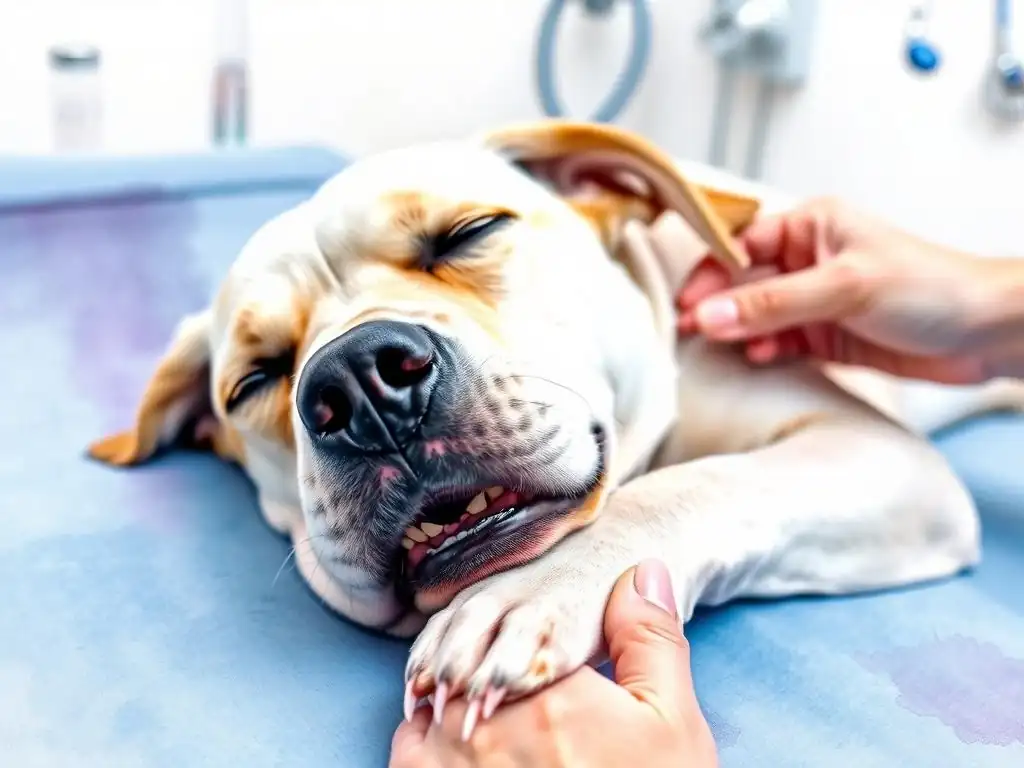
Professional pet dental cleaning often requires anesthesia to ensure the pet's safety and cooperation during the procedure. This section details the crucial steps involved in anesthesia and pre-procedure preparation, vital for a successful and safe professional pet dental cleaning. Understanding these steps empowers pet owners to make informed decisions and ask pertinent questions to their veterinarian. The overall goal is to minimize stress and risk for your beloved companion.
Choosing the Right Anesthesia Protocol for Pet Safety
Selecting the appropriate anesthesia protocol is paramount for a successful and safe professional pet dental cleaning. The veterinarian will consider several factors when making this crucial decision, including the pet's species, breed, age, overall health, and the complexity of the dental procedure. A thorough physical examination, including blood work, is typically performed beforehand to assess organ function and identify any potential risks.
Smaller animals, like hamsters or rabbits, may require different anesthetic agents and dosages compared to larger animals like dogs or cats. Geriatric pets may also require modified protocols due to potential age-related organ compromise. The veterinarian will choose from a range of anesthetic options, including inhalant agents (like isoflurane or sevoflurane) and injectable agents, carefully balancing efficacy with safety and minimizing the potential for adverse reactions.
The goal is to achieve a state of surgical anesthesia, providing pain relief and muscle relaxation, while closely monitoring vital signs throughout the procedure. This meticulous approach ensures the pet's comfort and well-being throughout the entire professional pet dental cleaning process. Pre-operative medication may also be administered to reduce anxiety and ease the induction process.
The choice of anesthetic protocol is a collaborative process involving the veterinarian and the pet owner. Open communication is essential to address any concerns and ensure the pet receives the safest and most appropriate care. Questions about the specific anesthesia plan are highly encouraged.
Monitoring Vital Signs During Anesthesia
Continuous monitoring of vital signs is critical during the anesthesia phase of a professional pet dental cleaning. The veterinary team utilizes sophisticated equipment to track several key indicators, including:
- Heart rate: Monitored using an electrocardiogram (ECG) to detect any irregularities.
- Respiratory rate and pattern: Observed visually and sometimes with the aid of a capnograph, which measures carbon dioxide levels in the exhaled breath.
- Blood pressure: Measured periodically to assess cardiovascular function.
- Oxygen saturation: Measured with a pulse oximeter, ensuring adequate oxygen levels in the blood.
- Body temperature: Maintained within a safe range using warming blankets or other methods.
Any deviation from the normal range of these vital signs triggers immediate veterinary intervention, ensuring prompt adjustments to the anesthetic protocol or supportive care as needed. This constant vigilance is crucial for preventing complications and ensuring the pet's safety throughout the dental cleaning. The continuous monitoring ensures the pet remains in a stable and safe anesthetic plane for the duration of the procedure. This careful attention to detail is an essential component of providing high-quality, safe professional pet dental cleaning.
Preparing the Pet's Mouth for Cleaning: Scaling and Polishing
Once the pet is safely anesthetized, the professional pet dental cleaning can begin. The first step involves a thorough scaling process to remove plaque and tartar buildup from the teeth. This is typically accomplished using ultrasonic scalers, which vibrate at high frequencies to break down and remove these deposits without damaging the tooth enamel. The veterinarian or dental technician will carefully work around the gum line, removing any calculus that has accumulated beneath the gum tissue. This is crucial for preventing periodontal disease, a common and often painful condition in pets.
Following scaling, the teeth are polished to create a smooth surface that resists plaque and tartar accumulation. A specialized polishing paste is applied, and a rotating polishing cup is used to buff the teeth, leaving them smooth and shiny. This polishing step is essential in preventing future plaque and tartar buildup, minimizing the need for future professional pet dental cleanings.
Regular brushing at home, in conjunction with professional cleanings, is the most effective way to maintain oral hygiene and prevent dental problems. The final step often involves applying a fluoride treatment to further strengthen the tooth enamel and protect against decay. The entire process is designed to ensure the pet's oral health and overall well-being.
The Professional Pet Dental Cleaning Procedure: Step-by-Step
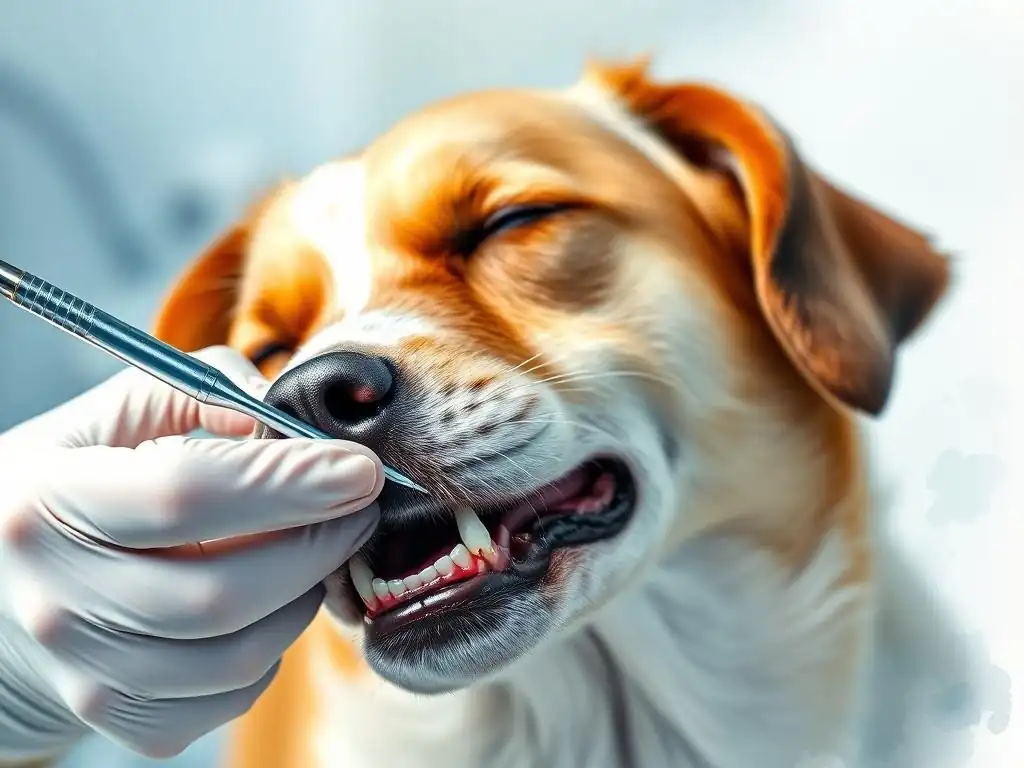
This section details the typical steps involved in a professional pet dental cleaning. Understanding this process will help you better appreciate the care your veterinarian provides and allows you to ask informed questions. Remember, while this outlines a common procedure, your pet's specific needs may necessitate adjustments. Always consult with your veterinarian for personalized advice regarding your pet's dental health. The procedure prioritizes minimizing discomfort and maximizing the effectiveness of the cleaning, ultimately contributing to improved oral hygiene and overall well-being for your furry friend.
Scaling: Removing Plaque and Tartar Buildup
Scaling is the crucial first step in a professional pet dental cleaning, focusing on the meticulous removal of plaque and tartar. Plaque, a sticky film of bacteria, constantly forms on teeth. If left unchecked, it hardens into tartar, a much more stubborn substance that can only be removed professionally.
This process is generally performed using an ultrasonic scaler, a device that vibrates at high frequency to break down tartar and plaque without damaging the tooth enamel. The veterinary professional will carefully navigate the scaler around each tooth, ensuring complete removal of the buildup. The process is often accompanied by a gentle water spray to help dislodge debris and keep the area clean.
The effectiveness of scaling is critical in preventing periodontal disease, a serious gum infection that can lead to tooth loss and other health complications. Regular scaling, as part of preventative pet dental care, significantly reduces the risk of these issues. The amount of scaling needed varies depending on your pet's breed, age, diet, and overall oral hygiene habits.
Some breeds are predisposed to more tartar buildup than others. For instance, smaller breeds with crowded teeth often require more frequent professional cleanings. Following the scaling, your veterinarian might take x-rays to assess the teeth's condition and root structures for any underlying issues.
Polishing: Smoothing Tooth Surfaces to Prevent Future Buildup
After scaling, the teeth undergo a polishing process. This involves using a special polishing paste and rotating polishing tools to smooth the tooth surfaces. Polishing removes any microscopic irregularities left after scaling, creating a smoother surface that is less likely to attract plaque and tartar in the future. This step is vital in reducing the rate of future buildup, extending the time between professional cleanings and contributing to long-term oral health.
The polishing paste typically contains fluoride, which helps strengthen the enamel and provide additional protection against cavities. The entire process helps improve the overall appearance of your pet's teeth, leaving them cleaner and brighter. The polishing is performed with meticulous attention to detail, ensuring all surfaces are thoroughly smoothed.
Root Planing (if needed): Treating Periodontal Disease
Root planing is a more advanced procedure often required when periodontal disease is present. Periodontal disease is characterized by inflammation and infection of the gums and supporting structures of the teeth. If plaque and tartar are allowed to accumulate, they can irritate the gums, leading to gingivitis (gum inflammation) and, eventually, periodontitis (infection of the deeper tissues). Root planing involves carefully removing the infected portion of the cementum (the root surface) to eliminate the bacteria and allow the gums to heal.
This procedure is typically performed using specialized instruments under anesthesia to ensure thoroughness and minimize discomfort for your pet. The goal of root planing is to arrest the progression of periodontal disease and preserve the teeth. Following root planing, your veterinarian may recommend antibiotics or other medications to further combat infection and promote healing. The success of root planing depends on several factors, including the severity of the disease and your pet's overall health.
Regular post-cleaning checkups are essential to monitor healing and prevent recurrence. Early detection and treatment of periodontal disease are crucial for maintaining your pet's oral health and overall well-being. 🐶
Tooth Extraction (if necessary): Removing Severely Damaged Teeth
Tooth extraction is sometimes a necessary component of a professional pet dental cleaning, particularly when dealing with severely damaged or diseased teeth. This isn't a decision taken lightly; veterinarians carefully assess each tooth's condition before recommending extraction. Several factors contribute to this decision, including the extent of periodontal disease, the presence of fractures, or the severity of infection. A tooth that is beyond repair, causing ongoing pain or posing a risk of infection spreading, will typically be extracted.
The procedure itself is usually performed under general anesthesia to ensure the pet's comfort and safety. This allows the veterinarian to work meticulously and minimize discomfort. Before the extraction, the area is thoroughly cleaned and sterilized to prevent infection. The veterinarian then uses specialized dental tools to carefully loosen and remove the affected tooth. The extraction site is then thoroughly cleaned and, in many cases, a suture is placed to promote proper healing and minimize bleeding. Post-operative care is crucial, often including pain medication and a special diet to aid in healing.
It's important to understand that while tooth extraction might seem drastic, it's often a necessary step to prevent further complications. Leaving severely damaged teeth in place can lead to persistent pain, infection, and even the spread of bacteria to other parts of the body. Therefore, a veterinarian's recommendation for extraction should be viewed as a proactive measure to improve the pet's overall health and well-being. The long-term benefits of removing a problematic tooth frequently outweigh the short-term concerns.
Furthermore, the veterinary professional will carefully explain the procedure, answer any questions, and provide detailed post-operative instructions to ensure a smooth recovery for your beloved pet. This proactive approach to dental health is key to preventing more significant problems down the line. Regular professional dental cleanings, along with diligent home care, can help minimize the need for extractions in the future. 🐕🦺
Post-Cleaning Care and Follow-up for Professional Pet Dental Cleaning
Following a professional pet dental cleaning, proper aftercare is crucial for ensuring a swift and comfortable recovery for your beloved pet. This involves a multifaceted approach encompassing pain management, dietary adjustments, and consistent home oral hygiene practices. Neglecting post-operative care can lead to complications, delaying healing and potentially compromising the long-term benefits of the procedure. Understanding these steps is paramount for responsible pet ownership and maximizing the positive outcomes of professional pet dental cleaning.
Pain Management and Medication
Many pets experience some level of discomfort after a professional dental cleaning. The extent of this discomfort varies depending on the complexity of the procedure and your pet's individual sensitivity. Your veterinarian will likely prescribe pain medication, such as NSAIDs (Non-Steroidal Anti-Inflammatory Drugs) or other analgesics, to alleviate any pain or inflammation. It's vital to administer these medications precisely as directed.
Never exceed the prescribed dosage, and ensure you complete the entire course of medication, even if your pet appears to have recovered fully. Early cessation can lead to recurring pain and potentially hinder the healing process. Observing your pet for signs of persistent pain – such as lethargy, decreased appetite, or vocalization – is crucial.
Contact your veterinarian immediately if you notice any concerning symptoms. Remember, consistent pain management is a key element in ensuring a smooth recovery after professional pet dental cleaning. Proper pain management is a critical component of post-operative care for your pet, directly impacting their comfort and the success of the procedure.
Dietary Recommendations for Post-Cleaning Recovery
Your veterinarian may recommend a specific diet following the dental cleaning. This often involves a soft or liquid diet for the initial days to minimize stress on the gums and mouth. Avoid hard kibble or bones that could irritate sensitive tissues. The duration of the soft food diet will depend on the extent of the dental work performed.
Some pets may require a bland diet, such as boiled chicken and rice, to aid digestion and reduce the risk of gastrointestinal upset. It's important to transition your pet back to their regular diet gradually, starting with small portions of soft food mixed with their regular kibble. This gradual transition minimizes digestive issues and allows your pet's system to adjust comfortably. Monitoring your pet's appetite and bowel movements during this transition is crucial.
Any changes should be reported to your veterinarian immediately. Providing nutritious and easily digestible food significantly contributes to a faster and more comfortable recovery after professional pet dental cleaning. The transition back to regular food should be a gradual process, monitored carefully for any signs of discomfort.
Home Oral Care Instructions: Brushing, Dental Chews, and Rinses
Maintaining excellent home oral hygiene is paramount following a professional pet dental cleaning. This helps prevent the buildup of plaque and tartar, extending the benefits of the professional cleaning. Your veterinarian will likely recommend a daily brushing routine using a pet-specific toothbrush and toothpaste. Avoid human toothpaste as it can be toxic to pets. Many pet-friendly dental chews and rinses are available, and these can be incorporated into your pet's routine to further support oral health.
These products help to clean between teeth and freshen breath, acting as supplementary aids to brushing. Regular brushing, combined with dental chews and rinses, creates a comprehensive approach to home oral care, significantly reducing the risk of future dental problems. Remember, consistency is key. Regular brushing, along with the use of appropriate dental chews and rinses, is essential for long-term oral health and is a crucial aspect of the post-professional pet dental cleaning care regimen.
The frequency and type of dental chews should be discussed with your veterinarian to ensure suitability for your pet's specific needs and condition. This proactive approach to home oral care will significantly help maintain the results of the professional cleaning and promote a healthy mouth for years to come. Think of it as an investment in your pet's long-term well-being. 🐶🦷🪥
Scheduling Follow-up Appointments for Monitoring

Following a professional pet dental cleaning, scheduling regular check-ups is crucial for maintaining your pet's oral health and preventing future problems. The frequency of these appointments will depend on several factors, including your pet's breed, age, overall health, and the severity of any pre-existing dental issues. Some pets may only need a check-up once a year, while others might require more frequent visits, perhaps every six months. Your veterinarian will advise you on the appropriate schedule based on your pet's individual needs.
This proactive approach allows for early detection of any potential problems, such as gum disease, tooth decay, or oral infections. Early intervention often means less invasive and less expensive treatment down the line. Don't hesitate to contact your veterinarian if you notice any changes in your pet's eating habits, breath odor, or oral hygiene between appointments. Even seemingly minor changes can indicate an underlying issue that requires attention.
Remember, consistent monitoring is key to ensuring your pet enjoys a lifetime of healthy smiles! Failing to schedule these important follow-up appointments could lead to more serious, and potentially costly, dental problems later on. Think of it as preventative maintenance for your pet's teeth – just like regular check-ups for humans.
Home Oral Care Regimen After Professional Cleaning
Maintaining your pet's oral hygiene at home is essential, even after a professional cleaning. Your veterinarian or veterinary dental specialist will likely recommend a specific home oral care regimen tailored to your pet's needs. This might include daily brushing with a pet-specific toothpaste (never use human toothpaste! ), using dental chews or treats designed to help clean teeth, and providing access to dental toys that encourage chewing and scrubbing. The frequency and type of home care will depend on your pet's breed, age, and overall health.
For example, a senior dog with existing dental issues might require more frequent brushing and potentially specialized dental products. A young, healthy cat might only need occasional brushing and dental treats. Remember, consistency is key. Even a short brushing session once a day is far more effective than infrequent, longer sessions.
Make it a routine part of your pet's daily care, just like feeding and grooming. A consistent home oral care routine, combined with regular professional cleanings, is the best way to ensure your pet maintains optimal oral health throughout their life. This proactive approach can help prevent costly and potentially painful dental problems down the road. Don't underestimate the importance of diligent home care; it's a significant part of keeping your pet's mouth healthy and happy.
Recognizing Signs of Post-Cleaning Complications
While professional pet dental cleanings are generally safe and effective, it's crucial to be aware of potential complications and know how to recognize the signs. Some pets might experience mild discomfort or swelling in their gums for a day or two after the procedure. This is typically normal and should subside quickly.
However, if you notice persistent swelling, excessive bleeding, difficulty eating or drinking, lethargy, or any other unusual symptoms, contact your veterinarian immediately. These could indicate an infection, an adverse reaction to anesthesia, or other post-operative complications that require immediate veterinary attention. Early detection and treatment of any post-cleaning complications are essential to ensure your pet's recovery and long-term oral health.
Don't hesitate to seek veterinary advice even if you're unsure whether a symptom is serious; it's always better to err on the side of caution. Your pet's well-being is paramount, and prompt veterinary care can prevent minor issues from escalating into major problems. Remember, a quick call could save your pet from unnecessary pain and suffering.
Addressing Specific Dental Issues During Professional Pet Dental Cleaning
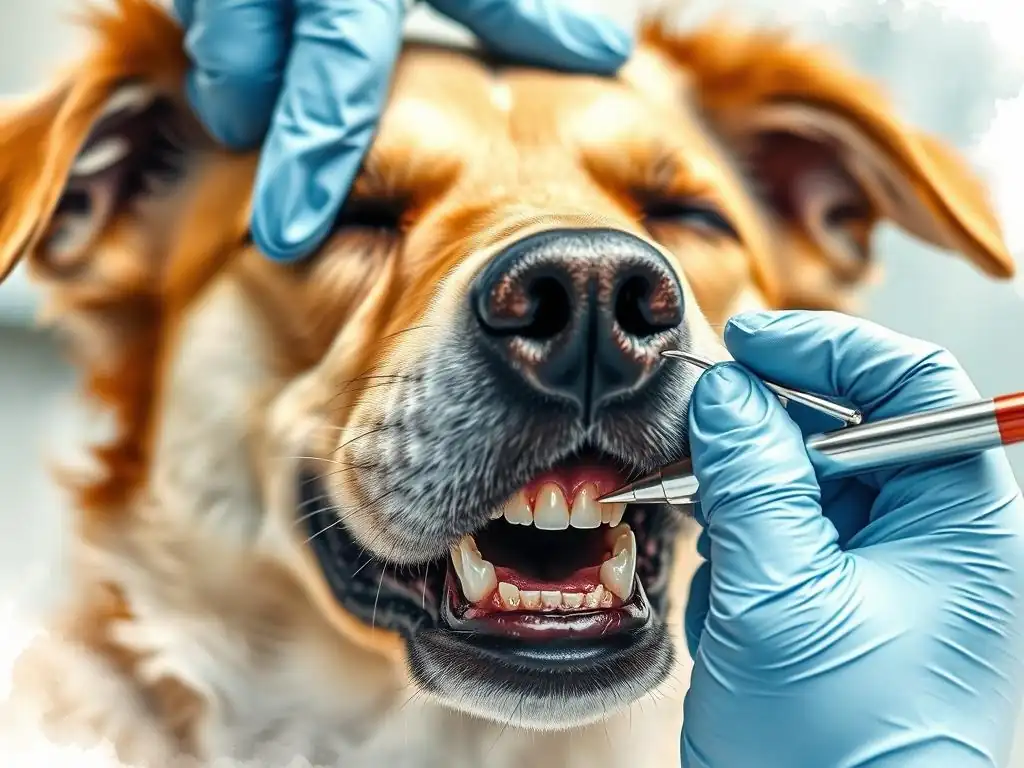
This section delves into the specific dental problems veterinarians address during a professional pet dental cleaning. Understanding these common issues and their treatments is crucial for pet owners to advocate for their animal's oral health. Regular professional cleanings are vital for early detection and intervention, preventing minor problems from escalating into serious health complications. The process involves a thorough examination, followed by targeted treatments based on the individual pet's needs. Remember, preventative care is key to minimizing the need for extensive and costly procedures later on.
Treatment of Gingivitis and Periodontal Disease
Gingivitis, the inflammation of the gums, is a common early sign of periodontal disease. Left untreated, gingivitis progresses to periodontal disease, a severe infection affecting the gums, teeth, and supporting bone structures. Professional pet dental cleaning plays a crucial role in managing both conditions.
The process begins with a comprehensive oral examination. The veterinarian assesses the extent of gum inflammation, plaque buildup, and the presence of any periodontal pockets (spaces between the teeth and gums). This assessment informs the treatment plan.
Treatment typically involves:
- Scaling: The removal of plaque and tartar buildup from the tooth surfaces and below the gum line using specialized ultrasonic scalers. This is often the most significant part of the professional cleaning.
- Polishing: Smoothing the tooth surfaces after scaling to prevent further plaque accumulation. This step helps create a less hospitable environment for bacterial growth.
- Antibiotic Therapy (if necessary): In cases of advanced periodontal disease, systemic or topical antibiotics might be prescribed to combat infection. The severity of the infection will dictate the type and duration of antibiotic treatment.
- Extraction (if necessary): Severely damaged or infected teeth may require extraction to prevent further infection or pain. This is a last resort, but sometimes necessary to preserve the pet's overall health.
Regular brushing at home, coupled with professional cleanings, significantly reduces the risk of gingivitis and periodontal disease. Early intervention is key to a successful outcome and maintaining your pet's oral health. Ignoring these early warning signs can lead to significant discomfort for your pet and more extensive, costly procedures down the line.
Managing Tooth Fractures and Abscesses
Tooth fractures and abscesses are serious dental issues requiring prompt veterinary attention. A professional dental cleaning often uncovers these problems, allowing for timely intervention. The severity of the fracture or abscess dictates the course of treatment.
Minor fractures, if not causing discomfort or infection, might only require close monitoring during subsequent checkups. However, significant fractures or those associated with infection necessitate more involved treatment.
Treatment options include:
- Extraction: Severely fractured or infected teeth are usually extracted to prevent further damage or infection. This is often the most effective solution for fractured teeth with exposed pulp (the soft tissue inside the tooth).
- Root Canal Therapy: In some cases, root canal therapy might be an option to save a severely damaged tooth. This involves removing the infected pulp, cleaning the root canals, and filling them to prevent further infection. This is a more complex and costly procedure than extraction.
- Abscess Drainage: Dental abscesses (pockets of pus) require drainage to alleviate pain and prevent the spread of infection. This usually involves a small incision to allow the pus to drain. Antibiotics are often prescribed to combat the infection.
The veterinarian will carefully assess the extent of the damage to determine the most appropriate course of action. Early detection through regular professional cleanings is paramount in minimizing the need for extensive procedures and maximizing the chances of preserving the tooth. Ignoring these issues can lead to significant pain and potential systemic infections.
Addressing Oral Tumors and Other Growths
Oral tumors and other growths in the mouth are a more serious concern. Early detection during a professional pet dental cleaning is vital for successful treatment. The veterinarian will carefully examine the mouth for any unusual masses, lesions, or growths.
Treatment options vary greatly depending on the type, size, and location of the growth, as well as the overall health of the pet. These options may include:
- Biopsy: A tissue sample is taken to determine the type of growth (benign or malignant). This is crucial in determining the appropriate treatment strategy.
- Surgical Removal: Benign growths are often surgically removed. The extent of the surgery depends on the size and location of the growth.
- Radiation Therapy and Chemotherapy: Malignant tumors may require radiation therapy, chemotherapy, or a combination of both. These treatments aim to shrink or eliminate the tumor.
- Palliative Care: In some cases, where treatment is not possible or desirable, palliative care focuses on managing pain and improving the pet's quality of life.
The prognosis for oral tumors varies greatly depending on several factors. Early detection through regular professional dental cleanings significantly improves the chances of successful treatment and a positive outcome. Regular monitoring is essential, even after successful treatment, to detect any recurrence. The veterinarian will provide guidance on appropriate follow-up care.
Choosing a Veterinarian for Professional Pet Dental Cleaning
Selecting the right veterinarian for your pet's professional dental cleaning is crucial for ensuring a safe and effective procedure. This decision shouldn't be taken lightly, as your pet's oral health and overall well-being are at stake. Thorough research and careful consideration are key to finding a veterinarian who meets your pet's specific needs and your expectations. Remember, a positive experience can significantly impact your pet's future dental care compliance.
Finding a Reputable Veterinary Dentist or Veterinary Practice
Locating a reputable veterinary dentist or veterinary practice specializing in pet dental care is the first step. Don't hesitate to ask your primary veterinarian for recommendations. They often have established relationships with specialists and can provide valuable insights. Online searches, utilizing keywords like "veterinary dentist near me" or "professional pet dental cleaning [your city/region]", can also yield promising results.
Check online reviews and ratings on platforms like Yelp or Google Reviews to gauge the experiences of other pet owners. Look for practices that emphasize a gentle and compassionate approach, especially important for anxious pets. Consider the practice's hygiene standards and facilities; a clean and well-maintained clinic suggests a commitment to quality care. A practice actively involved in continuing education and utilizing advanced dental technologies is a strong indicator of their dedication to providing the best possible care.
Evaluating the Veterinarian's Experience and Credentials
Once you've identified potential candidates, it's essential to thoroughly evaluate their experience and credentials. Inquire about the veterinarian's years of experience in veterinary dentistry and the number of professional pet dental cleanings they've performed. Ask about their specific training and certifications in veterinary dentistry. Look for veterinarians who are members of professional organizations like the American Veterinary Dental Society (AVDS). Membership in such organizations often signifies a commitment to ongoing professional development and adherence to high standards of practice.
Don't be afraid to ask for case studies or before-and-after photos of previous patients. This can provide valuable visual evidence of their expertise and the quality of their work. A willingness to answer your questions thoroughly and patiently indicates a commitment to transparency and client satisfaction. The goal is to find a veterinarian who is both skilled and compassionate, ensuring your pet receives the best possible care.
Understanding the Cost of Professional Pet Dental Cleaning
The cost of professional pet dental cleaning varies considerably depending on several factors. These include the size and breed of your pet, the extent of the dental disease present, the type of anesthesia required (if any), and the specific services included in the procedure. Some clinics may offer a basic cleaning package, while others may incorporate additional services like X-rays, extractions, or polishing. It's crucial to obtain a detailed cost breakdown before scheduling the procedure to avoid any unexpected expenses.
Don't hesitate to compare prices from different veterinary practices, but remember that the lowest price doesn't always equate to the best quality of care. Prioritize a veterinarian who provides comprehensive care, utilizes advanced techniques, and offers a clear explanation of the costs involved. Consider exploring payment options, such as payment plans or financing, if the upfront cost presents a challenge.
Transparency and clear communication regarding pricing are essential for a positive and stress-free experience. Remember, investing in your pet's dental health is an investment in their overall well-being. A healthy mouth contributes to a happier, healthier pet.
Frequently Asked Questions
What are the key steps involved in professional pet dental cleaning?
A professional cleaning typically involves anesthesia, a thorough scaling and polishing of the teeth to remove plaque and tartar, and examination for gum disease or other oral problems. Post-cleaning, pain management and at-home care instructions are provided.
Why is anesthesia usually necessary for professional pet dental cleaning?
Anesthesia is crucial to ensure the pet's safety and comfort during the procedure. It allows for a complete and thorough cleaning, which is impossible to achieve with a struggling or resisting animal. Proper cleaning prevents complications.
How often should my pet have a professional dental cleaning?
The frequency depends on your pet's breed, age, and overall oral health. However, most vets recommend at least once a year, but some pets may need more frequent cleanings. Regular at-home care can help extend the time between professional cleanings.
What are the signs of dental problems in pets I should look out for?
Watch for bad breath, red or swollen gums, loose teeth, excessive drooling, difficulty eating, or changes in behavior. Addressing these issues early can help prevent serious complications.
What can I do at home to help maintain my pet's dental health between professional cleanings?
Daily brushing with pet-specific toothpaste is essential. Providing dental chews and toys can also help. Regularly checking your pet's mouth for any abnormalities is also crucial for early detection.
Final Reflection: The Lasting Impact of Professional Pet Dental Care
The health of our beloved companions is inextricably linked to their overall well-being, and a crucial, often overlooked, aspect of that well-being is their dental hygiene. Ignoring regular professional dental cleanings can lead to significant health problems down the line, impacting not only their teeth but also their hearts, kidneys, and even their lifespan. This understanding is more critical than ever in a world where pet ownership is increasingly valued and understood.
The journey through the steps of a professional pet dental cleaning, as detailed in this article, highlights a profound shift in our relationship with our pets. We are moving beyond simply providing food and shelter to actively participating in their preventative healthcare. This proactive approach reflects a growing societal awareness of animal welfare and a deeper understanding of the interconnectedness of their physical and emotional health. The bond with a pet is one of the purest and most unconditional forms of love.
This bond demands that we provide the best possible care, and that includes prioritizing their dental health.
Now, consider your own pet. Reflect on the information presented and schedule that crucial dental appointment. Don't wait for visible signs of dental disease; proactive care is the key to a happier, healthier, and longer life for your furry friend. Empower yourself with knowledge, and become an advocate for your pet's well-being. The investment in their dental health is an investment in the years of joy and companionship you share.
Unlock Your Pet's Sparkling Smile: Next Steps to a Healthier Mouth
Thank you for learning about professional pet dental cleanings! We hope you feel confident understanding this crucial aspect of your pet's health. Ready to take the next step towards a happier, healthier companion?
- Schedule your pet's dental appointment today: Proactive dental care prevents future problems and ensures a long, comfortable life for your furry friend. Contact your veterinarian or search online for a reputable pet dentist.
- Maintain your pet's dental hygiene at home: Regular brushing significantly improves oral health, even with professional cleanings. Make daily brushing a routine to keep your pet's teeth healthy.
- Share this information with other pet owners: Spread the word about the importance of pet dental care and help others give their beloved animals the best possible care.
What will you do today to improve your pet's dental health?