
The Secret to a Thriving Reptile: Choosing the Right Substrate

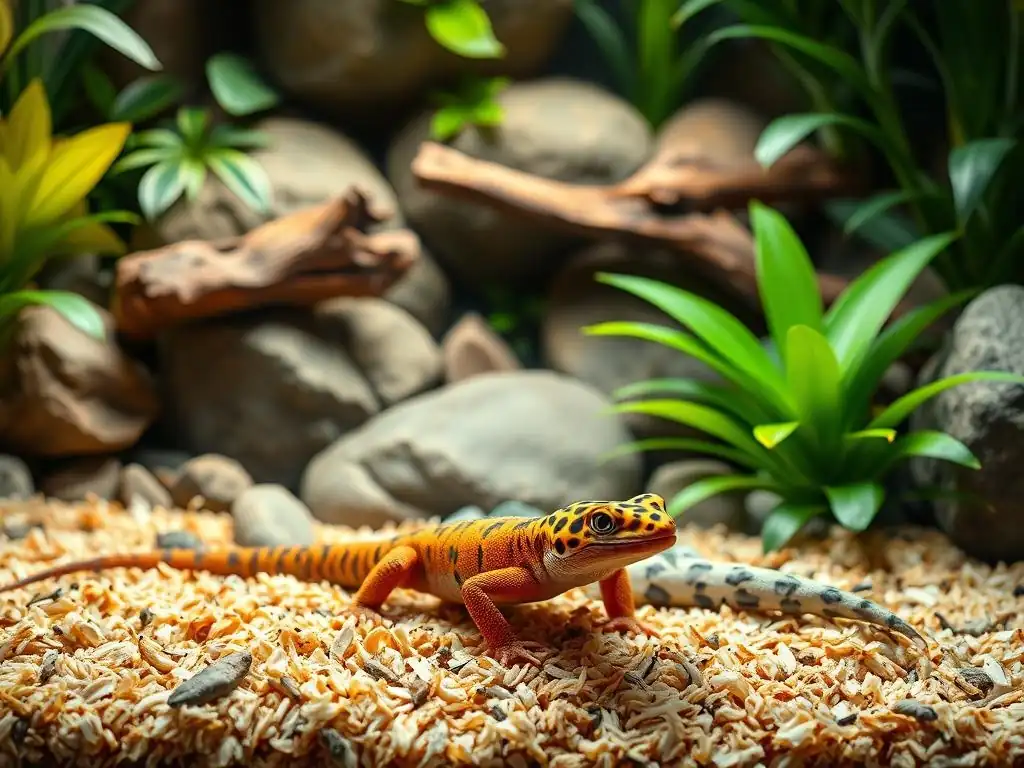
Welcome to PetCareWorld, your ultimate guide to a happier, healthier life for your beloved companion! Are you ready to unlock the secret to a thriving reptile habitat? Discover the crucial role of substrate in your reptile's well-being and learn how to make the best reptile substrate choices in our expert guide. Dive in and explore the world of perfect reptile care—your journey to a flourishing ecosystem starts here!
- Understanding Reptile Substrate: Importance for Health and Wellbeing
- Best Reptile Substrate Choices: A Comparative Guide
- Selecting the Perfect Substrate Based on Your Reptile Species
- Maintaining Your Reptile's Substrate: Cleaning and Replacement
- Frequently Asked Questions about Reptile Substrates
- Frequently Asked Questions
- Final Reflection: Cultivating a Thriving Ecosystem, One Substrate at a Time
- Unleash Your Reptile's Potential: Create the Perfect Habitat!
Understanding Reptile Substrate: Importance for Health and Wellbeing
Choosing the right substrate for your reptile is far more than just aesthetics; it's a cornerstone of their health and wellbeing. The substrate, or bedding material, within your reptile's terrarium plays a crucial role in maintaining the appropriate environment, preventing disease, and ensuring your scaly friend thrives. This comprehensive guide will delve into the best reptile substrate choices, helping you select the perfect option for your specific reptile species, considering factors like humidity, temperature regulation, and the inherent risks associated with certain materials.
Ignoring the importance of substrate selection can lead to serious health problems, including impaction, respiratory issues, and even death. Therefore, understanding the nuances of substrate selection is paramount for responsible reptile ownership and contributes significantly to creating a thriving habitat for your pet.
This article aims to equip you with the knowledge to make informed decisions, ultimately leading to a happier and healthier reptile companion. Let's explore the key factors to consider when choosing the best reptile substrate choices.
The Crucial Role of Substrate in Reptile Habitats
The substrate isn't merely something to cover the bottom of the terrarium; it's an integral part of the entire ecosystem. It impacts several key aspects of your reptile's life:
- Humidity Regulation: Certain substrates, like coconut fiber or cypress mulch, retain moisture better than others, helping to maintain the appropriate humidity levels crucial for many reptile species. Insufficient humidity can lead to dehydration and shedding problems. Conversely, excessively damp substrates can promote bacterial and fungal growth, leading to respiratory infections.
- Temperature Regulation: The substrate's ability to retain and distribute heat can affect the overall temperature gradient within the terrarium. Some substrates may help maintain a consistent temperature, while others might not offer adequate insulation. This is especially important for species requiring specific basking spots and thermal gradients.
- Burrowing and Hiding: Many reptiles are naturally inclined to burrow or create hiding places. The substrate provides this opportunity, allowing them to engage in natural behaviors that contribute to their mental and physical well-being. The type of substrate you choose will determine the ease with which your reptile can burrow. For example, loose substrates like sand are better for burrowing species, whereas a solid substrate might be more suitable for species that don't burrow.
- Naturalistic Environment: The appropriate substrate helps create a more naturalistic and enriching environment for your reptile, reducing stress and promoting a sense of security. A visually appealing and functionally appropriate substrate contributes to your reptile's overall quality of life.
Choosing the Right Substrate: Impact on Humidity and Temperature Regulation
The ideal substrate will depend heavily on your reptile's species and its specific environmental needs. Consider the following factors:
| Reptile Species | Suitable Substrate Options | Considerations |
|---|---|---|
| Leopard Gecko | Paper towels, reptile carpet, bioactive substrate | Avoid loose substrates that can cause impaction. |
| Bearded Dragon | Sand (fine, not calcium sand), tile, bioactive substrate | Calcium sand is dangerous; bioactive setups require expertise. |
| Corn Snake | Aspen shavings, cypress mulch, coconut fiber | Choose a substrate that retains some moisture but avoids becoming soggy. |
| Crested Gecko | Paper towels, coconut fiber, bioactive substrate | Bioactive setups provide a self-cleaning, natural environment. |
Understanding the relationship between substrate and environmental control is key. For example, a desert-dwelling reptile will require a substrate that allows for good drainage and doesn't retain excessive moisture, preventing fungal growth. Conversely, a tropical species may need a substrate that retains humidity to prevent dehydration.
Avoiding Dangerous Substrates: Preventing Impaction and Injury
Some substrates pose significant risks to your reptile's health. It is crucial to avoid:
- Calcium Sand: This is a common culprit in reptile impaction. The fine particles can be ingested accidentally and cause severe digestive blockages. This can be fatal if not treated promptly.
- Small Stones or Gravel: These can also lead to impaction, as well as abrasions in the mouth and digestive tract.
- Cedar and Pine Shavings: These woods contain aromatic oils that are toxic to reptiles.
- Soil from your garden: This may contain parasites, bacteria, fungi, and pesticides that can be harmful to your reptile.
Choosing a safe and appropriate substrate is a fundamental aspect of responsible reptile keeping. By understanding the crucial role of substrate in your reptile's health and wellbeing and carefully selecting the right option, you can create a thriving and enriching environment for your scaly companion. Remember to research the specific needs of your reptile species to ensure you provide the best possible care.
Best Reptile Substrate Choices: A Comparative Guide
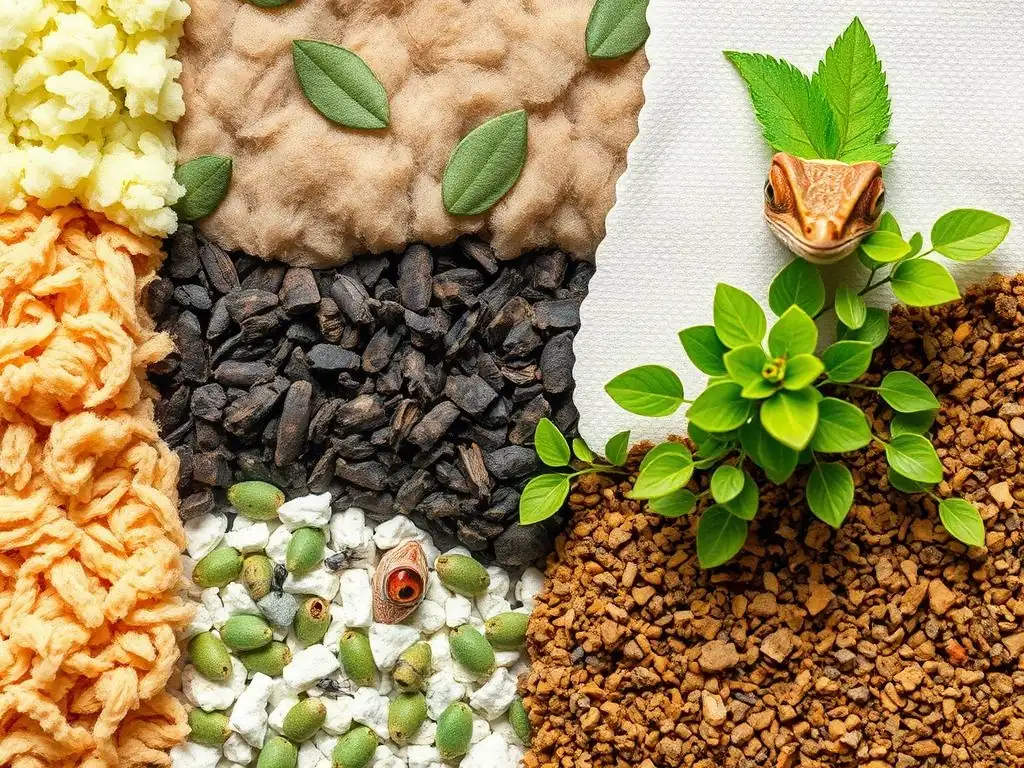
Choosing the right substrate is crucial for maintaining a healthy and thriving reptile habitat. The "best" substrate will depend heavily on the specific needs of your reptile species, but understanding the pros and cons of popular choices is key to making an informed decision. This guide compares two commonly used substrates: aspen shavings and cypress mulch, highlighting their suitability for various reptiles and offering tips for sourcing high-quality materials. Selecting the optimal substrate contributes significantly to your reptile's overall well-being, impacting factors such as humidity regulation, burrowing opportunities, and overall enclosure hygiene.
Aspen Shavings: A Classic Choice for Many Reptiles
Aspen shavings remain a popular choice among reptile keepers due to their readily available nature and relatively low cost. They offer a good balance of absorbency and drainage, making them suitable for a range of species. However, it's crucial to understand both their advantages and disadvantages before incorporating them into your reptile's enclosure.
Pros and Cons of Aspen Shavings for Reptile Habitats
| Feature | Pros | Cons |
|---|---|---|
| Absorbency | Effectively absorbs waste and moisture, reducing odor and mess. | Can become overly damp if not monitored and changed regularly. |
| Cost | Generally inexpensive and widely available at pet stores. | May need frequent replacement, increasing long-term costs. |
| Availability | Easily found in most pet stores and online retailers. | Quality can vary significantly between brands and suppliers. |
| Dust Level | Some brands produce less dust than others; choose low-dust varieties. | Excessive dust can irritate your reptile's respiratory system. |
| Burrowing | Provides suitable burrowing material for many species, enriching their environment. | May not be ideal for reptiles requiring very specific humidity levels. |
Suitable Reptile Species for Aspen Shavings
Aspen shavings are generally suitable for many terrestrial reptiles, including:
- Leopard geckos
- Crested geckos (with added humidity)
- Bearded dragons (with proper humidity control)
- Corn snakes
- Many species of lizards
However, it's crucial to monitor humidity levels closely. Some reptiles, especially those requiring higher humidity, may not thrive in aspen shavings alone. Additional measures, such as misting or the use of humidity-retaining hides, may be necessary.
Sourcing High-Quality Aspen Shavings
When purchasing aspen shavings, prioritize low-dust varieties. Read product descriptions carefully and look for brands that emphasize low dust content. Avoid heavily scented or treated shavings, as these can be harmful to your reptile. Always check for any signs of mold or mildew before using the shavings in your reptile's enclosure. Regularly inspect and replace the substrate to prevent the buildup of waste and maintain a clean environment.
Cypress Mulch: A Natural and Absorbent Option
Cypress mulch offers a natural alternative to aspen shavings, boasting excellent absorbency and a pleasant, earthy aroma. Its natural composition makes it a preferred choice for many reptile keepers seeking a more naturalistic habitat.
Benefits of Cypress Mulch for Reptile Enclosure Hygiene
Cypress mulch exhibits superior moisture absorption compared to aspen shavings, contributing to better odor control and a cleaner reptile enclosure. Its natural antimicrobial properties can also help inhibit the growth of harmful bacteria and fungi, promoting a healthier environment for your reptile. Regular spot cleaning and complete substrate changes remain essential for maintaining hygiene.
Reptile Species Best Suited to Cypress Mulch Substrates
Cypress mulch is particularly well-suited for reptiles that require slightly higher humidity levels than those typically found in aspen shavings. Suitable species include:
- Certain species of frogs and toads (ensure proper drainage to prevent overly wet conditions)
- Some species of snakes that prefer a slightly moist environment
- Certain species of lizards
Always research the specific humidity requirements of your reptile species before choosing a substrate. Cypress mulch, while absorbent, can still retain too much moisture if not managed correctly.
Aspen vs. Cypress: A Substrate Comparison
Choosing between aspen shavings and cypress mulch depends largely on your reptile's specific needs and your personal preferences. Aspen shavings are a readily available and cost-effective option, while cypress mulch offers superior absorbency and natural antimicrobial properties. Careful monitoring of humidity levels is crucial for both substrates.
Ultimately, the best substrate is the one that best meets the unique requirements of your reptile, ensuring a healthy and comfortable environment. Consider factors like humidity, temperature, and burrowing habits when making your decision. Remember, regular cleaning and substrate replacement are vital for maintaining a clean and healthy habitat regardless of your chosen substrate.
Paper Towel Substrate: A Simple and Clean Option for Specific Needs
Paper towels offer a surprisingly effective, albeit temporary, reptile substrate solution. Their simplicity and ease of cleaning make them ideal for certain situations. The absorbent nature of paper towels allows for easy spot cleaning of accidents, preventing the buildup of harmful bacteria and parasites. This is particularly beneficial for young reptiles or those recovering from illness, where maintaining a sterile environment is crucial.
The smooth, flat surface also minimizes the risk of injuries from ingestion or impaction, a significant concern for smaller reptiles. Furthermore, the lack of any added chemicals or dyes eliminates the potential for allergic reactions or other adverse health effects. The cost-effectiveness of paper towels is another significant advantage, making them an accessible option for pet owners on a budget.
When to Use Paper Towels as Reptile Substrate
Paper towels are best suited as a temporary substrate, particularly for quarantine purposes. Newly acquired reptiles should ideally be housed on paper towels for several weeks to monitor their health and ensure they are free from parasites or diseases before introducing them to a more complex substrate. Paper towels are also excellent for reptiles recovering from illness or injury, providing a clean and easily manageable environment that minimizes stress and promotes healing.
Similarly, breeding females might benefit from paper towels during egg-laying to ensure the eggs remain clean and accessible for monitoring. Finally, during cleaning or disinfecting the enclosure, paper towels provide a convenient temporary bedding option.
Limitations of Paper Towels as a Long-Term Substrate Solution
While paper towels offer undeniable advantages, they are not a suitable long-term solution for most reptiles. Their lack of textural diversity limits natural behaviors such as burrowing or foraging, which are essential for many species' psychological and physical well-being. The lack of humidity retention can also be detrimental, especially for reptiles that require high humidity levels.
Furthermore, the frequent replacement needed contributes to higher waste, making it less environmentally friendly compared to other substrates. The stark, unnatural environment may also lead to stress and impact the overall well-being of the reptile over prolonged periods. Regular replacement is also necessary, which can be costly and time-consuming, particularly for larger enclosures.
Cleaning and Replacing Paper Towel Substrates
Cleaning paper towel substrates is remarkably straightforward. Spot clean any messes immediately with a paper towel and a reptile-safe disinfectant. For more extensive cleaning, simply remove the soiled paper towels and replace them with clean ones. This process should be done daily, or more frequently if necessary, to maintain a hygienic environment. Always use a reptile-safe disinfectant to avoid harming your pet. Remember to properly dispose of the used paper towels to prevent the spread of any potential pathogens.
Eco-Earth: A Coconut Fiber Substrate for Natural Environments
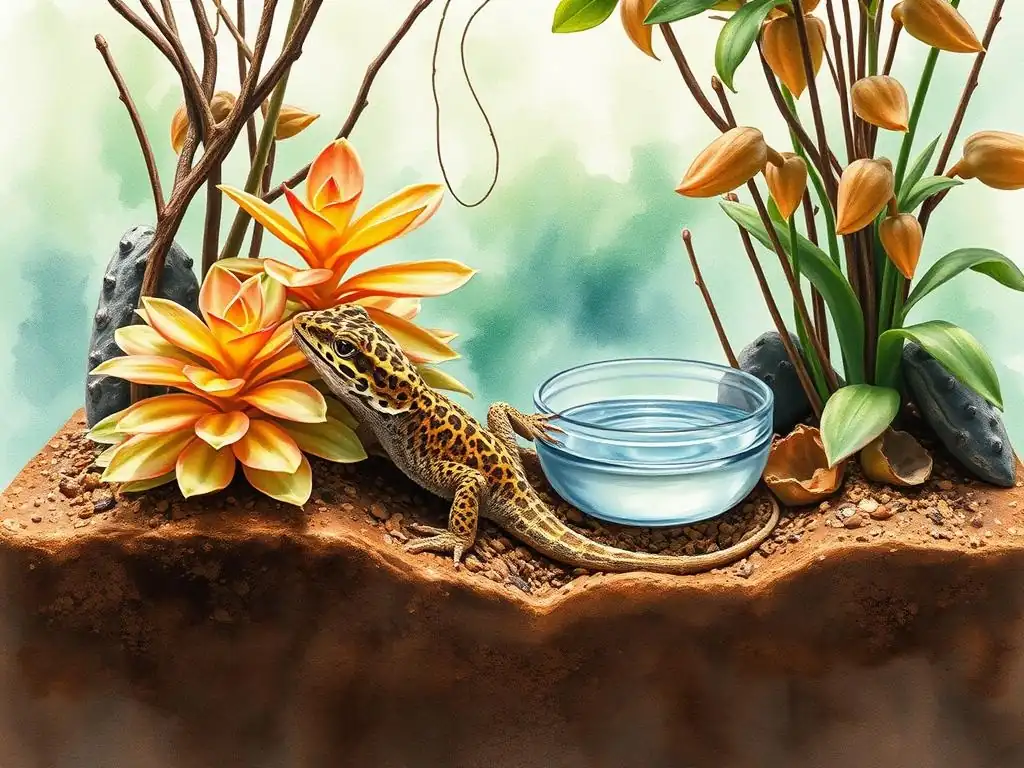
Eco-Earth, a coconut fiber substrate, has gained immense popularity among reptile keepers due to its versatility and numerous benefits. Derived from the husks of coconuts, this natural substrate provides a rich, earthy texture that closely mimics many reptiles' natural habitats. Its excellent moisture retention properties are crucial for maintaining appropriate humidity levels within the enclosure, which is particularly important for species that require high humidity.
The ability of Eco-Earth to retain moisture also helps regulate temperature fluctuations, creating a more stable and comfortable environment for your reptile. Furthermore, Eco-Earth's loose consistency allows for easy burrowing, satisfying the natural instincts of many species and providing a sense of security.
Eco-Earth's Benefits: Humidity Retention and Burrow Creation
The exceptional humidity retention capabilities of Eco-Earth are a major advantage. It effectively absorbs and retains moisture, preventing the enclosure from drying out too quickly. This is vital for maintaining the appropriate humidity levels necessary for shedding and overall health, particularly for tropical species.
The substrate's ability to hold moisture also helps in regulating temperature fluctuations, creating a more stable and comfortable environment for your reptile. Additionally, the loose and easily manipulated consistency of Eco-Earth allows for easy burrow creation, satisfying the natural digging instincts of many reptiles. This burrowing behavior is essential for thermoregulation, stress reduction, and overall well-being.
Reptile Species that Thrive in Eco-Earth Substrate
Many reptile species thrive in Eco-Earth, including various types of geckos, snakes, and lizards. Specifically, species requiring higher humidity levels, such as crested geckos, often benefit greatly from Eco-Earth's moisture-retaining properties. Similarly, burrowing species, such as certain snakes and skinks, appreciate the ability to create comfortable and secure burrows within the substrate. However, it's crucial to research the specific needs of your reptile species before choosing Eco-Earth, as some species may prefer drier or more structured substrates. Always prioritize your reptile's individual needs when selecting a substrate.
Maintaining Hygiene with Eco-Earth
Maintaining hygiene with Eco-Earth requires regular spot cleaning and periodic complete substrate changes. Spot clean any feces or urates immediately to prevent the buildup of ammonia and harmful bacteria. A complete substrate change should be performed every few months, or more frequently if necessary, depending on the size of the enclosure and the number of reptiles housed within.
Before replacing the substrate, thoroughly clean and disinfect the enclosure to eliminate any potential pathogens. When replacing the Eco-Earth, ensure you use a fresh batch of substrate to maintain a hygienic environment for your reptile. Proper hygiene is crucial for preventing the development and spread of diseases.
ReptiBark: A Natural Bark Substrate Option
ReptiBark, a popular choice among reptile keepers, offers a natural and aesthetically pleasing substrate option for a variety of species. It's made from processed fir or aspen bark, offering a textured surface that mimics a natural forest floor. This makes it particularly suitable for species that enjoy burrowing or foraging, stimulating more natural behaviors. The loose, chunky nature of ReptiBark allows for excellent drainage, which is crucial for preventing the build-up of moisture that can lead to bacterial or fungal growth.
Many reptile owners appreciate its ability to retain some humidity, creating a more comfortable environment for certain species. The varying sizes of ReptiBark pieces also provide hiding spots and enrichment for many reptiles. Choosing the right type of ReptiBark depends on the specific needs of your reptile, and considering factors such as size and humidity requirements is paramount.
ReptiBark's Advantages: Natural Look and Feel
One of the most significant advantages of ReptiBark is its natural appearance. Unlike some artificial substrates, it provides a visually appealing and naturalistic habitat for your reptile. This is especially important for species that are sensitive to their environment and benefit from a less sterile-looking enclosure. The bark pieces also offer a pleasing texture that many reptiles find stimulating, encouraging natural behaviors like foraging and burrowing.
The varying sizes and shapes of the bark pieces create a more complex environment that can help reduce stress and enhance the overall well-being of your reptile. ReptiBark's natural composition also contributes to a more stable humidity level within the terrarium, making it an ideal choice for species that require a slightly humid environment. Furthermore, the substrate's excellent drainage properties minimize the risk of bacterial or fungal growth, contributing to a healthier environment for your pet.
Choosing the Right Size of ReptiBark for Your Reptile
Selecting the appropriate size of ReptiBark is crucial for your reptile's safety and well-being. Larger pieces are generally suitable for larger reptiles that may not ingest the substrate, while smaller pieces are better suited for smaller reptiles or those prone to eating substrate. For example, a large bearded dragon might thrive with larger ReptiBark pieces that provide ample burrowing opportunities, whereas a smaller leopard gecko might require smaller pieces to prevent accidental ingestion. Ingestion of substrate can lead to impaction, a serious and potentially fatal condition.
Always consider your reptile's size, species-specific behaviors, and potential for ingestion when choosing the appropriate ReptiBark size. It's always best to err on the side of caution and select a size that minimizes the risk of impaction. Consult reptile care guides specific to your reptile species for tailored recommendations on substrate size.
Potential Drawbacks of ReptiBark: Maintenance and Mold Prevention
While ReptiBark offers many advantages, it’s essential to be aware of its potential drawbacks. Proper maintenance is crucial to prevent the build-up of waste and moisture, which can lead to the growth of harmful bacteria and mold. Regular spot cleaning is necessary, and a complete substrate change should be performed every few months, or more frequently depending on your reptile's waste production and the overall humidity of the enclosure. Improper ventilation within the terrarium can significantly increase the risk of mold growth. Ensure your terrarium is adequately ventilated to prevent excessive humidity. In addition, regularly inspect the ReptiBark for signs of mold or bacterial growth. Any signs of mold or discoloration should prompt immediate removal and replacement of the affected substrate. 🦠 Ignoring these maintenance aspects can negatively impact your reptile's health. Thorough cleaning and regular substrate replacement are key to maintaining a healthy and safe environment for your reptile.
Selecting the Perfect Substrate Based on Your Reptile Species
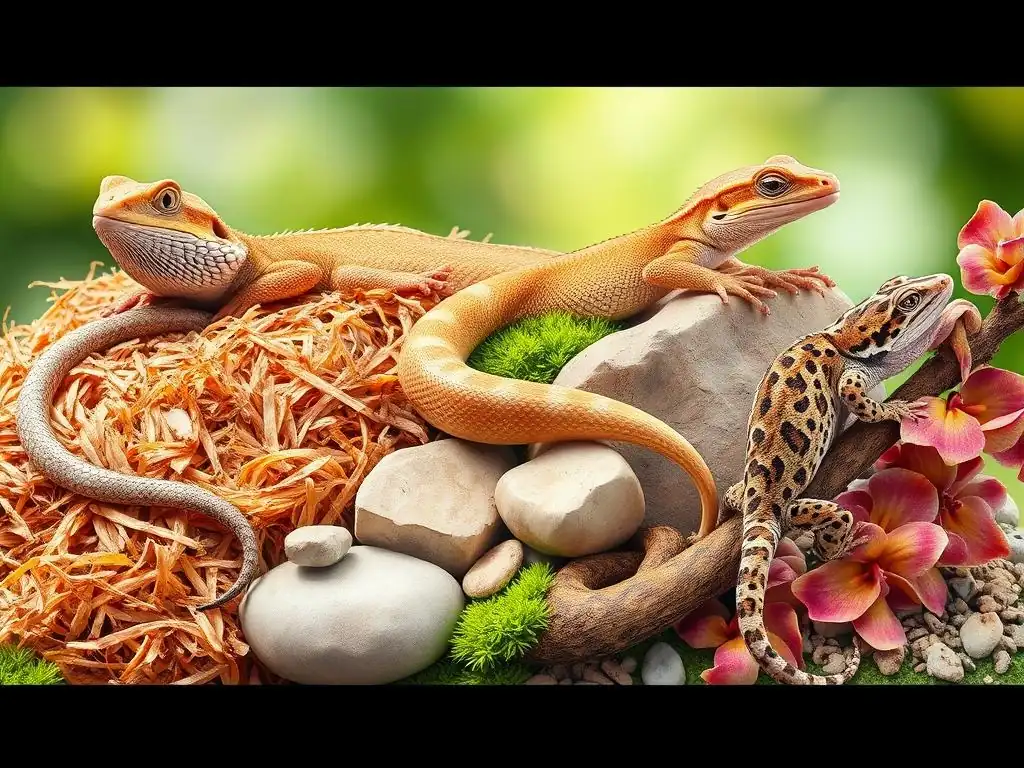
Choosing the right substrate is paramount for maintaining a healthy and thriving environment for your reptile. The "best reptile substrate choices" depend heavily on the specific species you're keeping, their natural habitat, and their individual needs. Ignoring this crucial aspect can lead to various health problems, including respiratory issues, impaction, and even death. This section will delve into specific substrate recommendations for popular reptile species, highlighting the crucial factors to consider for each. Remember, always prioritize the well-being of your reptile and research thoroughly before making any decisions. Proper substrate selection is a cornerstone of responsible reptile ownership.
Substrate Choices for Boas and Pythons
Boas and pythons, known for their impressive size and captivating patterns, require substrates that meet specific criteria. These snakes often spend considerable time on the ground, making substrate selection particularly important. Avoid substrates that are dusty or prone to mold, as these can irritate their sensitive respiratory systems.
Here's a breakdown of suitable options:
- Aspen shavings: A popular and readily available choice, aspen shavings offer excellent drainage and are relatively inexpensive. They provide a good balance of moisture retention and breathability, making them suitable for a variety of boa and python species. However, some snakes may ingest them, so monitoring is key.
- Cypress mulch: This option offers superior moisture retention compared to aspen shavings, making it ideal for species that require higher humidity levels. It's also less prone to dust, reducing the risk of respiratory problems. However, it can be more expensive.
- Paper towels: For young or newly acquired snakes, or during quarantine periods, paper towels offer a sterile and easily cleaned surface. This simplifies hygiene and allows for close monitoring of waste. However, it lacks the natural feel and enrichment of other substrates.
It's crucial to avoid substrates like sand or small gravel, as these pose a significant risk of impaction if ingested. The choice ultimately depends on the species, age, and individual needs of your snake. Always observe your snake's behavior and adjust the substrate as needed. Regular cleaning is also essential to prevent the buildup of bacteria and parasites. Remember, a clean and appropriate substrate contributes significantly to your snake's overall health and well-being.
Best Substrates for Bearded Dragons
Bearded dragons, with their charming personalities and vibrant colors, thrive in environments that mimic their arid Australian habitat. Therefore, substrate selection for these reptiles necessitates careful consideration of moisture levels and potential ingestion hazards.
The following substrates are generally considered suitable:
| Substrate Type | Pros | Cons |
|---|---|---|
| Tile/Paper Towel | Easy to clean, prevents impaction | Lacks natural enrichment, can be visually unappealing |
| Reptile Carpet | Soft, comfortable, easy to clean | Can harbor bacteria if not cleaned frequently |
| Sand (specifically, playsand) | Provides natural digging behavior | Risk of impaction if ingested; requires careful monitoring |
Choosing the right sand is critical. Avoid fine sand, which is easily ingested and can cause impaction. Opt for a coarser, reptile-specific playsand, and monitor your bearded dragon closely for any signs of ingestion. Regular cleaning is crucial to prevent bacterial growth. Always prioritize a substrate that minimizes the risk of impaction while providing a comfortable and stimulating environment.
Ideal Substrates for Leopard Geckos
Leopard geckos, popular for their docile nature and stunning patterns, are crepuscular desert dwellers. Their substrate needs reflect their natural habitat, emphasizing dryness and ease of cleaning.
The most commonly recommended substrates for leopard geckos include:
- Paper towels: A simple, hygienic, and easily cleaned option, especially for young geckos or during quarantine. It eliminates the risk of impaction and allows for easy monitoring of waste.
- Tile: Similar to paper towels in terms of hygiene and ease of cleaning, tile offers a more durable and long-lasting solution. It’s less likely to be damaged by digging or scratching.
- Reptile carpet: A softer option than tile, reptile carpet offers a more natural feel and can be easier on a gecko's delicate skin. However, it requires frequent cleaning to prevent bacterial buildup. Ensure it's a high-quality carpet specifically designed for reptiles.
Avoid loose substrates like sand or small gravel, as these can cause impaction if accidentally ingested. Prioritize substrates that allow for easy cleaning and minimize the risk of health problems. Regular cleaning and hygiene are crucial for maintaining a healthy and comfortable environment for your leopard gecko. Remember, a clean and appropriate substrate is a key component of responsible leopard gecko care.
Choosing the Right Substrate for Tortoises and Turtles
Tortoises and turtles, despite their shared lineage, have slightly different substrate needs depending on their species and age. Understanding these nuances is crucial for their health and well-being. A poorly chosen substrate can lead to a variety of problems, including impacted shells, respiratory infections, and even injuries. The key is to select a substrate that mimics their natural environment as closely as possible.
For young tortoises and turtles, a softer substrate is generally recommended. This prevents injuries to their delicate shells and allows for easier digging and exploration. Paper towels, reptile carpet, or even a carefully prepared mix of coconut fiber and cypress mulch in a shallow layer can provide a suitable base. Avoid substrates like sand, which can easily be ingested and cause impaction, especially in younger animals. Regular cleaning is essential to maintain hygiene and prevent bacterial or fungal growth. Remember to replace soiled substrate frequently.
Adult tortoises and turtles, depending on their species, may require a more varied substrate. For desert-dwelling species, a mix of topsoil, play sand, and perhaps some small stones can replicate their natural environment. This provides a good balance of drainage and digging opportunities. However, the sand-to-soil ratio should be carefully considered to prevent impaction. A higher proportion of soil is usually safer. Always ensure the substrate is appropriately sized to avoid ingestion. Larger stones should be avoided for smaller species.
Aquatic turtles, on the other hand, need a substrate that is suitable for both land and water areas within their enclosure. Smooth river stones or pebbles are a good choice for the aquatic portion, while a drier area can utilize paper towels or a similar material. Avoid substrates that can break down and cloud the water, leading to poor water quality.
Regular water changes and cleaning of the substrate are crucial for maintaining the health of your aquatic turtle. Always ensure the water level is appropriate for the species and that the turtle has access to both land and water. Providing a basking area with appropriate temperature is also vital.
Remember to research the specific needs of your tortoise or turtle species. Different species have different preferences and tolerances, and choosing the wrong substrate can have serious consequences. Consult with a veterinarian or experienced reptile keeper if you are unsure about the best substrate for your pet. Providing the right substrate is a crucial step in ensuring a long and healthy life for your shelled companion. Careful observation of your pet's behavior and regular cleaning of their enclosure will help you identify any problems and make necessary adjustments. 🐢
Maintaining Your Reptile's Substrate: Cleaning and Replacement
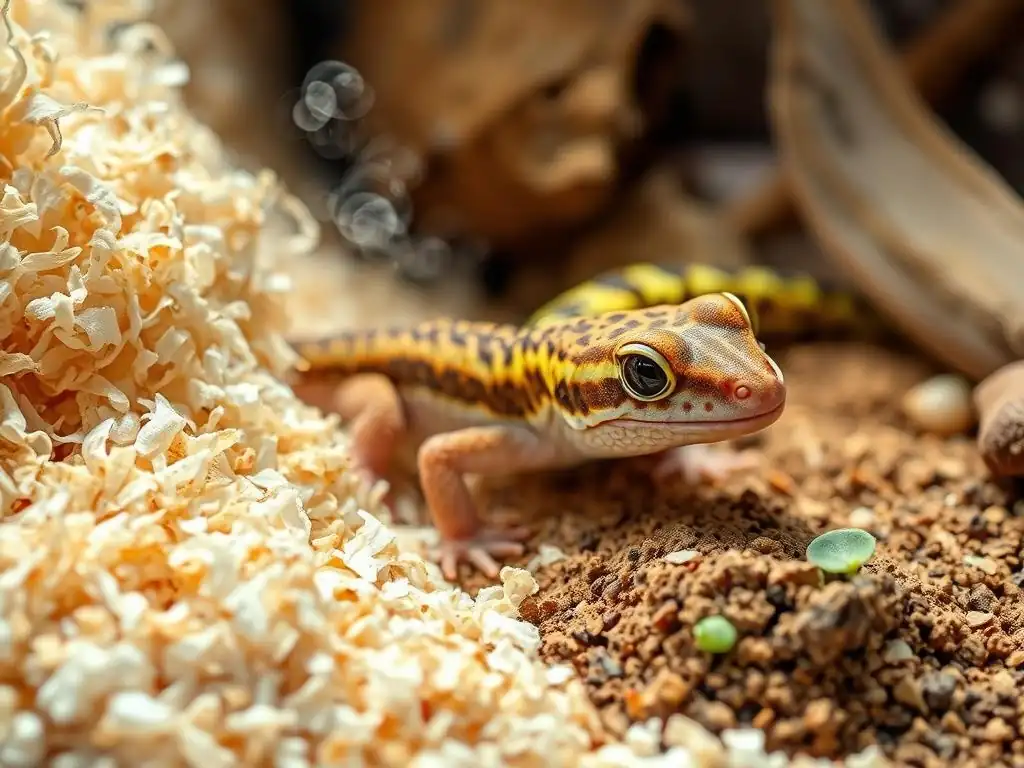
Maintaining a clean and appropriate substrate is crucial for your reptile's health and well-being. A neglected substrate can quickly become a breeding ground for bacteria, parasites, and unpleasant odors, negatively impacting your pet's environment and potentially leading to illness. Choosing the best reptile substrate choices involves not only the initial selection but also a commitment to consistent maintenance. This section will guide you through the essential cleaning and replacement procedures to ensure a thriving habitat for your scaled companion.
Regular Cleaning of Reptile Substrates
Regular cleaning is paramount in preventing substrate contamination. The frequency depends heavily on the type of substrate, the reptile species, and the size of the enclosure. For example, a bioactive setup with live plants might require less frequent complete substrate changes but more regular spot cleaning. Conversely, a paper towel substrate needs more frequent complete changes due to its absorbent nature and inability to support beneficial bacteria.
Here's a helpful schedule guideline:
- Paper Towels/Newspaper: Daily spot cleaning, complete replacement every 2-3 days.
- Aspen/Cypress Mulch: Spot cleaning daily or every other day, partial substrate replacement every 2-4 weeks.
- Coconut Fiber: Spot cleaning daily, partial replacement every 4-6 weeks.
- Bioactive Substrates: Spot cleaning as needed, complete substrate replacement every 6-12 months (or longer, depending on the setup).
Remember to always remove fecal matter and urates promptly. Use a clean paper towel or a small scoop to remove waste, ensuring you're not disturbing the beneficial bacteria in bioactive setups. For larger messes, carefully remove the affected portion of the substrate and replace it with fresh material. Always wash your hands thoroughly after handling the substrate. Gloves are also recommended, especially when handling potentially contaminated substrate.
The choice of cleaning tools is also important. Avoid harsh chemicals and abrasive cleaners which can harm your reptile and disrupt the beneficial bacteria in bioactive terrariums. Opt for reptile-safe disinfectants or simple warm water and a clean brush for spot cleaning.
Recognizing Signs of Substrate Contamination
Knowing when to completely replace your reptile's substrate is just as important as knowing how to clean it regularly. Several signs indicate that a complete change is necessary:
- Persistent Odor: A strong, unpleasant smell emanating from the enclosure is a clear warning sign. This indicates the build-up of waste products and potentially harmful bacteria.
- Visible Mold or Mildew: The appearance of mold or mildew, often appearing as fuzzy patches, is a serious health hazard for your reptile. Immediate substrate replacement is crucial.
- Excessive Moisture: Depending on your reptile's needs and the type of substrate, excessive moisture can lead to bacterial growth and fungal infections. Proper ventilation and a well-draining substrate are key to preventing this.
- Infestation: The presence of mites, insects, or other parasites within the substrate requires immediate action. Discard the contaminated substrate and thoroughly disinfect the enclosure before adding fresh material.
- Changes in Reptile Behavior: If your reptile exhibits unusual behavior, such as lethargy, loss of appetite, or skin irritation, consider the substrate as a potential contributing factor.
Regularly inspecting your reptile's enclosure, paying close attention to the substrate, will allow you to address potential issues promptly, minimizing the risk of health problems for your pet. Remember, prevention is always better than cure.
Replacing Your Reptile's Substrate
Replacing your reptile's substrate is a more involved process than spot cleaning. It's essential to thoroughly clean the enclosure before introducing fresh substrate. This involves removing all the old substrate, scrubbing the enclosure with a reptile-safe disinfectant, and rinsing thoroughly with clean water. Allow the enclosure to dry completely before adding the new substrate.
When replacing the substrate, consider the following:
- Depth: The depth of the substrate should be appropriate for your reptile's species and burrowing habits. Too little substrate can lead to discomfort, while too much can create an overly humid environment.
- Type: Select a substrate that is appropriate for your reptile’s species and needs, considering factors such as humidity requirements and burrowing tendencies. Consider factors like particle size and potential for impaction.
- Quantity: Use enough substrate to cover the enclosure floor adequately, ensuring a consistent depth.
The process of replacing your reptile's substrate is an important part of responsible pet ownership. By following these steps and paying attention to the signs of contamination, you can ensure a healthy and thriving environment for your reptile, contributing to its overall well-being and longevity. Remember, proactive maintenance is key to selecting and utilizing the best reptile substrate choices for your pet.
Disposal of Used Reptile Substrate
Proper disposal of used reptile substrate is crucial for maintaining a hygienic environment and protecting both your pet and the environment. Never simply flush used substrate down the toilet; this can clog plumbing systems and introduce harmful bacteria into the water supply. Similarly, discarding it directly into your household trash can attract pests and create unpleasant odors. The best method depends on the type of substrate you're using.
For substrates like paper towels, newspaper, or other biodegradable materials, you can often safely dispose of them with your regular household trash, provided they are not heavily soiled with fecal matter or other contaminants. However, it's always best practice to double-bag such waste to prevent leaks and odors. If the substrate is heavily soiled, you might consider composting it if your local regulations allow it. Ensure the substrate is completely dry before adding it to your compost pile to prevent the growth of harmful bacteria and fungi.
Reptile substrates like coconut fiber, cypress mulch, or other organic materials, while biodegradable, may require more careful disposal depending on their level of contamination. Again, double-bagging is highly recommended. If there's a significant amount of fecal matter or other organic waste, it's safer to treat this as hazardous waste and follow your local guidelines for disposal. Many municipalities offer designated hazardous waste collection centers which can safely handle contaminated materials.
Inorganic substrates, such as sand, gravel, or stones, present a different challenge. While these materials aren't biodegradable, they can still harbor bacteria and parasites if not properly cleaned. Thoroughly rinse and clean these materials before discarding them. Depending on the level of contamination and your local regulations, you might be able to add cleaned inorganic substrate to your garden or landscaping, but ensure it's free of any harmful pathogens. Always check with your local authorities to ensure compliance with environmental regulations. Improper disposal of reptile substrate can lead to fines and environmental damage.
Remember, responsible pet ownership extends to the proper disposal of waste. By following these guidelines, you can minimize environmental impact and maintain a healthy and safe environment for both your reptile and yourself. Choosing the right disposal method is a critical aspect of maintaining the overall health and well-being of your pet and your home. Always prioritize safety and environmental consciousness when disposing of any reptile waste.
Frequently Asked Questions about Reptile Substrates
This section addresses some of the most common questions pet owners have regarding reptile substrates, helping you make informed choices for your scaled companions. Choosing the right substrate is crucial for maintaining a healthy and thriving terrarium environment. The best reptile substrate choices depend heavily on the specific needs of your reptile species. Let's dive into some frequently asked questions to clarify some common misconceptions and provide practical guidance.
Sand as Reptile Substrate: Addressing Common Myths
Many believe sand is a universally suitable reptile substrate. This is a dangerous misconception. While certain desert-dwelling species might tolerate specific types of sand, its use is generally discouraged for most reptiles. The primary concern is impaction. Sand, particularly finer grades, can be ingested by reptiles, leading to intestinal blockage and potentially fatal consequences. This is especially true for young reptiles and those prone to consuming substrate during feeding or exploring.
Furthermore, the moisture-retention properties of sand can create breeding grounds for harmful bacteria and fungi, increasing the risk of infection. Maintaining proper hygiene becomes significantly more challenging with sand substrates. While some specialized reptile keepers might use very specific, carefully-washed play sand for desert species under very controlled conditions, it's generally not recommended for beginners or for most reptile species. The risks far outweigh the benefits for the majority of reptile owners. Consider safer alternatives like paper towels, reptile carpet, or cypress mulch for a healthier environment. Remember, the "best" substrate is always species-specific.
Substrate Change Frequency
The frequency of substrate changes varies significantly depending on the type of substrate used and the species of reptile. For example, paper towels, being disposable, require more frequent replacements – often weekly, especially if fecal matter or excess humidity is present. This ensures a consistently clean and hygienic environment.
Conversely, substrates like cypress mulch or coconut fiber can last considerably longer, potentially lasting several months before requiring a full replacement. However, even with these substrates, regular spot cleaning is essential. This involves removing fecal matter and uneaten food daily. Failing to do so could lead to bacterial growth and compromise the health of your reptile. Always refer to species-specific care guides to determine the appropriate frequency for your reptile's substrate change. Regular monitoring and prompt cleaning are key to preventing health issues.
Recognizing Substrate Problems
Recognizing potential problems associated with your reptile's substrate is crucial for early intervention. Signs of problematic substrate include:
- Fecal matter buildup: Persistent fecal matter indicates insufficient cleaning and can lead to bacterial or parasitic infections.
- Mold or mildew growth: This signals excessive moisture and poor ventilation within the terrarium. It can severely impact respiratory health.
- Substrate ingestion: Observe your reptile for signs of lethargy, decreased appetite, or straining to defecate. These can be symptoms of substrate impaction.
- Unpleasant odors: A foul smell emanating from the terrarium suggests bacterial overgrowth and the urgent need for a complete substrate change.
If you notice any of these signs, immediately address the issue by cleaning the enclosure thoroughly, potentially replacing the substrate completely, and improving ventilation. In cases of suspected impaction or illness, consult a veterinarian specializing in reptiles immediately. Proactive monitoring and prompt attention to potential problems are critical to ensuring your reptile's well-being. Remember, preventative care is always better than reactive treatment.
Sourcing High-Quality Reptile Substrates
Finding the best reptile substrate choices involves more than just picking a pretty color; it's about ensuring the safety and well-being of your scaled companion. High-quality substrate is crucial for maintaining proper humidity, preventing bacterial growth, and providing a natural environment for burrowing and basking. Neglecting this aspect can lead to serious health problems, including respiratory infections and skin issues. Therefore, selecting your substrate with care is paramount.
One of the most important considerations is the source of your substrate. Avoid purchasing from unknown or unreliable vendors. Reputable pet stores, specialized reptile suppliers, and even some online retailers often offer substrates that have undergone quality control checks. These checks help ensure that the substrate is free of harmful pesticides, herbicides, or other contaminants that could harm your reptile. Always check the packaging for information regarding sourcing and any potential treatments. Look for substrates that clearly state their origin and processing methods. This transparency is a strong indicator of a responsible supplier.
Furthermore, consider the type of substrate you're purchasing. For instance, if you're opting for a natural substrate like cypress mulch, ensure it's sourced sustainably. Over-harvesting can have negative environmental impacts, so choosing a supplier committed to sustainable practices is a responsible choice. Similarly, if using a manufactured substrate, research the company's manufacturing process and materials used. Opt for brands that prioritize eco-friendly manufacturing and minimal environmental impact.
Finally, always inspect your substrate before using it. Even from reputable sources, there's a small chance of contamination. Check for any foreign objects, mold, or unusual smells. If anything seems amiss, return the substrate and choose a different batch or supplier. Remember, a little extra caution in sourcing your reptile's substrate can significantly contribute to its long-term health and happiness. Investing in high-quality substrate is an investment in your reptile's well-being. The seemingly small detail of sourcing can make a world of difference in maintaining a thriving terrarium environment.
Frequently Asked Questions
What is reptile substrate, and why is it important?
Reptile substrate is the bedding material you place at the bottom of your reptile's enclosure. It's crucial for maintaining humidity, providing burrowing opportunities, and ensuring the overall health and comfort of your reptile.
What are some of the best reptile substrate choices?
Popular choices include paper towels (for ease of cleaning), coconut fiber, bark chips, and tiled floors. The best option depends on your reptile's species and specific needs.
How do I choose the right substrate for my specific reptile?
Research your reptile's natural habitat and environmental requirements. Consider factors like humidity levels, burrowing behaviors, and potential ingestion risks when making your selection.
Are there any substrates I should avoid using?
Avoid substrates like cedar or pine shavings, as they release harmful oils that can affect your reptile's respiratory system. Similarly, sand can cause impaction if ingested.
How often should I change my reptile's substrate?
The frequency depends on the type of substrate and your reptile's habits. Spot clean daily and completely replace the substrate every few weeks or months, as needed, to maintain a hygienic environment.
Final Reflection: Cultivating a Thriving Ecosystem, One Substrate at a Time
The health and happiness of our reptile companions hinge directly on the seemingly small detail of substrate selection. Choosing the right substrate isn't just about aesthetics; it's about creating a thriving microcosm that mirrors their natural habitat, impacting everything from humidity levels to the prevention of debilitating diseases. Ignoring this crucial aspect can have devastating consequences for our scaly friends.
The impact of proper substrate selection extends far beyond the individual reptile; it speaks to our responsibility as keepers to provide the best possible care. It's a testament to the interconnectedness of all living things, a reminder that even the smallest details can have profound effects. The care of a reptile is not merely a matter of feeding and housing; it is a commitment to understanding and respecting their unique needs.
This quote, though not directly from a scientific source, encapsulates the ethical dimension of responsible reptile keeping, highlighting the importance of informed choices like substrate selection.
Consider the implications of your choices. Will you continue to prioritize convenience over the well-being of your reptile, or will you delve deeper into understanding their specific needs? You have the power to create a truly flourishing environment for your reptile companion, one carefully chosen substrate at a time. Take the time to research, to learn, and to provide the best possible care. Your reptile's health, happiness, and longevity depend on it.
Unleash Your Reptile's Potential: Create the Perfect Habitat!
Thanks for joining us on this reptile care journey! You've already learned about the vital role substrate plays in your reptile's health and well-being. Ready to put this knowledge into practice?
- Transform your reptile's environment: Begin by researching and selecting the ideal substrate for your reptile's specific species and needs. Consider factors such as moisture retention and potential hazards. This is a crucial step towards ensuring your reptile thrives.
- Share your experiences (or ask questions!): We'd love to hear about your substrate choices and how they're working for your reptile. Please share your experiences and ask any questions in the comments below.
- Learn more: Explore our other articles on reptile care at PetCareWorld.org.
What unique substrate solutions have you discovered that you'd recommend to other reptile keepers?