
PetCareWorld Explores: The MustHave Features of a GPS Pet Tracker


Welcome to PetCareWorld, your ultimate guide to a happier, healthier life for your beloved companion! Are you ready to revolutionize how you care for your furry, feathered, or scaled friend? Then dive into our exploration of the best GPS pet tracker features, a crucial element in ensuring your pet's safety and well-being. Discover the must-have capabilities that will give you peace of mind and keep your pet close, no matter the adventure. Let's unlock the secrets to choosing the perfect tracker – read on to learn more!
- Understanding the Importance of GPS Pet Tracker Features for Enhanced Pet Safety
-
Top Features to Look for in the Best GPS Pet Tracker: A Comprehensive Guide
- GPS Accuracy and Reliability: Minimizing Location Errors for Peace of Mind
- Battery Life and Charging: Ensuring Continuous Monitoring of Your Pet's Location
- Range and Connectivity: Maximizing Coverage Area for Your Pet's Safety
- Durability and Water Resistance: Protecting Your Tracker from the Elements
- Additional Features Enhancing Pet Safety and Convenience
- Choosing the Best GPS Pet Tracker for Your Pet and Lifestyle
- Budget Considerations: Finding a High-Quality Tracker Within Your Price Range
- Reviews and Ratings: Considering User Feedback Before Purchase
- Conclusion: Ensuring Your Pet's Safety with the Right GPS Tracker
- Frequently Asked Questions
- Final Reflection: Navigating the Future of Pet Safety with GPS Tracking
- Unleash Your Pet's Freedom: Take the Next Step!
Understanding the Importance of GPS Pet Tracker Features for Enhanced Pet Safety
Pet owners constantly seek ways to ensure the safety and well-being of their beloved companions. Losing a pet is a devastating experience, filled with anxiety and uncertainty. While responsible pet ownership includes preventative measures like secure fencing and proper training, technology offers an additional layer of protection: GPS pet trackers.
This article dives deep into the must-have features of a GPS pet tracker, helping you navigate the market and select the device best suited to your pet's needs and your peace of mind. Choosing the right GPS pet tracker isn't just about finding the device with the longest battery life; it's about understanding the crucial features that contribute to effective tracking and, ultimately, your pet's safety and return should they ever go missing. We'll explore the benefits beyond simple location tracking, highlighting the features that truly make a difference in maximizing the effectiveness of your pet's GPS tracking device and ensuring you're equipped to handle any situation.
Choosing the right tracker is an investment in your pet's safety and your own peace of mind. Let's explore what to look for when choosing the best GPS pet tracker for your furry, feathered, or scaled friend.
Why Choose a GPS Pet Tracker? Benefits Beyond Basic Location Tracking
A GPS pet tracker offers far more than just pinpointing your pet's location on a map. While knowing where your pet is at any given moment is undeniably valuable, the best GPS pet trackers provide a range of additional benefits crucial for enhanced pet safety and well-being. These features often go beyond simple location data, offering a comprehensive suite of tools designed to keep your pet secure and give you peace of mind.
Consider these key advantages:
- Immediate Response to Emergencies: Knowing your pet's location instantly in an emergency situation—such as escape from a yard or getting lost during a walk—is invaluable. Precious time can be saved, significantly increasing the chances of a swift and successful reunion.
- Peace of Mind: The constant reassurance of knowing your pet's whereabouts can significantly reduce stress and anxiety, particularly for owners of adventurous or easily distracted pets.
- Behavioral Insights: Some trackers provide data on your pet's activity levels, sleep patterns, and even their daily routines. This information can be helpful in identifying potential health issues or behavioral changes.
- Geofencing Capabilities: This feature allows you to set up virtual boundaries on a map. The tracker will alert you if your pet leaves a designated safe zone, such as your yard or neighborhood. This proactive alert system can prevent escapes and potentially dangerous situations.
- Community Support: Some GPS trackers integrate with community lost pet networks, increasing the chances of your pet being found by others in your area.
Essential Features: Choosing the Right GPS Pet Tracker for Your Needs
Selecting the right GPS pet tracker involves careful consideration of several key features. Don't just focus on price; prioritize features that directly impact your pet's safety and your ability to locate them quickly and efficiently. Here's a breakdown of essential features to look for when making your purchase decision:
- Accuracy and Reliability: The GPS tracking technology should be robust and consistently accurate, providing real-time location updates with minimal delay. Consider factors like the type of GPS technology used (GPS, GLONASS, etc.) and the device's sensitivity.
- Battery Life: A long-lasting battery is essential. Opt for a tracker with a battery life that suits your pet's activity level and your tracking needs. Consider trackers with replaceable or rechargeable batteries for extended use.
- Durability and Water Resistance: The tracker should withstand the elements and your pet's playful activities. Look for a durable, water-resistant design suitable for various weather conditions and potential roughhousing.
- Size and Weight: The tracker should be appropriately sized and weighted for your pet. A bulky or heavy tracker could be uncomfortable or even dangerous for smaller pets.
- User-Friendly Interface: The accompanying mobile app should be intuitive and easy to use, allowing for effortless monitoring and management of your pet's location and activity. Consider the app's features and overall ease of navigation.
Choosing a GPS pet tracker is a significant investment in your pet's safety. By carefully considering these essential features and weighing your pet's specific needs, you can select a device that provides optimal protection and peace of mind. Remember, the best GPS pet tracker is the one that best meets your individual needs and helps ensure the safety of your beloved pet.
Top Features to Look for in the Best GPS Pet Tracker: A Comprehensive Guide
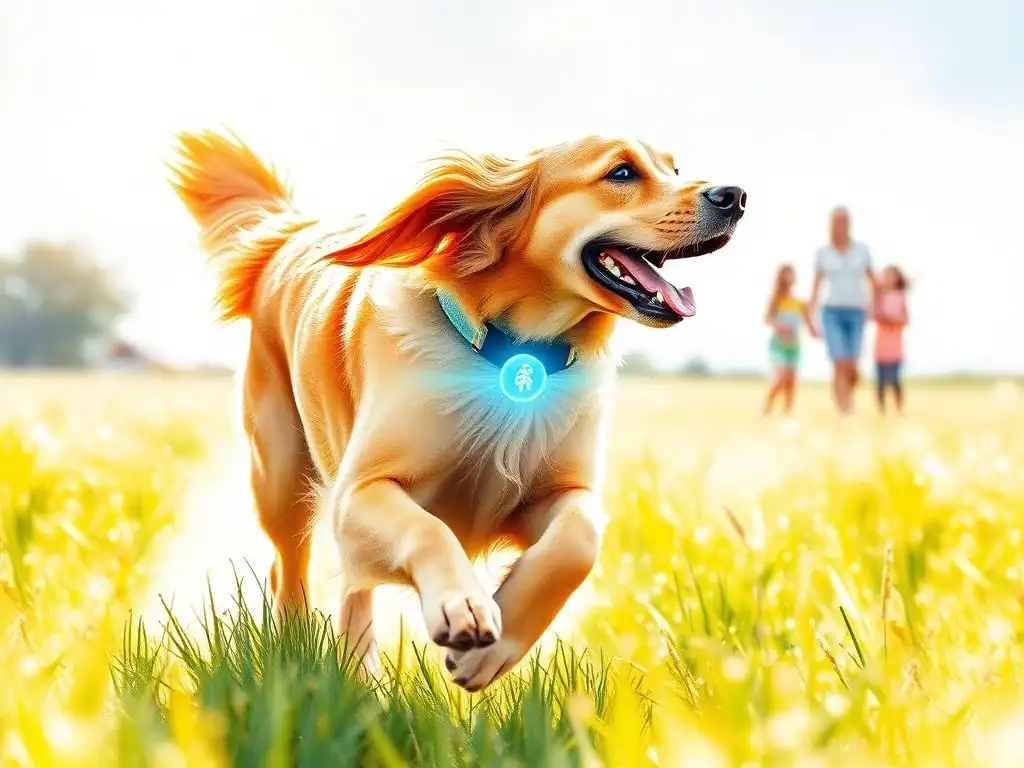
This section delves into the essential features you should prioritize when searching for the best GPS pet tracker. Choosing the right device can significantly impact your pet's safety and your peace of mind. We'll explore key aspects, ensuring you're equipped to make an informed decision. Finding the perfect tracker involves careful consideration of several critical factors, which we will examine in detail. Understanding these features will help you select a device that best suits your pet's needs and your lifestyle.
GPS Accuracy and Reliability: Minimizing Location Errors for Peace of Mind
Accurate location data is paramount for a GPS pet tracker. Inaccurate readings can lead to wasted time and anxiety when searching for a lost pet. The quality of the GPS signal, the device's processing power, and even environmental factors can affect accuracy. Look for trackers that boast high-sensitivity GPS receivers and utilize multiple global navigation satellite systems (GNSS) for enhanced precision.
Comparing GPS Technology: Differences between GPS, GLONASS, and Galileo
Many high-end GPS pet trackers utilize multiple GNSS constellations to improve location accuracy and reliability. Let's briefly compare three prominent systems:
- GPS (Global Positioning System): Developed by the United States, GPS is the most widely known and used GNSS. It provides excellent global coverage.
- GLONASS (Global Navigation Satellite System): Developed by Russia, GLONASS offers comparable global coverage to GPS. Using both GPS and GLONASS significantly improves accuracy, especially in areas with challenging terrain or dense foliage.
- Galileo: Developed by the European Union, Galileo is a relatively newer GNSS. It offers high accuracy and reliability, further enhancing the precision of location tracking.
The best GPS pet trackers often combine GPS, GLONASS, and Galileo for superior performance, minimizing location errors even in challenging environments. This redundancy ensures that even if one system experiences temporary interference, the tracker can still provide a reasonably accurate location. Look for trackers that explicitly mention their use of multiple GNSS constellations in their specifications.
Battery Life and Charging: Ensuring Continuous Monitoring of Your Pet's Location
Battery life is a critical factor in the effectiveness of a GPS pet tracker. A tracker with poor battery life might fail to provide location data when you need it most. The duration depends on various factors, including the tracker's size, features, and usage frequency. Consider your pet's activity level and the expected tracking duration when evaluating battery life claims.
Extended Battery Life Trackers: Review of Long-Lasting Battery Trackers
Several manufacturers now offer GPS pet trackers with remarkably long battery lives, some exceeding a week on a single charge. These trackers often employ low-power components and sophisticated power management techniques to maximize battery efficiency. The extended battery life of these trackers is a significant advantage, especially for owners who frequently take their pets on extended adventures or who prefer less frequent charging. [Specific models and battery life data pending].
Charging Methods and Convenience: Comparing Rechargeable vs. Replaceable Batteries
GPS pet trackers typically use either rechargeable or replaceable batteries. Rechargeable batteries offer convenience but require access to a power source for charging. Replaceable batteries offer the advantage of immediate replacement if the battery runs low, eliminating downtime.
| Battery Type | Advantages | Disadvantages |
|---|---|---|
| Rechargeable | Convenient, environmentally friendly | Requires charging, potential for battery degradation |
| Replaceable | Immediate replacement, no downtime | More expensive in the long run, generates waste |
The best choice depends on your individual preferences and lifestyle. Consider how often you're willing to charge the device versus the convenience of a quick battery swap. Remember to always check the battery type and charging specifications before purchasing a GPS pet tracker. Consider the environmental impact of disposable batteries.
Range and Connectivity: Maximizing Coverage Area for Your Pet's Safety
Choosing a GPS pet tracker involves careful consideration of its range and connectivity capabilities. The further your pet can roam while remaining trackable, the greater peace of mind you'll have. This depends heavily on the type of technology used and the strength of the network in your area.
A wider range is crucial for pets with a tendency to wander, those living in rural areas with less dense cellular coverage, or for those who participate in outdoor activities with their pets, like hiking or hunting. A limited range can result in lost connection and a diminished ability to locate your pet quickly in case of an emergency. Therefore, understanding the nuances of different connectivity types is essential for selecting the best GPS pet tracker for your needs and your pet's lifestyle.
Cellular vs. Bluetooth Trackers: Understanding the Differences in Range and Reliability
The primary difference between cellular and Bluetooth trackers lies in their range and reliability. Bluetooth trackers, generally smaller and less expensive, rely on a connection to your smartphone via Bluetooth. Their range is limited to the Bluetooth signal's reach, typically only a few hundred feet. This makes them suitable for keeping track of pets within a confined area, such as your home or backyard. However, if your pet escapes the range of your phone's Bluetooth signal, the tracker becomes useless.
Cellular trackers, on the other hand, utilize cellular networks for communication, providing a much broader range, often extending across miles. This significantly increases the chances of locating your pet even if they stray far from home. Cellular trackers are generally more reliable because they don't depend on a direct connection to your phone. However, they often come with a monthly subscription fee for cellular data. The choice between these depends heavily on your pet's behavior and your location. For pets who are prone to wandering, a cellular tracker is undoubtedly the safer option, despite the added cost.
Network Coverage: Choosing a Tracker with Reliable Network Support in Your Area
Even with a cellular tracker boasting a wide range, the reliability of the network in your specific area is paramount. Rural areas often have weaker cellular signals compared to urban environments. Before purchasing a GPS pet tracker, investigate the network coverage of the carrier used by the tracker in your specific location. Check for dead zones or areas with weak signals that could compromise the tracker's effectiveness.
Some trackers may use multiple cellular networks to maximize coverage, which is a significant advantage in areas with inconsistent signal strength. Consider using online tools or contacting the tracker's customer support to inquire about network coverage in your area to avoid purchasing a tracker that won't function reliably. This step is crucial for ensuring the best performance and reliability of your GPS pet tracker.
Durability and Water Resistance: Protecting Your Tracker from the Elements

Your pet's GPS tracker will likely face exposure to various environmental conditions, including rain, mud, and even accidental drops. Therefore, durability and water resistance are critical factors to consider. A durable tracker can withstand the rigors of daily wear and tear, ensuring it remains functional even after being subjected to bumps, scratches, and exposure to harsh weather.
A water-resistant tracker is crucial for pets who love to play in puddles or who may get unexpectedly caught in the rain. Investing in a robust tracker will save you money and frustration in the long run, ensuring the longevity of your device.
Testing for Durability: Comparison of Rugged and Less Durable Trackers
The durability of GPS pet trackers varies significantly across different models. Some trackers are designed with rugged, reinforced cases to withstand drops and impacts, while others are more susceptible to damage. Look for trackers that have undergone rigorous testing to meet specific durability standards. Independent reviews and user experiences can also provide valuable insights into a tracker's resilience.
For example, some brands might highlight drop tests from specific heights, while others might emphasize the use of shock-absorbing materials. Comparing these aspects across different trackers will help you identify models that can reliably withstand the challenges of your pet's active lifestyle. Consider the specific needs of your pet; a more rugged tracker is necessary for an active dog compared to a less active cat.
Water Resistance Ratings: Understanding IPX ratings and their significance
Water resistance in GPS pet trackers is typically indicated by an IPX rating. This rating system specifies the level of protection against water ingress. For example, an IPX7 rating indicates that the tracker can withstand immersion in water up to 1 meter for 30 minutes. A higher IPX rating generally signifies greater water resistance.
However, it's crucial to understand that even with a high IPX rating, the tracker should not be intentionally submerged or exposed to high-pressure water streams. Consider your pet's habits and choose a tracker with an IPX rating appropriate for their lifestyle. A higher IPX rating provides increased peace of mind, especially for pets who enjoy swimming or playing in wet conditions. Always check the manufacturer's specifications to understand the limitations of the water resistance rating.
Additional Features Enhancing Pet Safety and Convenience
Finding the best GPS pet tracker involves considering features beyond basic location tracking. Many trackers offer supplementary functionalities designed to enhance both your pet's safety and your peace of mind. These extra features can significantly improve the overall user experience and provide valuable insights into your pet's well-being. Let's explore some of the most beneficial additions.
Geofencing Capabilities: Setting Safe Zones and Receiving Alerts
Geofencing is a standout feature among the best GPS pet trackers. This functionality allows you to create virtual boundaries or "safe zones" on a map within the tracker's app. You define the perimeter of your yard, your neighborhood park, or any other area you designate as safe for your pet.
The tracker then monitors your pet's location in real-time. If your pet wanders outside the geofenced area, you receive an immediate alert on your smartphone, allowing for prompt action. This is particularly useful for preventing escapes and ensuring your pet stays within a designated safe space.
The precision of geofencing can vary depending on the tracker's GPS accuracy and the strength of the cellular signal; however, reliable models offer sufficient accuracy for most needs. Consider the size of your geofence when making your purchase; some trackers are better suited for smaller, more precise zones while others are better for larger areas.
Activity Monitoring: Tracking Your Pet's Daily Movement and Exercise
Many modern GPS trackers go beyond simple location tracking; they also monitor your pet's activity levels. This feature provides valuable data on your pet's daily routine, including the distance traveled, the number of steps taken, and even sleep patterns (in some advanced models). This information can help you identify potential health issues, such as a decrease in activity that might indicate illness or injury. Furthermore, monitoring your pet's activity helps you ensure they are getting enough exercise.
For example, if you notice a significant drop in activity, you can adjust their routine to improve their physical well-being. The data provided by these trackers can be incredibly useful for pet owners who are aiming to maintain their pet's fitness and overall health. Remember that the accuracy of activity tracking can differ between models, so it’s important to check reviews before purchasing.
Virtual Leash Features: Receiving Alerts When Your Pet Exits a Designated Area
Closely related to geofencing, the "virtual leash" feature provides an extra layer of security. Essentially, it works similarly to geofencing, but with a focus on immediate alerts. Instead of simply notifying you when your pet leaves a pre-defined area, a virtual leash feature often sends more frequent and potentially more urgent alerts, almost acting as an immediate warning system.
This is particularly beneficial in situations where a quick response is critical, such as when your pet is near a busy road or other potentially hazardous locations. The virtual leash acts as a constant monitor, providing peace of mind and ensuring you're instantly aware of your pet's movements beyond a set boundary. Consider the sensitivity settings of this feature; some trackers allow you to adjust the frequency and urgency of alerts based on your pet's behavior and your preferences.
Two-Way Communication: Talking to Your Pet Through the Tracker (if applicable)
While not a standard feature in all GPS pet trackers, some models incorporate two-way audio communication. This innovative feature allows you to speak to your pet directly through the tracker, even when they are at a distance. This is particularly useful for reassuring a nervous or anxious pet, calling them back if they've wandered off, or simply providing a comforting voice.
The audio quality can vary between devices, with some offering clearer sound than others. This feature is especially beneficial for pets who respond well to verbal cues and are easily reassured by their owner's voice. Before purchasing, it's essential to check the range and clarity of the two-way communication to ensure it meets your expectations.
Integration with Smartphone Apps: Ease of Use and Data Access
Seamless integration with a smartphone app is crucial for the usability of any GPS pet tracker. The best trackers offer user-friendly apps that provide easy access to all the tracker's features and data. These apps typically allow you to view your pet's location in real-time, review their activity history, set geofences, receive alerts, and manage other settings. Look for apps with intuitive interfaces, clear data visualization, and reliable notifications.
Compatibility with both iOS and Android devices is also essential for broader accessibility. Consider the app's features and user reviews when choosing a tracker, as a poorly designed app can significantly diminish the overall user experience. A well-integrated app is key to making the most of your tracker's capabilities and ensuring a smooth and convenient pet tracking experience.
Choosing the Best GPS Pet Tracker for Your Pet and Lifestyle
Finding the best GPS pet tracker involves careful consideration of your pet's unique needs and your lifestyle. It's not a one-size-fits-all solution. The ideal device for a rambunctious Labrador Retriever will differ significantly from the one suitable for a sedentary Persian cat. Key features to consider include range, battery life, size and weight, and the type of tracking technology used. Understanding these aspects will help you choose a device that provides optimal safety and peace of mind. Let's delve deeper into these crucial aspects to help you find the perfect GPS tracker for your furry friend.
Matching Tracker Features to Your Pet's Breed and Activity Level
The best GPS pet tracker features are directly tied to your pet's activity level and size. A small, lightweight tracker is ideal for smaller breeds like Chihuahuas or cats, minimizing discomfort and maximizing wearability. Larger, more robust trackers might be better suited for larger, more active breeds like German Shepherds or energetic dogs prone to escaping.
Consider these examples:
- High-energy dogs: These dogs require a tracker with a long battery life and a wide range, capable of withstanding vigorous activity and potential roughhousing. Look for features like shock resistance and waterproof capabilities. A tracker with real-time location updates is also beneficial.
- Cats: Cats, often more independent and less predictable in their movements, benefit from trackers with smaller profiles and longer battery life. While real-time tracking is helpful, a tracker that prioritizes battery conservation to ensure longer usage periods may be more practical.
- Small dogs: Similar to cats, smaller dogs require a lightweight and comfortable tracker. The size and weight of the device are paramount to ensure it doesn't cause discomfort or hinder their movement.
| Pet Type | Ideal Tracker Features | Considerations |
|---|---|---|
| Small Dog | Lightweight, long battery life, comfortable design | Size and weight are crucial for comfort and safety |
| Large Dog | Durable, long battery life, wide range, real-time updates | Shock resistance and waterproof capabilities are important |
| Cat | Small profile, long battery life, comfortable design | Less emphasis on real-time updates; battery life is key |
Choosing the right tracker involves carefully matching the device's capabilities to your pet's lifestyle and breed-specific needs. This ensures both the safety and comfort of your beloved companion. Remember, the "best" GPS pet tracker is the one that best suits your individual pet's needs.
Budget Considerations: Finding a High-Quality Tracker Within Your Price Range

The cost of GPS pet trackers varies significantly, ranging from budget-friendly options to high-end models with advanced features. While it's tempting to opt for the cheapest option, remember that quality and reliability are crucial for ensuring your pet's safety. A cheaper tracker might compromise on features like battery life, accuracy, or durability, potentially leading to frustrating experiences or even compromising your pet's safety.
Prioritize these aspects when considering your budget:
- Essential features: Focus on the core functionalities: GPS tracking accuracy, reliable range, and sufficient battery life. Don't overspend on unnecessary features if they don't align with your pet's needs and your lifestyle.
- Value for money: Compare the features and specifications of different trackers within your price range. Look for models that offer a good balance of performance and affordability. Read reviews to gauge the value offered by each model.
- Long-term costs: Consider the cost of ongoing subscription fees for data services. Some trackers require monthly or annual payments for continued use of their location services. Factor this into your overall budget.
Balancing cost and quality is key. Don't compromise on essential features, but also avoid unnecessary expenses. Thorough research and comparison shopping will help you find a high-quality tracker that fits your budget without sacrificing your pet's safety.
Reviews and Ratings: Considering User Feedback Before Purchase
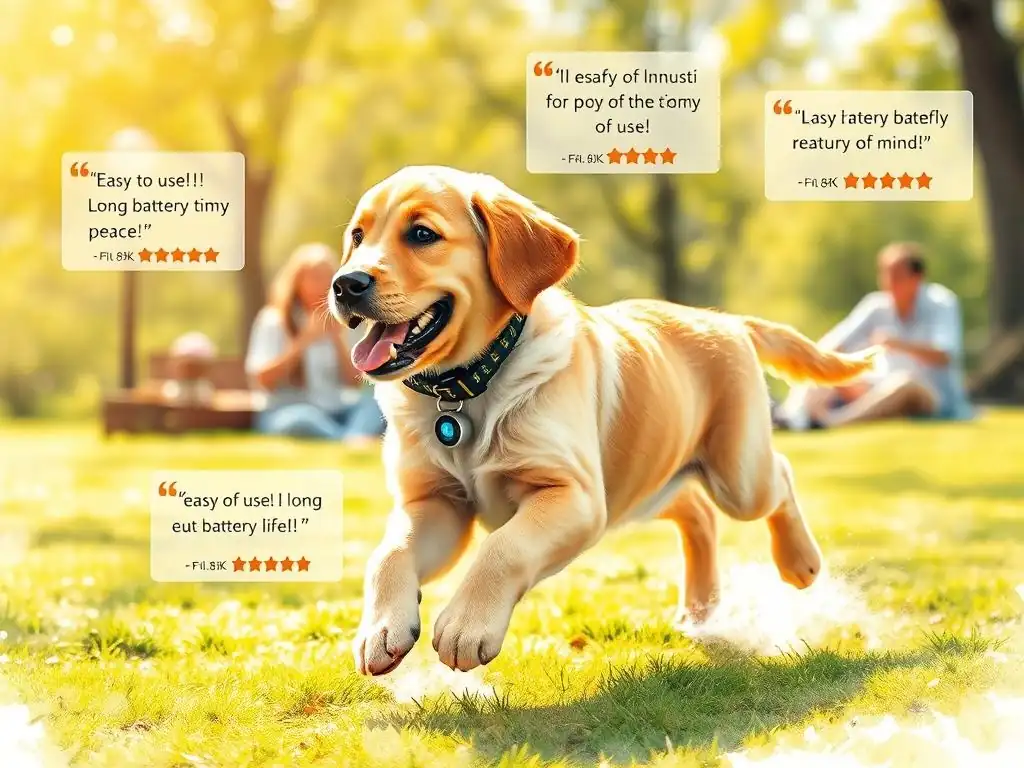
Before committing to a purchase, thoroughly researching user reviews and ratings is crucial. These provide invaluable insights into the real-world performance of different GPS pet trackers. Pay close attention to the following aspects:
- Accuracy of location tracking: Check reviews for reports on the accuracy of the tracker's GPS signals, especially in areas with weak signal strength. Inconsistent or inaccurate location data can be extremely frustrating and potentially dangerous.
- Battery life: User reviews often provide realistic assessments of battery life under various conditions. Compare reported battery life to the manufacturer's claims. Significant discrepancies could indicate issues with the tracker's performance.
- Durability and water resistance: Look for feedback on the tracker's durability and water resistance. If your pet is prone to getting into muddy puddles or swimming, a waterproof tracker is essential.
- Customer support: Read reviews about the responsiveness and helpfulness of the manufacturer's customer support. A reliable customer support team is crucial in case you encounter any problems with the tracker.
By carefully analyzing user feedback, you can gain a more comprehensive understanding of a tracker's strengths and weaknesses, helping you make an informed decision that aligns with your needs and ensures your pet's safety. Remember, user reviews are a powerful tool in finding the best GPS pet tracker for your furry friend.
Conclusion: Ensuring Your Pet's Safety with the Right GPS Tracker
This exploration of the best GPS pet tracker features highlights the crucial role technology plays in safeguarding our beloved companions. Choosing the right tracker isn't just about finding the cheapest option; it's about investing in a reliable system that provides peace of mind and enhances your pet's safety. From long battery life and accurate location tracking to durable construction and user-friendly interfaces, the features discussed above represent key considerations for discerning pet owners. Remember, the "best" GPS pet tracker is the one that best suits your pet's individual needs and your lifestyle.
Final Thoughts and Recommendations for Selecting the Perfect GPS Pet Tracker
Selecting the perfect GPS pet tracker involves careful consideration of various factors. Don't solely focus on the advertised price; instead, prioritize features that directly address your pet's specific needs and your own requirements. For example, a small, lightweight tracker might be ideal for a tiny chihuahua, while a more robust, water-resistant tracker might be better suited for an adventurous Labrador.
Consider the following checklist before making a purchase:
- Pet Size and Breed: A larger dog will need a more durable tracker than a small cat.
- Activity Level: An active dog requires a tracker with longer battery life and more robust construction.
- Your Lifestyle: Consider how often you'll need to check your pet's location and the range of tracking you require.
- Budget: GPS trackers vary widely in price; determine a realistic budget before you start shopping.
- Features: Prioritize features like GPS accuracy, battery life, range, and alert notifications. Consider additional features like activity monitoring or geofencing, depending on your needs.
Ultimately, the best GPS pet tracker is one that provides reliable location data, offers a long battery life, and is comfortable and secure for your pet to wear. Thorough research and careful consideration of your specific needs will lead you to the ideal solution, ensuring your furry friend's safety and bringing you invaluable peace of mind. Remember to read reviews from other pet owners to get a well-rounded perspective before making your final decision. Don't hesitate to prioritize quality and reliability over cost; your pet's safety is priceless. 🐾
Frequently Asked Questions
What are the most important features to look for in a GPS pet tracker?
The most crucial features include reliable GPS accuracy, a long-lasting battery life, and a user-friendly mobile app with features like geofencing and activity tracking. Consider range and the device's durability as well.
How accurate is the GPS tracking on these devices?
Accuracy varies depending on the GPS technology used and environmental factors. Most offer good accuracy within a few feet, but signal strength can be affected by dense foliage or buildings. Look for trackers with multiple GPS technologies for better accuracy.
What is the typical battery life of a GPS pet tracker?
Battery life depends on usage, but you can generally expect 2-7 days of use between charges. Some trackers offer longer battery life, but often at the expense of other features like smaller size. Check specifications carefully.
How does geofencing work with a GPS pet tracker?
Geofencing allows you to set a virtual boundary on your phone app. The tracker will alert you if your pet leaves this area, providing real-time location updates and peace of mind.
Are GPS pet trackers suitable for all types of pets?
While many trackers are designed for dogs and cats, some smaller, lighter trackers are suitable for smaller pets. Consider your pet's size and activity level when selecting a tracker; ensure it's securely attached and appropriate for their size and temperament.
The seamless integration of technology into our lives extends even to our beloved pets, and the demand for reliable GPS pet trackers reflects a growing societal commitment to their safety and well-being. The advancements discussed in this article, from long battery life to real-time location updates and geofencing capabilities, are not mere technological novelties; they are vital tools in ensuring the security and happiness of our furry companions.
The impact of GPS pet trackers extends beyond individual pet owners; it's reshaping the landscape of animal welfare and responsible pet ownership. The ability to quickly locate a lost pet can be the difference between a happy reunion and a heartbreaking loss. This technology empowers us to be more proactive in protecting our animals, fostering a stronger bond built on trust and security. The best love is the kind that awakens the soul and makes us reach for more, that plants a fire in our hearts and brings peace to our minds.
This quote, while not directly about GPS trackers, speaks to the deeper connection we share with our pets, a connection that technology can help us nurture and protect.
Consider the implications of this technology for your own pet. What features are most important to you? Take the time to research and choose a GPS tracker that best suits your pet's needs and your lifestyle. By embracing these advancements, we not only enhance the safety of our pets but also contribute to a more responsible and compassionate approach to animal care. Let's continue to explore and innovate, ensuring that our technological advancements always serve the best interests of our animal companions.
Unleash Your Pet's Freedom: Take the Next Step!
Thank you for exploring the key features of a GPS pet tracker with us! We hope you feel confident in choosing the right device to ensure your pet's safety. Ready to take the next steps towards peace of mind?
- Find the Perfect Tracker: Research the models we highlighted and select the one that best suits your pet's needs and your budget. Consider factors such as battery life, size, and additional features. This is the crucial first step!
- Share Your Decision: Tell your fellow pet owners about your choice! Share this article on social media or discuss it in the comments section below.
- Explore Additional Pet Safety Resources: Learn more about pet safety by visiting our extensive library of articles on PetCareWorld.org – discover even more tips and tricks to ensure your pet's well-being!
What exciting feature are you most looking forward to in your new GPS pet tracker? Let's discuss!