
Pet Bleeding Control: Understanding Underlying Health Conditions


Welcome to PetCareWorld, your ultimate guide to a happier, healthier life for your beloved pet! Are you equipped to handle a pet emergency? Understanding pet bleeding control is crucial, and knowing the underlying causes can be the difference between a quick recovery and a devastating outcome. Dive into our expert guide on "Pet Bleeding Control: Understanding Underlying Health Conditions" and discover essential knowledge to safeguard your furry, feathered, or scaled friend. Learn more now and gain the confidence to act decisively when it matters most.
- Identifying the Source of Pet Bleeding: A Crucial First Step
-
Underlying Health Conditions Causing Pet Bleeding: A Comprehensive Overview
- Coagulation Disorders in Pets: Hemophilia and Other Bleeding Diseases
- Liver Disease and its Impact on Pet Blood Clotting
- Kidney Failure and its Contribution to Pet Hemorrhage
- Cancer and Bleeding: Tumors and Neoplasms in Pets
- Infections and Sepsis: Their Role in Pet Bleeding
- Vitamin K Deficiency and its Effect on Blood Clotting in Pets
- Poisoning and Toxin Exposure Leading to Pet Bleeding
- Pet Bleeding Control Techniques: First Aid for Pet Hemorrhage
- Diagnosing the Root Cause of Pet Bleeding: Veterinary Examination and Tests
- Long-Term Management of Pet Bleeding: Treatment and Prevention
- Preventing Pet Bleeding: Proactive Measures for Pet Owners
-
Frequently Asked Questions
- What are some common underlying causes of pet bleeding?
- How can I tell if my pet's bleeding is serious?
- What first aid can I provide for a bleeding pet before veterinary care?
- What diagnostic tests might a vet perform to determine the cause of my pet's bleeding?
- Are there specific breeds or ages of pets more prone to bleeding disorders?
- Final Reflection: The Silent Emergency: Understanding Pet Bleeding
- Empower Yourself: Take Charge of Pet First Aid
Identifying the Source of Pet Bleeding: A Crucial First Step

Pet bleeding, whether a minor scratch or a significant hemorrhage, requires immediate attention. Understanding the underlying cause of your pet's bleeding is crucial for effective first aid and subsequent veterinary care. This article will guide you through assessing the severity of the bleeding, locating its source, and identifying some common external bleeding sites in pets.
Successfully managing pet bleeding often hinges on quickly identifying the root cause, which can range from simple cuts and scrapes to more serious underlying health conditions. Early recognition and appropriate action can significantly impact your pet's outcome, potentially saving their life. We'll explore these critical steps, equipping you with the knowledge to respond effectively to various bleeding scenarios and providing valuable insights into potential underlying health problems that might be contributing to the bleeding.
Remember, this information is for educational purposes only and should not replace professional veterinary advice. Always seek immediate veterinary care for your pet if they are bleeding.
Assessing the Severity of Pet Hemorrhage: Minor vs. Major Bleeding
Determining the severity of your pet's bleeding is the first critical step. Minor bleeding typically involves a slow, steady ooze of blood from a superficial wound. You might see a small amount of blood, easily controlled with direct pressure. Conversely, major bleeding is characterized by a rapid, profuse flow of blood, often spurting or gushing. The pet may exhibit signs of shock, such as pale gums, weakness, and rapid breathing.
The following table helps differentiate between minor and major bleeding:
| Feature | Minor Bleeding | Major Bleeding |
|---|---|---|
| Blood Flow | Slow, steady ooze | Rapid, profuse flow; may spurt or gush |
| Blood Color | Typically bright red | May be dark red or even black (indicates internal bleeding) |
| Pet's Condition | Alert, relatively stable | Weak, lethargic, pale gums, rapid breathing |
| Controllability | Easily controlled with direct pressure | Difficult to control with direct pressure; requires immediate veterinary care |
Recognizing the difference is vital because major bleeding constitutes a veterinary emergency requiring immediate attention. Delaying treatment can have severe consequences. 🐾
Locating the Bleeding Source in Your Pet: External vs. Internal Bleeding
Once the severity is assessed, pinpointing the bleeding's origin is paramount. Bleeding can be external, visible on the pet's body, or internal, hidden within the body cavity. External bleeding is often easier to manage, but internal bleeding is far more dangerous and requires immediate veterinary intervention.
External bleeding sources might include cuts, wounds, or injuries to the skin, while internal bleeding could stem from various causes, such as trauma, organ damage, or bleeding disorders. Signs of internal bleeding can be subtle, including lethargy, pale gums, weakness, abdominal distension, or coughing up blood. Identifying internal bleeding requires a thorough veterinary examination.
Common External Bleeding Sites in Pets: Cuts, Wounds, and Injuries
Several common areas on a pet's body are prone to external bleeding. These include:
- Paws and Legs: These areas are frequently injured due to scrapes, cuts, and punctures from sharp objects or encounters with other animals.
- Head and Face: Facial injuries can involve cuts, lacerations, and nosebleeds.
- Ears: Torn or damaged ear flaps can bleed significantly.
- Tail: Injuries to the tail are common, often resulting in bleeding and potential nerve damage.
Understanding these common sites allows for quicker assessment and appropriate first aid measures. Always remember to prioritize your pet's safety and seek immediate veterinary care when facing significant or uncontrolled bleeding. Careful observation and prompt action are key to ensuring a positive outcome.
Detecting Internal Bleeding in Pets: Subtle Signs and Symptoms
Internal bleeding in pets can be significantly more challenging to detect than external bleeding, as the signs are often subtle and can easily be missed. Recognizing these subtle indicators is crucial for timely veterinary intervention, potentially saving your pet's life. Early detection dramatically improves the chances of successful treatment. Unfortunately, many pet owners mistake the symptoms for other, less serious ailments, leading to delayed diagnosis and potentially worse outcomes. Therefore, vigilance and a keen understanding of the symptoms are paramount.
One of the most common signs of internal bleeding is pale gums. Healthy gums usually exhibit a vibrant pink hue. However, with internal bleeding, the gums may appear pale, white, or even bluish. This pallor is due to a decrease in the oxygen-carrying capacity of the blood, a direct consequence of blood loss. Observe your pet's gums regularly; any noticeable change in color should prompt immediate veterinary attention. Don't rely solely on visual assessment; touch the gums gently; if they feel unusually cold and clammy, this too indicates a potential problem.
Another subtle sign is excessive lethargy or weakness. Your usually energetic pet may suddenly become unusually tired, displaying a lack of interest in their usual activities, including playtime and eating. This lethargy is a result of the body's struggle to compensate for the blood loss, leading to a decrease in energy levels. This symptom, while seemingly minor, should be taken seriously, especially when coupled with other potential indicators. Compare your pet's energy levels to their typical behavior; any significant deviation warrants investigation.
Weakness and collapse are more serious symptoms indicative of significant blood loss. This is often a late-stage manifestation of internal bleeding and requires immediate veterinary care. If your pet suddenly collapses or shows signs of significant weakness, such as difficulty standing or walking, seek emergency veterinary attention immediately. Time is of the essence in these situations, as rapid blood loss can lead to life-threatening consequences.
Changes in breathing patterns can also signal internal bleeding. Your pet may exhibit rapid, shallow breathing, or they may experience difficulty breathing. This is due to the body's attempt to compensate for the reduced oxygen levels in the blood. Listen carefully to your pet's breathing; any unusual sounds or patterns should be carefully noted and reported to your veterinarian. Consider the context; is the rapid breathing accompanied by other symptoms, such as lethargy or pale gums? The combination of symptoms provides a more comprehensive picture.
Finally, abdominal distension or swelling can indicate internal bleeding, especially if accompanied by pain or tenderness in the abdomen. Gently palpate your pet's abdomen; if you detect any unusual swelling or firmness, consult your veterinarian. Never attempt to self-diagnose or treat internal bleeding; professional veterinary care is always necessary. Remember, early detection is crucial for a positive outcome. The subtle nature of internal bleeding necessitates a proactive approach to pet health monitoring.
Underlying Health Conditions Causing Pet Bleeding: A Comprehensive Overview
Pet bleeding control is crucial in emergency situations, but understanding the underlying causes is vital for effective long-term management. This section delves into several health conditions that significantly increase a pet's risk of bleeding, highlighting the importance of veterinary diagnosis and treatment beyond immediate first aid. Effective pet bleeding control often hinges on addressing the root cause, not just managing the symptoms. This is especially true for conditions that impair the body's natural clotting mechanisms. Ignoring the underlying condition can lead to recurring episodes and potentially life-threatening complications.
Coagulation Disorders in Pets: Hemophilia and Other Bleeding Diseases
Coagulation disorders represent a significant category of underlying health conditions that contribute to excessive bleeding in pets. These disorders disrupt the complex process of blood clotting, leading to prolonged bleeding times and increased risk of hemorrhage. Hemophilia, a well-known example, is an inherited condition characterized by a deficiency in specific clotting factors. This deficiency prevents the formation of stable blood clots, resulting in spontaneous or easily triggered bleeding episodes. Different types of hemophilia exist, depending on the deficient clotting factor (Factor VIII or Factor IX being the most common).
Symptoms can range from minor bruising and prolonged bleeding from minor injuries to severe internal bleeding, requiring immediate veterinary intervention. Diagnosis often involves blood tests to assess clotting factor levels and assess the overall clotting cascade. Treatment focuses on replacing the deficient clotting factor through infusions, managing bleeding episodes, and preventing future occurrences. Other less common coagulation disorders can also manifest similarly, emphasizing the need for comprehensive veterinary assessment when dealing with unexplained bleeding in pets. Early diagnosis and appropriate management are crucial for improving the quality of life and longevity for pets with these conditions.
Liver Disease and its Impact on Pet Blood Clotting
The liver plays a pivotal role in the production of clotting factors, many of which are synthesized and released by this vital organ. Therefore, liver disease, encompassing various conditions like cirrhosis, hepatitis, and liver failure, can significantly impair blood clotting ability. As liver function deteriorates, the production of these crucial clotting factors decreases, leading to a heightened risk of bleeding. This can manifest as spontaneous bruising, prolonged bleeding from minor wounds, or even severe internal bleeding, depending on the severity of the liver disease.
The impact of liver disease on blood clotting is multifaceted. Not only does it reduce the quantity of clotting factors, but it can also affect their quality, leading to less effective clotting. Furthermore, liver disease often causes other complications that exacerbate bleeding risks, such as impaired platelet function and decreased vitamin K absorption, both essential for proper coagulation. Diagnosing the underlying liver disease is crucial for effective pet bleeding control.
This usually involves blood tests to assess liver function, imaging techniques to visualize the liver, and potentially a liver biopsy for a definitive diagnosis. Treatment focuses on managing the underlying liver disease and, in some cases, providing supportive care to counteract the effects of impaired clotting. Dietary changes and medications are often part of the management plan.
Kidney Failure and its Contribution to Pet Hemorrhage
Chronic kidney disease (CKD) is another insidious condition that can significantly contribute to pet hemorrhage. While not directly involved in clotting factor production, kidney failure impacts the body's overall homeostasis, creating an environment conducive to bleeding. One key factor is the disruption of electrolyte balance, particularly calcium and phosphorus levels, which are essential for proper platelet function. Impaired platelet function can lead to prolonged bleeding times and increased susceptibility to bruising and hemorrhage.
Furthermore, kidney failure often leads to anemia, a reduction in red blood cells. Anemia reduces the blood's oxygen-carrying capacity, potentially worsening the effects of any bleeding episode. Kidney failure can also cause other complications, such as hypertension and vascular damage, which further increase the risk of bleeding. The management of CKD often includes dietary adjustments, fluid therapy, and medications to control blood pressure and manage other related symptoms.
Addressing the underlying kidney disease is essential for effective pet bleeding control, as managing just the bleeding itself without addressing the root cause will likely lead to recurrence. Regular monitoring of kidney function and blood pressure is crucial in pets diagnosed with CKD. Early intervention and proactive management can significantly improve the pet's quality of life and reduce the risk of severe bleeding episodes.
Cancer and Bleeding: Tumors and Neoplasms in Pets
Cancer in pets, like in humans, can manifest in various ways, and bleeding is unfortunately a common symptom. Tumors and neoplasms, whether benign or malignant, can disrupt the body's natural mechanisms, leading to internal or external bleeding. The location of the tumor plays a significant role; for example, a tumor pressing on a blood vessel can cause a rupture and subsequent hemorrhage. Malignant tumors, due to their invasive nature, can erode blood vessel walls, resulting in spontaneous bleeding.
This can be particularly dangerous if the tumor is located internally, making early detection crucial for effective treatment and improved prognosis. The type of cancer also influences the likelihood and severity of bleeding. Some cancers are more prone to causing bleeding than others. For instance, certain types of leukemia can lead to severe internal bleeding due to impaired blood clotting mechanisms.
Regular veterinary checkups, especially for older pets, are vital for early detection of tumors and the implementation of timely treatment to minimize the risk of life-threatening bleeding episodes. Careful monitoring for any unusual bruising, bleeding gums, or blood in the urine or stool is essential in identifying potential cancerous growths early. Treatment options vary depending on the cancer type, its location, and the pet's overall health, and may include surgery, chemotherapy, radiation therapy, or a combination of these approaches.
Infections and Sepsis: Their Role in Pet Bleeding
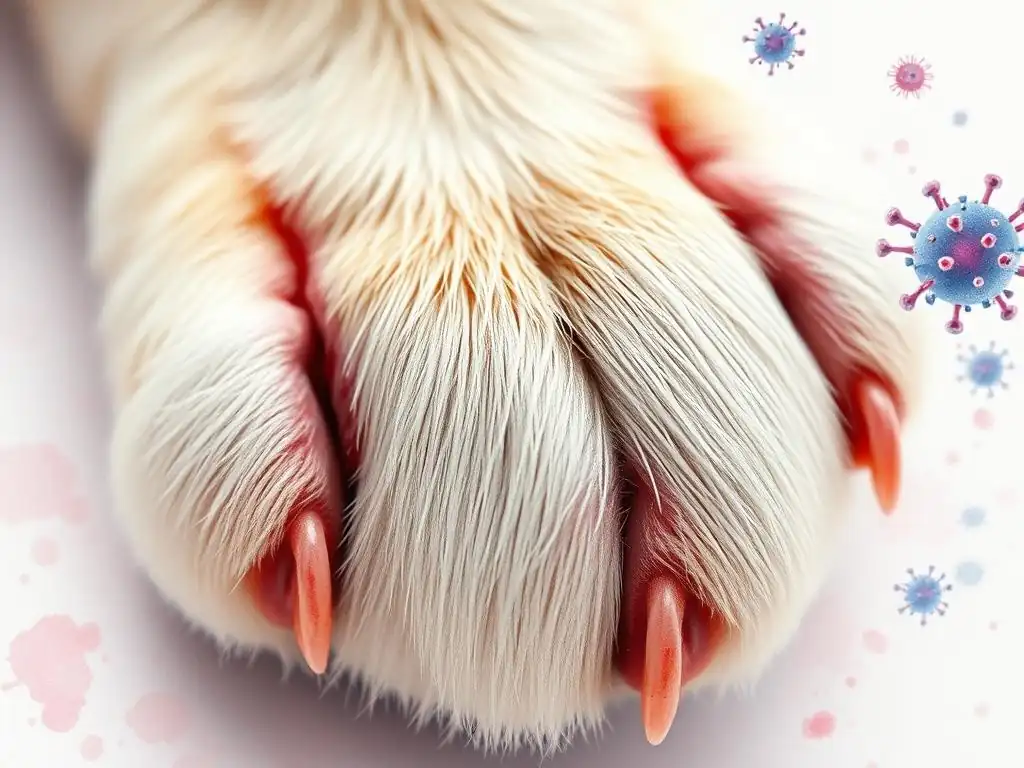
Infections, particularly systemic infections like sepsis, can significantly impair the body's ability to control bleeding. Sepsis, a life-threatening condition resulting from the body's overwhelming response to an infection, can lead to disseminated intravascular coagulation (DIC). DIC is a complex disorder where the blood clotting system malfunctions, resulting in both excessive clotting and severe bleeding simultaneously. This paradoxical situation can cause internal bleeding in multiple organs, leading to organ damage and potentially death.
Less severe infections can also contribute to bleeding through various mechanisms. For example, an infection in the mouth or gums (gingivitis or periodontitis) can cause bleeding gums. Infections can also damage blood vessels, making them more fragile and prone to rupture. Furthermore, some infectious agents directly interfere with the clotting cascade, hindering the body's ability to form blood clots effectively.
Prompt diagnosis and treatment of infections are crucial in preventing complications such as sepsis and associated bleeding disorders. Veterinary care focusing on identifying the source of infection, administering appropriate antibiotics, and supportive care to maintain blood pressure and organ function is paramount in managing infections and mitigating the risk of severe bleeding. The specific treatment will depend on the type and severity of the infection.
Vitamin K Deficiency and its Effect on Blood Clotting in Pets
Vitamin K plays a crucial role in blood clotting. Several factors can lead to Vitamin K deficiency in pets, resulting in impaired blood clotting and increased risk of bleeding. One common cause is ingestion of rodenticides, many of which contain anticoagulants that interfere with Vitamin K's function. Other causes include liver disease, since the liver plays a vital role in Vitamin K metabolism and absorption. Malabsorption syndromes, where the intestines are unable to properly absorb nutrients, can also result in Vitamin K deficiency.
Certain medications can also impact Vitamin K levels. The clinical signs of Vitamin K deficiency include spontaneous bleeding, bruising, and prolonged bleeding from wounds. Severe deficiency can lead to life-threatening hemorrhages. Diagnosis involves blood tests to measure Vitamin K levels and assess clotting factors. Treatment typically involves administering Vitamin K supplements either orally or intravenously, depending on the severity of the deficiency.
The prognosis depends on the underlying cause and the severity of the bleeding. In cases of rodenticide poisoning, prompt treatment is critical to prevent fatal bleeding. Early detection and intervention are essential for a positive outcome. Supportive care, such as blood transfusions, may be necessary in severe cases to manage blood loss.
Poisoning and Toxin Exposure Leading to Pet Bleeding
Poisoning and toxin exposure can manifest in various ways, sometimes leading to internal bleeding that may not be immediately apparent. Many common household items and substances are toxic to pets, causing damage to internal organs and resulting in hemorrhage. Rodenticide ingestion, for example, is a significant cause of internal bleeding in dogs and cats. These anticoagulant poisons interfere with the blood's clotting mechanism, leading to prolonged bleeding and potentially fatal consequences.
Symptoms might include unexplained bruising, nosebleeds, or bloody urine or stool, often accompanied by lethargy and weakness. Early detection and immediate veterinary intervention are crucial in such cases, often involving induced vomiting, administration of activated charcoal to absorb the toxin, and supportive care to manage the bleeding. The prognosis depends heavily on the type and amount of poison ingested, as well as the promptness of treatment.
The severity of bleeding associated with poisoning can vary greatly depending on the specific toxin. Some toxins directly damage blood vessels, causing spontaneous hemorrhage. Others disrupt the clotting cascade, leading to prolonged bleeding from even minor wounds. For instance, certain plants, like oleander and foxglove, contain toxins that can cause cardiac arrhythmias and ultimately lead to internal bleeding.
Similarly, exposure to certain pesticides or herbicides can damage the liver and other organs, contributing to a bleeding diathesis. It is important to note that the symptoms of poisoning can be nonspecific, making diagnosis challenging. Veterinarians often rely on a combination of clinical signs, blood tests (including coagulation studies), and potentially toxicology reports to determine the underlying cause of the bleeding.
Prevention is key when it comes to poisoning. Securing potentially hazardous substances such as medications, cleaning products, and pesticides is essential. Educating family members and guests about the dangers of leaving these items within reach of pets is also crucial. Prompt veterinary care is paramount if you suspect your pet has ingested a toxin, as early intervention significantly improves the chances of a positive outcome.
The cost of treatment can be substantial, depending on the severity of the poisoning and the necessary supportive care, ranging from several hundred dollars to several thousand, depending on the specific circumstances. Pet insurance can be a valuable investment in mitigating these potential financial burdens. Remember, even seemingly innocuous substances can pose a serious threat to your pet's health.
Pet Bleeding Control Techniques: First Aid for Pet Hemorrhage

Controlling bleeding in pets is a critical first aid skill for every pet owner. Effective and timely intervention can significantly improve your pet's chances of survival in a bleeding emergency. Understanding the various techniques and knowing when professional veterinary care is necessary are crucial aspects of responsible pet ownership. This section will focus on practical techniques for controlling bleeding in your pet, emphasizing the importance of quick action and proper procedure. Remember, the severity of the bleeding and your pet's overall condition will dictate the urgency of your response.
Immediate Actions for Controlling Pet Bleeding: Pressure Application and Bandaging
The most immediate action to take when faced with pet bleeding is applying direct pressure to the wound. This helps to slow blood flow and allows for clot formation. Use a clean cloth or bandage, applying firm, consistent pressure directly onto the bleeding area. Avoid touching the wound directly with your bare hands if possible, to minimize infection risk. Elevate the injured limb above the heart if practical; this helps reduce blood flow to the area.
Once direct pressure is applied, securing a bandage can further aid in controlling bleeding. Use a clean, absorbent material and wrap it snugly but not tightly around the wound. Too tight a bandage can restrict blood flow, potentially causing further complications. Check the bandage regularly to ensure it remains in place and is not too constrictive. If the bandage becomes saturated with blood, do not remove it.
Instead, apply a new bandage on top of the existing one, maintaining continuous pressure. This layered approach helps absorb the blood without disturbing the initial clot formation. Remember, observing your pet for signs of shock—pale gums, rapid breathing, weakness—is paramount and warrants immediate veterinary attention. The use of clotting agents or specialized veterinary bandages can be beneficial, but always prioritize immediate pressure application and bandage placement.
When to Seek Immediate Veterinary Care for Pet Bleeding
Even with effective first aid, some bleeding situations require immediate veterinary attention. Seek veterinary care immediately if:
- The bleeding is profuse or uncontrollable despite your efforts.
- The bleeding is accompanied by other serious injuries, such as broken bones or deep wounds.
- Your pet shows signs of shock (pale gums, rapid weak pulse, lethargy).
- The bleeding is from a deep wound, especially if you can see muscle, bone, or organs.
- The wound is located in a difficult-to-bandage area, such as the head or neck.
- You are unsure about the severity of the injury or how to properly control the bleeding.
- The bleeding persists for more than 15-20 minutes despite pressure application.
Time is of the essence in these situations. Delaying veterinary care can have serious consequences for your pet's health and survival. Prompt veterinary intervention ensures proper wound assessment, treatment, and potential surgery if necessary. Knowing when to seek professional help is as crucial as knowing how to apply first aid. Remember, it's always better to err on the side of caution.
Administering First Aid for Different Bleeding Types: Arterial vs. Venous Bleeding
Understanding the difference between arterial and venous bleeding is important for effective first aid. Arterial bleeding, originating from an artery, is characterized by bright red, spurting blood and is typically more dangerous due to the high pressure. Venous bleeding, from a vein, is darker red and flows more steadily.
| Bleeding Type | Blood Color | Flow Rate | Severity | First Aid Approach |
|---|---|---|---|---|
| Arterial | Bright red | Spurting | High | Direct pressure above the wound, immediate veterinary care |
| Venous | Dark red | Steady flow | Moderate | Direct pressure, elevation, bandaging |
While direct pressure remains the cornerstone of first aid for both types, arterial bleeding requires immediate, forceful pressure and often necessitates immediate veterinary intervention. The high pressure of arterial blood makes it more difficult to control. Venous bleeding, while still requiring prompt attention, is generally easier to manage with direct pressure and bandaging.
However, monitoring for signs of infection and shock remains crucial regardless of the bleeding type. Remember, the information provided here is for basic first aid; a veterinarian's assessment and treatment are essential for comprehensive care. Accurate identification of the bleeding source and type is crucial, but it’s not always easy to determine without professional veterinary input.
Preventing Further Bleeding: Wound Care and Aftercare
Preventing further bleeding after initial first aid is crucial for your pet's recovery. This involves careful wound care and appropriate aftercare practices. The immediate steps taken can significantly impact the healing process and minimize the risk of infection or complications. For instance, a deep laceration, even after initial pressure has stopped the bleeding, requires more attention than a minor scratch.
The first step in preventing further bleeding is to clean the wound. Use a clean, sterile gauze or cloth and gently remove any visible debris, such as dirt, grass, or other foreign materials. Avoid scrubbing, as this can further damage the tissue and increase bleeding. Rinsing the wound with clean, lukewarm water can help remove loose contaminants. However, if the wound is deep, shows signs of significant tissue damage, or involves bone, avoid extensive cleaning and seek immediate veterinary attention. Improper cleaning can introduce bacteria and hinder healing.
Once the wound is cleaned, the next crucial step is applying a sterile dressing. This helps to absorb any remaining blood, protect the wound from further contamination, and promote clotting. The dressing should be large enough to cover the entire wound comfortably and secured using vet wrap or medical tape, but avoid wrapping too tightly, which can restrict blood flow. Regularly check the dressing for excessive blood soaking. If the dressing is soaked through, do not remove the initial dressing; instead, add another layer on top. This prevents disturbing the forming clot.
Post-bleeding care extends beyond immediate wound management. Monitoring your pet's vital signs is essential. Observe for signs of weakness, lethargy, pale gums (indicative of ongoing blood loss), or changes in breathing patterns. These are all indicators that require immediate veterinary attention. Regularly inspect the wound for signs of infection, such as increased swelling, redness, heat, or pus. If any of these signs appear, contact your veterinarian immediately.
Finally, administering any prescribed medication as directed by your veterinarian is critical. This may include antibiotics to prevent infection or pain relievers to manage discomfort. Strictly adhere to the dosage and frequency prescribed, and never give your pet human medications without explicit veterinary guidance. Remember, consistent monitoring and careful adherence to aftercare instructions are vital for your pet's successful recovery from bleeding injuries. The success of your pet's recovery depends heavily on these post-treatment steps. Even a seemingly minor wound requires vigilant monitoring and care.
Diagnosing the Root Cause of Pet Bleeding: Veterinary Examination and Tests
Effective pet bleeding control requires understanding the underlying cause. Simply stemming the bleeding is only a temporary solution; addressing the root problem is crucial for your pet's long-term health and well-being. This often necessitates a thorough veterinary examination and a series of diagnostic tests. Ignoring the underlying cause of pet bleeding can lead to serious complications, even death, emphasizing the importance of professional veterinary intervention. The severity of the bleeding and the pet's overall health will dictate the necessary diagnostic approach.
Blood Tests for Diagnosing Coagulation Disorders and Other Conditions
Blood tests are fundamental in diagnosing the underlying causes of pet bleeding. These tests provide vital information about your pet's blood components and overall health. Several specific tests are crucial for identifying bleeding disorders:
- Complete Blood Count (CBC): This comprehensive test analyzes various blood components, including red blood cells (RBCs), white blood cells (WBCs), and platelets. Low platelet counts (thrombocytopenia) are a common cause of bleeding problems, as platelets are essential for blood clotting. Abnormal WBC counts might indicate an underlying infection or inflammatory disease contributing to bleeding.
- Coagulation Tests: These tests assess the blood's ability to clot. Prothrombin time (PT), activated partial thromboplastin time (aPTT), and fibrinogen levels are commonly measured. Abnormal results can indicate deficiencies in clotting factors, inherited clotting disorders (like hemophilia in dogs), or liver disease, all of which can significantly impair the body's ability to control bleeding.
- Chemistry Panel: This panel evaluates organ function, including the liver and kidneys. Liver disease, for example, can impair the production of clotting factors, leading to increased bleeding tendencies. Kidney disease can also indirectly affect coagulation.
- Blood Typing: In cases of severe trauma, blood transfusions might be necessary. Blood typing is essential to ensure compatibility and prevent adverse reactions.
The results of these tests provide critical clues to pinpoint the cause of your pet's bleeding. For instance, a low platelet count might suggest immune-mediated thrombocytopenia, while abnormal coagulation tests could point towards liver disease or a specific clotting factor deficiency. The veterinarian will interpret these results in conjunction with the clinical presentation to formulate a diagnosis and treatment plan.
Imaging Techniques (X-rays, Ultrasound) for Detecting Internal Bleeding
While blood tests reveal information about blood components, imaging techniques are essential for visualizing internal injuries and identifying the location of bleeding. Internal bleeding can be life-threatening and often requires immediate veterinary attention.
- X-rays: X-rays are helpful in detecting fractures, foreign bodies, and certain types of internal bleeding, particularly those involving the chest or abdomen. They can reveal the presence of fluid or air in the chest cavity (hemothorax or pneumothorax), which are indicative of internal hemorrhage.
- Ultrasound: Ultrasound provides a more detailed image of soft tissues and organs. It's particularly useful for detecting internal bleeding in the abdomen (hemoperitoneum), identifying the source of bleeding (e.g., a ruptured spleen or liver), and assessing the extent of the injury. Ultrasound can also help guide biopsies for further investigation.
The choice between x-rays and ultrasound depends on the suspected location and nature of the bleeding. For example, ultrasound is preferred for evaluating abdominal organs, while x-rays might be more suitable for assessing bone fractures or lung injuries. The use of these imaging modalities can significantly improve the accuracy of diagnosis and guide the most effective treatment approach. Early detection of internal bleeding through imaging is crucial for improving the prognosis.
Biopsies and Other Diagnostic Procedures for Determining the Cause of Bleeding
In some cases, blood tests and imaging alone may not be sufficient to diagnose the underlying cause of bleeding. More invasive procedures, such as biopsies, might be necessary to obtain tissue samples for microscopic examination.
- Biopsies: Biopsies involve removing a small tissue sample from a suspected area of bleeding. This sample is then examined under a microscope to identify abnormalities, such as tumors, inflammation, or other pathological conditions. Biopsies can be performed on various tissues, including the liver, spleen, bone marrow, and skin.
- Endoscopy: In certain situations, an endoscope (a thin, flexible tube with a camera) might be used to visualize internal organs and pinpoint the source of bleeding. Endoscopy can also be used to perform biopsies or to cauterize bleeding vessels.
- Other Procedures: Other diagnostic tests might include clotting factor assays for specific deficiencies, tests for autoimmune diseases, or genetic testing in cases of suspected inherited bleeding disorders. The veterinarian will determine which additional procedures are necessary based on the initial findings and the pet's clinical presentation. These procedures, while more invasive, are often essential for arriving at an accurate diagnosis and implementing effective treatment. The goal is always to identify the underlying cause of pet bleeding and provide the most appropriate care.
Long-Term Management of Pet Bleeding: Treatment and Prevention

Effective long-term management of pet bleeding requires a multifaceted approach addressing both the immediate control of bleeding episodes and the underlying cause. This often involves a combination of medication, dietary changes, and lifestyle adjustments tailored to the specific needs of the pet and the identified health condition contributing to the bleeding. Ignoring the root cause can lead to recurring bleeding incidents, potentially life-threatening situations, and decreased quality of life for your beloved companion.
Successfully managing pet bleeding hinges on proactive veterinary care and a diligent commitment from the pet owner. Remember, always consult your veterinarian before implementing any changes to your pet's care plan.
Medication for Managing Coagulation Disorders and Other Underlying Conditions
Many bleeding disorders in pets stem from coagulation problems, impacting the blood's ability to clot effectively. Veterinarians might prescribe medications to address these issues. For example, pets with von Willebrand's disease (a common inherited bleeding disorder) may receive medications to help stimulate clotting factors.
Other conditions, such as liver disease (which can affect clotting factor production) or certain cancers, may require different medications to address the underlying cause and improve clotting function. The specific medication, dosage, and administration method will depend entirely on the pet's individual diagnosis, overall health, and the severity of the bleeding disorder. Regular blood tests are crucial to monitor the effectiveness of the medication and adjust the treatment plan as needed.
Some common medications used include Vitamin K supplements (in cases of Vitamin K deficiency), tranexamic acid (to reduce blood breakdown), and, in more severe cases, blood transfusions. Close monitoring for any adverse reactions to the medication is also essential.
Dietary Changes and Nutritional Support for Pets with Bleeding Issues
Nutritional support plays a vital role in managing pet bleeding. A balanced diet rich in essential nutrients is crucial for maintaining overall health and supporting the body's natural clotting mechanisms. For example, a diet deficient in Vitamin K can significantly impair clotting ability.
In such cases, a veterinarian might recommend dietary adjustments or supplements to correct the deficiency. Furthermore, certain foods and ingredients can potentially interfere with blood clotting, so it's crucial to discuss your pet's diet with your veterinarian to ensure it's appropriate for their condition. For pets with gastrointestinal bleeding, a bland diet might be recommended to reduce irritation and promote healing.
In some cases, specialized therapeutic diets formulated to support liver function or other affected organs might be prescribed. Remember, any dietary changes should be implemented gradually to avoid digestive upset. Always consult your veterinarian before making any significant changes to your pet's diet, especially if they are already on medication.
Lifestyle Adjustments to Minimize Bleeding Risk in Pets
Beyond medication and diet, lifestyle modifications can significantly reduce the risk of bleeding episodes in susceptible pets. This might involve preventing injuries through careful supervision, especially for pets prone to accidents or fights. For example, keeping your pet on a leash in areas with traffic, providing a safe and secure environment at home, and avoiding activities that could lead to injuries are all important preventative measures.
Regular veterinary check-ups are crucial for early detection of any underlying health problems that could contribute to bleeding. Early diagnosis and intervention can often lead to more effective treatment and a better prognosis. Additionally, maintaining a healthy weight for your pet can reduce stress on the body and minimize the risk of certain health problems that might increase bleeding risk.
Regular grooming, especially for long-haired breeds, can help prevent injuries from matted fur. Finally, providing a stress-free environment for your pet can contribute to their overall well-being and reduce the likelihood of bleeding episodes related to stress or anxiety. A holistic approach combining these lifestyle adjustments with medical and dietary management provides the best chance for long-term success in managing pet bleeding and ensuring a healthier, happier life for your furry friend.
Ongoing Monitoring and Veterinary Checkups to Prevent Recurrences
Regular veterinary checkups are crucial for long-term management of bleeding disorders in pets. These visits aren't just about reacting to bleeding episodes; they're proactive steps to prevent future occurrences. The frequency of these checkups will depend on the underlying cause of the bleeding and your pet's overall health. For instance, a pet with a diagnosed clotting disorder might require monthly blood tests to monitor clotting factors, while a pet who experienced a minor injury with subsequent bleeding might only need checkups every six months.
During these visits, your veterinarian will perform a thorough physical examination, paying close attention to any signs of internal or external bleeding, such as bruising, pale gums, or lethargy. They may also order blood tests to assess your pet's complete blood count (CBC), platelet count, and clotting times. These tests provide valuable insights into the pet's blood's ability to clot effectively. Depending on the situation, additional diagnostic tests like coagulation studies or bone marrow biopsies might be necessary to identify the root cause of the bleeding problem.
Beyond blood work, your veterinarian will discuss lifestyle modifications that can help minimize the risk of bleeding. This might involve adjusting your pet's diet to include foods rich in vitamin K (essential for clotting), avoiding medications known to increase bleeding risk, and carefully managing any underlying health conditions that could contribute to bleeding problems. For example, a pet with liver disease might need dietary changes to support liver function and reduce bleeding risk.
A pet with kidney disease might require medication adjustments to minimize bleeding complications. These adjustments are tailored to the specific needs of your pet and their unique health profile.
The veterinarian will also provide guidance on recognizing the early signs of bleeding. This empowers pet owners to act quickly in case of an emergency. Early intervention can significantly reduce the severity of bleeding episodes and improve your pet's chances of a full recovery.
Learning to identify subtle signs like increased thirst, dark urine, or unusual lethargy is a vital component of proactive bleeding management. The goal is to establish a collaborative relationship with your veterinarian to effectively manage and prevent future bleeding episodes, ensuring your pet's overall health and well-being. This ongoing monitoring and preventative care are essential for maintaining the quality of life for pets prone to bleeding.
Preventing Pet Bleeding: Proactive Measures for Pet Owners
Pet bleeding control is crucial for pet owners, but proactive measures are even more important. Preventing bleeding altogether is far better than reacting to an injury. This section focuses on preventative strategies to minimize the risk of your pet experiencing significant bleeding episodes. Understanding the underlying causes of bleeding often involves identifying preventable situations. By implementing these proactive measures, you significantly reduce the likelihood of needing emergency pet bleeding control.
Pet-Proofing Your Home to Prevent Injuries and Bleeding
A significant number of pet injuries, leading to bleeding, occur at home. Pet-proofing your environment is the first line of defense against accidental trauma. This involves a thorough assessment of your home, identifying and removing potential hazards. Consider these key areas:
- Sharp Objects: Secure or remove sharp objects like broken glass, knives, scissors, and needles. Keep these items stored safely out of reach of curious paws and teeth. This simple step drastically reduces the risk of lacerations.
- Toxic Substances: Store cleaning products, pesticides, medications (both human and pet), and other toxic substances in locked cabinets or high, inaccessible locations. Ingestion of these substances can lead to internal bleeding, necessitating immediate veterinary attention. Remember, even seemingly harmless substances like chocolate can be toxic to pets.
- Electrical Cords and Wires: Chewing on electrical cords is a common cause of injury and potential electrocution, which can also result in internal bleeding. Use cord covers or secure cords to prevent access.
- Pointed or Small Objects: Small items like buttons, beads, and even staples can cause internal damage if swallowed. Regularly sweep and vacuum your floors to minimize the risk of ingestion. Consider using childproof latches on cabinets and drawers.
- Plants: Many common household plants are toxic to pets. Research which plants are safe for your pet and remove any potentially harmful ones from your home. Ingestion can lead to various health problems, including internal bleeding.
Implementing these measures significantly reduces the chances of your pet sustaining injuries that lead to bleeding. Remember, a proactive approach is key to ensuring your pet's safety. A safe home environment minimizes the need for emergency pet bleeding control procedures.
Safe Handling and Training to Minimize Accidental Injuries
Beyond pet-proofing your home, safe handling and training are vital in preventing injuries. Rough play, especially with larger breeds, can easily lead to scratches, bites, and other bleeding injuries. Proper training and handling techniques minimize these risks.
- Gentle Handling: Always handle your pet gently, particularly kittens and puppies. Avoid sudden movements or loud noises that might startle them and cause them to react defensively.
- Positive Reinforcement Training: Positive reinforcement training helps build a strong bond between you and your pet, leading to improved cooperation and reducing the likelihood of accidental injuries during handling.
- Socialization: Early socialization helps your pet learn to interact appropriately with other animals and people, reducing the risk of fights and injuries.
- Muzzle Training (Where Appropriate): For certain breeds or situations, muzzle training can be a valuable tool to prevent bites and injuries during veterinary visits or grooming. This is not meant to be punitive, but rather a safety precaution.
- Supervision: Always supervise interactions between your pet and children or other animals, especially during playtime. This helps prevent accidental injuries and teaches children how to interact safely with pets.
Proper training and handling techniques are crucial in preventing accidents. A well-trained pet is more likely to respond calmly to various situations, reducing the likelihood of injuries and the need for pet bleeding control.
Regular Veterinary Checkups for Early Detection of Health Issues
Regular veterinary checkups are essential for early detection of underlying health conditions that might contribute to bleeding. Many internal health issues can manifest as unexplained bleeding, so preventative care is paramount.
- Routine Bloodwork: Regular blood tests can reveal underlying conditions like clotting disorders, which significantly increase the risk of bleeding. Early detection allows for proactive management and treatment.
- Physical Examinations: Thorough physical examinations can detect internal injuries or abnormalities that might not be outwardly visible but could lead to bleeding.
- Dental Care: Dental disease can lead to gum inflammation and bleeding. Regular dental checkups and cleaning are crucial for maintaining oral health.
- Monitoring for Symptoms: Be vigilant about any unusual symptoms, such as unexplained bruising, prolonged bleeding from minor wounds, or bloody stool or urine. Report these to your veterinarian immediately.
Regular veterinary visits are not just about preventative care; they are also about early detection of potential problems. Many bleeding disorders can be managed effectively with early intervention, reducing the severity of bleeding episodes and improving your pet's quality of life. This proactive approach is a crucial aspect of comprehensive pet bleeding control.
Recognizing and Avoiding Potential Toxins and Poisons
Ingestion of toxins and poisons is a significant, often overlooked, cause of internal bleeding in pets. Many common household items, seemingly innocuous to humans, can be deadly to our furry friends. Understanding these dangers and taking preventative measures is crucial for pet bleeding control. This involves a proactive approach to pet safety, encompassing careful storage of hazardous materials and vigilant supervision.
One of the most common culprits is chocolate. The theobromine in chocolate is toxic to dogs and cats, causing vomiting, diarrhea, and in severe cases, internal bleeding and even death. The darker and more bitter the chocolate, the greater the risk. Similarly, certain medications, such as ibuprofen and acetaminophen, are highly toxic to pets and can lead to gastrointestinal bleeding. Even seemingly harmless over-the-counter medications should be kept well out of reach.
Beyond medications and chocolate, numerous plants pose a threat. Lilies, for example, are incredibly toxic to cats, causing kidney failure and potentially internal bleeding. Other plants, such as azaleas, rhododendrons, and oleander, can also cause significant harm. Knowing which plants are toxic to your pet and ensuring they are inaccessible is paramount. This might involve removing plants from your home or garden, or creating physical barriers to prevent access.
Furthermore, certain cleaning products, pesticides, and antifreeze are extremely dangerous. Even small amounts of antifreeze can cause severe kidney damage and internal bleeding in pets. These substances should be stored securely, ideally in locked cabinets, far out of reach of curious paws and noses. Regularly check your home for potential hazards and ensure all potentially toxic substances are properly labelled and stored.
A proactive approach to toxin prevention is a crucial component of comprehensive pet bleeding control. Remember, prevention is always better than cure, and a safe home environment minimizes the risk of accidental poisoning and subsequent bleeding. Regularly review your home environment for potential hazards and update your safety measures as needed. The safety of your beloved pet depends on it.
Frequently Asked Questions
What are some common underlying causes of pet bleeding?
Pet bleeding can stem from various sources, including trauma, such as injuries from accidents or fights. Internal issues like clotting disorders or organ damage can also lead to bleeding. Infections and certain cancers are further possibilities.
How can I tell if my pet's bleeding is serious?
Serious bleeding is indicated by profuse bleeding, weakness, pale gums, rapid breathing, or collapse. If you suspect severe blood loss, seek immediate veterinary attention. Don't delay!
What first aid can I provide for a bleeding pet before veterinary care?
Apply direct pressure to the wound using a clean cloth. Elevate the injured area if possible. Keep your pet calm and quiet to minimize further bleeding. Transport to a vet immediately.
What diagnostic tests might a vet perform to determine the cause of my pet's bleeding?
Your vet may perform a physical exam, blood tests (to assess clotting factors), ultrasound, or X-rays to identify the source of the bleeding. Further tests may be needed depending on the findings.
Are there specific breeds or ages of pets more prone to bleeding disorders?
While certain breeds might show a predisposition to particular clotting disorders, bleeding issues can affect any breed or age. Regular veterinary check-ups are crucial for early detection and management of potential problems.
Final Reflection: The Silent Emergency: Understanding Pet Bleeding
The seemingly simple act of controlling bleeding in our pets can mask a far more serious underlying health issue, a silent emergency that demands our immediate attention and understanding. Ignoring the root cause can lead to devastating consequences, highlighting the critical need for pet owners to be proactive and informed about potential health problems. This knowledge empowers us to act swiftly and effectively, potentially saving a beloved companion's life.
The impact of understanding underlying causes of pet bleeding extends far beyond immediate crisis management. It fosters a deeper connection between pet owner and veterinarian, encouraging proactive healthcare and preventative measures. The best healthcare is preventative healthcare,
a maxim that rings especially true when considering the fragility of our animal companions. By recognizing the subtle signs and symptoms, we can contribute to earlier diagnosis and treatment, improving the overall health and longevity of our pets. This understanding shifts our perspective from reactive treatment to proactive partnership in their well-being.
Now, consider your own pet. Have you taken the time to truly understand their individual health profile? Are you familiar with the subtle signs that might indicate an underlying bleeding disorder? I urge you to take this knowledge and use it to build a stronger, healthier relationship with your furry friend. Schedule a check-up with your veterinarian, discuss any concerns you may have, and empower yourself with the knowledge to recognize and address potential bleeding emergencies before they become life-threatening. Your pet's life may depend on it.
Empower Yourself: Take Charge of Pet First Aid
Thank you for taking the time to learn about controlling bleeding and addressing underlying health issues in pets! We hope this knowledge empowers you to provide better care for your furry friend. Now, let's put this information into practice:
- Assemble a Comprehensive Pet First-Aid Kit: Having a well-stocked kit is crucial. Include essential items such as sterile gauze pads, bandages of various sizes, and, if your pet is prone to biting when distressed, a muzzle. Knowing you're prepared will bring peace of mind.
- Share Your Knowledge: Spread the word! A quick email or social media post sharing this vital information could help save a pet's life.
- Take a Pet First-Aid Course: Consider enrolling in a basic pet first-aid course. Hands-on training will significantly boost your confidence and ability to handle unexpected emergencies.
Ready to become your pet's ultimate first responder? What steps will you take today to prepare?