
Spaying & Neutering: How to Spot and Manage Potential Complications

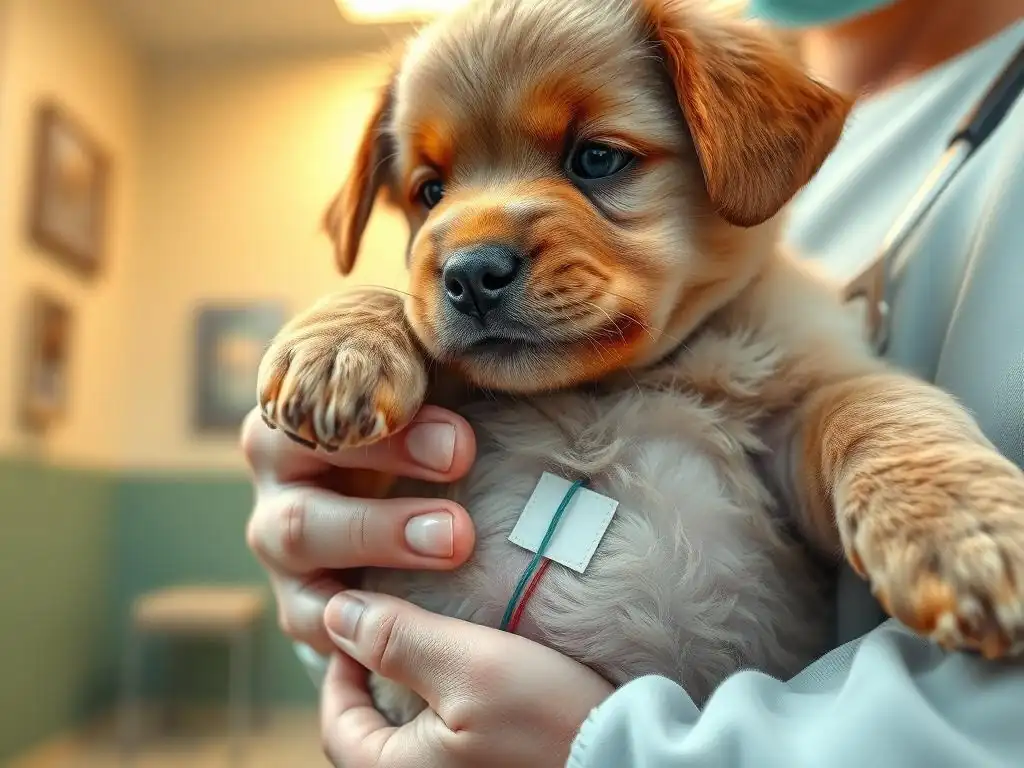
Welcome to PetCareWorld, your ultimate guide to a happier, healthier life for your beloved companion! Are you considering spaying or neutering your pet? While it offers significant long-term benefits, understanding potential Pet spaying neutering complications is crucial. Discover essential insights and practical advice to ensure a smooth recovery and a lifetime of joy with your furry, feathered, or scaled friend. Dive in and explore our expert-backed resources – your pet's well-being starts here!
- Understanding Common Pet Spaying and Neutering Complications
- Post-Operative Care: Minimizing Risks of Pet Spaying and Neutering Complications
- Specific Complications: Symptoms, Diagnosis, and Treatment
- When to Seek Immediate Veterinary Attention for Spaying/Neutering Complications
- Long-Term Effects and Management of Spaying/Neutering Complications
- Preventing Spaying and Neutering Complications: Choosing the Right Veterinarian
-
Frequently Asked Questions
- What are some common complications associated with spaying/neutering?
- How can I tell if my pet is experiencing a serious complication after surgery?
- What should I do if I suspect my pet has a complication after spaying/neutering?
- How can I minimize the risk of complications during and after the procedure?
- What is the recovery period like after spaying/neutering, and what should I expect?
- Final Reflection: The Ongoing Importance of Informed Pet Care
- Unleash Your Pet's Healthiest Future
Understanding Common Pet Spaying and Neutering Complications
Spaying and neutering your pet is a crucial decision for responsible pet ownership, offering significant health and behavioral benefits. However, like any surgical procedure, spaying and neutering carry potential risks and complications. This comprehensive guide will help you understand these potential issues, recognize early warning signs, and know when to seek veterinary attention. We'll cover common complications in various pet species, providing you with the knowledge to make informed decisions and ensure your pet's optimal post-operative care.
Understanding these potential complications is not meant to discourage spaying/neutering – the benefits often far outweigh the risks – but rather to empower you as a pet owner to be proactive and prepared. This article aims to equip you with the knowledge to identify and manage potential problems, leading to a smoother recovery for your beloved companion. Remember, early detection and prompt veterinary care are key to successful outcomes.
Recognizing Early Signs of Post-Surgical Issues in Dogs and Cats
Dogs and cats are the most common pets undergoing spaying and neutering. While the procedures are generally safe, several post-surgical issues can arise. Recognizing these early signs is crucial for timely intervention. Look out for the following:
- Excessive Bleeding: More than a small amount of blood-tinged discharge is a serious concern. Contact your veterinarian immediately if you notice significant bleeding or blood clots. 🐕🦺 🐈⬛
- Swelling or Pain: Mild swelling is normal, but excessive swelling or persistent pain (indicated by whimpering, restlessness, or licking of the incision site) requires veterinary attention.
- Infection: Signs of infection include redness, swelling, pus, or a foul odor at the incision site. Fever and lethargy can also accompany infection. Prompt veterinary treatment with antibiotics is essential.
- Dehiscence (Wound Opening): This is a serious complication where the surgical incision opens. It often presents as a visible opening of the wound, sometimes with internal organs protruding. Immediate veterinary care is absolutely necessary.
- Seromas (Fluid Accumulation): The accumulation of fluid under the skin near the incision site. While sometimes resolving on its own, larger seromas may require drainage by a veterinarian.
- Anorexia and Lethargy: A significant decrease in appetite or unusual lethargy beyond the expected post-operative drowsiness should be addressed by a veterinarian. These can be signs of underlying complications or pain.
The table below summarizes these common complications and their typical signs:
| Complication | Signs | Severity | Veterinary Attention? |
|---|---|---|---|
| Excessive Bleeding | Significant bleeding, blood clots | Very High | Immediate |
| Swelling/Pain | Excessive swelling, persistent pain, restlessness, licking the wound | High | Yes |
| Infection | Redness, swelling, pus, foul odor, fever, lethargy | High | Yes |
| Dehiscence (Wound Open) | Visible opening of wound, possible organ protrusion | Very High | Immediate |
| Seromas (Fluid) | Fluid accumulation near incision | Moderate | Often, depending on size |
| Anorexia/Lethargy | Significant decrease in appetite, unusual lethargy | Moderate | Yes |
Identifying Potential Complications in Rabbits, Ferrets, and Birds
Spaying and neutering are also performed on a variety of other pets, each with its own set of potential complications. Rabbits, ferrets, and birds present unique challenges due to their differing anatomies and physiological responses. [Specific data on complication rates for these species pending]. However, general signs of post-surgical complications remain similar: excessive bleeding, swelling, infection, and lethargy. Specialized veterinary care is crucial for these animals due to their delicate nature. For example, in rabbits, post-operative ileus (intestinal paralysis) can be a serious complication, requiring immediate veterinary intervention.
Understanding the Risks Associated with Spaying/Neutering
While the benefits of spaying and neutering (reduced risk of certain cancers, control of pet overpopulation) are substantial, it's essential to acknowledge the inherent risks. These risks include, but are not limited to:
- Anesthesia Risks: All anesthesia carries some risk, including adverse reactions and complications. Your veterinarian will assess your pet's health before surgery to minimize these risks.
- Bleeding: Hemorrhage is a potential risk during and after surgery.
- Infection: Infection at the incision site is a possibility, requiring antibiotic treatment.
- Complications at the surgical site: These can range from seromas to dehiscence (as discussed above).
- Death: Although rare, death is a potential, albeit extremely unlikely, risk associated with any surgical procedure. The risk is significantly reduced by choosing a qualified and experienced veterinarian.
The overall risk of complications is relatively low, and the benefits generally outweigh the potential risks. Open communication with your veterinarian about your pet's health history and any concerns you have is essential in making an informed decision. Choosing a qualified and experienced veterinarian is also crucial in minimizing potential risks.
Post-Operative Care: Minimizing Risks of Pet Spaying and Neutering Complications

Post-operative care is crucial in preventing complications after spaying or neutering your pet. The success of the procedure and your pet's swift recovery heavily depend on diligent monitoring and adherence to your veterinarian's instructions. Careful attention to detail during this period significantly reduces the risk of infection, excessive bleeding, and other potential issues associated with pet spaying neutering complications. This section outlines key aspects of post-operative care for various pet types.
Immediate Post-Operative Care for Dogs and Cats
Immediately following the procedure, your dog or cat will likely be groggy from the anesthesia. Keep them in a quiet, comfortable, and safe space, away from other pets and children, to prevent injury or stress. This quiet environment promotes faster recovery. Provide a soft bed and monitor their breathing and activity levels.
- Pain Management: Your veterinarian will prescribe pain medication. Administer it precisely as directed, even if your pet seems comfortable. Under-medicating can lead to discomfort, hindering their recovery and potentially increasing the risk of complications. Pain can manifest as lethargy, restlessness, or decreased appetite.
- Wound Care: The incision site should be kept clean and dry. Avoid letting your pet lick or scratch the area, as this can lead to infection. An Elizabethan collar (cone) is often recommended to prevent this. Gentle cleaning with a veterinarian-approved antiseptic solution, as instructed, is essential. Monitor the incision site for any signs of swelling, redness, discharge (pus), or excessive bleeding.
- Hydration and Nutrition: Encourage your pet to drink water regularly. Dehydration can exacerbate post-operative complications. Start with small, frequent meals of bland, easily digestible food. Gradually increase the food amount as their appetite returns. Monitor their bowel movements for regularity.
- Activity Restriction: Restrict your pet's activity for several days to allow the incision to heal properly. Avoid strenuous exercise, jumping, running, or playing. Leash walks should be short and gentle. Excessive activity can cause the incision to open, leading to serious pet spaying neutering complications.
Post-Operative Care for Rabbits, Ferrets, and Birds
Smaller animals, such as rabbits, ferrets, and birds, require specialized post-operative care. Their smaller size and different physiological characteristics mean that even minor complications can be more serious.
- Rabbits: Rabbits are prone to post-operative ileus (cessation of bowel movement). Careful monitoring of their bowel movements and appetite is crucial. Encourage them to eat hay to stimulate their digestive system. Observe for any signs of lethargy, decreased appetite, or straining. Pain medication is usually essential for their comfort and recovery.
- Ferrets: Ferrets have a unique physiology. Their recovery period may be longer than dogs and cats. Closely monitor their appetite, hydration, and activity levels. Pay particular attention to their temperature, as they are sensitive to temperature fluctuations.
- Birds: Post-operative care for birds is highly specialized and requires expertise. A veterinarian experienced in avian medicine should provide detailed instructions. Close monitoring for any signs of respiratory distress, bleeding, or changes in behavior is paramount. Proper cage hygiene is essential to minimize the risk of infection.
The table below summarizes key considerations for post-operative care:
| Animal Type | Pain Management | Wound Care | Activity Restriction | Diet |
|---|---|---|---|---|
| Dogs & Cats | Essential | Clean, dry; Elizabethan collar | Restricted for several days | Bland, easily digestible |
| Rabbits | Essential | Careful monitoring | Restricted | High-fiber diet |
| Ferrets | Often necessary | Careful monitoring | Restricted | High-protein diet |
| Birds | Veterinary guidance | Highly specialized | Restricted | Veterinary guidance |
Monitoring Your Pet for Signs of Infection
Early detection of infection is vital in preventing serious pet spaying neutering complications. Monitor your pet closely for the following signs:
- Swelling: Increased swelling around the incision site beyond the initial 24-48 hours.
- Redness: Significant redness or discoloration of the skin around the incision.
- Discharge: Pus or other discharge from the incision.
- Fever: Elevated body temperature (check with a rectal thermometer).
- Lethargy: Unusual lethargy, sleepiness, or lack of appetite.
- Pain: Signs of pain despite pain medication.
- Licking or chewing at the incision: Despite an Elizabethan collar, continued attempts to lick or bite at the incision.
If you observe any of these signs, contact your veterinarian immediately. Prompt treatment of infection can prevent serious complications and ensure your pet's recovery. Early intervention is key to managing potential pet spaying neutering complications effectively. Remember, proactive monitoring and immediate veterinary attention are your best defenses against post-operative issues. 🐾
Specific Complications: Symptoms, Diagnosis, and Treatment

This section delves into the specific complications that can arise after pet spaying or neutering procedures. Understanding the potential signs and symptoms, as well as appropriate responses, is crucial for responsible pet ownership and ensuring your pet's swift recovery. Early detection and prompt veterinary intervention are key to minimizing risks and promoting optimal healing following the surgery. Remember, this information is for educational purposes only and should not replace professional veterinary advice. Always consult your veterinarian with any concerns regarding your pet's health.
Infection: Recognizing Symptoms and Seeking Veterinary Care
Post-operative infections are a potential complication following spaying or neutering. These can range from minor localized infections to more serious systemic infections. Recognizing the signs early is vital for effective treatment. Common symptoms of infection include:
- Swelling and redness: Increased swelling around the incision site, accompanied by redness, is a primary indicator. The area might feel warm to the touch.
- Pus or discharge: The presence of pus or a foul-smelling discharge from the incision is a clear sign of infection. The discharge may vary in color, from yellowish to greenish.
- Lethargy and loss of appetite: Systemic infection can manifest as lethargy, decreased activity levels, and a loss of appetite in your pet.
- Fever: An elevated body temperature is another potential sign of a more serious infection. This requires immediate veterinary attention.
- Pain and discomfort: Your pet may exhibit signs of pain or discomfort around the incision site, such as whining, licking excessively, or avoiding movement.
If you observe any of these symptoms, contact your veterinarian immediately. Treatment typically involves antibiotics, sometimes administered orally and sometimes intravenously depending on the severity of the infection. In some cases, surgical drainage of the infected area may be necessary. Early intervention significantly improves the chances of a full recovery and prevents the infection from spreading. Proactive monitoring of the incision site in the days following surgery is crucial in preventing and detecting infection early.
Hemorrhage: Identifying Bleeding and Emergency Response
Hemorrhage, or excessive bleeding, is a serious, albeit less common, complication following spaying or neutering. This is a veterinary emergency requiring immediate attention. Signs of hemorrhage may include:
- Visible bleeding: Obvious bleeding from the incision site is a clear indication of a problem. The amount of bleeding can vary from a slight oozing to a significant flow of blood.
- Weakness and lethargy: Significant blood loss can lead to weakness, lethargy, pale gums, and rapid breathing. Your pet may appear unusually listless or unresponsive.
- Restlessness and panting: Your pet might exhibit restlessness, excessive panting, or a rapid heart rate due to the stress and discomfort associated with blood loss.
Hemorrhage requires immediate veterinary care. Prompt treatment is essential to prevent shock and potential death. The veterinarian will likely stop the bleeding, possibly through surgical intervention, and administer fluids to stabilize your pet. The severity of the hemorrhage and the response to treatment will determine the prognosis. Prevention involves careful post-operative monitoring and immediate veterinary contact at the first sign of excessive bleeding.
Seromas and Swelling: Understanding and Managing Fluid Buildup
Seromas are fluid-filled sacs that can develop under the skin near the incision site following surgery. They are relatively common, and while usually not serious, they can cause discomfort and require monitoring. Symptoms of seroma formation include:
- Fluid-filled swelling: A noticeable, often painless, swelling will appear near the incision. The swelling may feel soft and fluctuant to the touch.
- Slight discomfort: While usually not painful, some pets may show slight discomfort or sensitivity in the area.
Smaller seromas often resolve on their own. Larger seromas, however, may require aspiration (draining the fluid with a needle) by your veterinarian. In some cases, surgical intervention might be necessary. Regular monitoring of the incision site is important to detect seroma formation early. Your veterinarian can provide guidance on managing any swelling and determine if intervention is necessary. The size and location of the swelling will influence the course of treatment. Prevention focuses on minimizing trauma during surgery and ensuring proper wound closure.
Dehiscence: Wound Breakdown and Necessary Interventions
Dehiscence, the partial or complete separation of the layers of a surgical wound, is a potential complication following pet spaying or neutering. This typically occurs within the first two weeks post-surgery, although it can happen later. Several factors contribute to the risk of dehiscence, including infection, excessive activity by the pet, obesity, and poor surgical technique. Early detection is crucial for successful management.
Symptoms of dehiscence can range from subtle to dramatic. Owners might notice a slight swelling or redness around the incision site, a discharge that is different from the normal post-operative drainage (perhaps more profuse, cloudy, or foul-smelling), or a visible gap in the wound edges. In more severe cases, the internal tissues might be partially or completely exposed. The pet may also exhibit signs of discomfort, such as licking or biting at the incision, lethargy, or decreased appetite. Any unusual change in the incision should be promptly reported to the veterinarian.
Diagnosis is usually made through a physical examination by the veterinarian. They will assess the wound, looking for signs of separation, infection, and inflammation. In some cases, additional diagnostic tests, such as blood work or cultures, may be necessary to rule out underlying infections.
Treatment for dehiscence varies depending on the severity of the wound. Minor separation might be managed with wound cleaning, antibiotics, and possibly sutures to close the gap. More significant dehiscence may require surgical intervention to close the wound and address any underlying infections. The veterinarian might also prescribe pain medication and recommend strict rest and confinement to minimize further stress on the incision.
Regular monitoring and follow-up appointments are essential to ensure proper healing and prevent recurrence. It's important for pet owners to strictly adhere to the veterinarian's post-operative instructions to minimize the risk of dehiscence and other complications. This often involves restricting activity and preventing the pet from licking or scratching the incision.
Anesthesia Complications: Recognizing and Addressing Issues
Anesthesia is an integral part of spaying and neutering procedures, but it carries inherent risks. While generally safe, complications can occur, ranging from mild to life-threatening. Understanding these potential issues and recognizing their symptoms is vital for prompt intervention and positive outcomes. Several factors influence the risk of anesthetic complications, including the pet's age, overall health, breed, and the type of anesthetic used. Pre-operative screening, which may involve blood work and a thorough physical examination, helps identify potential risks and allows the veterinarian to take appropriate precautions.
Some common anesthetic complications include decreased respiratory function (hypoventilation or apnea), low blood pressure (hypotension), and abnormal heart rhythms (arrhythmias). These can manifest in various ways, such as shallow or labored breathing, pale gums, weakness, and collapse. More severe complications can involve organ damage or even death. Less common, but still possible, complications include allergic reactions to the anesthetic agents.
Prompt recognition of these issues is paramount. During the surgery, veterinary staff continuously monitor the pet's vital signs, including heart rate, respiratory rate, blood pressure, and oxygen saturation. Post-operatively, owners should be vigilant for any signs of distress, such as lethargy, excessive panting, vomiting, or unusual behavior. The veterinarian will provide specific instructions for post-operative care and should be contacted immediately if any concerning symptoms arise.
Treatment for anesthetic complications depends on the specific problem. Supportive care, such as oxygen therapy, intravenous fluids, and medication to stabilize blood pressure and heart rhythm, may be necessary. In severe cases, intensive care may be required. Post-operative monitoring is crucial to ensure a smooth recovery and to detect and address any potential complications promptly.
The veterinarian will likely schedule a follow-up appointment to assess the pet's progress and ensure complete recovery. Open communication between the veterinarian and pet owner is essential for minimizing risks and managing any complications that may arise during or after the procedure. This includes honestly reporting any pre-existing health conditions that could increase the risk of anesthesia complications.
When to Seek Immediate Veterinary Attention for Spaying/Neutering Complications

Spaying and neutering, while routine procedures, carry a small risk of complications. Recognizing these potential issues and knowing when to seek immediate veterinary attention is crucial for your pet's well-being. Early intervention significantly improves the chances of a positive outcome. This section details the critical signs indicating a need for emergency veterinary care following your pet's surgery.
Understanding these signs can be the difference between a minor setback and a serious health crisis. Remember, prevention is key, but swift action is equally important when complications arise. Ignoring warning signs can lead to irreversible damage and, in severe cases, even death.
Emergency Signs Requiring Immediate Veterinary Care
Several emergency signs following spaying or neutering require immediate veterinary attention. These signs often indicate a serious complication and necessitate prompt intervention. Delaying treatment can worsen the condition and negatively impact your pet's recovery. It's vital to be vigilant and alert to these warning signals:
- Excessive Bleeding: While some minor bleeding is normal immediately post-surgery (a small amount of blood-tinged discharge), profuse bleeding or the soaking of bandages requires immediate veterinary care. This could indicate hemorrhage, a life-threatening complication.
- Lethargy and Weakness: Extreme lethargy, unusual weakness, or collapse post-operation is a serious concern. This could be a sign of internal bleeding, infection, or other complications. Your pet should be showing gradual improvement in energy levels; significant lethargy is a red flag.
- Swelling and Pain: Significant swelling at the incision site, accompanied by intense pain or discomfort, should be addressed immediately. This could suggest an infection or a reaction to the surgery. While some mild swelling is expected, excessive swelling warrants a veterinary check-up.
- Loss of Appetite: A complete loss of appetite for more than 24 hours post-surgery is a worrying sign. This could indicate pain, infection, or a more serious underlying condition. Monitor your pet's food and water intake closely.
- Vomiting and Diarrhea: Persistent vomiting or diarrhea, especially if accompanied by other symptoms, is a cause for concern. This could be a sign of infection, anesthesia complications, or other post-operative issues.
- Difficulty Breathing: Any signs of difficulty breathing, such as labored breathing, rapid breathing, or bluish discoloration of the gums, are life-threatening emergencies requiring immediate veterinary intervention. This could be due to complications from anesthesia or other serious issues.
- Fever: A high fever (above the normal range for your pet species) is a significant indicator of infection. Monitor your pet's temperature regularly, and contact your veterinarian immediately if it rises abnormally. A rectal thermometer is useful for accurate temperature readings.
- Discharge from the Incision Site: While a small amount of clear or slightly blood-tinged discharge might be expected, a significant amount of pus-like or foul-smelling discharge indicates a possible infection. This requires immediate veterinary attention.
Contacting Your Veterinarian: What Information to Provide
When contacting your veterinarian about potential complications, having the necessary information readily available will streamline the process and ensure your pet receives the best possible care. Be prepared to provide the following details:
- Your Pet's Information: Name, breed, age, weight, and any pre-existing medical conditions.
- Surgery Details: Date of surgery, type of surgery (spaying or neutering), and the veterinarian who performed the procedure.
- Specific Symptoms: A clear and concise description of the symptoms your pet is exhibiting, including onset, frequency, and severity. Use precise language to avoid ambiguity. For example, instead of "a little sick," describe specific symptoms like "vomiting three times this morning, with yellow bile."
- Medication: If your pet is receiving any medication (pain relievers, antibiotics), specify the medication, dosage, and frequency.
- Recent Activities: Any unusual activities or exposures your pet may have had since the surgery.
- Your Contact Information: Your phone number and address so the veterinarian can reach you quickly.
Remember, when it comes to your pet's health, it's always better to err on the side of caution. Don't hesitate to contact your veterinarian if you have any concerns, no matter how small they may seem. Early detection and intervention are vital in managing pet spaying neutering complications effectively. Your prompt action can make a significant difference in ensuring a full and healthy recovery for your beloved companion.
Long-Term Effects and Management of Spaying/Neutering Complications

Spaying and neutering, while generally beneficial for pet health and population control, can sometimes lead to long-term complications. Understanding these potential issues and how to manage them is crucial for responsible pet ownership. While the immediate post-operative risks are well-documented, the long-term effects require ongoing vigilance and proactive care.
This section focuses on identifying and addressing these potential issues, ensuring your pet enjoys a healthy and happy life after surgery. Remember, early detection and appropriate veterinary intervention are key to successful management. The severity and likelihood of complications vary greatly depending on factors such as the pet's breed, age, overall health, and the surgical technique employed.
Managing Chronic Pain or Discomfort After Surgery
Post-operative pain is common, but chronic pain lasting beyond the typical recovery period is a serious concern. Some pets may exhibit subtle signs of discomfort, such as lethargy, decreased appetite, or changes in behavior. Others might display more obvious signs, like limping, vocalizing, or guarding a specific area. Pain management strategies vary depending on the severity and nature of the pain.
Veterinarians may prescribe pain relievers, such as NSAIDs (Non-Steroidal Anti-Inflammatory Drugs), or other medications tailored to the pet's specific needs. In some cases, physical therapy or other supportive care may be necessary. Regular veterinary check-ups are crucial for monitoring pain levels and adjusting treatment as needed. Early intervention is essential to prevent chronic pain from becoming debilitating. It's vital to observe your pet closely and report any persistent signs of discomfort to your veterinarian promptly. Don't hesitate to ask questions or express concerns about your pet's post-operative recovery. Even subtle changes in behavior can be indicative of underlying pain.
Here's a table summarizing common signs of chronic pain in pets after spaying/neutering:
| Sign | Description | Severity |
|---|---|---|
| Lethargy | Reduced activity levels, sleeping more than usual. | Mild-Severe |
| Decreased Appetite | Loss of interest in food or reduced food intake. | Mild-Severe |
| Changes in Behavior | Increased aggression, anxiety, or withdrawal. | Mild-Severe |
| Limping | Difficulty walking or placing weight on a leg. | Moderate-Severe |
| Vocalization | Whining, crying, or yelping, especially when touched. | Moderate-Severe |
| Guarding a Specific Area | Reluctance to allow touching of a particular body part. | Moderate-Severe |
While spaying and neutering offer significant health benefits, some studies suggest potential links to certain long-term health issues. These are often statistically associated but not definitively causative. For example, some research indicates a possible increased risk of certain cancers, such as mammary cancer in female dogs and some forms of bone cancer in both male and female dogs. Similarly, spayed female dogs might have a slightly increased risk of urinary incontinence and other urinary tract problems.
In males, some studies suggest a possible correlation between neutering and hip dysplasia or other orthopedic issues. It’s crucial to understand that these are correlations, not guarantees. Many neutered pets live long and healthy lives without experiencing these complications.
The key to mitigating these potential risks is proactive veterinary care. Regular check-ups, including thorough physical examinations, blood work, and appropriate screening tests, are essential. Maintaining a healthy weight, providing a balanced diet, and ensuring regular exercise contribute significantly to overall health and can help minimize the risk of certain health problems. Early detection of any health issues through regular veterinary visits is the best way to manage them effectively. Remember to discuss any concerns or questions you have with your veterinarian.
They can provide personalized advice based on your pet's breed, age, and health history. Open communication with your vet is paramount in ensuring your pet's long-term well-being. Remember, responsible pet ownership extends far beyond the immediate post-operative period. Ongoing care and monitoring are crucial for a happy and healthy life for your beloved companion.
Preventing Spaying and Neutering Complications: Choosing the Right Veterinarian
Choosing the right veterinarian is paramount in minimizing the risk of complications associated with pet spaying and neutering. This crucial first step sets the stage for a smooth and safe procedure. A skilled and experienced veterinarian will possess the knowledge and expertise to identify potential risks, perform the surgery with precision, and manage any post-operative issues effectively. This proactive approach significantly reduces the likelihood of encountering serious pet spaying neutering complications.
Importance of Choosing a Reputable Veterinarian
Selecting a reputable veterinarian goes beyond simply finding the closest clinic. It involves thorough research and careful consideration of several key factors. Look for veterinarians with board certifications in veterinary surgery or extensive experience in performing spaying and neutering procedures. Check online reviews and testimonials from other pet owners to gauge their experiences. A veterinarian's commitment to continuing education and staying updated on the latest surgical techniques and anesthetic protocols is also vital.
Consider visiting the clinic in person to observe the cleanliness and overall professionalism of the environment. A clean, well-organized clinic often reflects a veterinarian's commitment to providing high-quality care. Don't hesitate to inquire about their sterilization procedures and post-operative care protocols. A transparent and communicative veterinarian will readily answer your questions and address your concerns. Remember, choosing the right veterinarian is an investment in your pet's health and well-being.
Asking the Right Questions Before Scheduling the Procedure
Before scheduling the procedure, arm yourself with the right questions to ensure you're making an informed decision. Don't be afraid to ask detailed questions about the veterinarian's experience, their surgical techniques, and their post-operative care protocols. Inquire about the types of anesthesia used, the monitoring techniques employed during the procedure, and the facility's emergency capabilities.
Ask about their success rate for spaying and neutering, and specifically, their experience in handling potential complications. Understanding their approach to pain management and post-operative recovery is also critical. For example, you might ask: "What type of anesthesia is typically used, and what are the potential risks and side effects?"
or "What is your protocol for monitoring vital signs during and after surgery?" Thorough questioning empowers you to make an informed choice and choose a veterinarian who prioritizes the safety and well-being of your pet. This proactive approach is vital in mitigating potential pet spaying neutering complications.
Pre-Operative Examinations and Preparations
Pre-operative examinations are critical in identifying any underlying health issues that could increase the risk of complications during or after the procedure. A comprehensive examination should include a thorough physical assessment, blood tests to check organ function, and possibly other diagnostic tests depending on the pet's age and health history. The veterinarian should assess your pet's overall health and discuss any potential risks or concerns related to the procedure.
This includes discussing potential risks and complications specific to your pet's breed, age, and medical history. Pre-operative preparations may also include fasting your pet for a specified period before the surgery to minimize the risk of vomiting or aspiration during anesthesia. Clear communication with your veterinarian regarding pre-operative instructions is essential.
Following these instructions meticulously helps create a safer environment for your pet and reduces the chances of post-operative issues. This careful attention to detail is a vital step in preventing pet spaying neutering complications.
Frequently Asked Questions
What are some common complications associated with spaying/neutering?
While generally safe, minor complications like swelling, infection, or bleeding at the incision site are possible. More serious but rare complications include hemorrhage, infection spreading beyond the incision, or adverse reactions to anesthesia. Always follow your vet's post-operative instructions.
How can I tell if my pet is experiencing a serious complication after surgery?
Watch for signs like excessive bleeding, lethargy, loss of appetite, vomiting, difficulty breathing, or swelling that increases significantly. Contact your veterinarian immediately if you notice any of these warning signs.
What should I do if I suspect my pet has a complication after spaying/neutering?
Contact your veterinarian immediately. Do not attempt to self-treat. Your vet can assess the situation, provide appropriate treatment, and minimize potential risks. Early intervention is crucial.
How can I minimize the risk of complications during and after the procedure?
Choose a reputable veterinarian with experience in performing these procedures. Ensure your pet is healthy before surgery by addressing any underlying health issues. Follow your vet's pre- and post-operative instructions carefully.
What is the recovery period like after spaying/neutering, and what should I expect?
The recovery period varies by pet and procedure. Expect some mild discomfort and swelling. Restrict activity to prevent reopening the incision. Provide a quiet, comfortable environment and follow your vet's recommendations regarding pain management and post-operative care.
Final Reflection: The Ongoing Importance of Informed Pet Care
The responsible ownership of companion animals demands a deep understanding of the procedures we undertake for their well-being, and spaying or neutering is no exception. While seemingly routine, these surgeries carry potential complications that, if overlooked or mismanaged, can significantly impact an animal's health and quality of life. Understanding these risks, as explored in this article, is not just about veterinary best practices; it's about ensuring the happiness and longevity of our beloved pets.
The impact of responsible pet ownership extends far beyond the individual animal; it shapes our communities and our understanding of animal welfare. The information presented here is crucial not only for pet owners making informed decisions but also for fostering a culture of responsible breeding and pet care. The best way to take care of animals is to prevent suffering in the first place,
a sentiment that underscores the importance of proactive care and informed decision-making regarding spaying and neutering. This includes recognizing the potential complications and seeking appropriate veterinary care when necessary.
You, as a pet owner or aspiring pet owner, now hold the power to make a difference. Take the time to discuss potential complications with your veterinarian, ask questions, and advocate for your pet's best interests. By being informed and proactive, you contribute to a future where responsible pet ownership is the norm, ensuring that our animal companions live long, healthy, and happy lives. Let's work together to create a world where every pet receives the care it deserves.
Unleash Your Pet's Healthiest Future
Thank you for learning about spaying and neutering your beloved pet! We hope this article provided valuable information to ensure their well-being. Let's put that knowledge into action.
Here are a few ways you can further support your furry friend:
- Schedule your pet's spay or neuter appointment today. This crucial step significantly improves their long-term health. Scheduling early often secures your preferred date and time.
- Share this article with other pet owners – spreading awareness ensures all animals receive proper care.
- Consider joining a local pet owner's group to connect with others and gain valuable insights on pet care. You might be surprised by the wealth of knowledge and support available within your community.
What will you do today to prioritize your pet's health and happiness?